
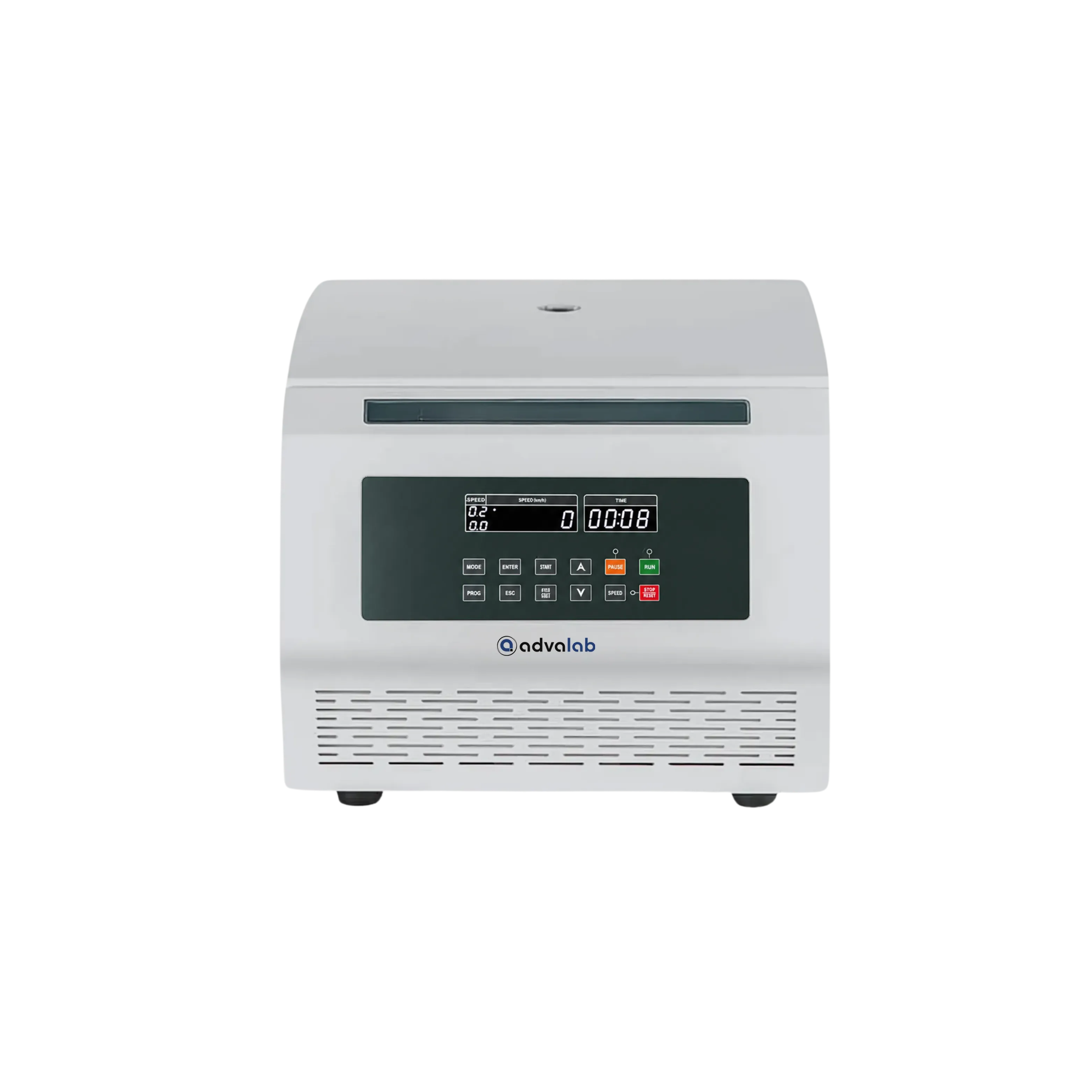
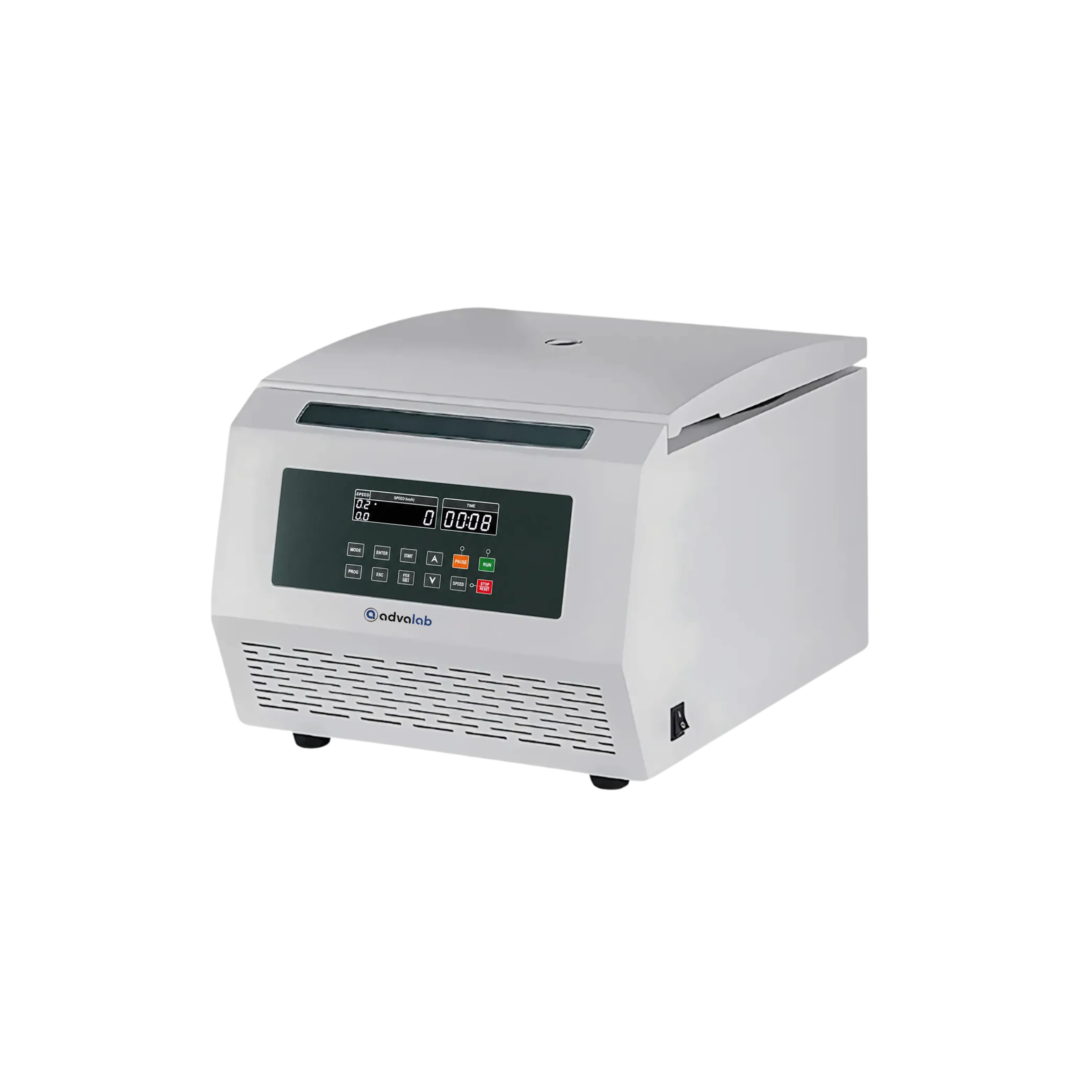
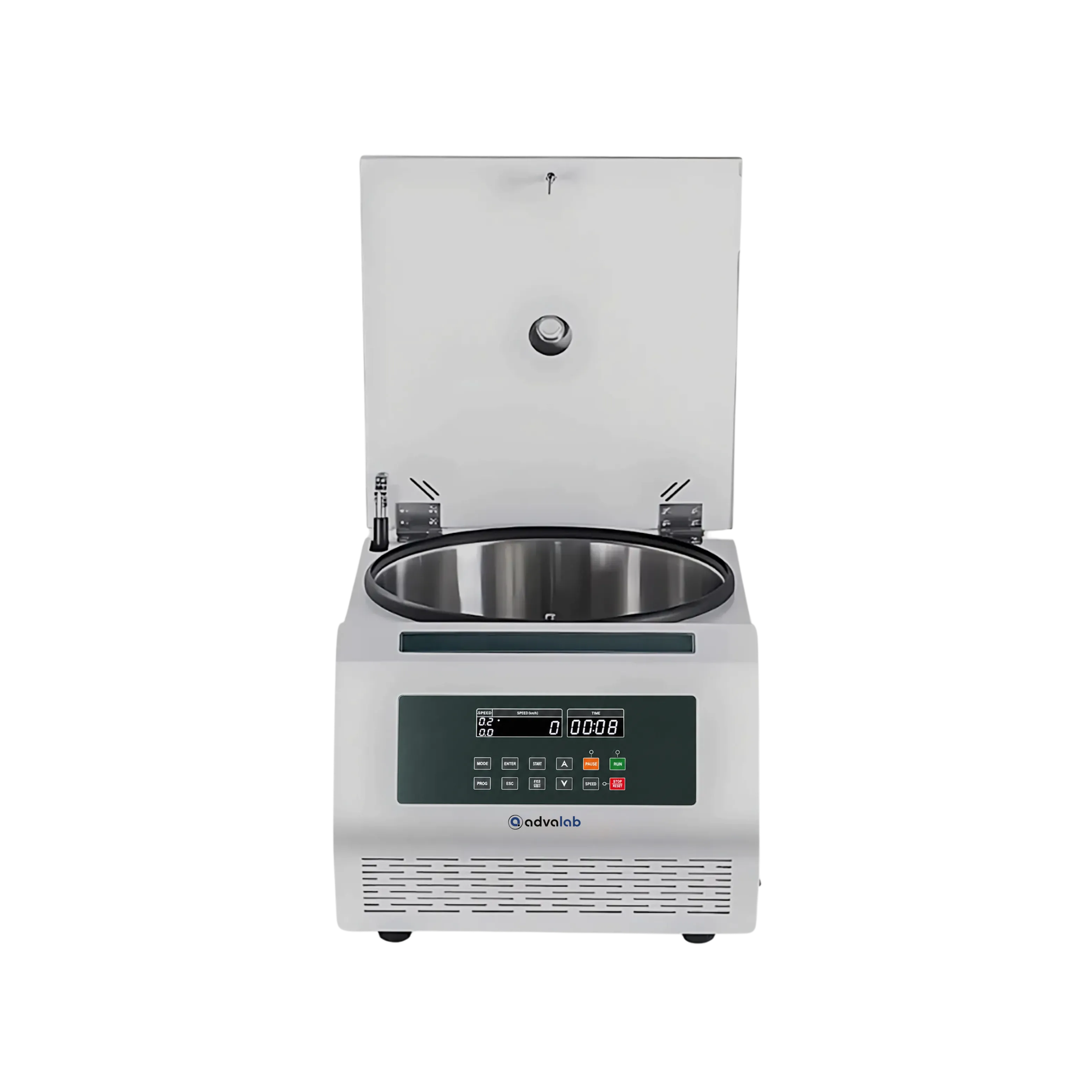
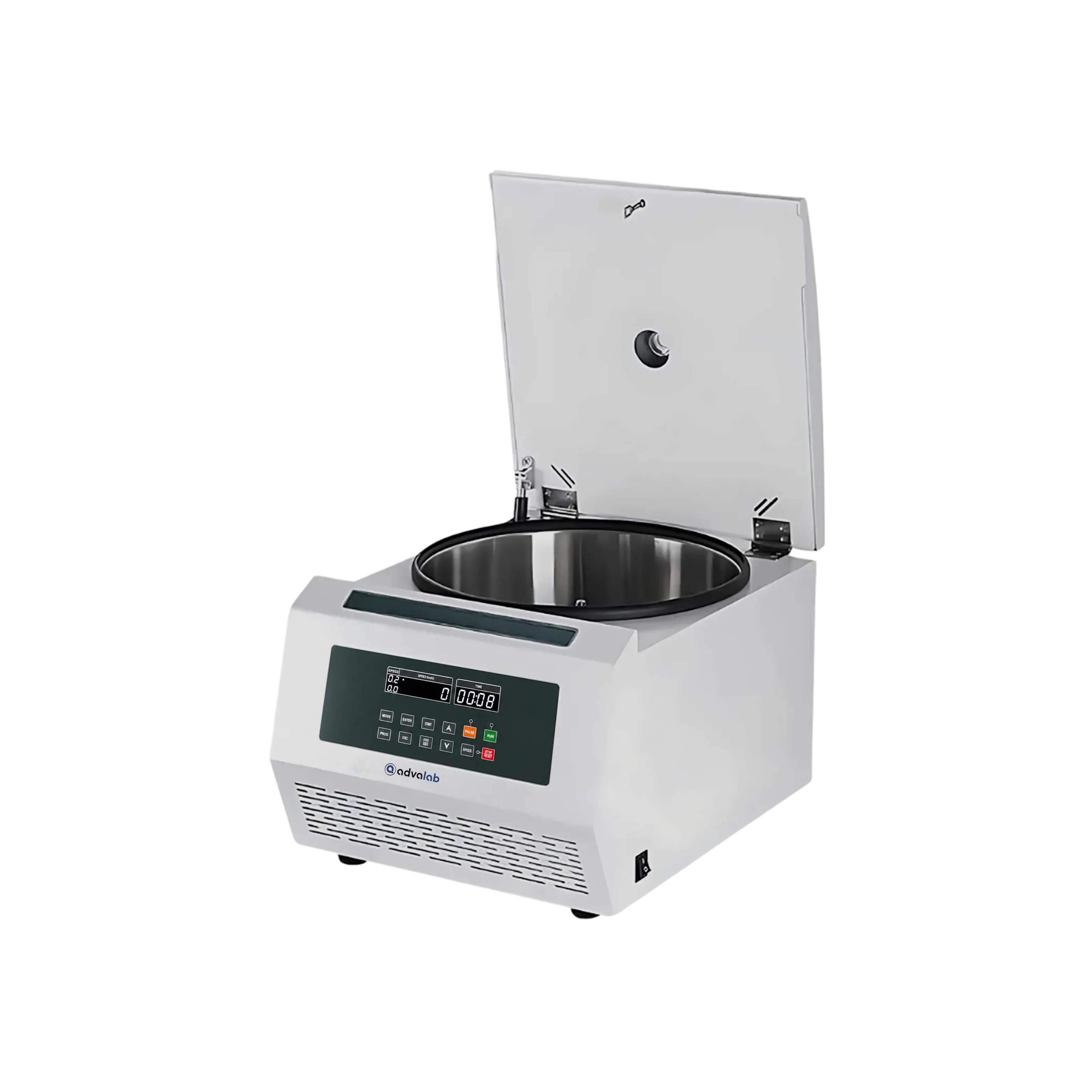
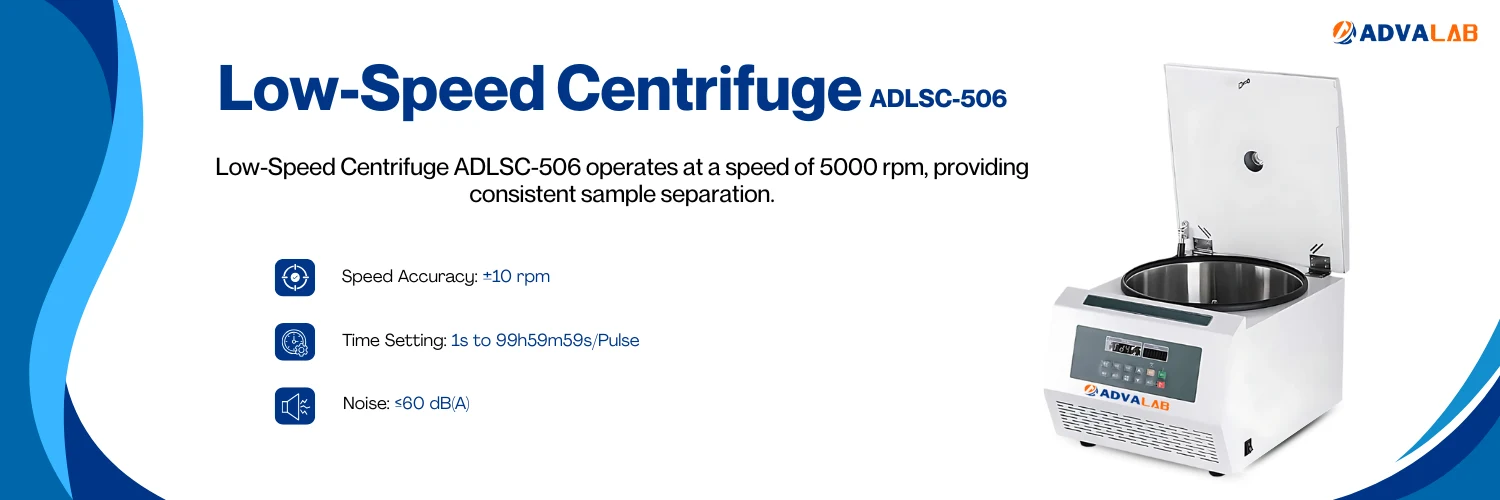
| Maximum Speed | 5000 rpm |
| Maximum RCF | 4650 × g |
| Maximum Capacity | 8 × 100 ml |
| Speed Accuracy | ±10 rpm |
| Time Setting | 1s to 99h59m59s/Pulse |
| Noise | ≤60 dB(A) |
| Power Consumption | 500 W |
| Dimensions(L×B×H) | 550 x 430 x 350 mm |
| Weight | 39 kg |
Our Low-Speed Centrifuge ADLSC-506 is used in blood separation, biotechnology research, and routine sample preparation in academic and industrial laboratories.
Rotor | Capacity | Maximum Speed | Maximum RCF | Tube Size |
Swing out rotor 01 | 4×100ml | 5000rpm | 4650×g | Φ38×114mm |
Swing out rotor 02 | 4×50ml | 5000rpm | 4650×g | Φ30×116mm |
Swing out rotor 03 | 32×15ml | 4000rpm | 2980×g | Φ17×121mm |
Swing out rotor 04 | 24×15ml | 4000rpm | 2980×g | Φ17×121mm |
Swing out rotor 05 | 8×50ml | 4000rpm | 2980×g | Φ30×116mm |
Swing out rotor 06 | 8×100ml | 4000rpm | 2980×g | Φ38×114mm |
Swing out rotor 07 | 48×2 to 7ml blood tube | 4000rpm | 2980×g | Φ13×75 to 100mm |
Microplate rotor 01 | 2×3×96 well plate | 4300rpm | 2274×g | - |
1. How easy is it to operate and maintain the Low-Speed Centrifuge ADLSC-506?
The Low-Speed Centrifuge ADLSC-506 is designed with a simple control interface, making it easy to set speed, time, and other parameters. Its smooth surface and removable rotor components allow for convenient cleaning and maintenance. Routine checks, such as balancing loads and inspecting the rotor, help maintain longevity. The unit generally requires minimal technical knowledge to operate. With proper handling, it provides reliable and low-maintenance service over time.
2. Is the Low-Speed Centrifuge ADLSC-506 safe to use in routine laboratory applications?
Yes, the Low-Speed Centrifuge ADLSC-506 is equipped with essential safety features such as lid-lock mechanisms, imbalance detection, and auto shut-off during error conditions. These safety protocols help prevent accidents during operation. The device is designed to be user-friendly and reliable for daily use. Proper maintenance and adherence to operating instructions further enhance its safety. Overall, it ensures secure and consistent performance in laboratory environments.
3. What types of samples can be processed using the Low-Speed Centrifuge ADLSC-506?
The Low-Speed Centrifuge ADLSC-506 is suitable for processing a wide range of biological samples, including blood, urine, and cell suspensions. It is commonly used in clinical laboratories, research institutions, and educational settings. The centrifuge supports various tube sizes with appropriate rotor attachments. Its low-speed setting ensures gentle separation, minimizing damage to delicate cells. This makes it ideal for routine sample clarification and plasma separation.
4. Does the Low-Speed Centrifuge ADLSC-506 support different types of rotors?
Yes, the Low-Speed Centrifuge ADLSC-506 is compatible with both swing-out and fixed-angle rotors. This allows users to perform a variety of applications depending on sample type and desired separation. Switching between rotors is quick and user-friendly. The flexibility in rotor options enhances the machine’s versatility across different lab procedures. Always ensure the correct rotor is securely installed before operation.
5. Is the Low-Speed Centrifuge ADLSC-506 noisy during operation?
The Low-Speed Centrifuge ADLSC-506 operates with minimal noise, making it suitable for quiet laboratory environments. Its well-balanced motor and enclosed design reduce vibrations and sound levels. This enhances user comfort during prolonged use. If noise levels increase unexpectedly, it may indicate an imbalance or maintenance issue. Regular inspections help maintain smooth and quiet performance.
6. Can the Low Speed Centrifuge ADSLC-506 be used in mobile or field labs?
Yes, the Low Speed Centrifuge ADSLC-506 is compact and portable, making it suitable for mobile labs and field operations. The design of the Low Speed Centrifuge ADSLC-506 ensures stable performance in various environments.
7. Is tube balancing important when using the Low Speed Centrifuge ADSLC-506?
Yes, balancing tubes in the Low Speed Centrifuge ADSLC-506 is essential to prevent vibration and motor damage. Proper balancing ensures accurate and safe operation of the Low Speed Centrifuge ADSLC-506.
8. What is a Low Speed Centrifuge used for?
A Low Speed Centrifuge is primarily used for the separation of biological samples like blood, urine, or cells at lower speeds. Low Speed Centrifuge machines are ideal for routine separation tasks in clinical and research laboratories.
9. Can I use a Low Speed Centrifuge for blood sample separation?
Yes, a Low Speed Centrifuge is commonly used for separating blood components like plasma and serum. The gentle speed of a Low Speed Centrifuge ensures that blood cells are not damaged during the process.
10. What types of tubes are compatible with a Low Speed Centrifuge?
A Low Speed Centrifuge is compatible with various tube types such as conical, round-bottom, and standard test tubes. Always ensure that the tubes used in the Low Speed Centrifuge are balanced properly.
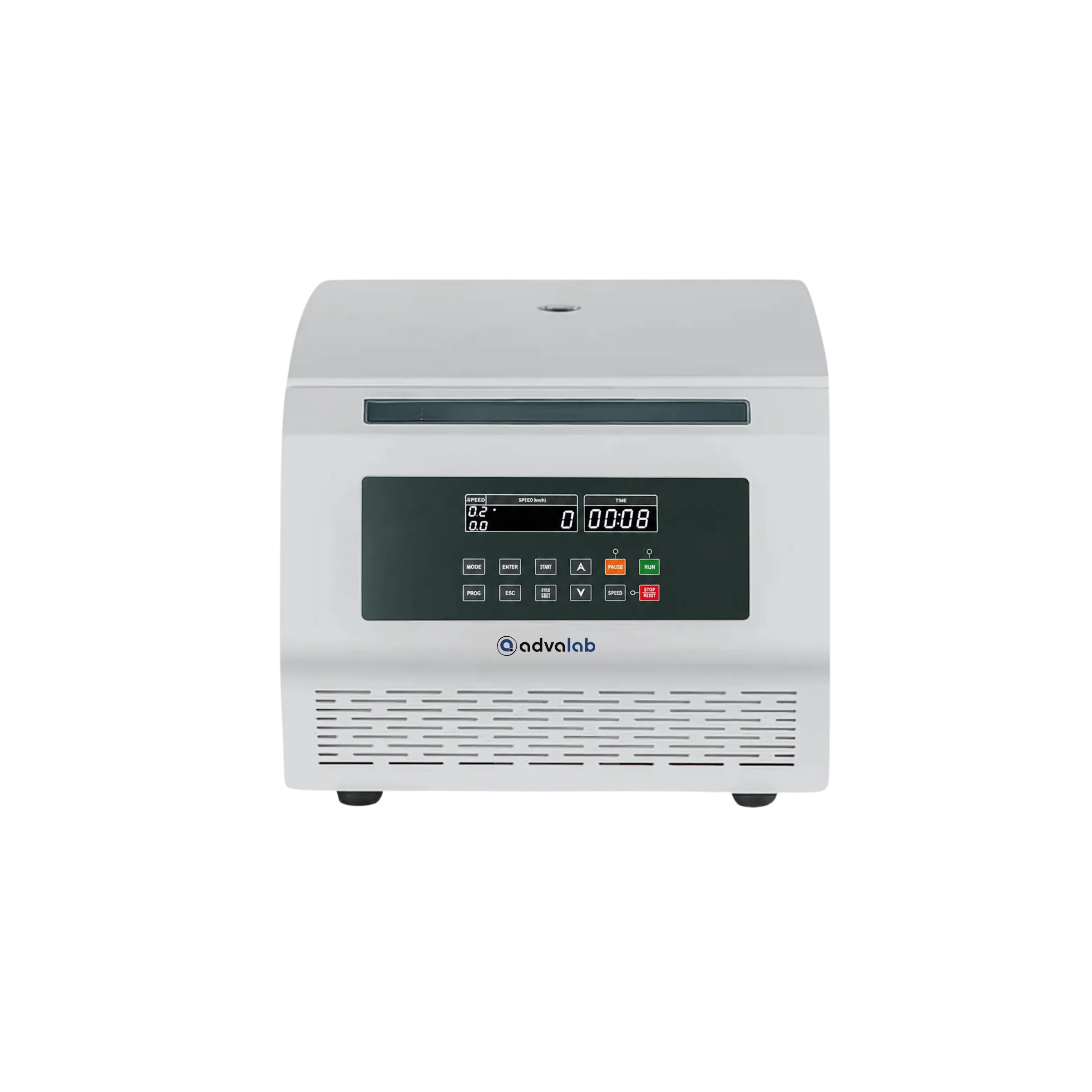
| Maximum Speed | 5000 rpm |
| Maximum RCF | 4650 × g |
| Maximum Capacity | 4 × 250 ml |
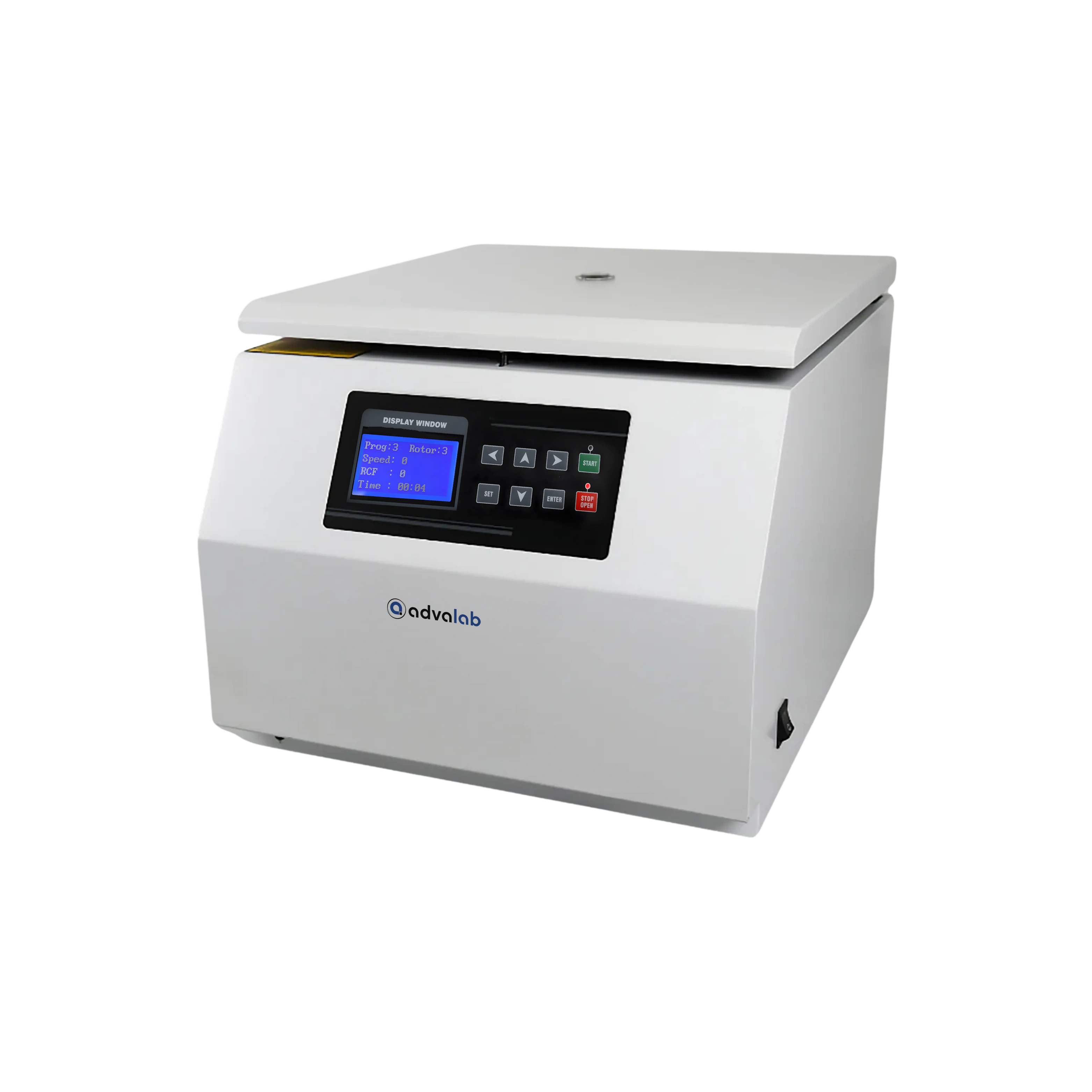
| Maximum Speed | 5000 rpm |
| Maximum RCF | 4499 x g |
| Maximum Capacity | 4 x 600ml |
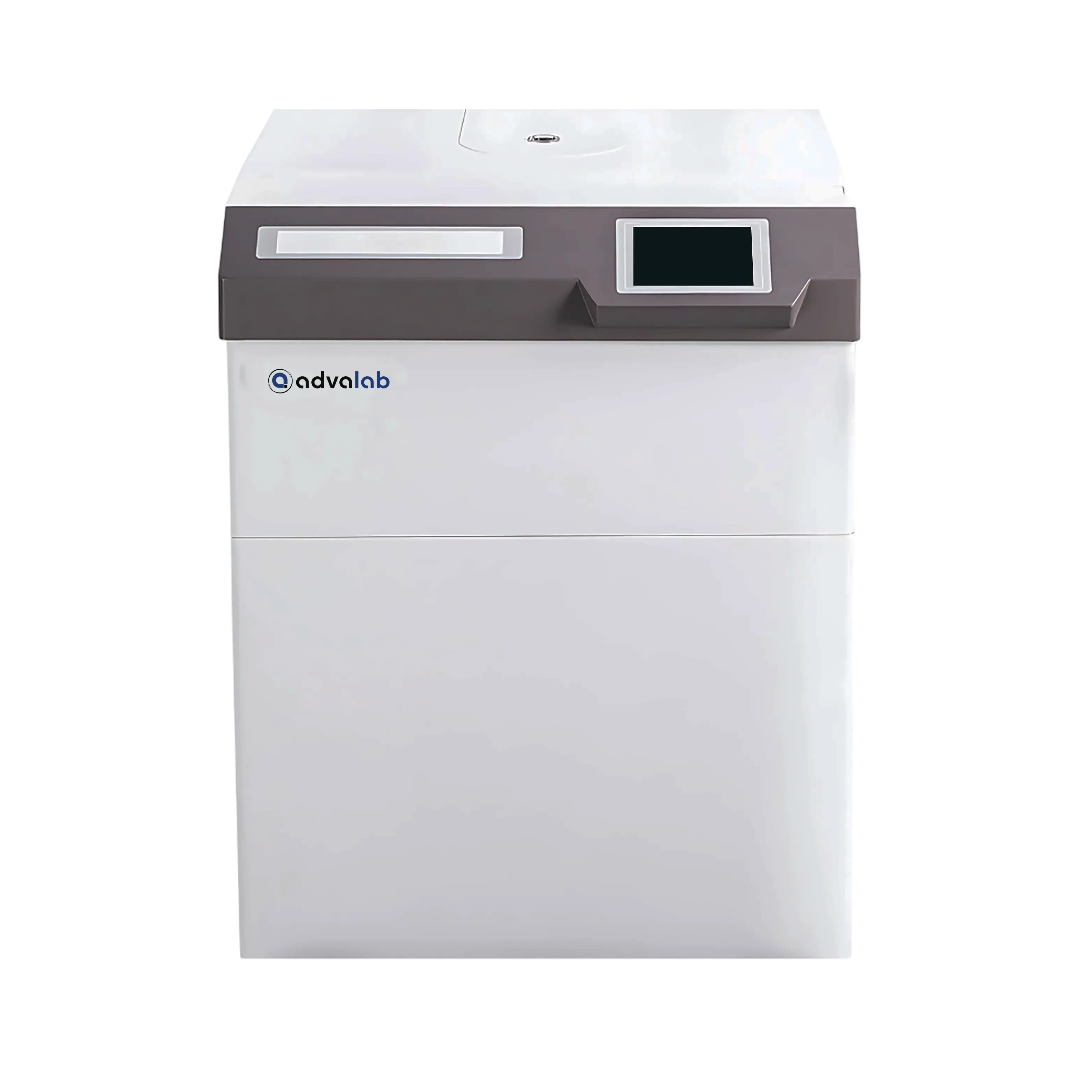
| Maximum Speed | 6000 rpm |
| Maximum RCF | 5201x g |
| Maximum Capacity | 4x800 ml |
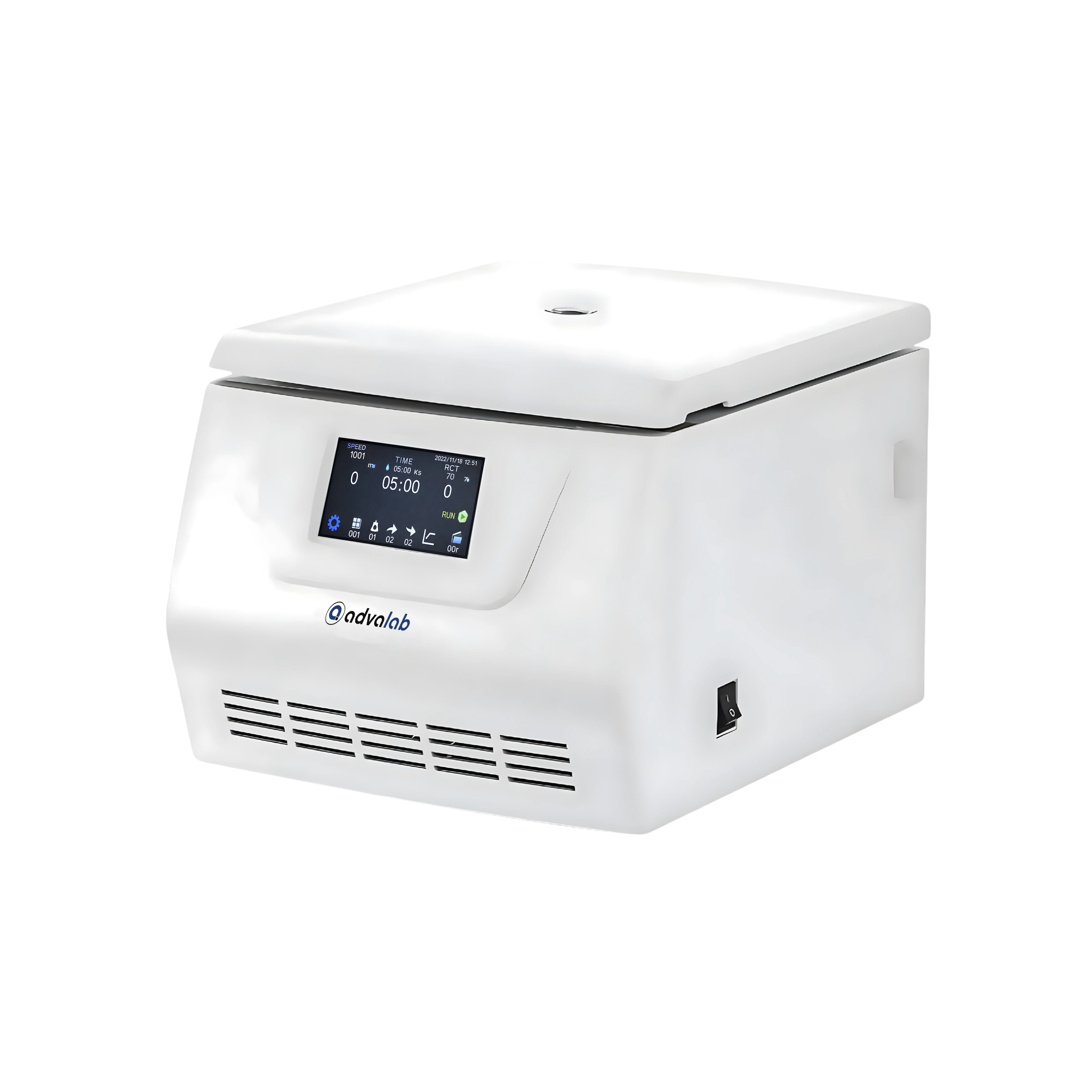
| Maximum Speed | 5000 rpm |
| Maximum RCF | 4650 × g |
| Maximum Capacity | 6 × 50 ml |
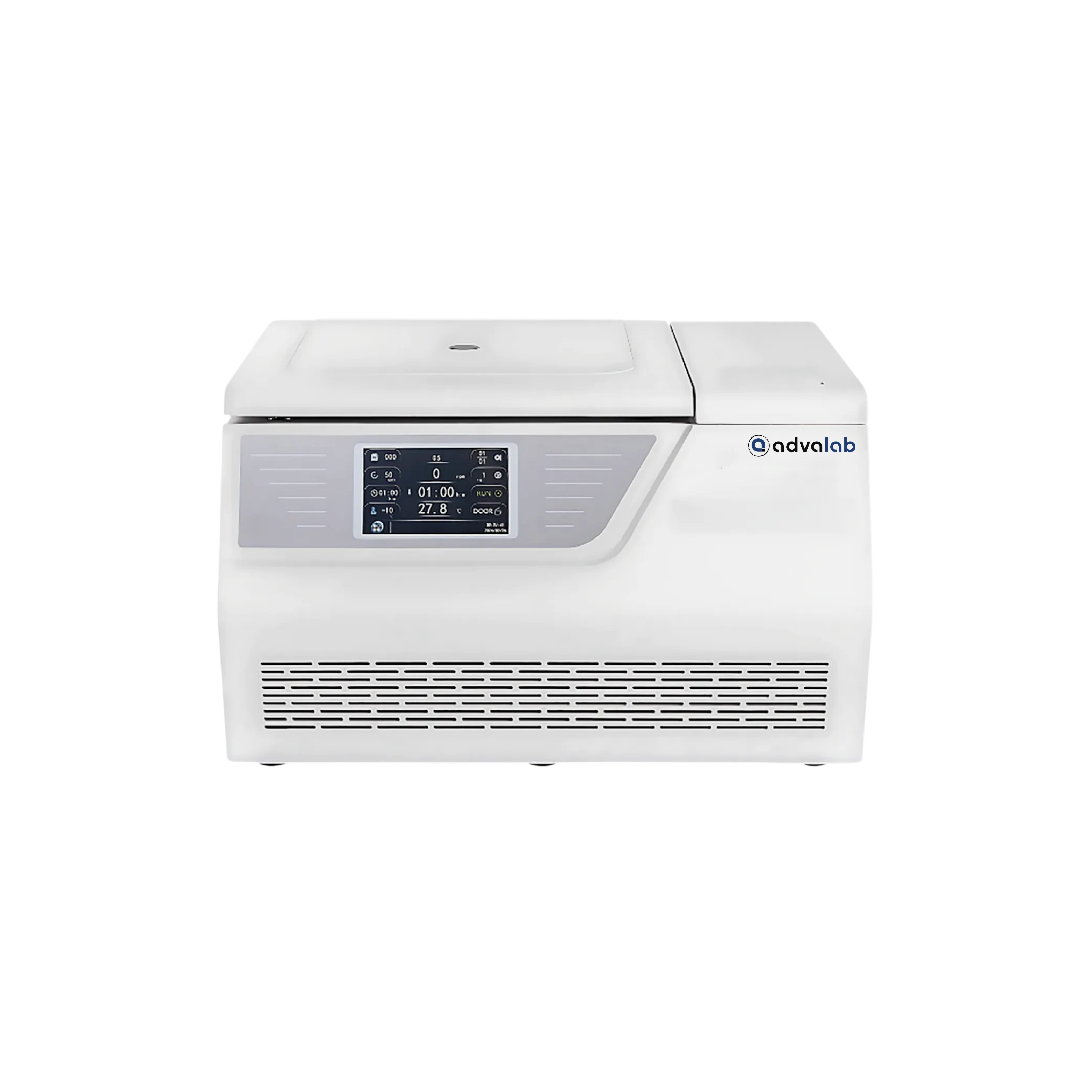
| Maximum Speed: | 19,000 rpm |
| Maximum RCF: | 30,367× g |
| Maximum Capacity: | 4 x 500 ml |
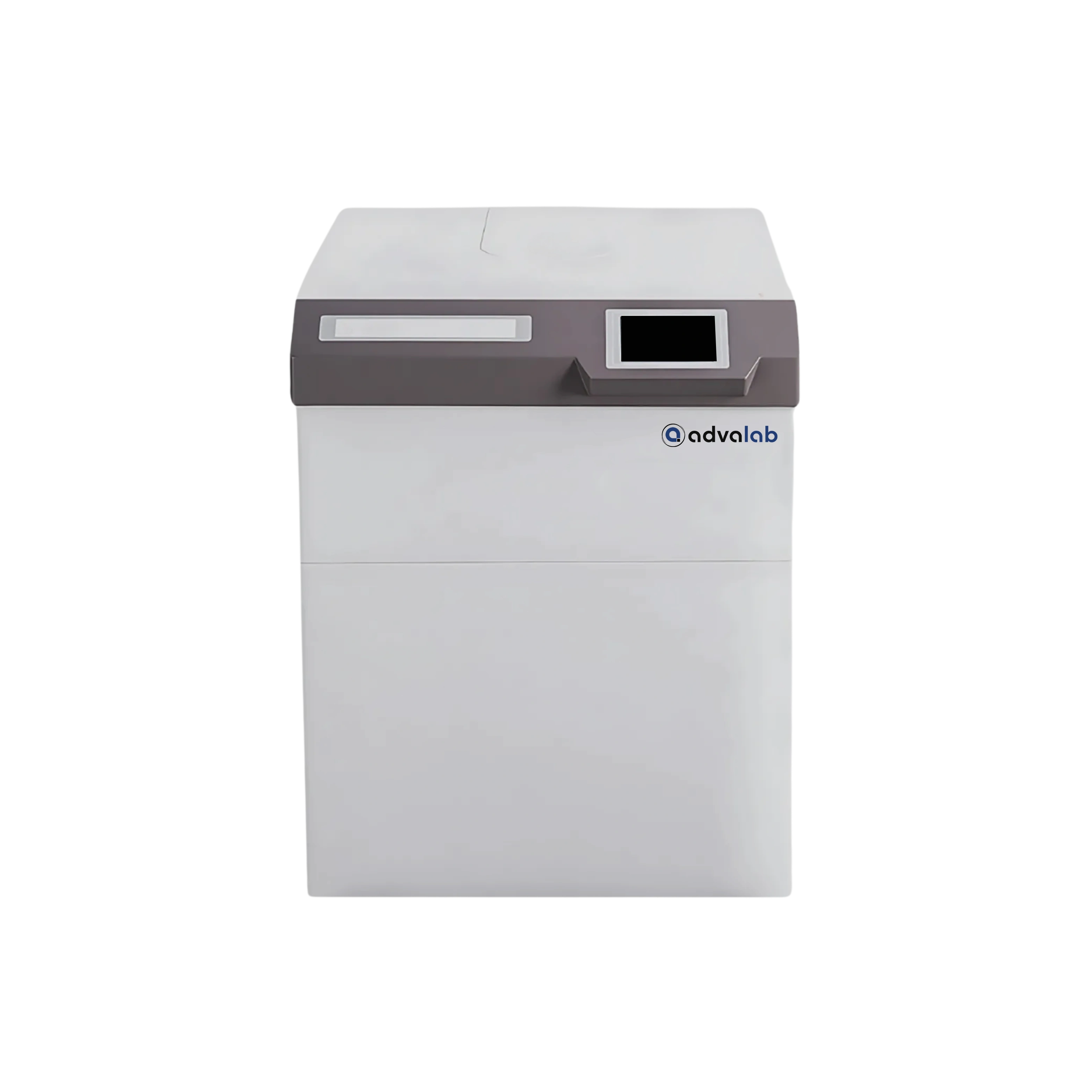
| Max Speed: | 18000 rpm |
| Max RCF: | 31405 x g |
| Max Capacity: | 4 x 250 ml |
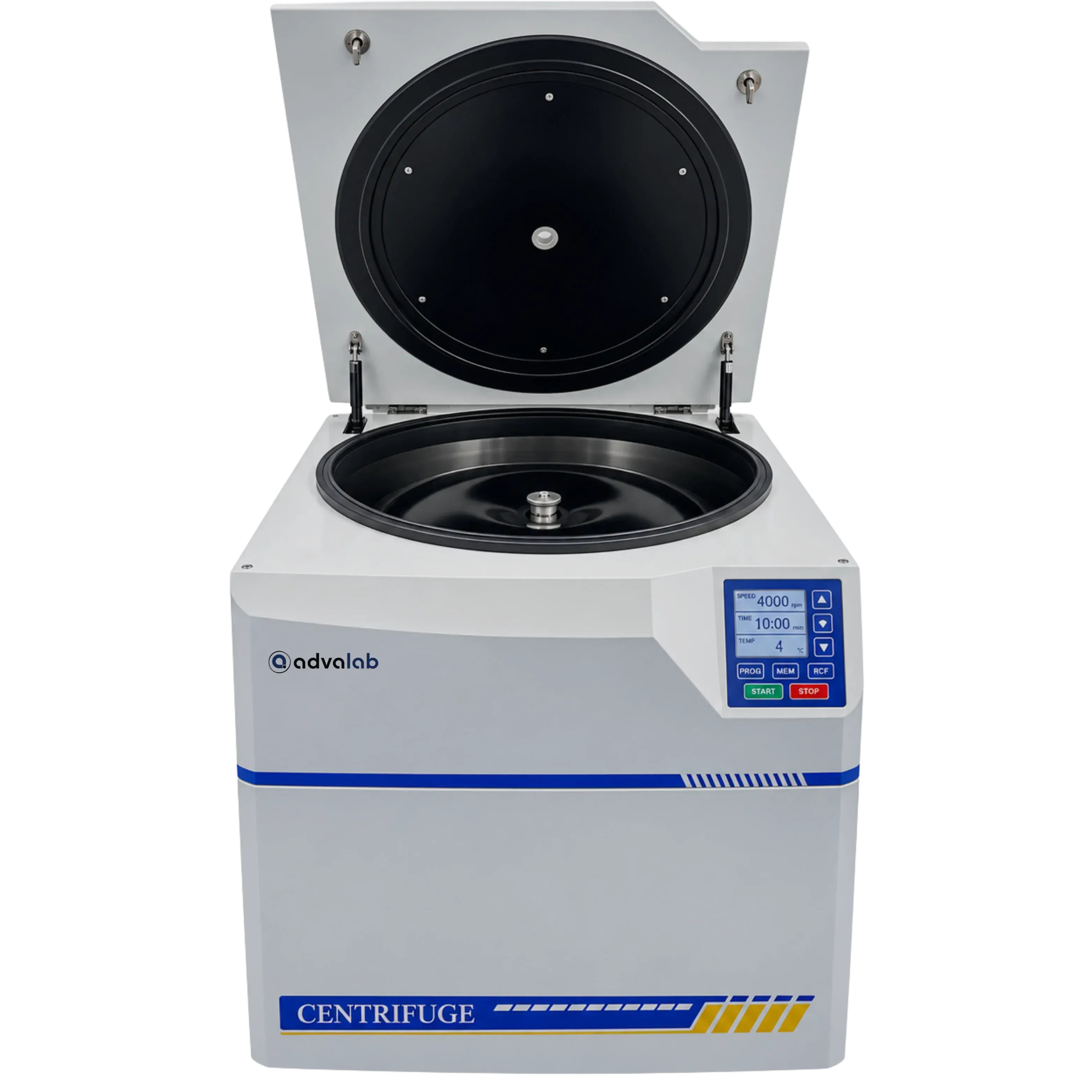
| Maximum RCF (×g): | 5330xg |
| Time range: | 1 to 99 h 59 min 59 s |
| RPM/RCF convert: | Yes |
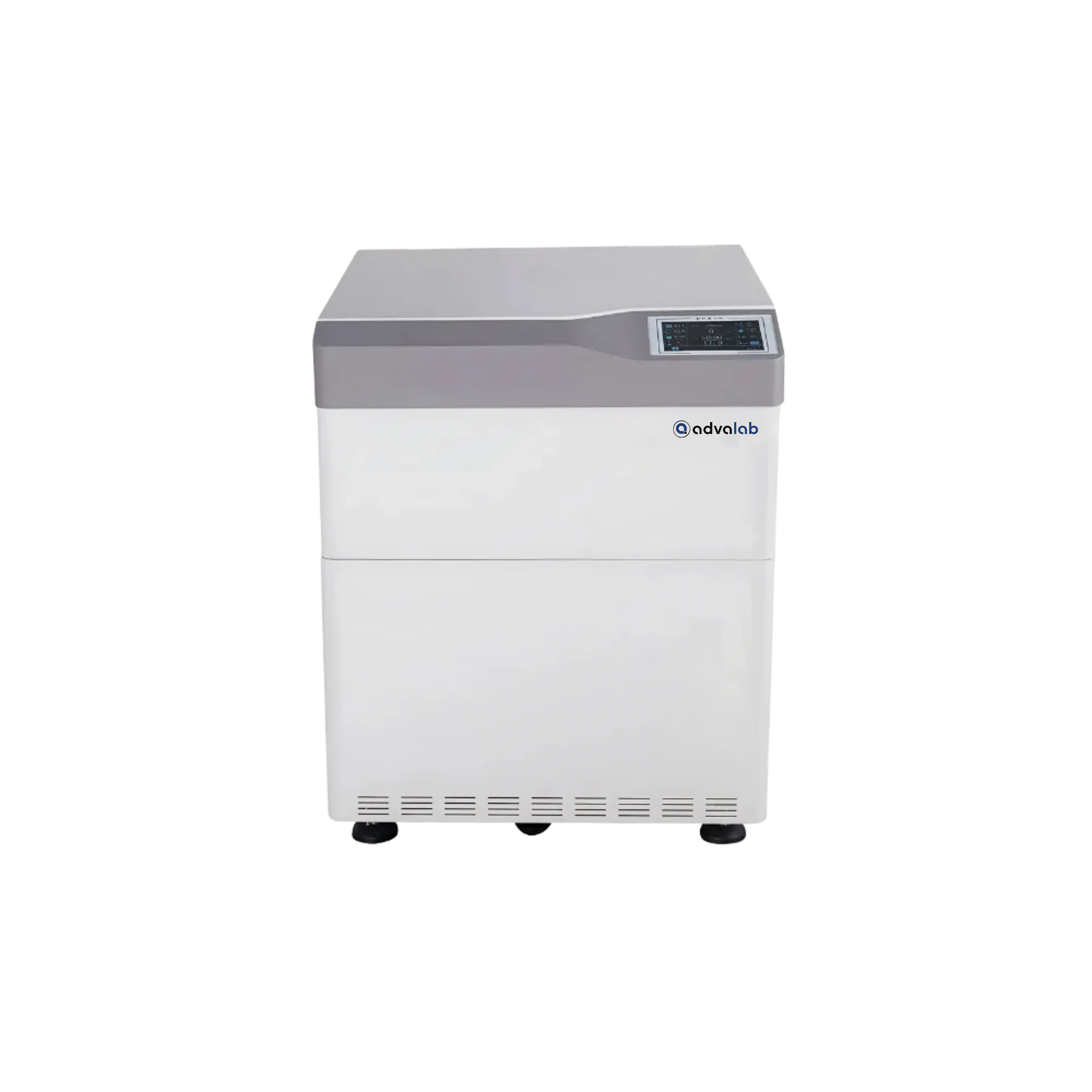
| Max Speed: | 22000 rpm |
| Max RCF: | 33873x g |
| Max Capacity: | 4x750ml |

| Maximum Speed: | 21,000 rpm |
| Maximum RCF: | 31,405 × g |
| Maximum Capacity: | 4 × 750 ml |

| Maximum Speed: | 16500 rpm |
| Maximum RCF: | 21630 x g |
| Maximum Capacity: | 12 x 10 mL |

| Maximum Speed: | 23,000 rpm |
| Maximum RCF: | 37,023 x g |
| Maximum Capacity: | 4 x 750 ml |
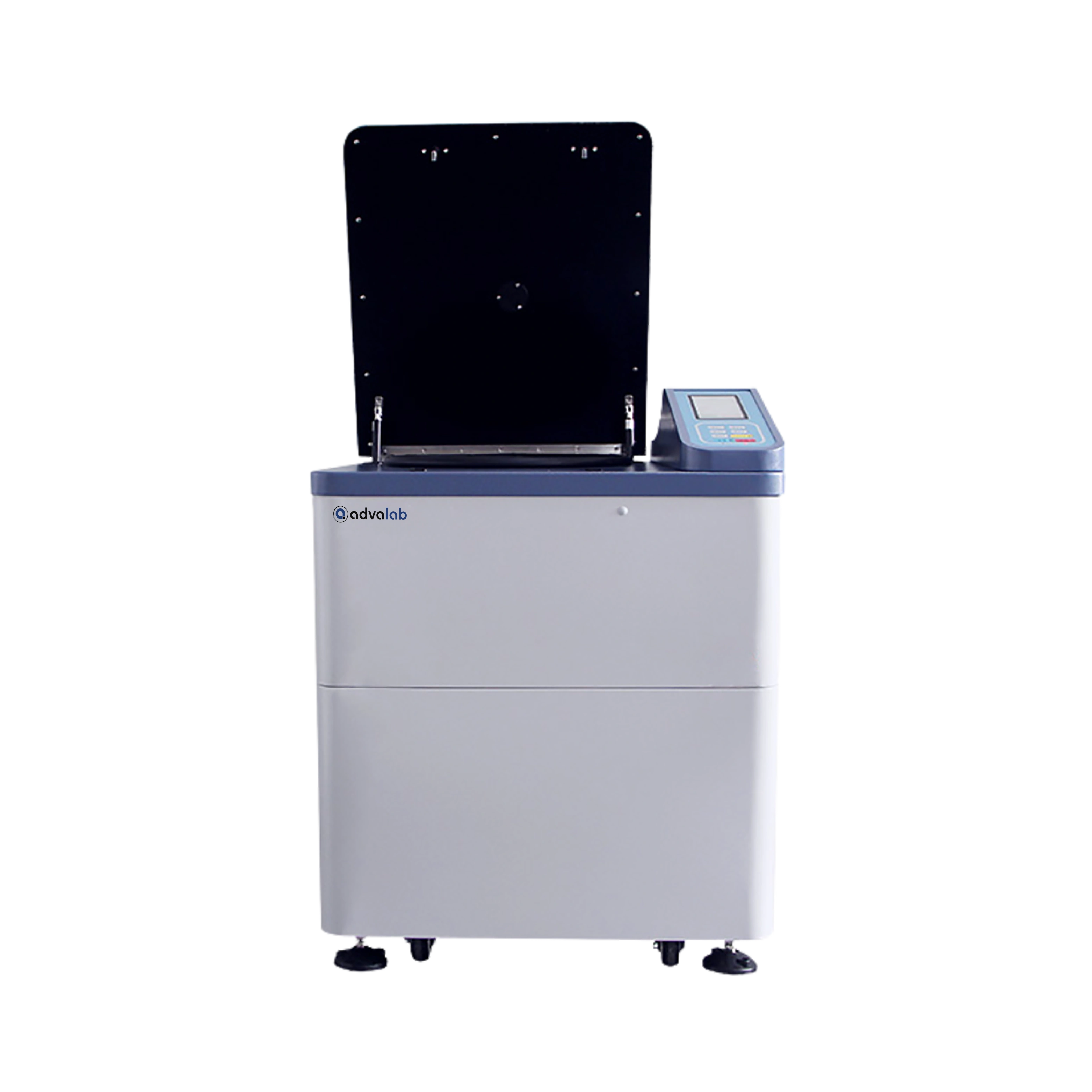
| Maximum Speed: | 30000 rpm |
| Maximum RCF: | 65000 × g |
| Maximum Capacity: | 4×1000ml |
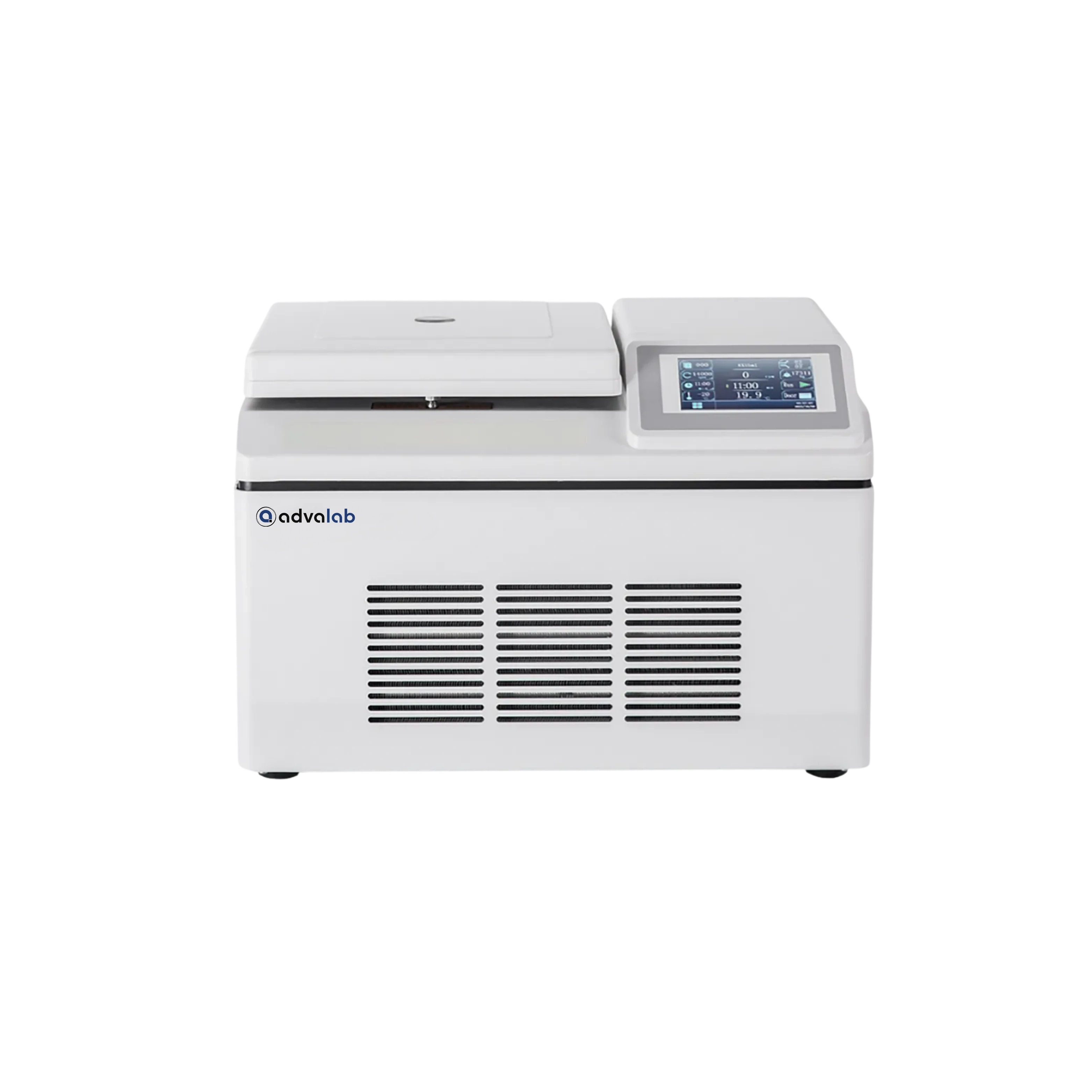
| Maximum Speed: | 16,500 rpm |
| Maximum RCF: | 24,814 × g |
| Maximum Capacity: | 6 × 100ml |

| Maximum Speed: | 16500 rpm |
| Maximum RCF: | 24760 × g |
| Maximum Capacity: | 6 x 100 mL |
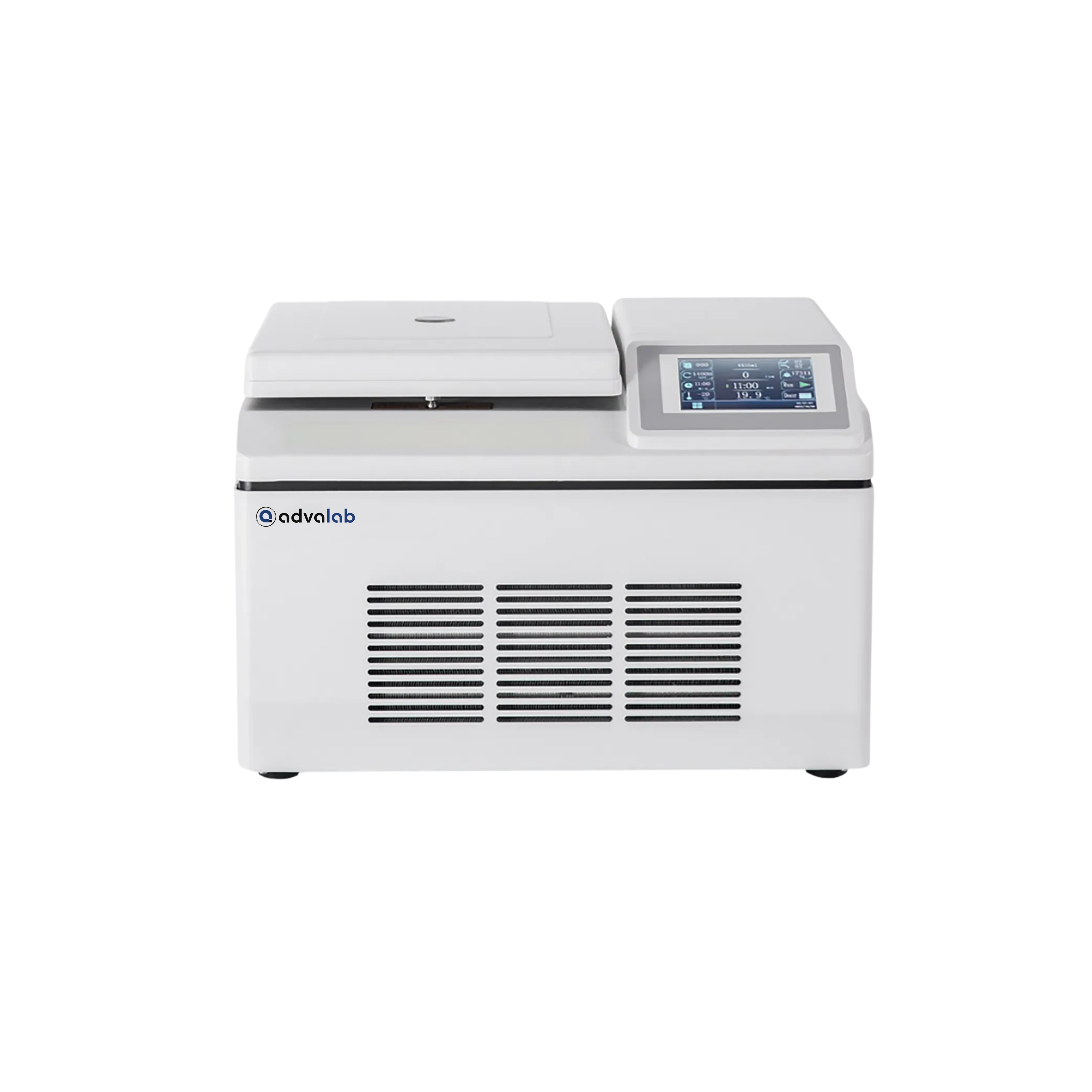
| Maximum Speed: | 18000 rpm |
| Maximum RCF: | 29684 × g |
| Maximum Capacity: | 6 × 100 ml |
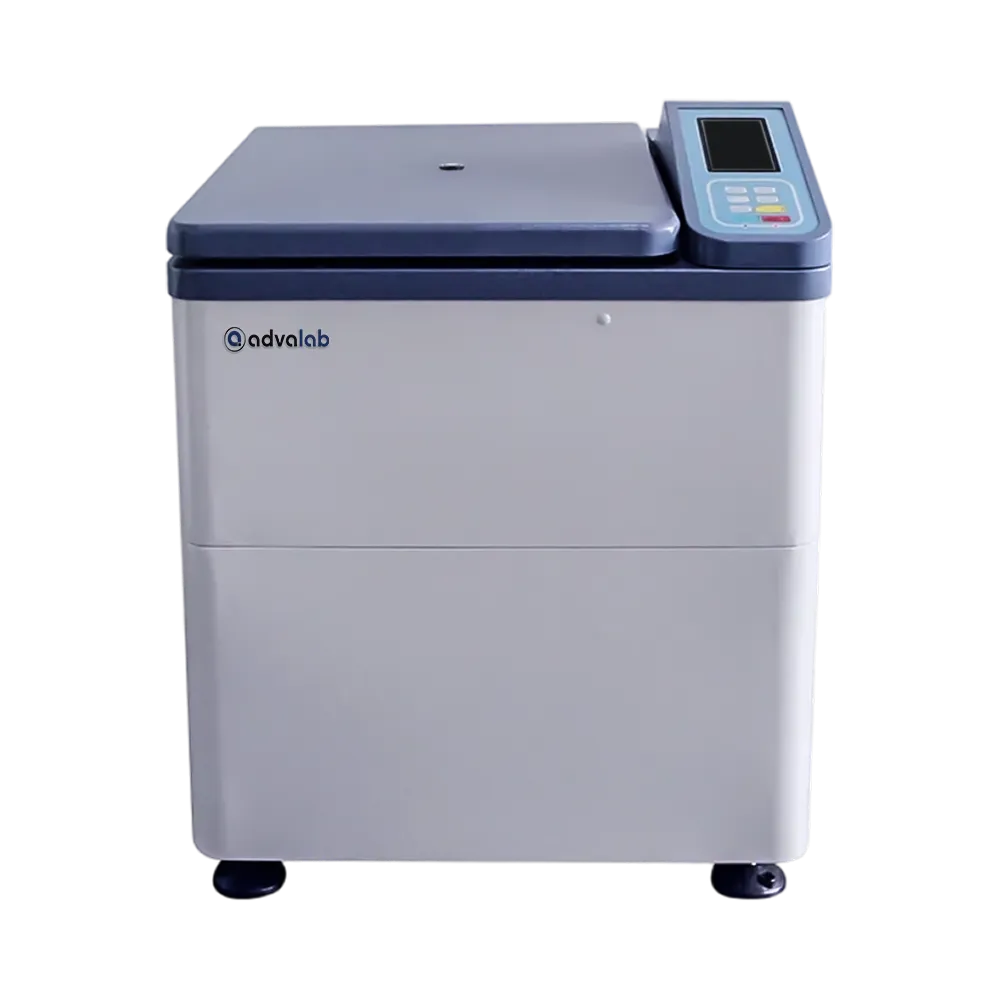
| Maximum Speed: | 21000 rpm |
| Maximum RCF: | 47580 × g |
| Maximum Capacity: | 4 × 750 ml |
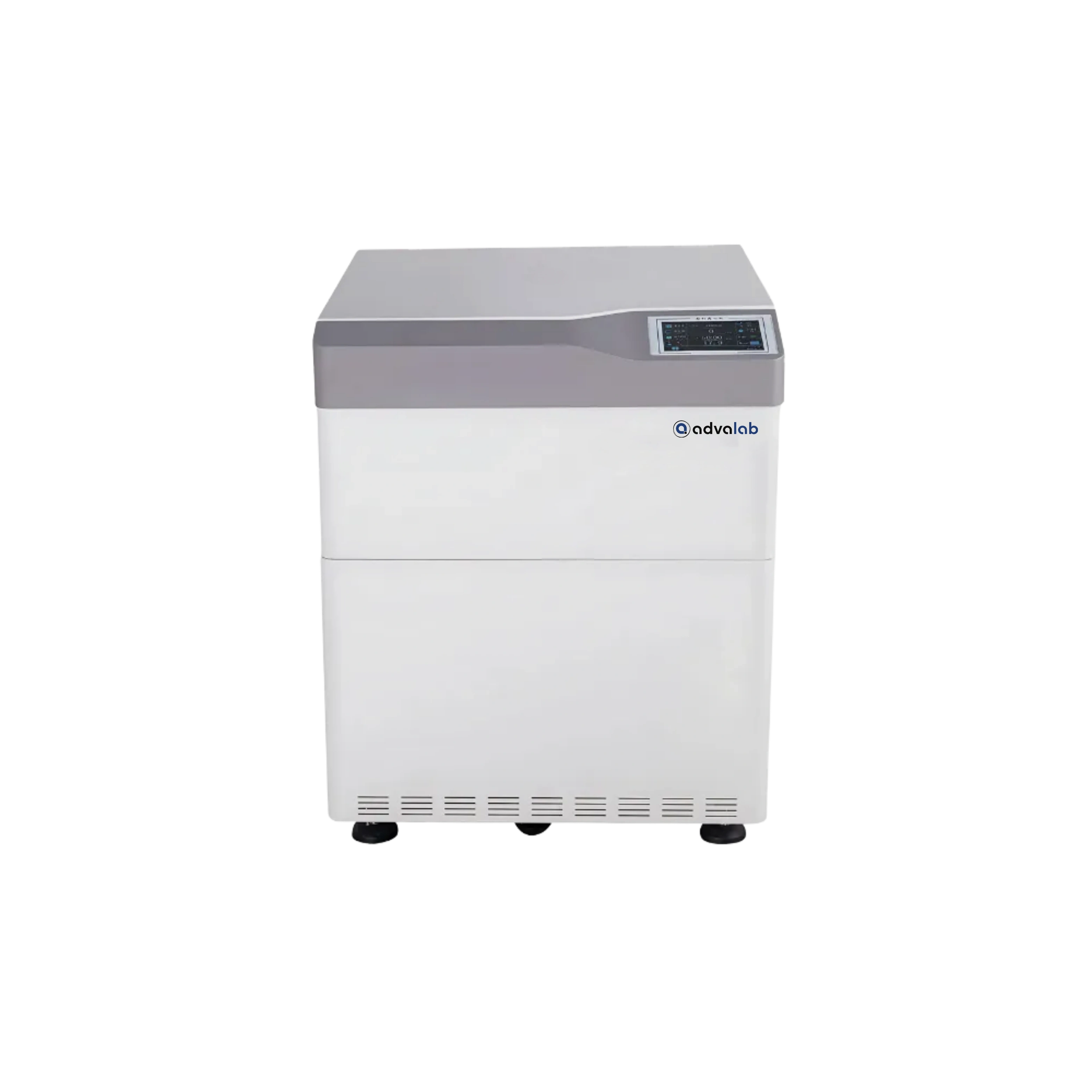
| Max Speed: | 25000 rpm |
| Max RCF: | 65000 x g |
| Max Capacity: | 4x1000 ml |
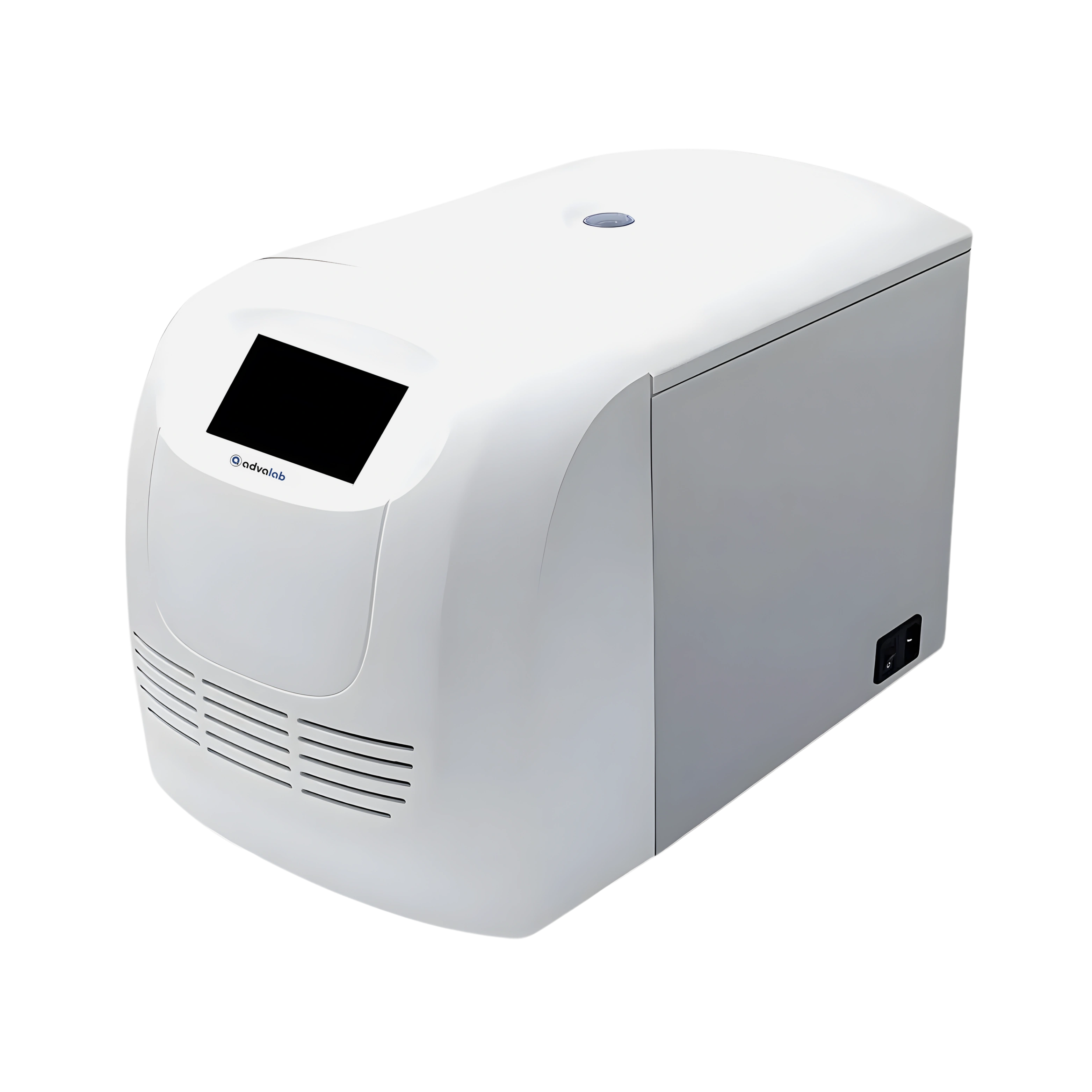
| Speed: | 500 to 15000 rpm, increasement 100 rpm |
| RCF: | 100 to 21400×g |
| Temperature Range: | -20℃ to +40℃, under room temperature 25℃ |
| Maximum Speed: | 15,000 rpm |
| Maximum RCF: | 21,630 × g |
| Maximum Capacity: | 12 × 5 ml |
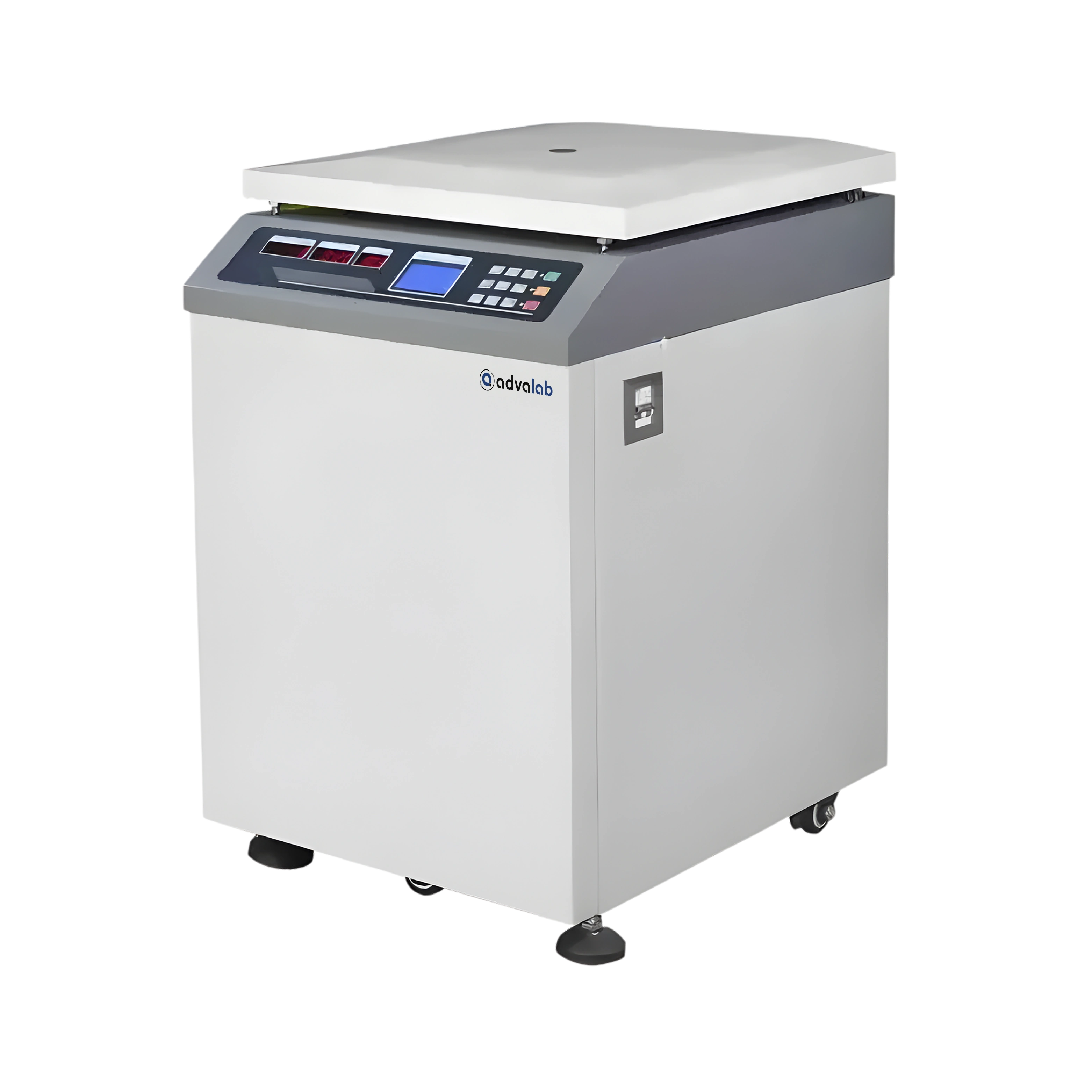
| Max Speed: | 16000 rpm |
| Max RCF: | 27520 x g |
| Max Capacity: | 6x500 ml |
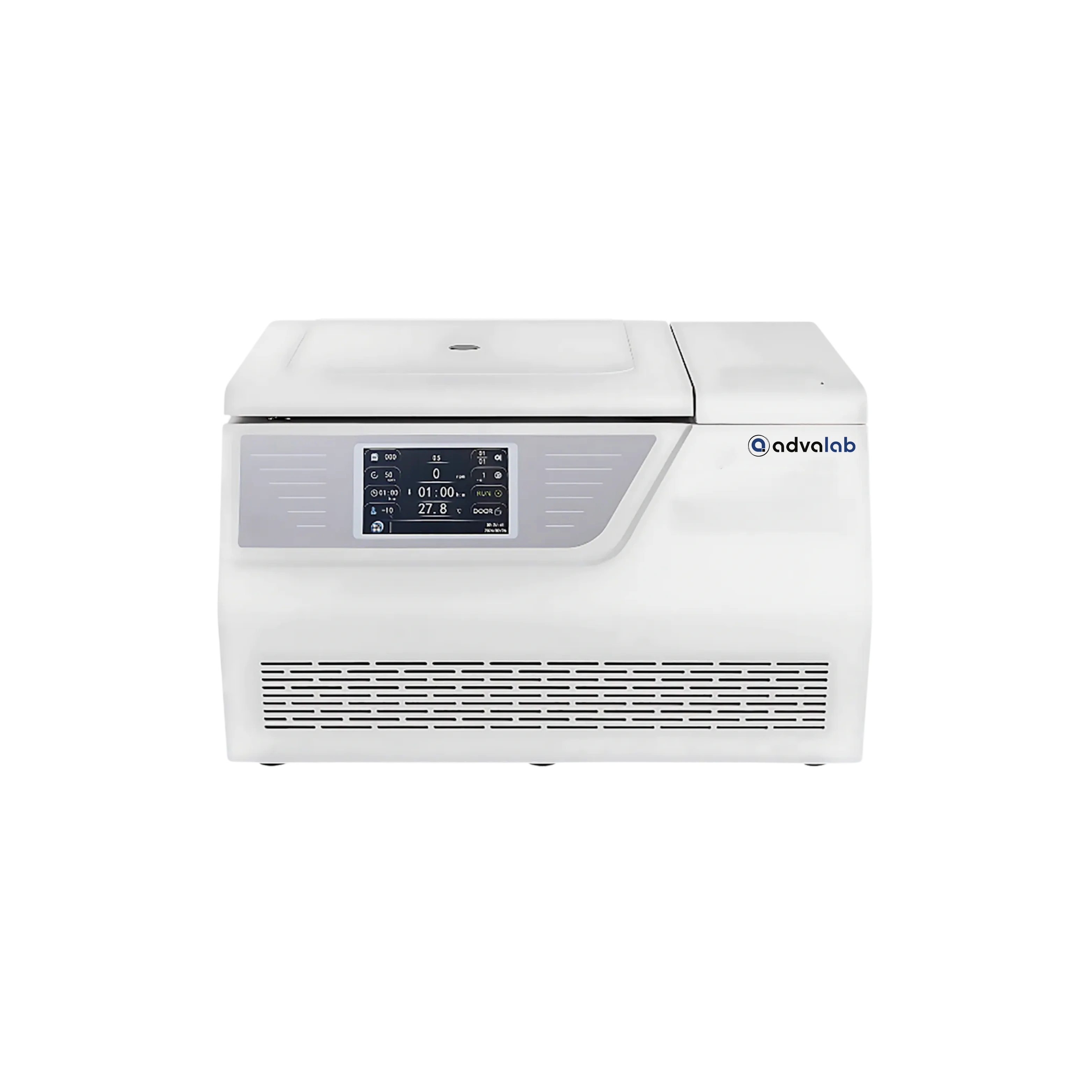
| Maximum Speed: | 18,500 rpm |
| Maximum RCF: | 30,025 x g |
| Maximum Capacity: | 4 x 250 ml |
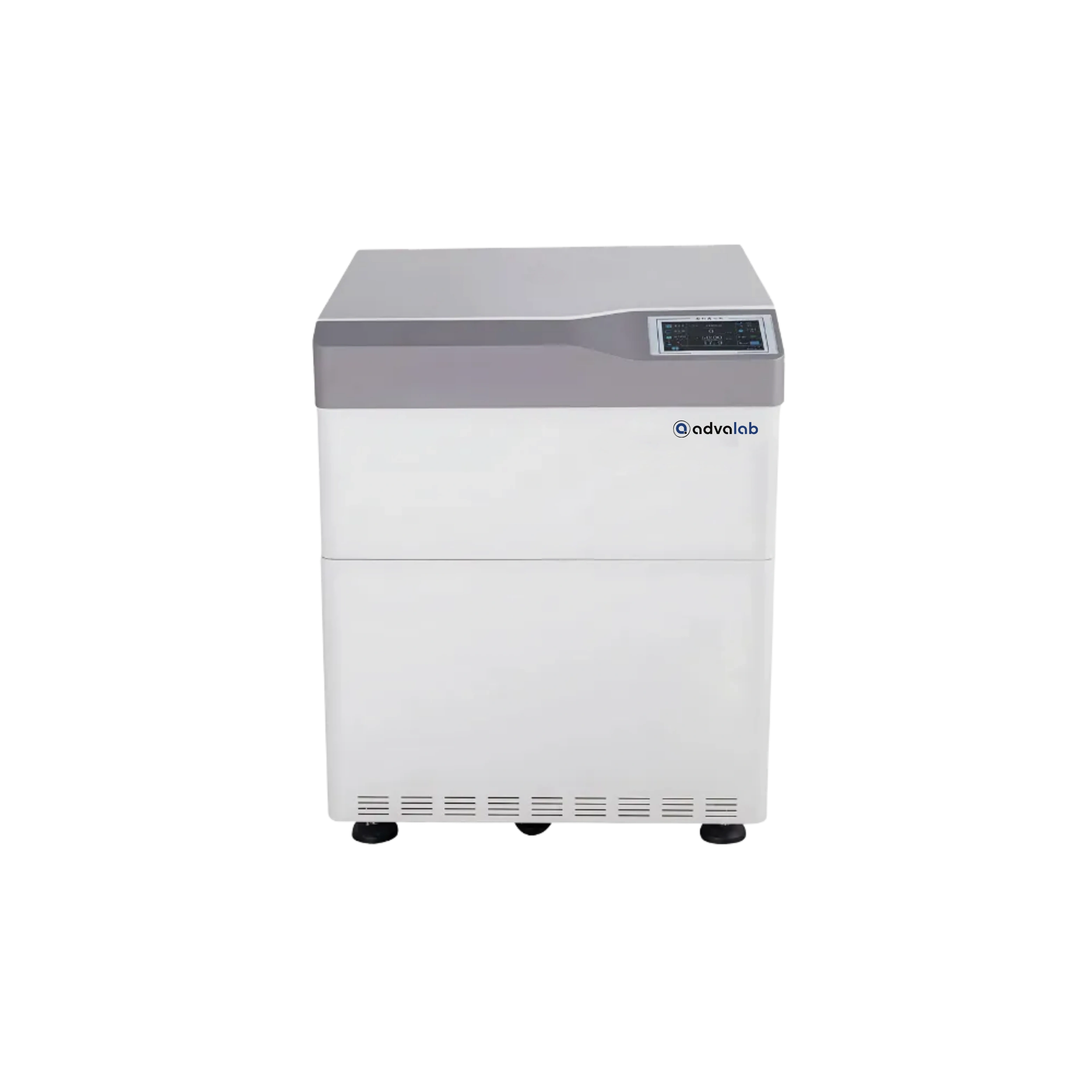
| Max Speed: | 10000 rpm |
| Max RCF: | 18590 x g |
| Max Capacity: | 6x1000 ml |
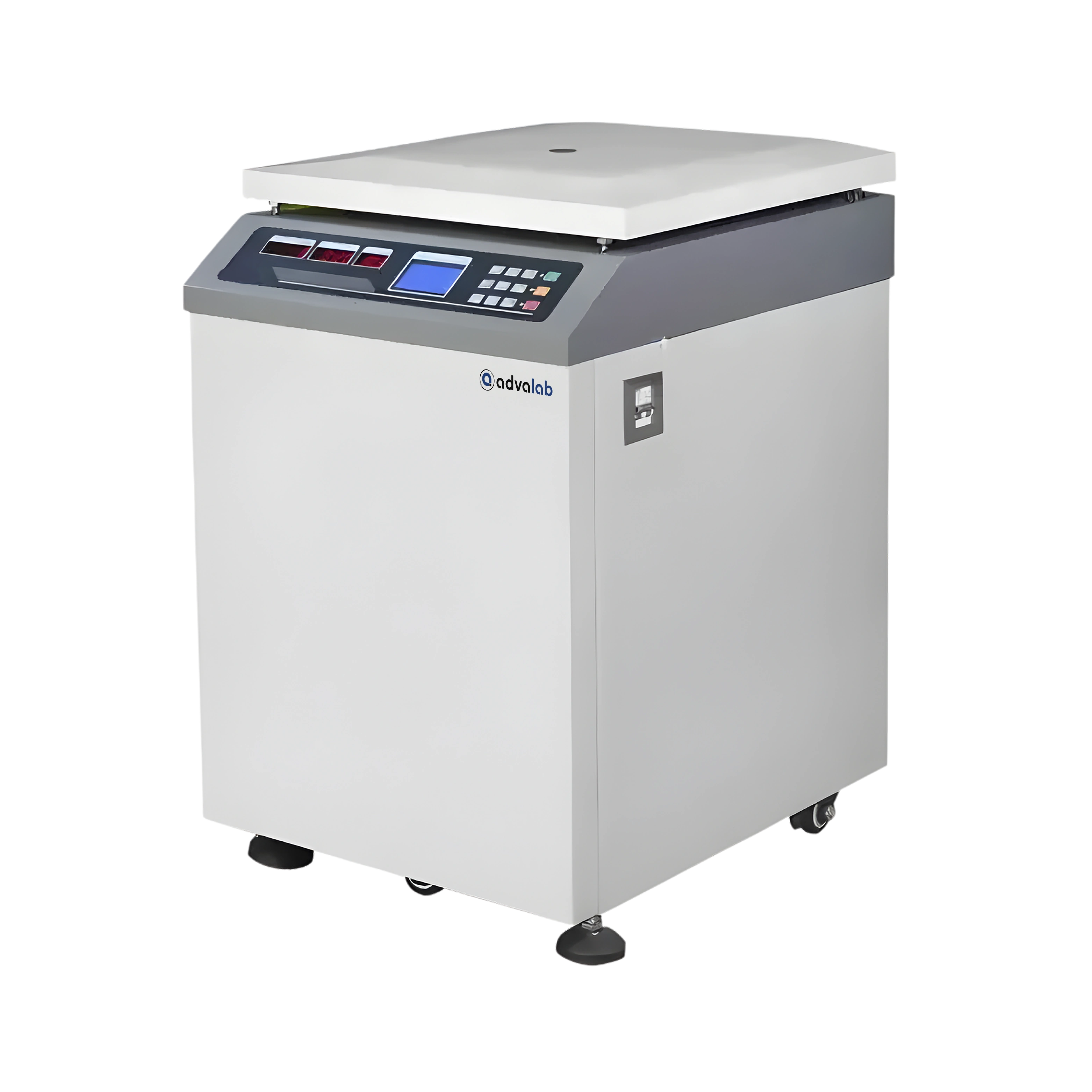
| Max Speed: | 21000 rpm |
| Max RCF: | 47400 x g |
| Max Capacity: | 6x500 ml |
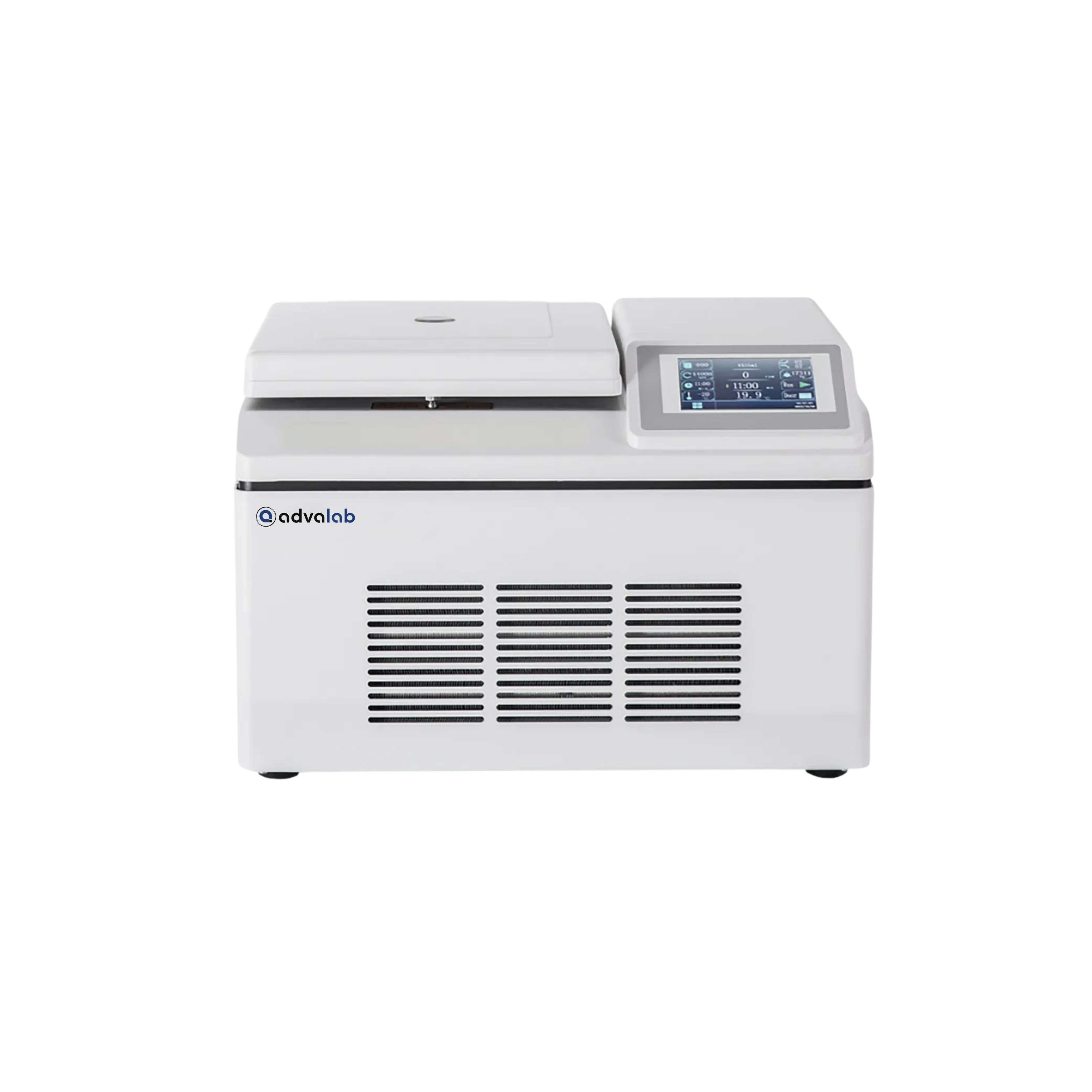
| Maximum Speed: | 22,000 RPM |
| Maximum RCF: | 33,873 × g |
| Maximum Capacity: | 6 × 100 mL |
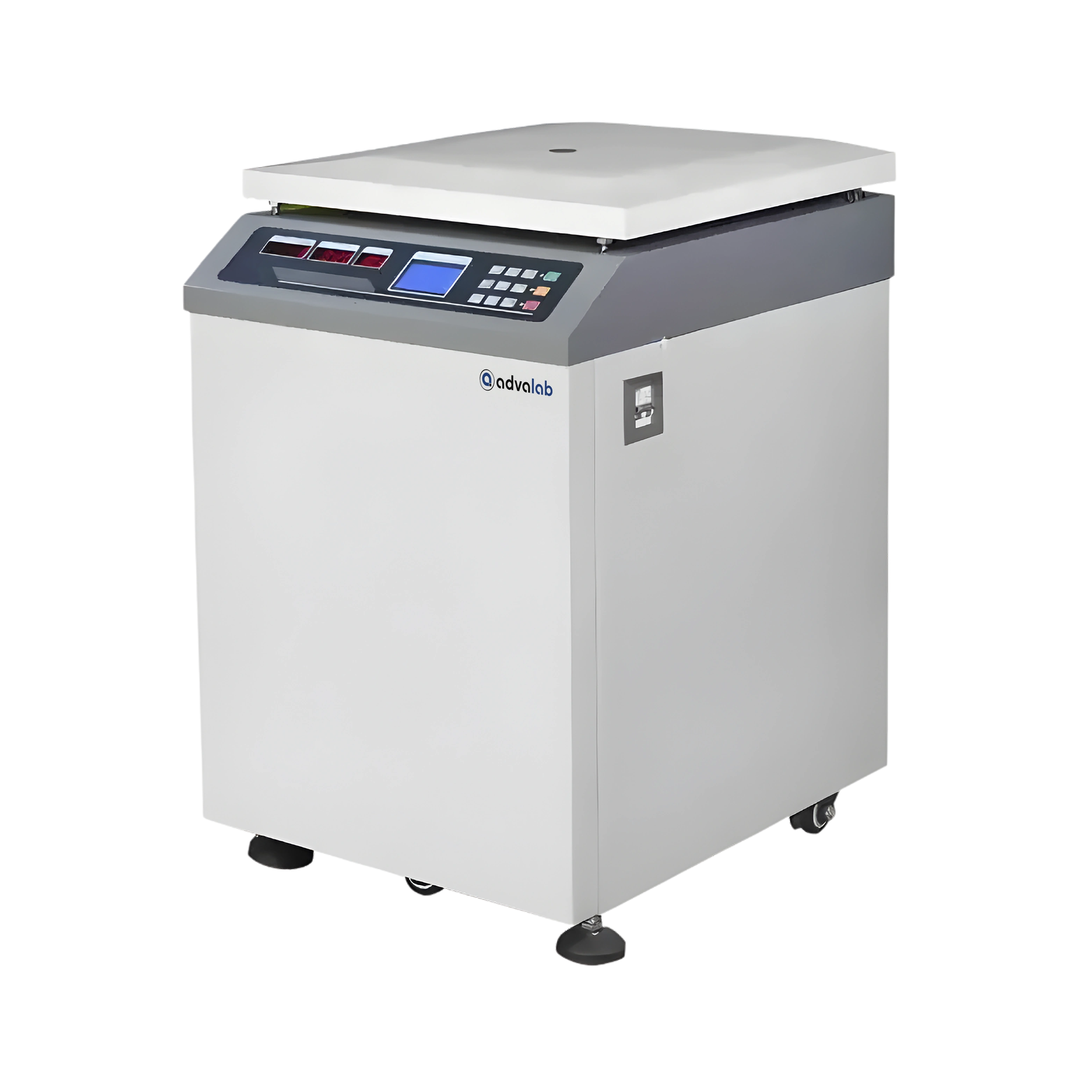
| Max Speed: | 22000 rpm |
| Max RCF: | 52050 x g |
| Max Capacity: | 6x500 ml |
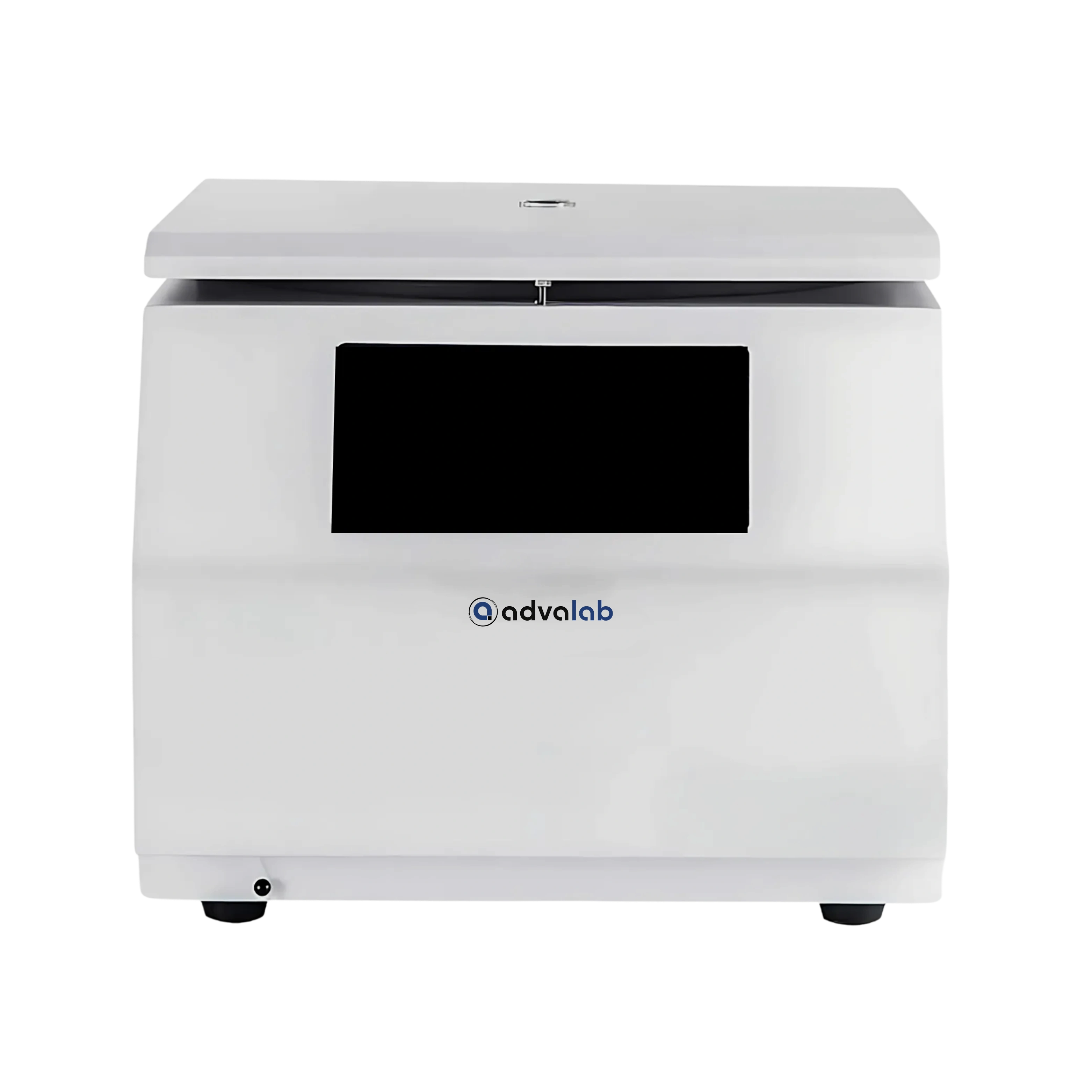
| Maximum Speed Range: | 14,000 rpm |
| Maximum RCF: | 18,800 × g |
| Maximum Capacity: | 12 × 5 ml |

| Maximum Speed: | 20,000 RPM |
| Maximum RCF: | 31,405 × g |
| Maximum Capacity: | 6 × 100 ml |
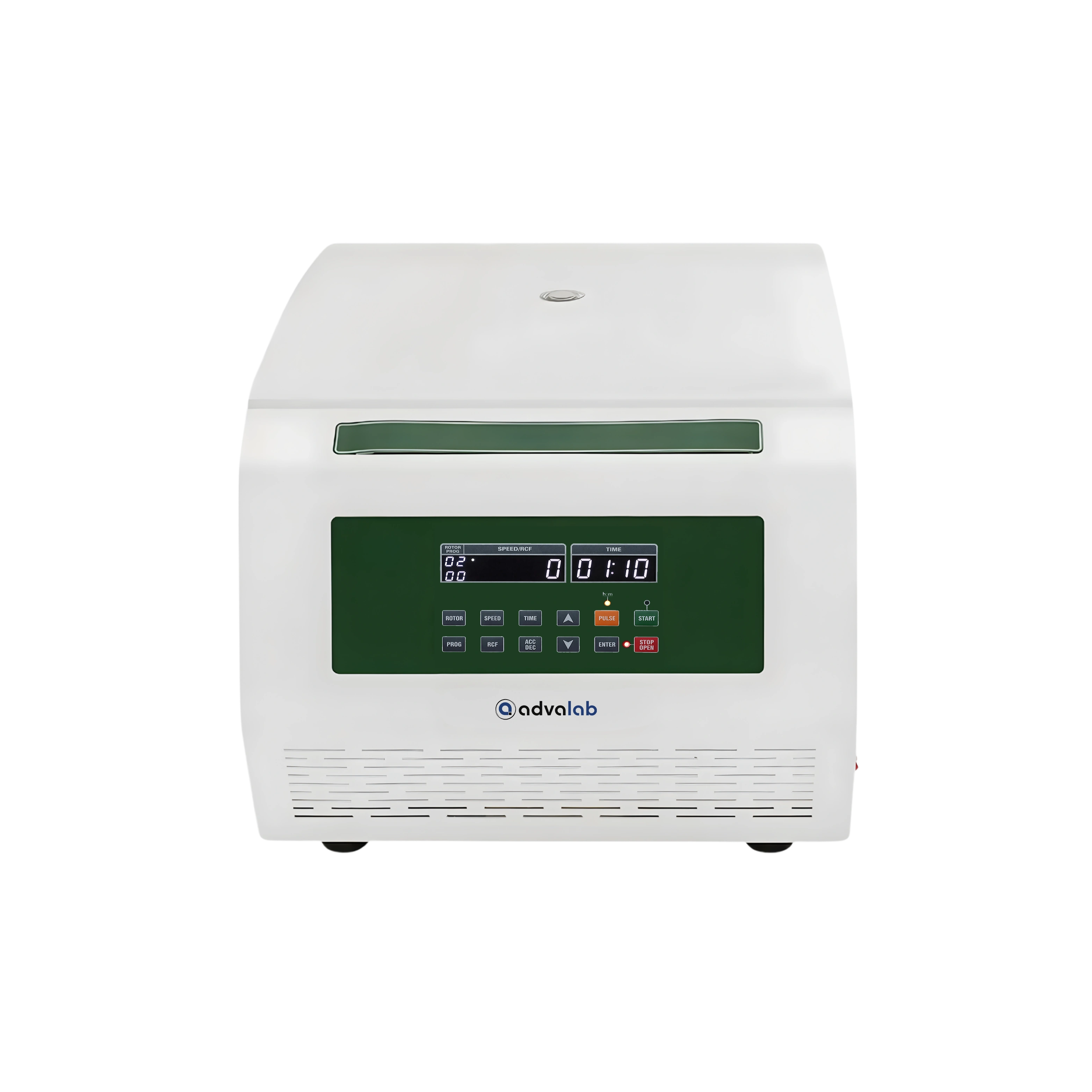
| Max Speed: | 4500 rpm |
| Max RCF: | 3380 x g |
| Max Capacity: | 6 x 50 ml syringe |
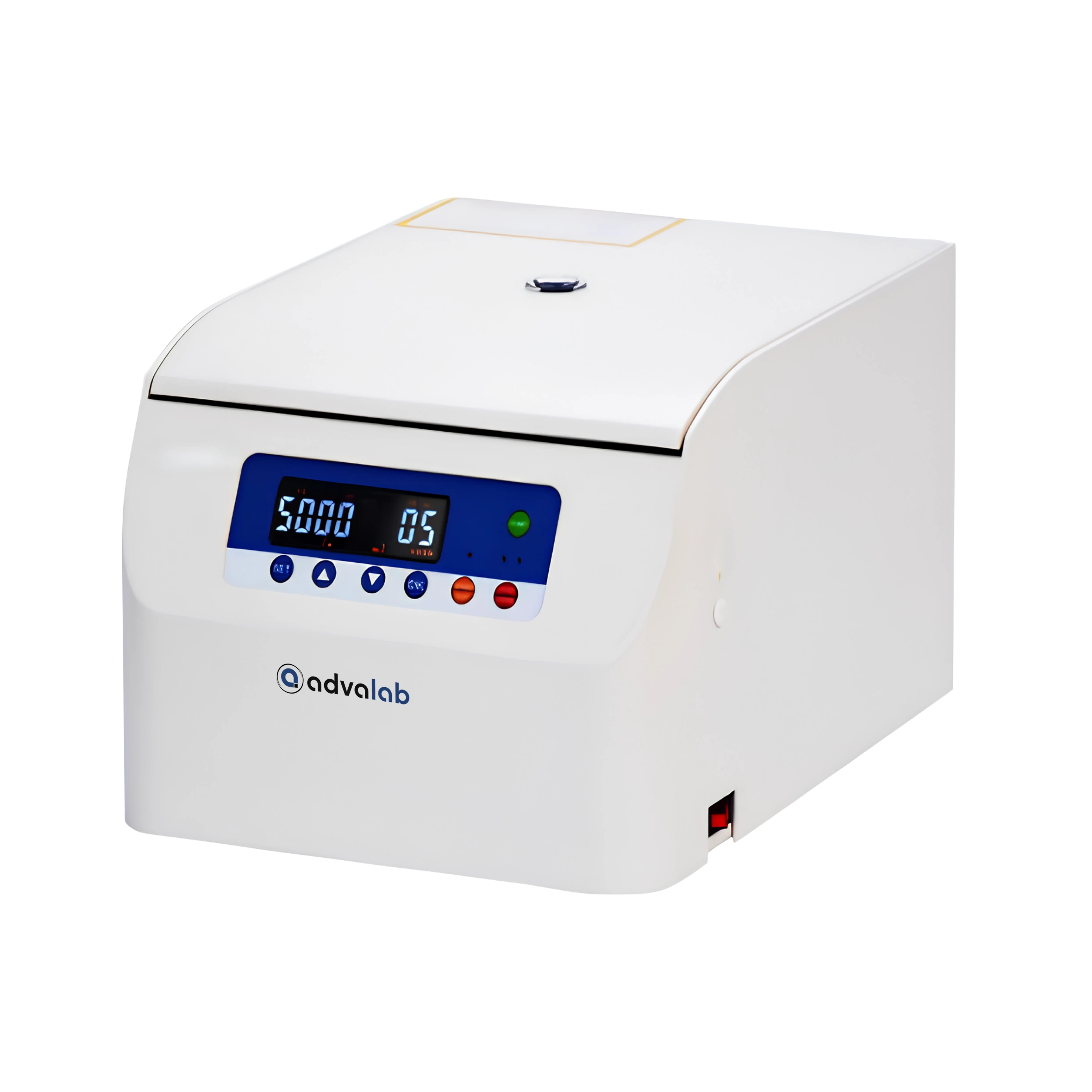
| Maximum Speed: | 4500 rpm (adjustable) |
| Maximum RCF: | 2000 × g (adjustable) |
| Maximum Capacity: | 12 × 2 mL tubes (12 mm × 75 mm) |
| Max Speed: | 4700 rpm |
| Max RCF: | 2000 xg |
| Max Capacity: | 12 x 7 ml (SERO rotor) |
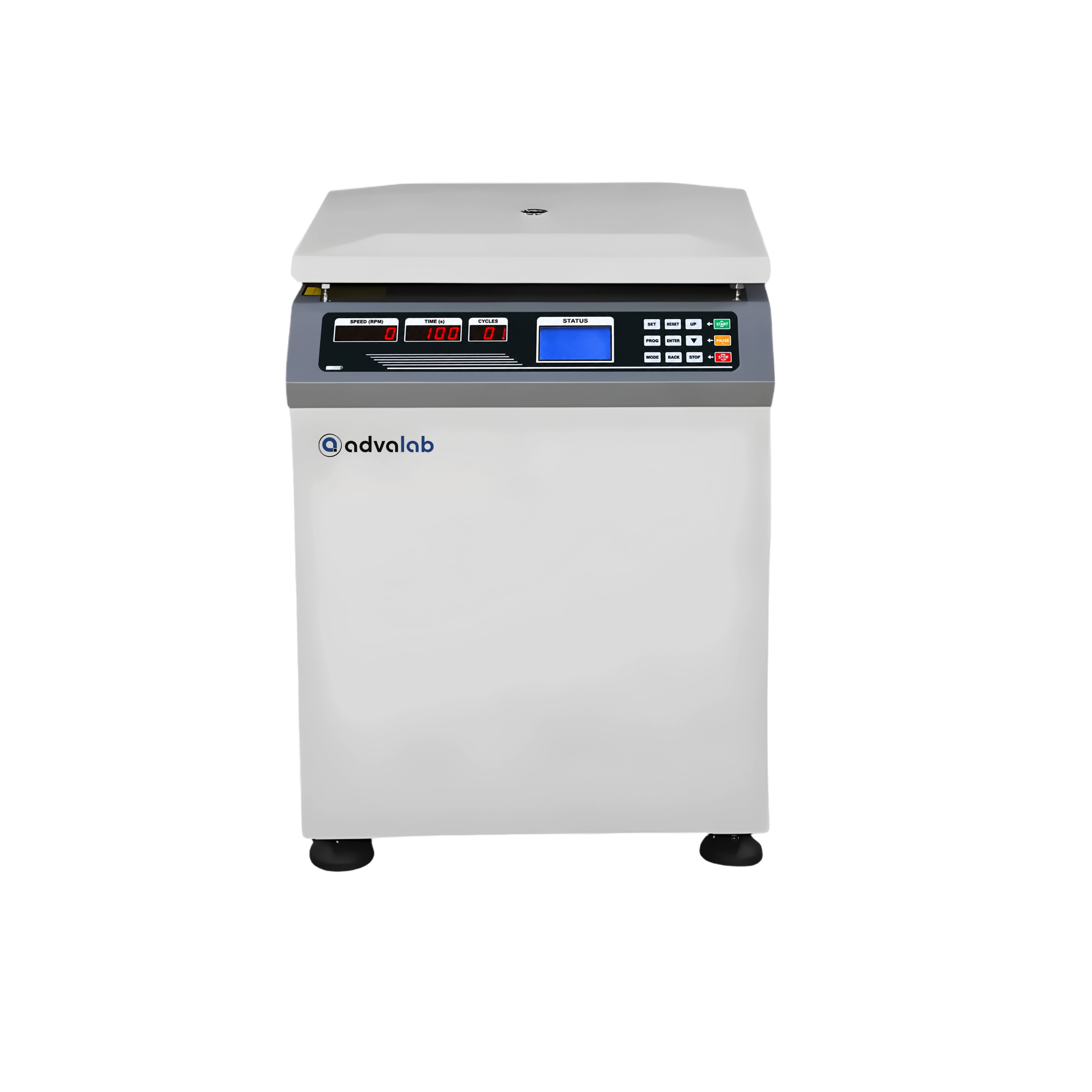
| Max Speed: | 4000 rpm |
| Max RCF: | 3400 xg |
| Max Capacity: | 4 x 200 ml |
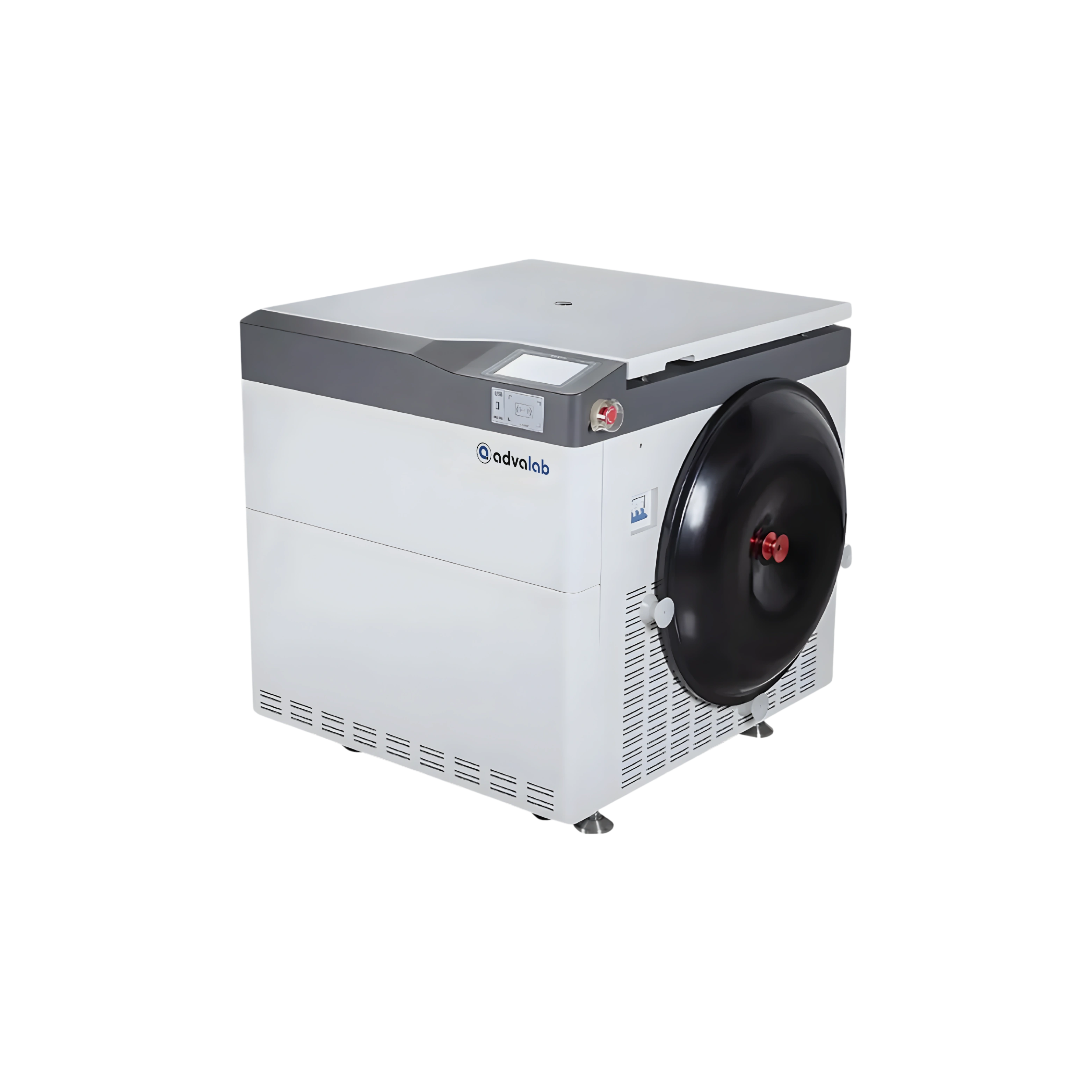
| Max Speed: | 8000 rpm |
| Max RCF: | 14500 × g |
| Max Capacity: | 6x2400 ml / 12 blood bags / 384 blood tubes |
| Maximum Speed: | 6000 rpm |
| Maximum RCF: | 5201× g |
| Maximum Capacity: | 4x750 ml |
| Maximum Speed: | 5000 rpm |
| Maximum RCF: | 5201× g |
| Maximum Capacity: | 4x750 ml |
| Maximum Speed: | 6000 rpm |
| Maximum RCF: | 5123× g |
| Maximum Capacity: | 4x250 ml |
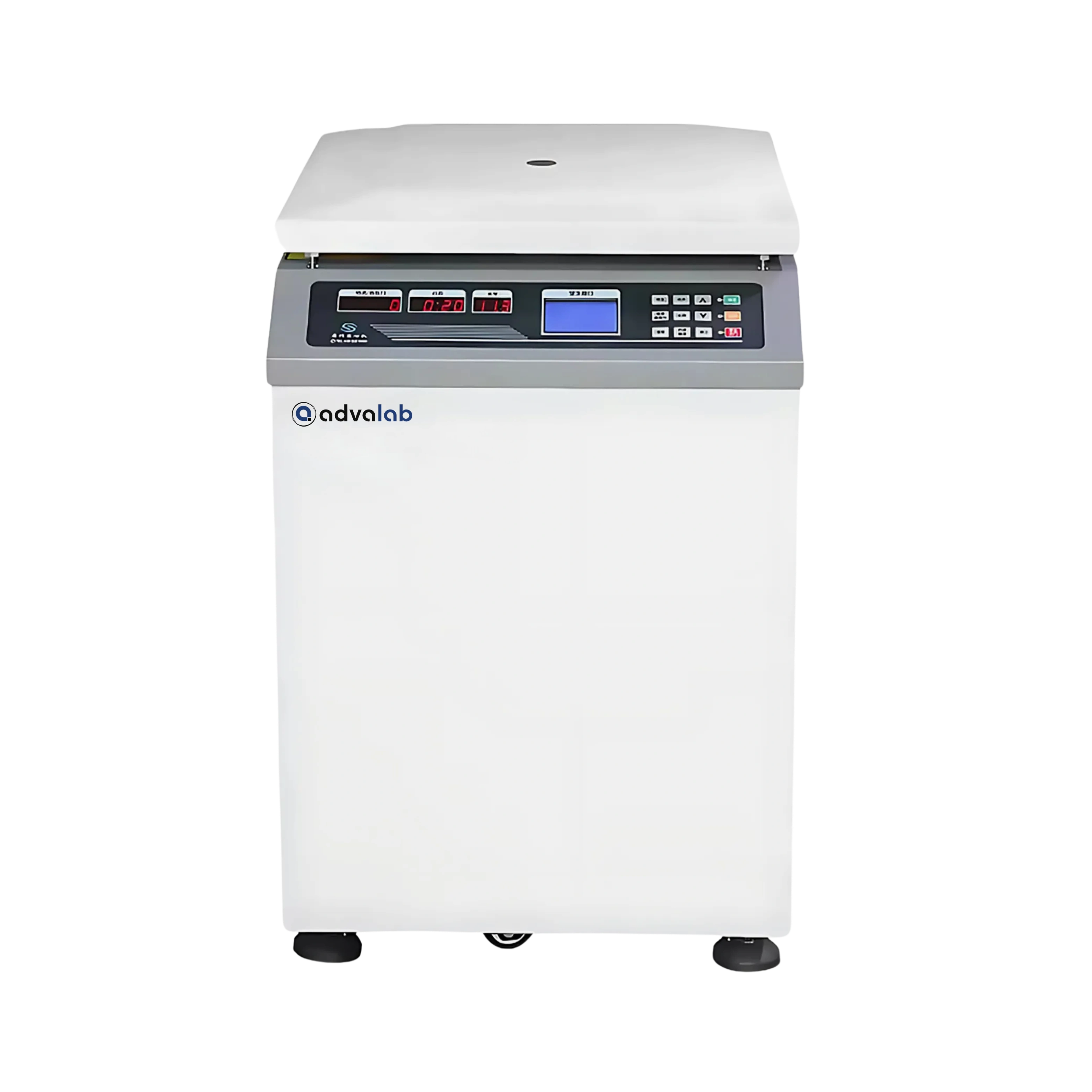
| Maximum Speed Range: | 6000 rpm |
| Maximum RCF: | 6880 × g |
| Maximum Capacity: | 6 × 1000 ml |
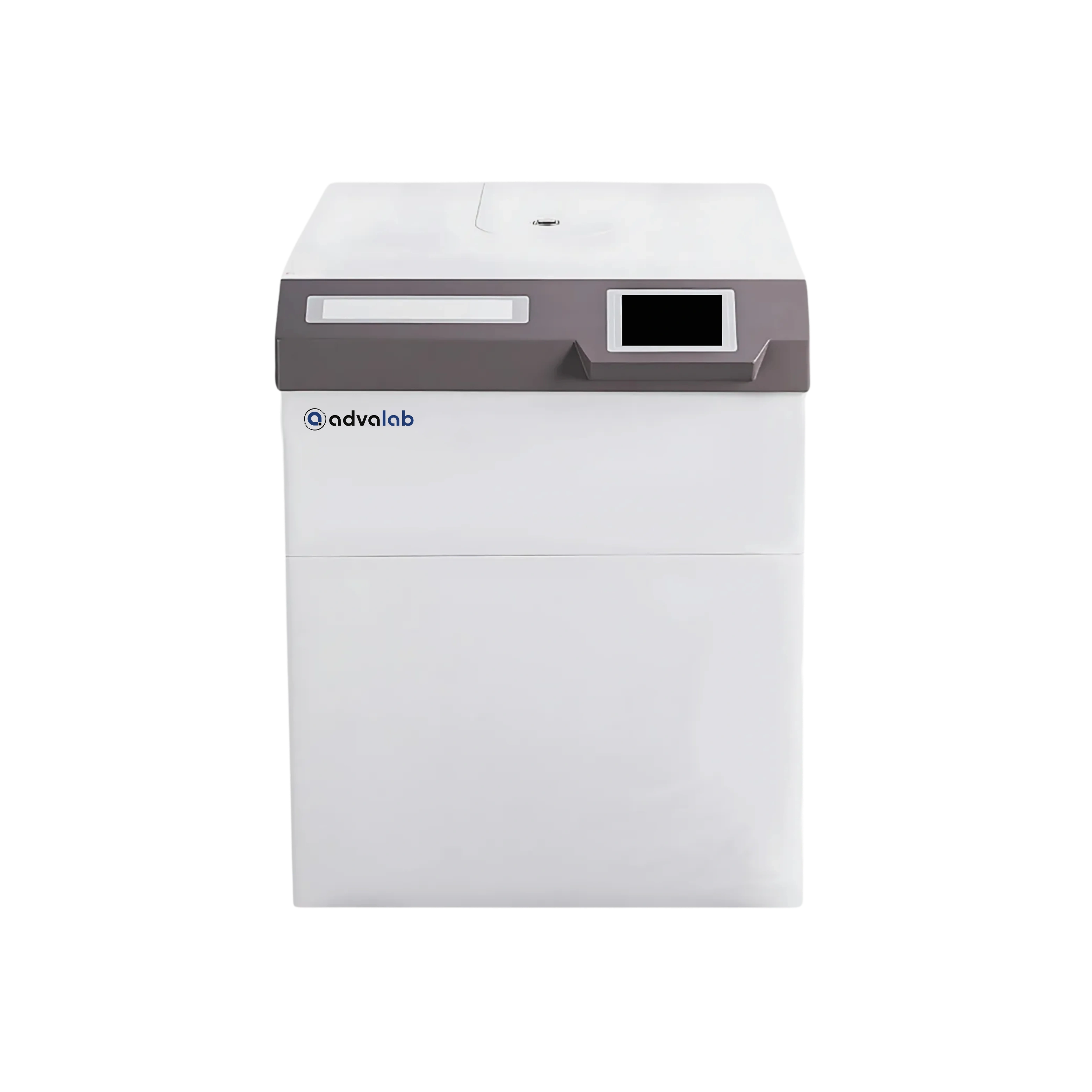
| Max Speed: | 5000 rpm |
| Max RCF: | 5200 × g |
| Max Capacity: | 4 × 800 ml |
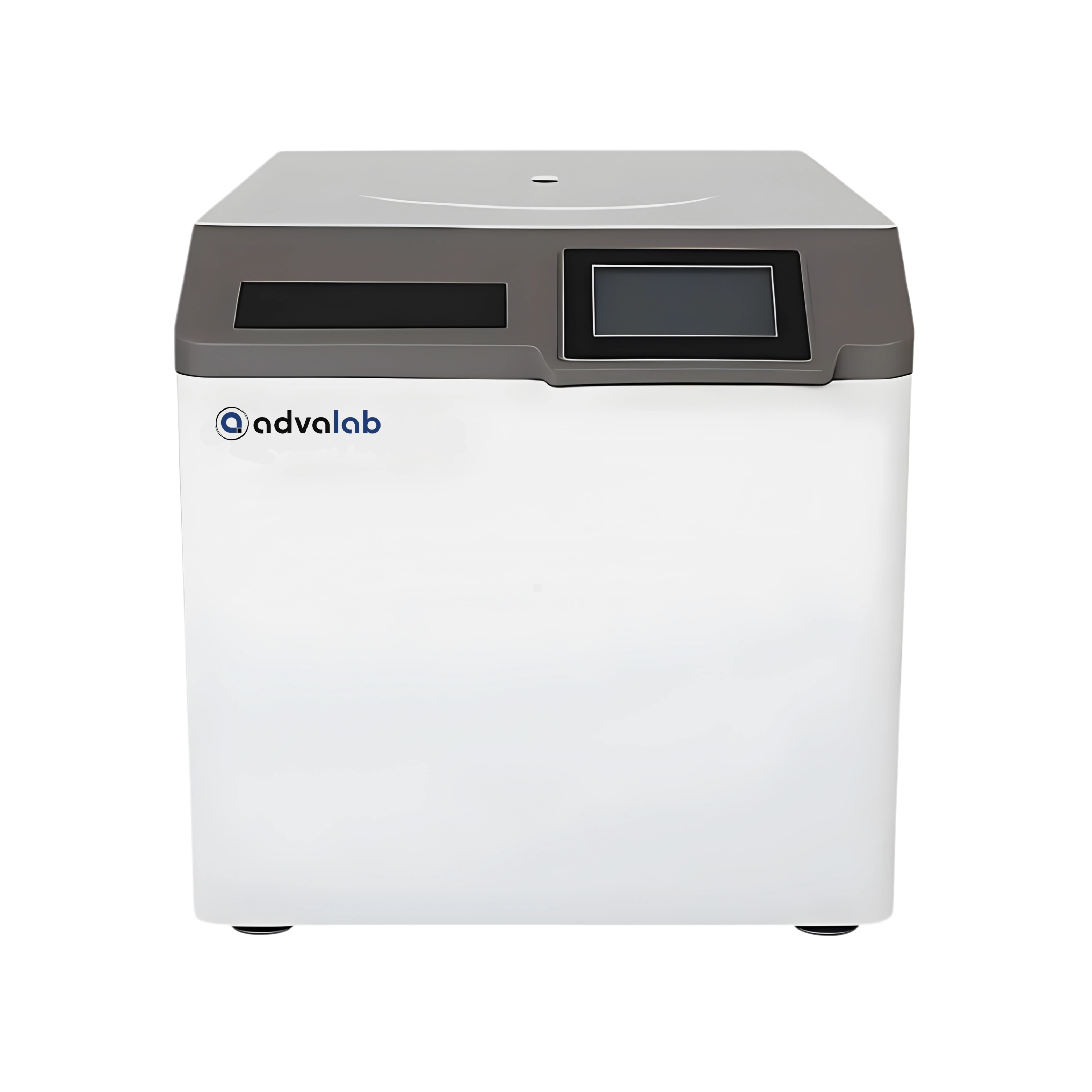
| Max Capacity: | 4 tubes, each 1000 ml |
| Max Speed: | 6000 rpm |
| Max RCF: | 6693×g |
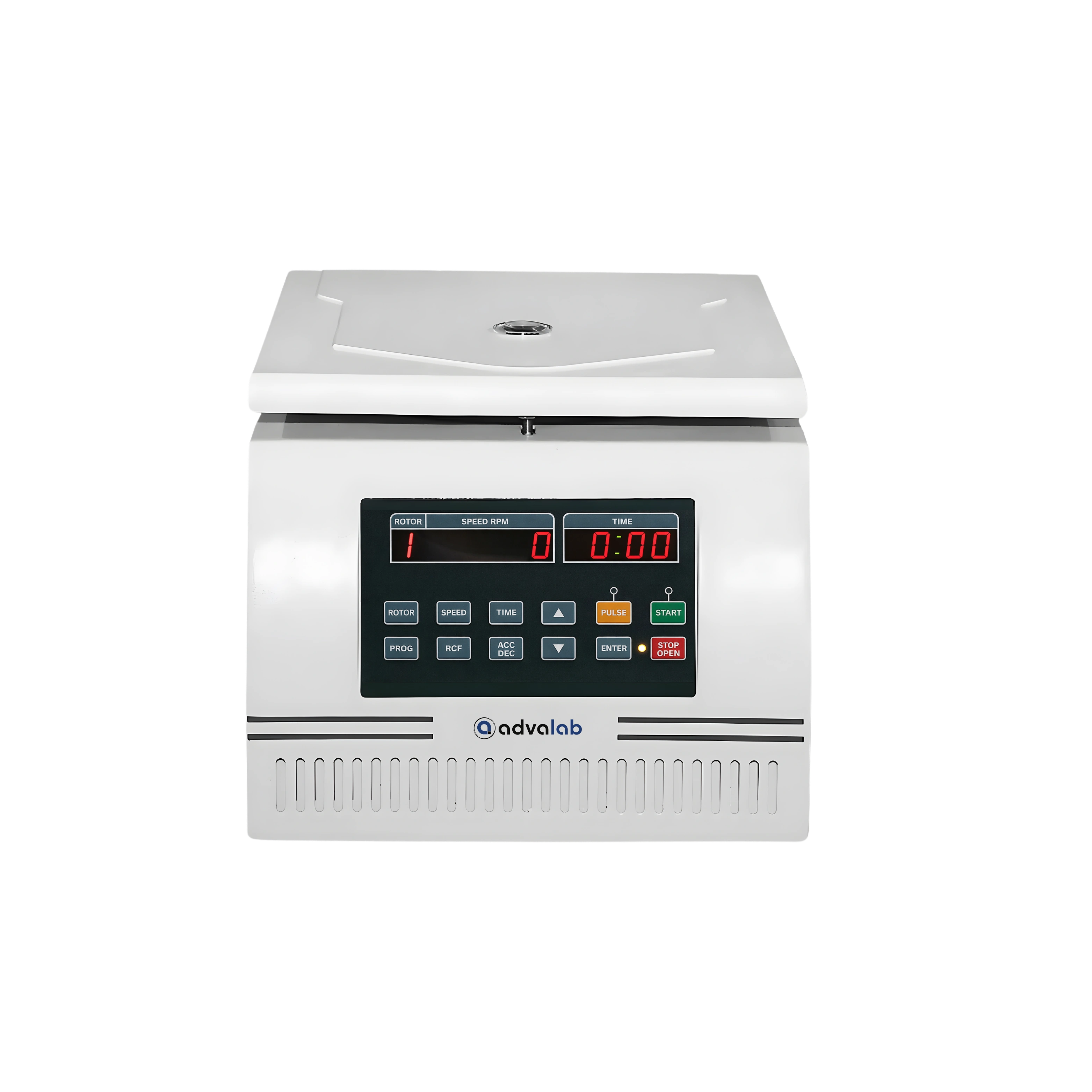
| Maximum Speed: | 15000 rpm |
| Maximum RCF: | 21630 × g |
| Maximum Capacity: | 12x5 ml |
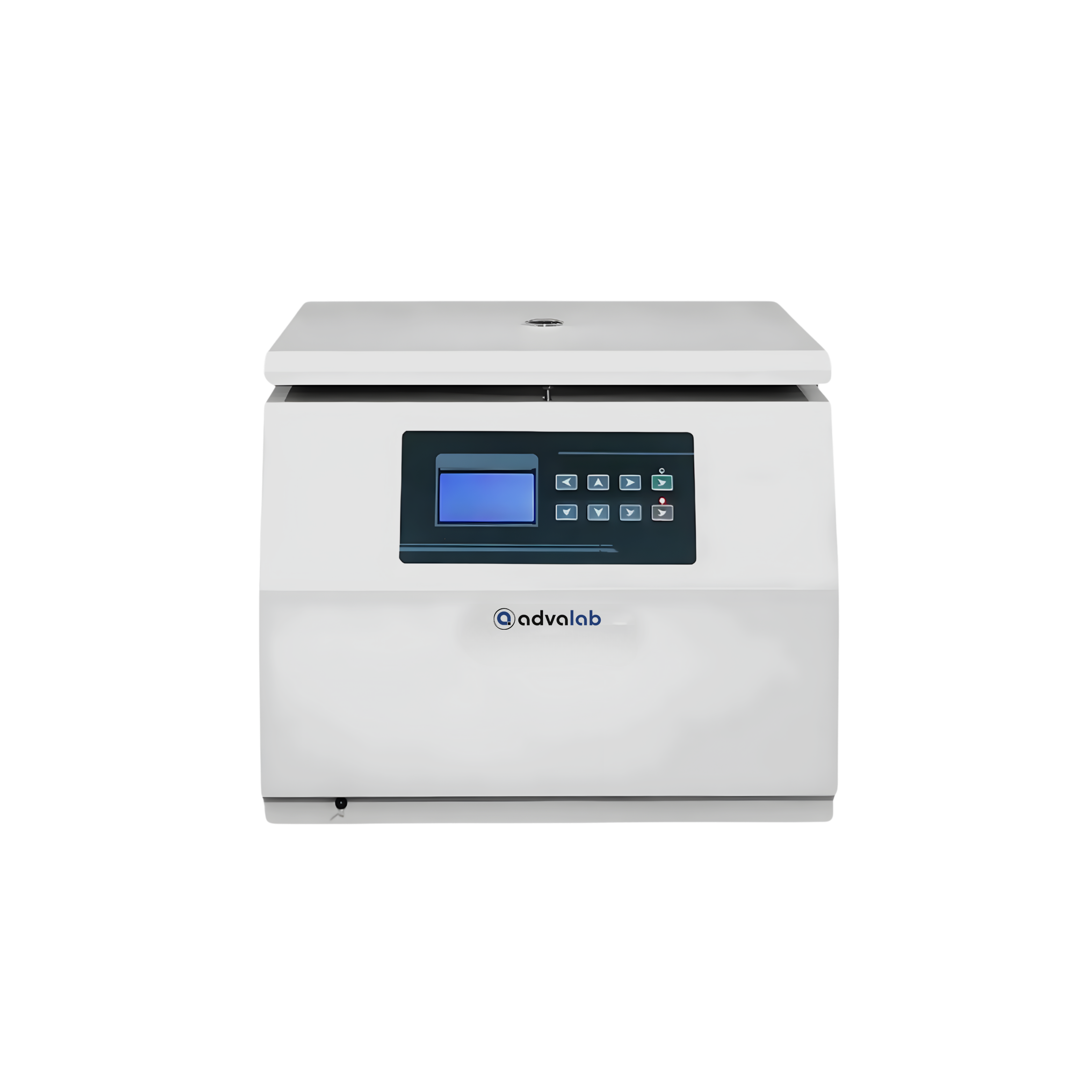
| Maximum Speed: | 18500 rpm |
| Maximum RCF: | 24760 × g |
| Maximum Capacity: | 4x500 ml |
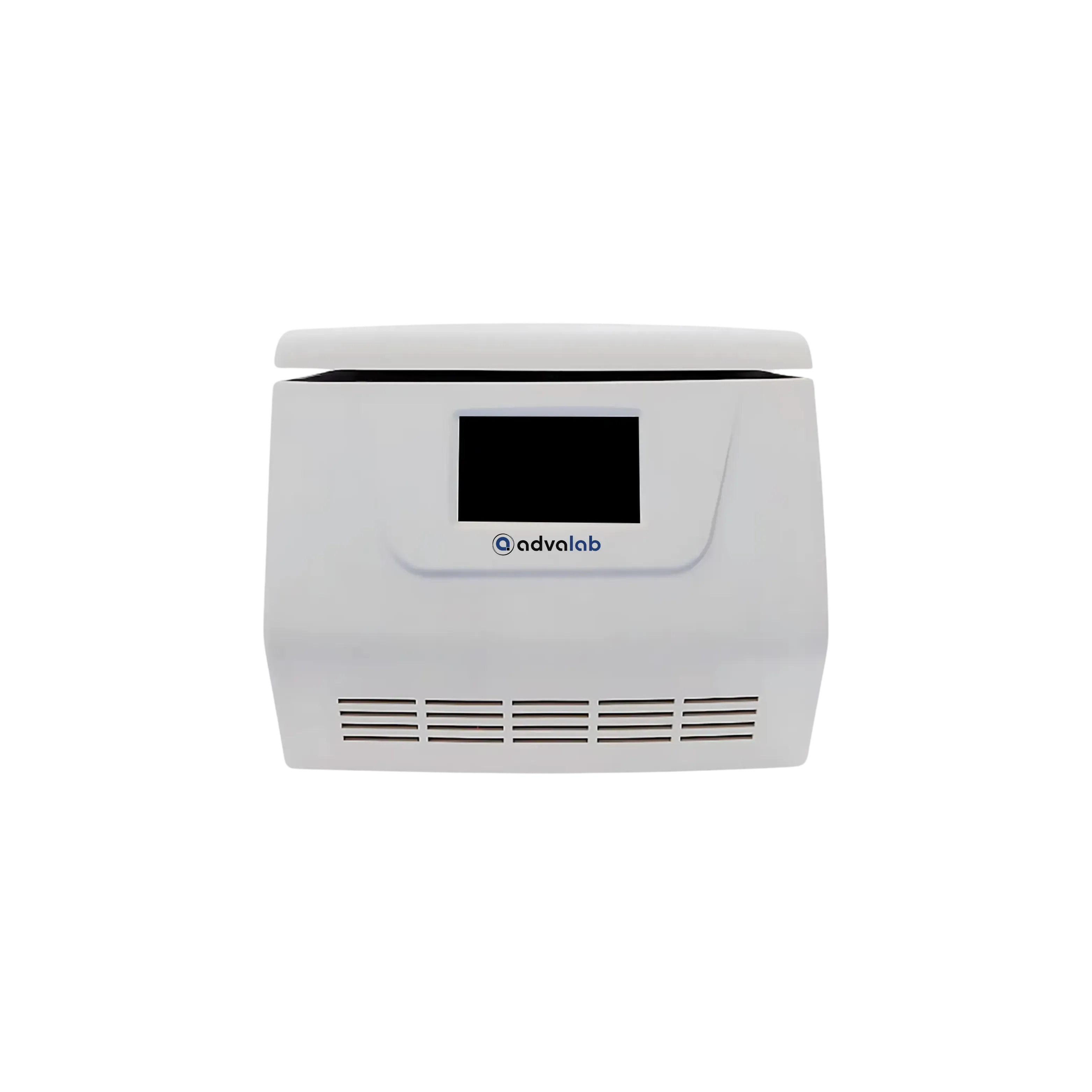
| Maximum Speed: | 20000 rpm |
| Maximum RCF: | 27994 × g |
| Maximum Capacity: | 6x100 ml |
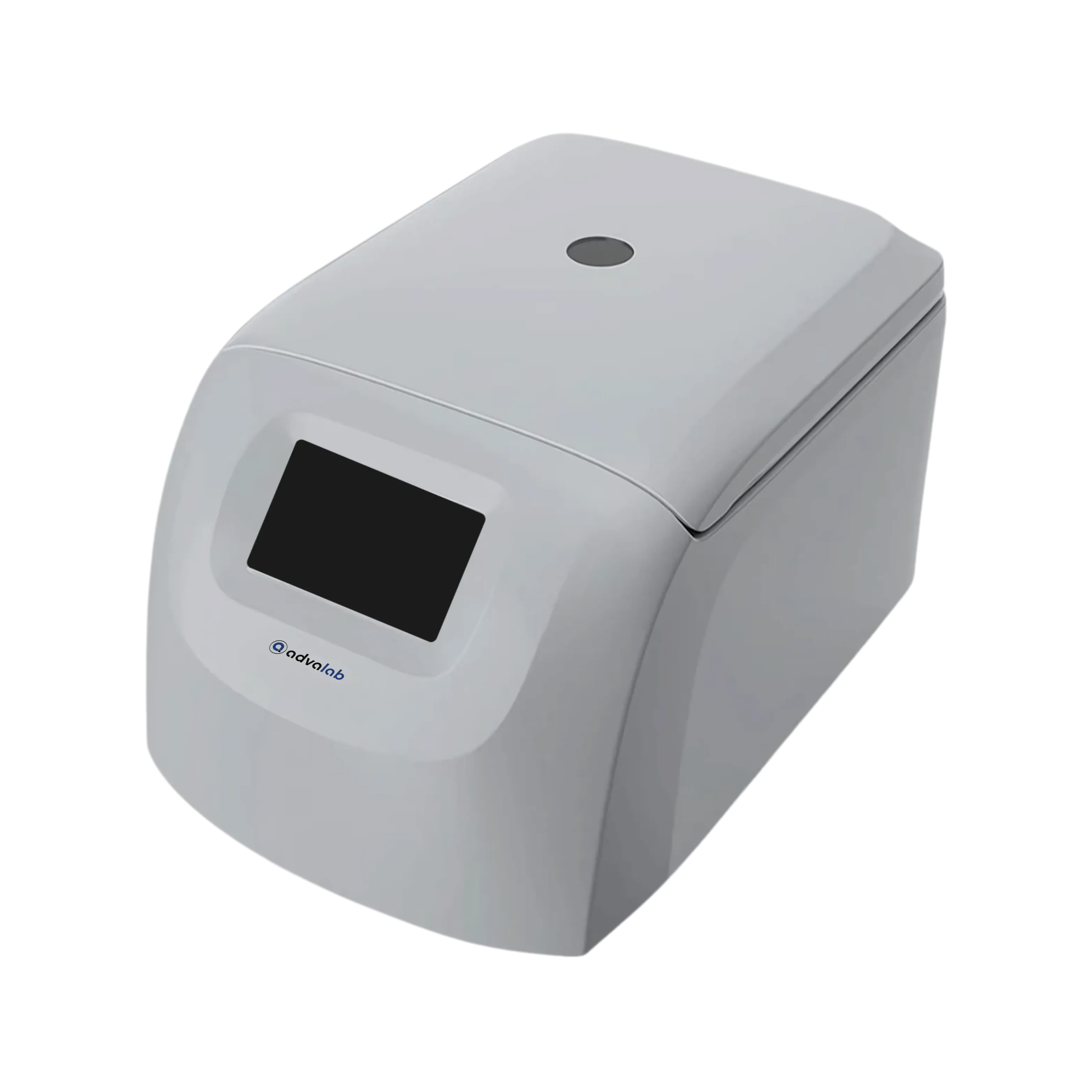
| Speed: | 500 to 15000 rpm, increasement 100 rpm |
| Maximum Sample Density: | 1.2g/ml |
| Acceleration/Deceleration : | Ⅰ (≤ 20) , Ⅱ (≤ 40s) , Ⅲ (≤ 60s) |
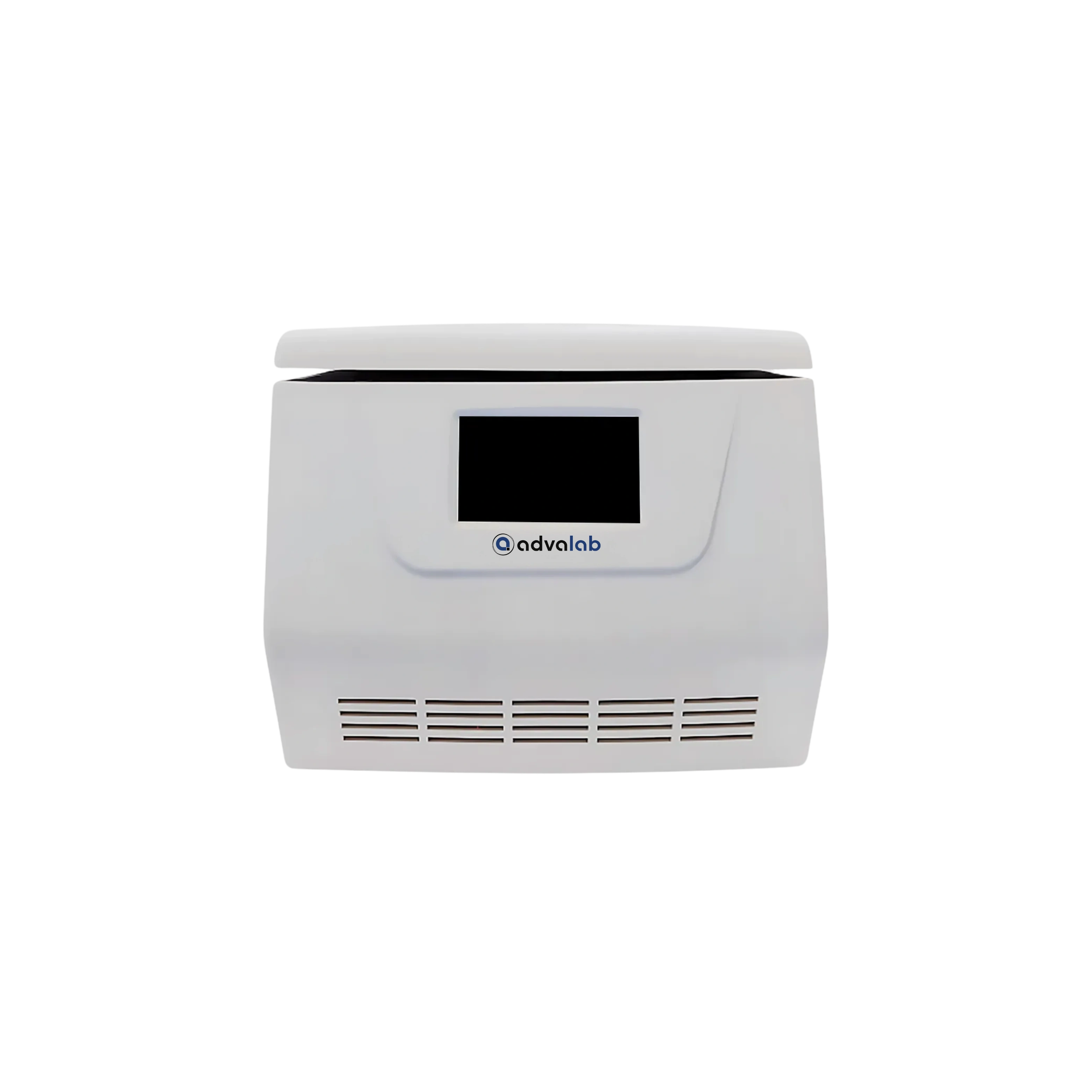
| Maximum Speed: | 16,500 rpm |
| Maximum RCF: | 24,814 × g |
| Maximum Capacity: | 6 × 100 ml |
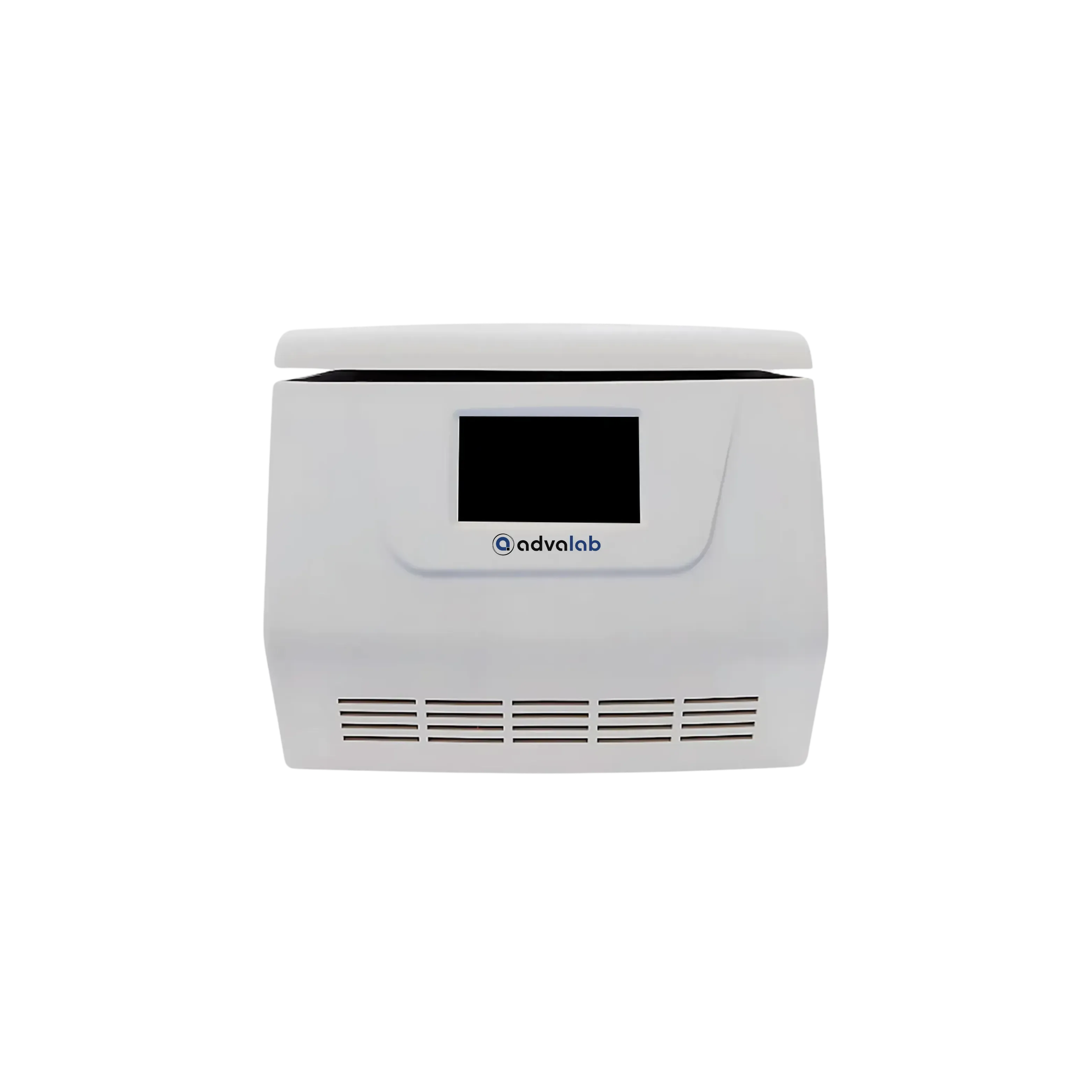
| Maximum Speed: | 18000 rpm |
| Maximum RCF: | 24814 × g |
| Maximum Capacity: | 6x100 ml |
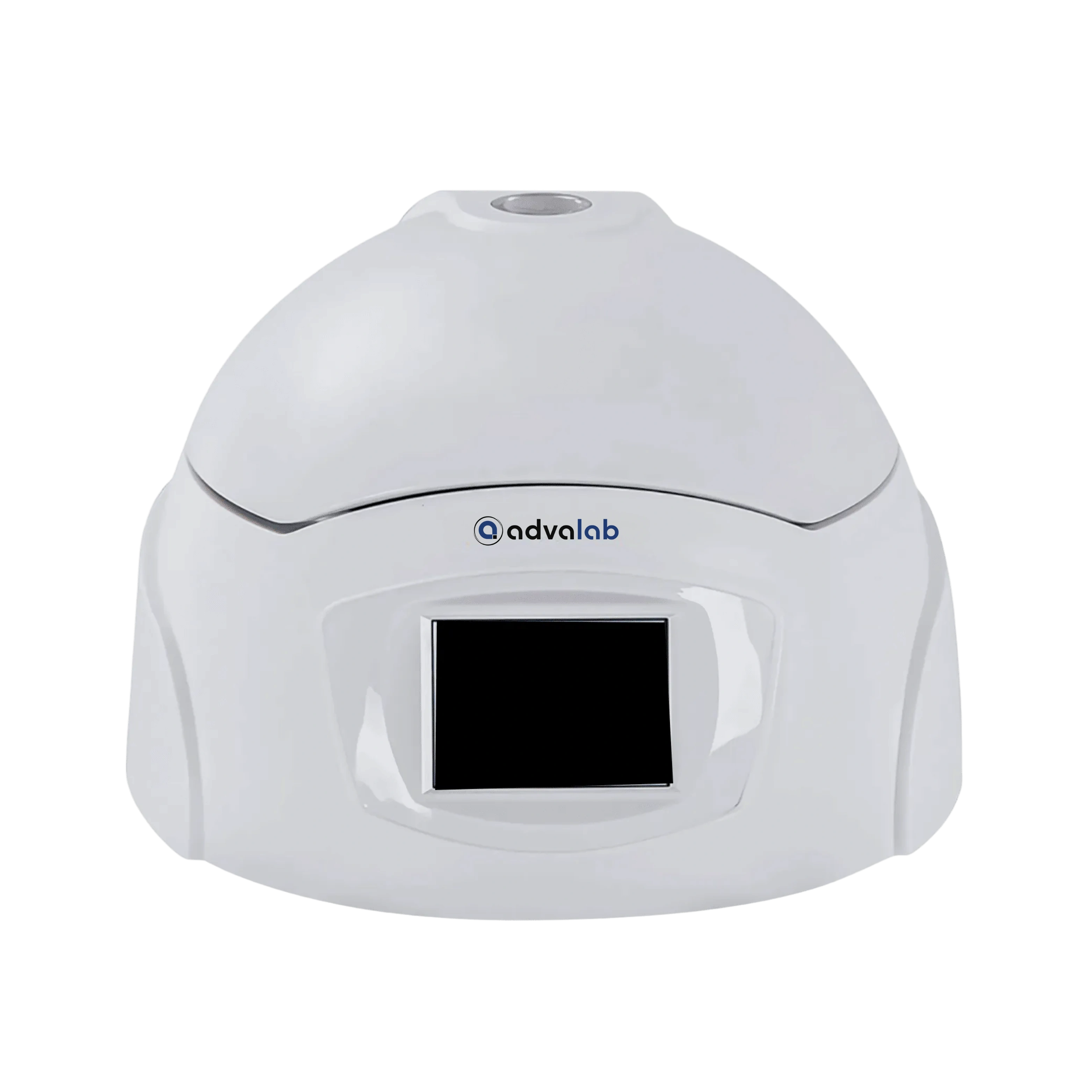
| Maximum Speed: | 15000 rpm |
| Maximum RCF: | 15093× g |
| Maximum Capacity: | 8x5 ml |
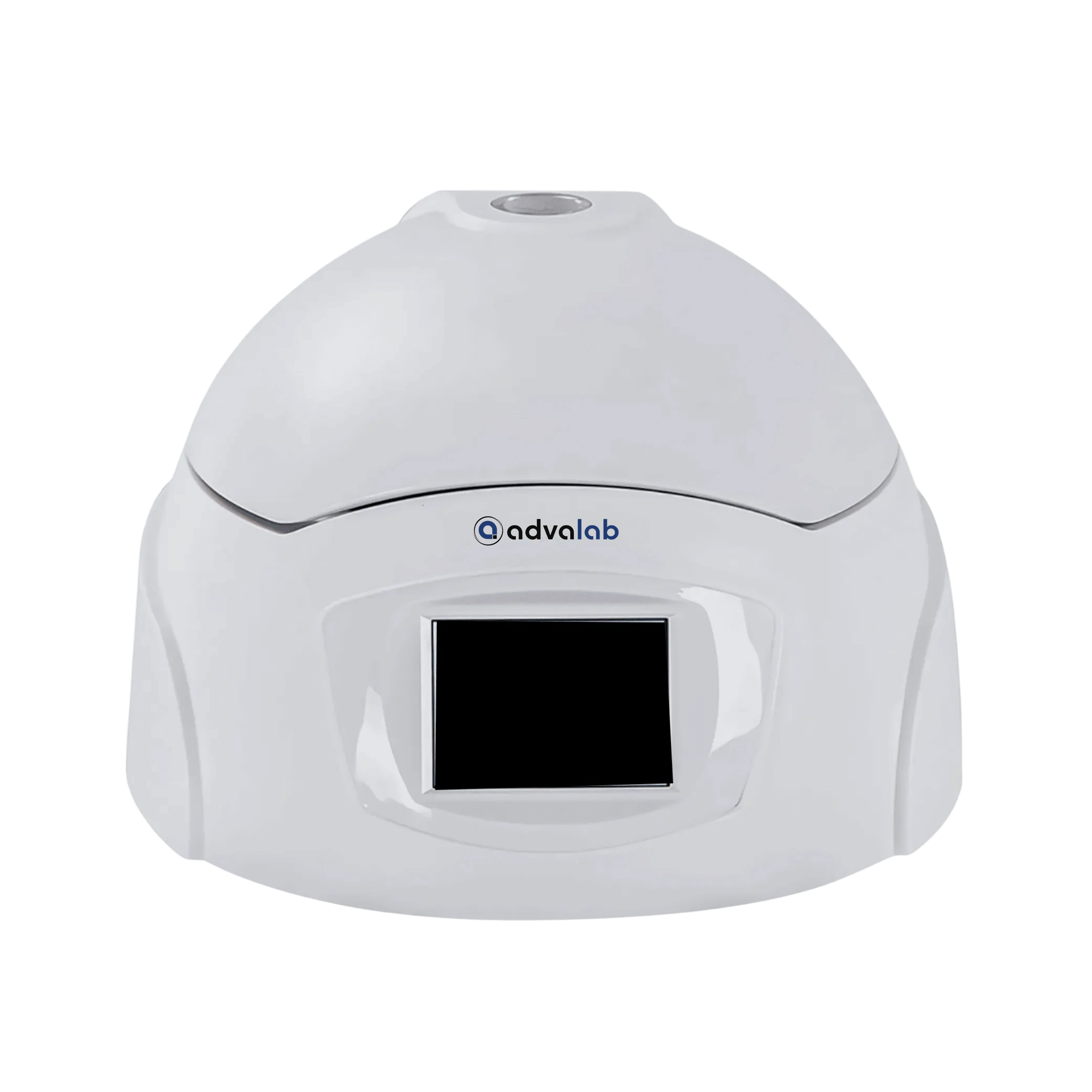
| Maximum Speed: | 16500 rpm |
| Maximum RCF: | 18262× g |
| Maximum Capacity: | 8x5 ml |
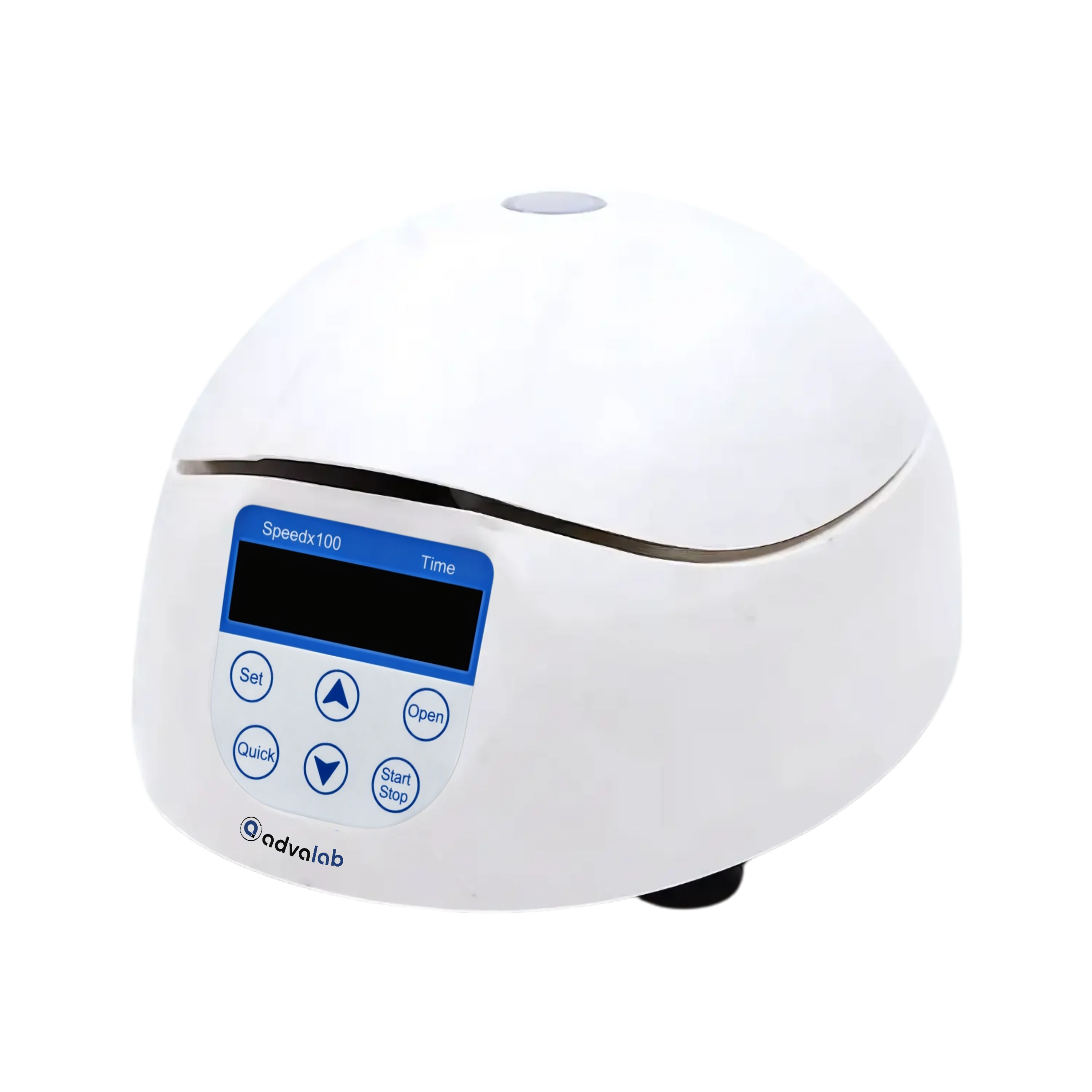
| Speed: | 500 to 15000 rpm, 100 rpm increments |
| RCF: | 100 to 15000×g, 100×g increments |
| Maximum Rotor Radius: | 60 mm |
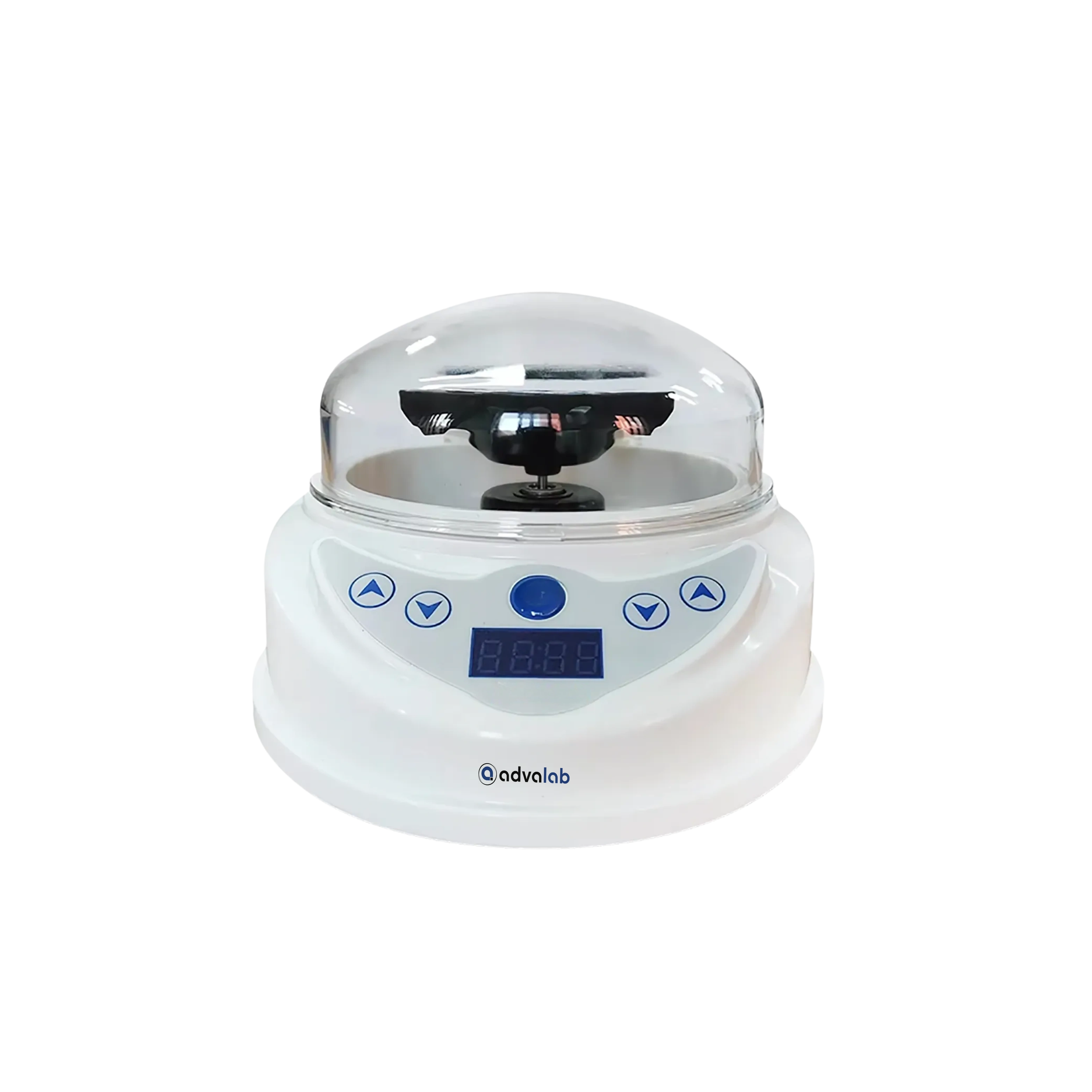
| Maximum Speed: | 7500rpm |
| Maximum RCF: | 3450xg |
| Capacity: | Three in one rotor:8x1.5/2ml+6x0.5ml+2x8x0.2ml, Rotor for 6 PCR strips |
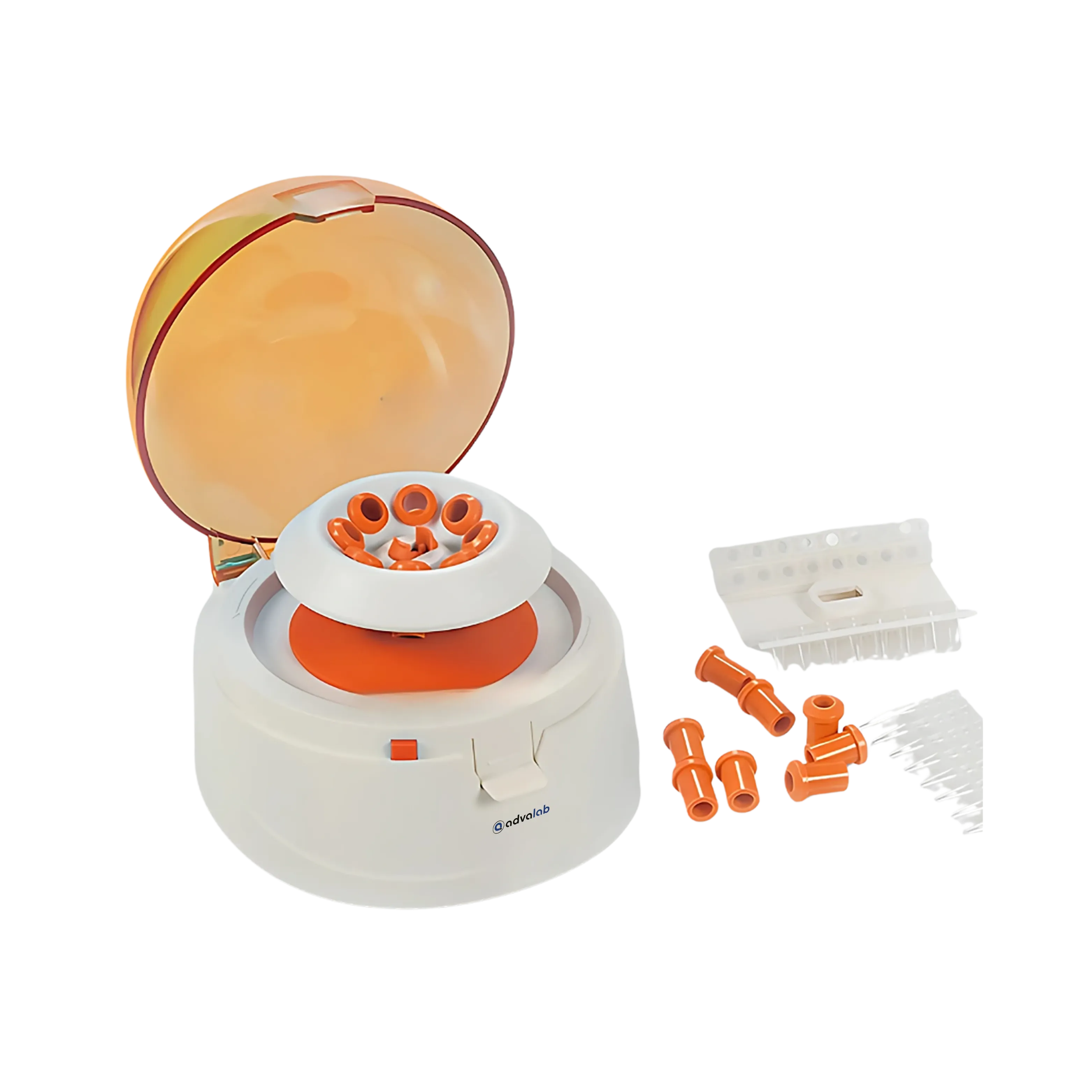
| Maximum Speed: | 6000 rpm ±5% |
| Rotation Direction : | Anticlockwise (fixed direction) |
| Acceleration Time : | ≤ 2 seconds |
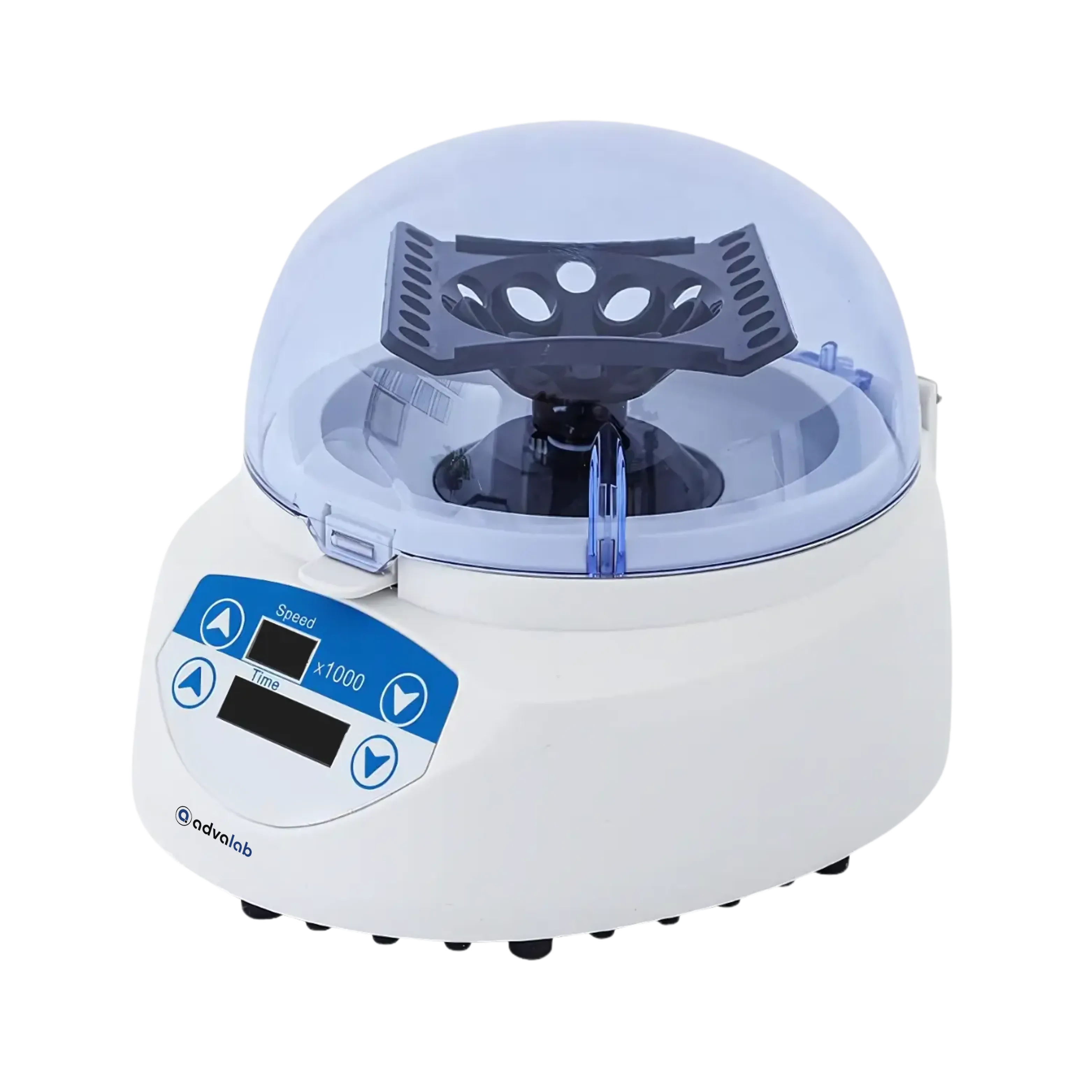
| Speed Range: | 4000 rpm, 6000 rpm and 7000 rpm, adjustable |
| Maximum RCF: | 960×g, 4000 rpm , 2200×g, 6000 rpm , 2900×g, 7000 rpm |
| Capacity: | 6×1.5 ml/2.0 ml, 6×0.5 ml, 16×0.2 ml centrifuge tube , 2×8×0.2 ml PCR tube strips |
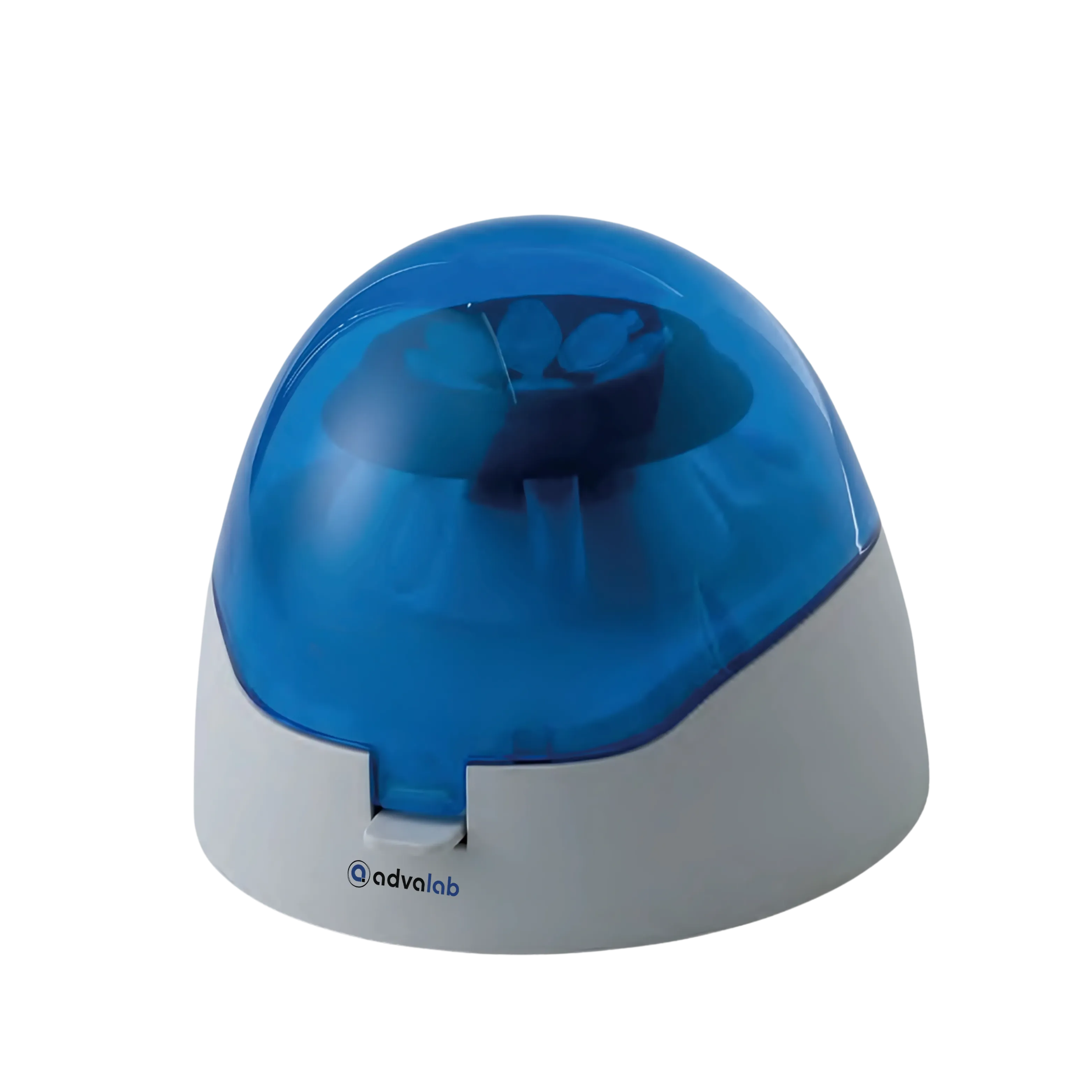
| Maximum Speed: | 6000 rpm |
| Maximum RCF: | 2000 g |
| Capacity (Standard): | 8 × 1.5 / 2.0 / 0.5 / 0.2 ml |
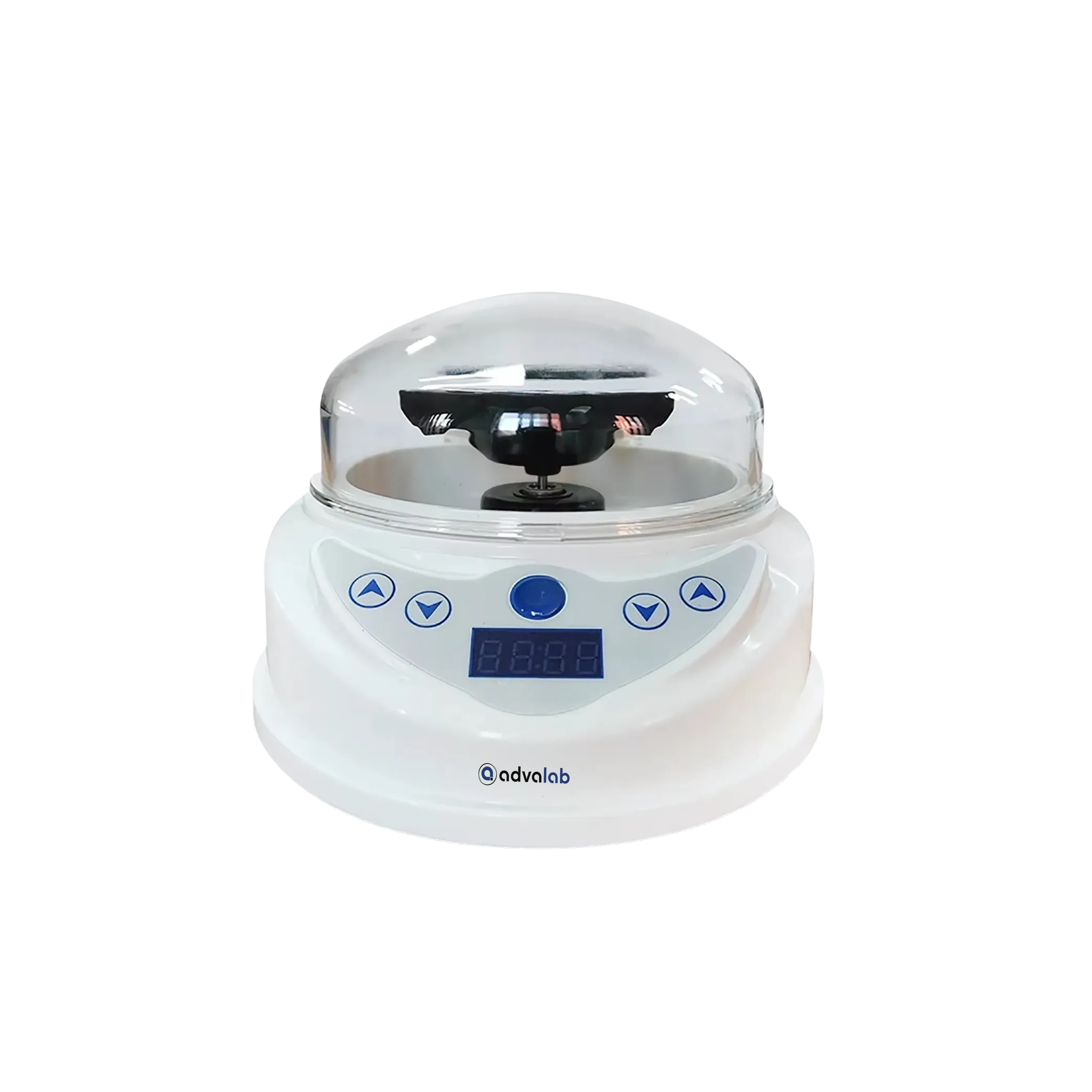
| Maximum Speed: | 6000rpm |
| Maximum RCF: | 2200xg |
| Capacity: | Three in one rotor:8x1.5/2ml+6x0.5ml+2x8x0.2ml, Rotor for 6 PCR strips |
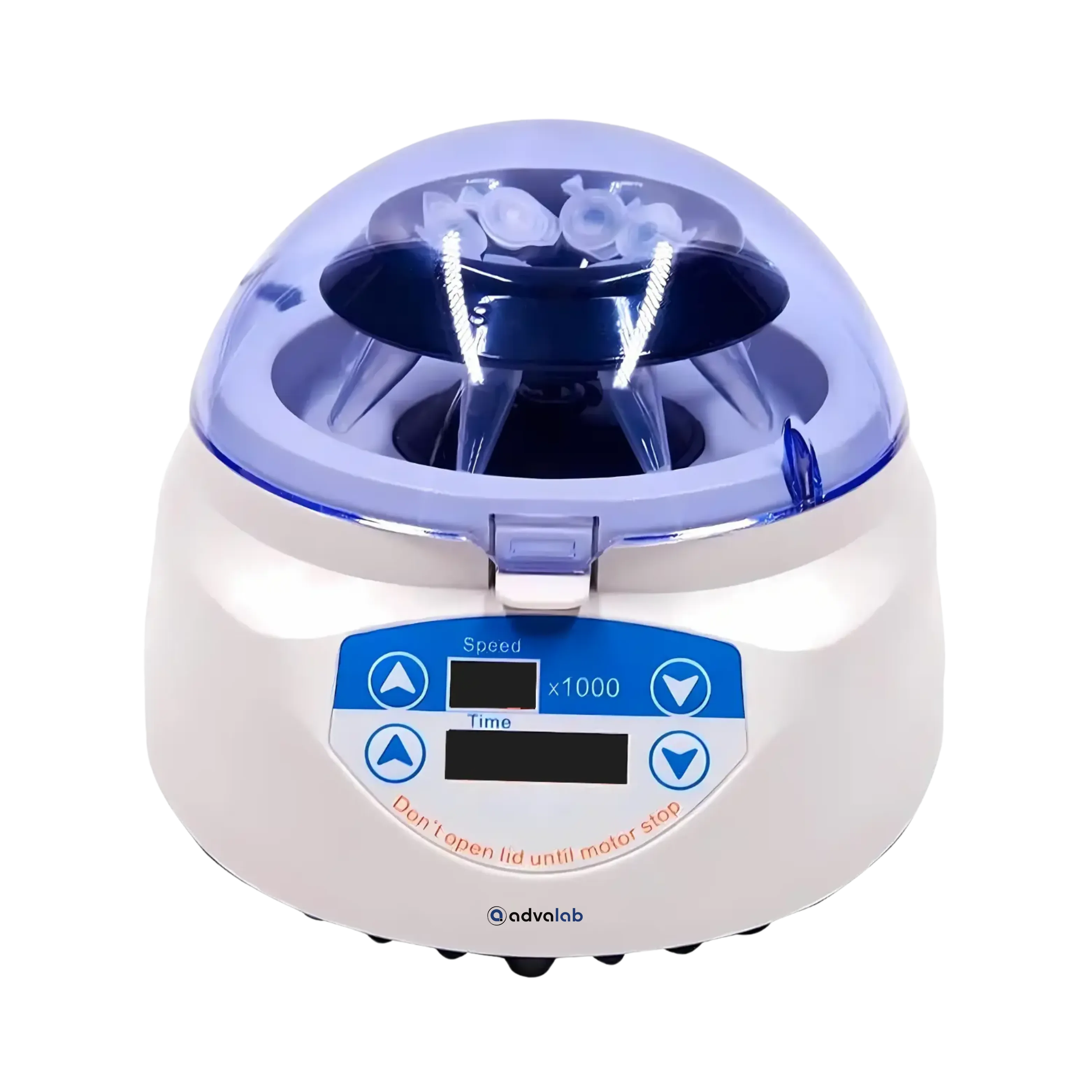
| Speed Range: | 3000 to 10000 rpm |
| Maximum RCF: | 500 to 5400×g |
| Capacity: | 8×2.0ml/1.5ml/0.5ml centrifuge tube , 4×8×0.2ml PCR tube strips |
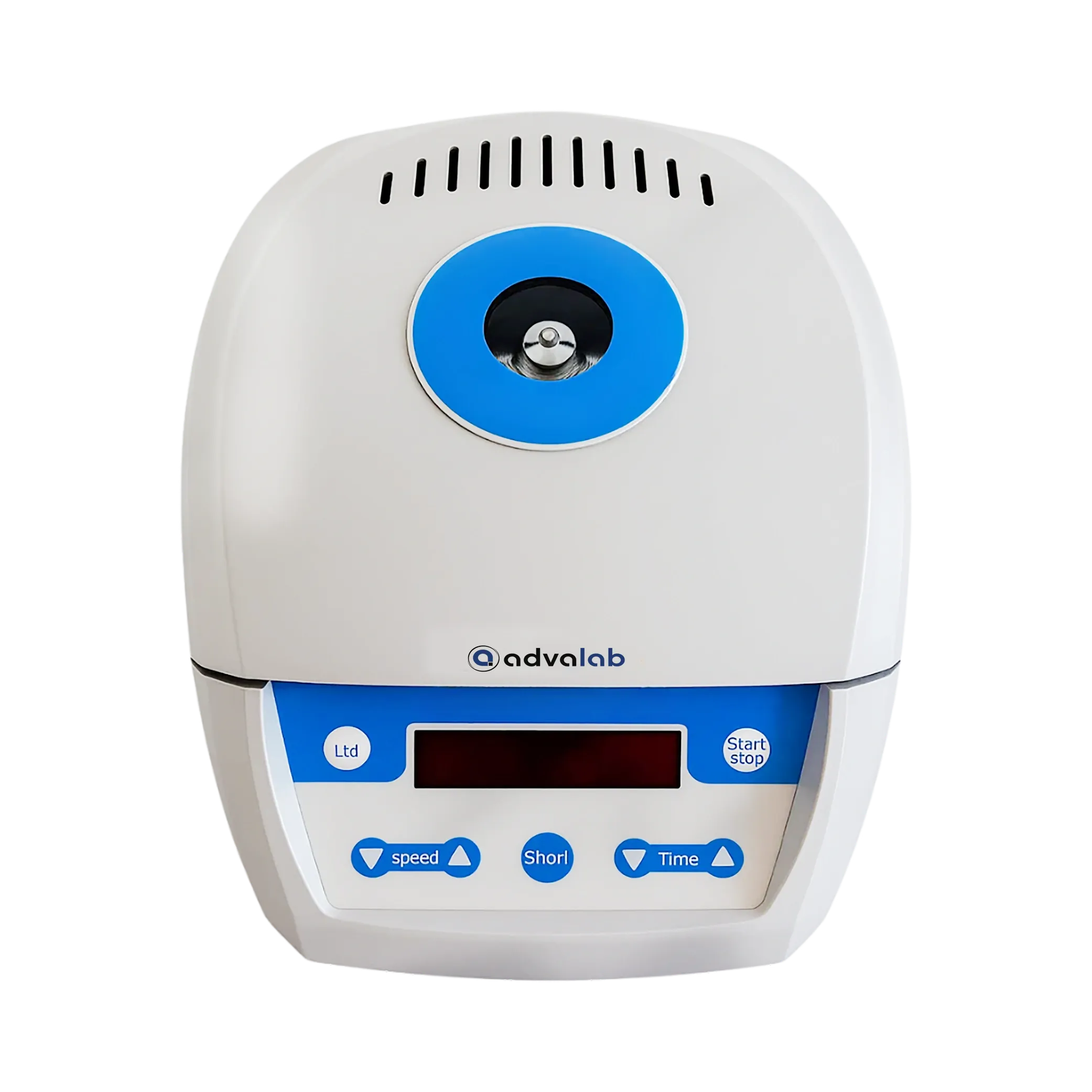
| Speed Range: | 500 to 15000 rpm |
| RCF Range: | 16 to 15080 g |
| Capacity: | 12 x 1.5 / 2.0ml centrifuge tubes |
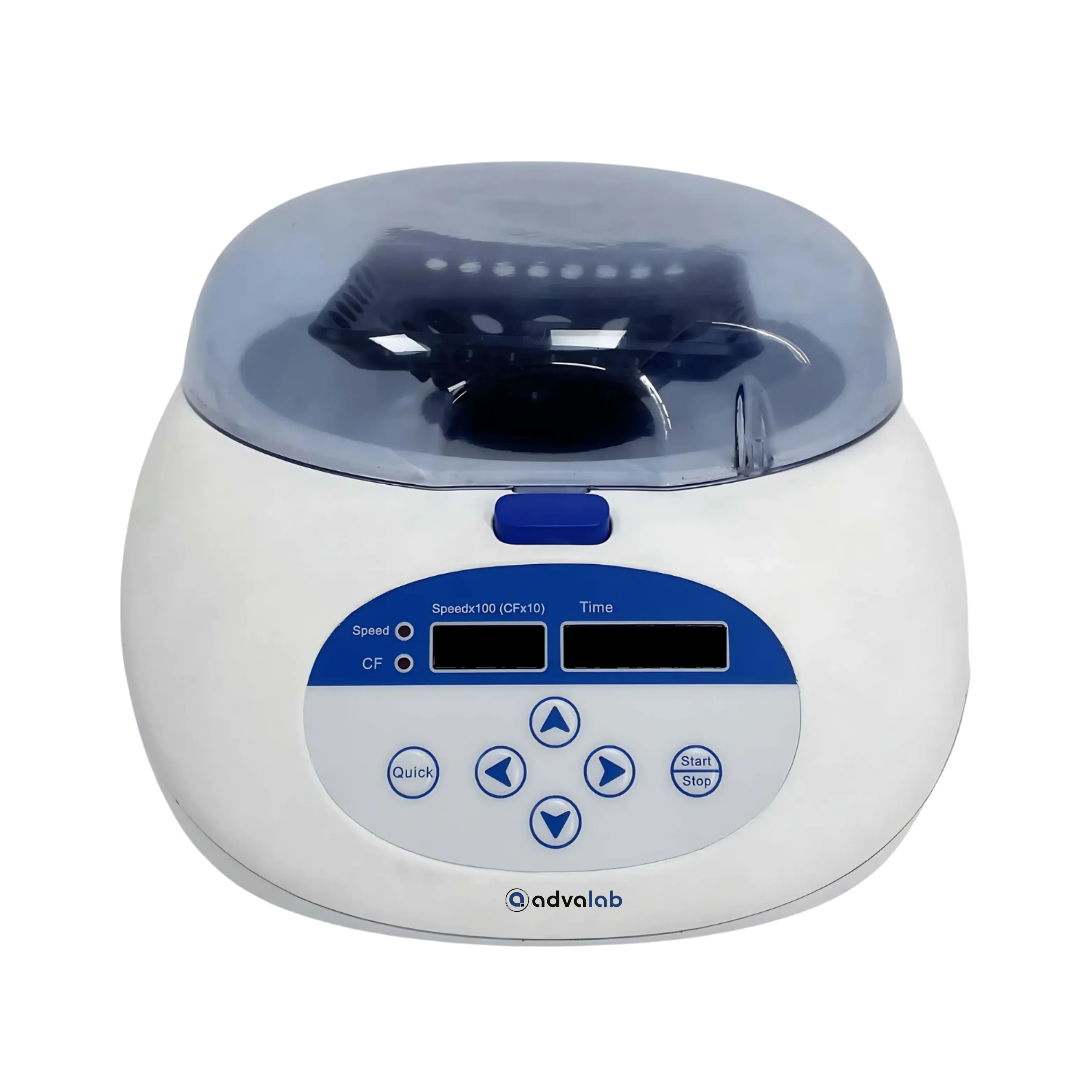
| Speed Range: | 500 to 12,000 rpm, 500 rpm increments |
| Maximum RCF: | 9,650 × g |
| Capacity: | 32 × 0.2 ml centrifugal tubes , 12 × 0.5/1.5/2.0 ml centrifugal tubes , 4 × 8 × 0.2 ml PCR strips |
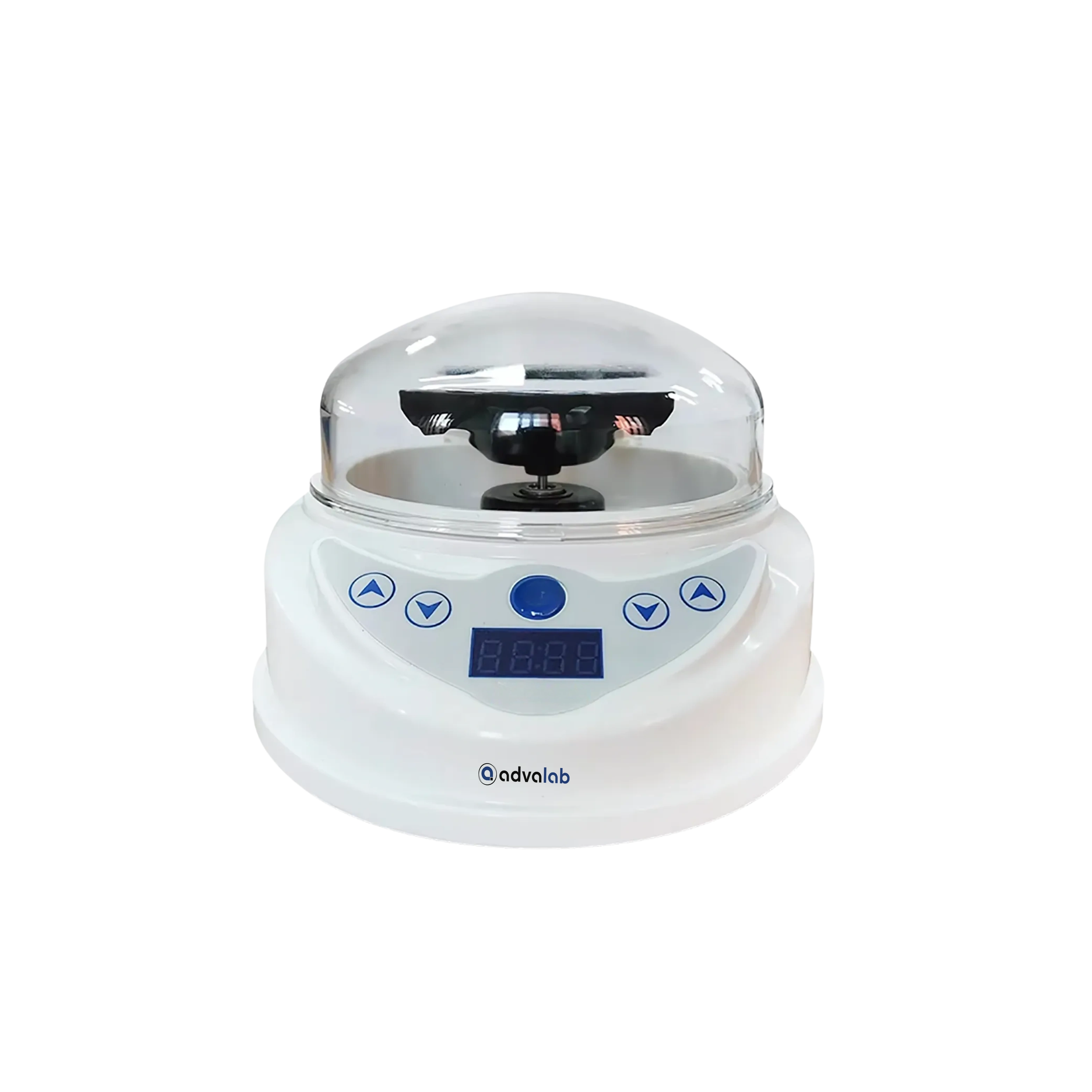
| Maximum Speed: | 10000rpm |
| Maximum RCF: | 6100xg |
| Capacity: | Three in one rotor:8x1.5/2ml+6x0.5ml+2x8x0.2ml |
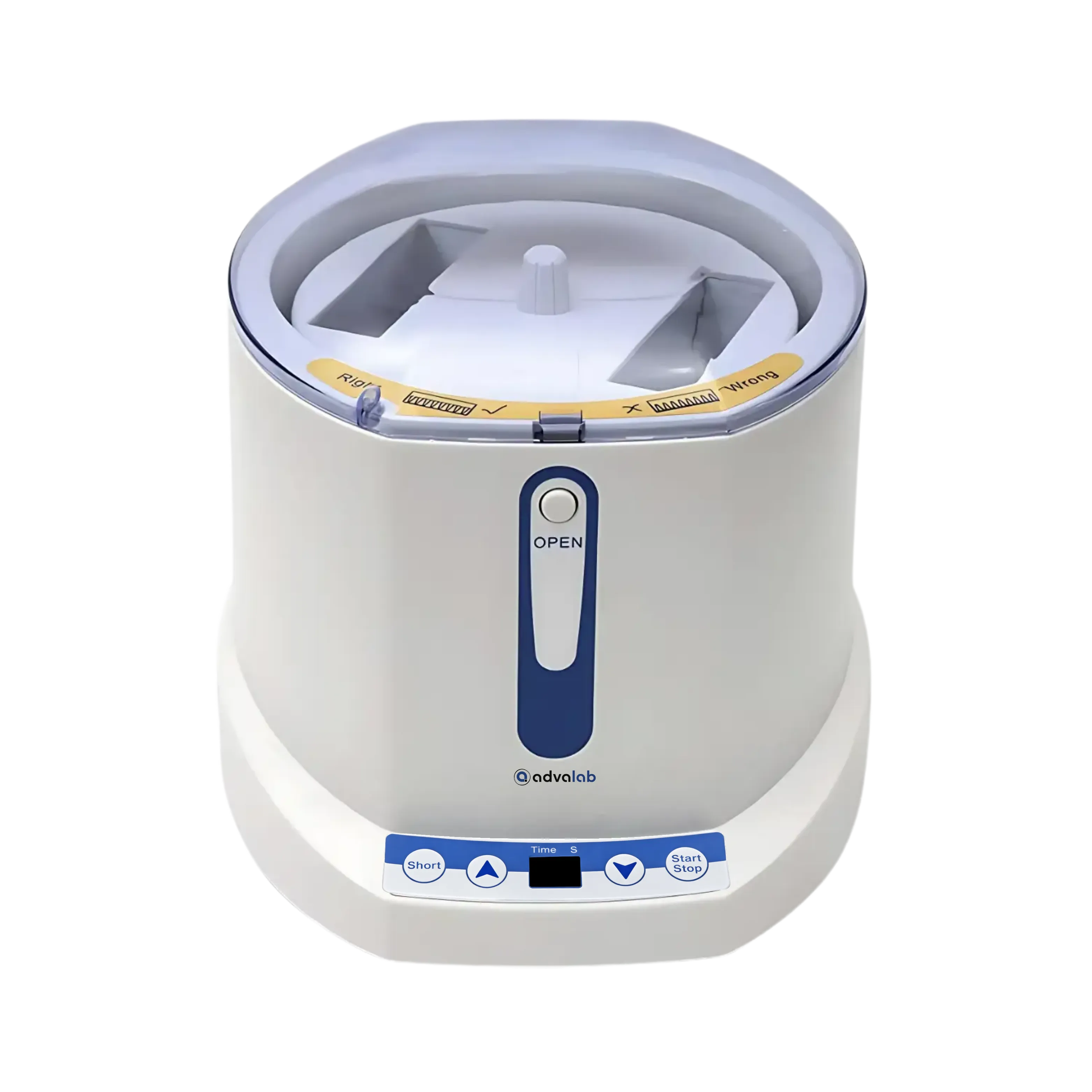
| Maximum Speed: | 2800 rpm |
| Maximum RCF: | 600×g |
| Maximum Rotor Radius: | 63 mm |
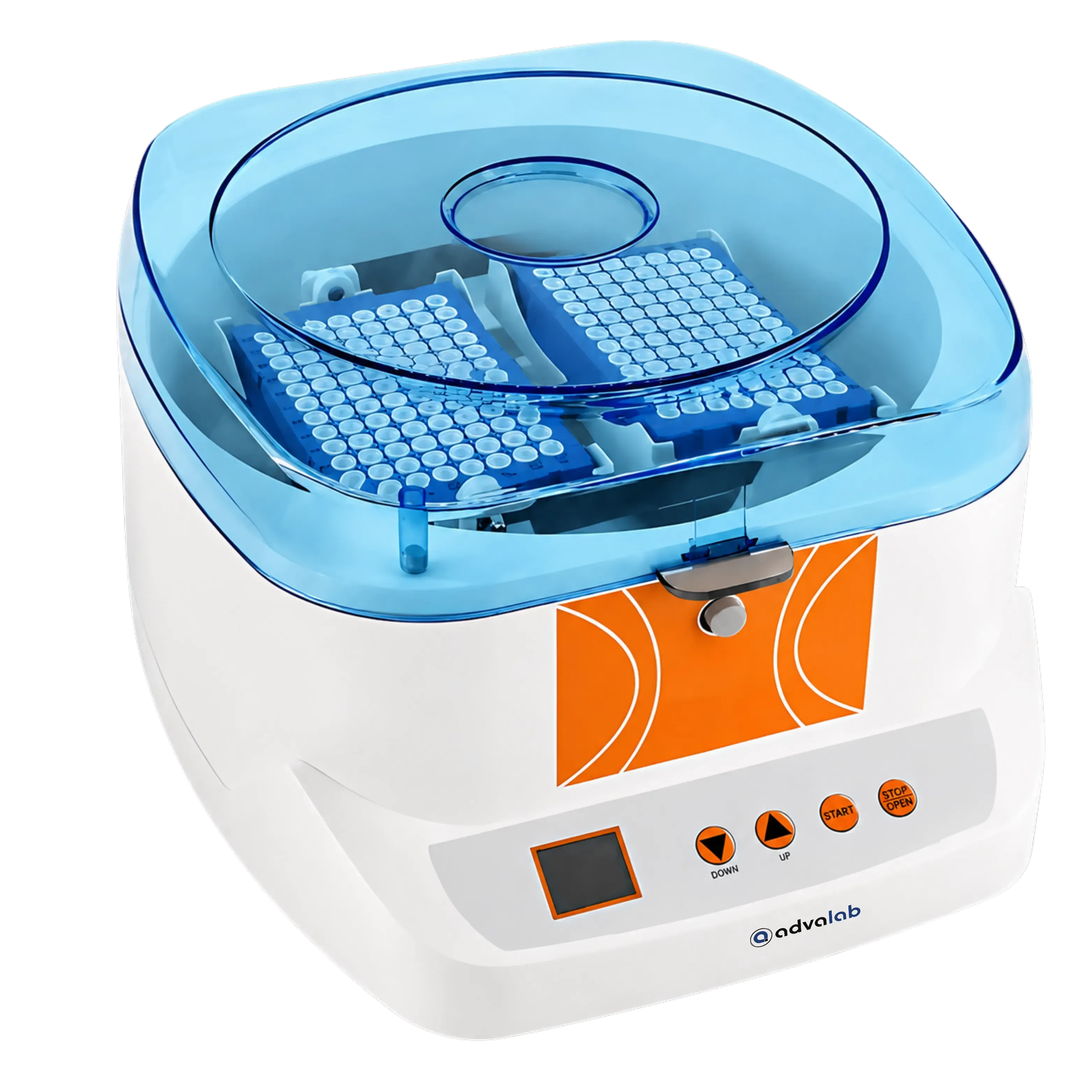
| Maximum Speed: | 2500 rpm ±5% |
| Rotation Direction : | Anticlockwise (fixed direction) |
| Acceleration Time : | 15 seconds |
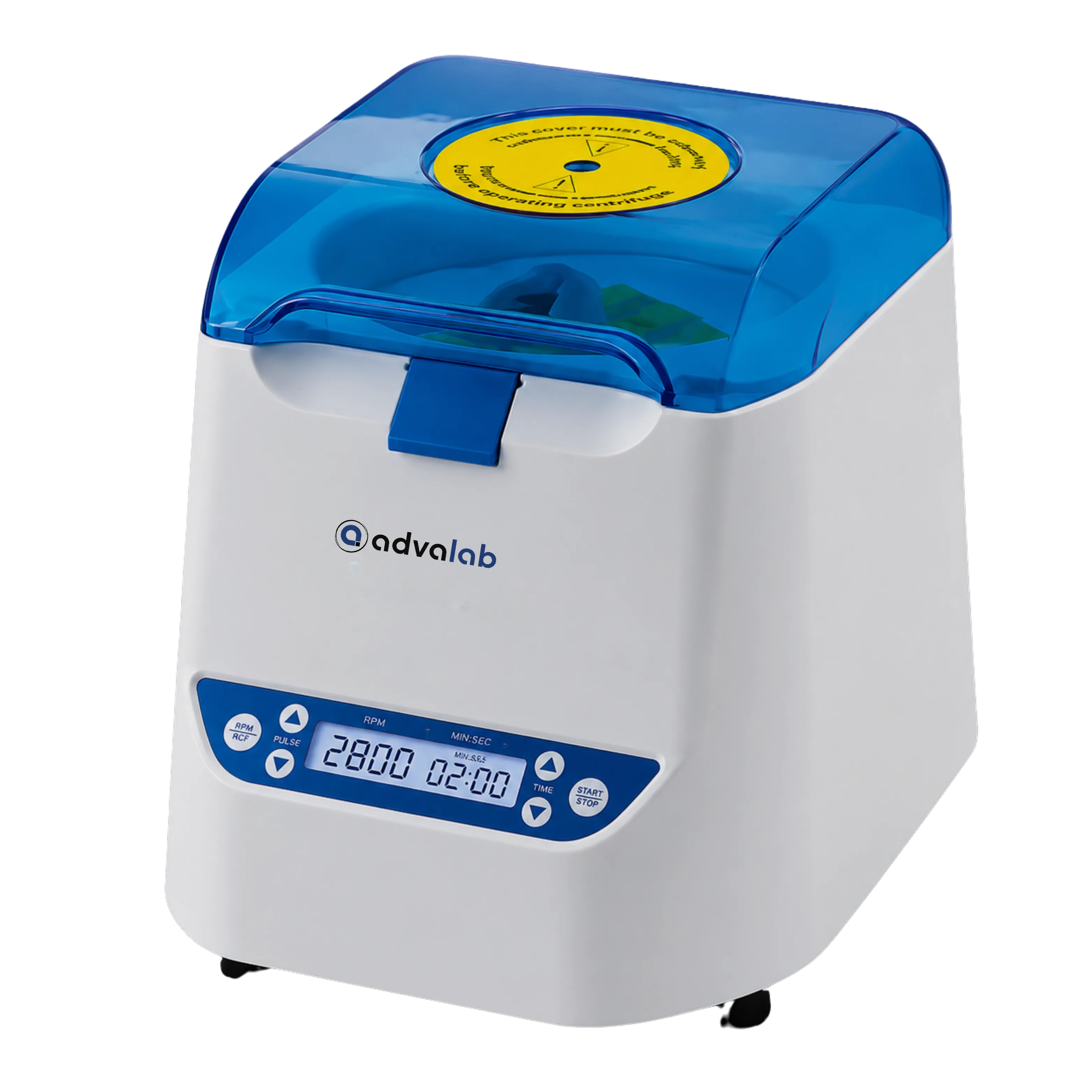
| Rotating Speed: | 2200 to 2800 rpm |
| Maximum RCF: | 550 g |
| Capacity: | 2 PCR plates |
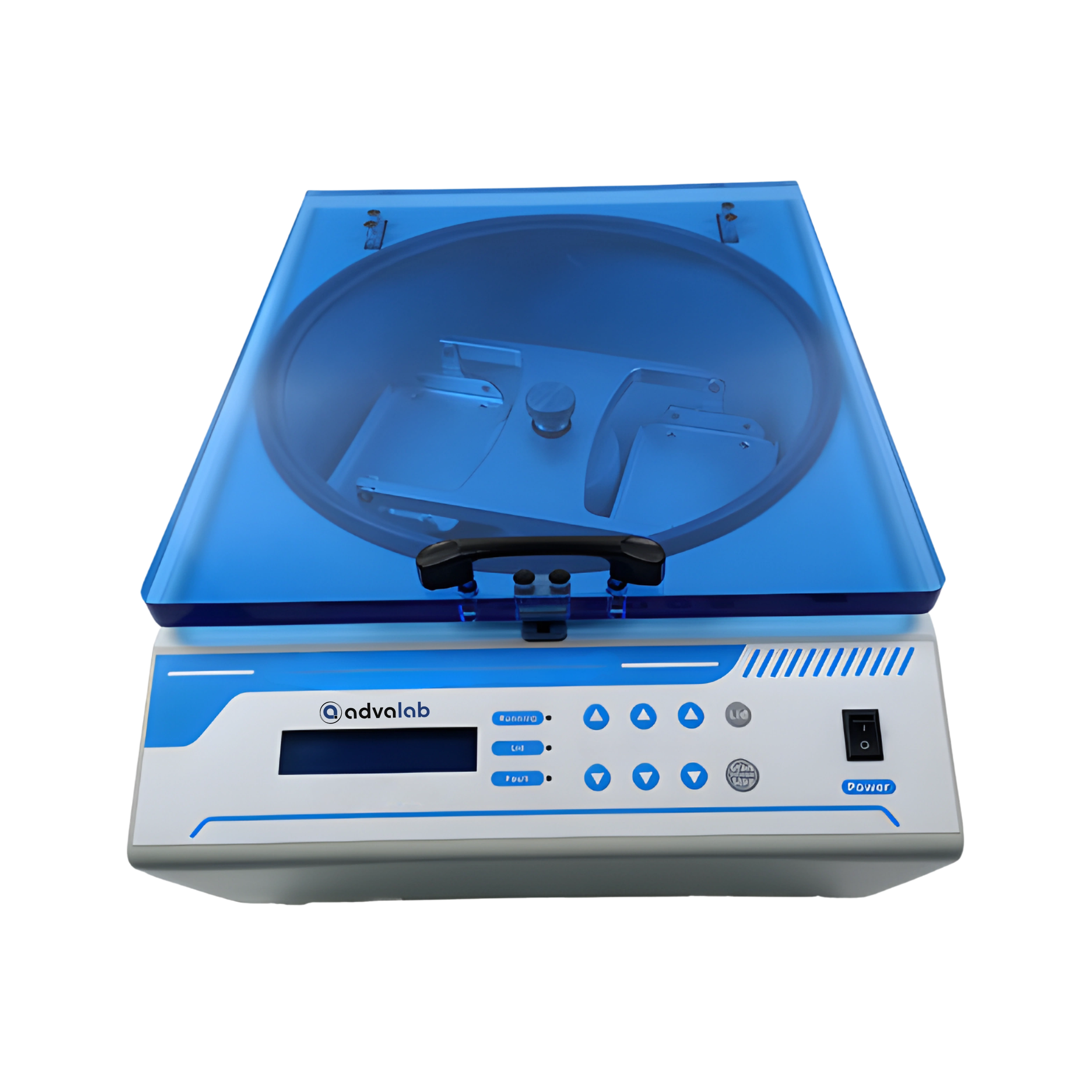
| Rotating Speed: | 500 to 2500 rpm |
| RCF Range: | 32 to 797g |
| Capacity: | 2 pcs Microplates or Deep-well plates |
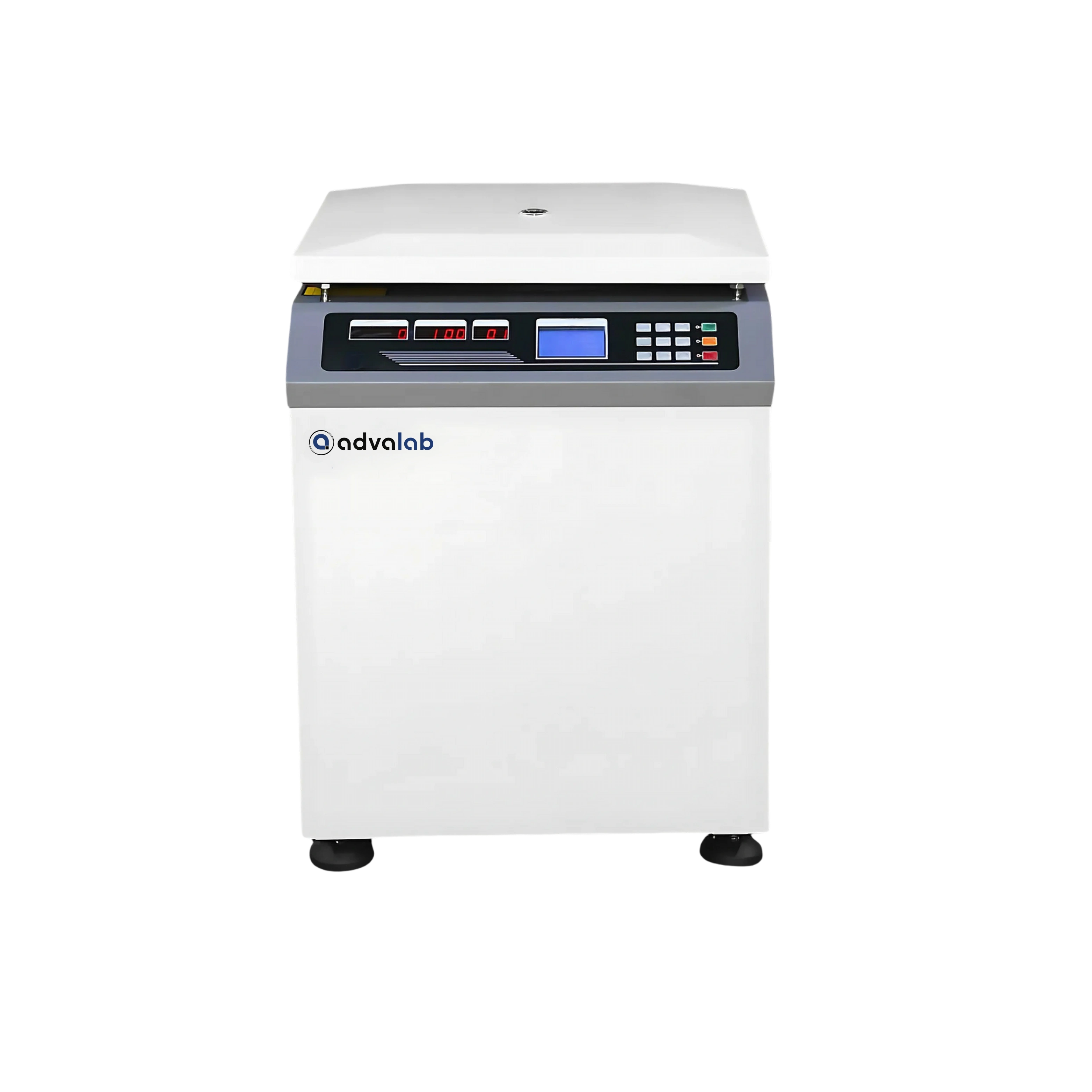
| Maximum Speed: | 3300 rpm |
| Maximum RCF: | 1920 x g |
| Maximum Capacity: | 8 x 30 ml |
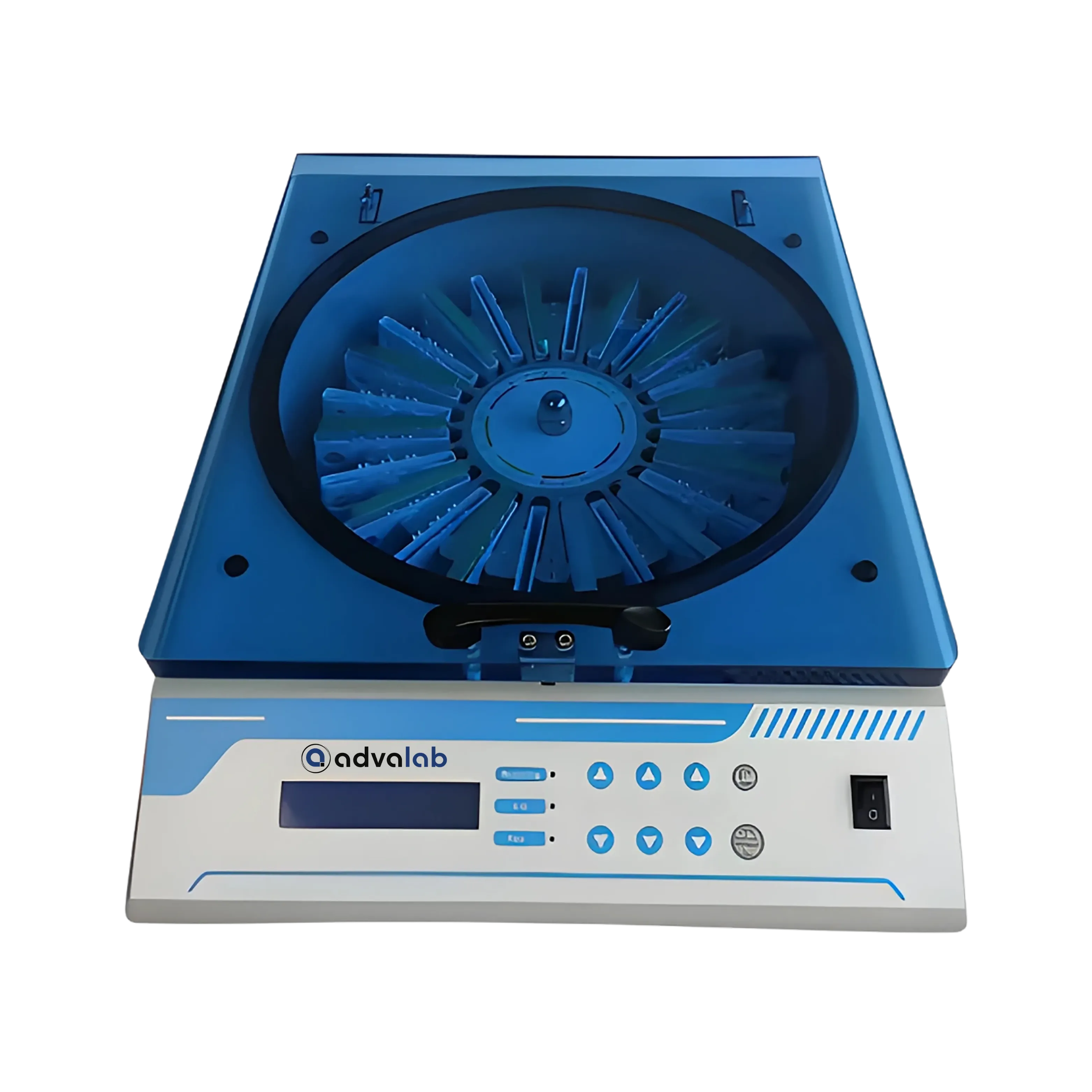
| Capacity: | 24 Gel Cards (6 column / 8 column) |
| Speed Range: | 500 to 2200 rpm |
| Timing Range: | 1 min to 30 min |
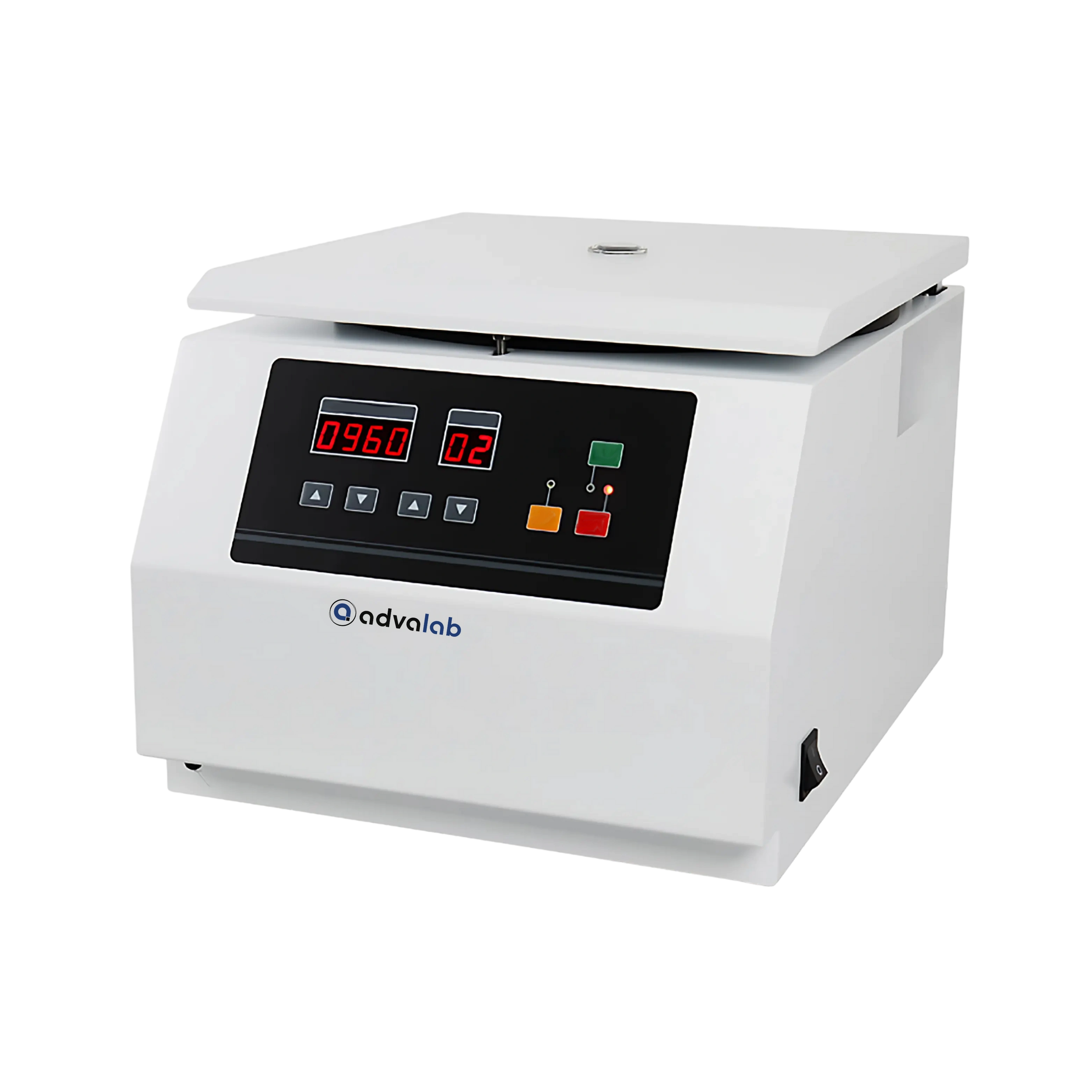
| Maximum Speed: | 3840 rpm |
| Maximum RCF : | 1790 ×g |
| Capacity : | 24 gel card |
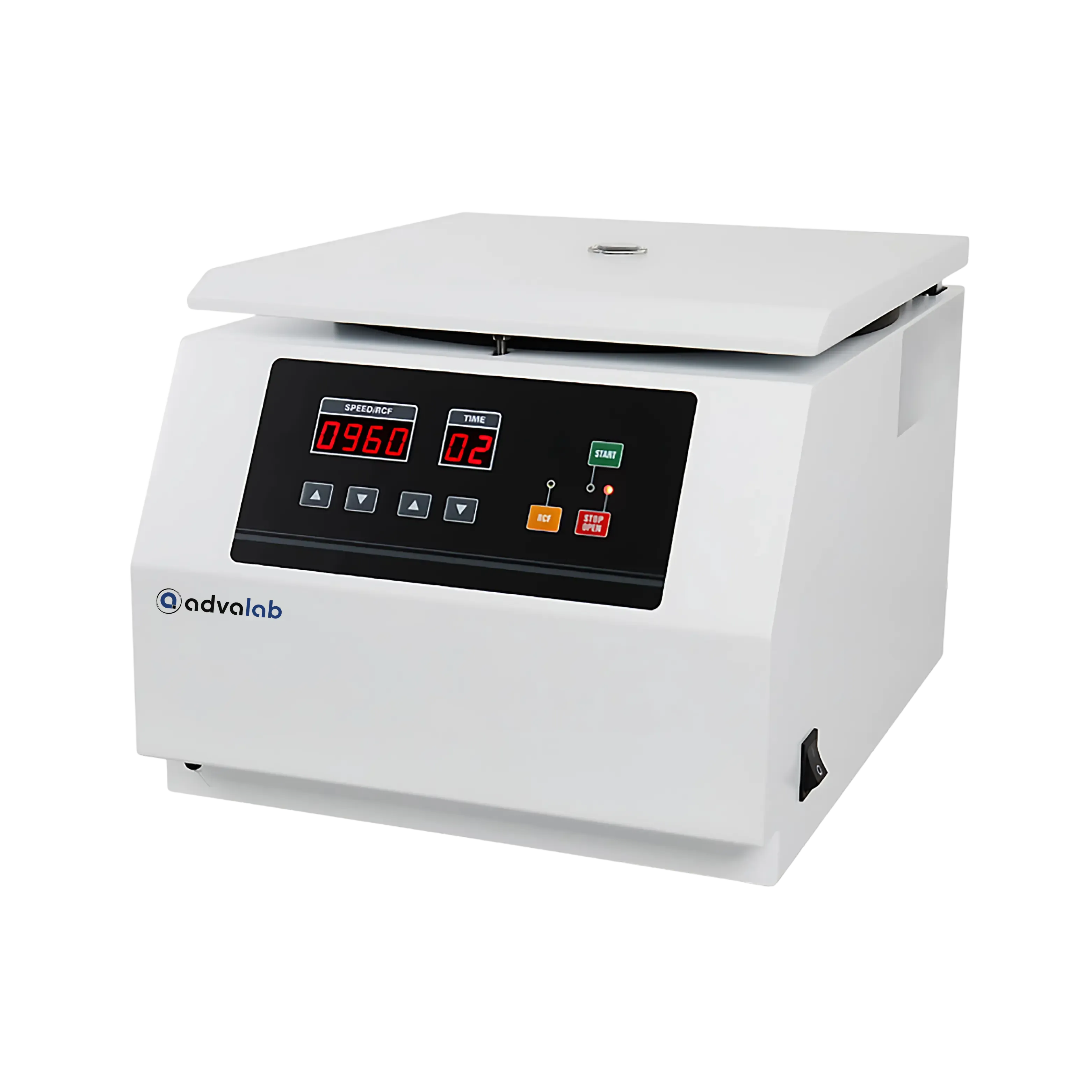
| Maximum Speed: | 3840 rpm |
| Maximum RCF: | 1790 xg |
| Maximum Capacity: | 12 Gel card |
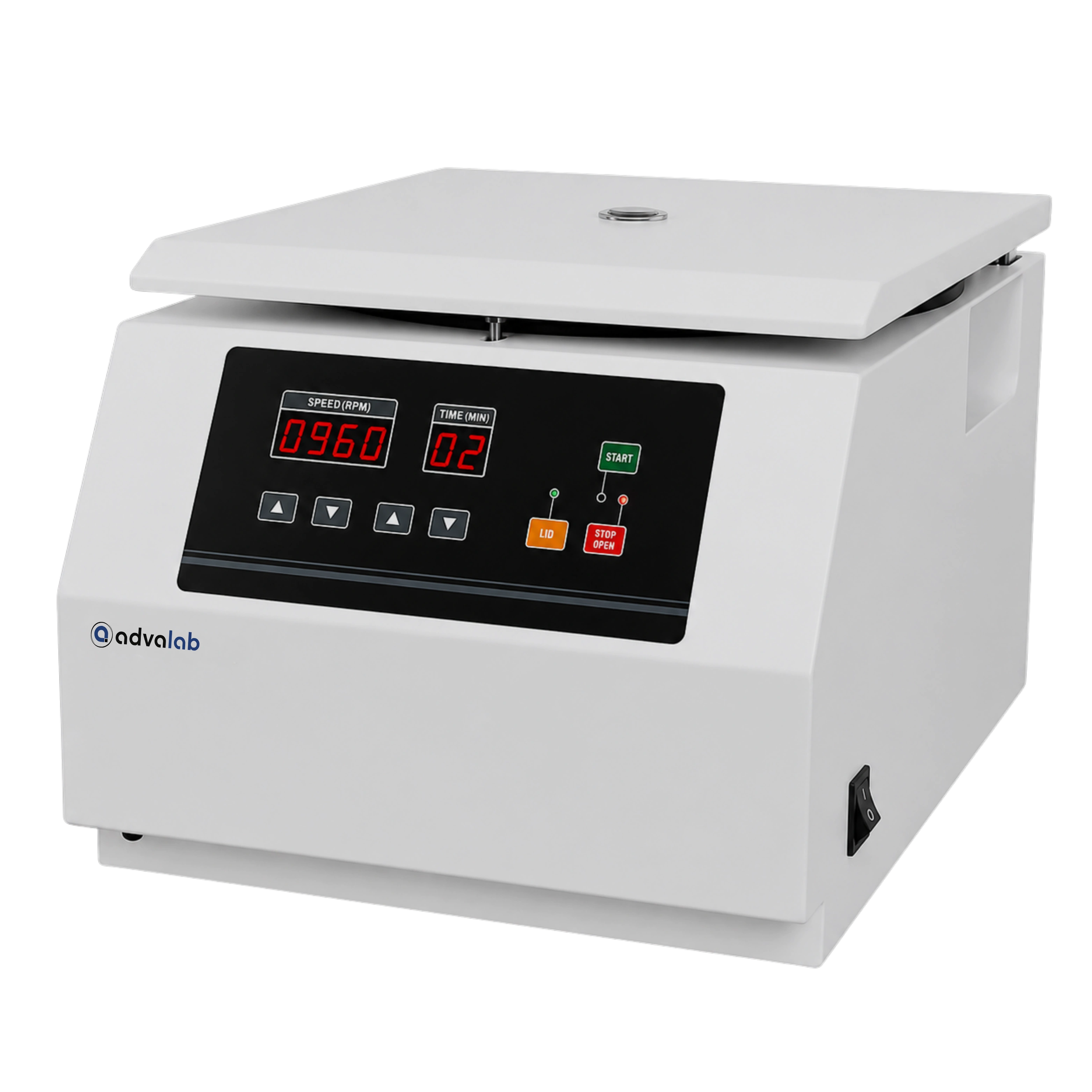
| Maximum Speed: | 4000 rpm |
| Maximum RCF: | 2170 xg |
| Maximum Capacity: | 10 pcs slide glass |
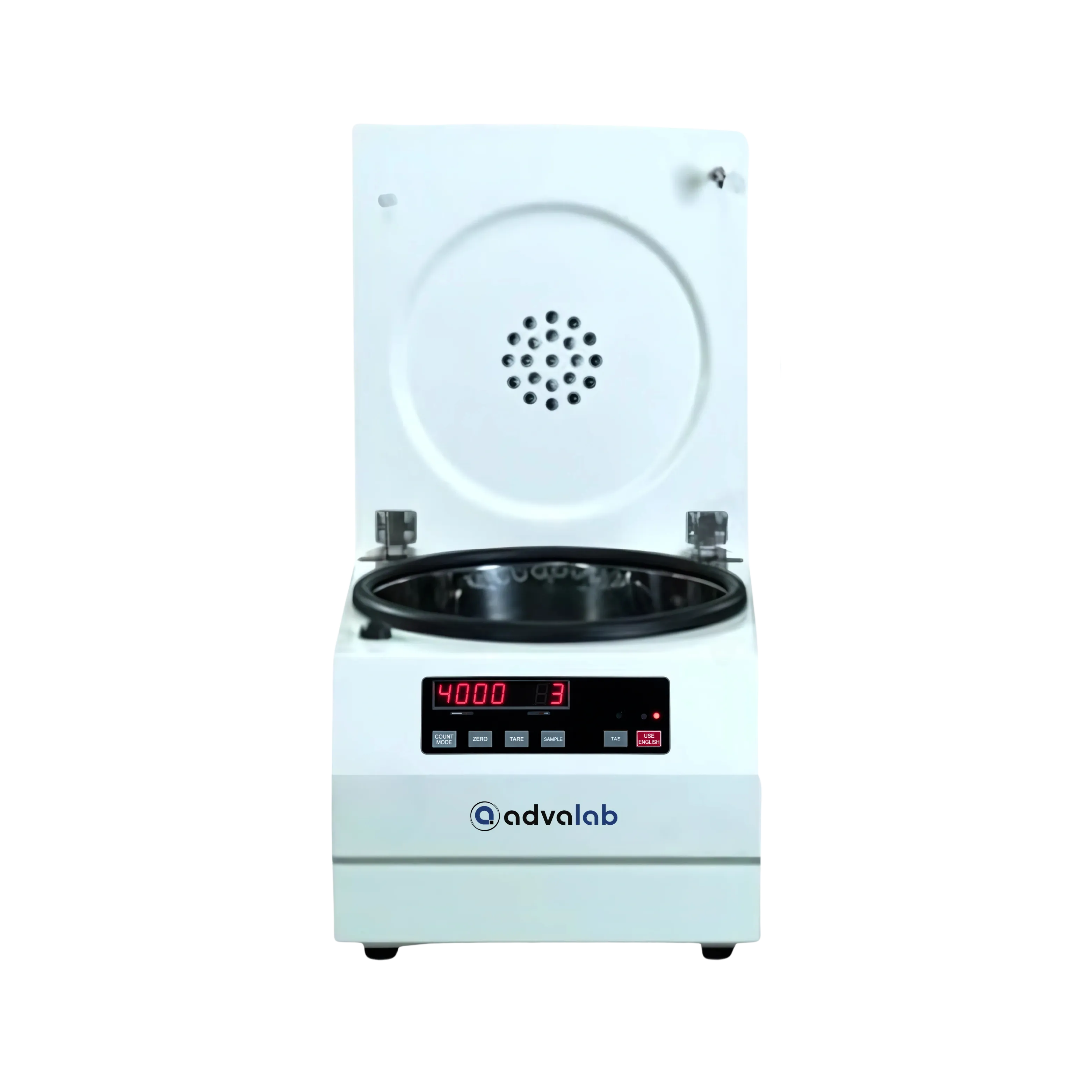
| Maximum Speed: | 3000 rpm |
| Maximum RCF : | 890 × g |
| Maximum Capacity : | 12 cards |
| Max Speed: | 3500 rpm |
| Max RCF: | 1640 xg |
| Max Capacity: | 12x10 ml |
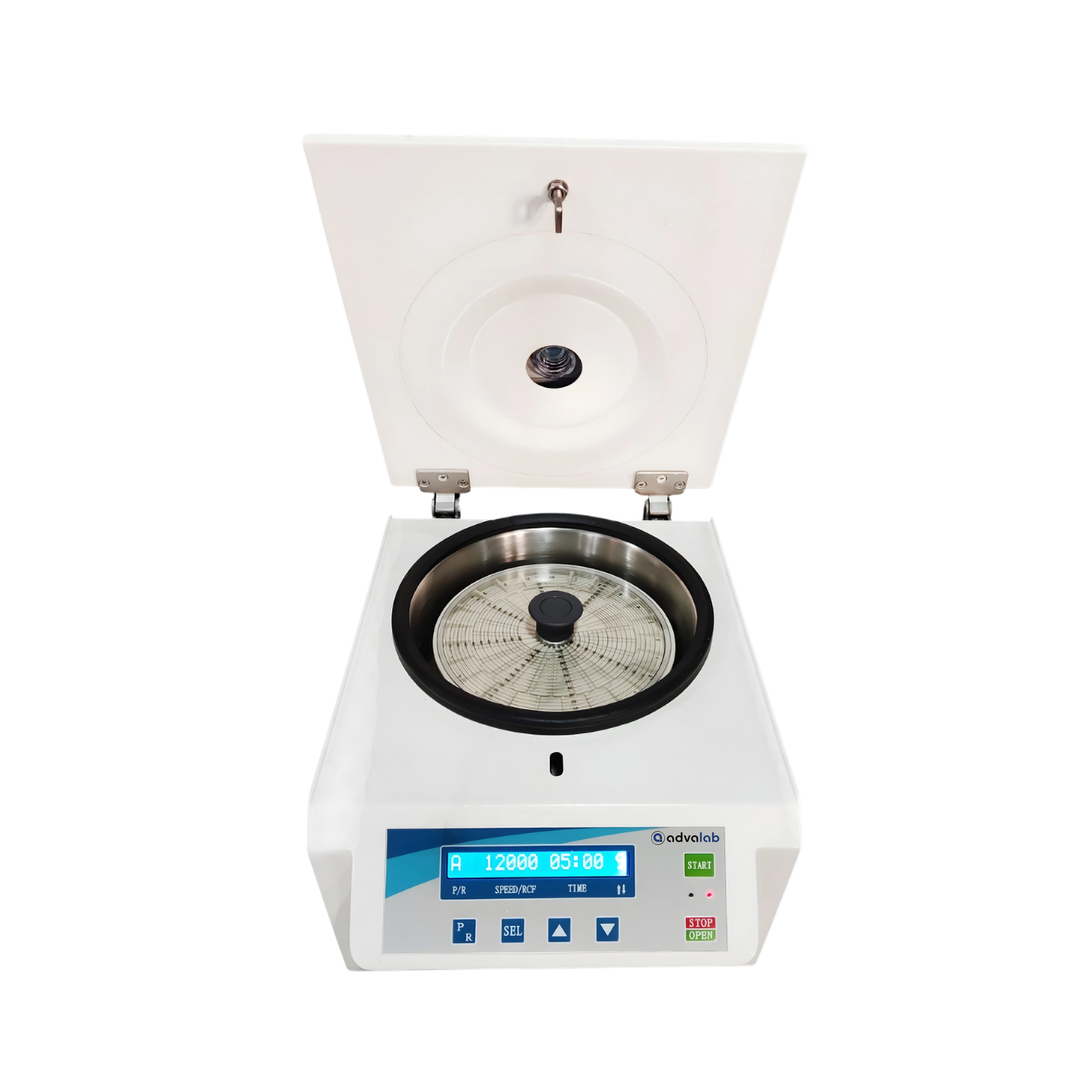
| Max Speed: | 12000 rpm |
| Max RCF: | 15800 xg |
| Capacity: | 24pcs capillary tube |