
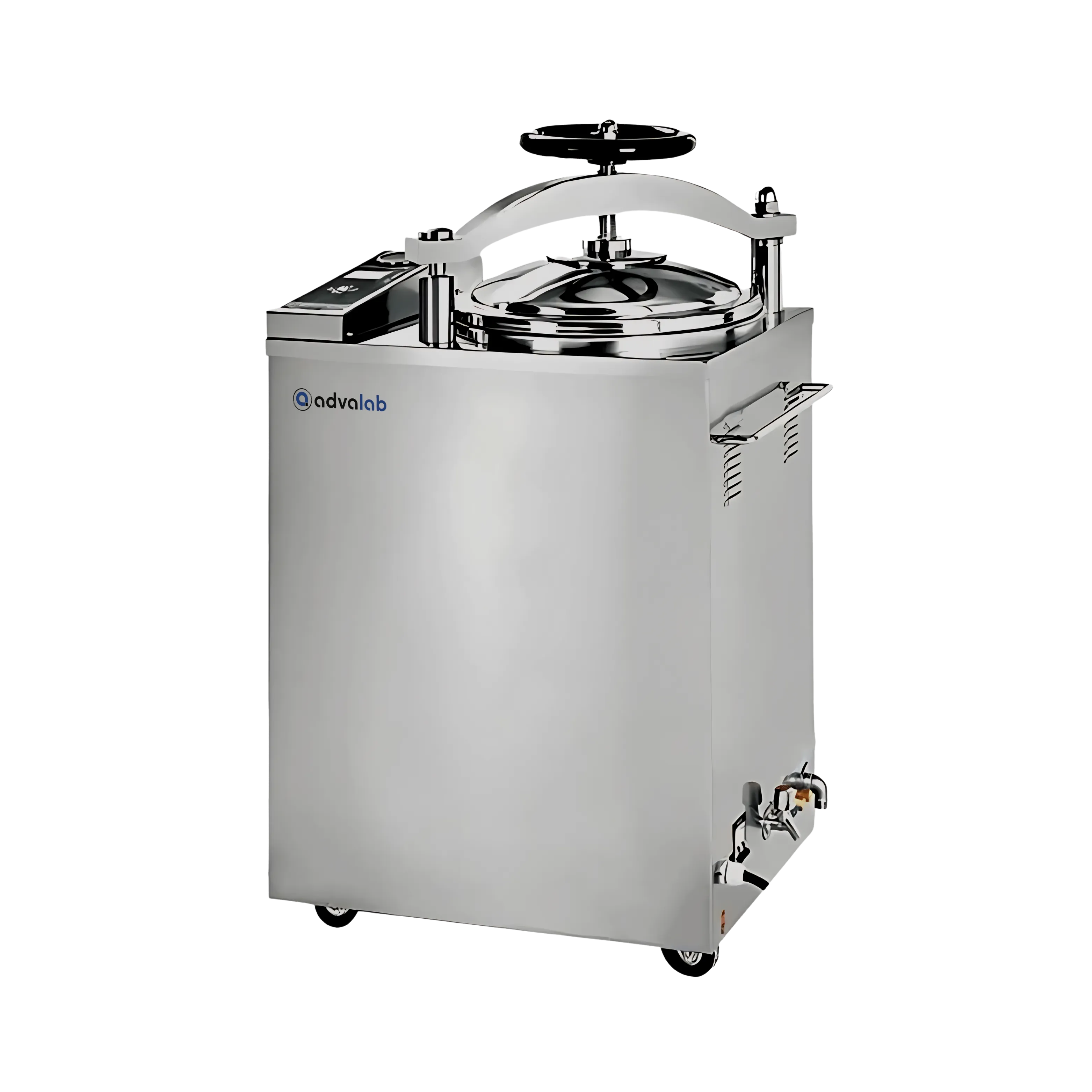
| Chamber Volume | 100L φ (440×650) mm |
| Working Pressure | 0.22MPa |
| Working Temperature | 134℃ |
| Maximum Working Pressure | 0.23Mpa |
| Heat Average | ≤±1℃ |
| Timer Scope | 0 to 99min or 0 to 99hr 59min |
| Temperature Scope | 0 to 134℃ |
| Power Consumption | 4.5 KW |
| Overall Dimension (L×B×H) | 730×510×1270 mm |
| Transport Dimension (L×B×H) | 820×600×1380 mm |
| Gross Weight | 135 Kg |
| Net Weight | 110 Kg |
Our Vertical Autoclave ADVA-524 is used in microbiology research, and educational institutions, for sterilizing tools, lab equipment, and materials, ensuring contamination-free conditions.
1. What safety precautions should be taken while operating a vertical autoclave?
Operators should wear heat-resistant gloves and safety goggles during loading and unloading. Ensure the lid is securely locked before starting a cycle. Never open the autoclave while it is under pressure. Allow the pressure to drop and the temperature to cool before removing items. Regular inspection and proper training are crucial to avoid accidents.
2. What is a vertical autoclave and how does it work?
A vertical autoclave is a cylindrical sterilization device designed to use pressurized steam to eliminate bacteria, viruses, fungi, and spores from equipment and materials. It works by heating water to produce steam, which builds pressure within a sealed chamber. The high temperature and pressure effectively sterilize items placed inside. These autoclaves are loaded from the top, making them space-efficient for small labs and clinics. They're ideal for laboratories, hospitals, and research institutions.
3. What are the typical applications of a vertical autoclave?
Vertical autoclaves are widely used for sterilizing glassware, media, instruments, and laboratory waste. Common applications include microbiology, pharmaceutical production, food testing labs, and hospital surgical units. They are essential for preventing contamination and ensuring safe reuse of lab and clinical equipment. Some models are also used to prepare culture media. Their versatility makes them a go-to sterilization tool across scientific fields.
4. What is the difference between a vertical and horizontal autoclave?
The main difference lies in their loading orientation: vertical autoclaves are top-loading, while horizontal ones are front-loading. Vertical units are typically more compact and used for smaller load capacities. Horizontal autoclaves offer easier loading for larger volumes and are better suited for bulk sterilization. Vertical autoclaves are preferred in space-constrained environments. Both types perform the same function but are chosen based on operational needs.
5. What materials can be sterilized in a vertical autoclave?
Vertical autoclaves can sterilize glassware, metal instruments, fabric, rubber, and certain types of plastic. Liquids such as culture media or laboratory reagents can also be sterilized if the autoclave has a liquid cycle. Items must be autoclavable, meaning they can withstand high temperature and pressure. Materials with low melting points or sealed containers that may explode should be avoided. Always follow manufacturer guidelines for safe sterilization.
6. What is a Vertical Autoclave and how does it work?
A Vertical Autoclave is a sterilization device that uses steam under pressure to sterilize equipment, media, and laboratory tools. It works by heating water to produce steam, which destroys bacteria, viruses, and other microorganisms.
7. What safety features are included in a Vertical Autoclave?
A Vertical Autoclave includes safety features like pressure release valves, temperature cut-offs, door interlocks, and alarms. These systems prevent accidental opening or overheating in the Vertical Autoclave. Built-in sensors ensure the unit shuts off in case of any malfunction.
8. Can a Vertical Autoclave be used for medical waste?
A Vertical Autoclave can be used to sterilize soft medical waste like gauze, gloves, and cloth items. However, a Vertical Autoclave may not be ideal for large volumes of waste or sharp objects. Special medical waste autoclaves are recommended for such loads.
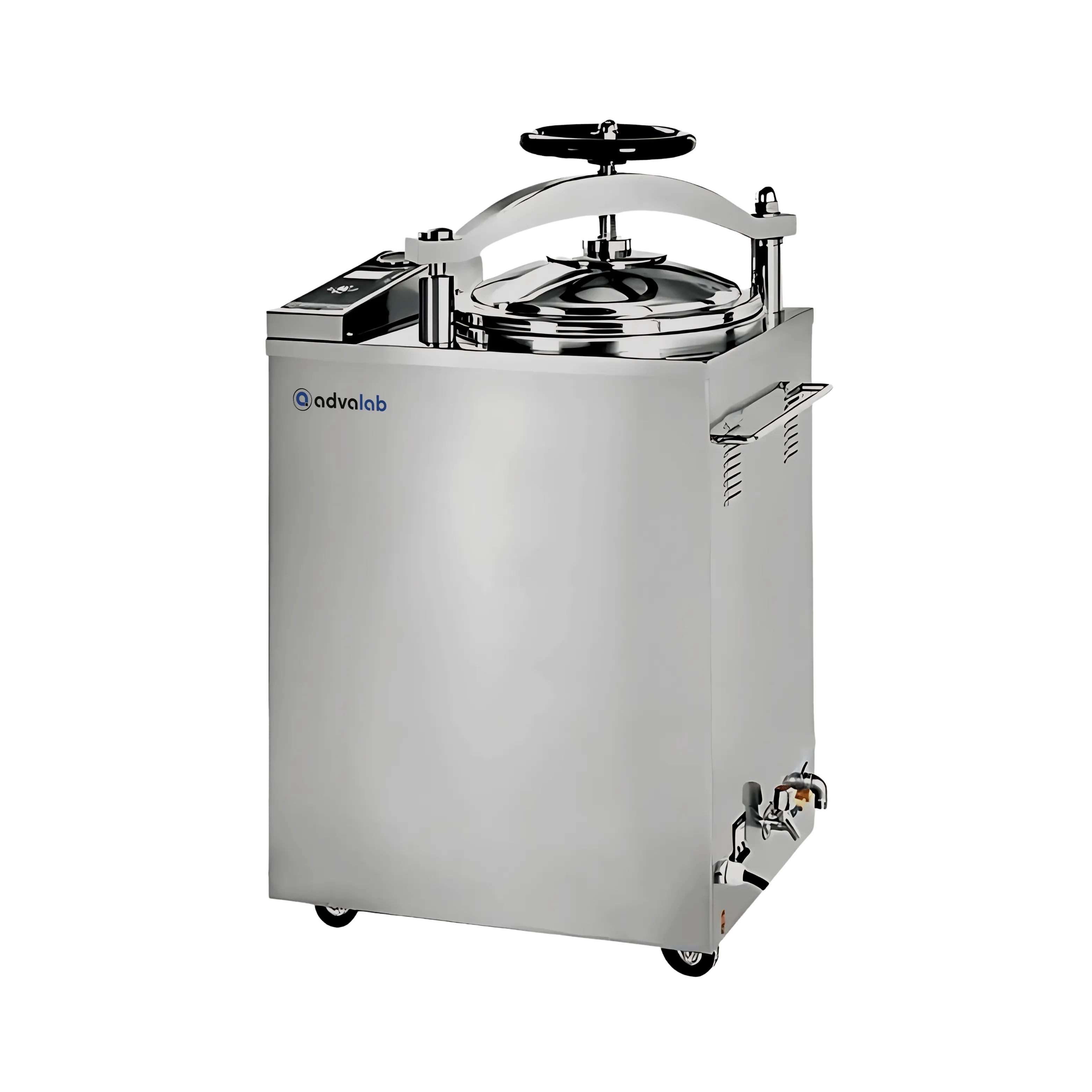
| Chamber Volume | 50L φ (318×450) mm |
| Working Pressure | 0.22MPa |
| Working Temperature | 134℃ |
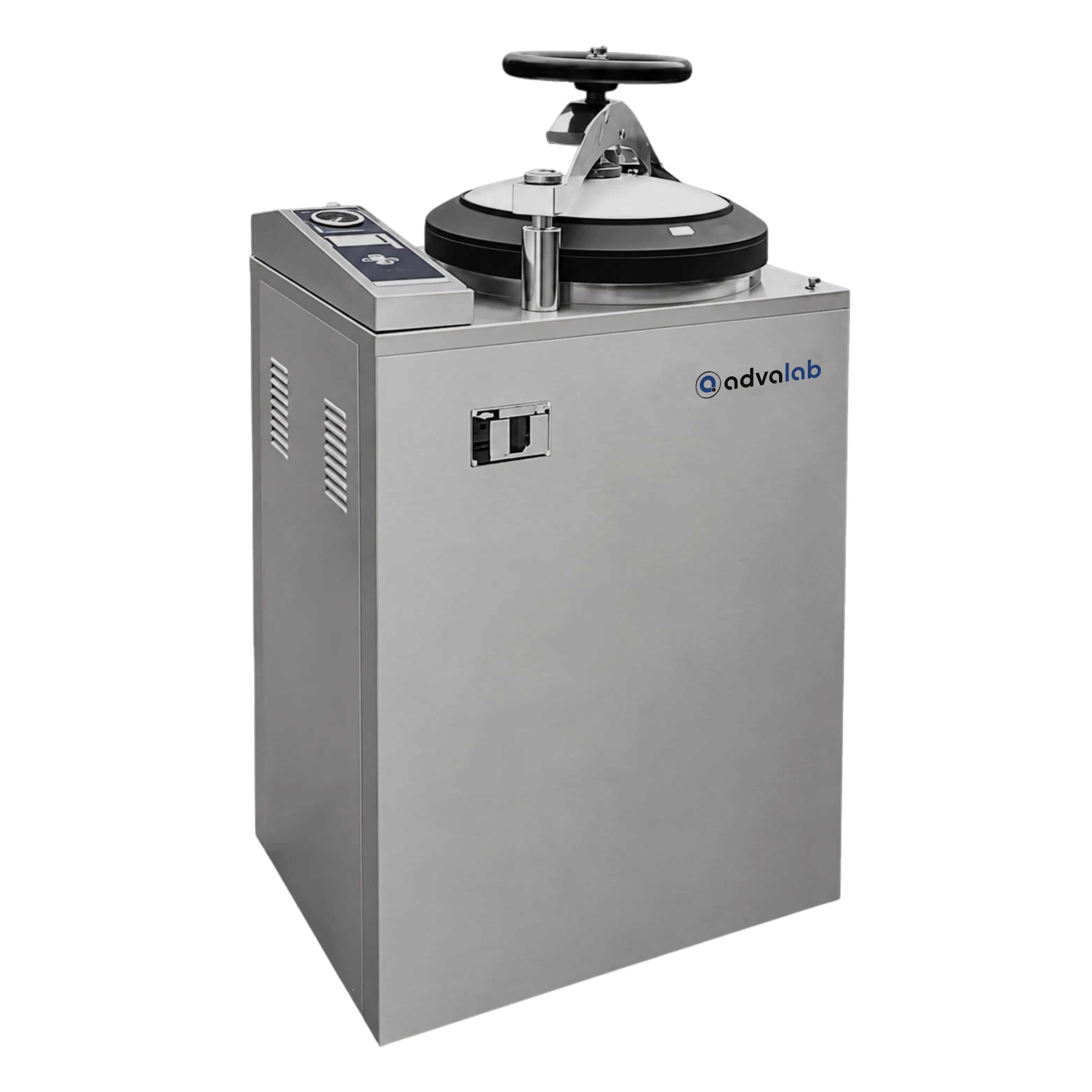
| Chamber Volume | 50L φ (340×650) mm |
| Working Pressure | 0.22MPa |
| Working Temperature | 134℃ |

| Chamber Volume | 150L φ (510×740) mm |
| Working Pressure | 0.22MPa |
| Working Temperature | 134℃ |
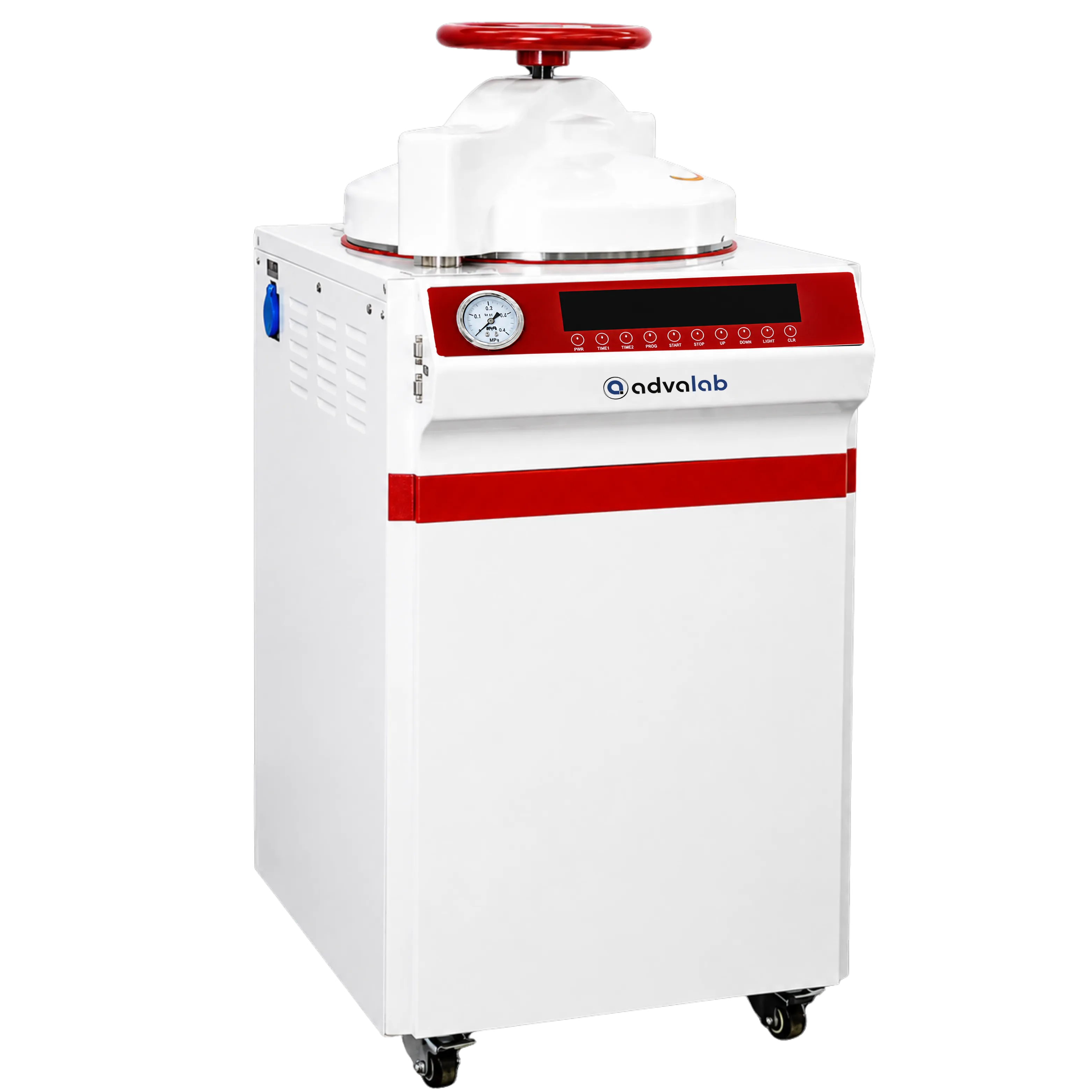
| Volume | 85 L |
| Sterilization Temperature | 105 to 135°C |
| Temperature Fluctuation | ±1°C |
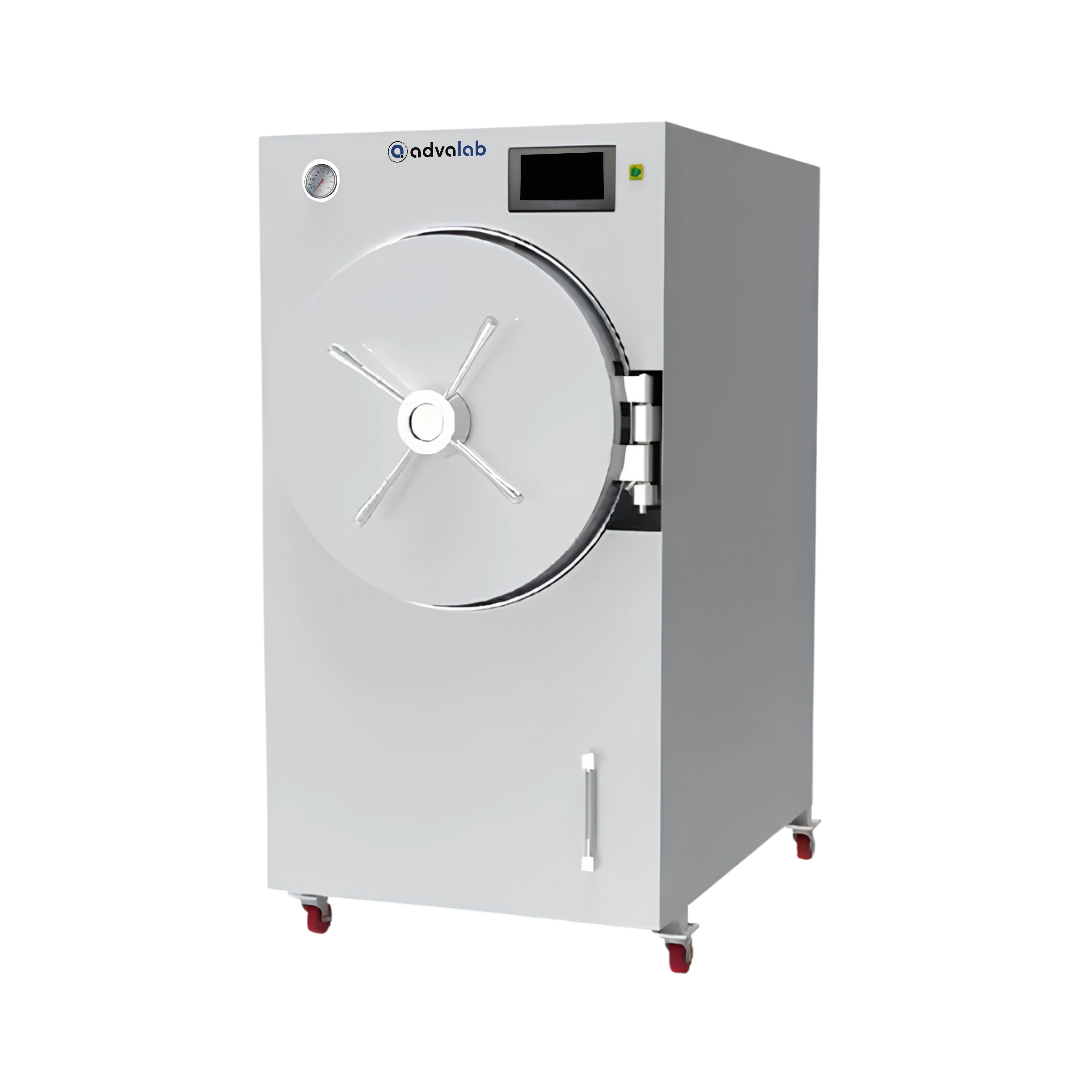
| Volume: | 360 L |
| Door Structure: | spoke |
| Temperature Range : | 105 to 135°C |
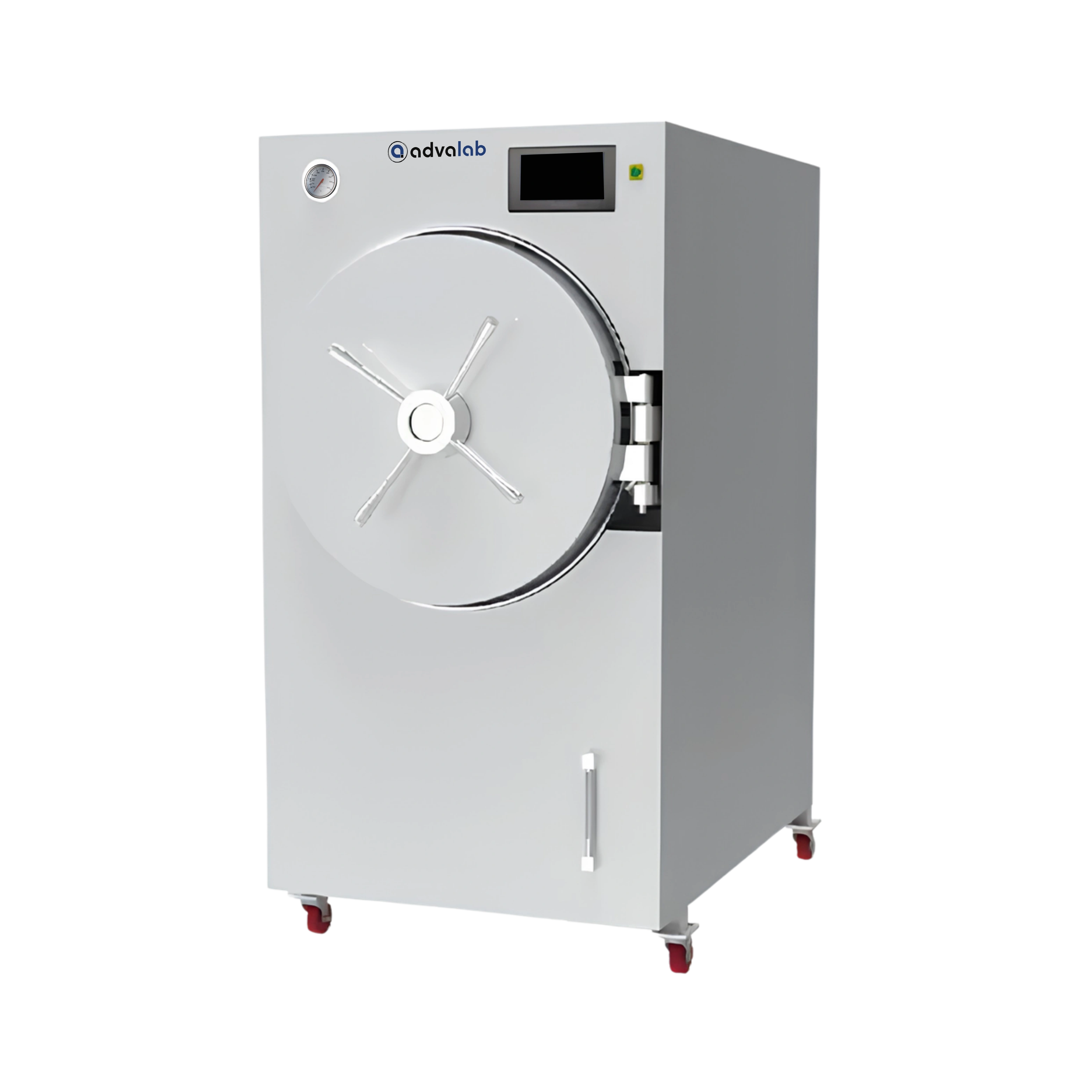
| Volume: | 280 L |
| Door Structure : | spoke |
| Temperature Range : | 105 to 135°C |
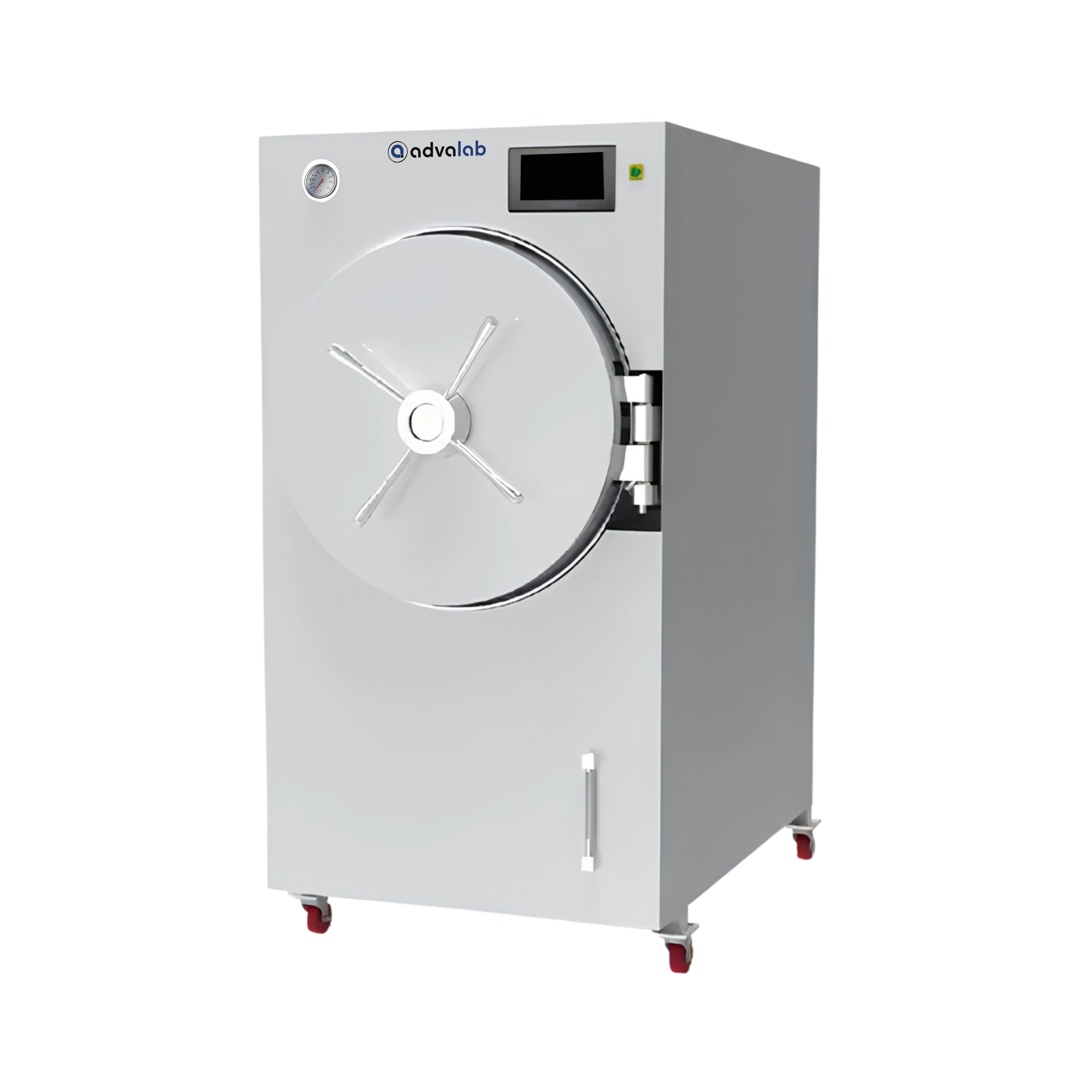
| Volume: | 500 L |
| Door Structure : | spoke |
| Temperature Range : | 105°C to 135°C |
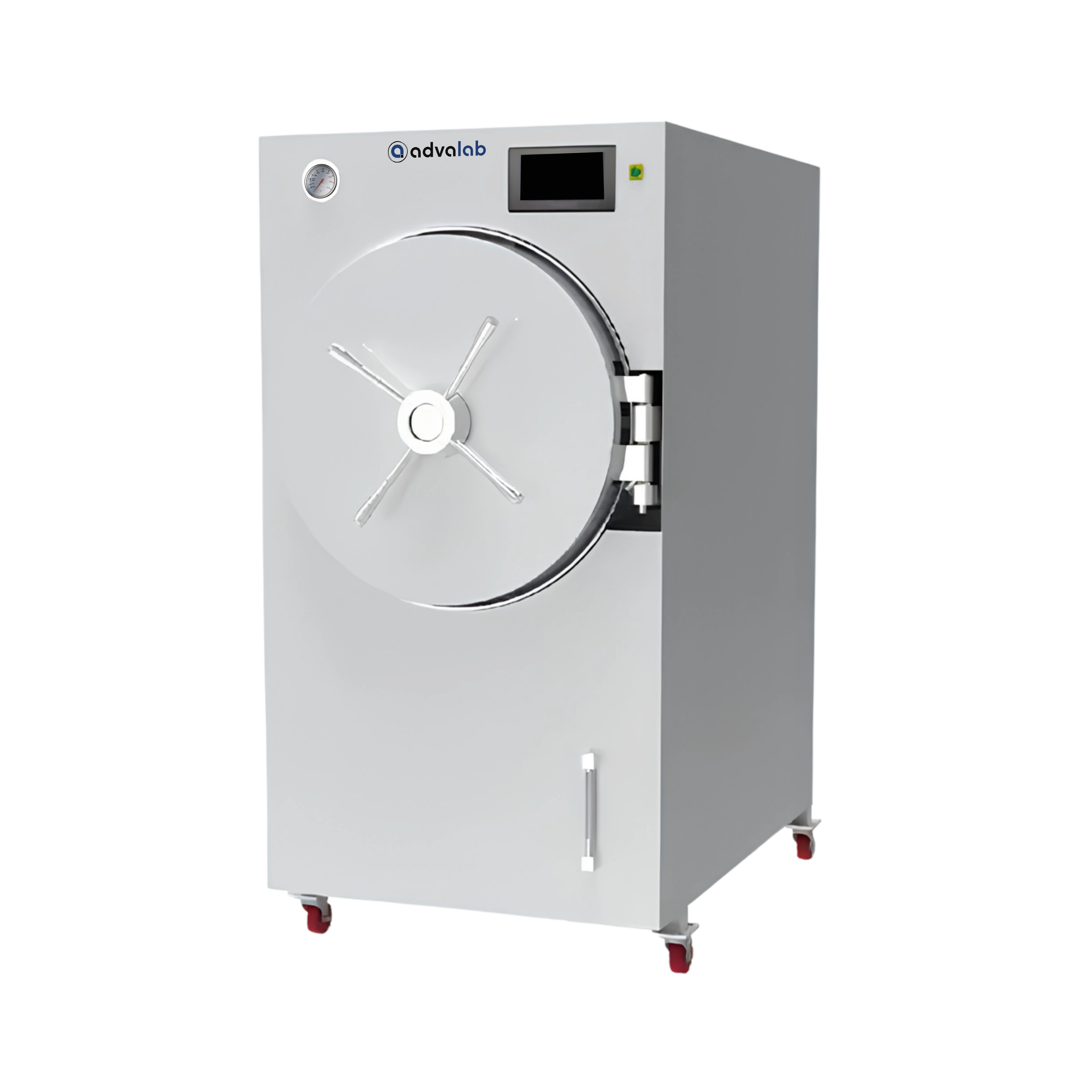
| Volume: | 280 L |
| Door Structure: | spoke |
| Temperature Range: | 105 to 135°C |
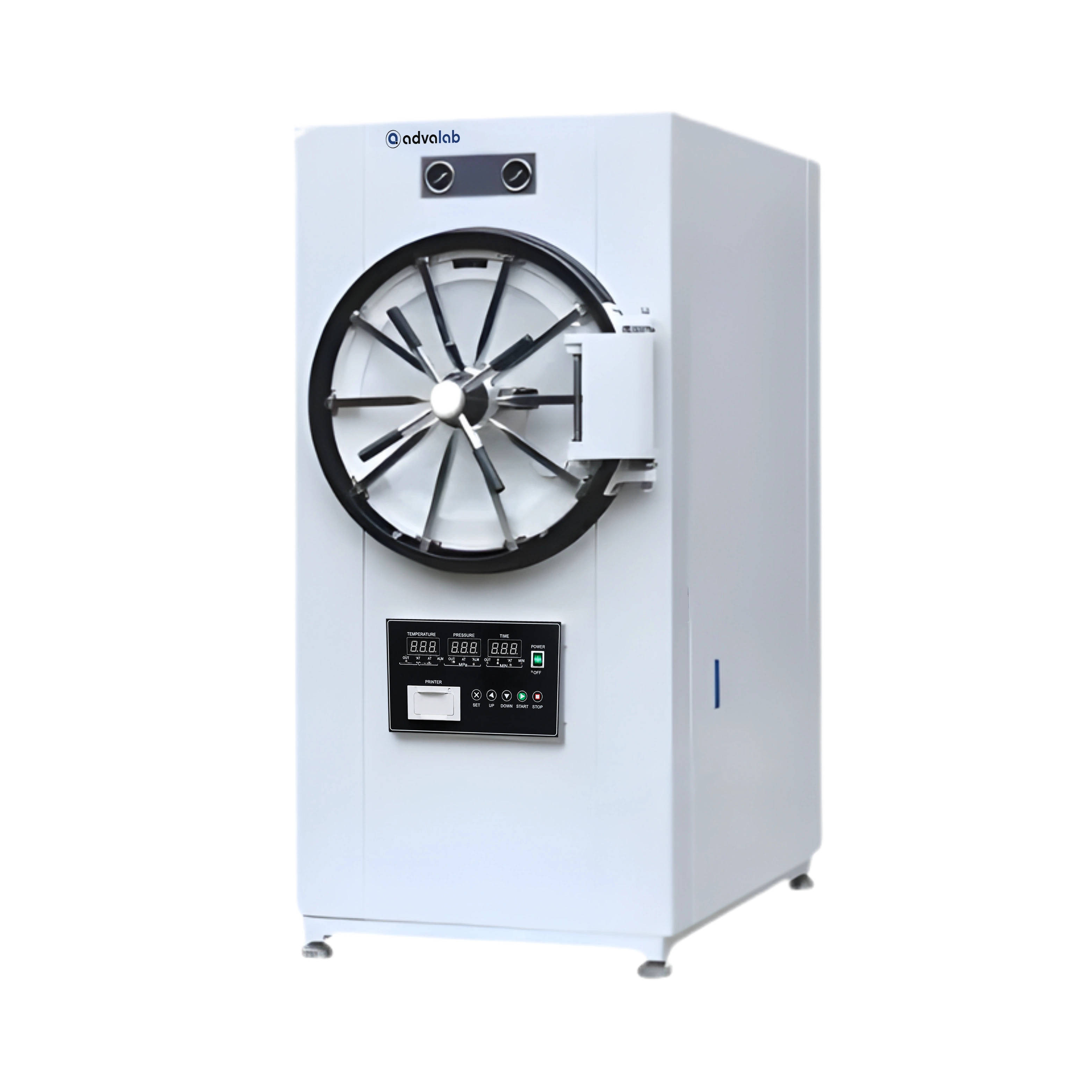
| Sterilizing Chamber Volume: | 200 L φ (515×1000mm) |
| Working Pressure: | 0.22Mpa |
| Working Temperature: | 134ºC |
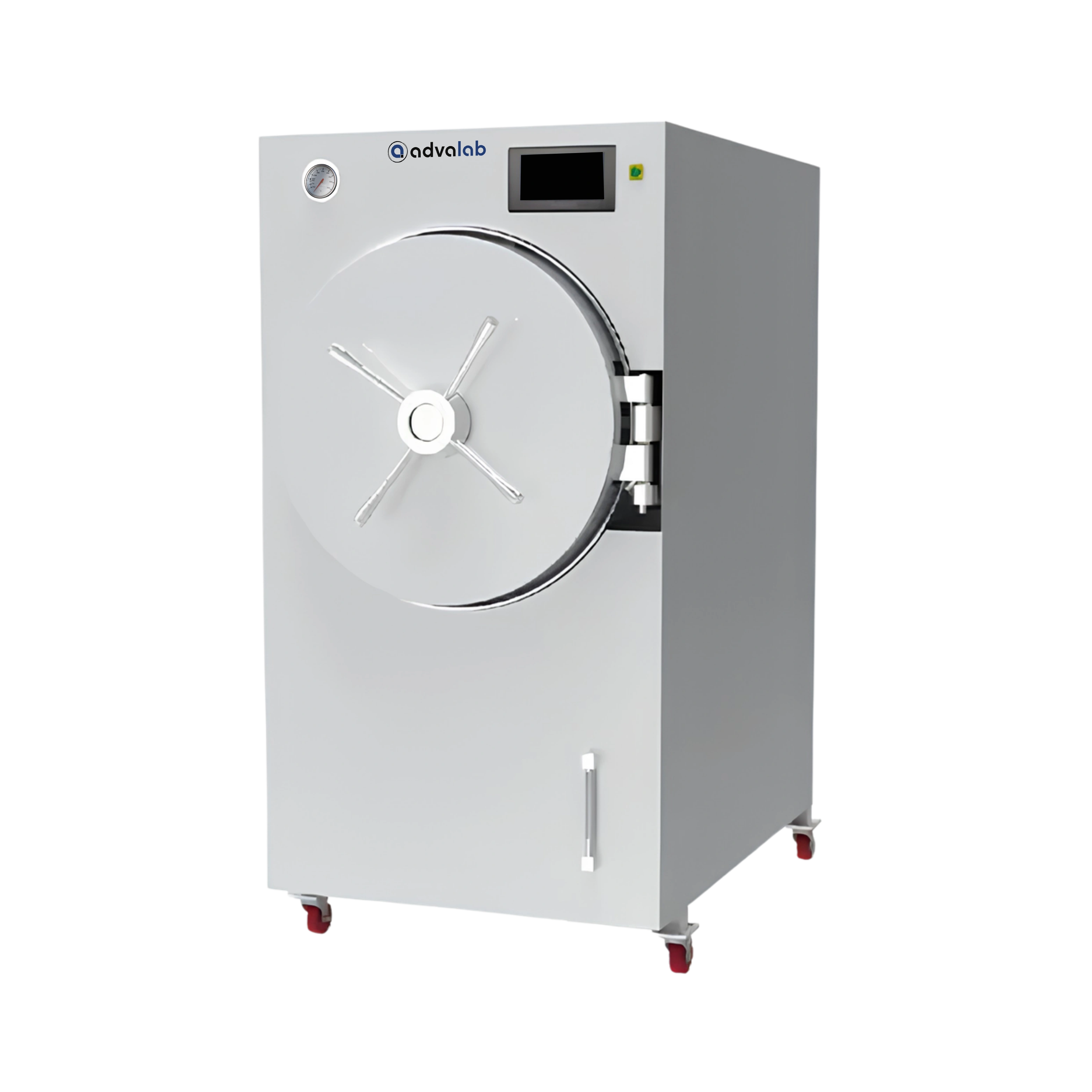
| Volume: | 500 L |
| Door Structure : | spoke |
| Temperature Range : | 105 to 135°C |
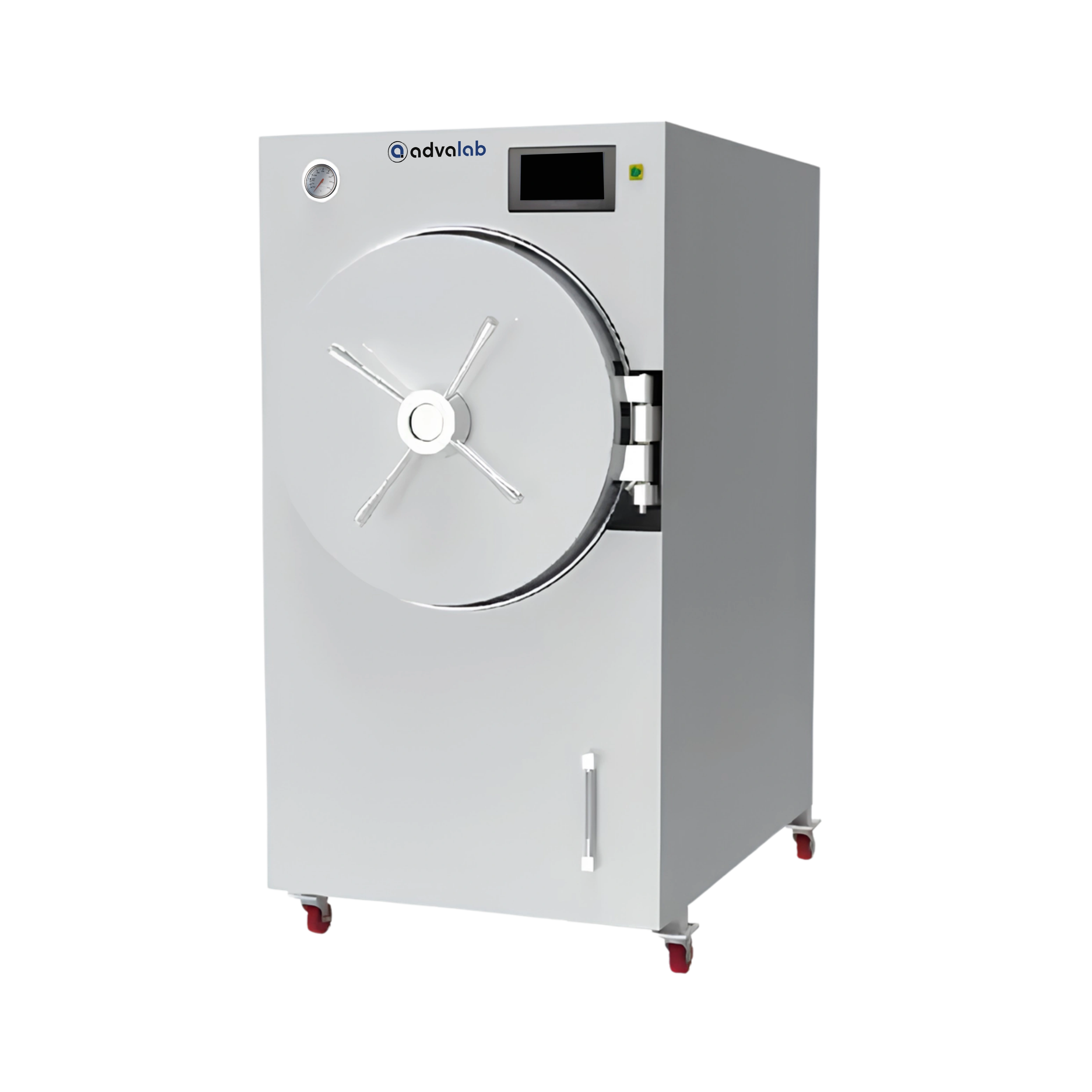
| Volume: | 360 L |
| Door Structure: | spoke |
| Temperature Range: | 105 to 135°C |
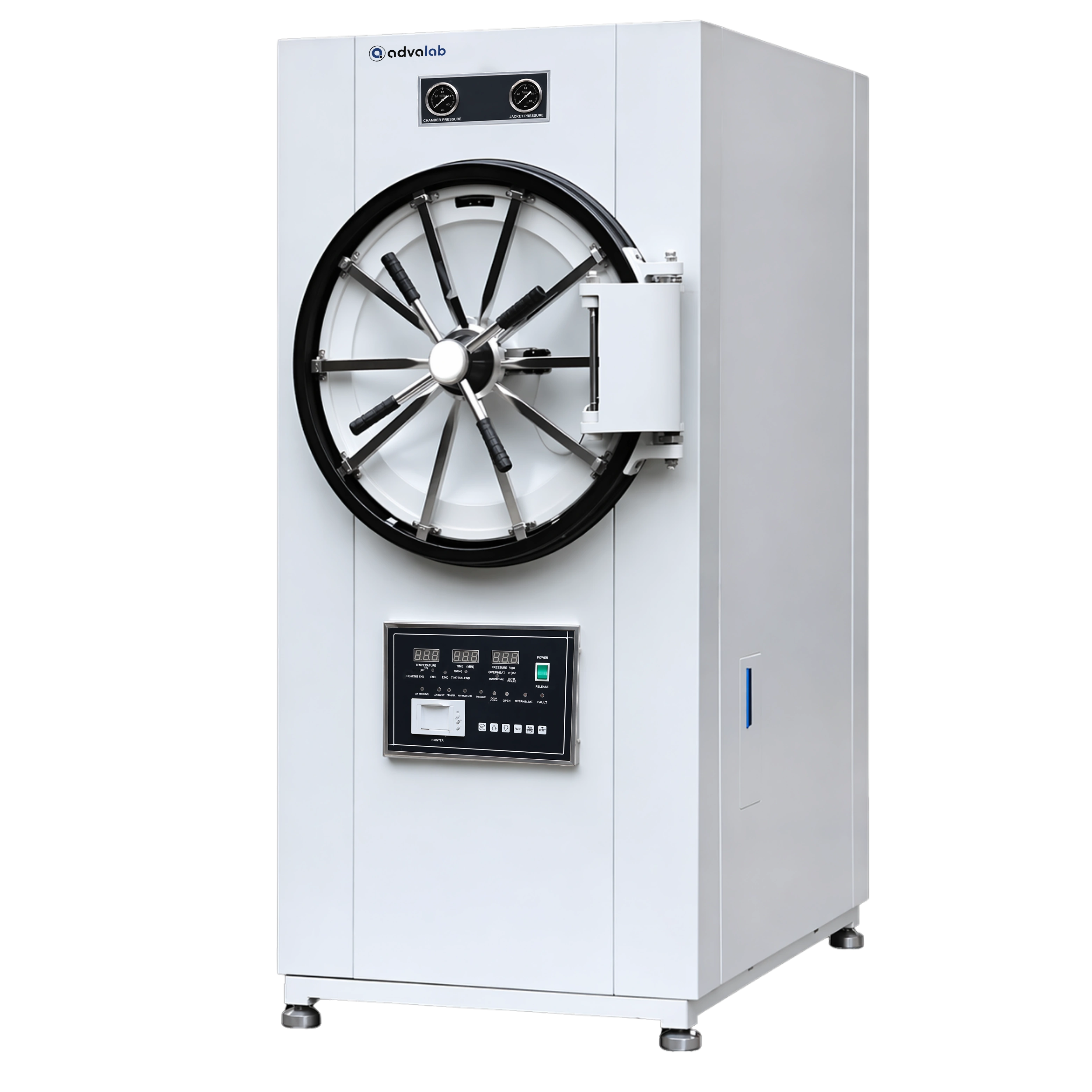
| Sterilizing chamber volume: | 150 L φ (440×1000mm) |
| working pressure: | 0.22Mpa |
| Working temperature: | 134ºC |
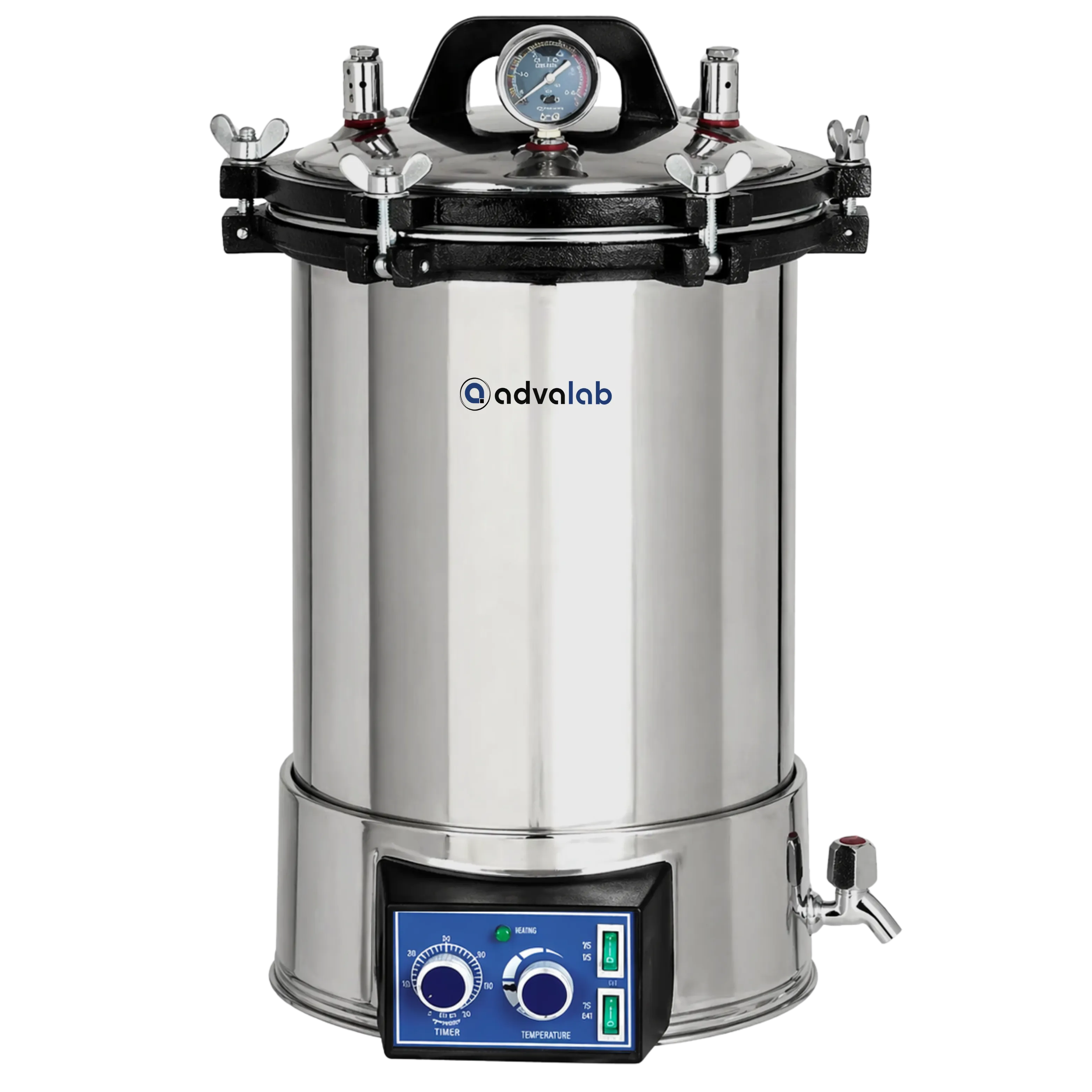
| Working Pressure: | 0.14 to 0.16MPa |
| Working Temperature: | 126 ºC |
| Temperature Adjust Range: | 105℃ to 126℃ |
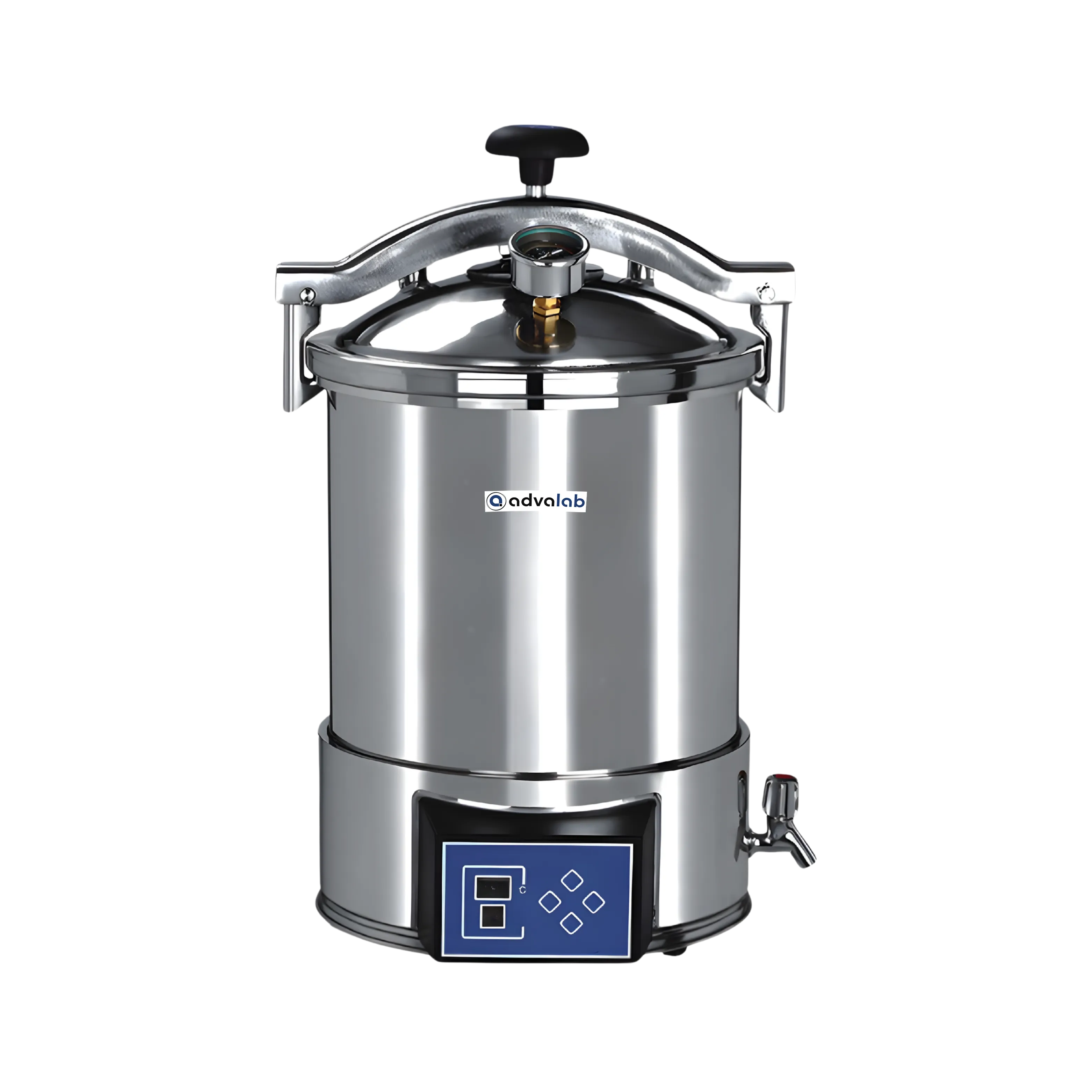
| Sterilizing Volume: | 18L 80×260 mm |
| Working Pressure: | 0.14 to 0.16 MPa |
| Working Temperature: | 126℃ |
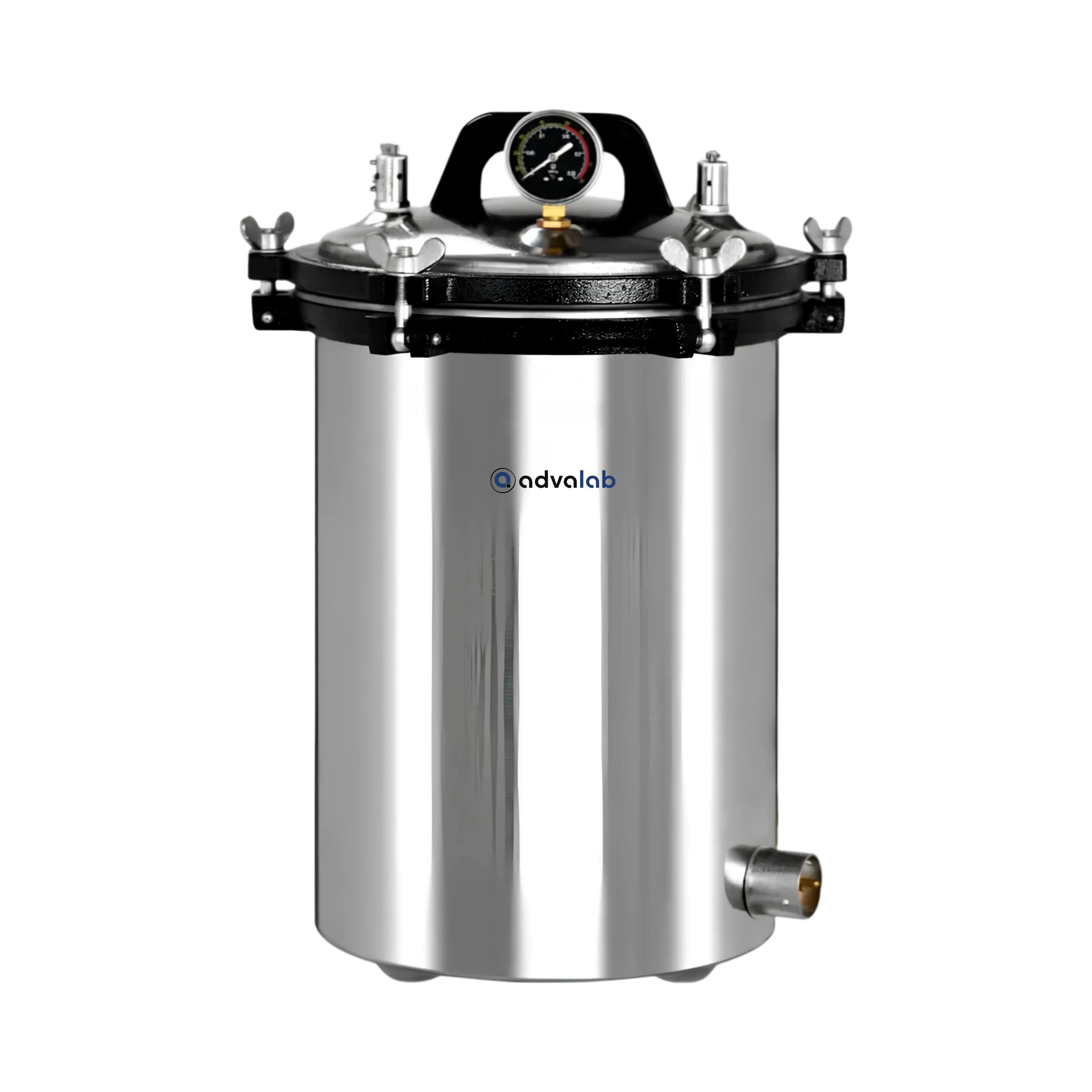
| Chamber Volume: | 18L (280×260) mm |
| Working Pressure: | 0.14 to 0.16Mpa |
| Working Temperature: | 126℃ |
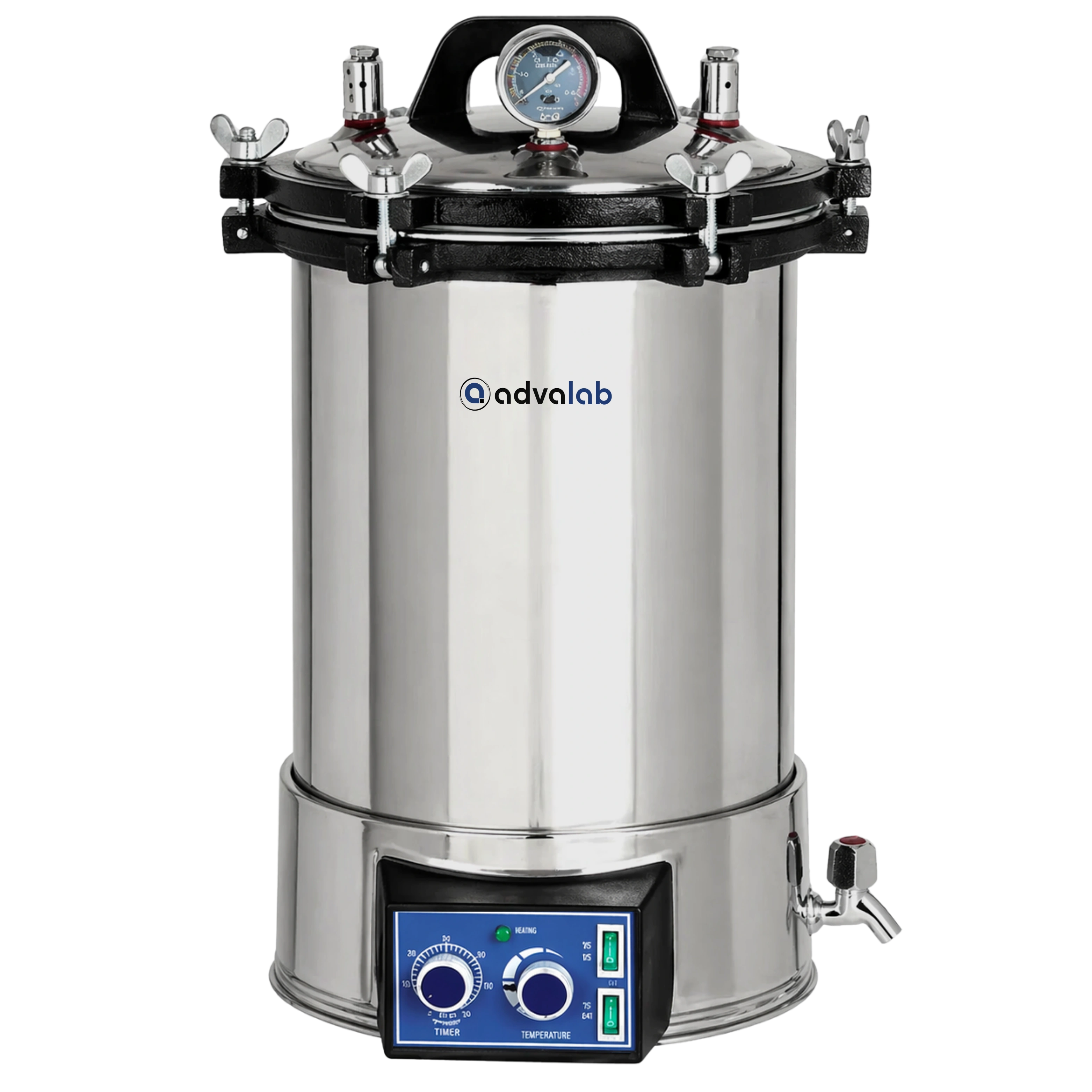
| Sterilizing Volume: | 18L (280×260) mm |
| Working Pressure: | 0.14 to 0.16MPa |
| Working Temperature: | 126 ºC |
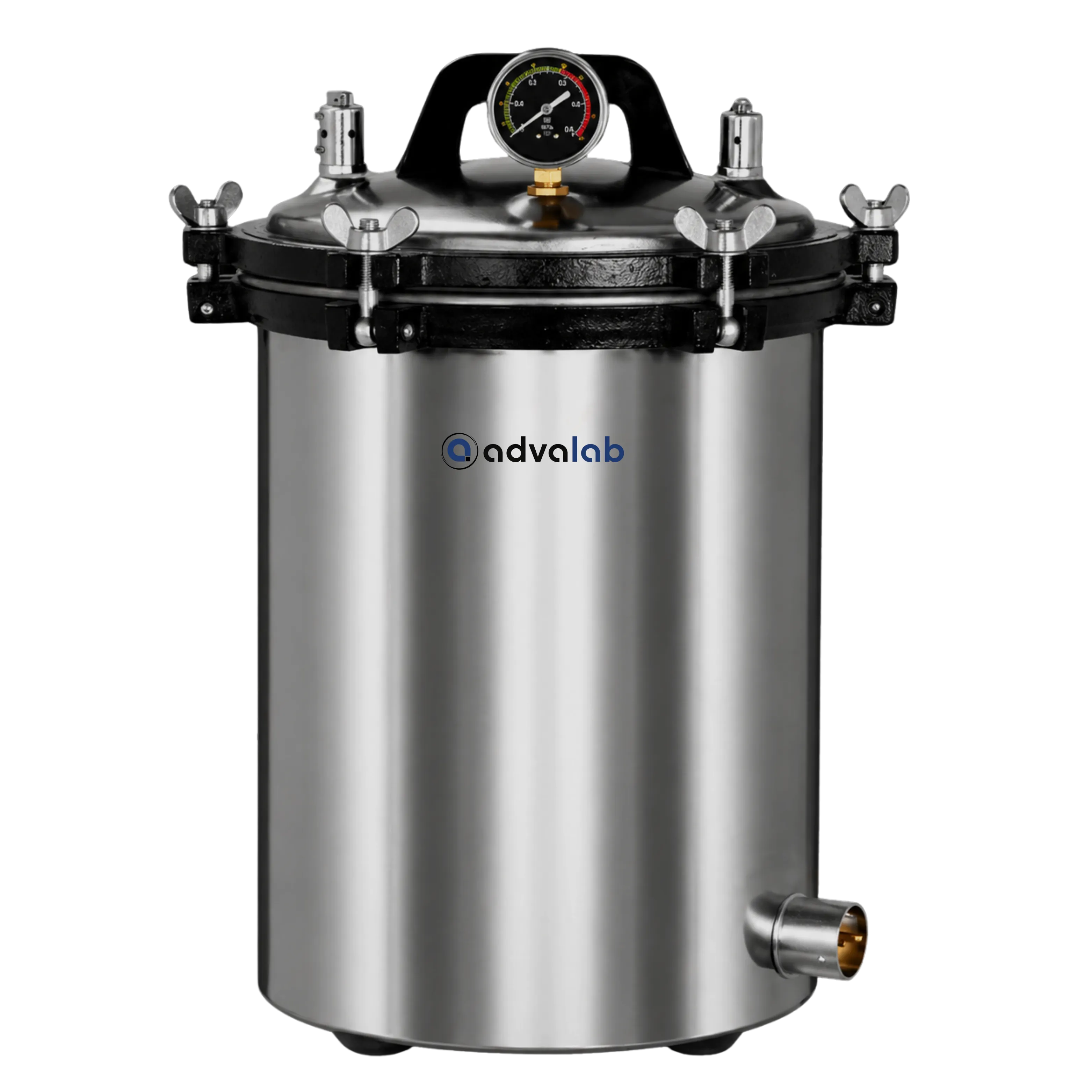
| Chamber Volume: | 24L (280×390) mm |
| Working Pressure: | 0.14 to 0.16Mpa |
| Working Temperature: | 126℃ |
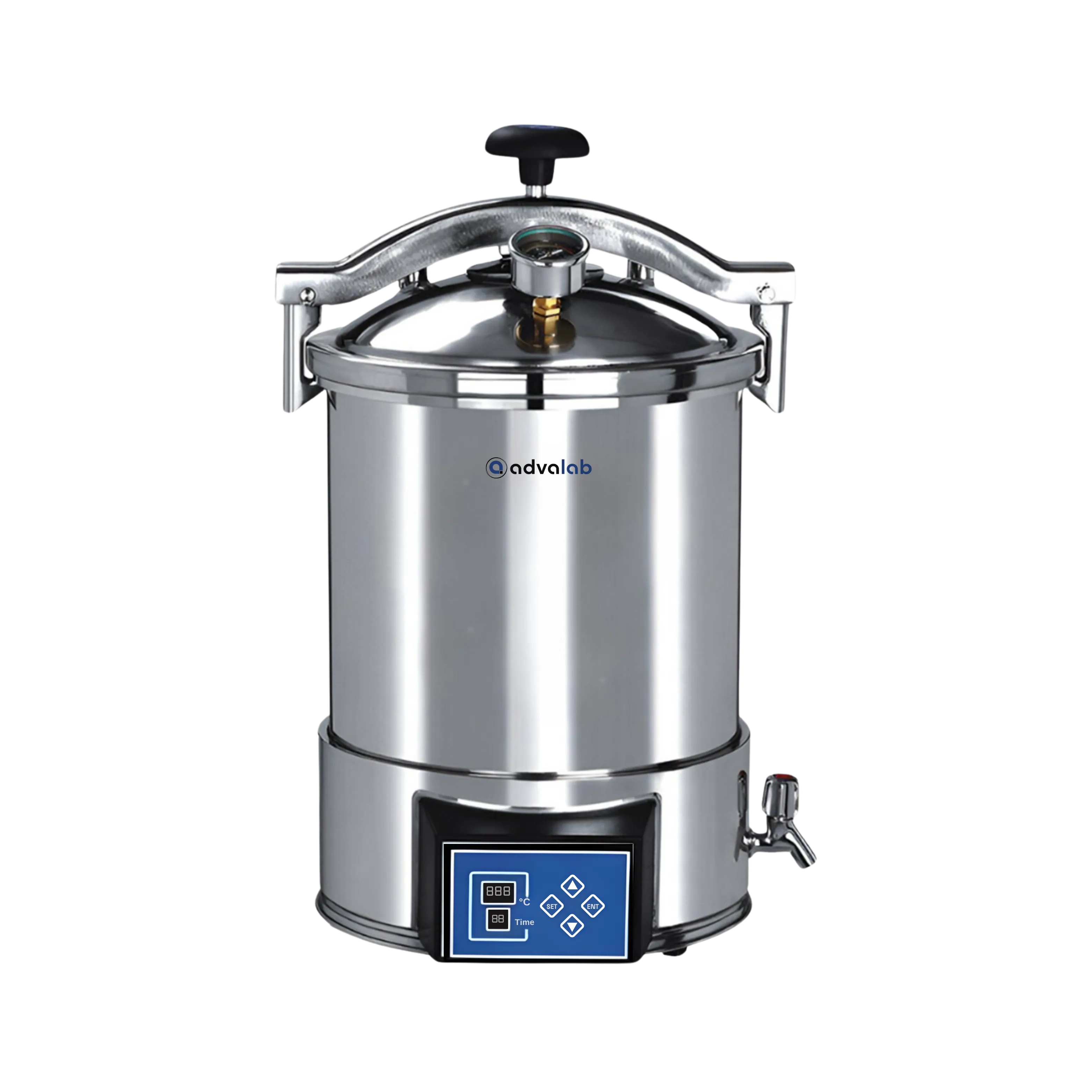
| Sterilizing Volume: | 18L (280×260) mm |
| Working Pressure: | 0.14 to 0.16MPa |
| Working Temperature: | 126℃ |
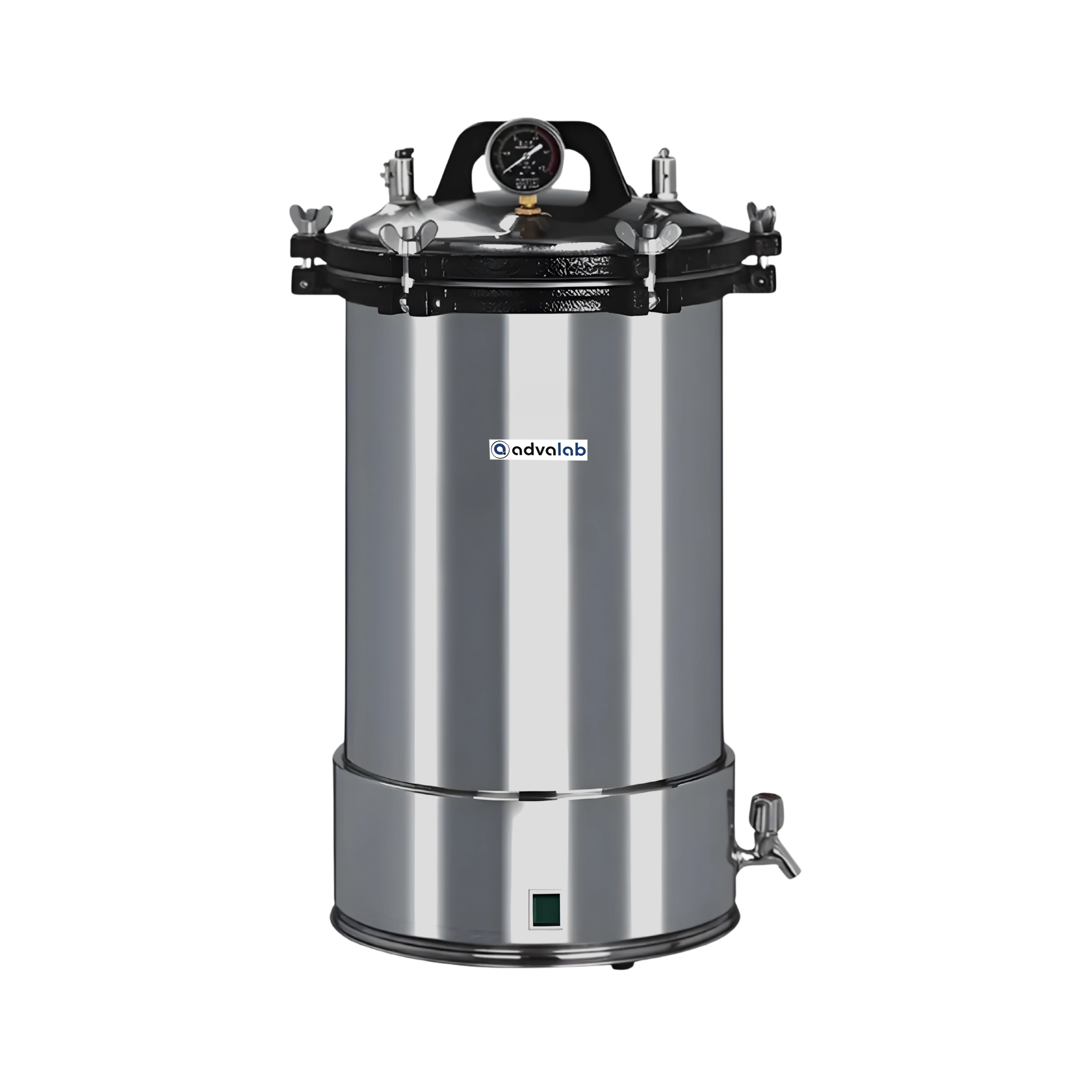
| Chamber Volume: | 24L (280 × 390) mm |
| Working Pressure: | 0.14 to 0.16 MPa |
| Working Temperature : | 126℃ |
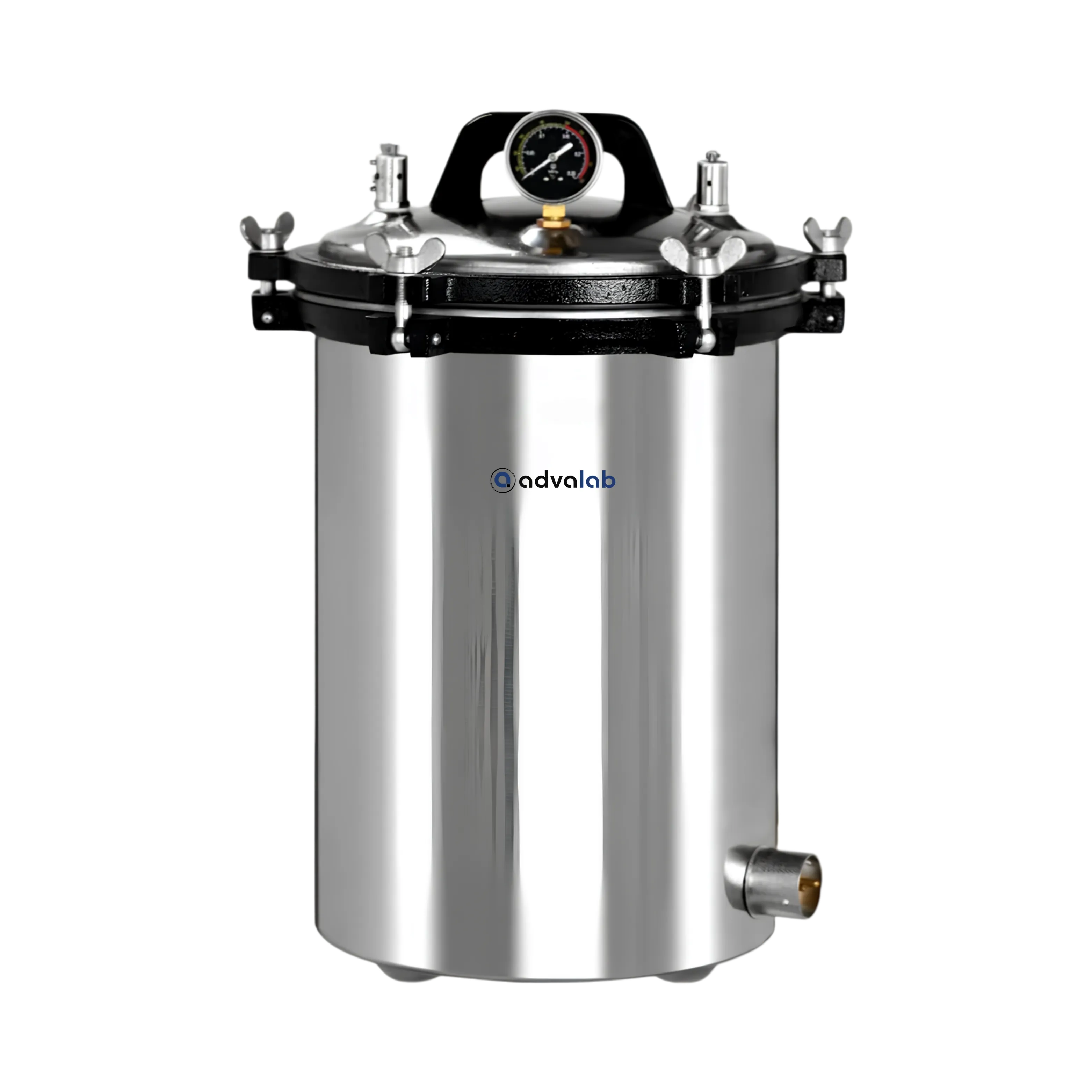
| Chamber Volume: | 18 L (240×200) mm |
| Working Pressure: | 0.14 to 0.16Mpa |
| Working Temperature: | 126℃ |
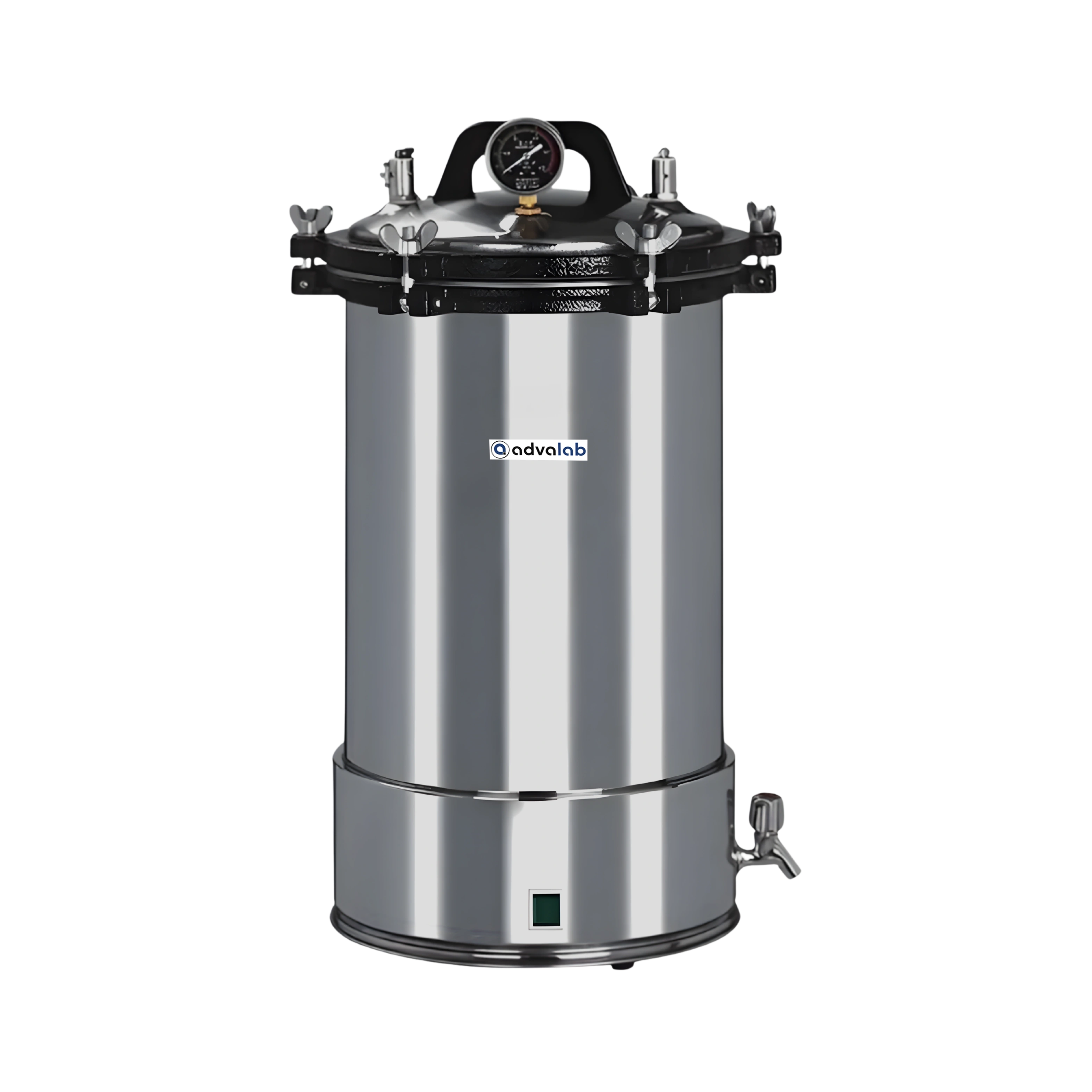
| Chamber Volume: | 18L (280 × 260) mm |
| Working Pressure: | 0.14 to 0.16 MPa |
| Working Temperature: | 126℃ |
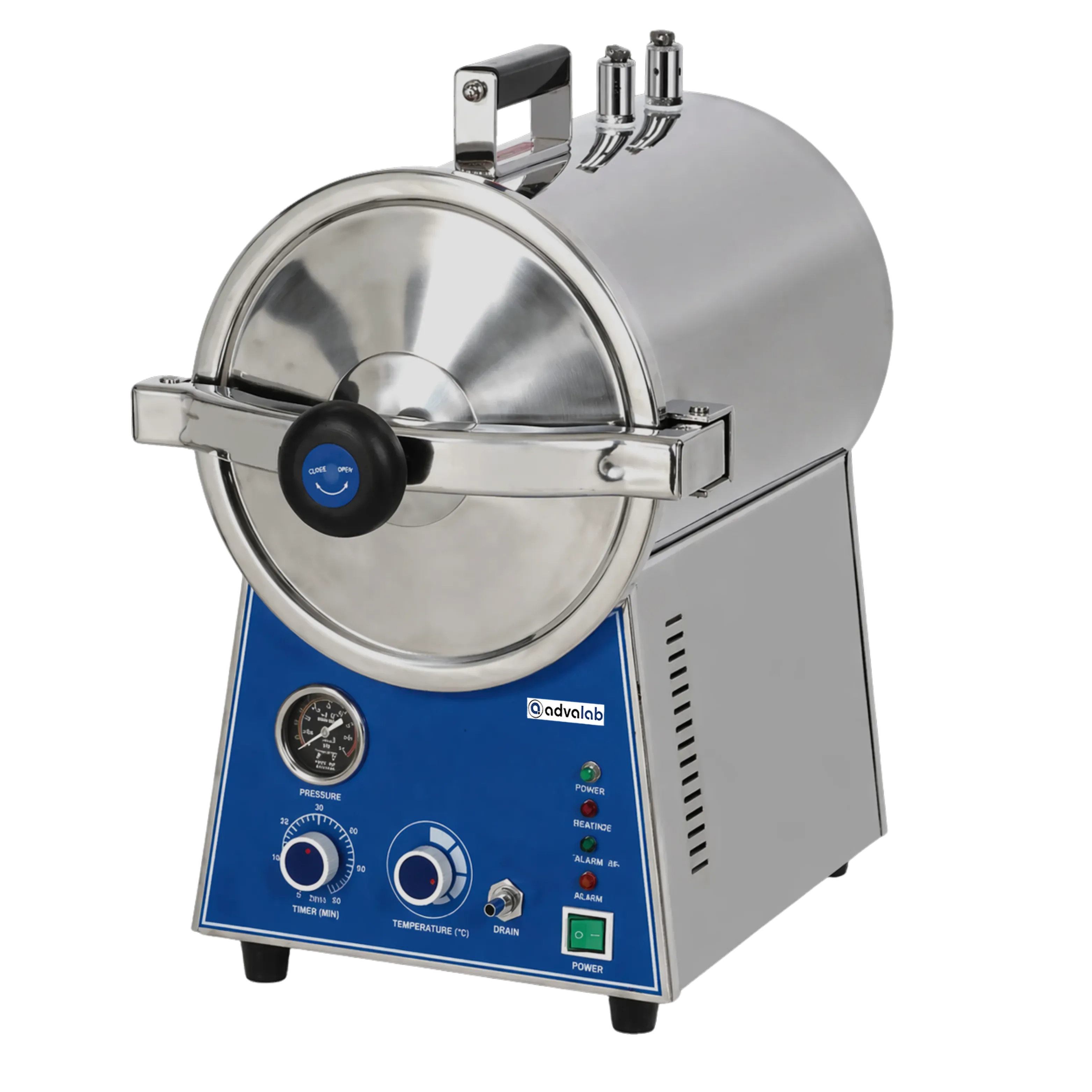
| Chamber Volume: | 16L φ (250×360) mm |
| Working Pressure: | 0.22MPa |
| Working Temperature: | 134℃ |
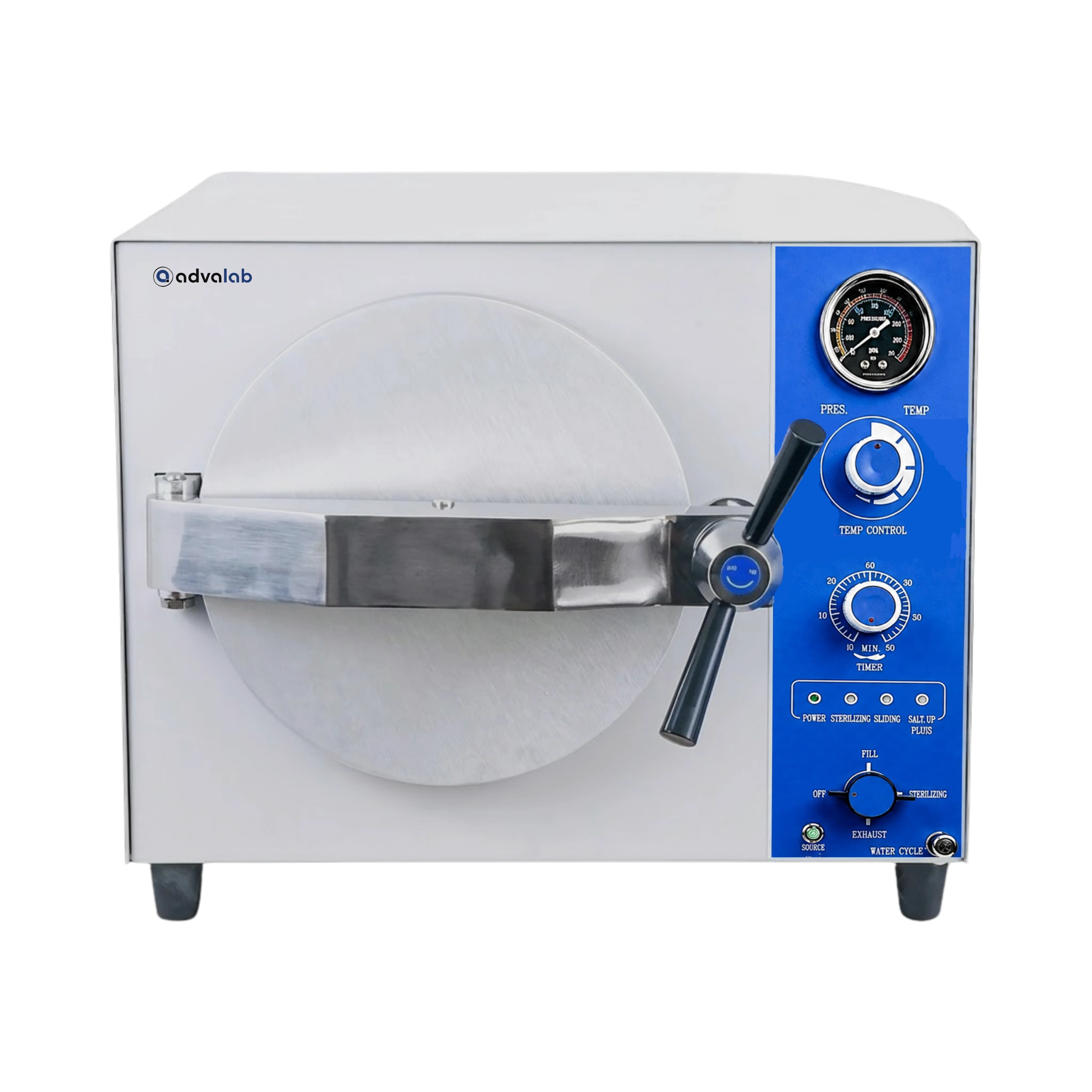
| Chamber Volume: | 24L φ (250×520) mm |
| Working Pressure: | 0.22MPa |
| Working Temperature: | 134℃ |
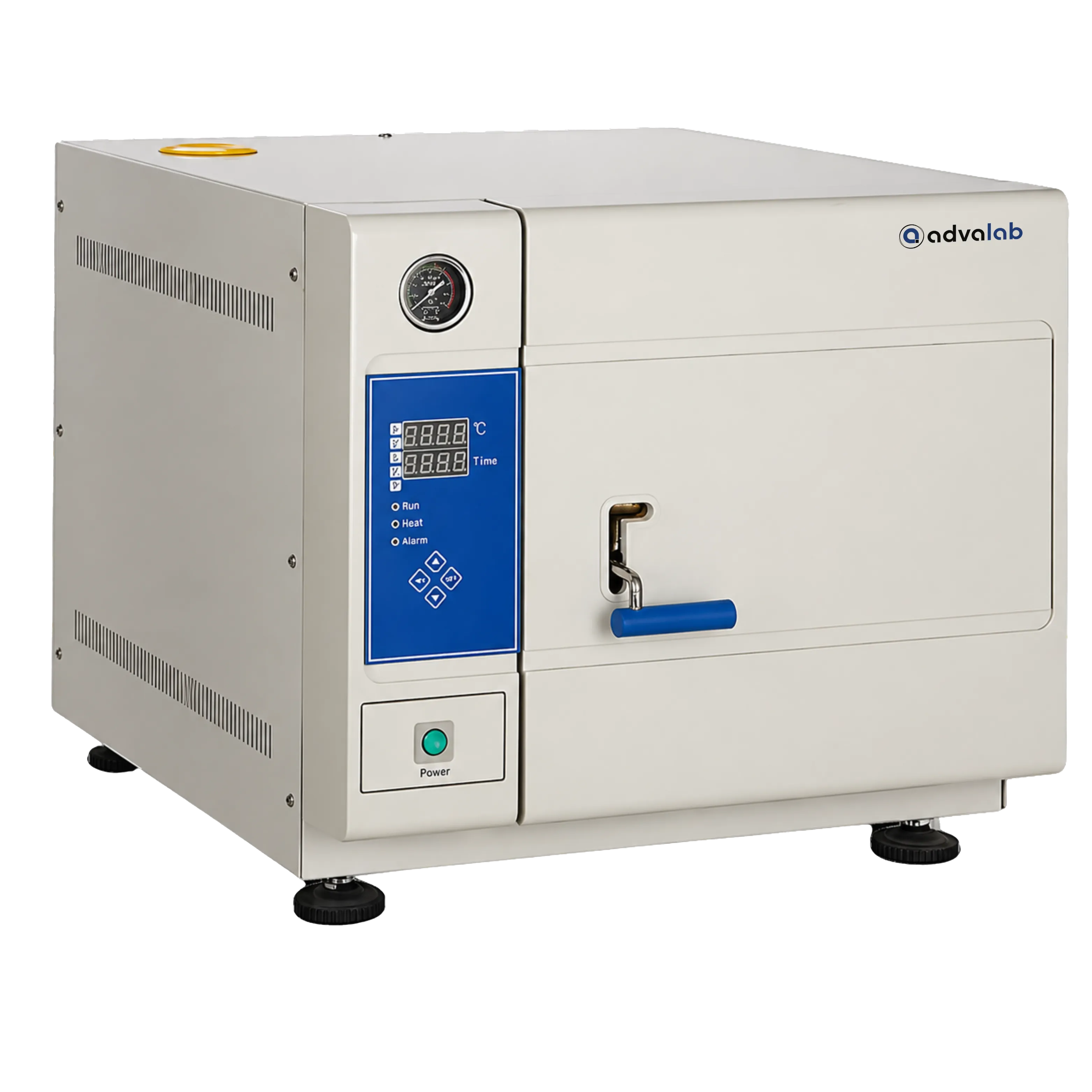
| Chamber Volume: | 50L φ (340×550) mm |
| Working Pressure: | 0.22MPa |
| Working Temperature: | 134℃ |

| Chamber Volume: | 20L φ (250×420) mm |
| Working Pressure: | 0.22MPa |
| Working Temperature: | 134℃ |
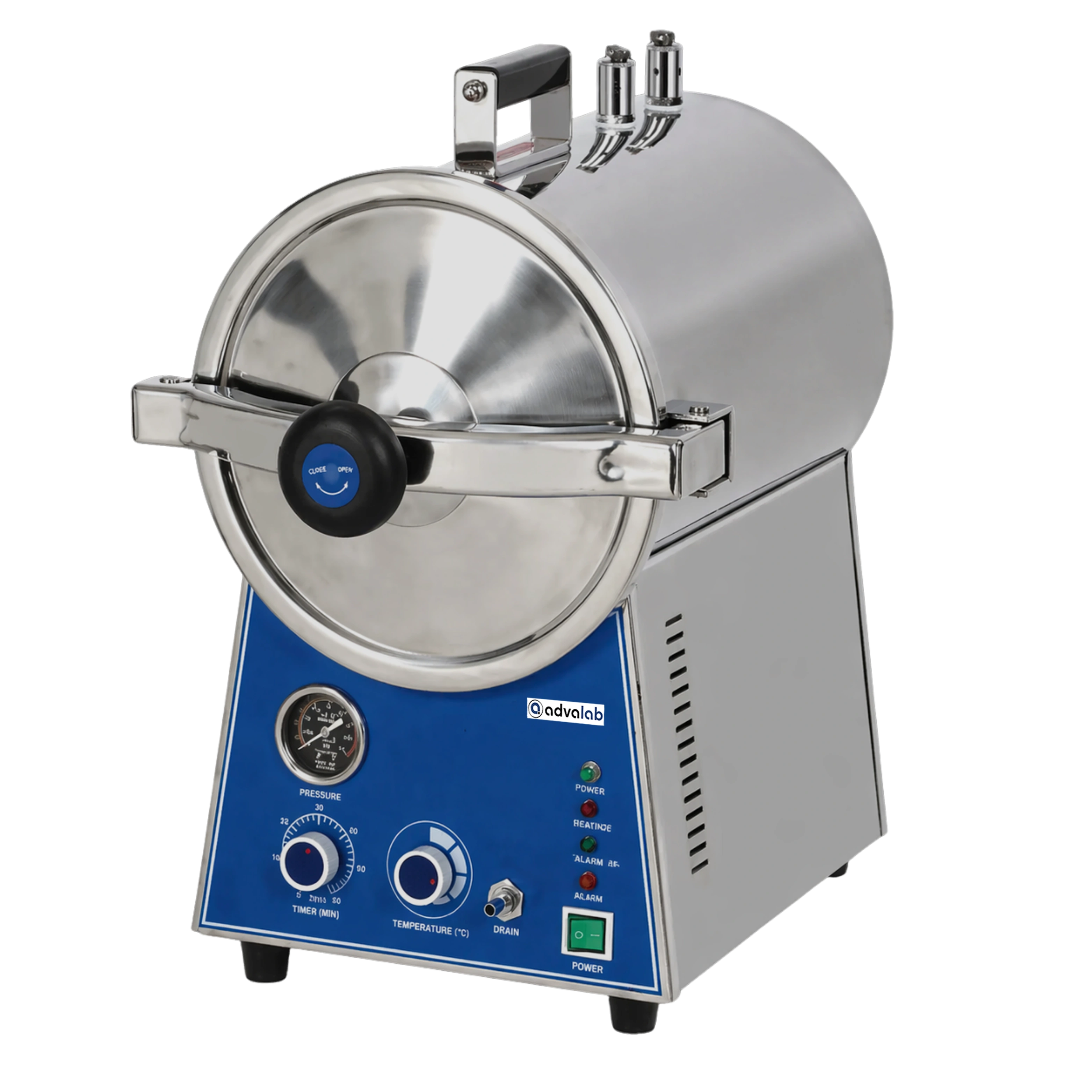
| Chamber Volume: | 24L φ (270×410) mm |
| Working Pressure: | 0.22MPa |
| Working Temperature: | 134℃ |
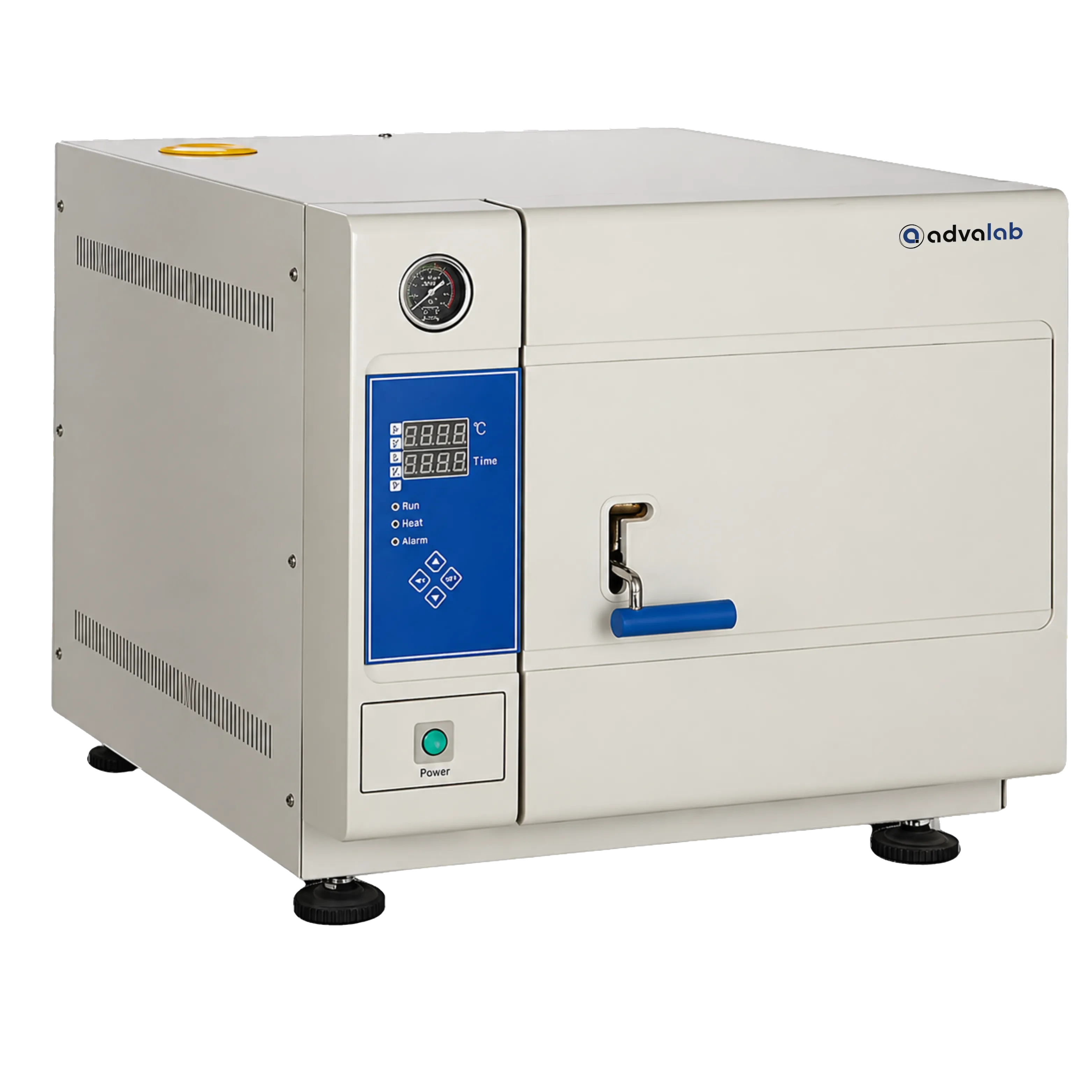
| Chamber Volume: | 35L φ (300×500) mm |
| Working Pressure: | 0.22MPa |
| Working Temperature: | 134℃ |