
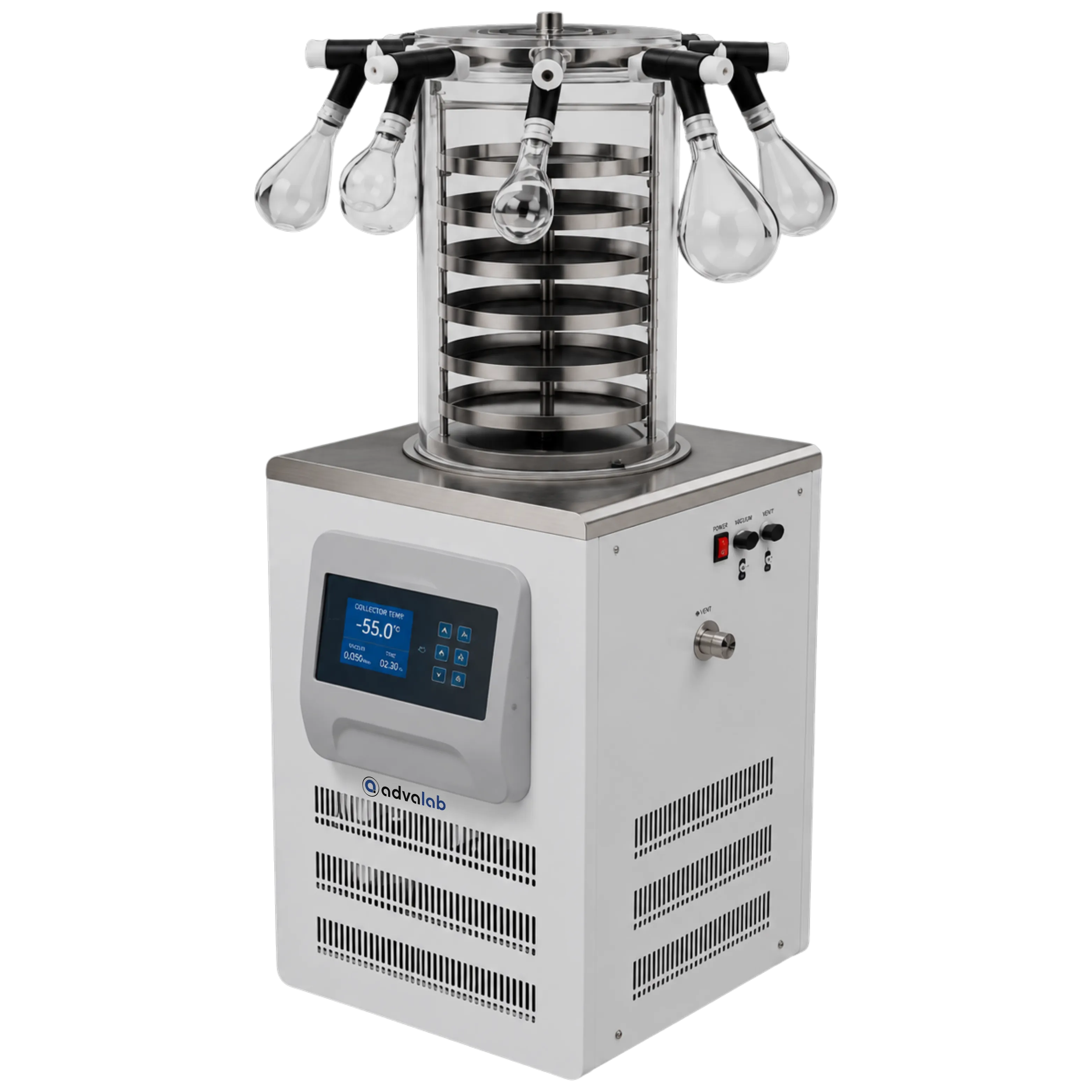
| Temperature Range | ≤–80℃ |
| Vacuum Level | < 10 Pa |
| Total Drying Area | 0.12m² |
| Water-Capture Capacity | 3 kg / 24 h |
| Tray Spacing | 77mm |
| Tray Configuration | 4× Ø200 mm |
| Vial Capacity |
Ø16:456 vials Ø22:248 vials |
| Bottle Capacity |
50ml:8 bottles 100ml:8 bottles 250ml:8 bottles 500ml:8 bottles 1000ml:8 bottles |
| Power Consumption | 1600 W |
| Dimensions (W × D × H) | 600 × 600 × 900 mm + 70 mm |
The Floor Type Freeze Dryer ADFFD-519 offers ultra-low temperature lyophilization, making it ideal for sample freeze-drying and small-scale production in laboratory environments.


1. What are the essential maintenance steps to keep the Floor Type Freeze Dryer in optimal condition?
To ensure long-lasting performance, regular maintenance of the Floor Type Freeze Dryer is vital. Key tasks include cleaning the cold trap to remove ice accumulation, which can reduce the unit’s efficiency and lead to sample contamination. Vacuum pump oil should be replaced periodically to maintain consistent vacuum pressure. These maintenance steps will help extend the life of the equipment and preserve its functionality.
2. How does the Floor Type Freeze Dryer preserve the integrity and purity of delicate samples?
The Floor Type Freeze Dryer employs a sublimation-based drying technique that preserves the integrity of sensitive materials. By removing moisture under vacuum and without heat, the drying process avoids thermal damage, which is crucial for samples like proteins and enzymes. This low-temperature method ensures that delicate molecules maintain their structure and functionality, offering high-fidelity preservation. It’s ideal for research requiring the retention of biochemical properties and the purity of materials for later analysis.
3. What sample containers are compatible with the Floor Type Freeze Dryer?
The Floor Type Freeze Dryer is designed to accommodate a wide range of sample containers, offering flexibility for various laboratory needs. It supports standard vials, ampoules, flasks, and larger bulk trays, allowing users to process different sample volumes efficiently. Adjustable shelves and customizable trays make it easy to handle samples of varying sizes and formats. This adaptability ensures uniform freezing and drying of diverse material types, crucial for research and pharmaceutical applications.
4. What safety features are integrated into the Floor Type Freeze Dryer?
The Floor Type Freeze Dryer prioritizes user and sample safety with multiple integrated protection mechanisms. These include over-temperature alarms, vacuum pressure monitoring, and an automatic shutdown feature that kicks in during abnormal conditions to prevent damage. The unit also includes a password-protected control panel, ensuring that only authorized personnel can adjust, reducing the risk of accidental settings changes. Additionally, the transparent drying chamber provides real-time visibility.
5. Why is the Floor Type Freeze Dryer ideal for small-batch processing and pilot projects?
The Benchtop Freeze Dryer is perfect for small-scale production and pilot testing because it offers precise freeze-drying capabilities typically found in larger systems. Researchers can control critical parameters like shelf temperature and vacuum pressure, simulating production conditions on a smaller scale. This makes it ideal for trial runs, optimizing formulations, and conducting pre-production tests before scaling up. The unit’s efficient operation allows labs to reduce resource consumption and costs while perfecting processes.
6. What are the key features of a Floor Type Freeze Dryer?
Floor Type Freeze Dryers are equipped with several key features for efficient, high-quality drying. These include large chamber capacities, which allow for processing larger sample volumes, and programmable controls. Real-time monitoring tracks key parameters like temperature and vacuum pressure, ensuring optimal drying conditions. Low-noise operation makes them suitable for continuous use in laboratory settings.
7. How does a Floor Type Freeze Dryer work?
The Floor Type Freeze Dryer works through a three-stage process. First, the sample is frozen to ultra-low temperatures, turning the water content into ice. Next, during the primary drying phase, a vacuum is applied to sublimate the ice directly into vapor, bypassing the liquid phase. In the secondary drying phase, residual moisture is removed by gradually increasing the temperature. This ensures that the sample reaches its final dry state while preserving its integrity.
8. What is a Floor Type Freeze Dryer used for?
A Floor Type Freeze Dryer is used for efficiently Freeze-Drying large volumes of sensitive materials in industries like pharmaceuticals, biotechnology, food processing, and chemicals. They preserve vaccines, enzymes, plant extracts, and other moisture-sensitive materials by removing moisture through sublimation. This process maintains the integrity, potency, and stability of the sample without altering its structure or bioactivity, making it ideal for long-term storage.
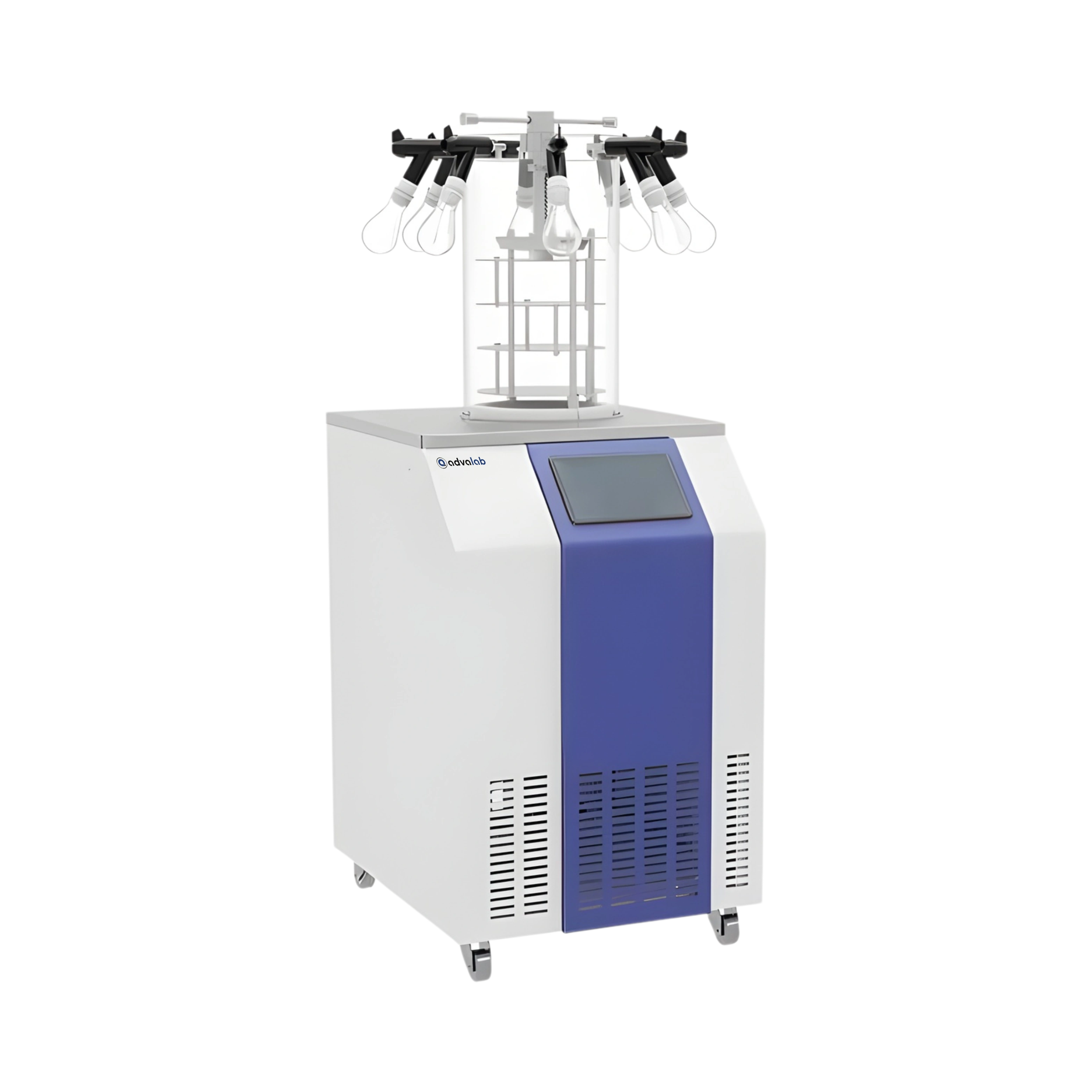
| Cold Trap Temperature | ≤ -60℃ |
| Freeze Drying Time | 36 to 48 h |
| Cold Trap Volume | 28 L |
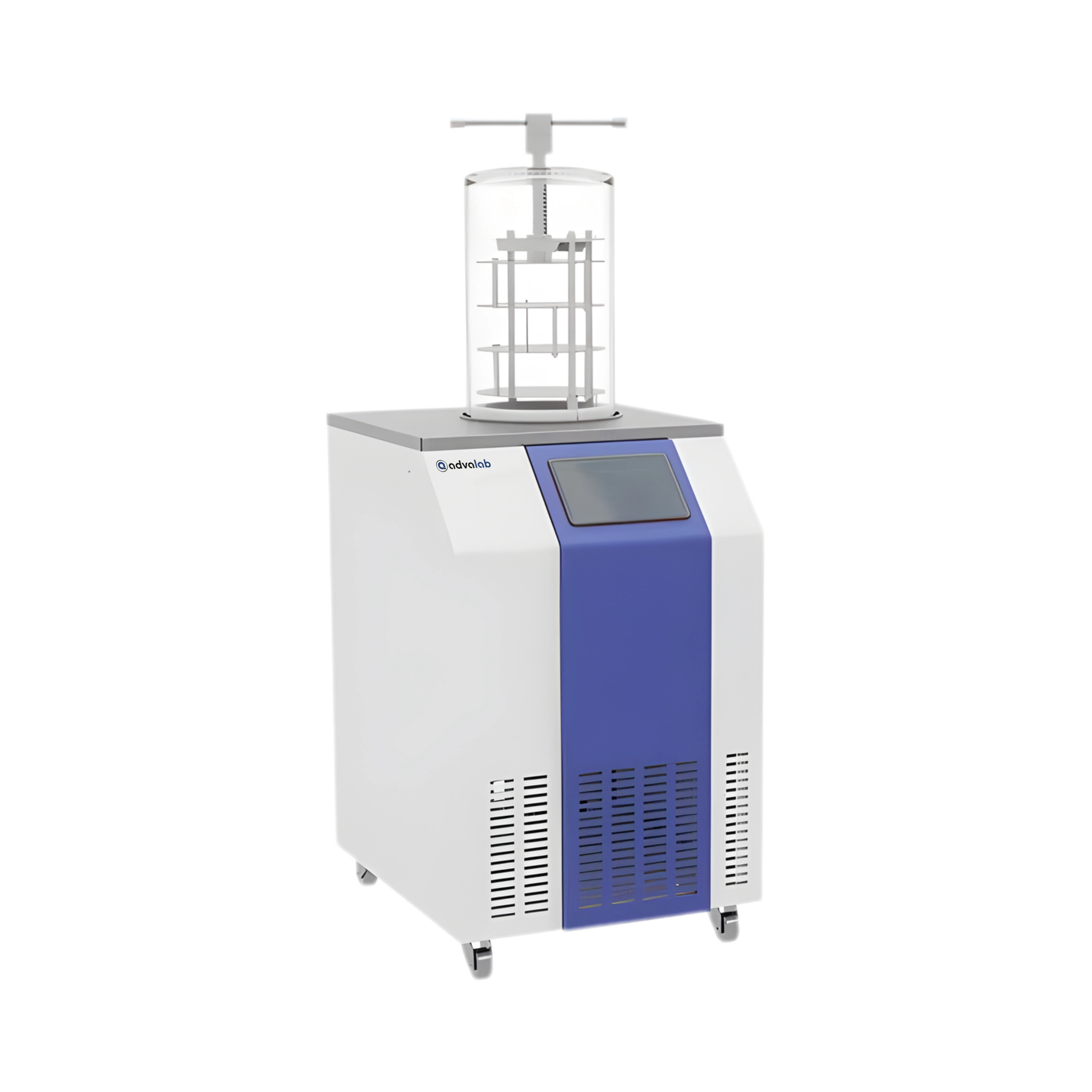
| Cold Trap Temperature | -60℃ (below) |
| Freeze Drying Time | 36 to 48 h |
| Cold Trap Volume | 9.5 L |

| Cold Trap Temperature | ≤ -60℃ |
| Freeze Drying Time | 36 to 48 h |
| Cold Trap Volume | 28 L |
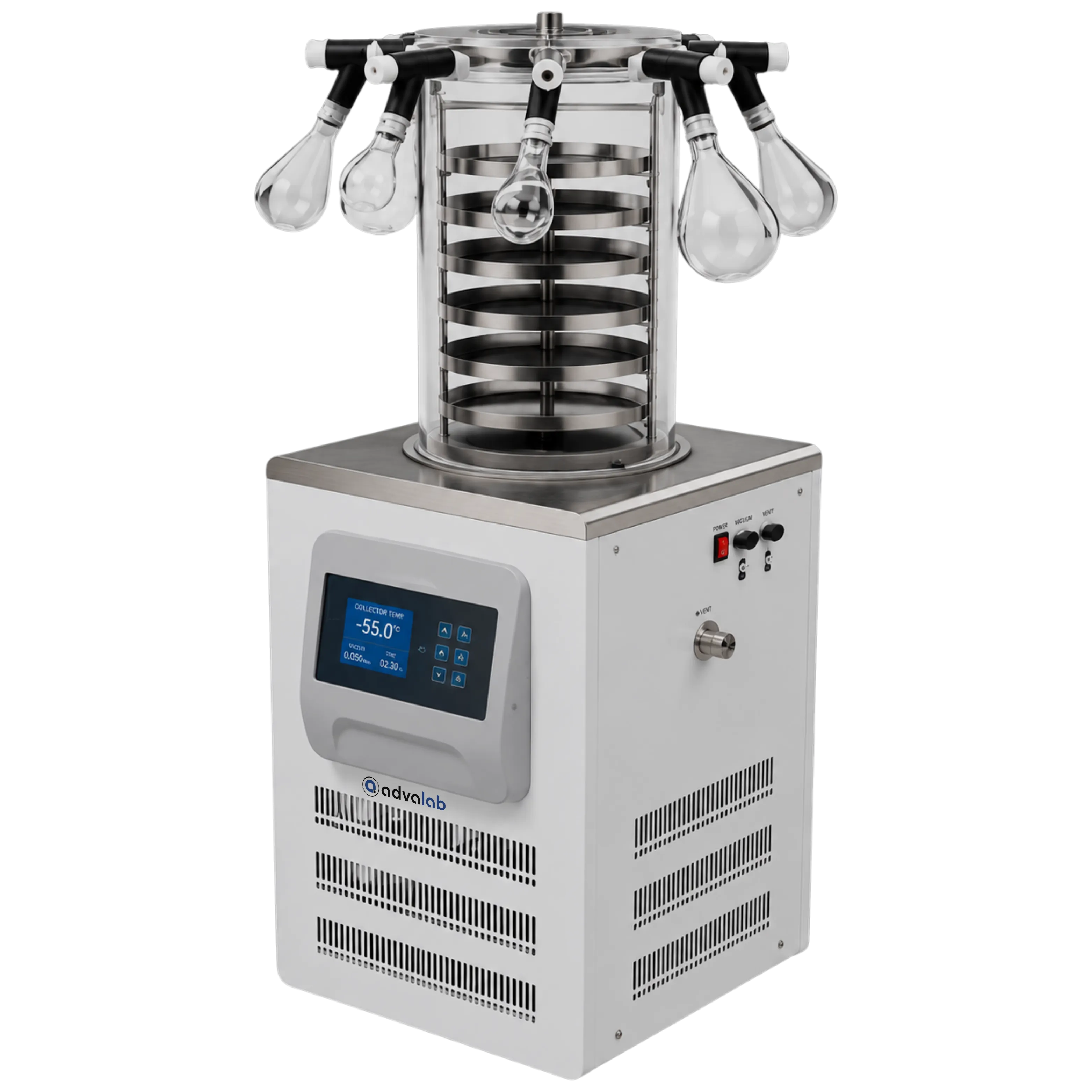
| Temperature Range | ≤–80℃ |
| Vacuum Level | < 10 Pa |
| Total Drying Area | 0.07m² |
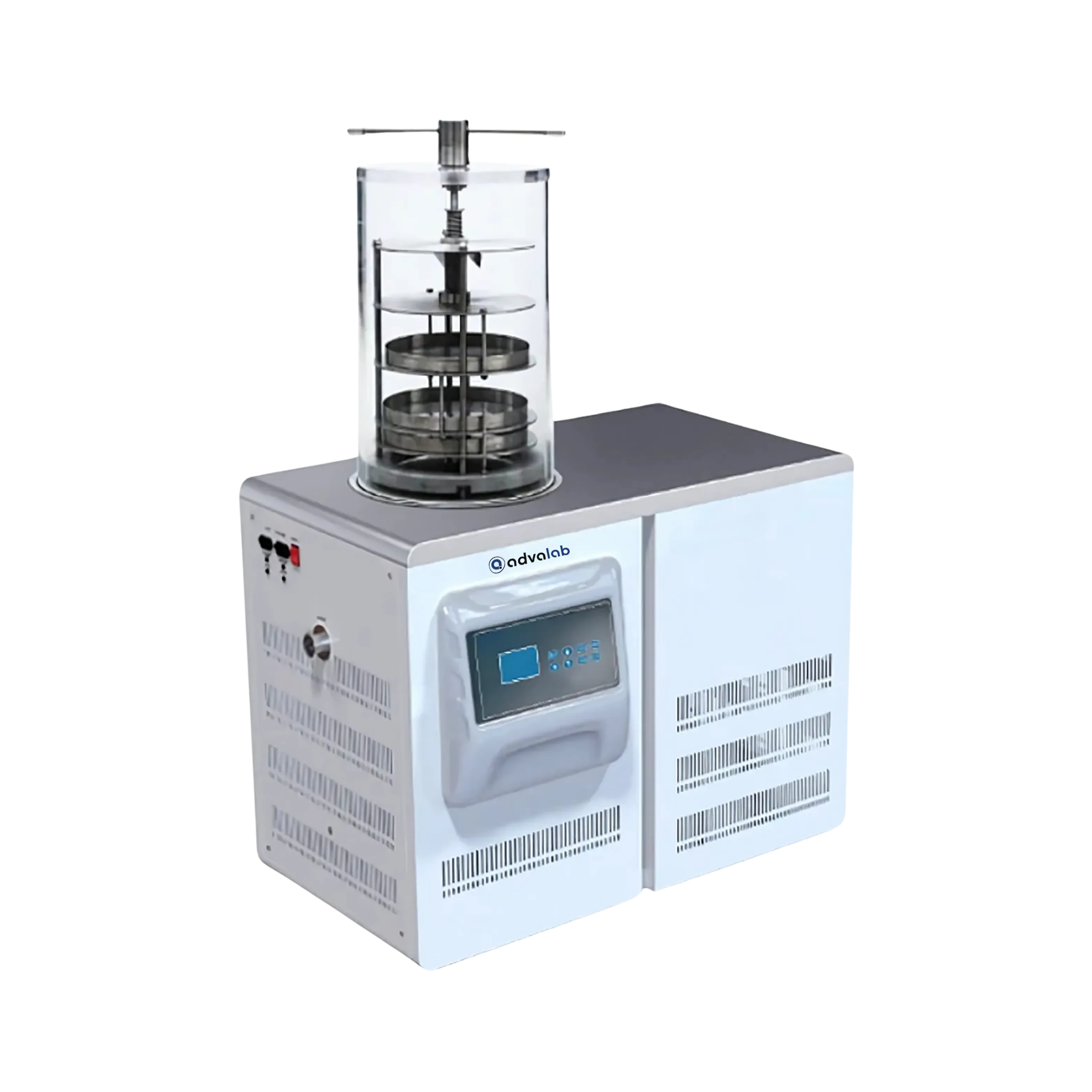
| Temperature Range: | ≤–80℃ |
| Vacuum Level: | < 10 Pa |
| Total Drying Area: | 0.11m² |

| Type: | Standard chamber with 8 port manifolds |
| Freeze Dry Area: | 0.12m² |
| Water Capture Capacity: | 4kg/24h |
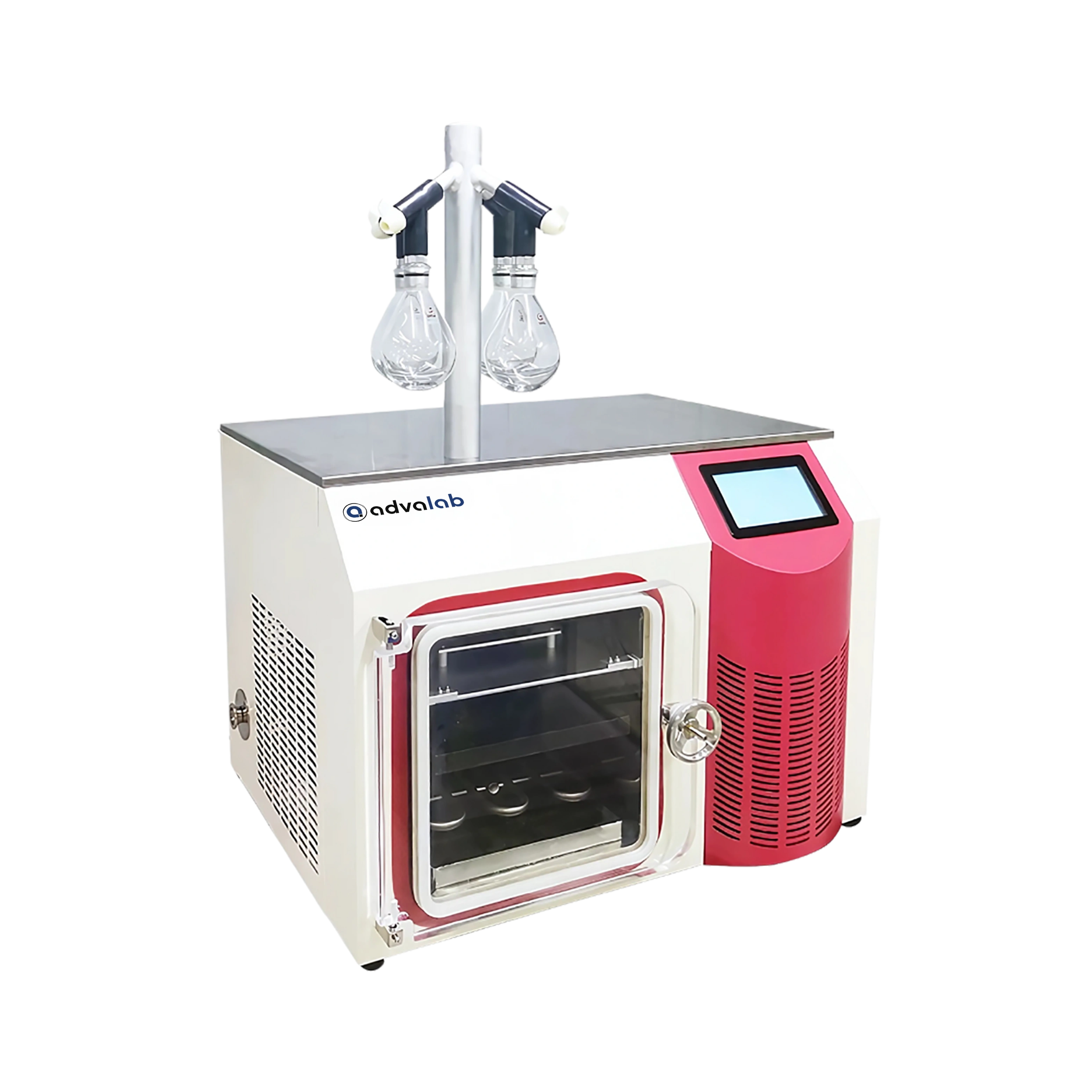
| Condenser Temperature: | -88 °C |
| Shelf Temperature Range: | -60 °C to +70 °C |
| Temperature Uniformity: | ±1 °C |
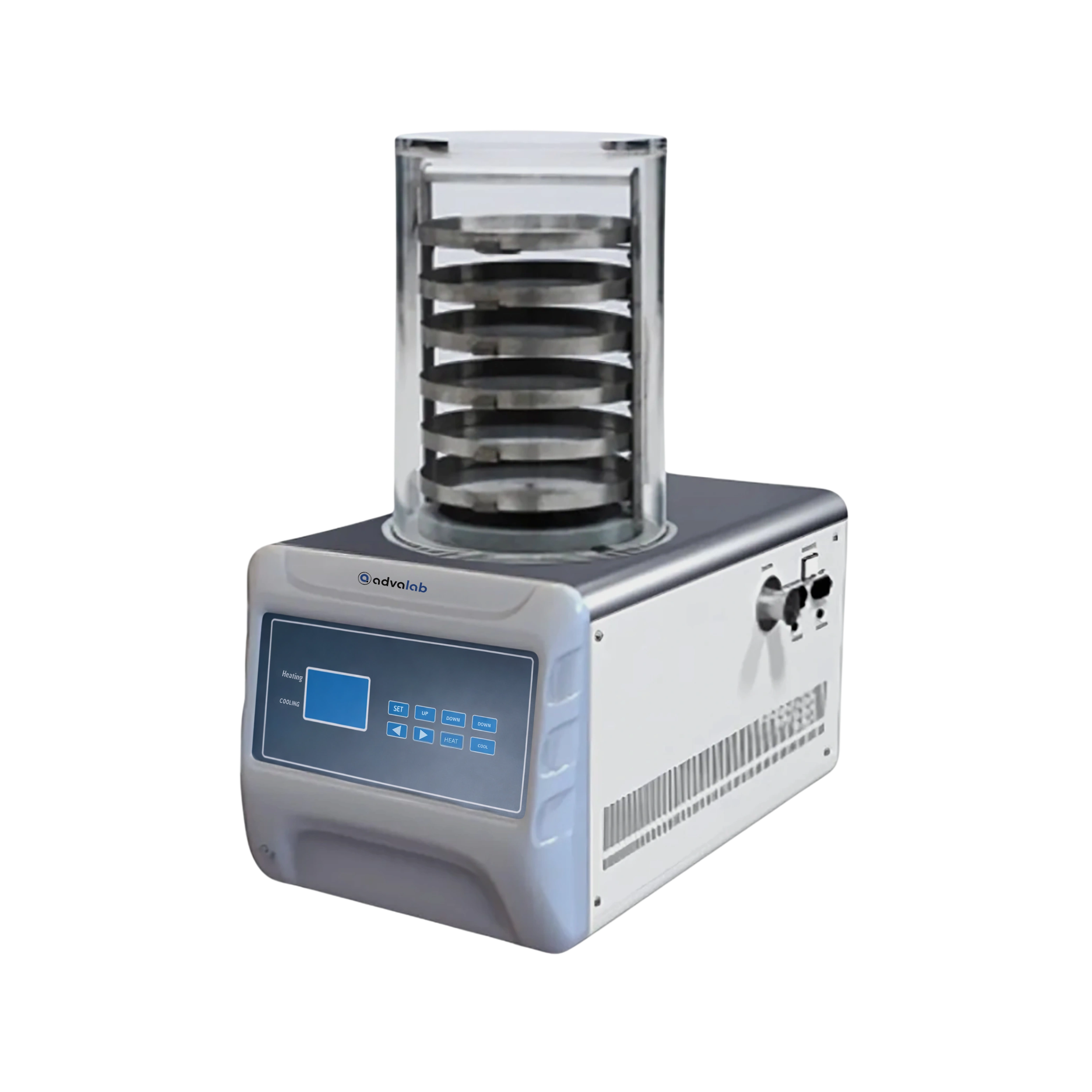
| Temperature Range: | ≤-50℃ |
| Vacuum Level: | <10 Pa |
| Freeze-Dry Area: | 0.12 m² |
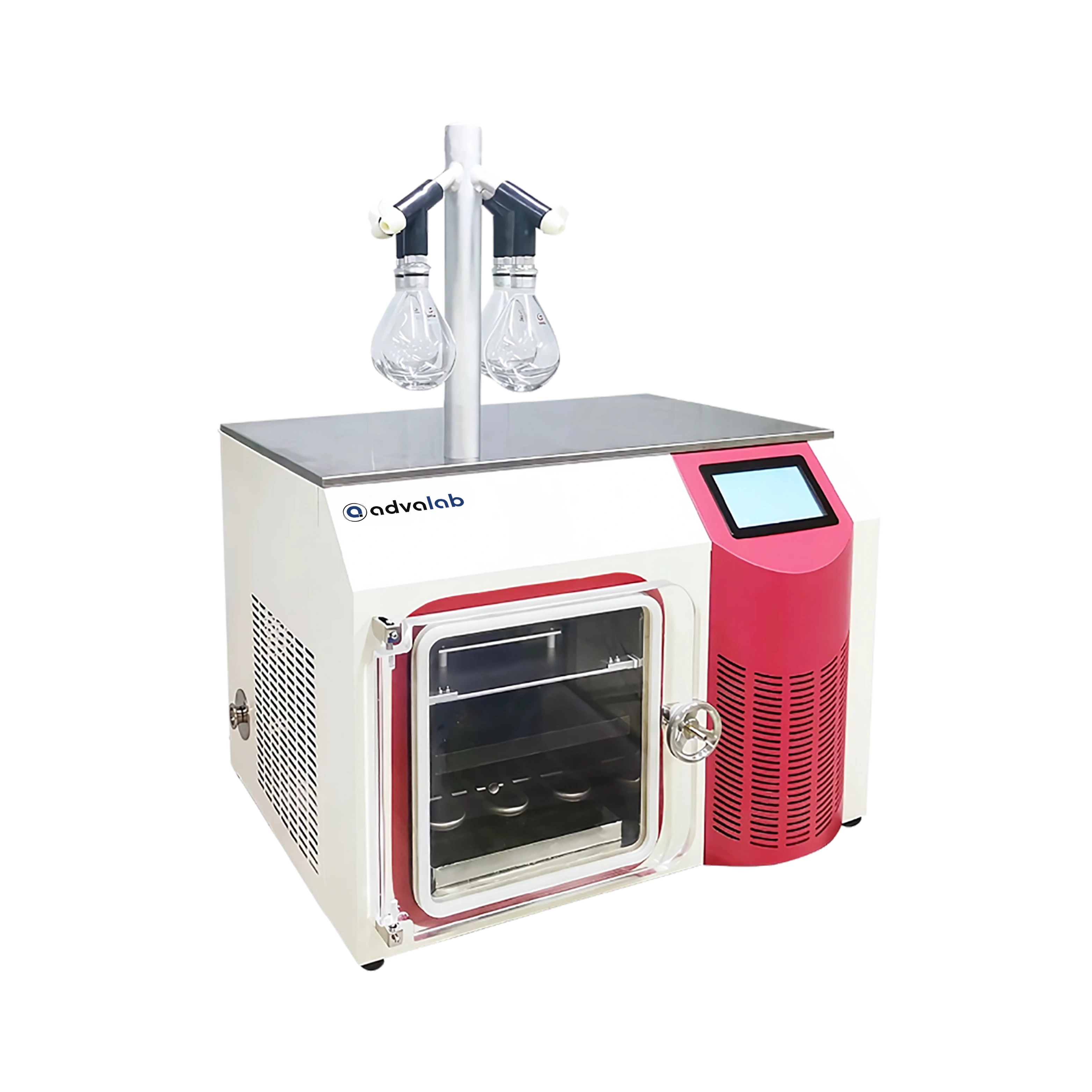
| Condenser Temperature: | -88 °C |
| Shelf Temperature Range: | -60 °C to +70 °C |
| Temperature Uniformity: | ±1 °C |
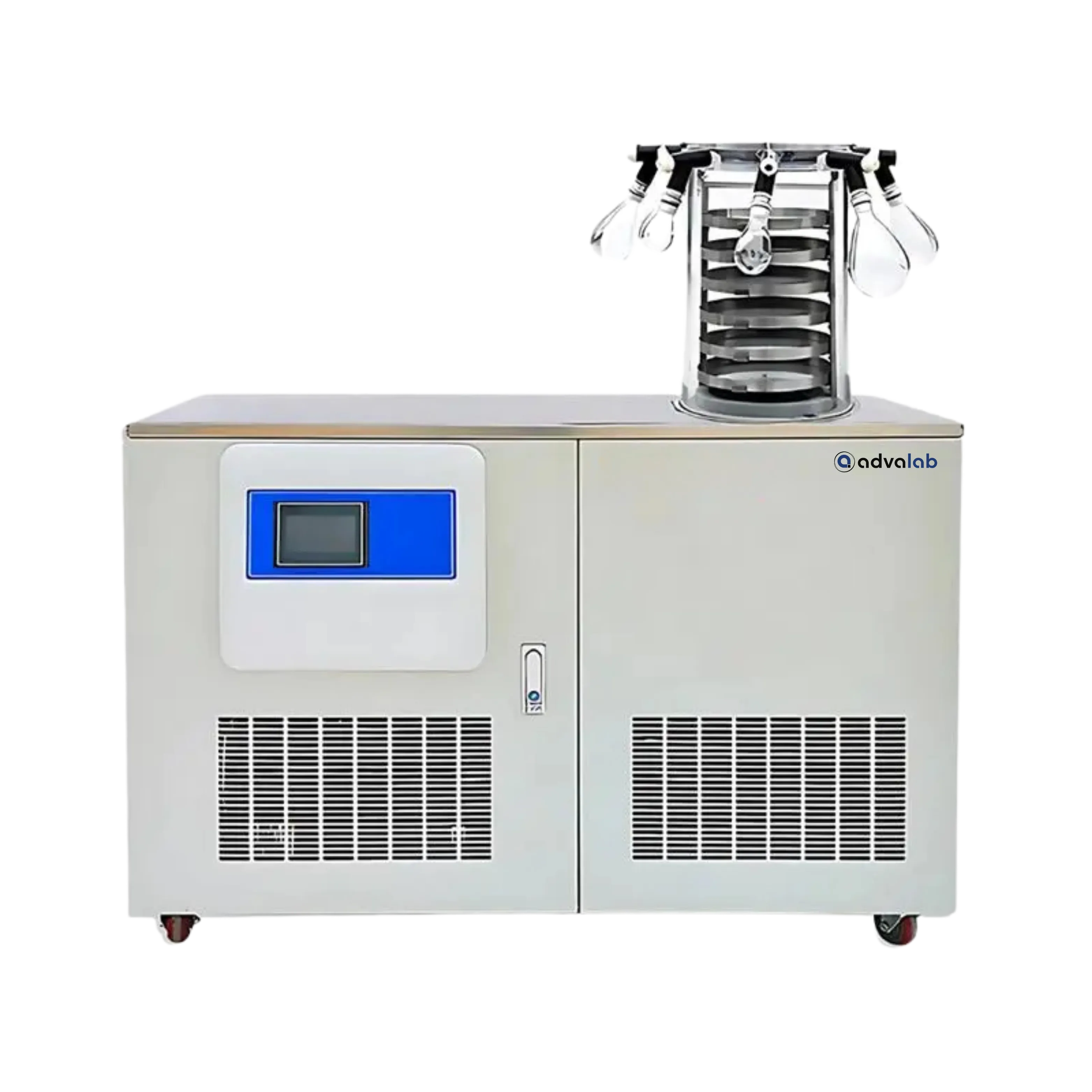
| Temperature Range: | ≤–80℃ |
| Vacuum Level: | < 10 Pa |
| Total Drying Area: | 0.27m² |
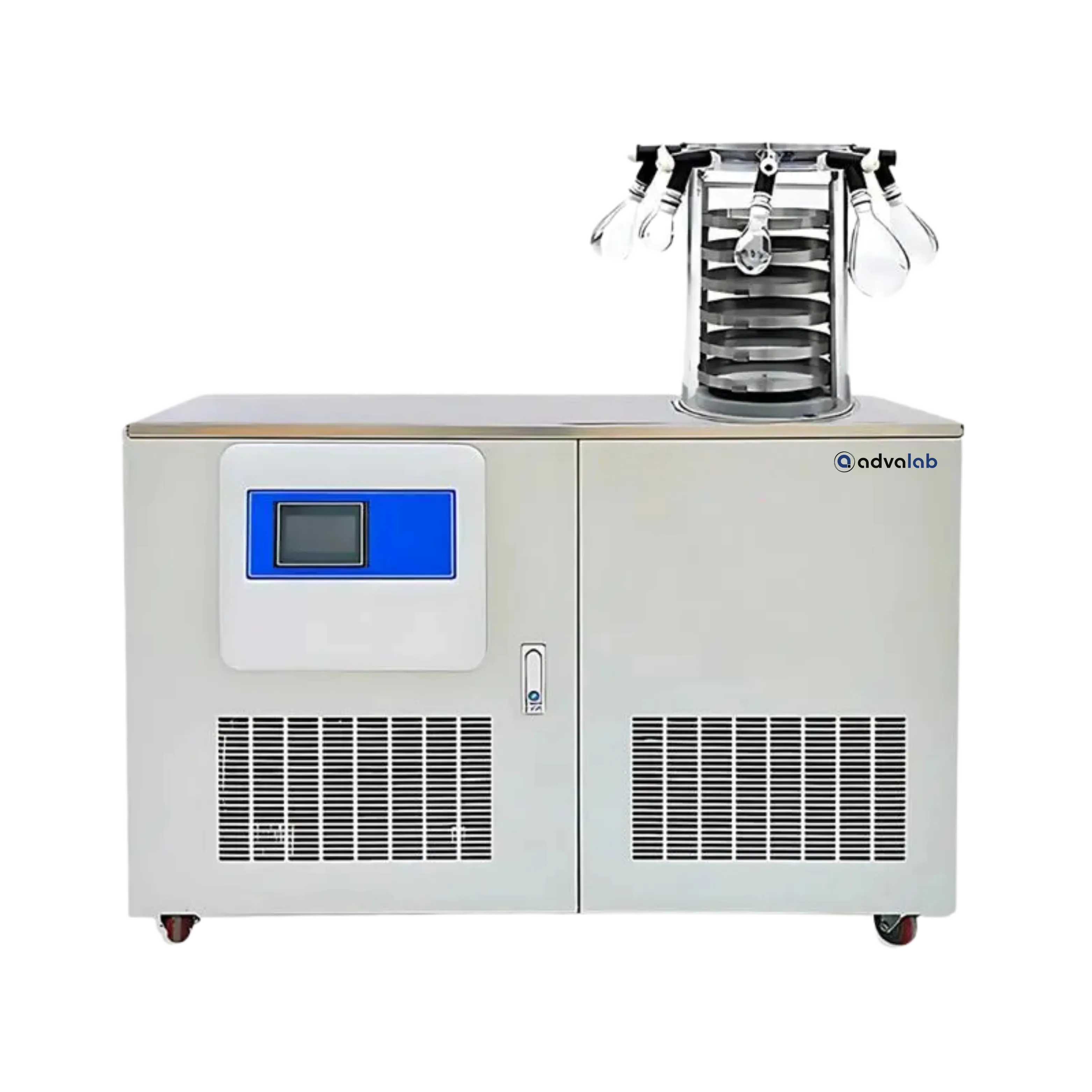
| Temperature Range: | ≤–80℃ |
| Vacuum Level: | < 10 Pa |
| Total Drying Area: | 0.27m² |

| Condenser Temperature: | -88 °C |
| Shelf Temperature Range: | -60 °C to +70 °C |
| Temperature Uniformity: | ±1 °C |

| Temperature Range: | ≤-50℃ |
| Vacuum Level: | <10 Pa |
| Freeze-Dry Area: | 0.12 m² |
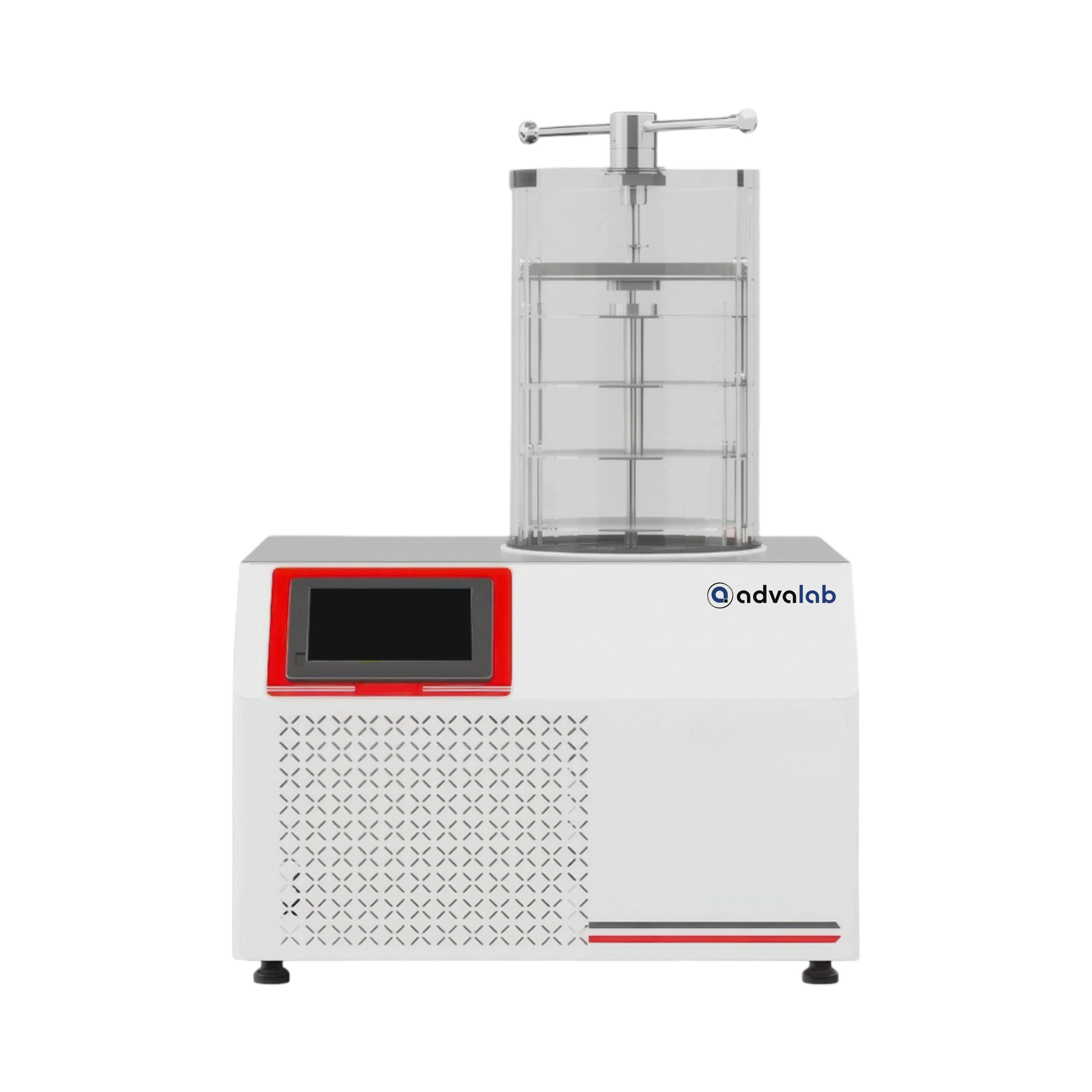
| Type: | Stoppering chamber |
| Freeze Dry Area: | 0.09 m² |
| Water Capture Capacity: | 4kg/24h |
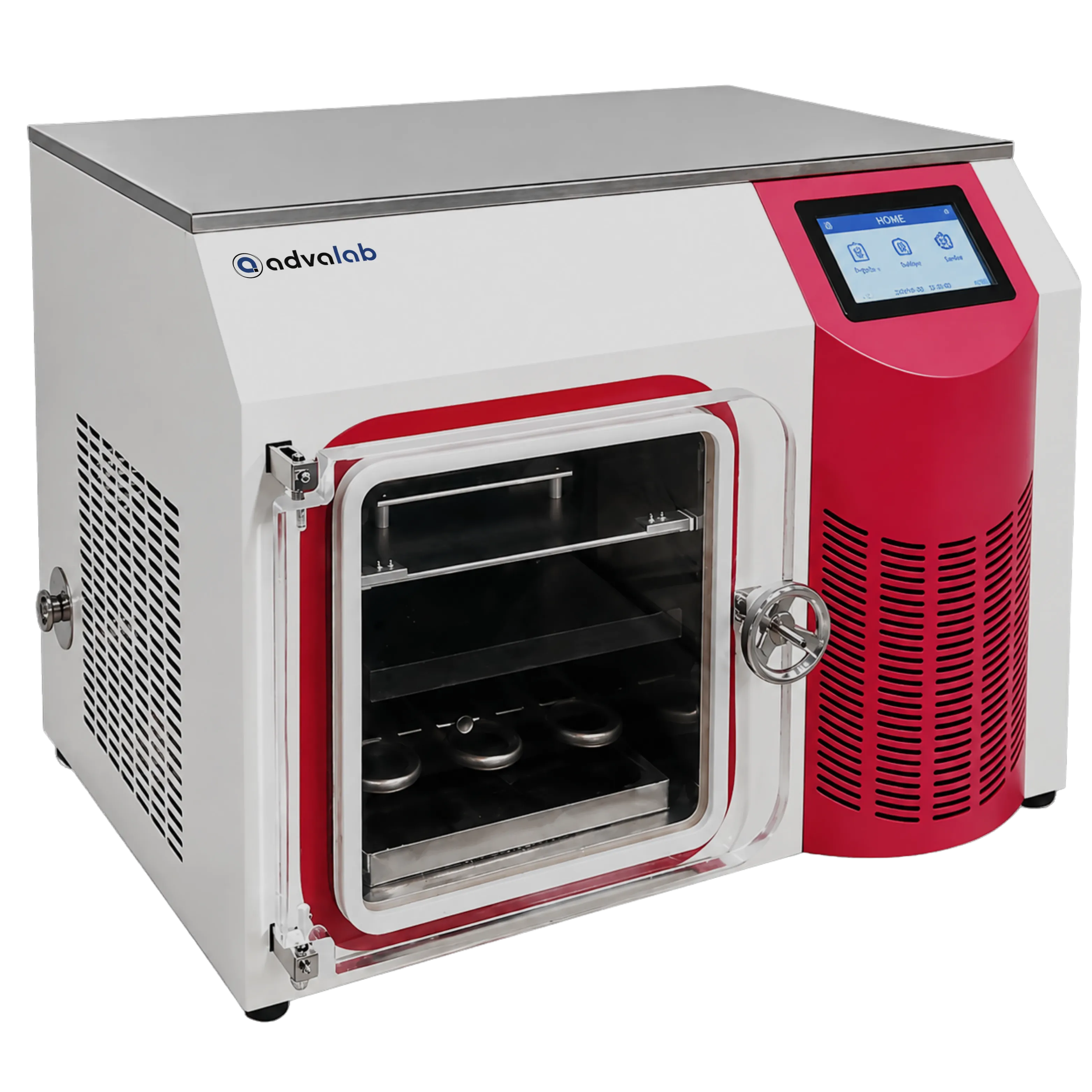
| Condenser Temperature: | -88 °C |
| Shelf Temperature Range: | -60 °C to +70 °C |
| Temperature Uniformity: | ±1 °C |
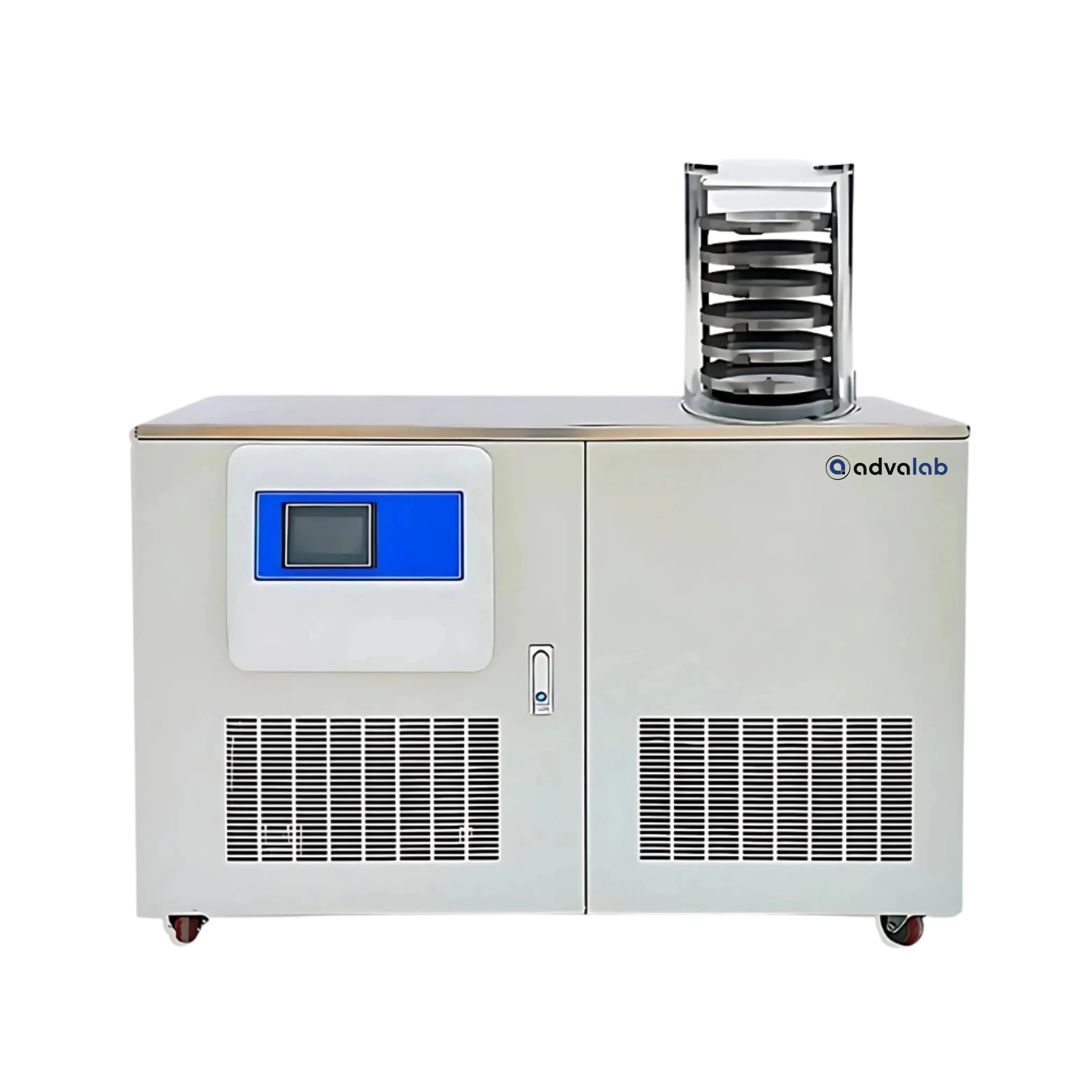
| Temperature Range: | ≤–80℃ |
| Vacuum Level: | < 10 Pa |
| Total Drying Area: | 0.27m² |
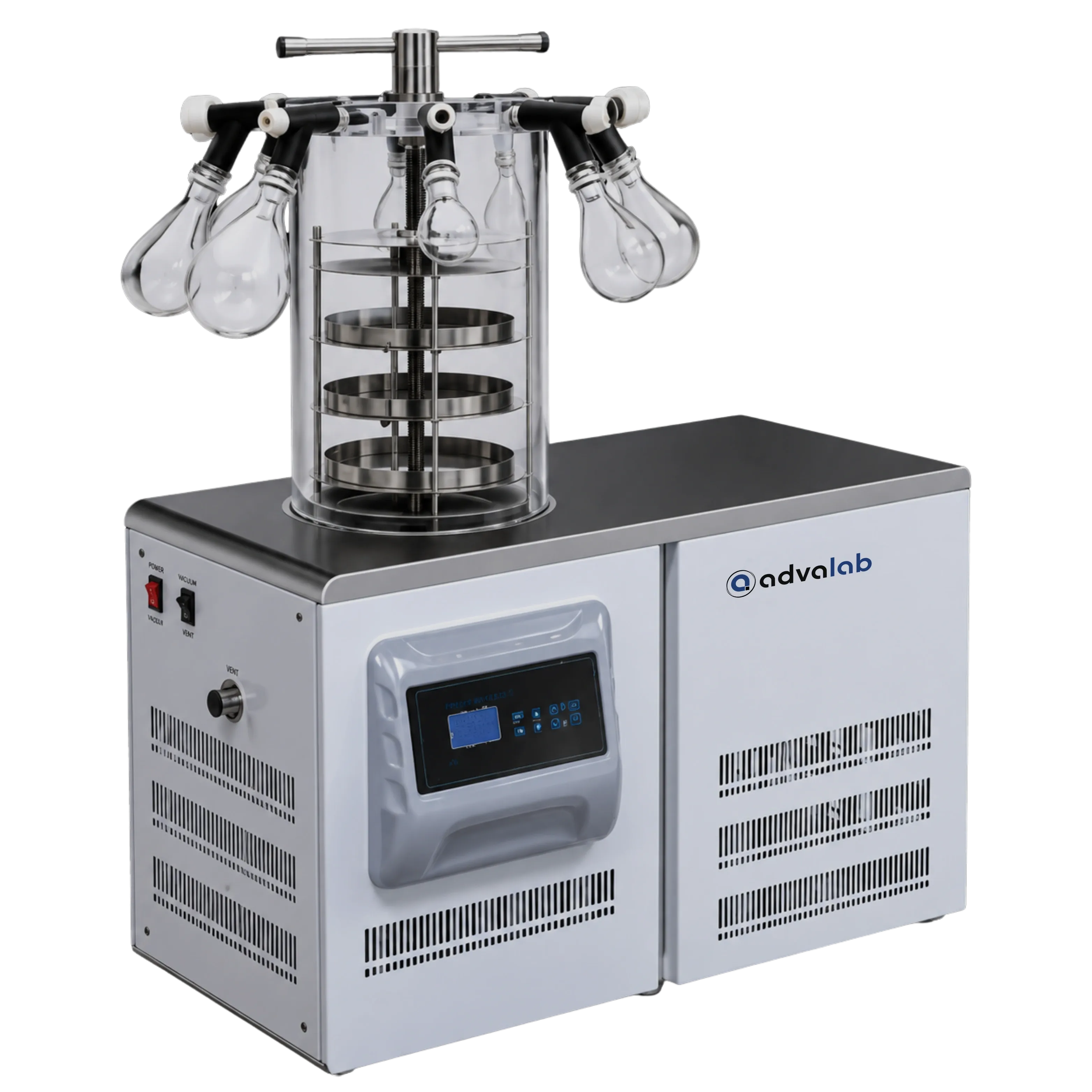
| Temperature Range: | ≤–80℃ |
| Vacuum Level: | < 10 Pa |
| Total Drying Area: | 0.11m² |
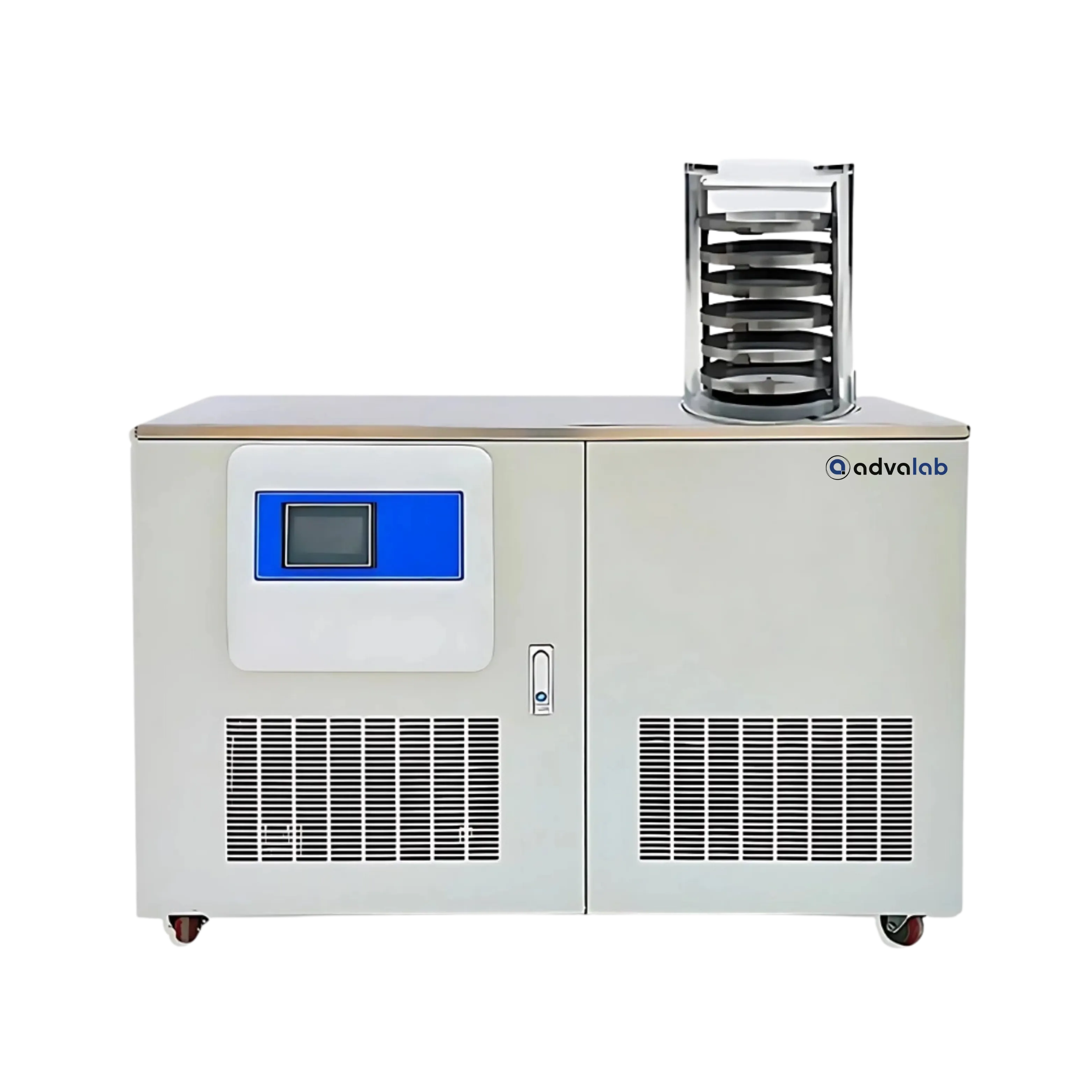
| Temperature Range: | ≤–80℃ |
| Vacuum Level: | < 10 Pa |
| Total Drying Area: | 0.27m² |
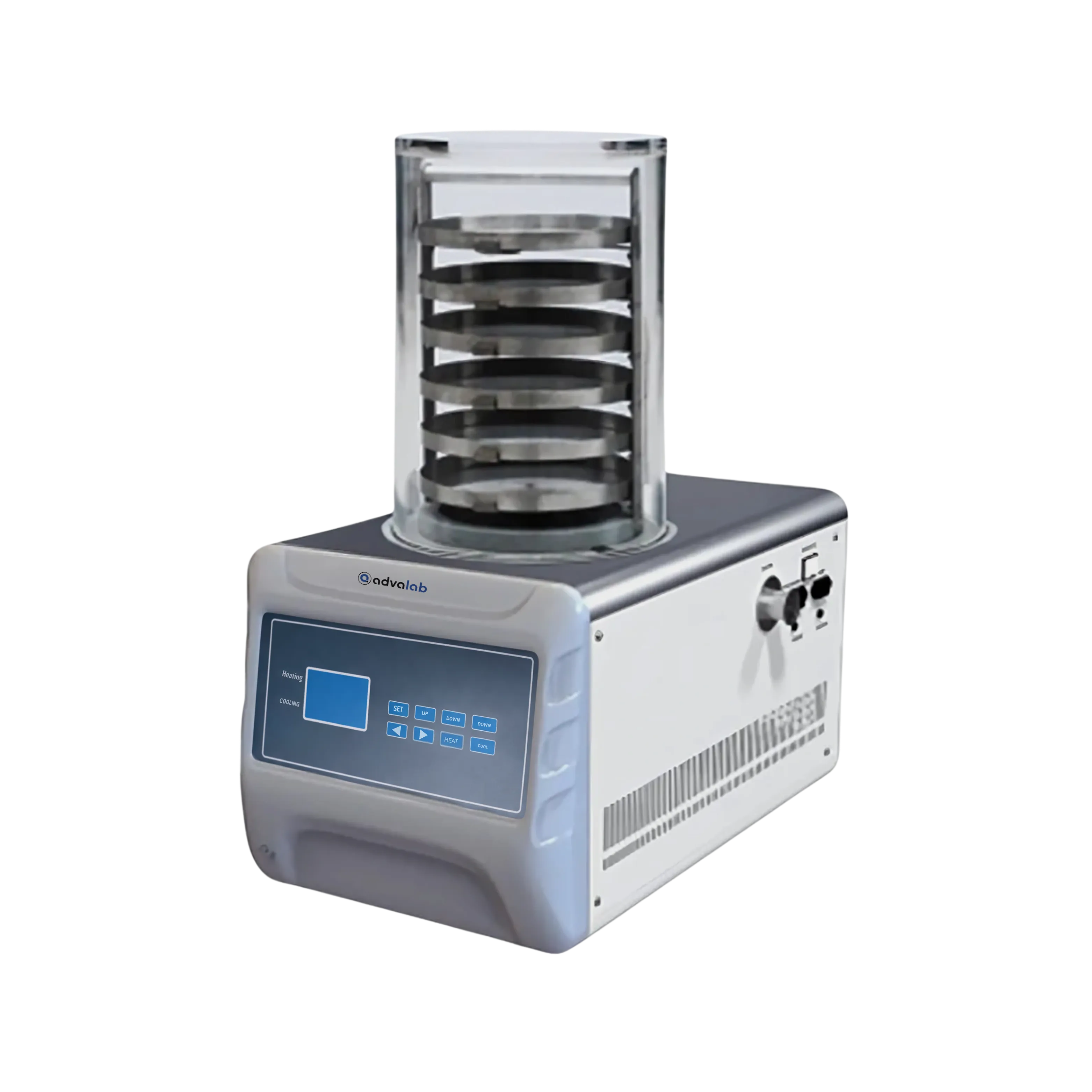
| Temperature Range: | ≤-50℃ |
| Vacuum Level: | <10 Pa |
| Freeze-Dry Area: | 0.07 m² |

| Type: | Standard chamber |
| Freeze Dry Area: | 0.12m² |
| Water Capture Capacity: | 4kg/24h |
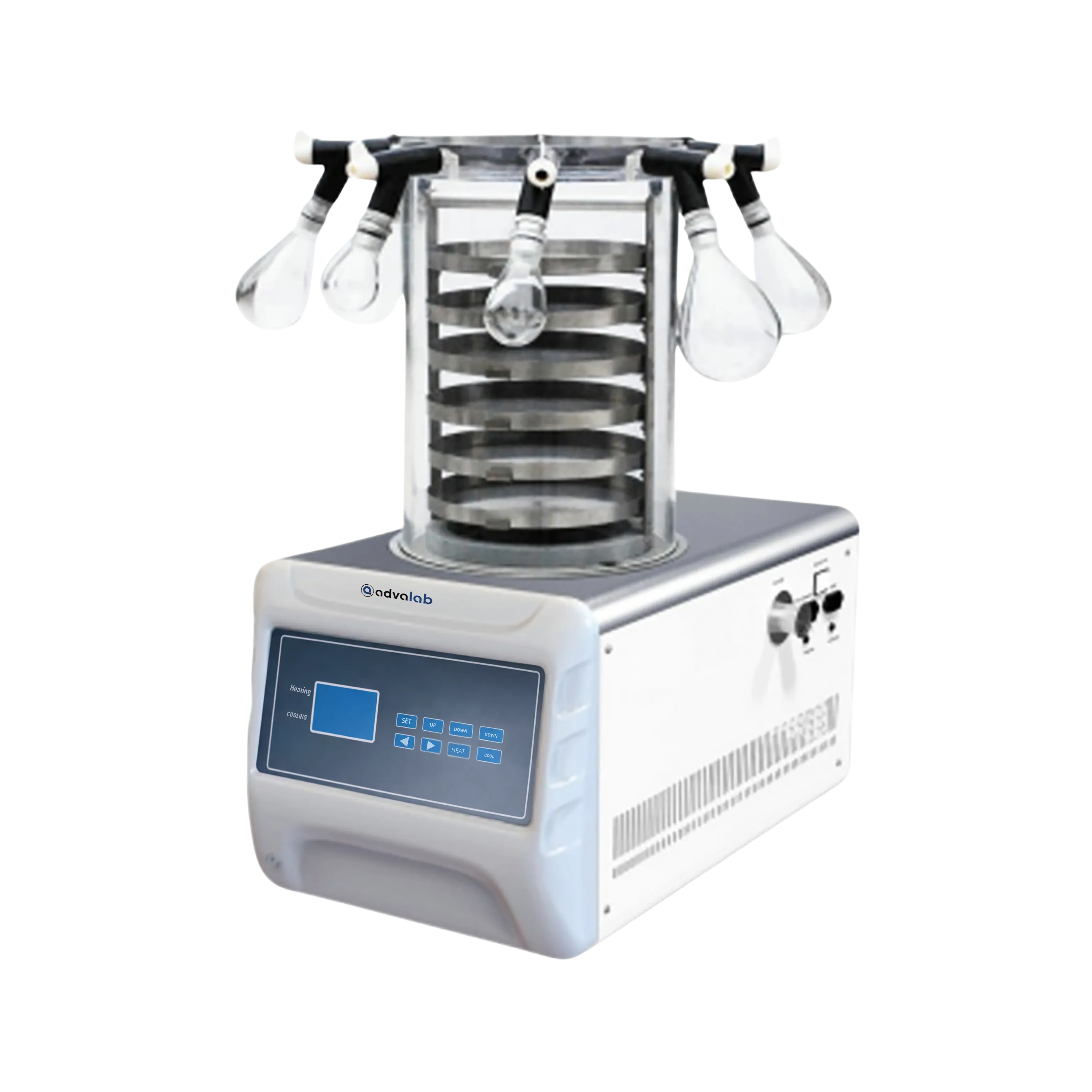
| Temperature Range: | ≤-50℃ |
| Vacuum Level <10 Pa: | <10 Pa |
| Freeze-Dry Area : | 0.07 m² |