
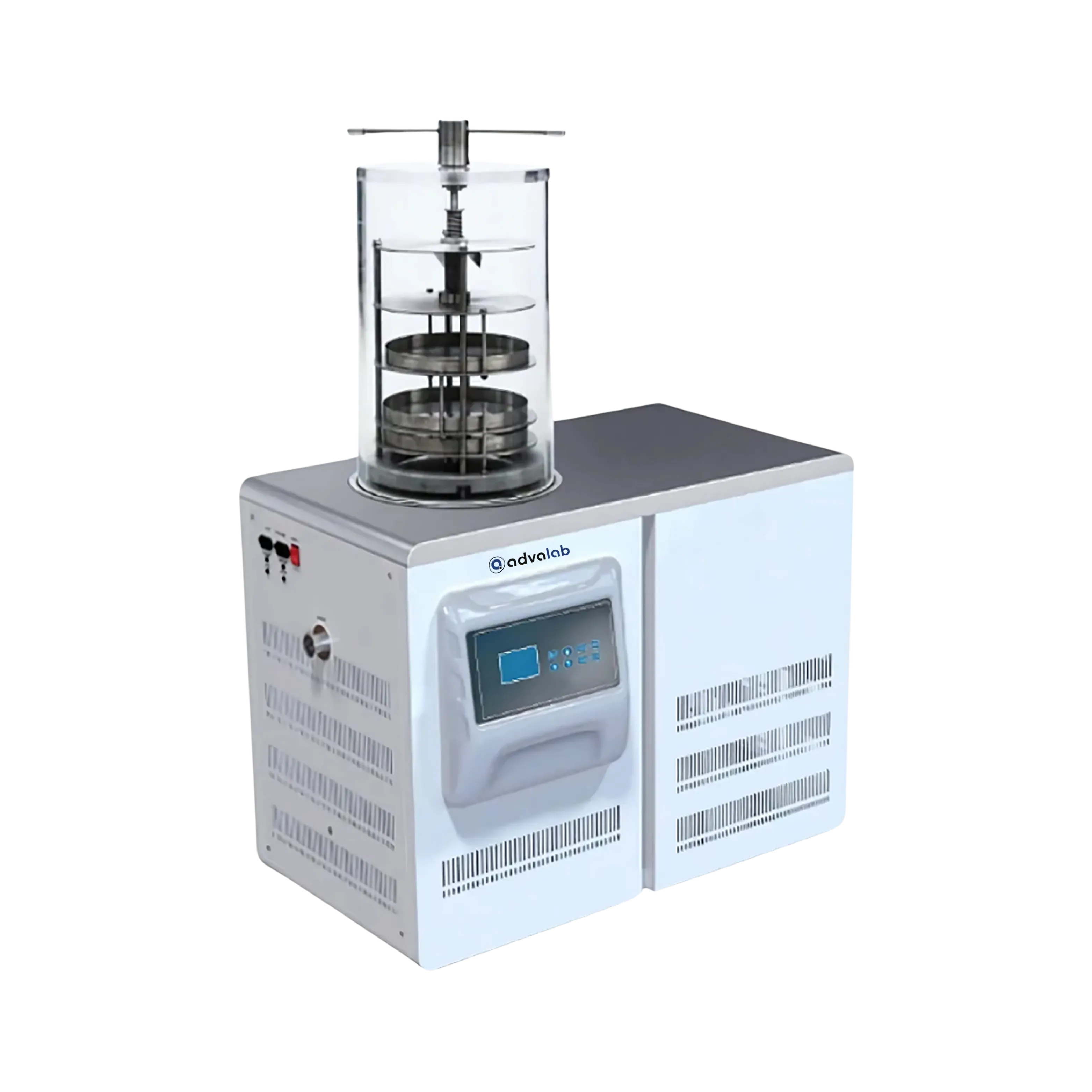
| Temperature Range | ≤–80℃ |
| Vacuum Level | < 10 Pa |
| Total Drying Area | 0.11m² |
| Water-Capture Capacity | 6kg / 24 h |
| Tray Spacing | 56mm |
| Tray Configuration | 3× Ø220 mm |
| Vial Capacity |
Ø16:411 vials Ø22:207 vials |
| Power Consumption | 2200 W |
| Dimensions (W × D × H) | 1200× 550 × 880 mm + 70 mm |
Our Benchtop Freeze Dryer ADBFD-502 is ideal for preserving biological samples and food products through efficient lyophilization, it is widely used in research laboratories, pharmaceuticals, for moisture removal of sample integrity.


1. How does the Benchtop Freeze Dryer ensure operational safety and user protection?
The Benchtop Freeze Dryer integrates a comprehensive suite of safety mechanisms designed to safeguard both the operator and the integrity of the samples. Key features include over-temperature protection, which activates sensors to prevent overheating, and continuous pressure monitoring to detect abnormal fluctuations within the chamber. The transparent acrylic chamber not only allows for visual inspection of the process but also enhances user awareness during operation.
2. What makes Benchtop Freeze Dryer a smart choice for experimental batches and prototype development?
The Benchtop Freeze Dryer is built for versatility and accuracy, making it an ideal choice for pilot-scale trials and small-batch production. It bridges the gap between laboratory-scale testing and full-scale manufacturing by offering the same level of control found in industrial-grade systems. Users can fine-tune process variables like shelf temperature and vacuum level, ensuring reproducibility and optimization before large-scale deployment. Its compact footprint also makes it ideal for environments where space is at a premium, such as academic labs or startup facilities.
3. Why is Benchtop Freeze Dryer ideal for processing sensitive biological or pharmaceutical materials?
The Benchtop Freeze Dryer preserves the quality of delicate compounds through its gentle freeze-drying mechanism. Utilizing sublimation at low temperatures, the system avoids direct heat application, which can degrade fragile substances such as enzymes, peptides, and vaccine components. The tightly controlled vacuum environment limits exposure to oxygen and contaminants, reducing the risk of oxidation and microbial interference. This method ensures that the physical and biochemical properties of the material remain intact.
4. Which types of sample containers and formats are compatible with the Benchtop Freeze Dryer?
Engineered for versatility, the Benchtop Freeze Dryer accommodates a wide array of container types and sample forms. The modular shelf system can be configured to support vials, ampoules, round-bottom flasks, and even bulk trays, making it convenient for diverse workflows. Whether the user works with small-volume liquid samples, semi-solid gels, the system adapts easily to the application’s needs. This flexibility ensures smooth transitions between research, diagnostic testing, and pharmaceutical formulation.
5. What maintenance practices help keep the Benchtop Freeze Dryer running efficiently?
To maintain peak performance and extend the operational life of the unit, routine maintenance is essential. The cold trap should be regularly cleaned to eliminate ice buildup that can impede efficiency. Vacuum pump oil needs to be monitored and changed periodically to ensure consistent vacuum levels and to prevent pump wear. Inspection of critical components such as door seals, gaskets, and filters should be conducted to detect leaks early.
6. What is a Benchtop Freeze Dryer used for?
A Benchtop Freeze Dryer is primarily used to preserve and stabilize small sample volumes through the process of freeze-drying. This technique is particularly useful for sensitive materials like biological specimens, pharmaceuticals, food products, and chemicals, which require moisture removal. The process ensures that the samples retain their original properties, including structure, bioactivity, and nutritional content.
7. How much time is required for a full freeze-drying process using a Benchtop Freeze Dryer?
The freeze-drying process duration can vary depending on the type of material being dried, the sample size, and the settings used. Generally, the freeze-drying cycle for small samples in a Benchtop Freeze Dryer can take anywhere from 12 hours to 48 hours. For smaller volumes with low moisture content, the process may be completed more quickly. Conversely, samples with high moisture content require longer drying times.
8. Can I use a Benchtop Freeze Dryer for large volumes of samples?
While the Benchtop Freeze Dryer is designed for smaller sample volumes, you can process larger batches by conducting multiple runs. If large volumes are needed, you may want to explore industrial-scale freeze dryers, which can handle larger capacities at once. However, for most laboratory applications, the system offers ample capacity for medium-to-small sample sizes.
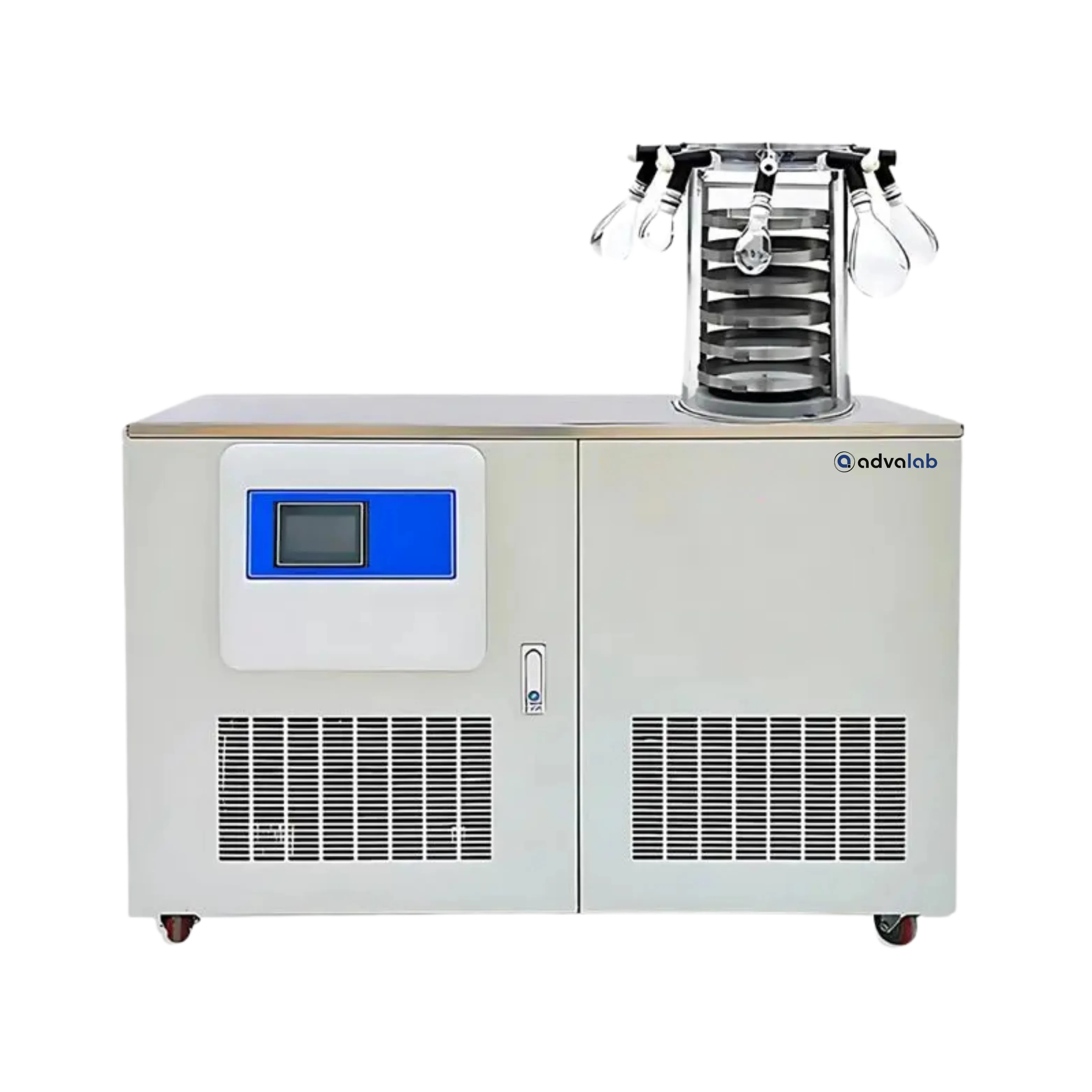
| Temperature Range | ≤–80℃ |
| Vacuum Level | < 10 Pa |
| Total Drying Area | 0.27m² |
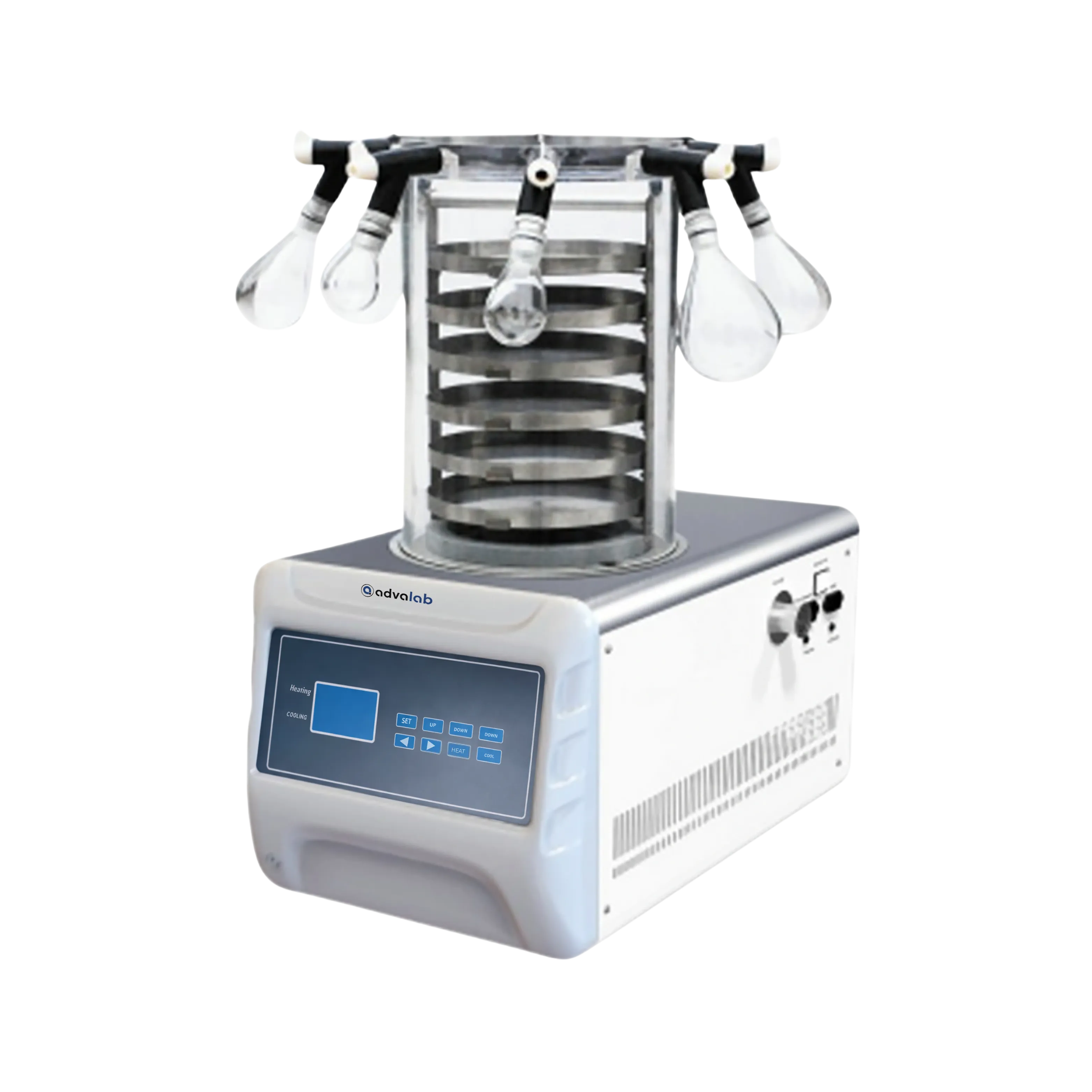
| Temperature Range | ≤-50℃ |
| Vacuum Level <10 Pa | <10 Pa |
| Freeze-Dry Area | 0.07 m² |
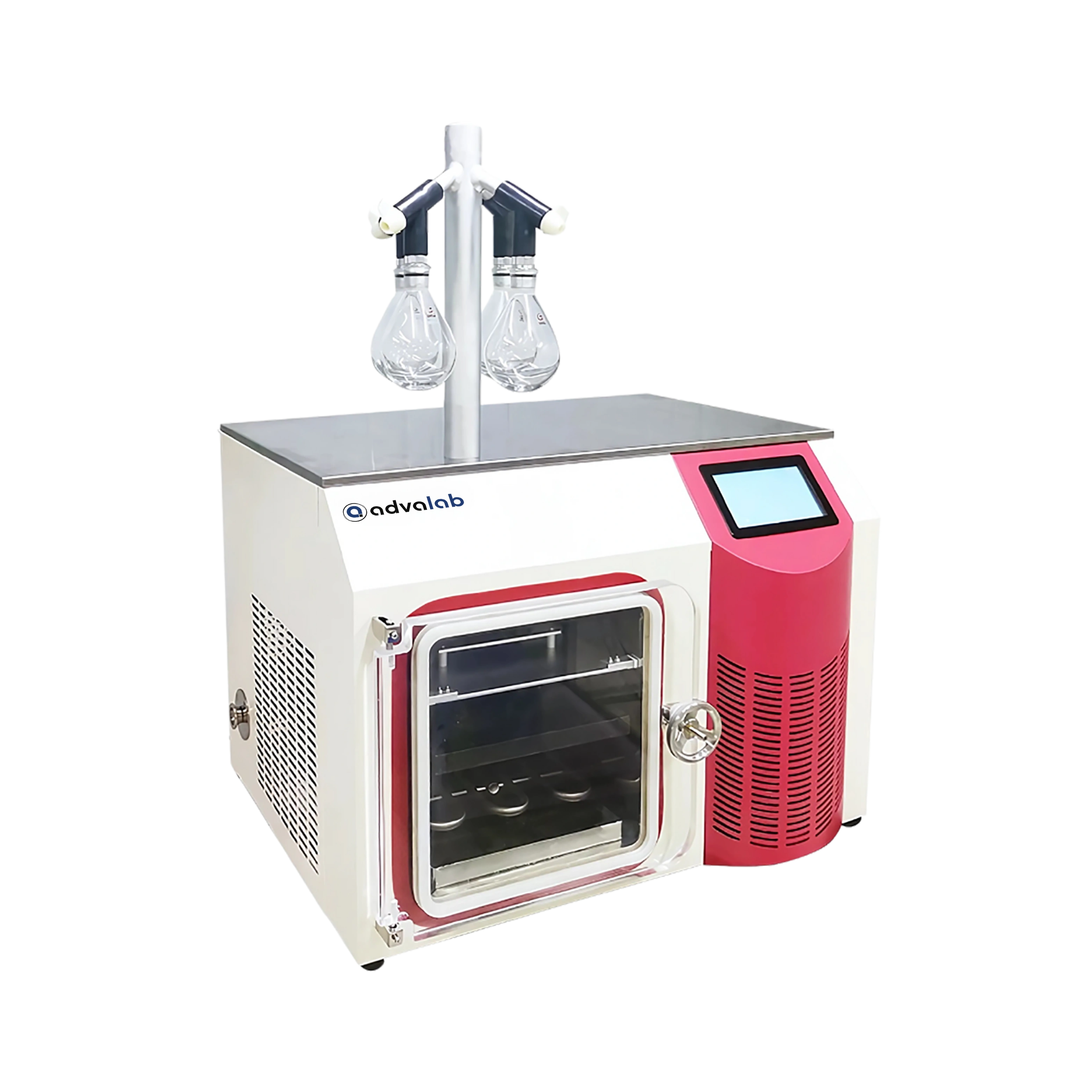
| Condenser Temperature | -88 °C |
| Shelf Temperature Range | -60 °C to +70 °C |
| Temperature Uniformity | ±1 °C |

| Type | Standard chamber |
| Freeze Dry Area | 0.12m² |
| Water Capture Capacity | 4kg/24h |
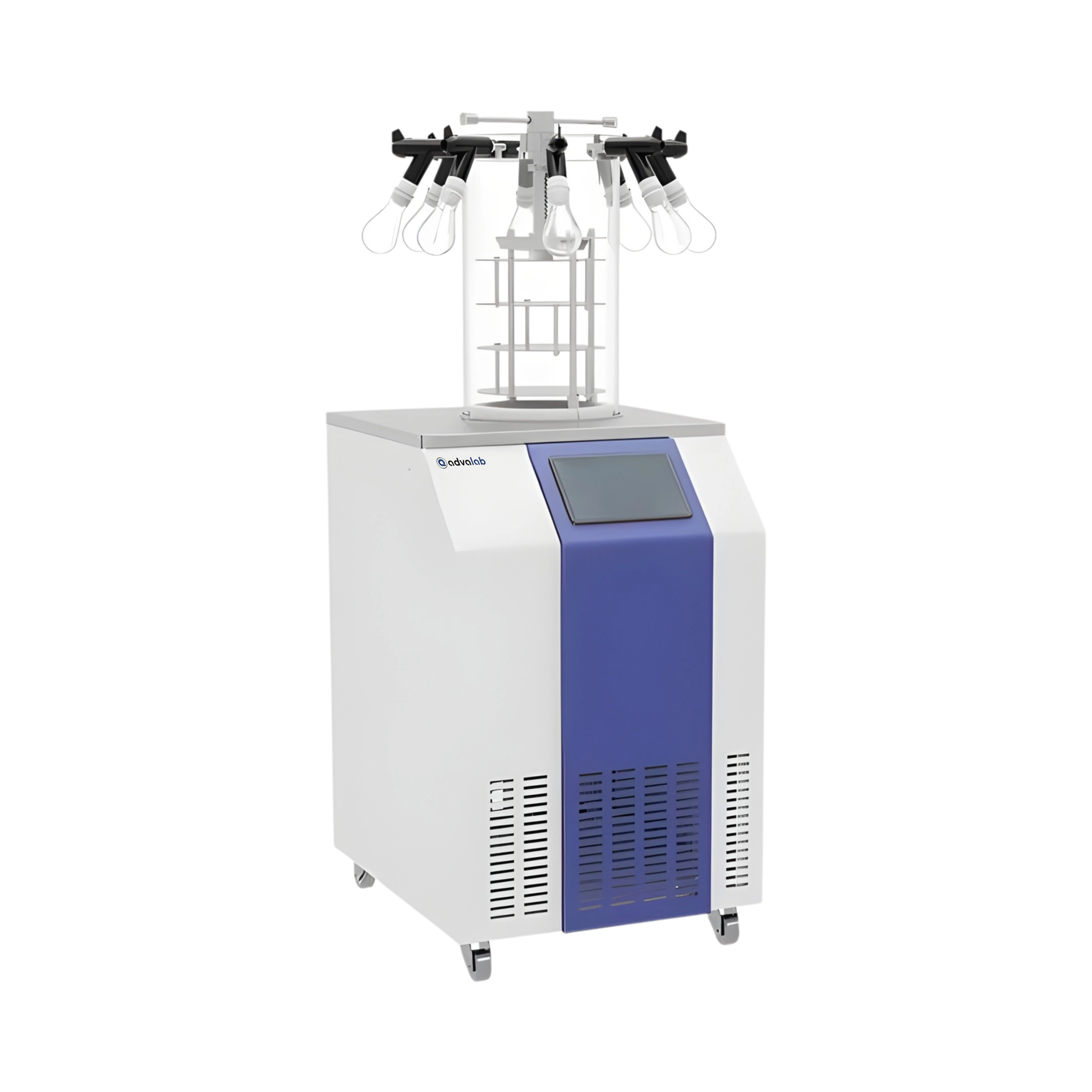
| Cold Trap Temperature: | ≤ -60℃ |
| Freeze Drying Time: | 36 to 48 h |
| Cold Trap Volume: | 9.5 L |
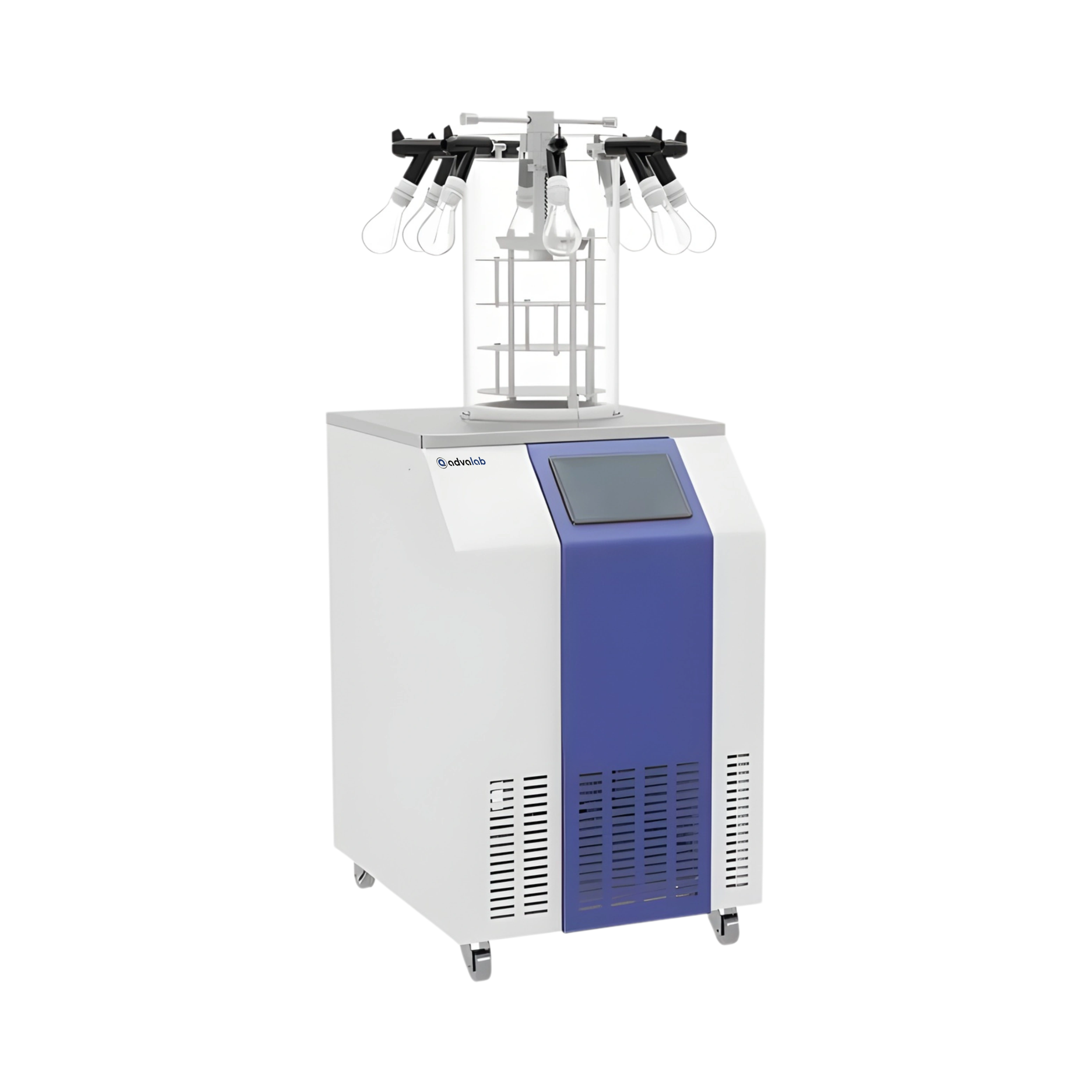
| Cold Trap Temperature: | ≤ -60℃ |
| Freeze Drying Time: | 36 to 48 h |
| Cold Trap Volume: | 28 L |
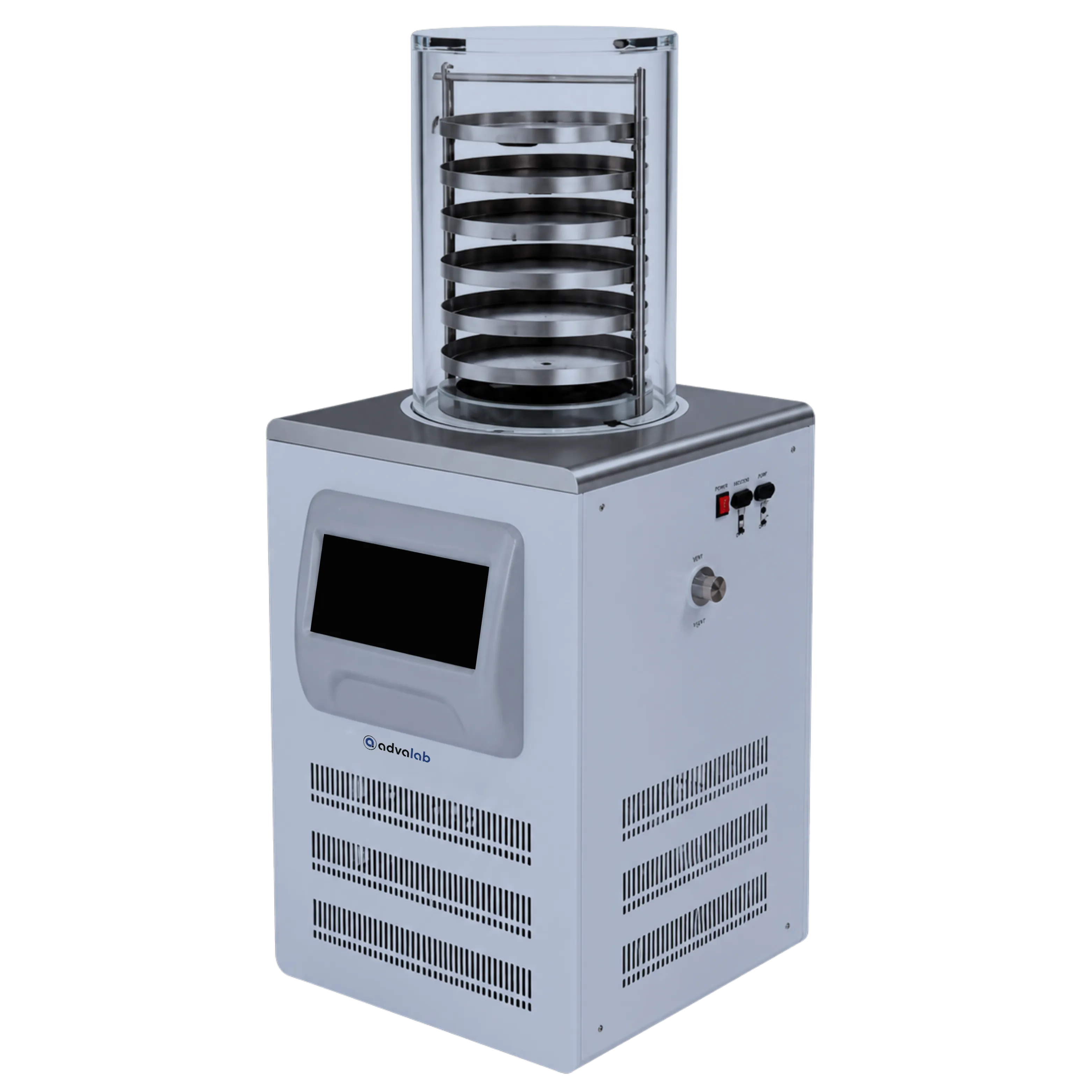
| Temperature Range: | ≤–80℃ |
| Vacuum Level: | < 10 Pa |
| Total Drying Area: | 0.12m² |
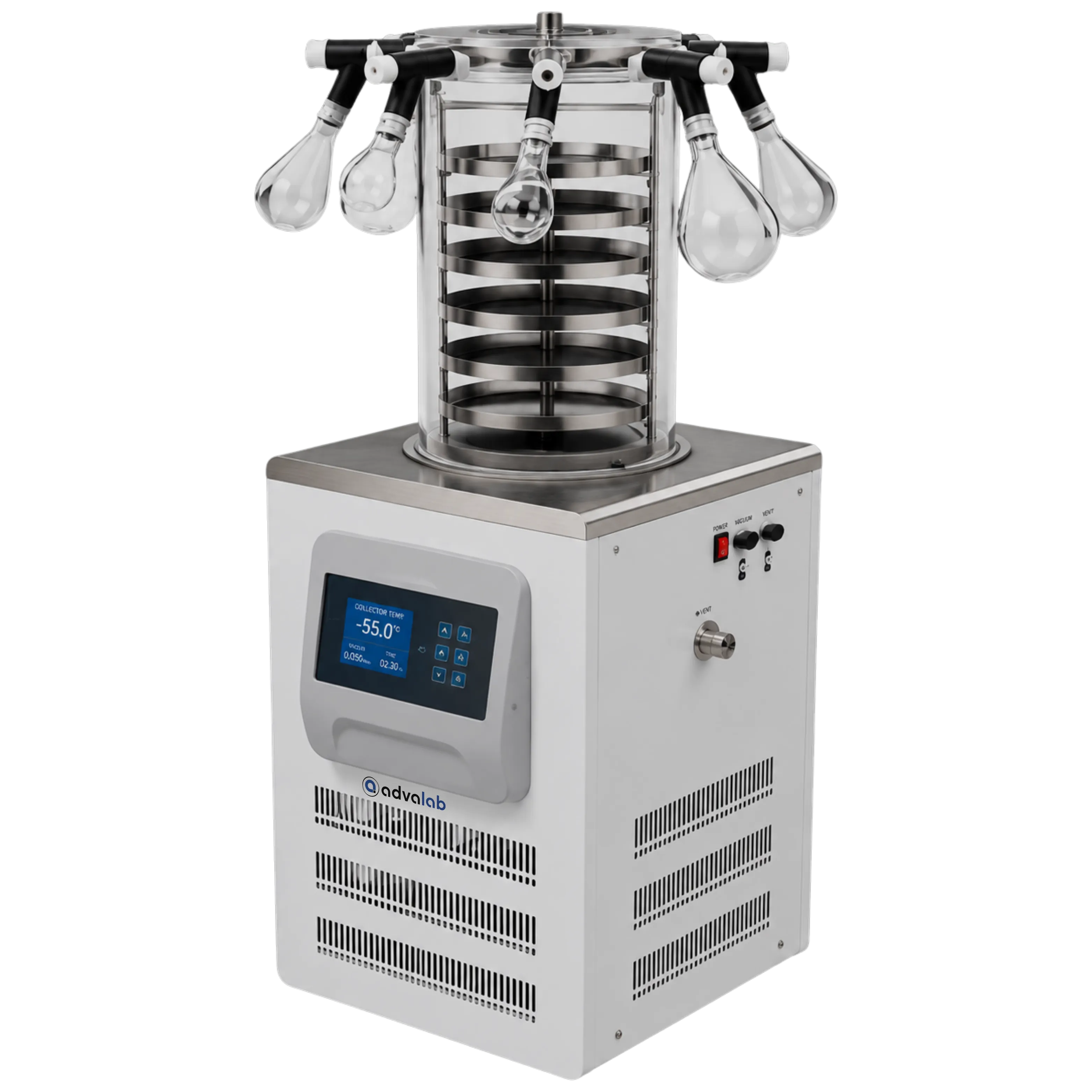
| Temperature Range: | ≤–80℃ |
| Vacuum Level: | < 10 Pa |
| Total Drying Area: | 0.12m² |
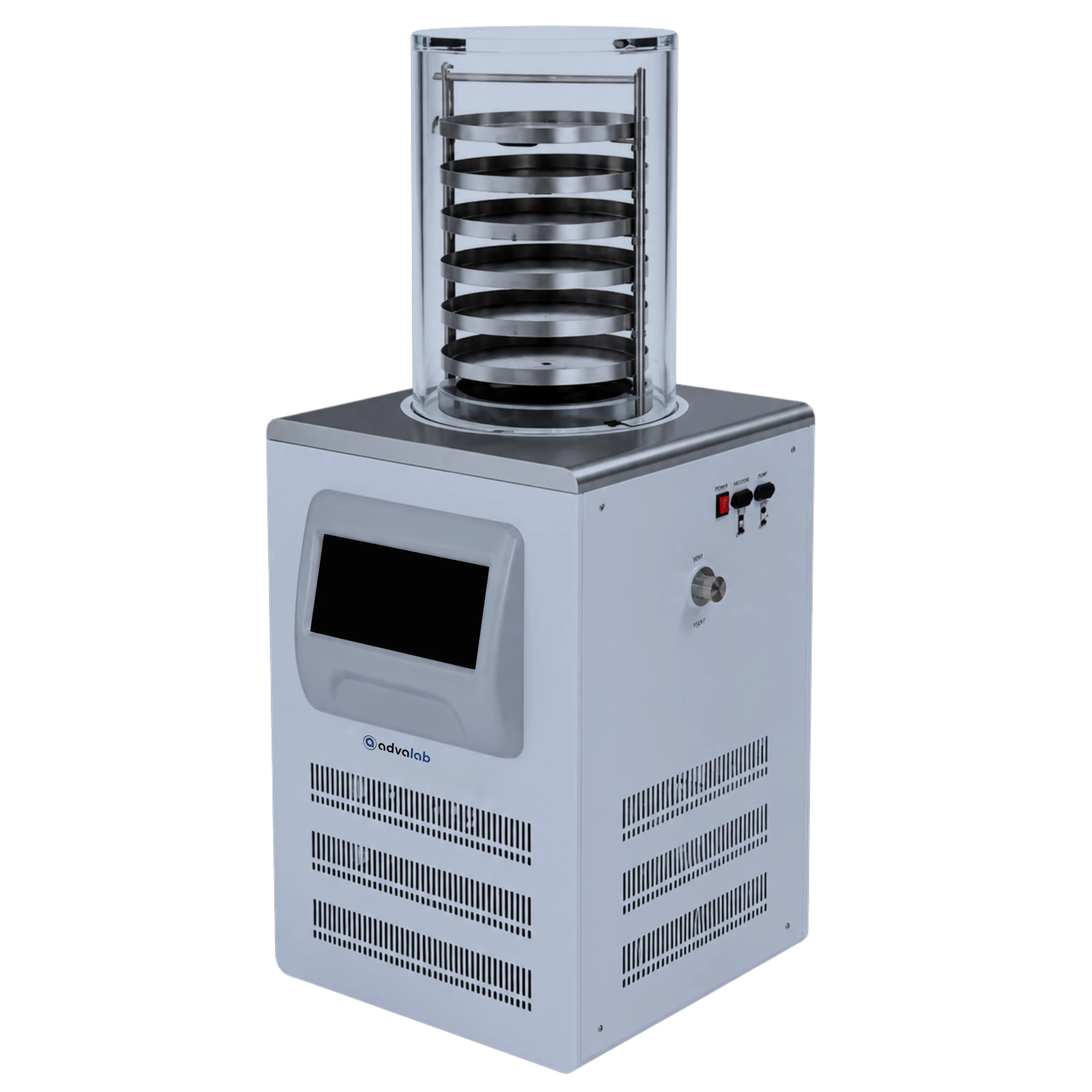
| Temperature Range: | ≤ -50℃ |
| Vacuum Level: | < 10 Pa |
| Freeze-Dry Area: | 0.18 m² |
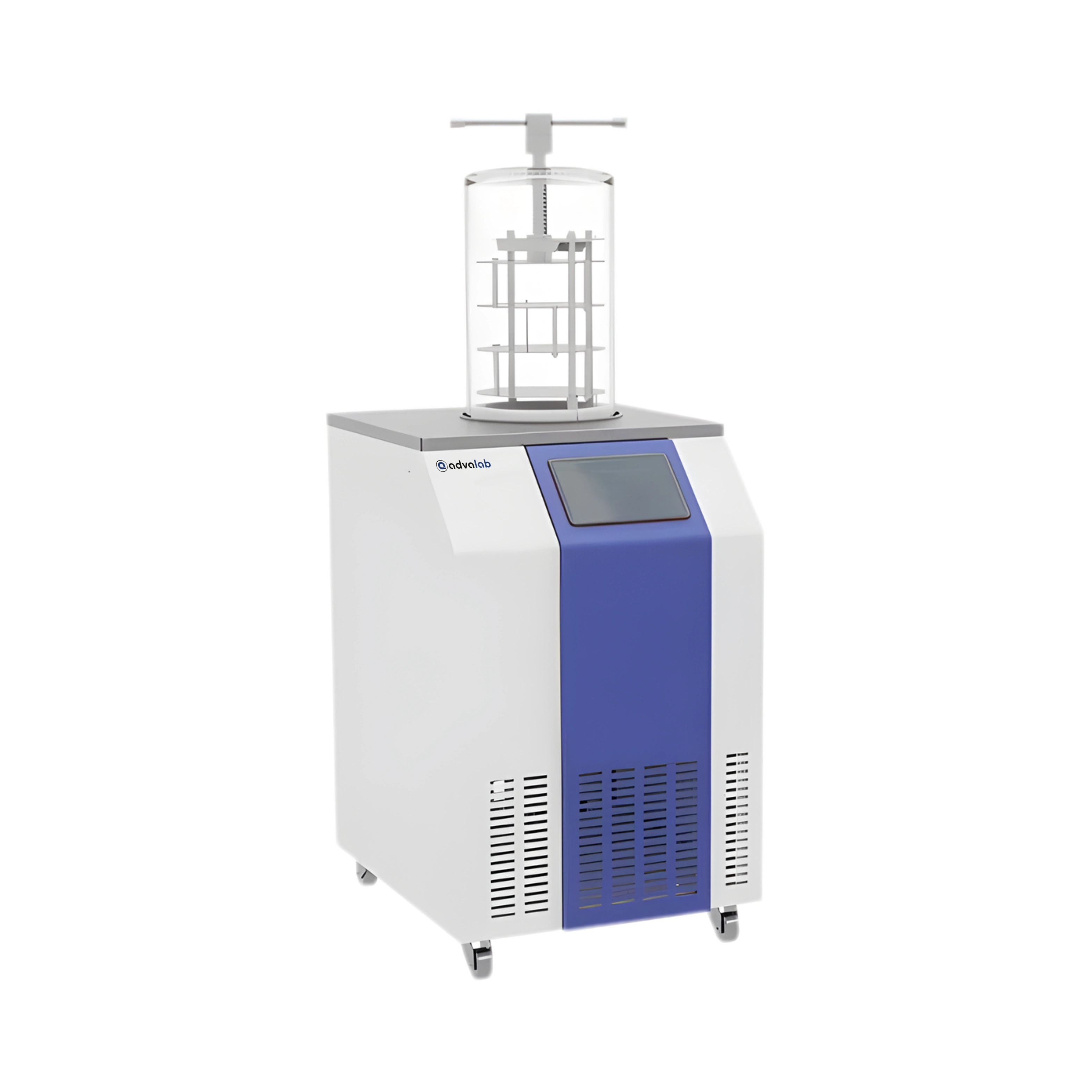
| Cold Trap Temperature: | ≤ -60℃ |
| Freeze Drying Time: | 36 to 48 h |
| Cold Trap Volume: | 9.5 L |

| Cold Trap Temperature: | ≤ -60℃ |
| Freeze Drying Time: | 36 to 48 h |
| Cold Trap Volume: | 28 L |

| Cold Trap Temperature: | -60℃ (below) |
| Freeze Drying Time: | 36 to 48 h |
| Cold Trap Volume: | 9.5 L |
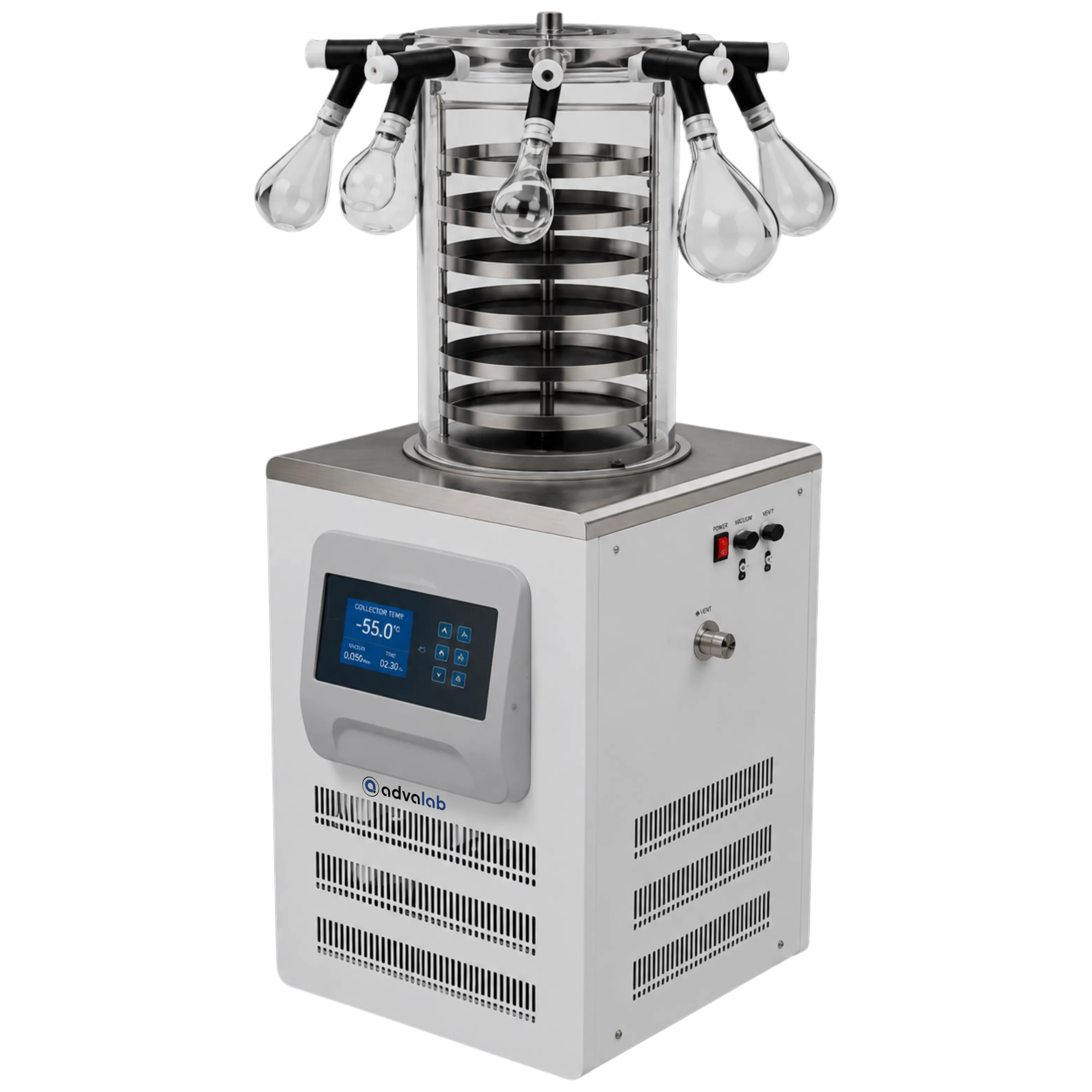
| Temperature Range: | ≤–80℃ |
| Vacuum Level: | < 10 Pa |
| Total Drying Area: | 0.07m² |
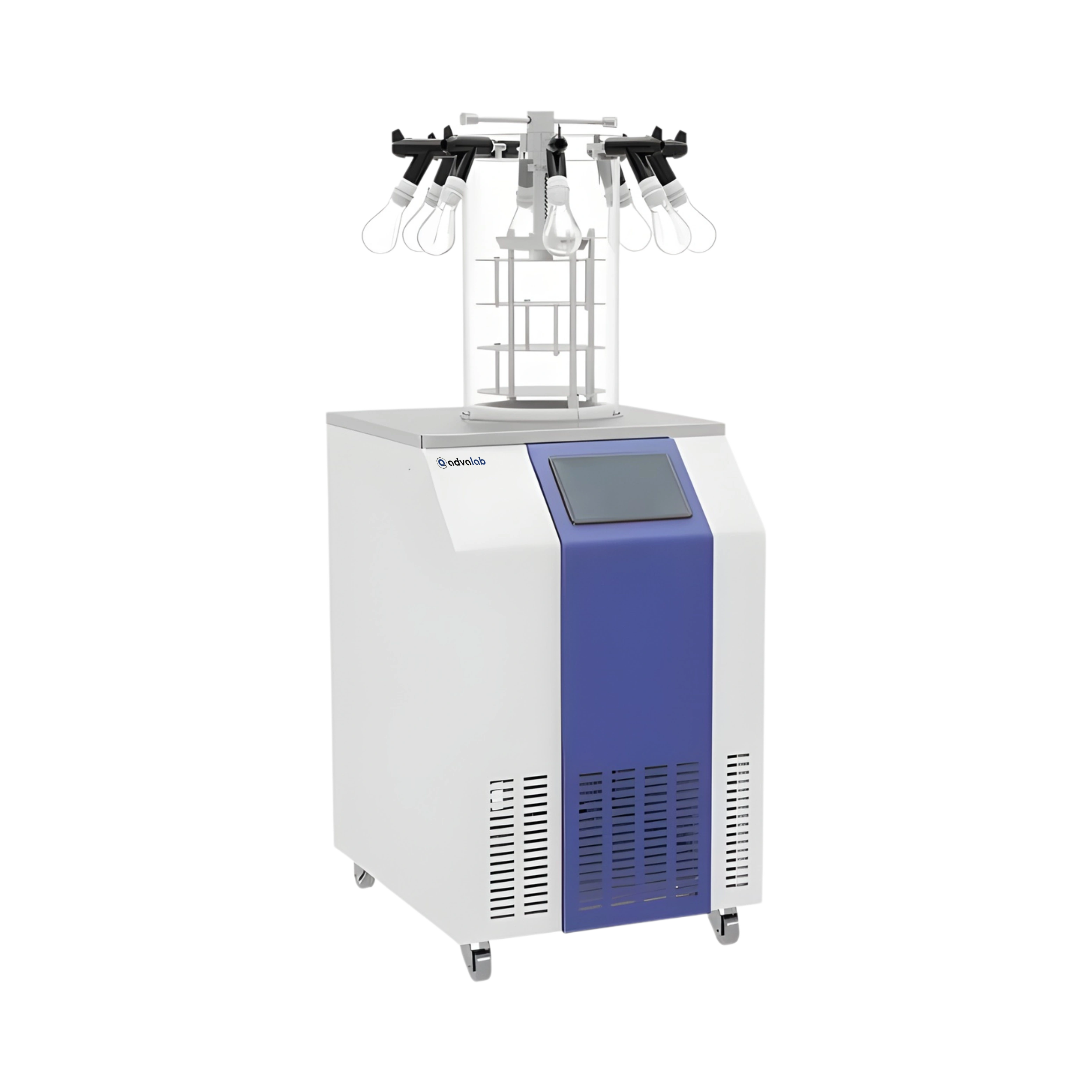
| Cold Trap Temperature: | -60℃ (below) |
| Freeze Drying Time: | 36 to 48 h |
| Cold Trap Volume: | 9.5 L |

| Cold Trap Temperature: | ≤ -60℃ |
| Freeze Drying Time: | 36 to 48 h |
| Cold Trap Volume: | 9.5 L |
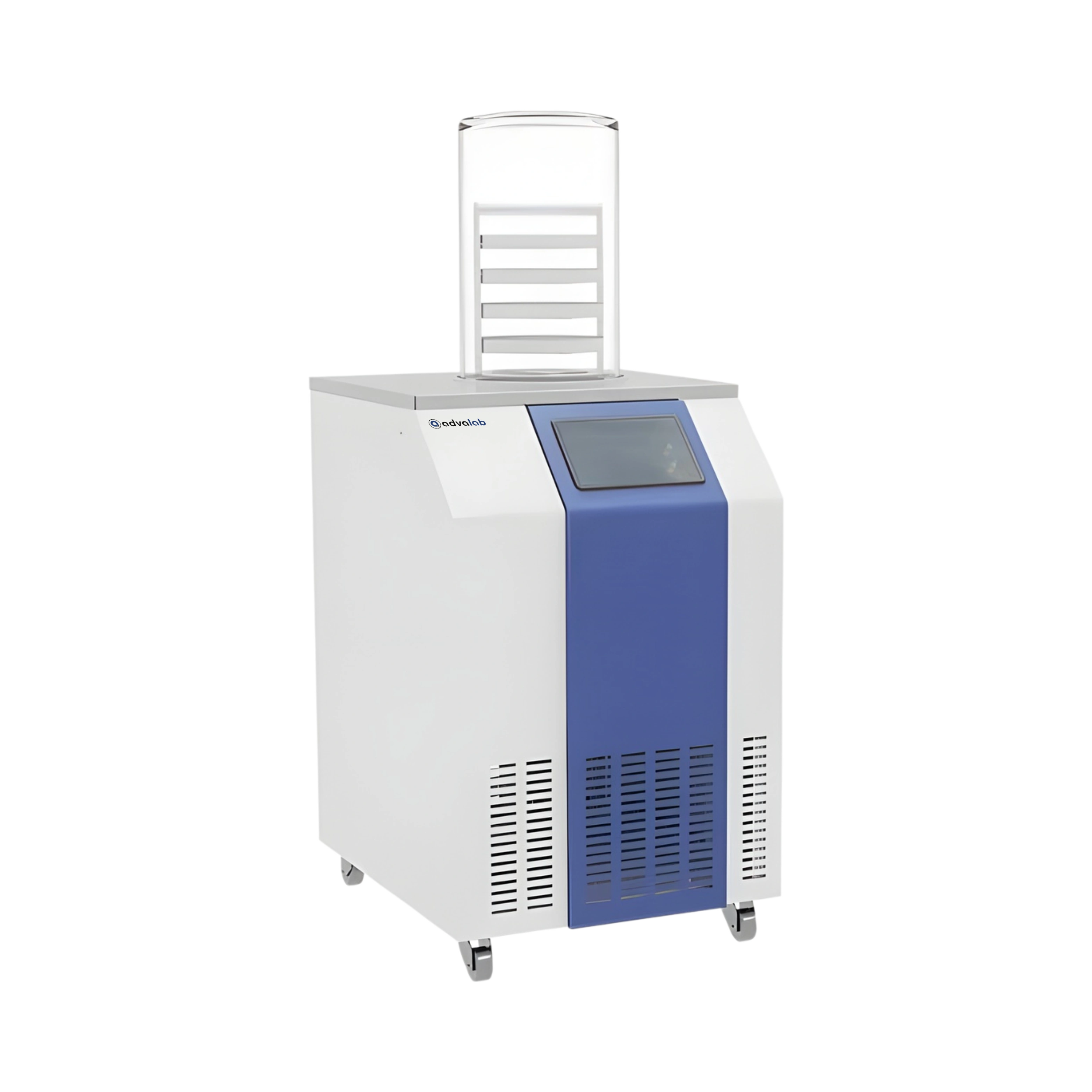
| Cold Trap Temperature: | -60℃ (below) |
| Freeze Drying Time: | 36 to 48 h |
| Cold Trap Volume: | 9.5 L |

| Cold Trap Temperature: | ≤ -60℃ |
| Freeze Drying Time: | 36 to 48 h |
| Cold Trap Volume: | 28 L |
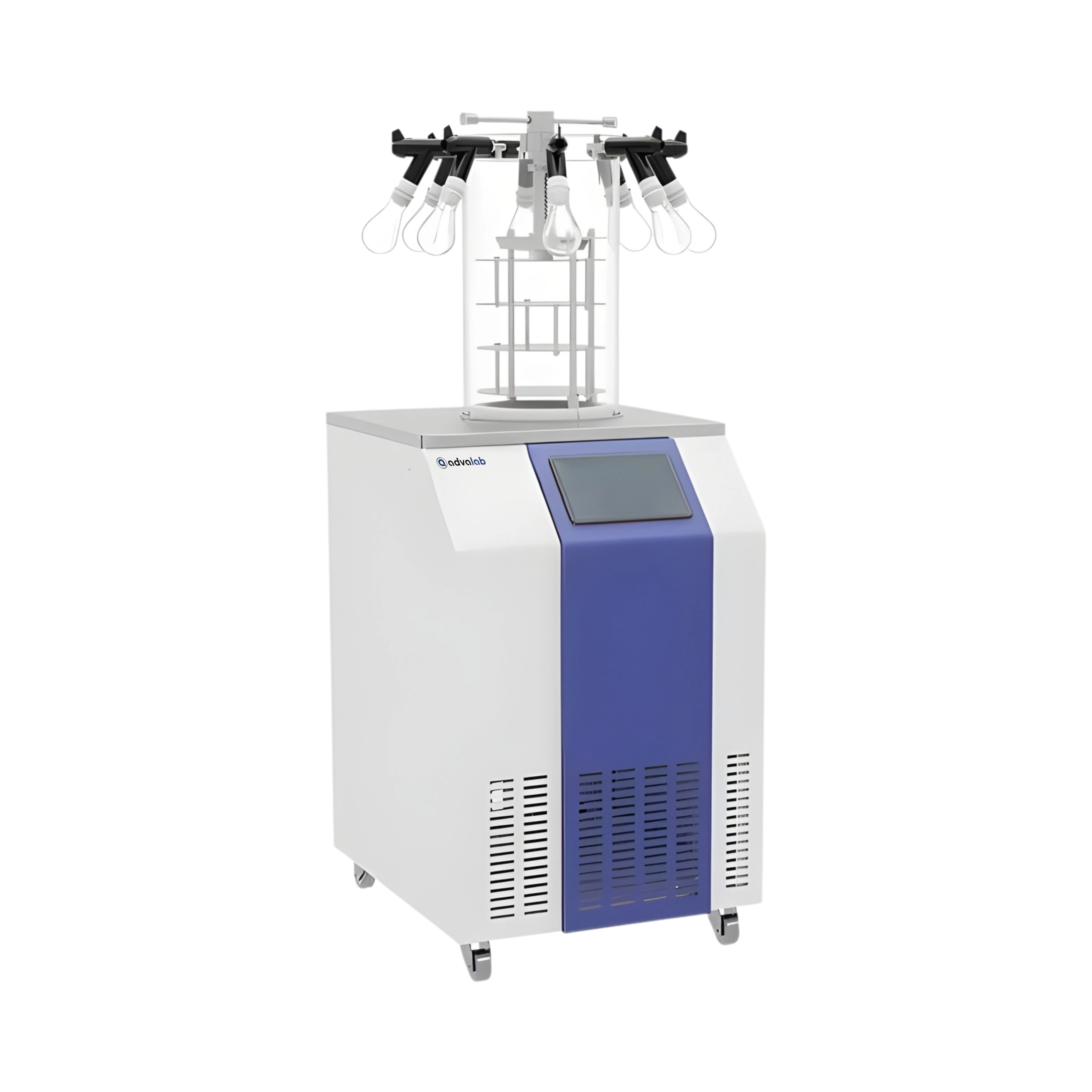
| Cold Trap Temperature: | ≤ -60℃ |
| Freeze Drying Time: | 36 to 48 h |
| Cold Trap Volume: | 28 L |
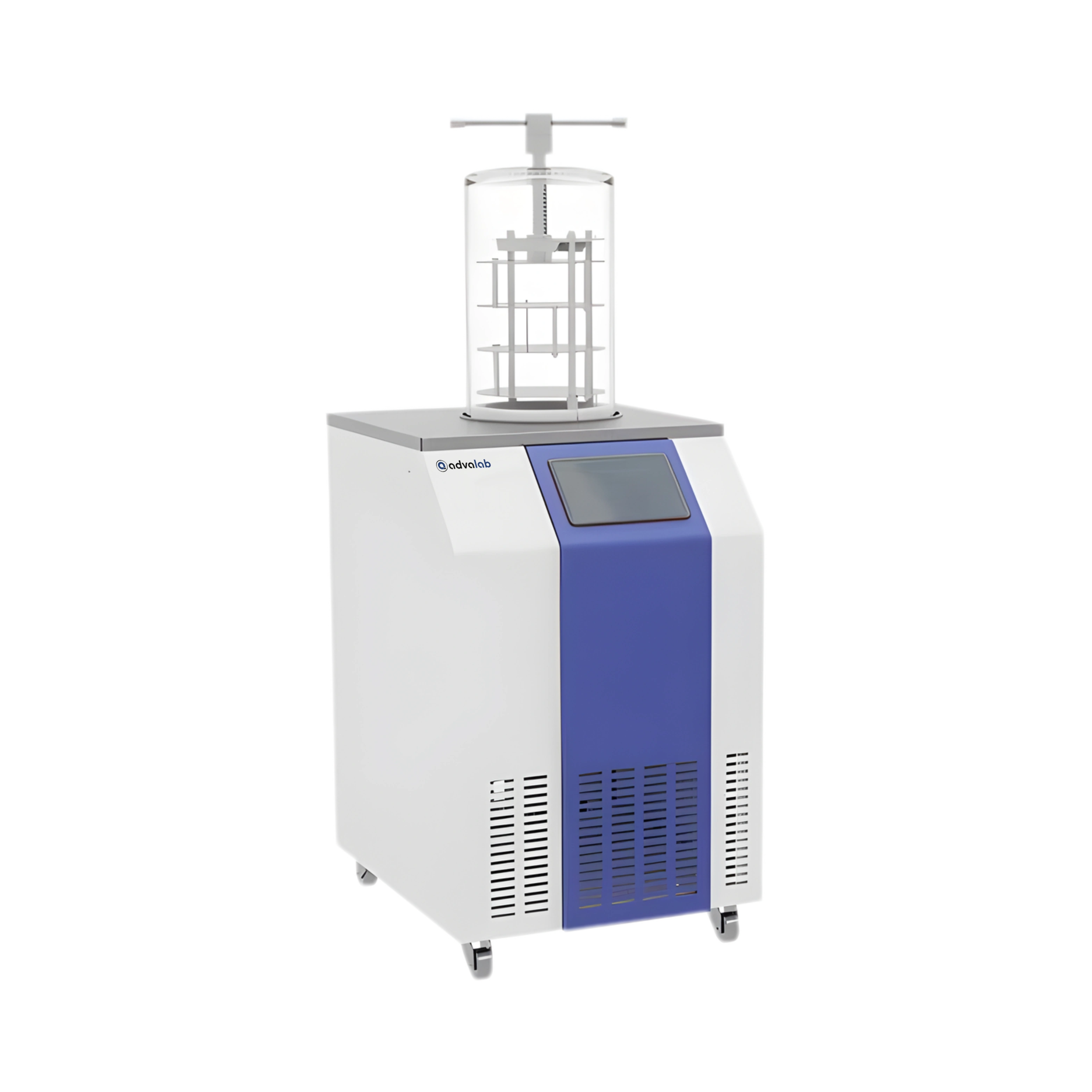
| Cold Trap Temperature: | -60℃ (below) |
| Freeze Drying Time: | 36 to 48 h |
| Cold Trap Volume: | 9.5 L |
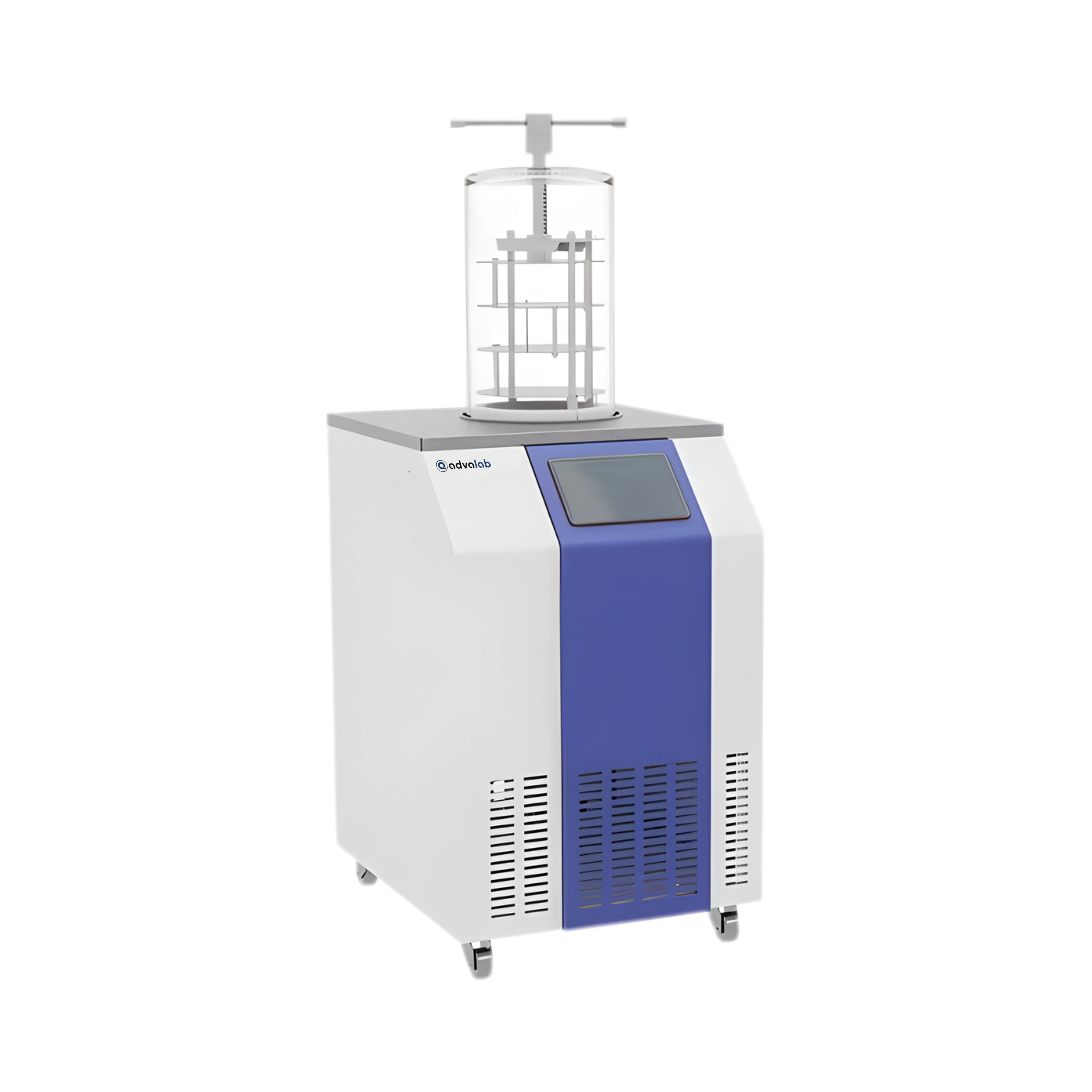
| Cold Trap Temperature: | ≤ -60℃ |
| Freeze Drying Time: | 36 to 48 h |
| Cold Trap Volume: | 28 L |
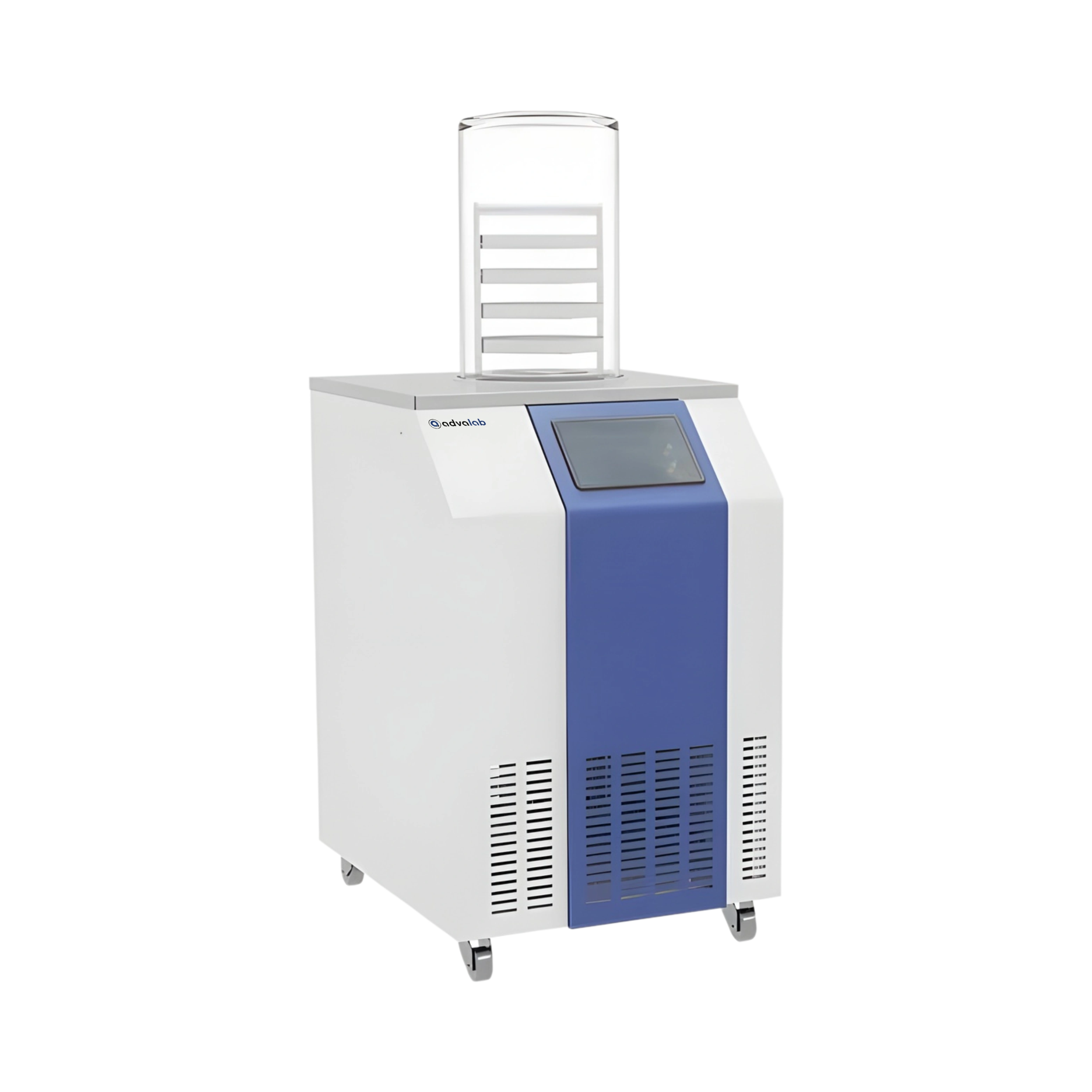
| Cold Trap Temperature: | ≤ -60℃ |
| Freeze Drying Time: | 36 to 48 h |
| Cold Trap Volume: | 9.5 L |
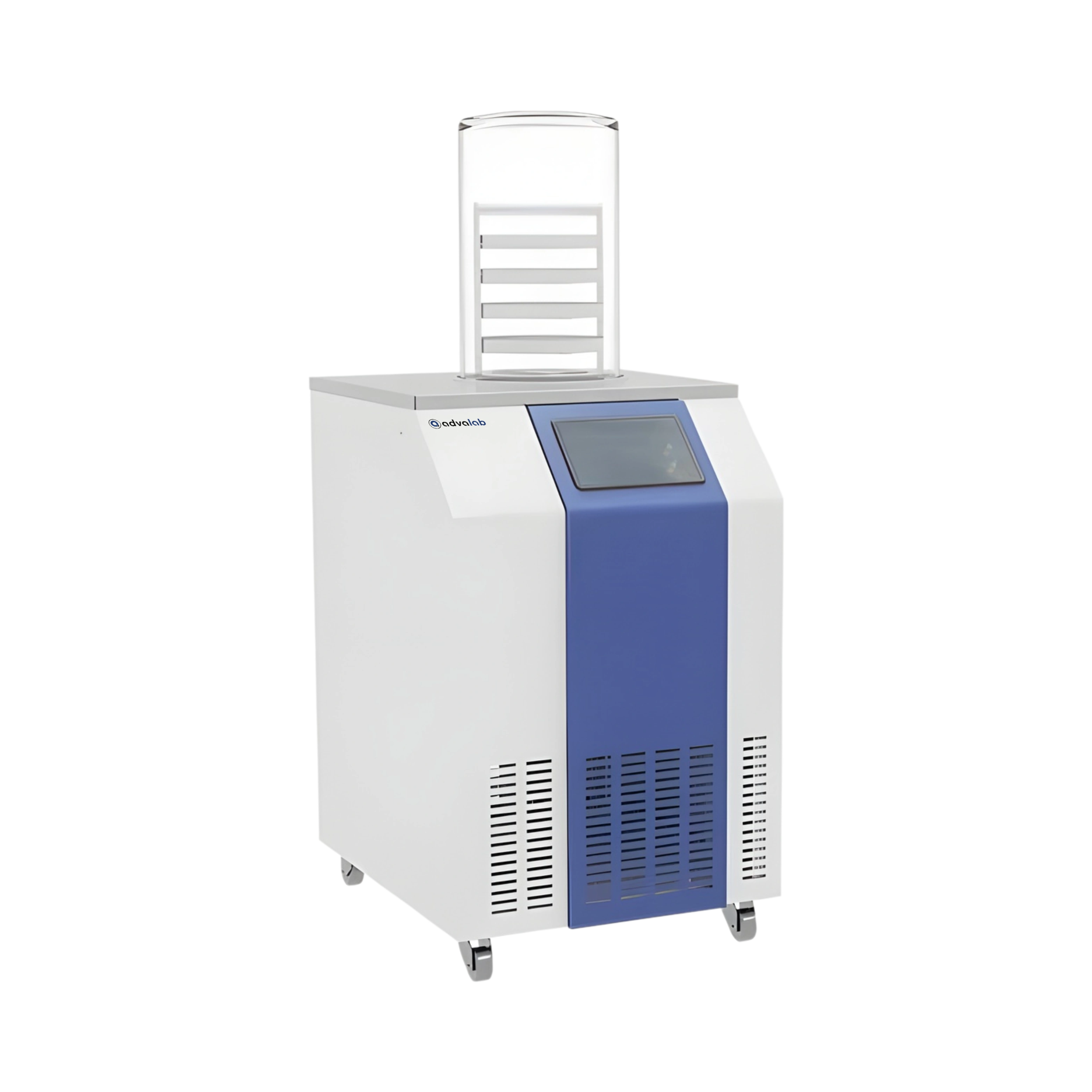
| Cold Trap Temperature: | ≤ -60℃ |
| Freeze Drying Time: | 36 to 48 h |
| Cold Trap Volume: | 28 L |

| Cold Trap Temperature: | ≤ -60℃ |
| Freeze Drying Time: | 36 to 48 h |
| Cold Trap Volume: | 28 L |
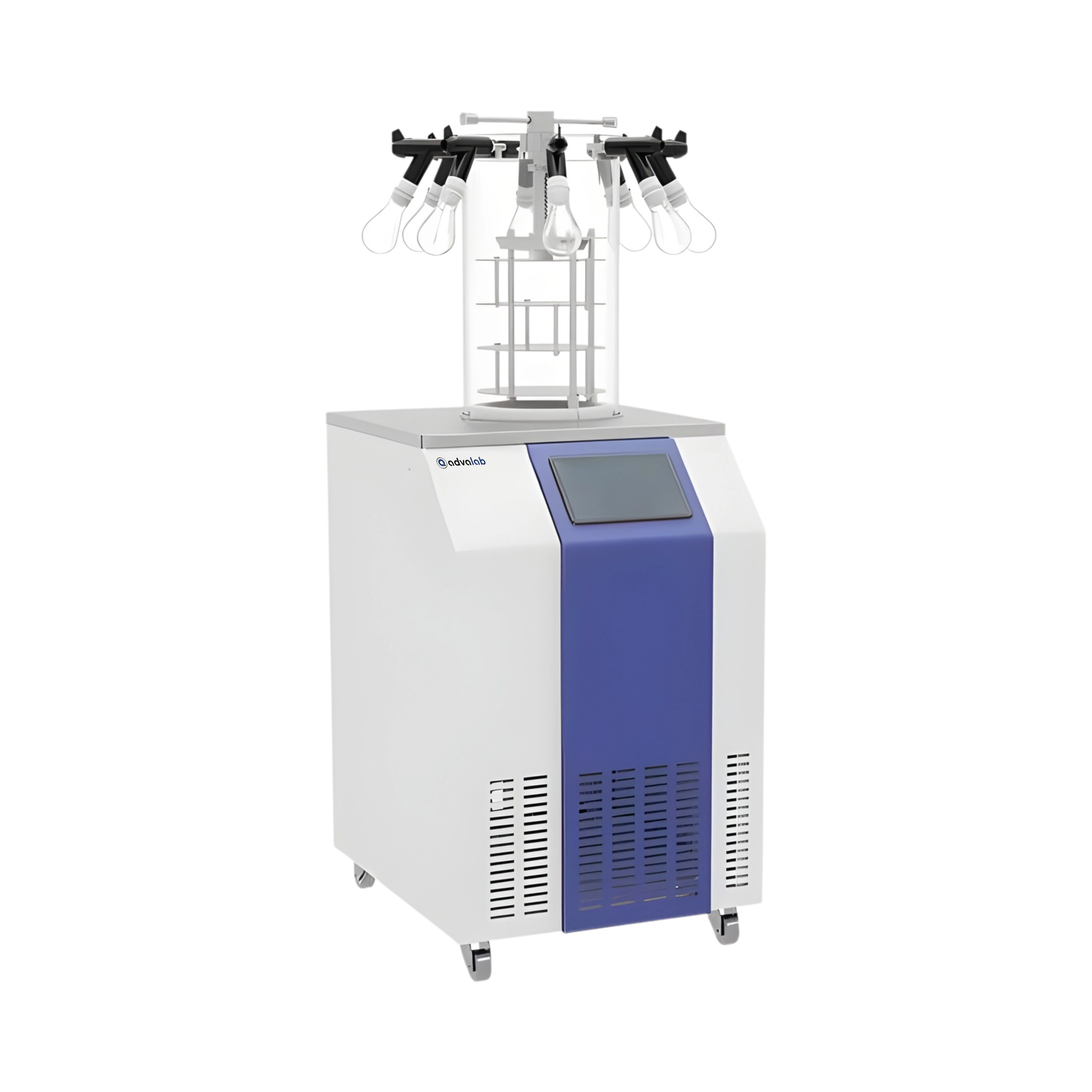
| Cold Trap Temperature: | ≤ -60℃ |
| Freeze Drying Time: | 36 to 48 h |
| Cold Trap Volume: | 28 L |
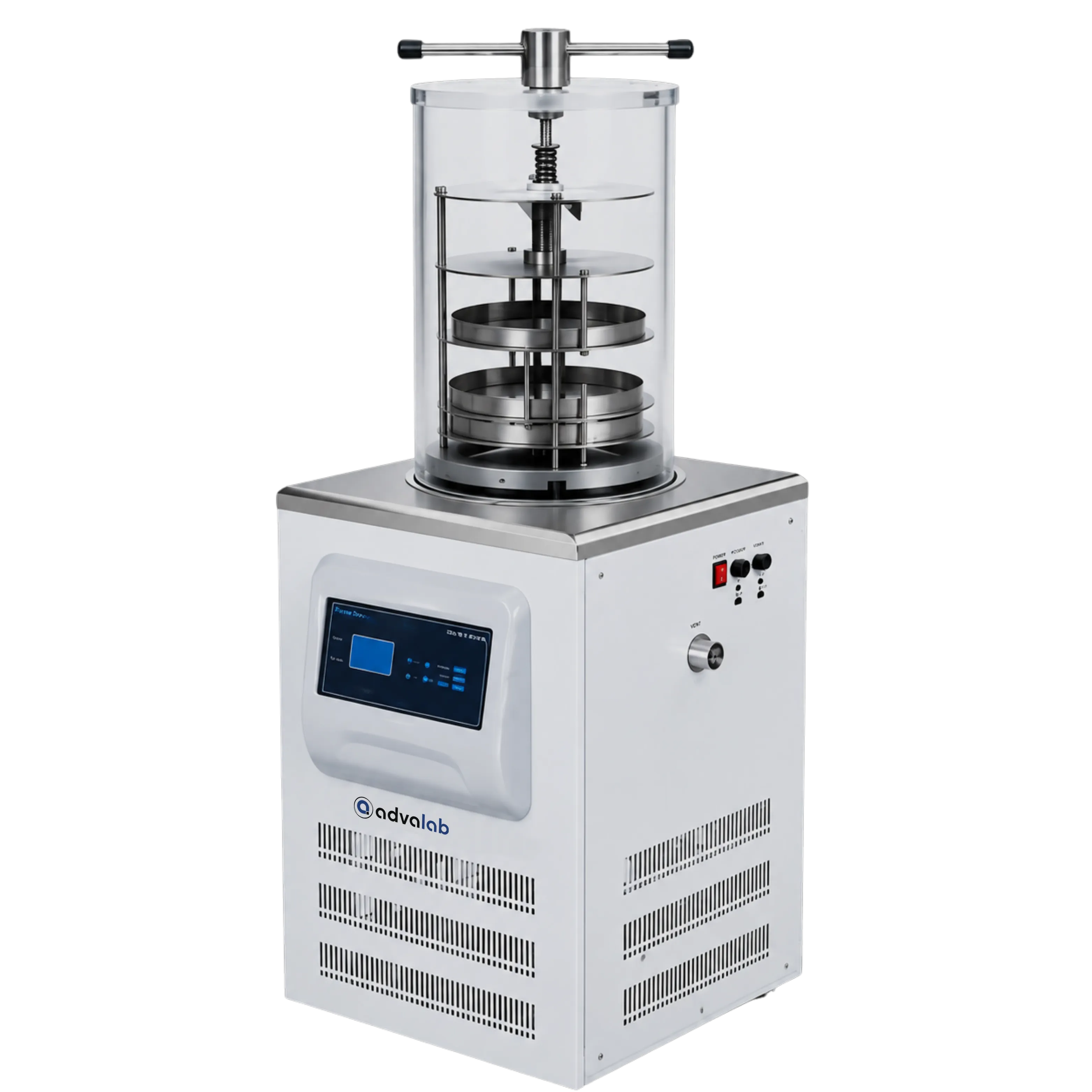
| Temperature Range: | ≤–80℃ |
| Vacuum Level: | < 10 Pa |
| Total Drying Area: | 0.07m² |