
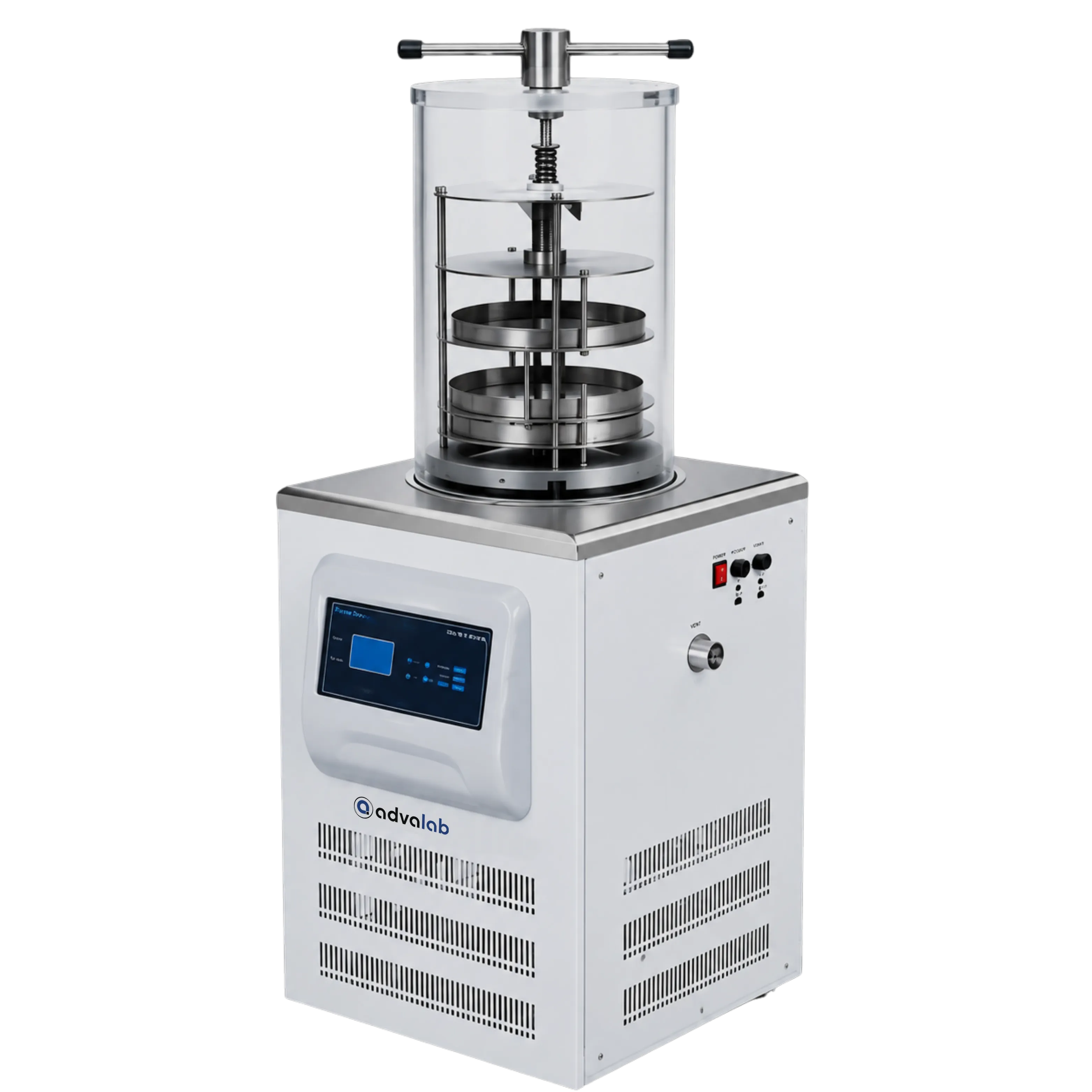
| Temperature Range | ≤–80℃ |
| Vacuum Level | < 10 Pa |
| Total Drying Area | 0.07m² |
| Water-Capture Capacity | 3 kg / 24 h |
| Tray Spacing | 77mm |
| Tray Configuration | 3× Ø180 mm |
| Vial Capacity |
Ø16:258 vials Ø22:132 vials |
| Power Consumption | 1600 W |
| Dimensions (W × D × H) | 600 × 600 × 900 mm + 70 mm |
Our Floor Type Freeze Dryer ADFFD-518 delivers ultra-low temperature lyophilization, making it ideal for sample freeze-drying and small-scale production in laboratory environments.


1. What maintenance steps are essential for keeping the Floor Type Freeze Dryer in top condition?
To ensure the Floor Type Freeze Dryer performs efficiently over time, a few routine practices are crucial. The cold trap should be cleaned regularly to remove any accumulated ice, as buildup can hinder proper moisture capture and risk sample contamination. The vacuum pump oil must be checked and changed based on usage frequency to preserve vacuum integrity. Periodic inspection of seals and gaskets is necessary to detect wear or cracks that might lead to vacuum leaks.
2. How does the Floor Type Freeze Dryer maintain the structure and purity of sensitive samples?
Preserving the delicate composition of biological or chemical samples requires a process that avoids thermal damage and that's where the Floor Type Freeze Dryer excels. It employs a sublimation-based drying method, which removes moisture from frozen samples under low-pressure conditions. Because the material bypasses the liquid phase, there's no heat-induced stress on temperature-sensitive components like proteins, enzymes, or active pharmaceutical ingredients. As a result, the molecular structure and functionality of the sample remain intact, ensuring high fidelity in research applications.
3. What types of sample containers are compatible with the Floor Type Freeze Dryer?
Versatility is a key strength of the Floor Type Freeze Dryer, and its flexible configuration supports a wide array of sample container formats. It is equipped to handle vials, ampoules, flasks, and bulk trays enabling users to process both small and large volumes. The unit's adjustable shelves can be easily customized depending on the project’s container type and size. Whether you're working with aqueous solutions, plant extracts, or biological suspensions, the system ensures uniform freezing and consistent drying outcomes.
4. Which integrated safety mechanisms in the Floor Type Freeze Dryer help safeguard both users and samples during operation?
User and product safety is a priority in the Floor Type Freeze Dryer. It includes intelligent protection systems such as over-temperature detection and vacuum pressure monitoring. In the event of abnormal conditions, the system initiates automatic shutdown protocols to prevent damage. Password-protected control panels restrict unauthorized access, ensuring that only trained personnel can make critical adjustments.
5. Why is the Floor Type Freeze Dryer well-suited for pilot projects and small-batch processing?
For labs transitioning from research to scaled production, the Floor Type Freeze Dryer is the ideal intermediary tool. Though compact, it delivers powerful and precise freeze-drying capabilities typically found in larger systems. Operators can fine-tune shelf temperatures, hold vacuum levels steady, and simulate production-grade conditions allowing seamless scale-up later. This makes it perfect for pilot trials, formulation optimization, and pre-production testing, all while saving space and reducing resource consumption.
6. What are the key features of a Floor Type Freeze Dryer?
Floor Type Freeze Dryers are equipped with several key features for efficient, high-quality drying. These include large chamber capacities, which allow for processing larger sample volumes, and programmable controls. Real-time monitoring tracks key parameters like temperature and vacuum pressure, ensuring optimal drying conditions. Low-noise operation makes them suitable for continuous use in laboratory settings.
7. How does a Floor Type Freeze Dryer work?
The Floor Type Freeze Dryer works through a three-stage process. First, the sample is frozen to ultra-low temperatures, turning the water content into ice. Next, during the primary drying phase, a vacuum is applied to sublimate the ice directly into vapor, bypassing the liquid phase. In the secondary drying phase, residual moisture is removed by gradually increasing the temperature. This ensures that the sample reaches its final dry state while preserving its integrity.
8. What is a Floor Type Freeze Dryer used for?
A Floor Type Freeze Dryer is used for efficiently Freeze-Drying large volumes of sensitive materials in industries like pharmaceuticals, biotechnology, food processing, and chemicals. They preserve vaccines, enzymes, plant extracts, and other moisture-sensitive materials by removing moisture through sublimation. This process maintains the integrity, potency, and stability of the sample without altering its structure or bioactivity, making it ideal for long-term storage.

| Cold Trap Temperature | ≤ -60℃ |
| Freeze Drying Time | 36 to 48 h |
| Cold Trap Volume | 28 L |

| Cold Trap Temperature | -60℃ (below) |
| Freeze Drying Time | 36 to 48 h |
| Cold Trap Volume | 9.5 L |
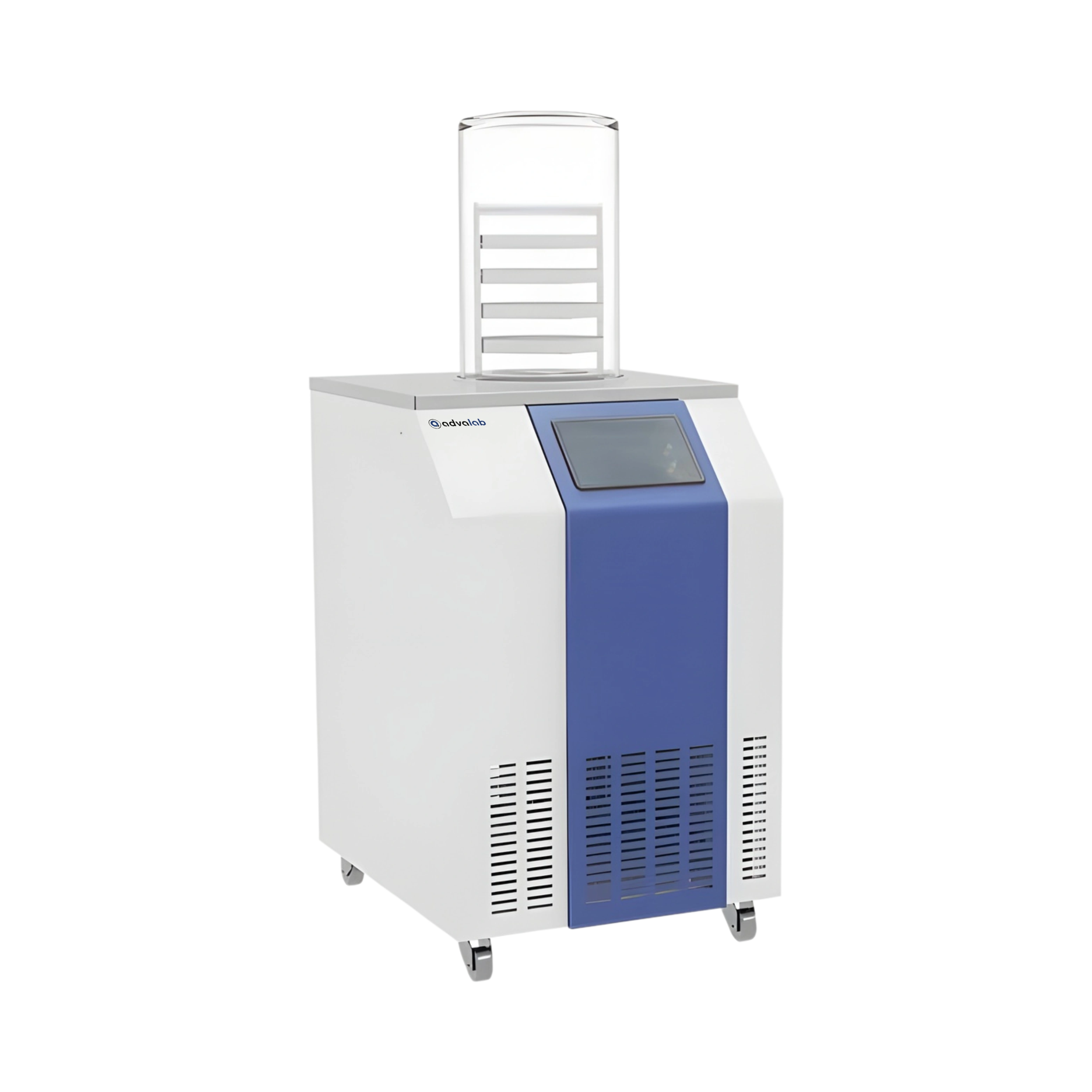
| Cold Trap Temperature | ≤ -60℃ |
| Freeze Drying Time | 36 to 48 h |
| Cold Trap Volume | 9.5 L |
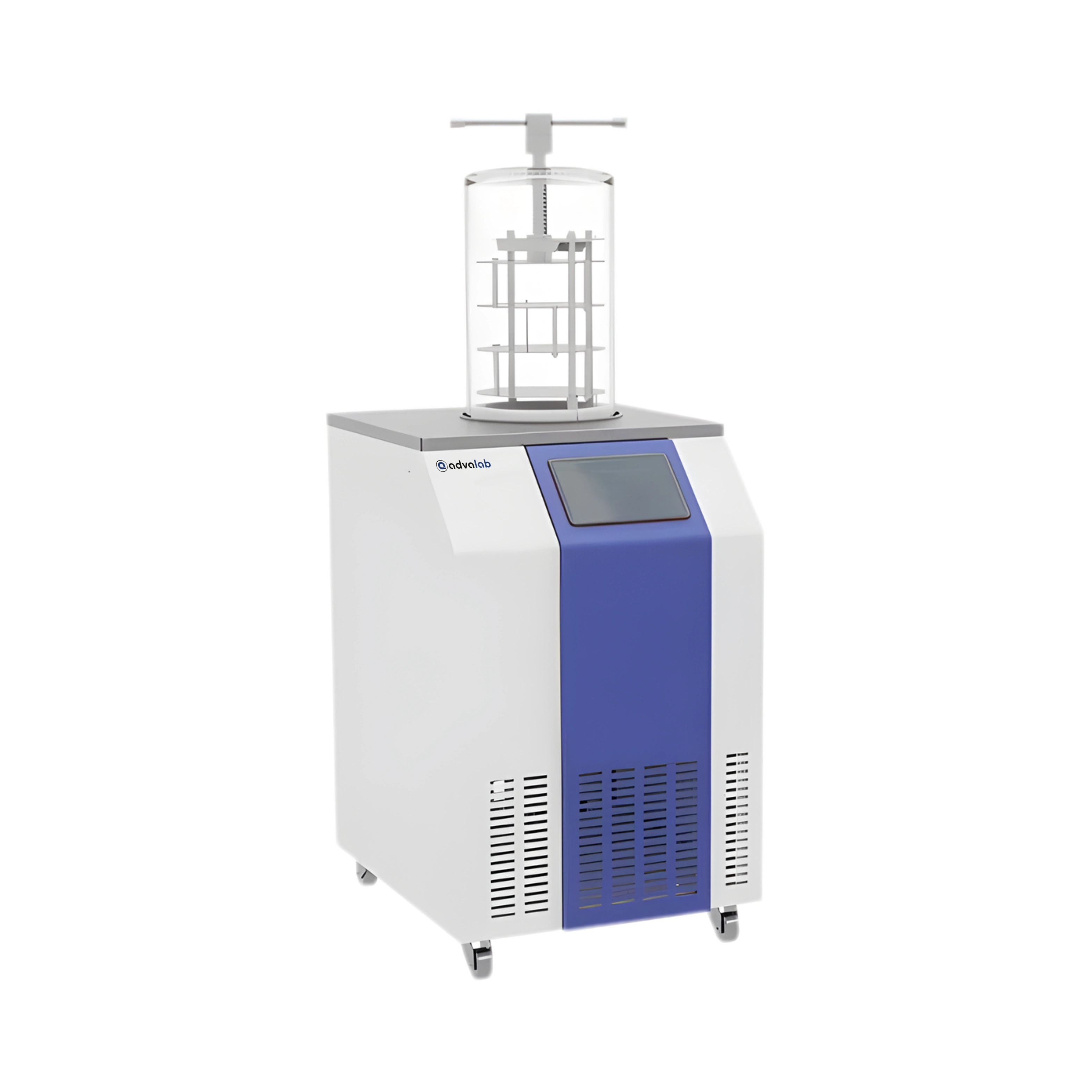
| Cold Trap Temperature | ≤ -60℃ |
| Freeze Drying Time | 36 to 48 h |
| Cold Trap Volume | 9.5 L |
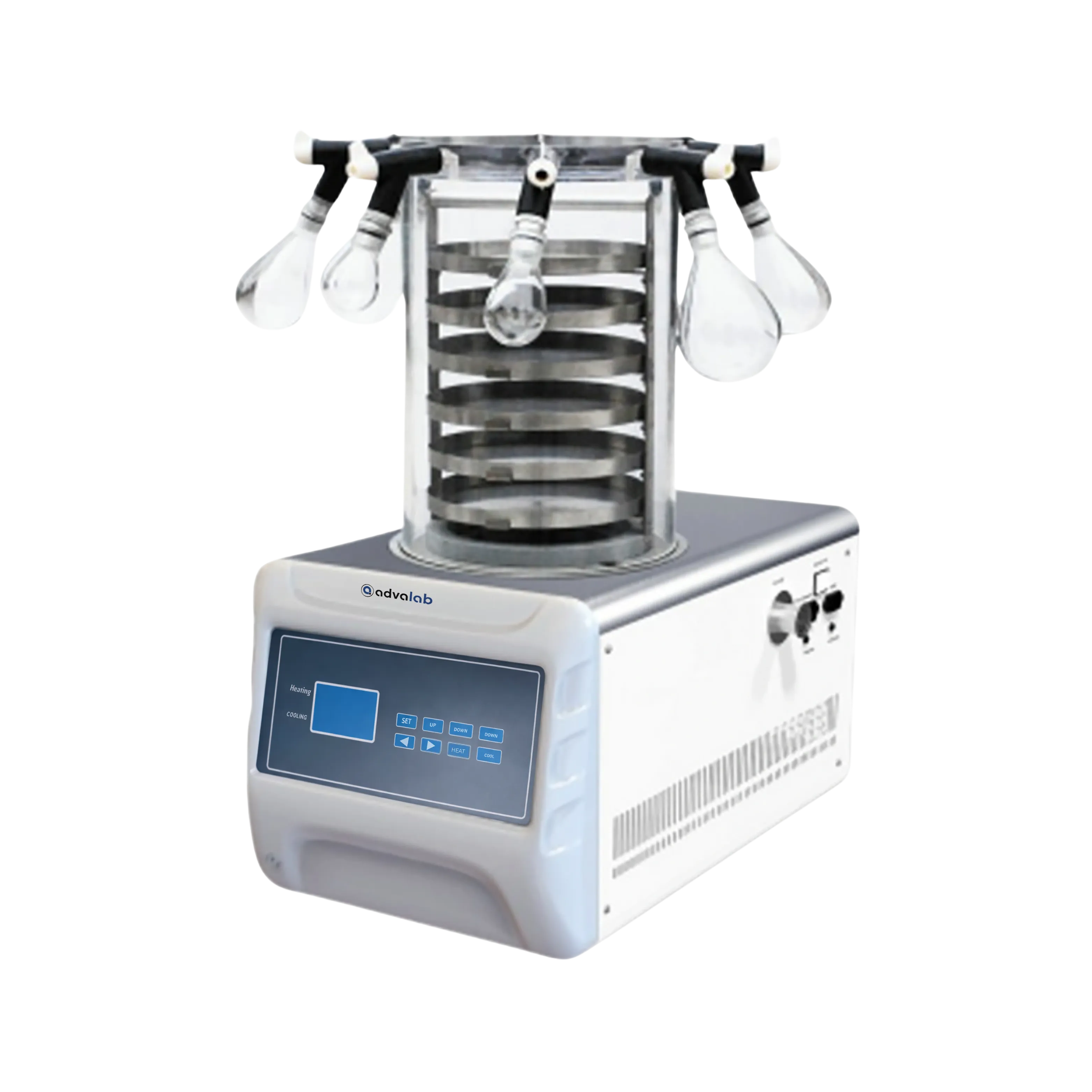
| Temperature Range: | ≤-50℃ |
| Vacuum Level <10 Pa: | <10 Pa |
| Freeze-Dry Area : | 0.07 m² |
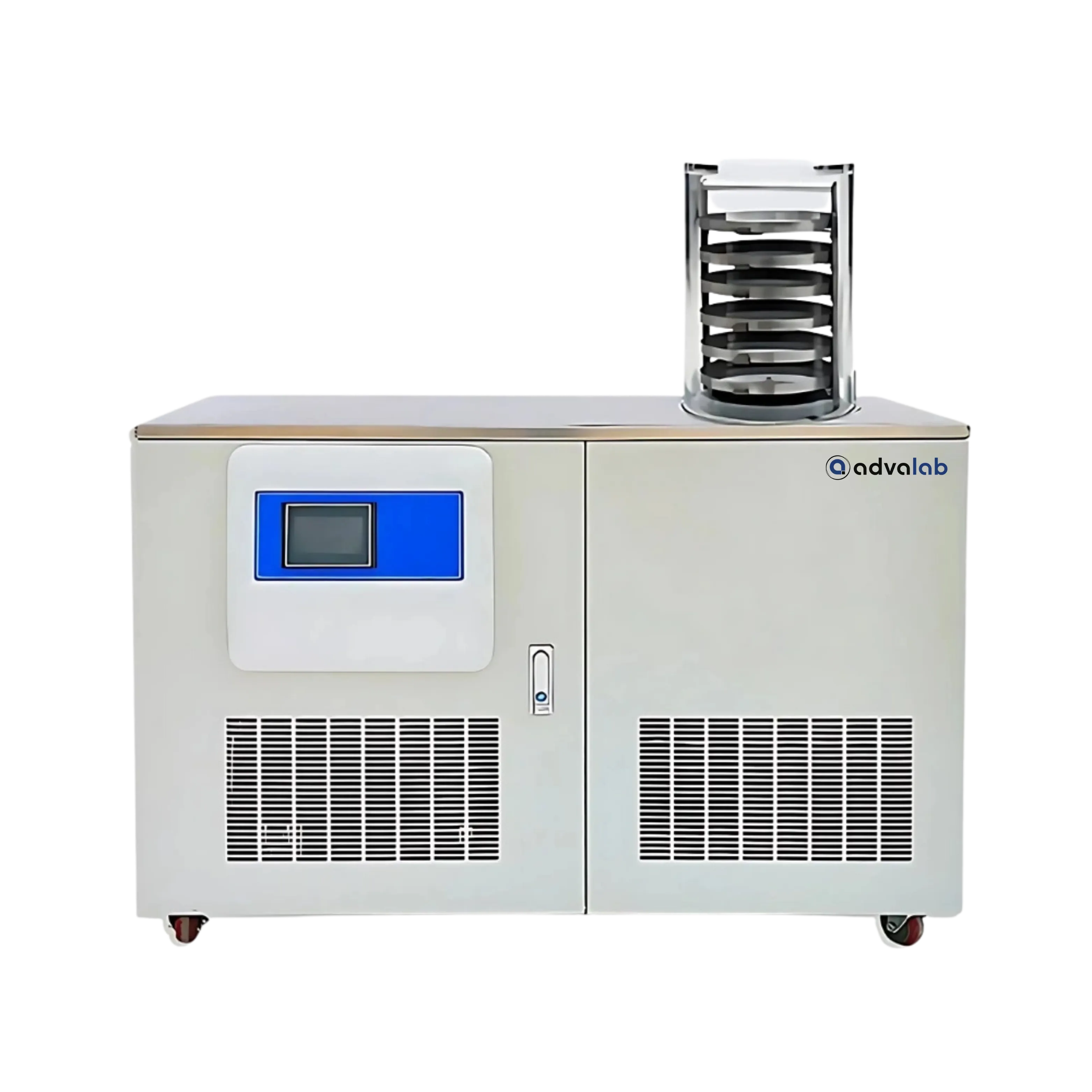
| Temperature Range: | ≤–80℃ |
| Vacuum Level: | < 10 Pa |
| Total Drying Area: | 0.27m² |
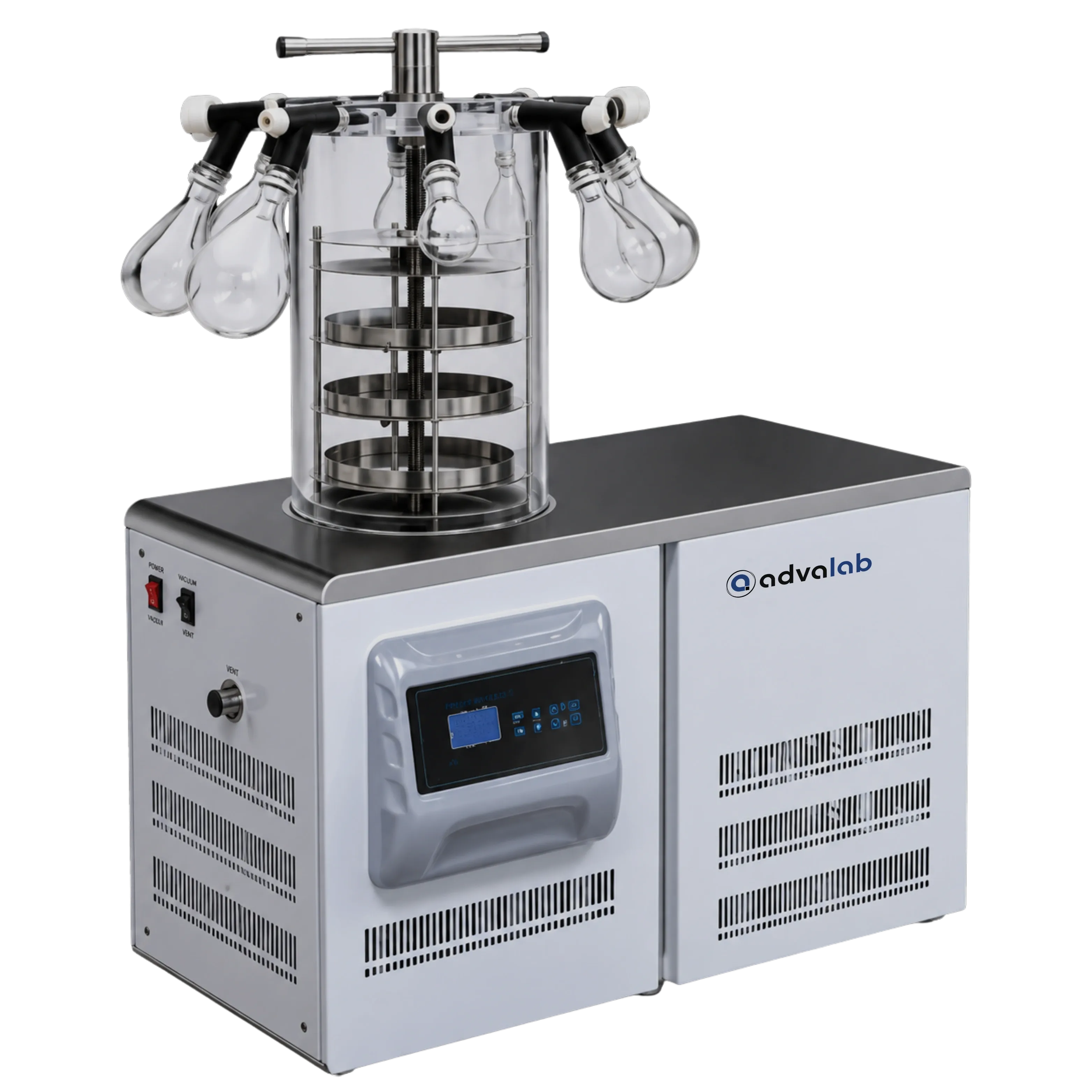
| Temperature Range: | ≤–80℃ |
| Vacuum Level: | < 10 Pa |
| Total Drying Area: | 0.11m² |
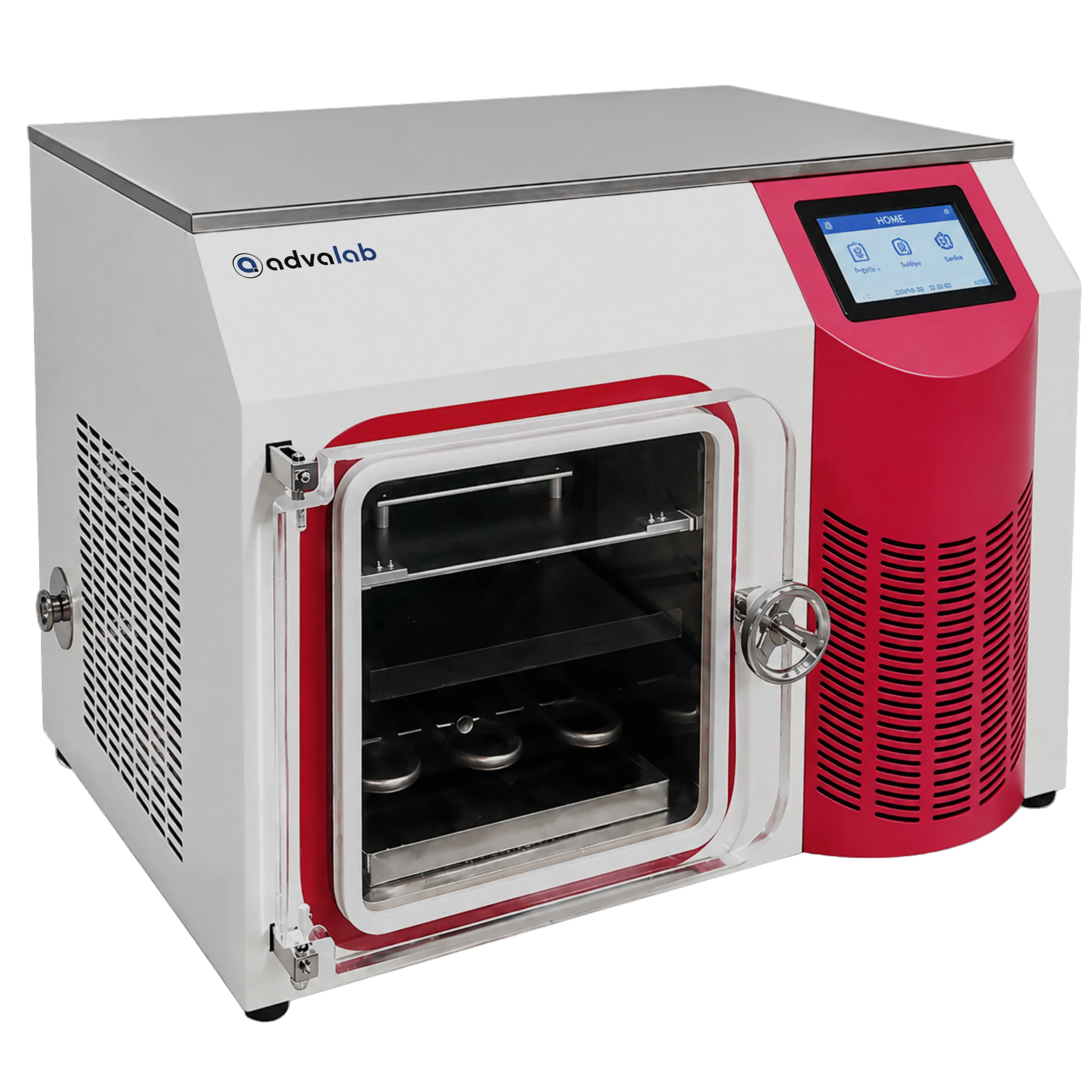
| Condenser Temperature: | -88 °C |
| Shelf Temperature Range: | -60 °C to +70 °C |
| Temperature Uniformity: | ±1 °C |
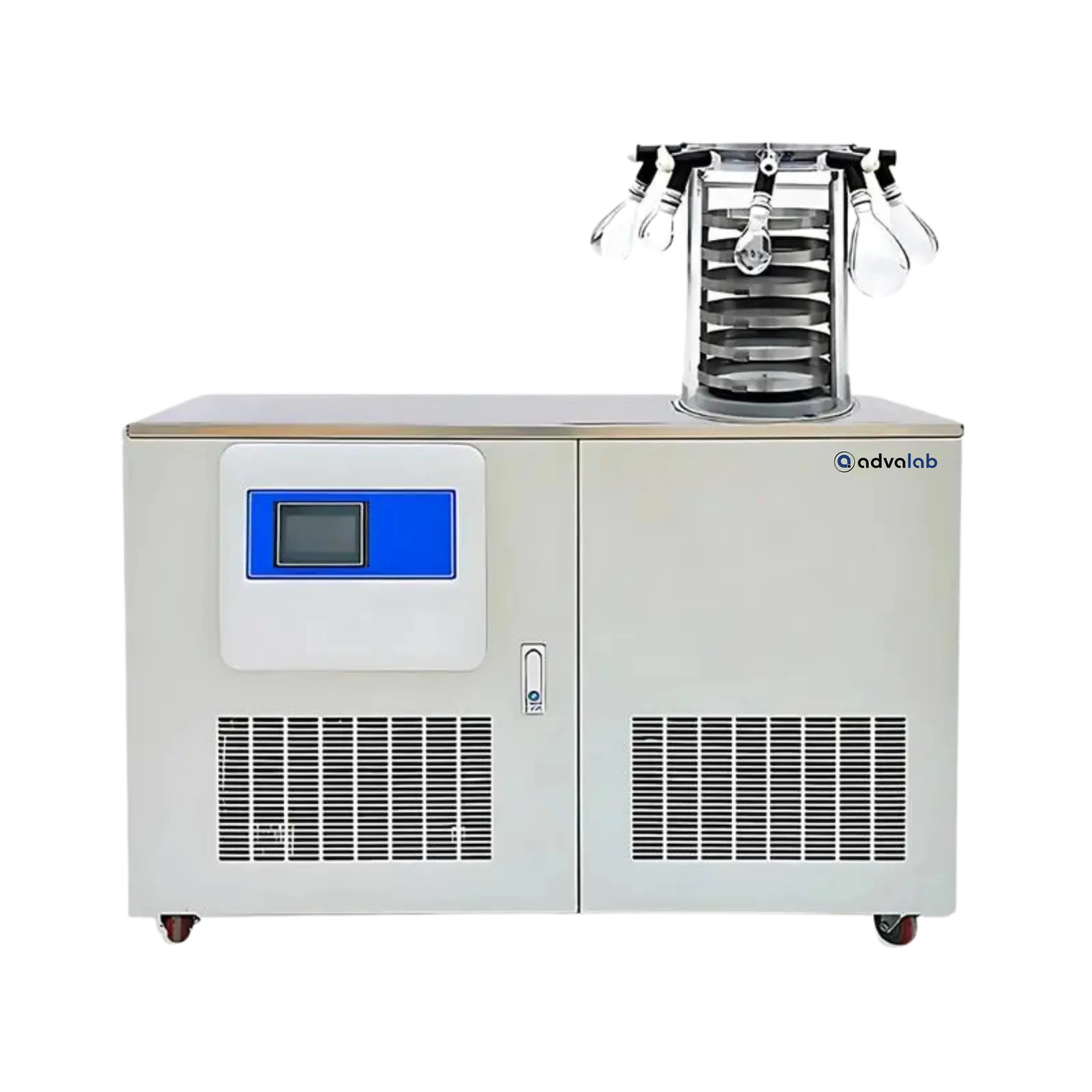
| Temperature Range: | ≤–80℃ |
| Vacuum Level: | < 10 Pa |
| Total Drying Area: | 0.27m² |

| Temperature Range: | ≤-50℃ |
| Vacuum Level: | <10 Pa |
| Freeze-Dry Area: | 0.12 m² |
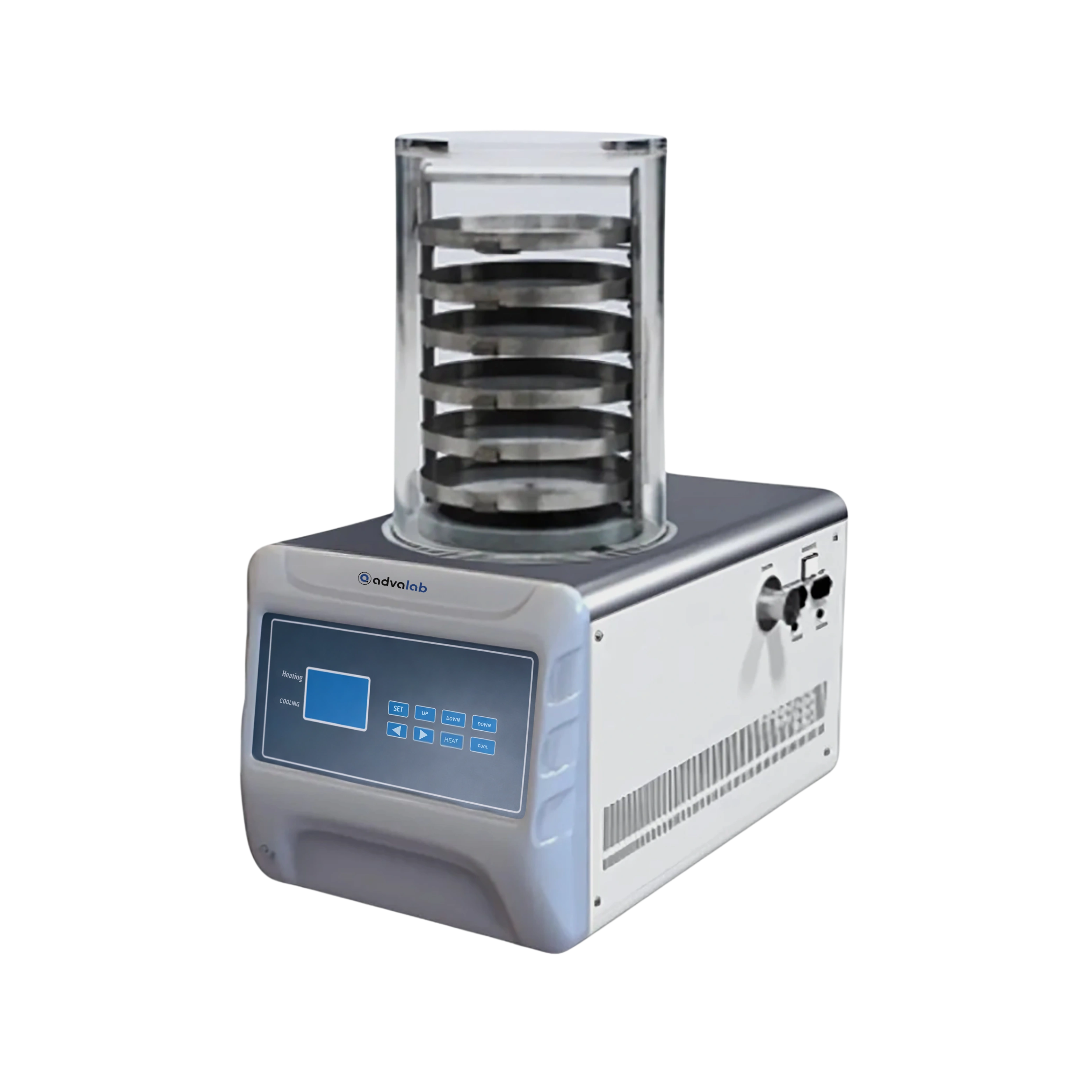
| Temperature Range: | ≤-50℃ |
| Vacuum Level: | <10 Pa |
| Freeze-Dry Area: | 0.12 m² |
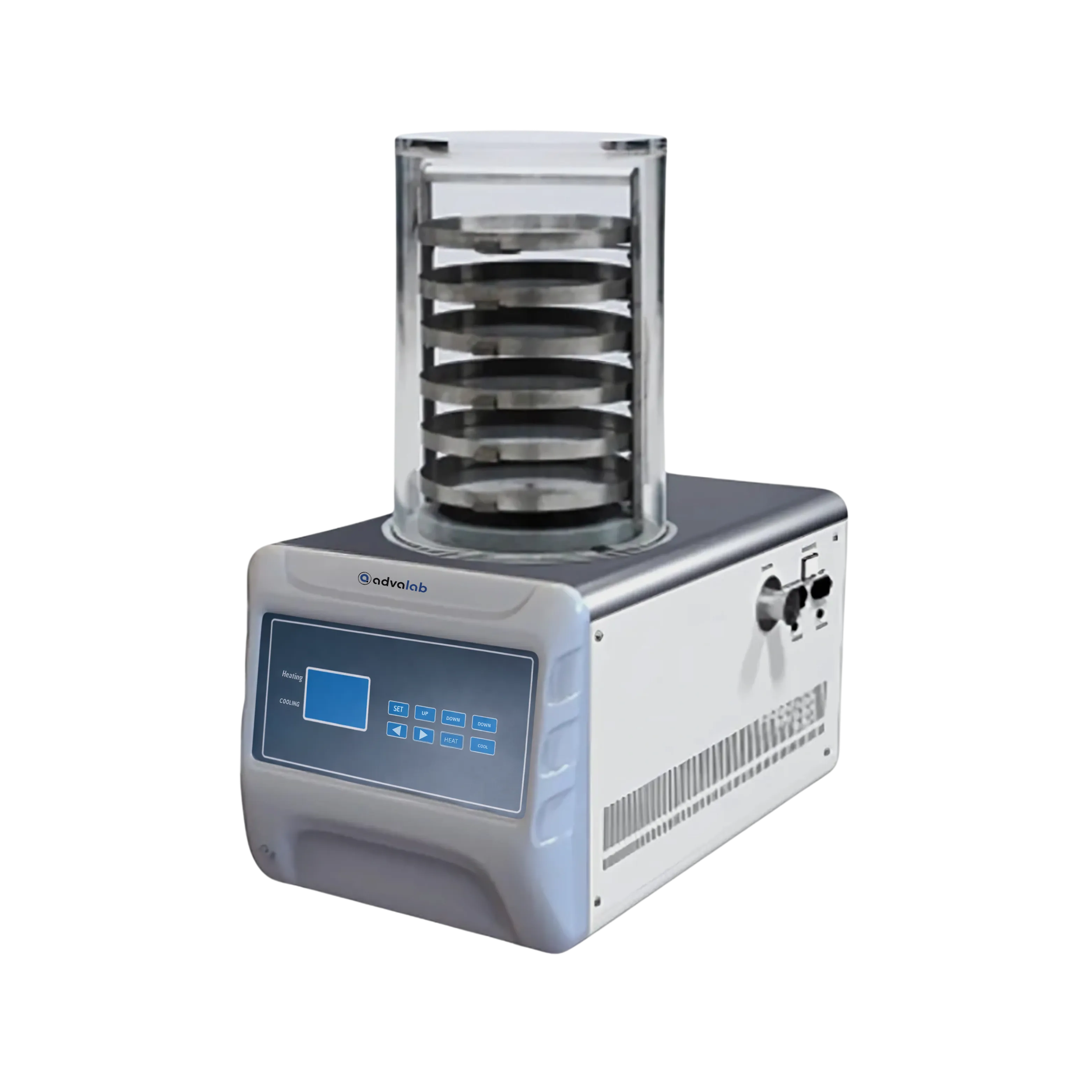
| Temperature Range: | ≤-50℃ |
| Vacuum Level: | <10 Pa |
| Freeze-Dry Area: | 0.07 m² |
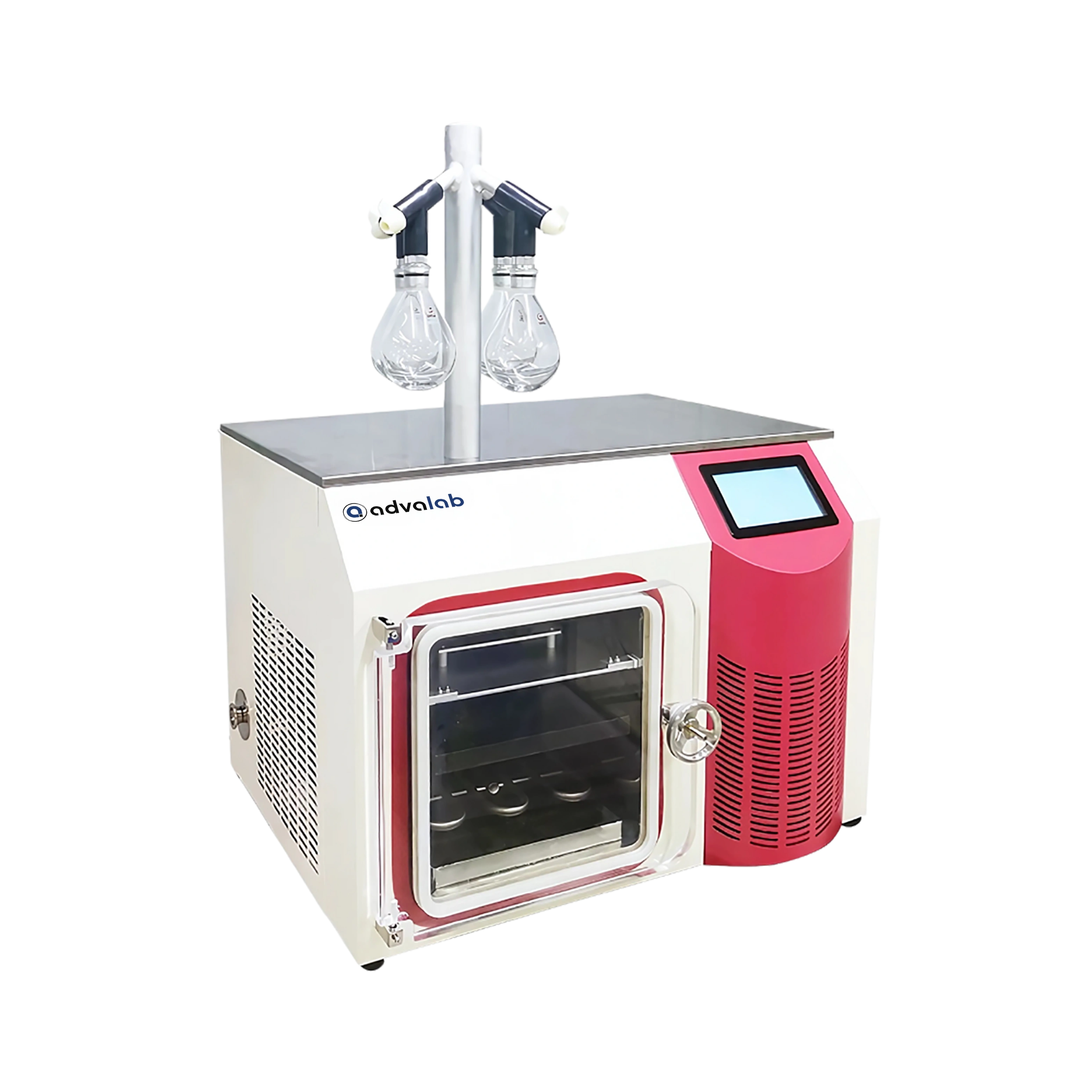
| Condenser Temperature: | -88 °C |
| Shelf Temperature Range: | -60 °C to +70 °C |
| Temperature Uniformity: | ±1 °C |
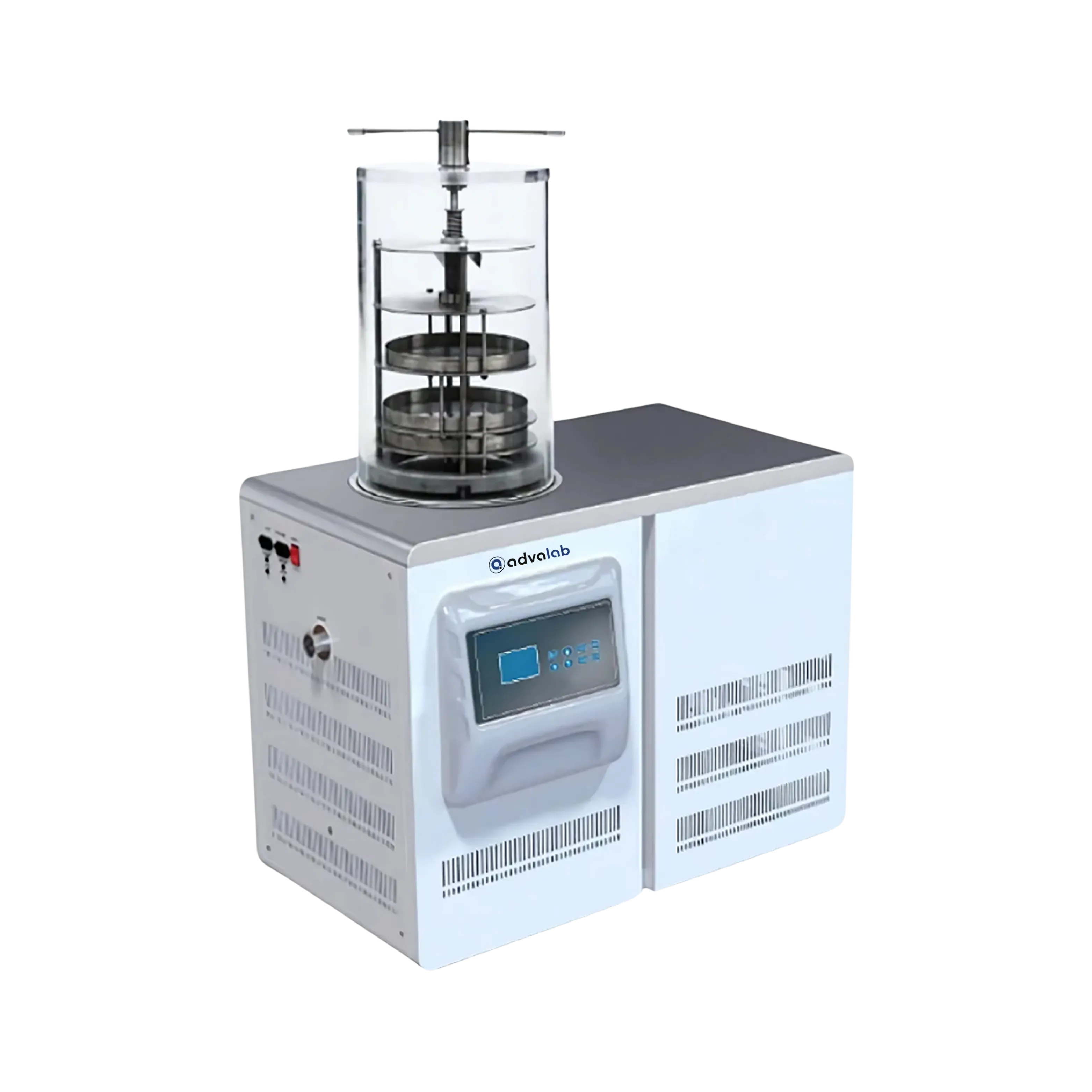
| Temperature Range: | ≤–80℃ |
| Vacuum Level: | < 10 Pa |
| Total Drying Area: | 0.11m² |

| Condenser Temperature: | -88 °C |
| Shelf Temperature Range: | -60 °C to +70 °C |
| Temperature Uniformity: | ±1 °C |

| Type: | Standard chamber with 8 port manifolds |
| Freeze Dry Area: | 0.12m² |
| Water Capture Capacity: | 4kg/24h |
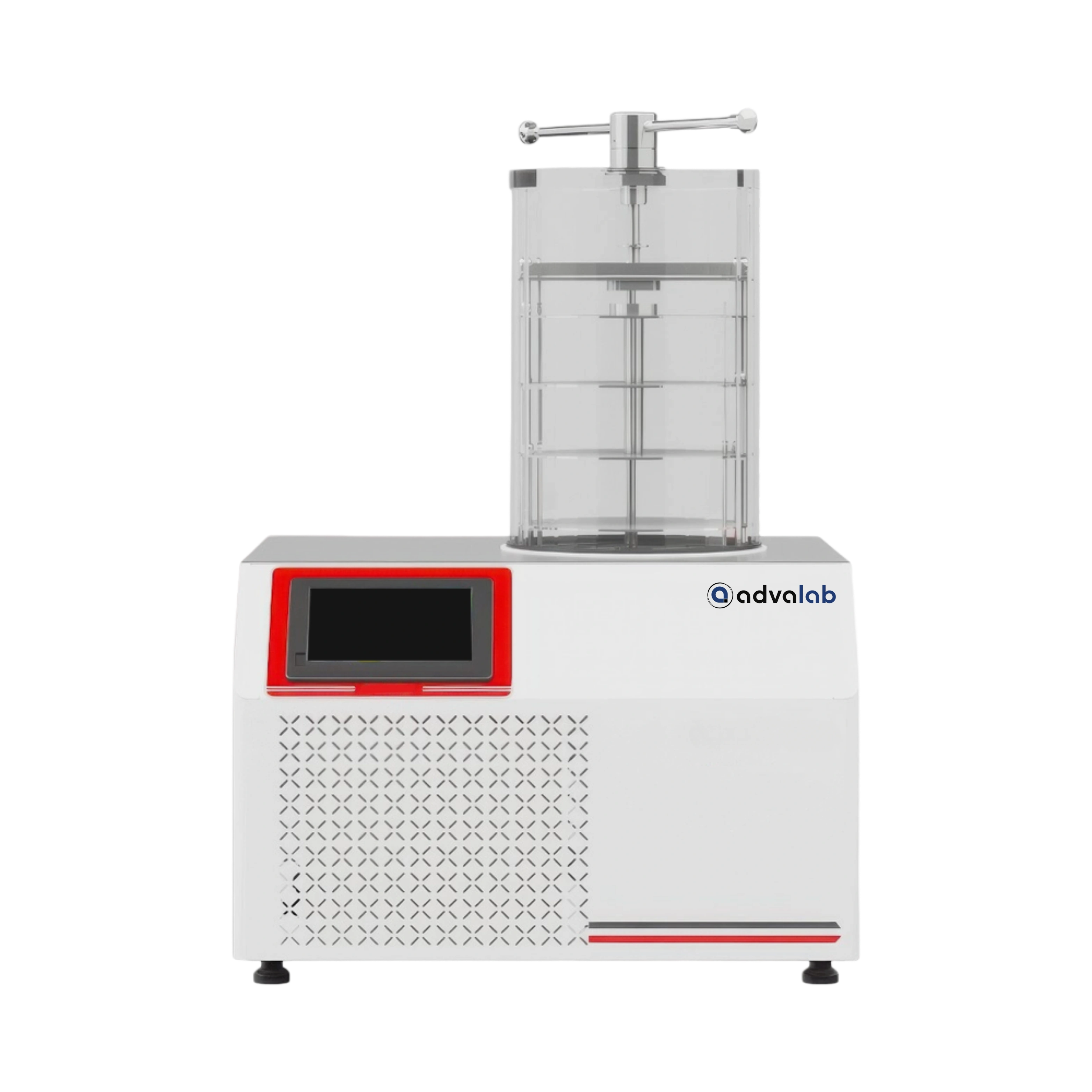
| Type: | Stoppering chamber |
| Freeze Dry Area: | 0.09 m² |
| Water Capture Capacity: | 4kg/24h |

| Type: | Standard chamber |
| Freeze Dry Area: | 0.12m² |
| Water Capture Capacity: | 4kg/24h |
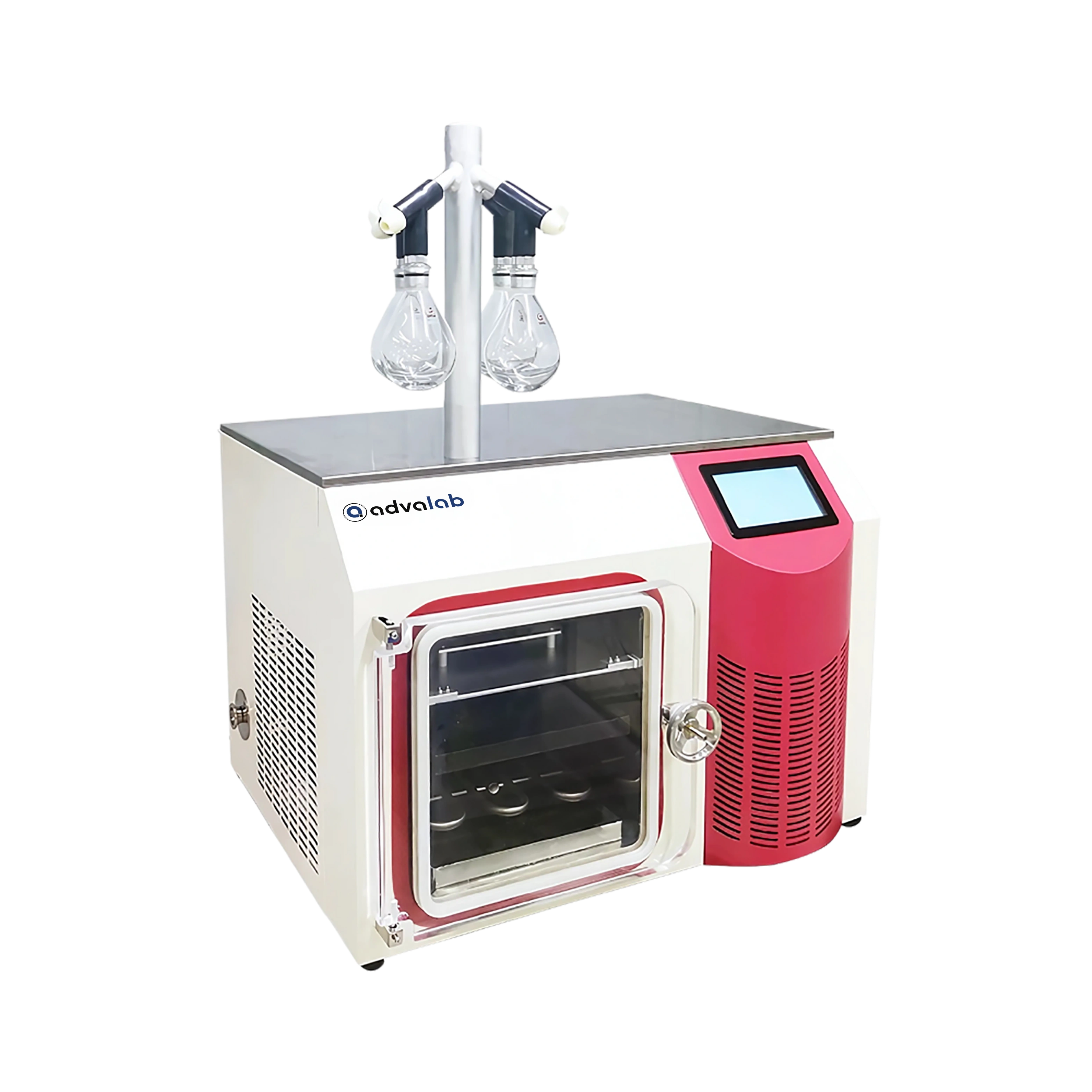
| Condenser Temperature: | -88 °C |
| Shelf Temperature Range: | -60 °C to +70 °C |
| Temperature Uniformity: | ±1 °C |
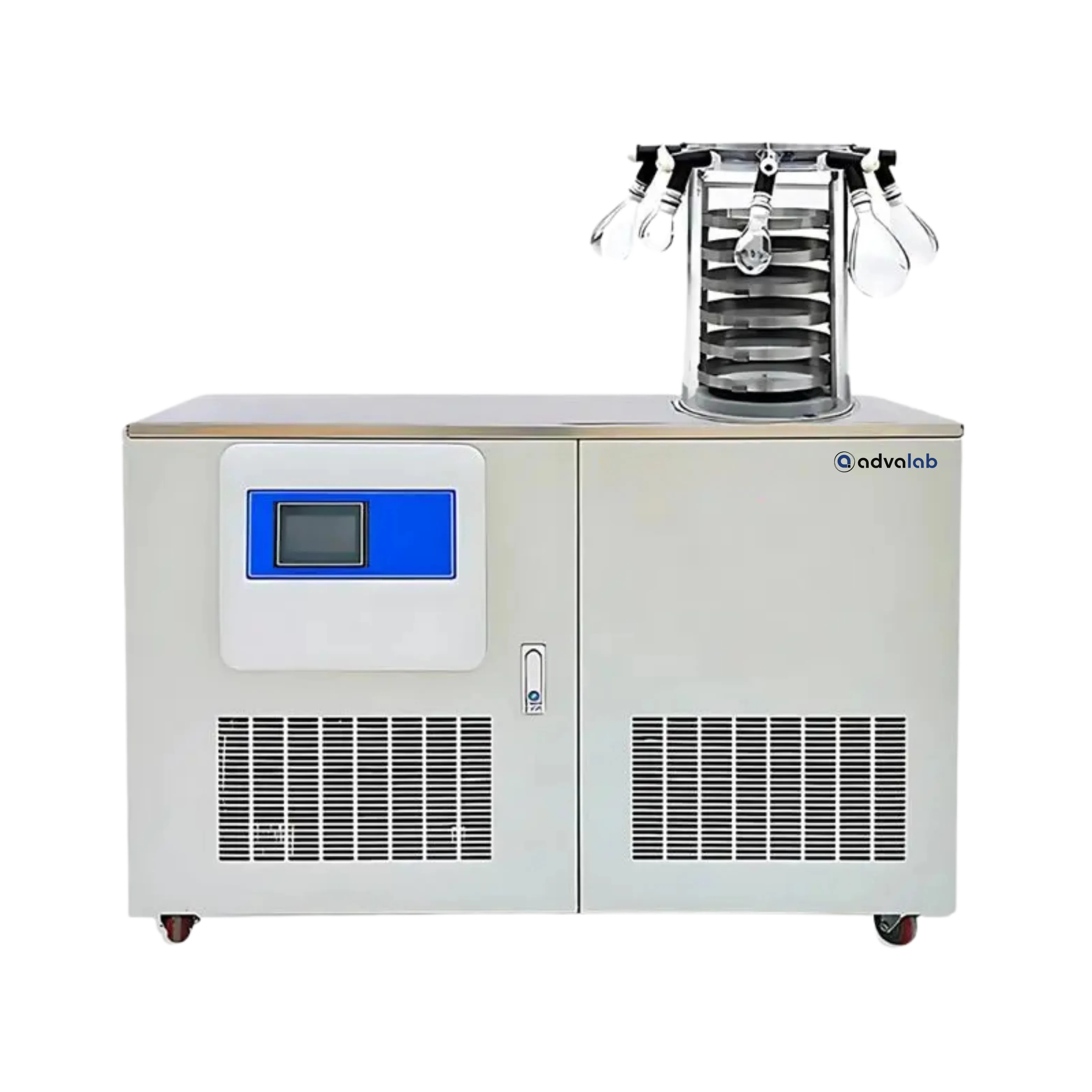
| Temperature Range: | ≤–80℃ |
| Vacuum Level: | < 10 Pa |
| Total Drying Area: | 0.27m² |
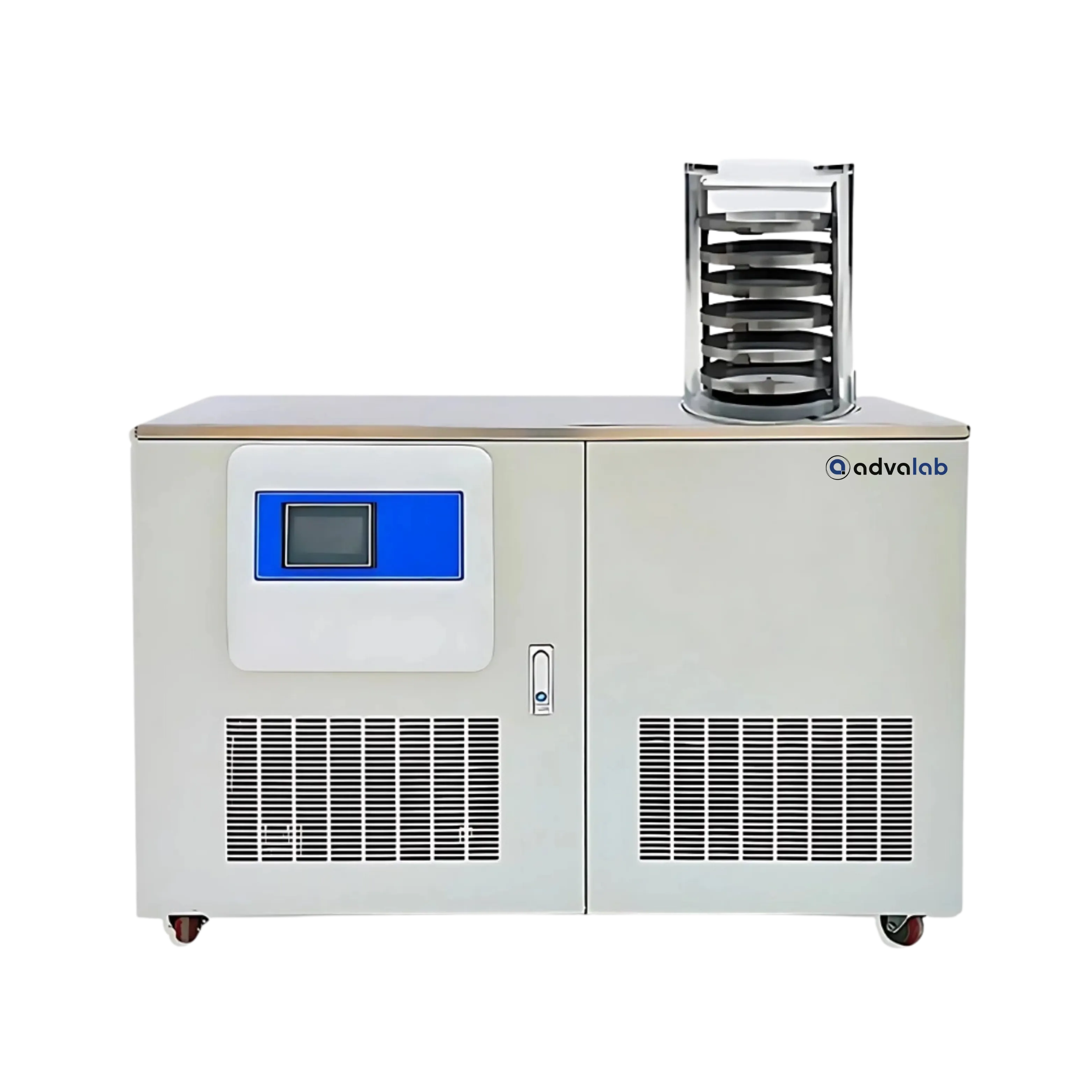
| Temperature Range: | ≤–80℃ |
| Vacuum Level: | < 10 Pa |
| Total Drying Area: | 0.27m² |