

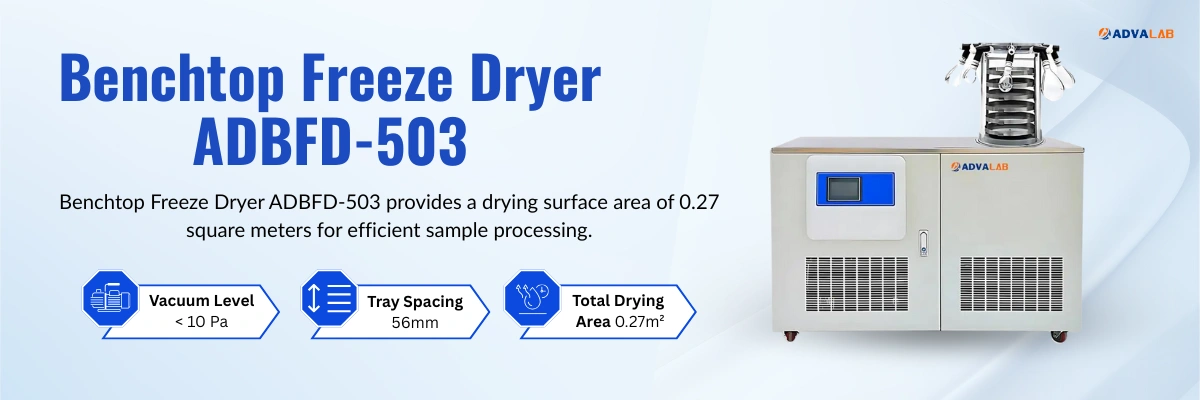
| Temperature Range | ≤–80℃ |
| Vacuum Level | < 10 Pa |
| Total Drying Area | 0.27m² |
| Water-Capture Capacity | 6kg / 24 h |
| Tray Spacing | 56mm |
| Tray Configuration | 6× Ø240 mm |
| Vial Capacity |
Ø16:1020 vials Ø22:528 vials |
| Bottle Capacity |
50ml: 8 bottles 100ml: 8 bottles 250ml: 8 bottles 500ml: 8 bottles 1000ml: 8 bottles |
| Power Consumption | 2200 W |
| Power Supply | 110-220V / 50–60 Hz |
| Dimensions (W × D × H) | 1200× 550 × 880 mm + 70 mm |
The Benchtop Freeze Dryer ADBFD-503 is ideal for lyophilizing biological samples and food products, preserving integrity in research and pharmaceutical applications.
1. What are the essential maintenance practices for the Benchtop Freeze Dryer?
The Benchtop, Freeze Dryer functions optimally and to extend its lifespan, regular maintenance is crucial. Cleaning the cold trap frequently to prevent ice buildup ensures smooth operation. Periodically checking and replacing the vacuum pump oil is necessary to maintain consistent vacuum pressure and avoid pump failure. The inspecting seals, gaskets, and filters help detect potential leaks before they affect performance, maintaining the system's efficiency and reliability.
2. How does the Benchtop Freeze Dryer accommodate different sample containers and formats?
The Benchtop Freeze Dryer is designed to accommodate a broad variety of sample containers and formats, providing flexibility in handling different materials. Its modular shelf system allows for customized setups, supporting vials, ampoules, flasks, and bulk trays. This versatility makes it suitable for a range of applications, from small liquid samples to semi-solid gels, enabling seamless transitions between research, diagnostics, and pharmaceutical applications.
3. Why is the Benchtop Freeze Dryer perfect for processing sensitive biological or pharmaceutical materials?
The Benchtop Freeze Dryer preserves the delicate nature of sensitive compounds. Its low-temperature sublimation process gently removes moisture without applying direct heat, which could otherwise damage sensitive substances like enzymes, peptides, or vaccines. The systems carefully controlled vacuum environment minimize exposure to oxygen and contaminants, reducing the risk of oxidation and microbial growth, thereby preserving the integrity of biological and pharmaceutical materials.
4. What makes the Benchtop Freeze Dryer ideal for experimental batches and prototype development?
The Benchtop Freeze Dryer is engineered to offer both versatility and precision, making it a great choice for small-scale experimental batches and prototype testing. Its ability to deliver precise control over critical variables such as shelf temperature and vacuum pressure allows users to optimize and replicate processes that are later scalable. Compact and efficient, the unit is perfect for environments where space is limited, such as research labs and startup facilities, bridging the gap between lab-scale and industrial production.
5. How does the Benchtop Freeze Dryer ensure safety and user protection during operation?
The Benchtop Freeze Dryer incorporates a range of safety features to ensure both operator safety and sample integrity. These include over-temperature sensors that activate protection mechanisms if the system exceeds safe operating temperatures, as well as continuous pressure monitoring. The transparent chamber provides a clear view of the drying process, enhancing awareness and allowing for real-time visual inspection, ensuring safe and reliable operation.
6. What is a Benchtop Freeze Dryer used for?
A Benchtop Freeze Dryer is primarily used to preserve and stabilize small sample volumes through the process of freeze-drying. This technique is particularly useful for sensitive materials like biological specimens, pharmaceuticals, food products, and chemicals, which require moisture removal. The process ensures that the samples retain their original properties, including structure, bioactivity, and nutritional content.
7. How much time is required for a full freeze-drying process using a Benchtop Freeze Dryer?
The freeze-drying process duration can vary depending on the type of material being dried, the sample size, and the settings used. Generally, the freeze-drying cycle for small samples in a Benchtop Freeze Dryer can take anywhere from 12 hours to 48 hours. For smaller volumes with low moisture content, the process may be completed more quickly. Conversely, samples with high moisture content require longer drying times.
8. Can I use a Benchtop Freeze Dryer for large volumes of samples?
While the Benchtop Freeze Dryer is designed for smaller sample volumes, you can process larger batches by conducting multiple runs. If large volumes are needed, you may want to explore industrial-scale freeze dryers, which can handle larger capacities at once. However, for most laboratory applications, the system offers ample capacity for medium-to-small sample sizes.

| Temperature Range | ≤-50℃ |
| Vacuum Level | <10 Pa |
| Freeze-Dry Area | 0.12 m² |
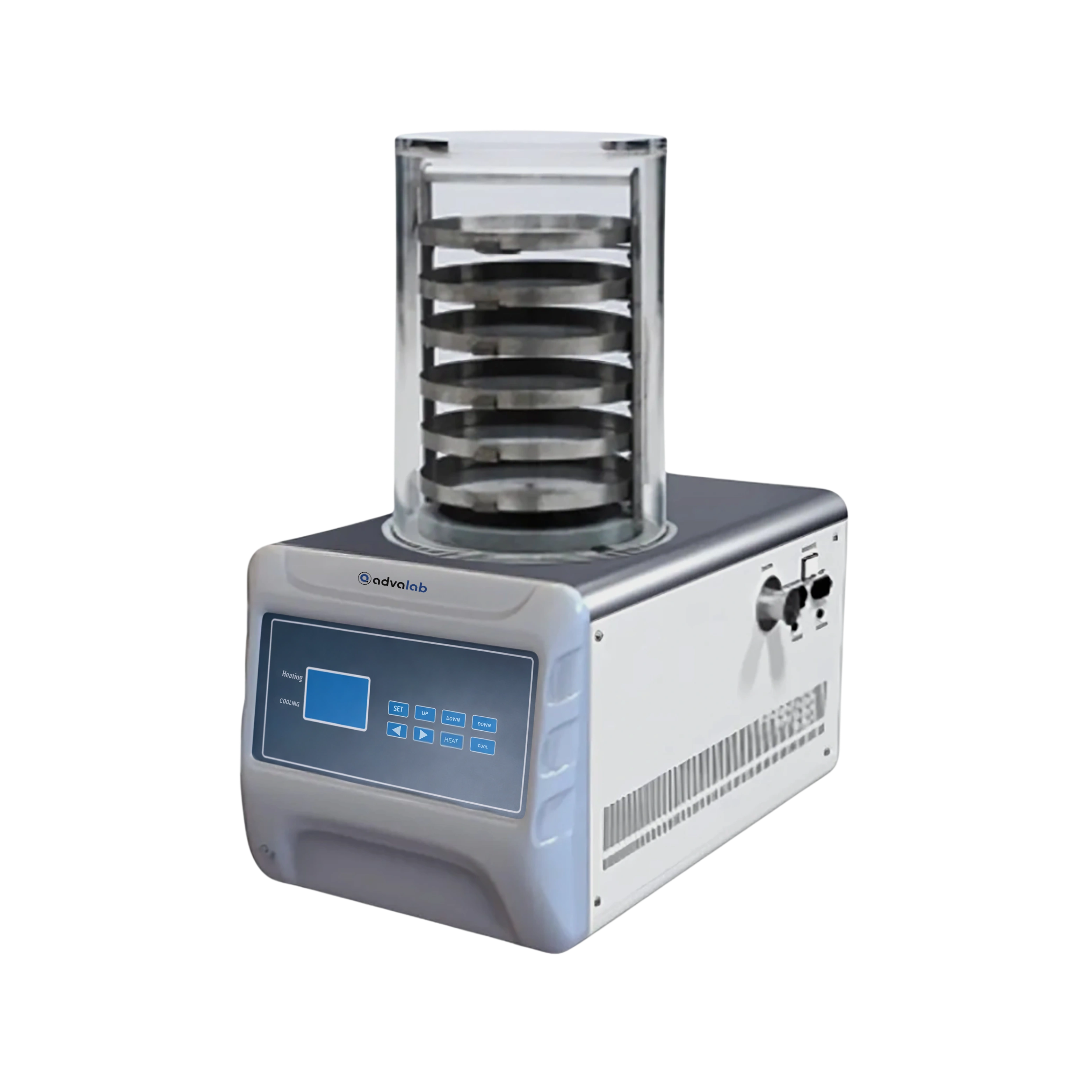
| Temperature Range | ≤-50℃ |
| Vacuum Level | <10 Pa |
| Freeze-Dry Area | 0.12 m² |

| Type | Standard chamber |
| Freeze Dry Area | 0.12m² |
| Water Capture Capacity | 4kg/24h |

| Condenser Temperature | -88 °C |
| Shelf Temperature Range | -60 °C to +70 °C |
| Temperature Uniformity | ±1 °C |

| Temperature Range: | ≤–80℃ |
| Vacuum Level: | < 10 Pa |
| Total Drying Area: | 0.07m² |
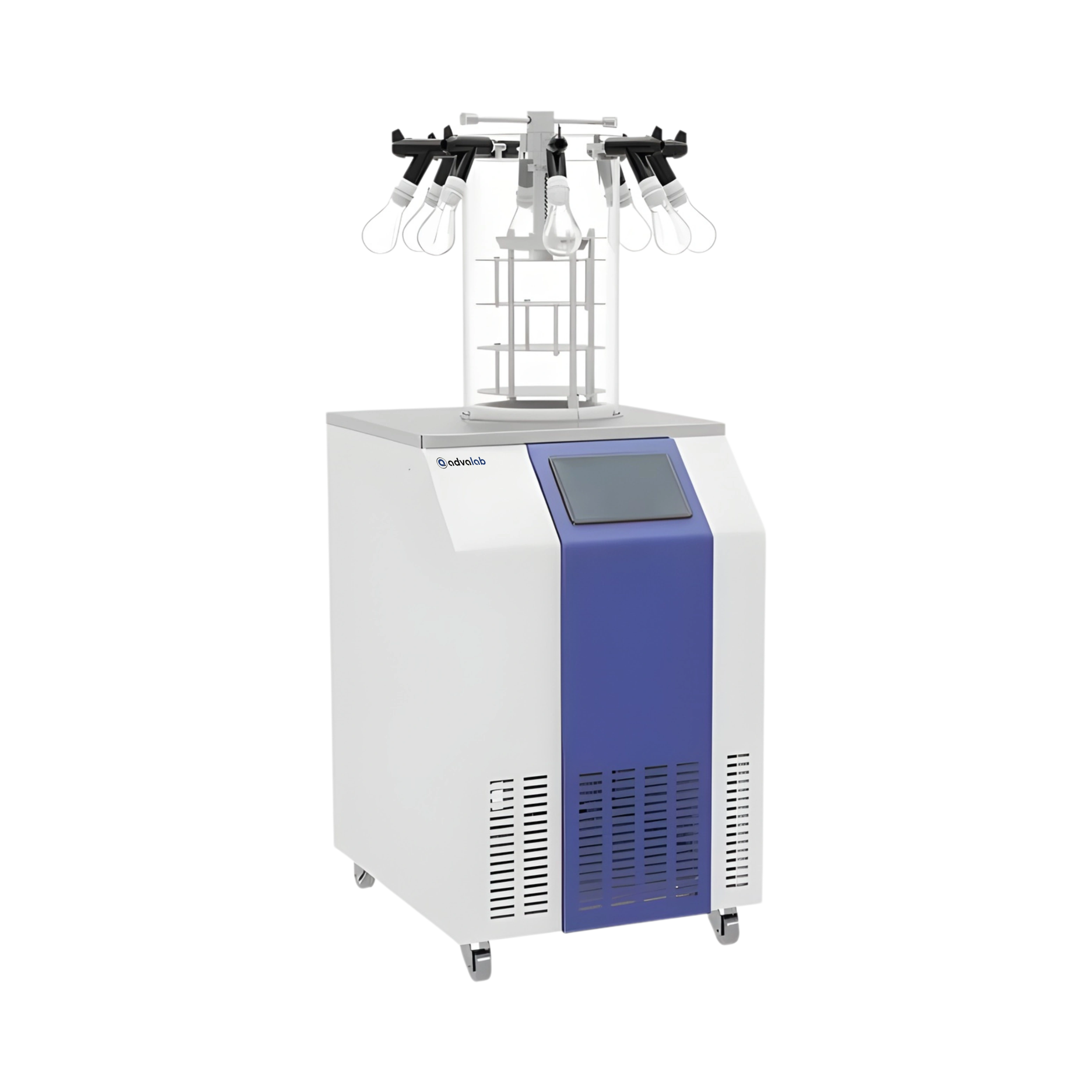
| Cold Trap Temperature: | ≤ -60℃ |
| Freeze Drying Time: | 36 to 48 h |
| Cold Trap Volume: | 28 L |

| Cold Trap Temperature: | -60℃ (below) |
| Freeze Drying Time: | 36 to 48 h |
| Cold Trap Volume: | 9.5 L |
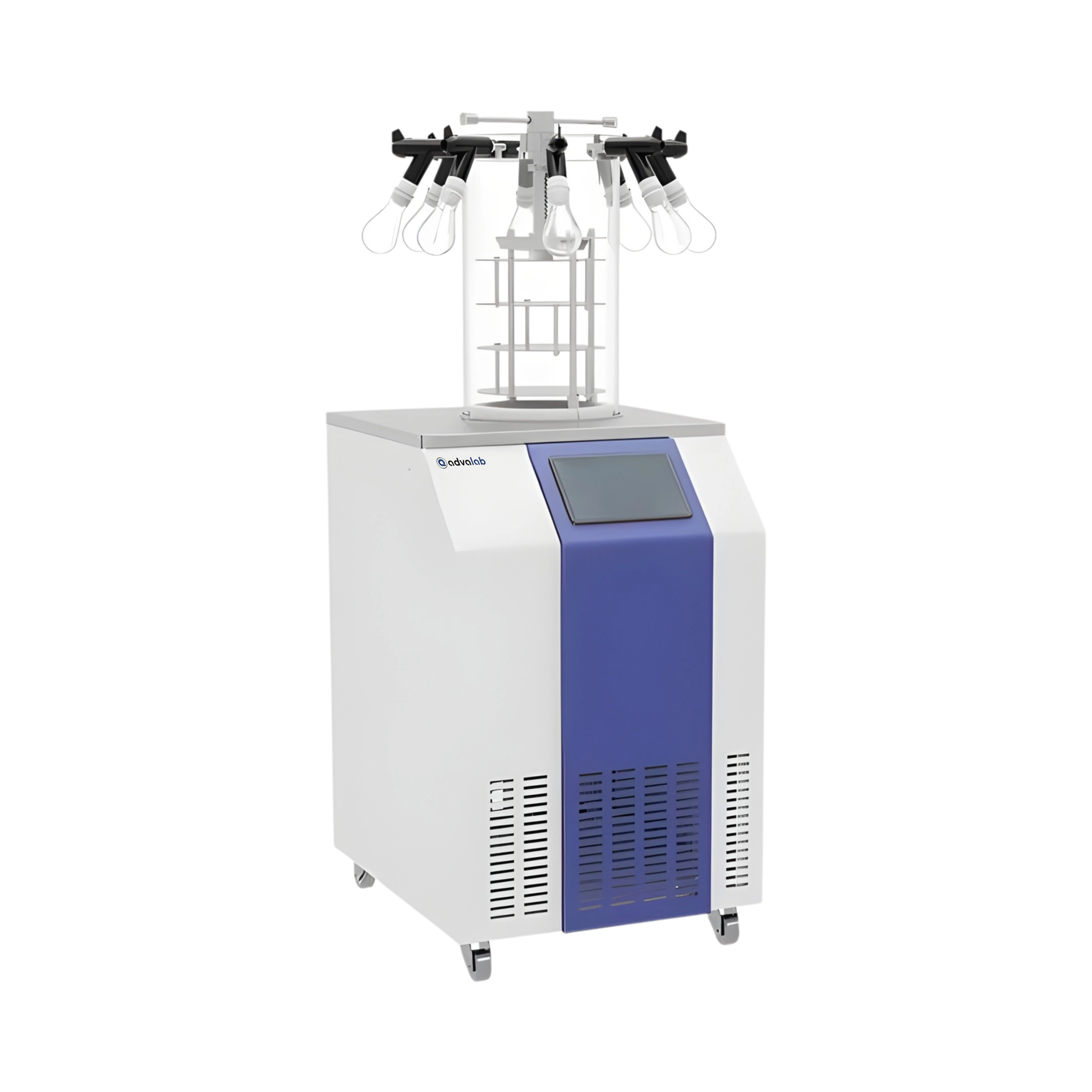
| Cold Trap Temperature: | ≤ -60℃ |
| Freeze Drying Time: | 36 to 48 h |
| Cold Trap Volume: | 9.5 L |
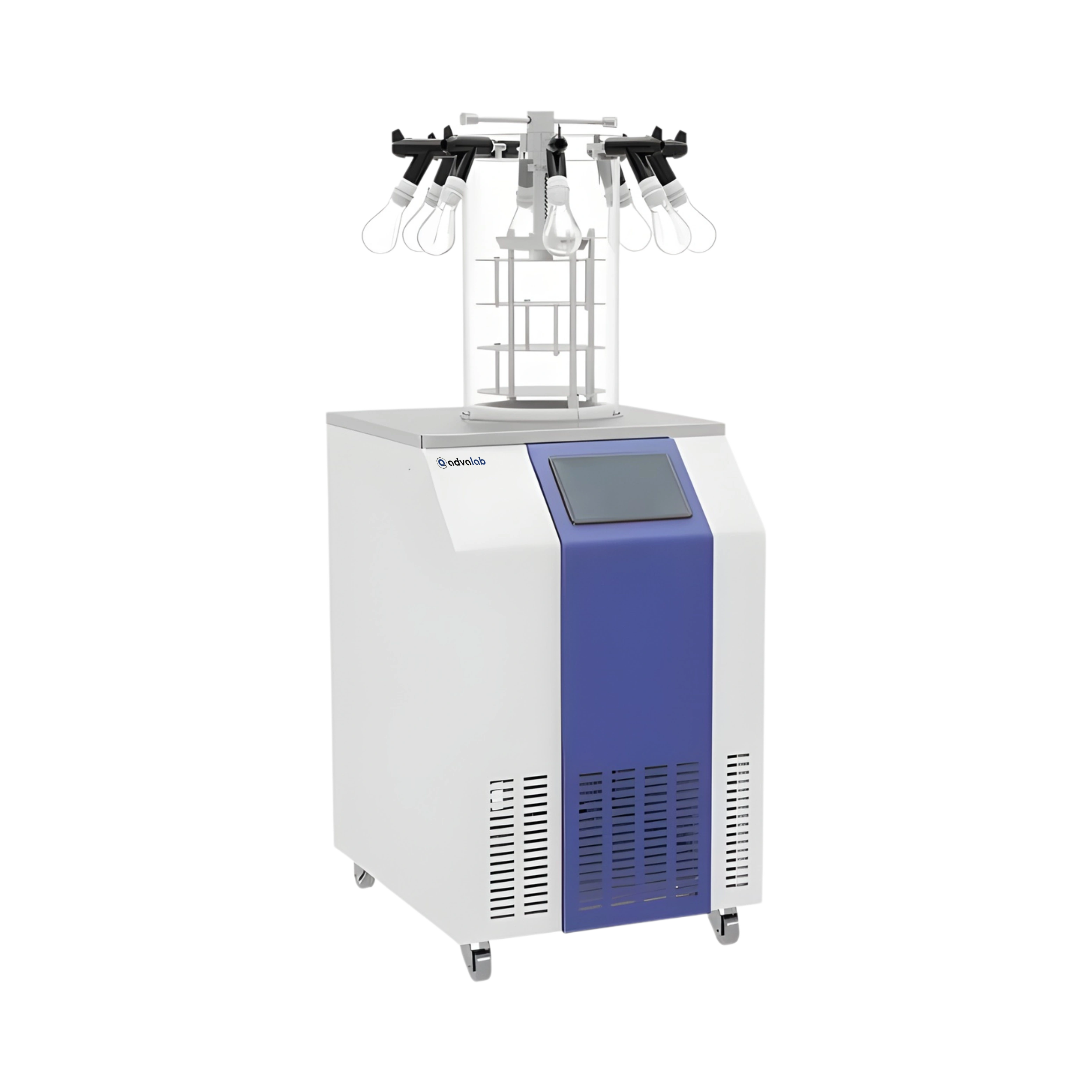
| Cold Trap Temperature: | -60℃ (below) |
| Freeze Drying Time: | 36 to 48 h |
| Cold Trap Volume: | 9.5 L |
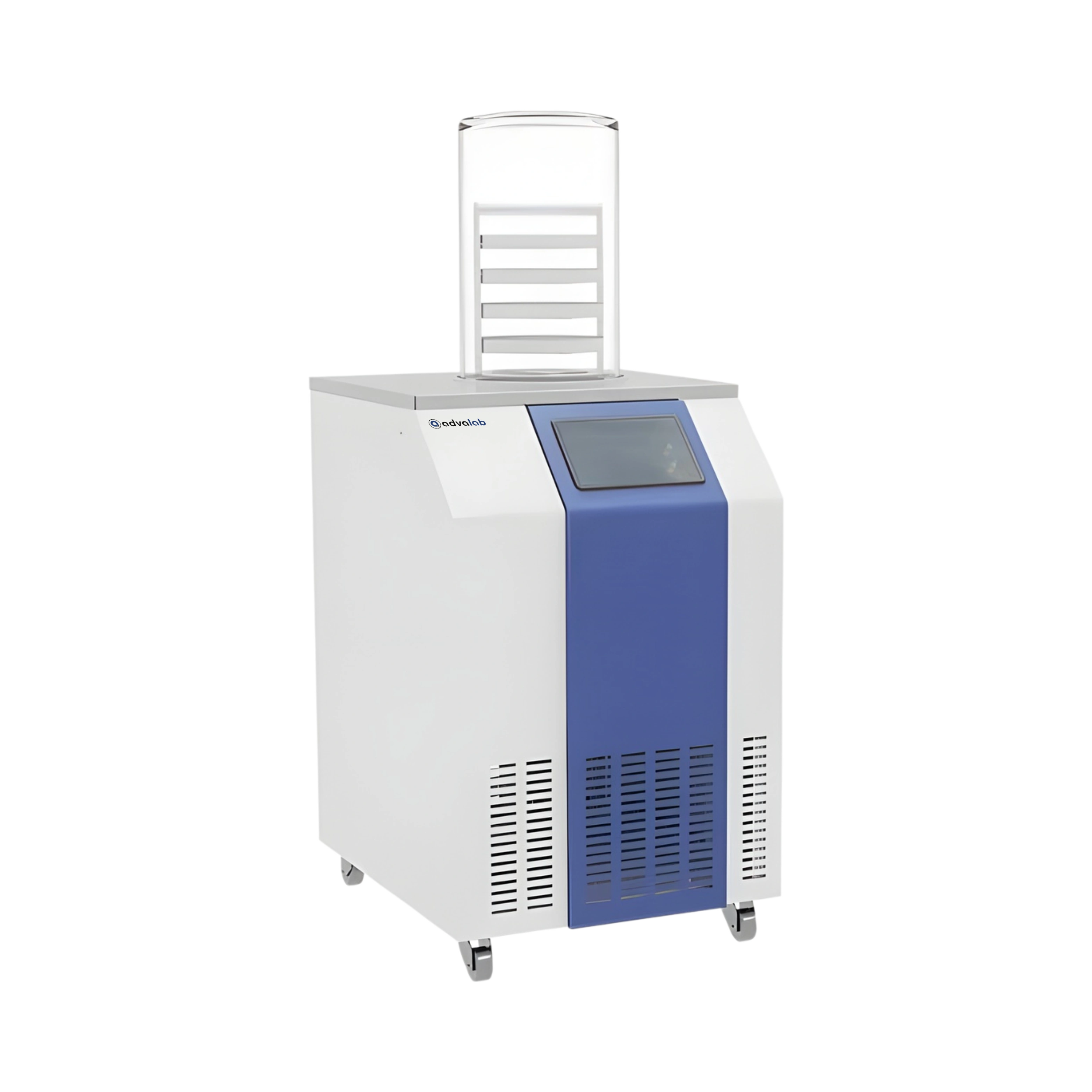
| Cold Trap Temperature: | -60℃ (below) |
| Freeze Drying Time: | 36 to 48 h |
| Cold Trap Volume: | 9.5 L |

| Temperature Range: | ≤–80℃ |
| Vacuum Level: | < 10 Pa |
| Total Drying Area: | 0.12m² |

| Cold Trap Temperature: | ≤ -60℃ |
| Freeze Drying Time: | 36 to 48 h |
| Cold Trap Volume: | 28 L |
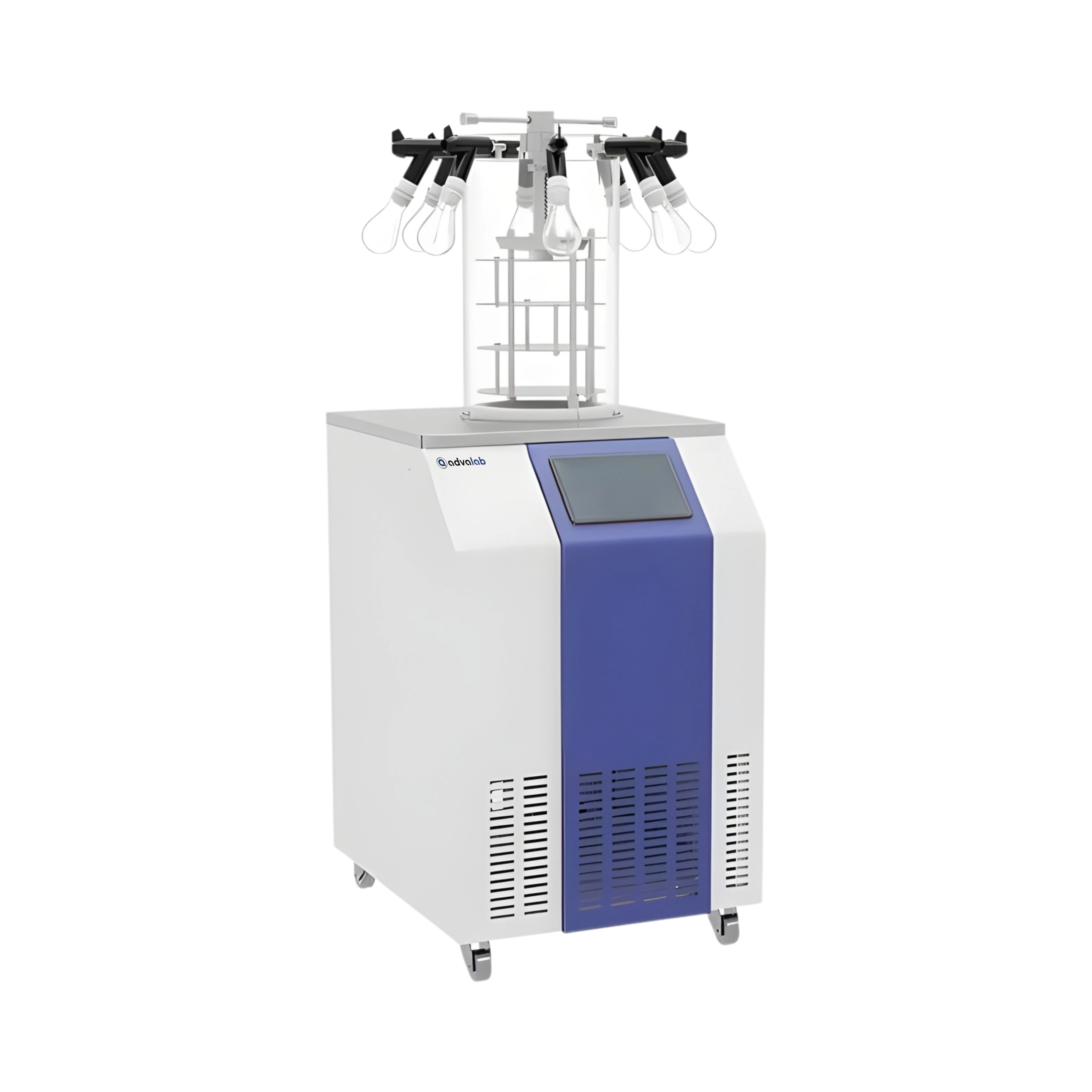
| Cold Trap Temperature: | ≤ -60℃ |
| Freeze Drying Time: | 36 to 48 h |
| Cold Trap Volume: | 28 L |

| Cold Trap Temperature: | ≤ -60℃ |
| Freeze Drying Time: | 36 to 48 h |
| Cold Trap Volume: | 28 L |
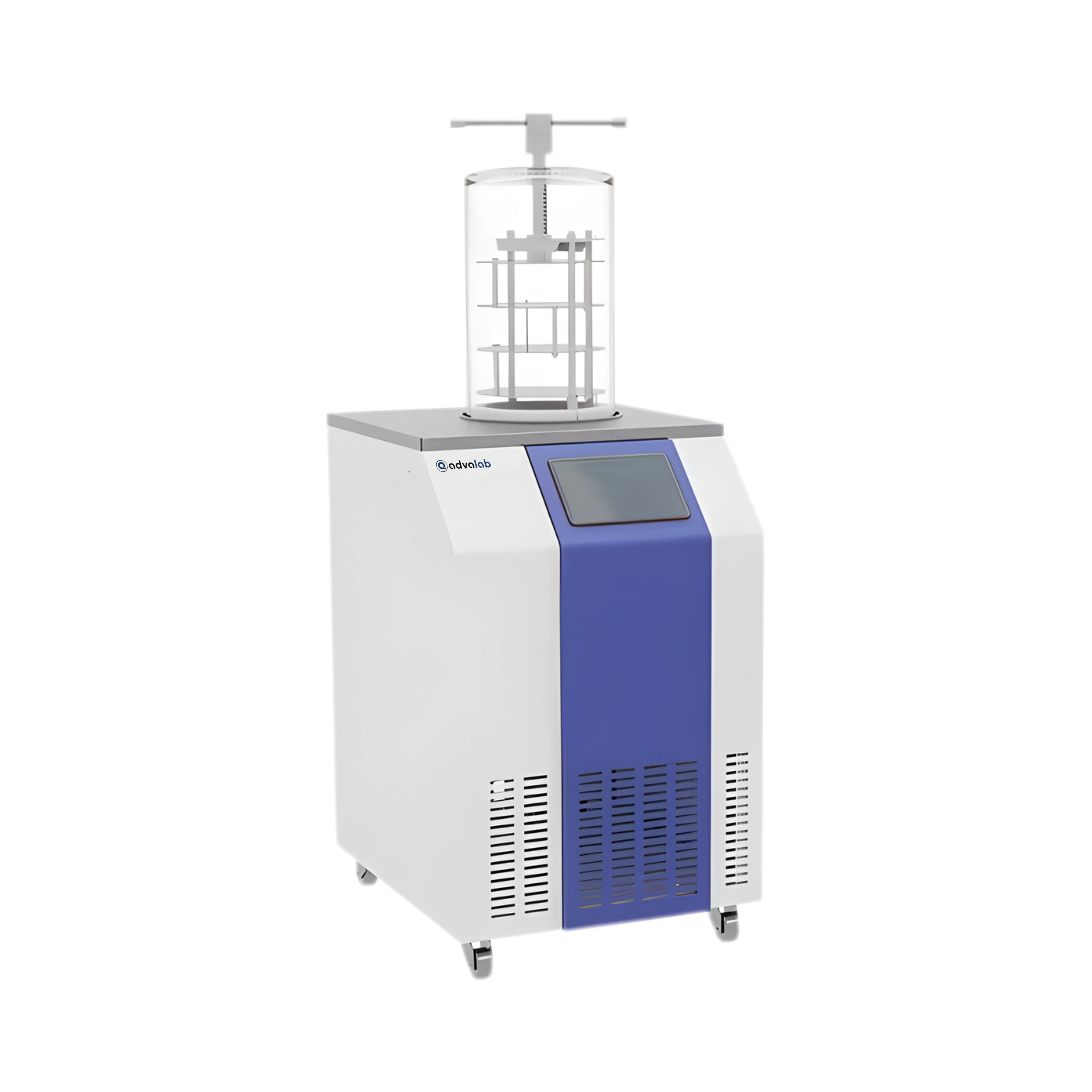
| Cold Trap Temperature: | ≤ -60℃ |
| Freeze Drying Time: | 36 to 48 h |
| Cold Trap Volume: | 28 L |

| Temperature Range: | ≤–80℃ |
| Vacuum Level: | < 10 Pa |
| Total Drying Area: | 0.12m² |

| Temperature Range: | ≤–80℃ |
| Vacuum Level: | < 10 Pa |
| Total Drying Area: | 0.07m² |
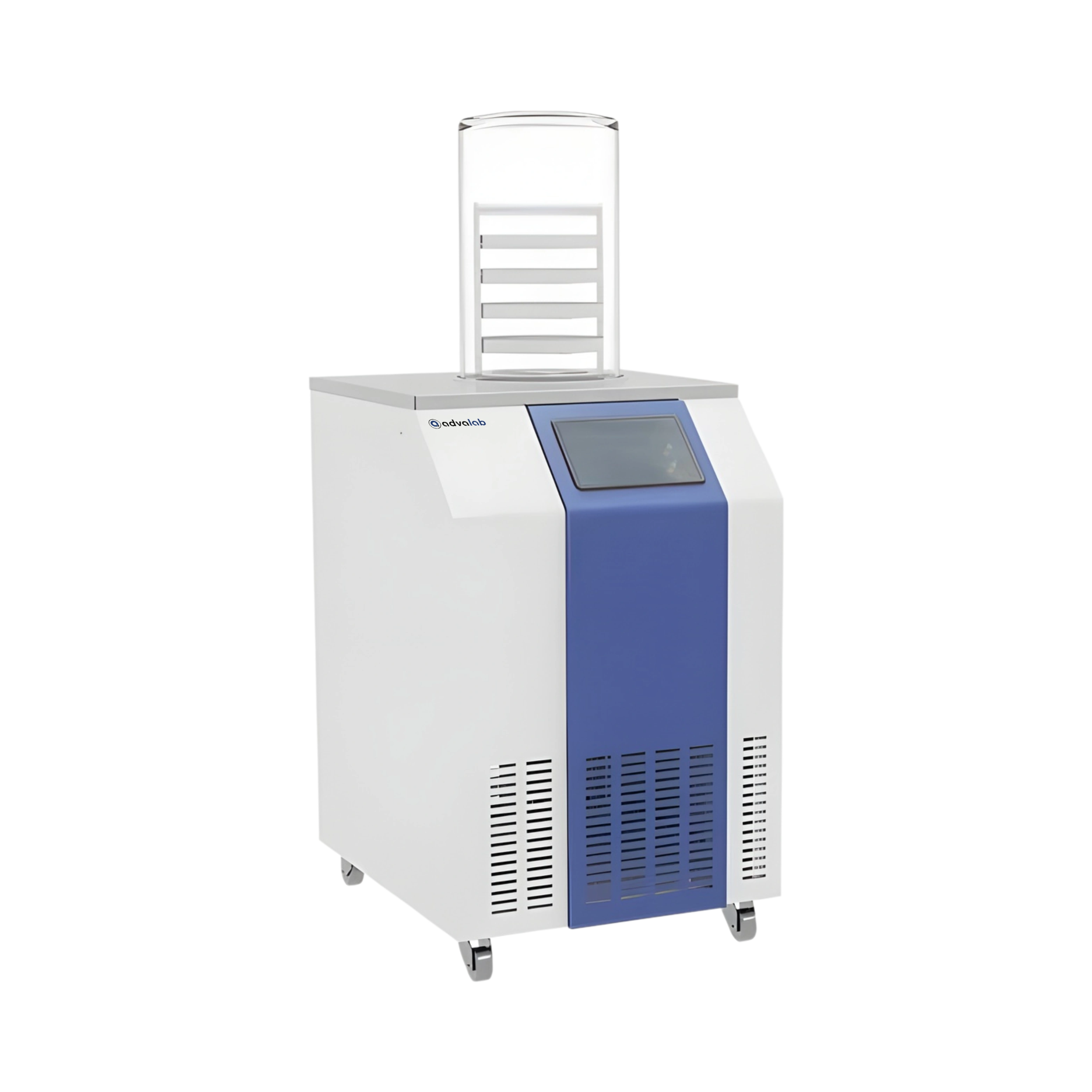
| Cold Trap Temperature: | ≤ -60℃ |
| Freeze Drying Time: | 36 to 48 h |
| Cold Trap Volume: | 9.5 L |

| Cold Trap Temperature: | ≤ -60℃ |
| Freeze Drying Time: | 36 to 48 h |
| Cold Trap Volume: | 9.5 L |
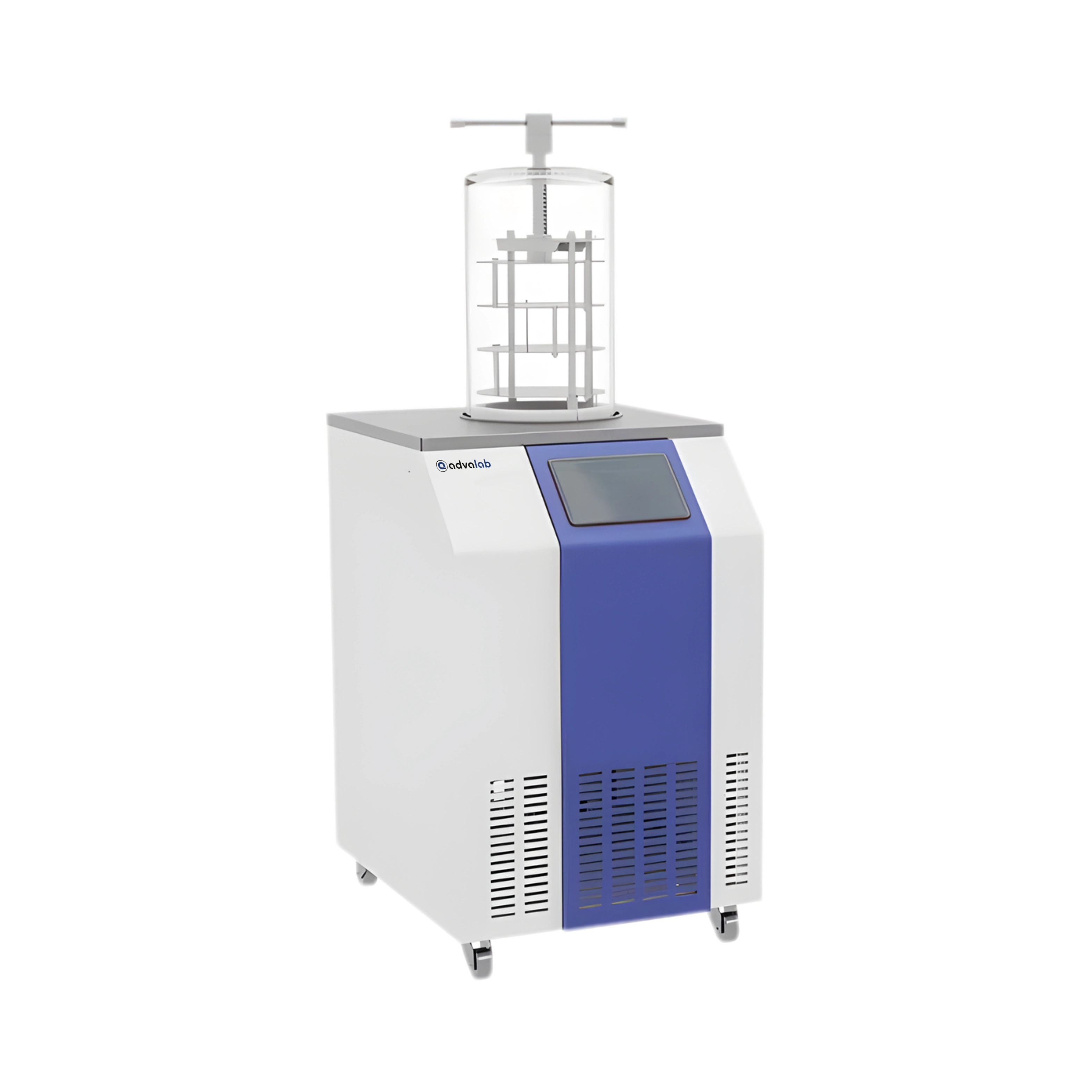
| Cold Trap Temperature: | ≤ -60℃ |
| Freeze Drying Time: | 36 to 48 h |
| Cold Trap Volume: | 9.5 L |
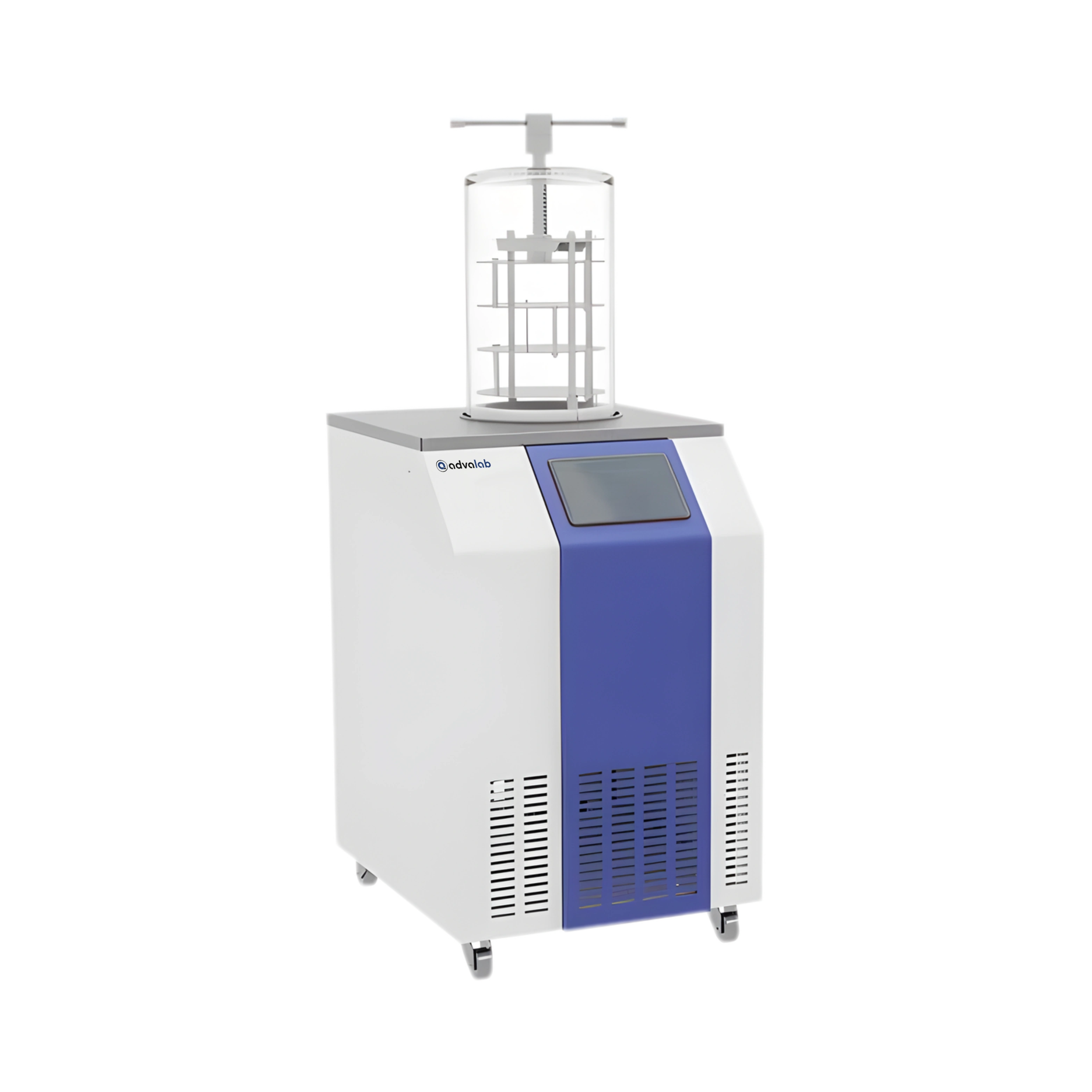
| Cold Trap Temperature: | -60℃ (below) |
| Freeze Drying Time: | 36 to 48 h |
| Cold Trap Volume: | 9.5 L |

| Temperature Range: | ≤ -50℃ |
| Vacuum Level: | < 10 Pa |
| Freeze-Dry Area: | 0.18 m² |

| Cold Trap Temperature: | ≤ -60℃ |
| Freeze Drying Time: | 36 to 48 h |
| Cold Trap Volume: | 28 L |
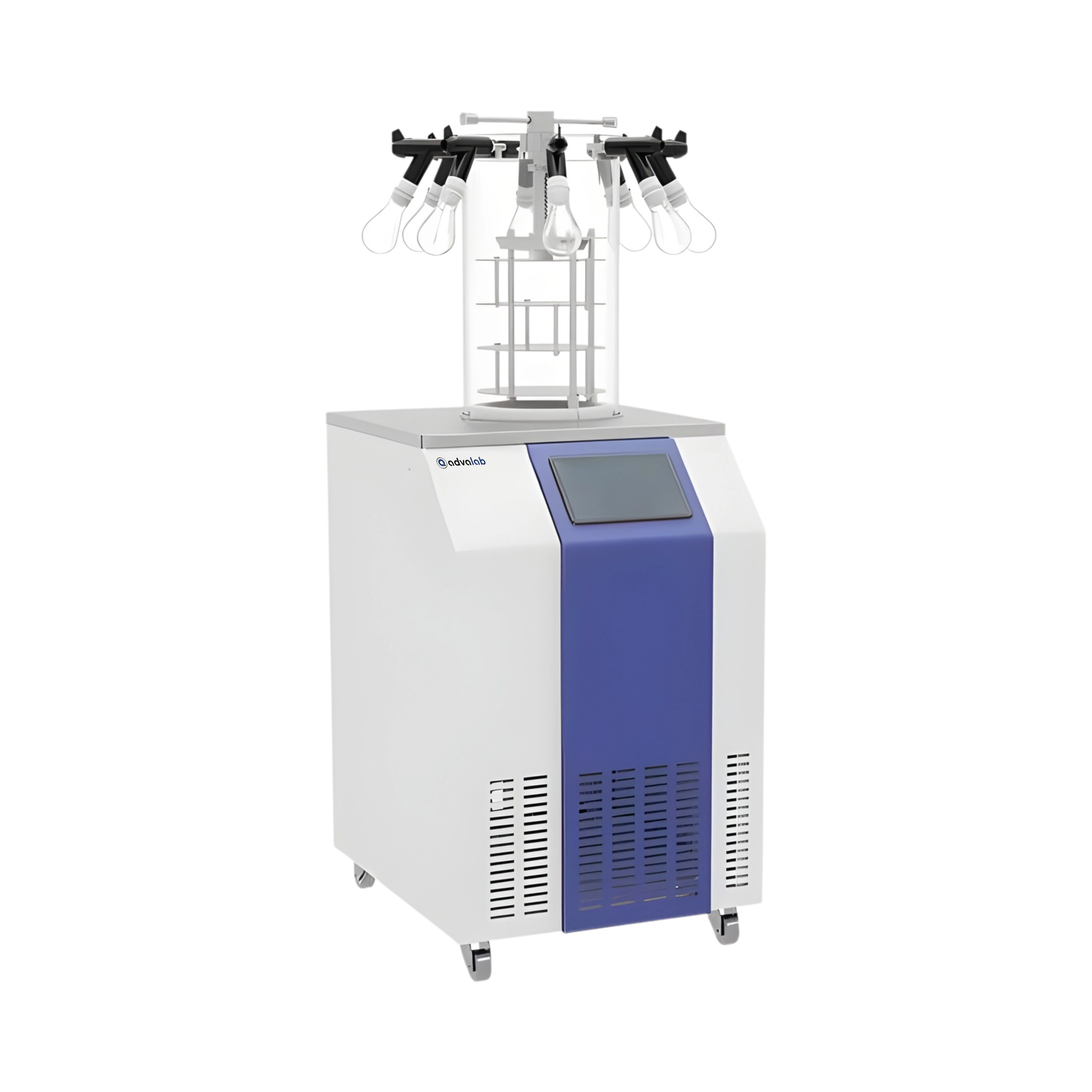
| Cold Trap Temperature: | ≤ -60℃ |
| Freeze Drying Time: | 36 to 48 h |
| Cold Trap Volume: | 28 L |
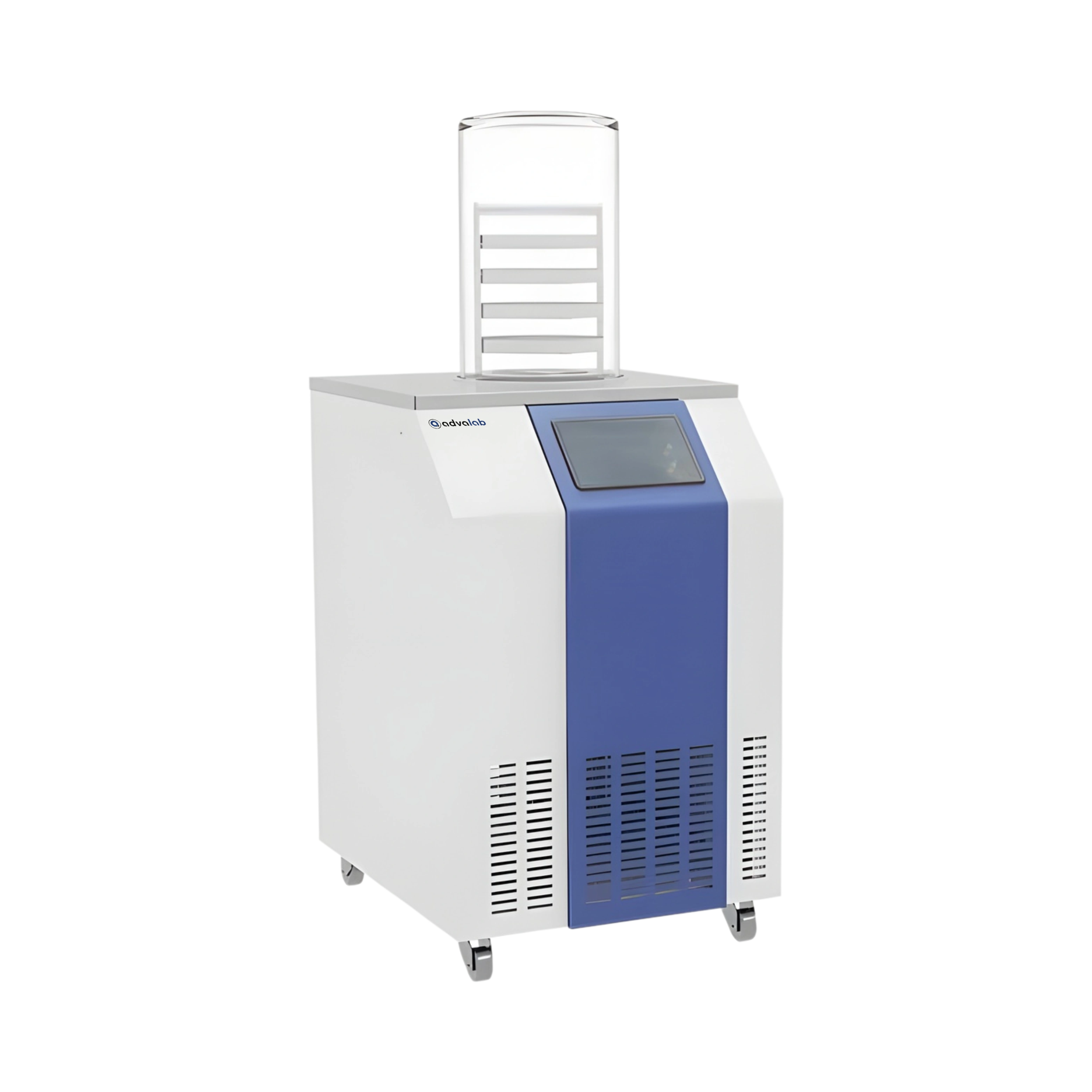
| Cold Trap Temperature: | ≤ -60℃ |
| Freeze Drying Time: | 36 to 48 h |
| Cold Trap Volume: | 28 L |