
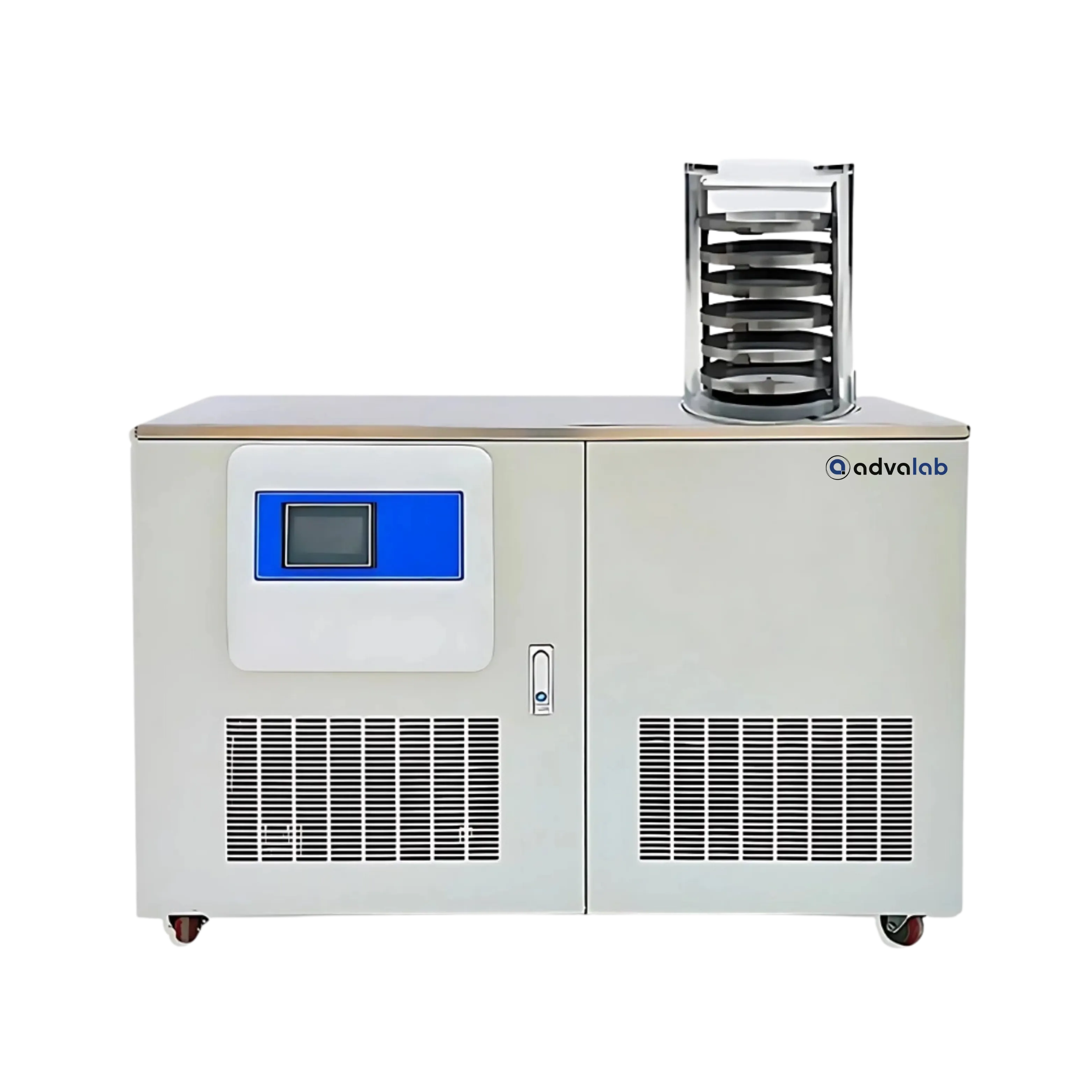
| Temperature Range | ≤–80℃ |
| Vacuum Level | < 10 Pa |
| Total Drying Area | 0.27m² |
| Water-Capture Capacity | 6kg / 24 h |
| Tray Spacing | 56mm |
| Tray Configuration | 6× Ø240 mm |
| Vial Capacity |
Ø16:1020 vials Ø22:528 vials |
| Power Consumption | 2200 W |
| Dimensions (W × D × H) | 1200× 550 × 880 mm + 70 mm |
Benchtop Freeze Dryer ADBFD-501 can preserve sensitive materials without compromising their structure, ideal for sample drying, long-term storage, and formulation stability testing.


1. What safety features does the Benchtop Freeze Dryer offer during operation?
The Benchtop Freeze Dryer is equipped with robust safety features to ensure both user and sample protection. It includes overheat sensors, pressure monitoring, and automatic shutdown in case of a fault. A transparent drying chamber enables real-time visual monitoring, while password protection prevents unauthorized adjustments to settings. Together with real-time diagnostics and alert systems, these features ensure safe, uninterrupted operation.
2. Why is the Benchtop Freeze Dryer ideal for small-scale production testing?
The Benchtop Freeze Dryer is perfectly suited for both pilot testing and small-batch production. Despite its compact size, it delivers powerful drying performance comparable to larger systems. This allows precise control over parameters such as shelf temperature and vacuum pressure, making it an excellent choice for researchers and manufacturers looking to refine processes on a smaller scale before scaling up to full production.
3. How does the Benchtop Freeze Dryer protect sensitive materials during the freeze-drying process?
The Benchtop Freeze Dryer uses a low-temperature sublimation process to gently remove moisture from samples without causing thermal damage. By maintaining a stable vacuum environment, it minimizes oxidation and contamination risks, ensuring that delicate materials like proteins, enzymes, and pharmaceuticals retain their structural integrity. This process is critical for preserving biological and chemical properties, making it essential for research and clinical applications.
4. What types of samples are compatible with the Benchtop Freeze Dryer?
The Benchtop Freeze Dryer is highly adaptable, capable of handling a variety of sample formats. Its adjustable shelves and customizable trays can hold vials, ampoules, flasks, and bulk sample trays. This versatility makes it suitable for a broad range of materials, including liquids, semi-solids, and solids, which are ideal for applications in research, diagnostics, and pharmaceuticals.
5. What are the essential maintenance tasks for the Benchtop Freeze Dryer?
To ensure optimal performance and longevity, the Benchtop Freeze Dryer requires regular maintenance. Key tasks include cleaning the cold trap to remove ice buildup, checking and replacing vacuum pump oil, and inspecting seals and gaskets for wear. The unit’s coil-free cold trap design simplifies cleaning and reduces contamination risks, ensuring that the system remains in top condition for consistent operation.
6. What is a Benchtop Freeze Dryer used for?
A Benchtop Freeze Dryer is primarily used to preserve and stabilize small sample volumes through the process of freeze-drying. This technique is particularly useful for sensitive materials like biological specimens, pharmaceuticals, food products, and chemicals, which require moisture removal. The process ensures that the samples retain their original properties, including structure, bioactivity, and nutritional content.
7. How much time is required for a full freeze-drying process using a Benchtop Freeze Dryer?
The freeze-drying process duration can vary depending on the type of material being dried, the sample size, and the settings used. Generally, the freeze-drying cycle for small samples in a Benchtop Freeze Dryer can take anywhere from 12 hours to 48 hours. For smaller volumes with low moisture content, the process may be completed more quickly. Conversely, samples with high moisture content require longer drying times.
8. Can I use a Benchtop Freeze Dryer for large volumes of samples?
While the Benchtop Freeze Dryer is designed for smaller sample volumes, you can process larger batches by conducting multiple runs. If large volumes are needed, you may want to explore industrial-scale freeze dryers, which can handle larger capacities at once. However, for most laboratory applications, the system offers ample capacity for medium-to-small sample sizes.
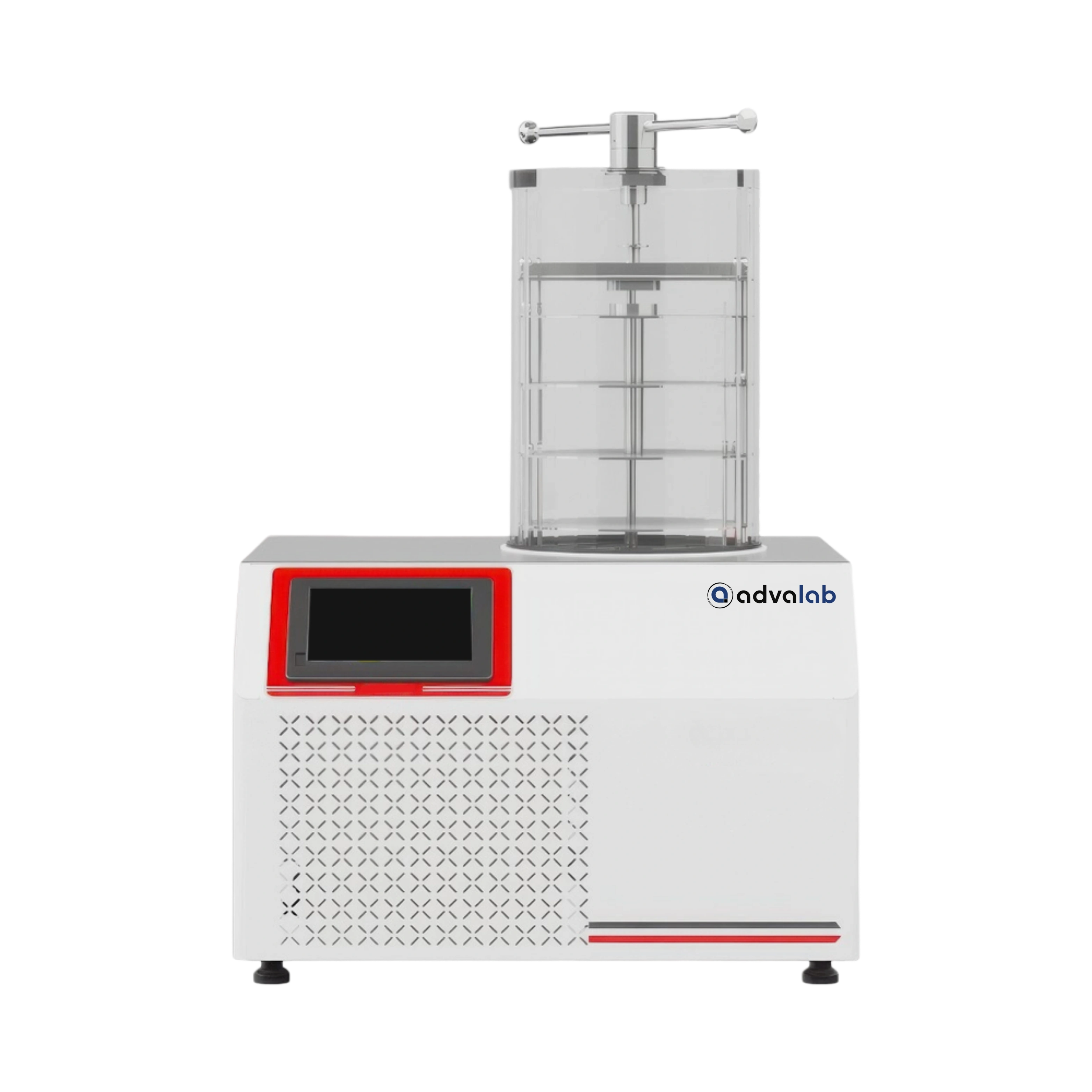
| Type | Stoppering chamber |
| Freeze Dry Area | 0.09 m² |
| Water Capture Capacity | 4kg/24h |
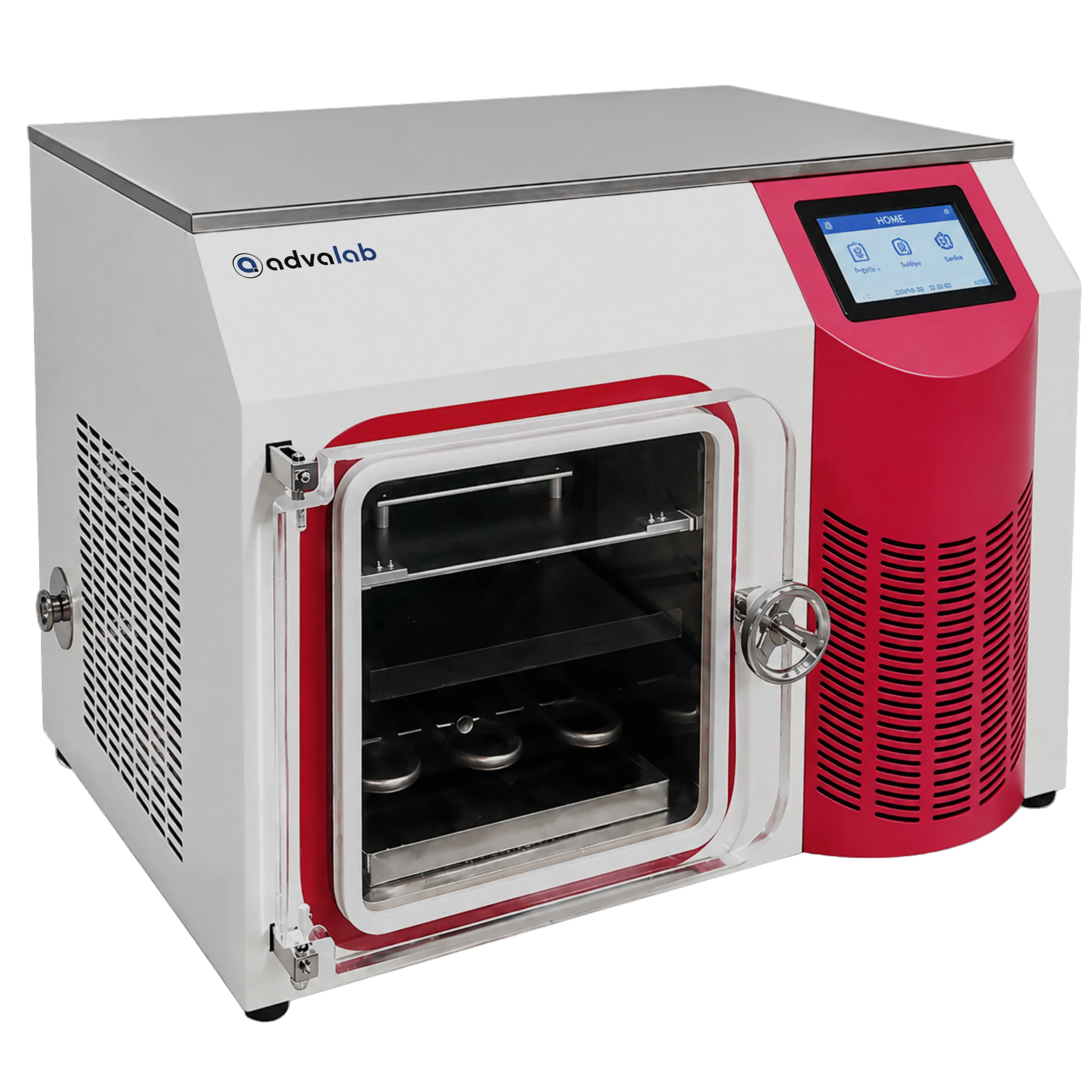
| Condenser Temperature | -88 °C |
| Shelf Temperature Range | -60 °C to +70 °C |
| Temperature Uniformity | ±1 °C |
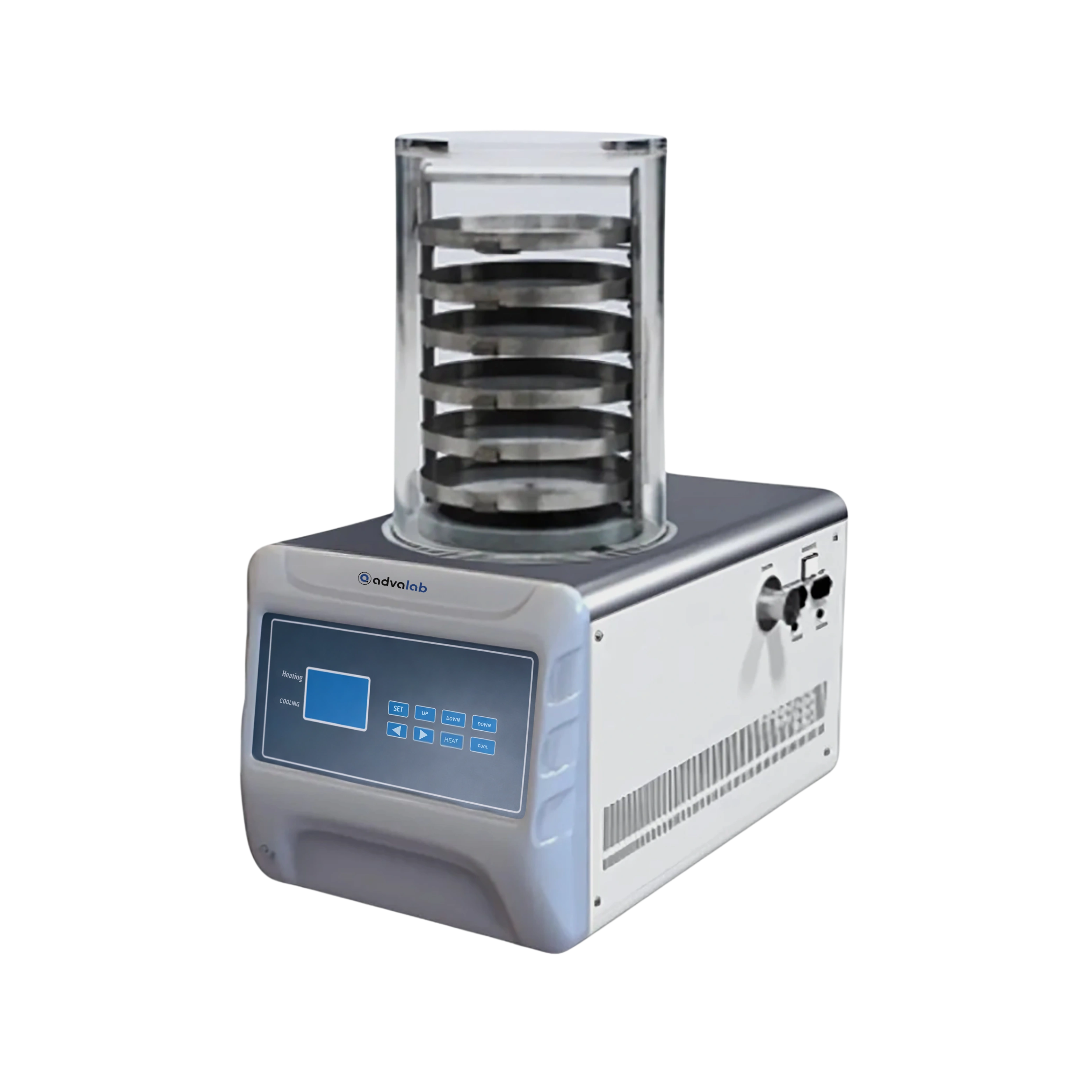
| Temperature Range | ≤-50℃ |
| Vacuum Level | <10 Pa |
| Freeze-Dry Area | 0.12 m² |
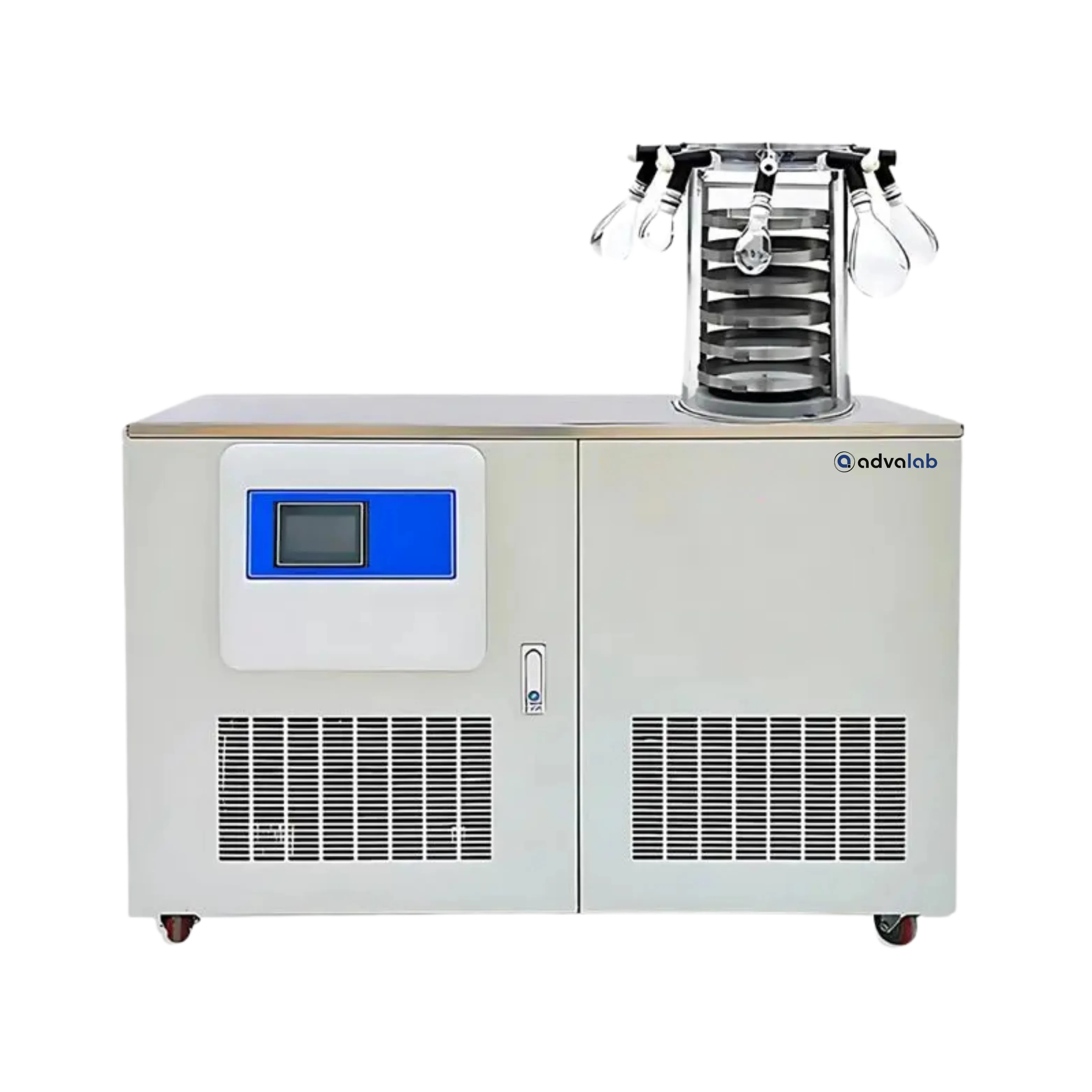
| Temperature Range | ≤–80℃ |
| Vacuum Level | < 10 Pa |
| Total Drying Area | 0.27m² |

| Cold Trap Temperature: | ≤ -60℃ |
| Freeze Drying Time: | 36 to 48 h |
| Cold Trap Volume: | 28 L |

| Cold Trap Temperature: | -60℃ (below) |
| Freeze Drying Time: | 36 to 48 h |
| Cold Trap Volume: | 9.5 L |
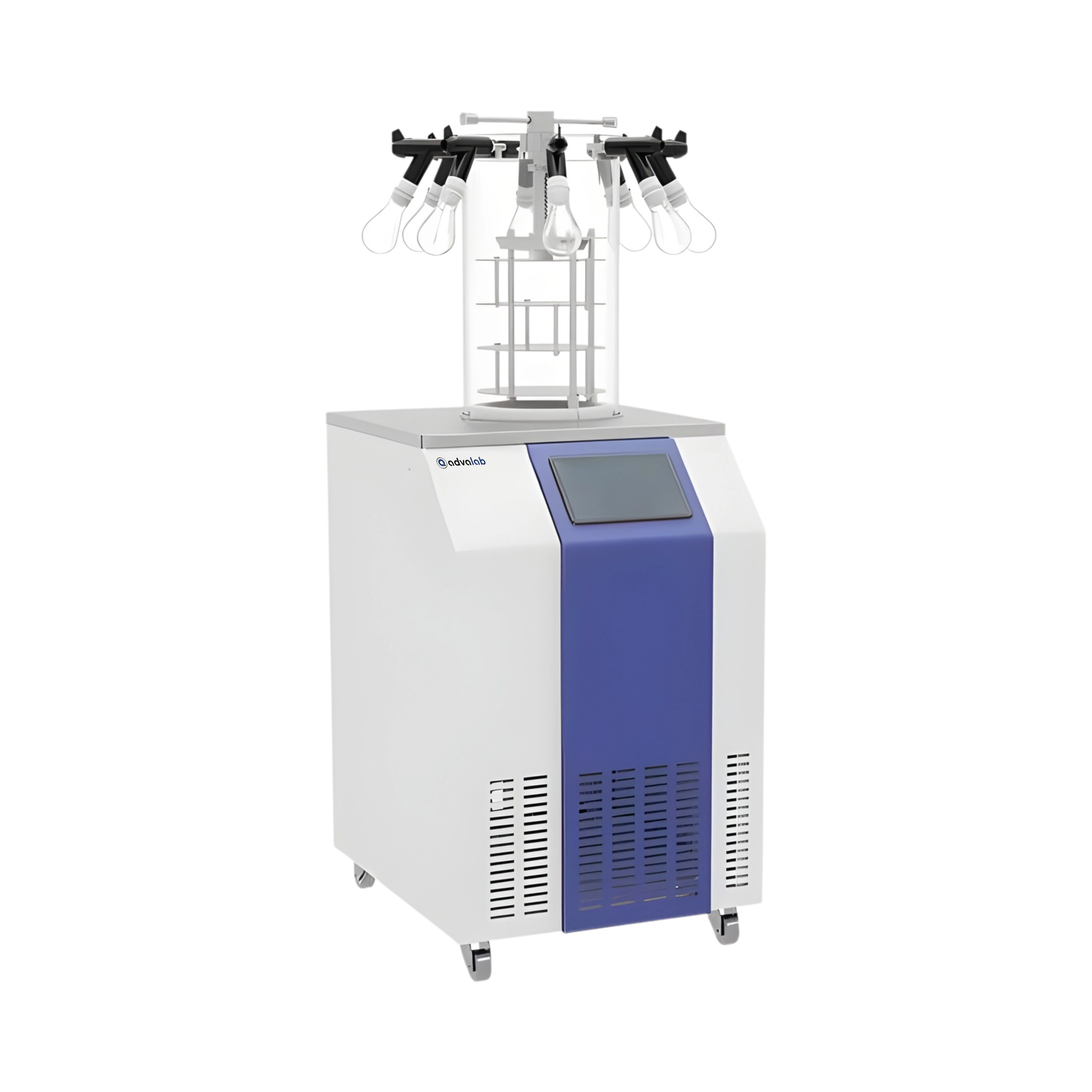
| Cold Trap Temperature: | ≤ -60℃ |
| Freeze Drying Time: | 36 to 48 h |
| Cold Trap Volume: | 28 L |
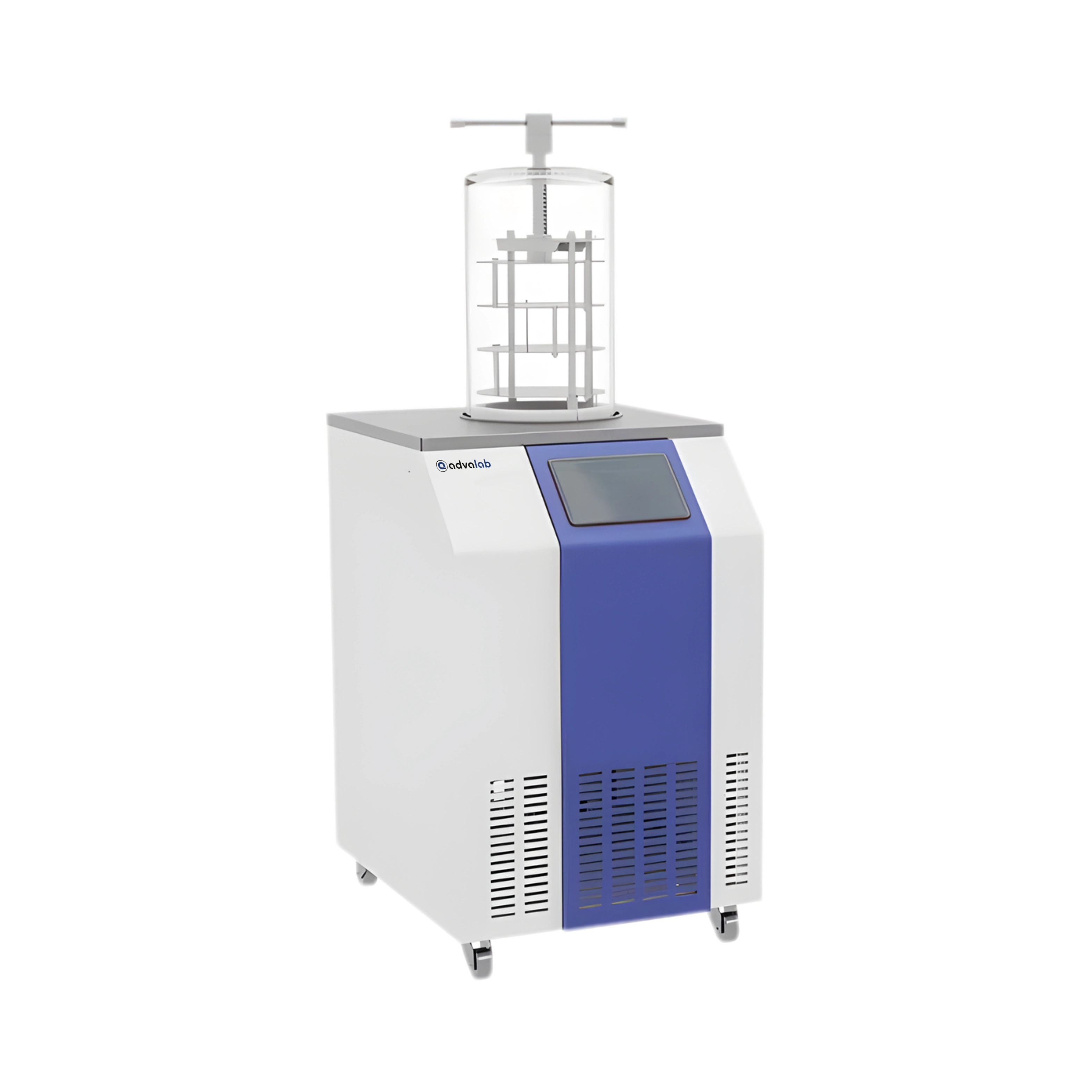
| Cold Trap Temperature: | ≤ -60℃ |
| Freeze Drying Time: | 36 to 48 h |
| Cold Trap Volume: | 9.5 L |
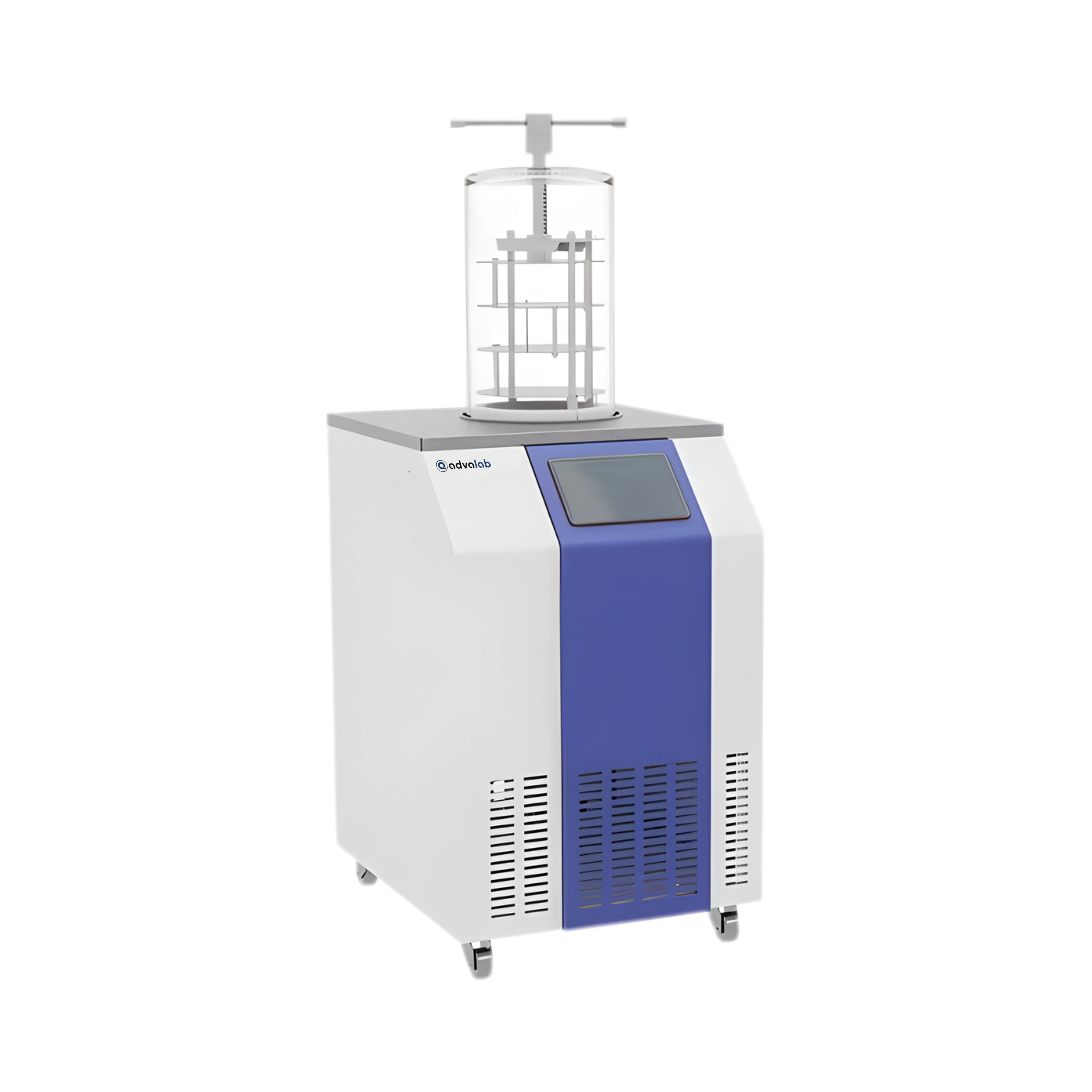
| Cold Trap Temperature: | ≤ -60℃ |
| Freeze Drying Time: | 36 to 48 h |
| Cold Trap Volume: | 28 L |
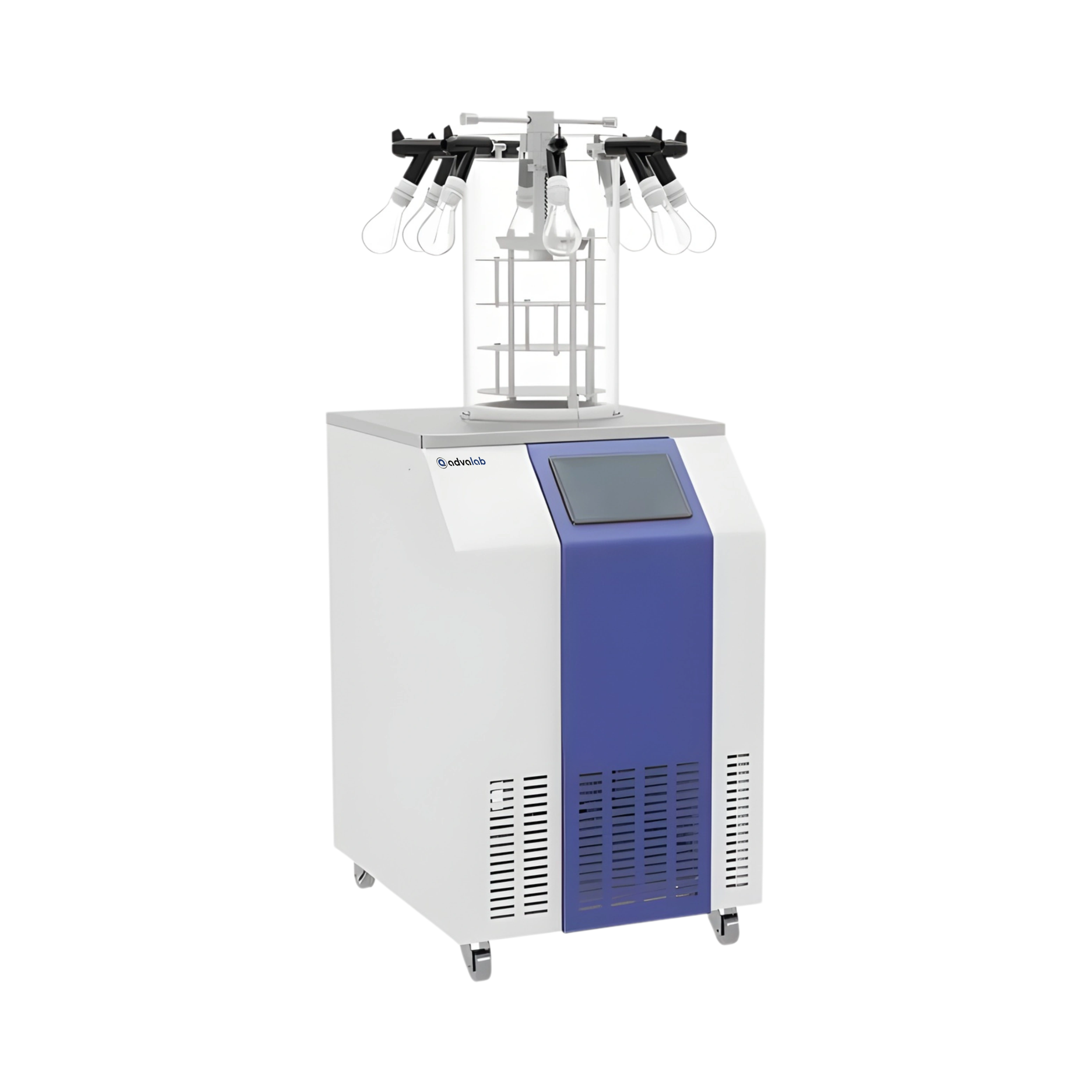
| Cold Trap Temperature: | ≤ -60℃ |
| Freeze Drying Time: | 36 to 48 h |
| Cold Trap Volume: | 28 L |
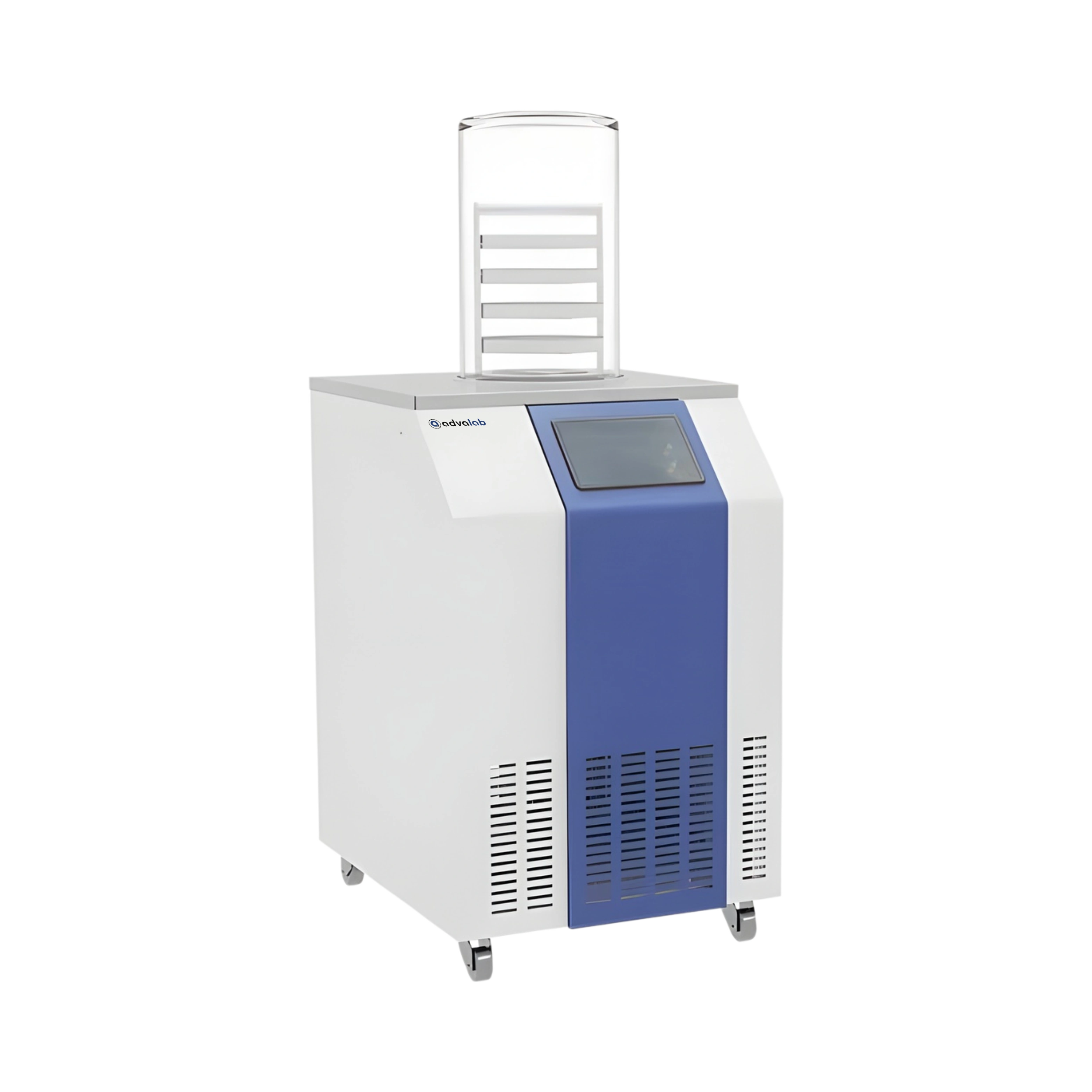
| Cold Trap Temperature: | -60℃ (below) |
| Freeze Drying Time: | 36 to 48 h |
| Cold Trap Volume: | 9.5 L |

| Cold Trap Temperature: | ≤ -60℃ |
| Freeze Drying Time: | 36 to 48 h |
| Cold Trap Volume: | 9.5 L |
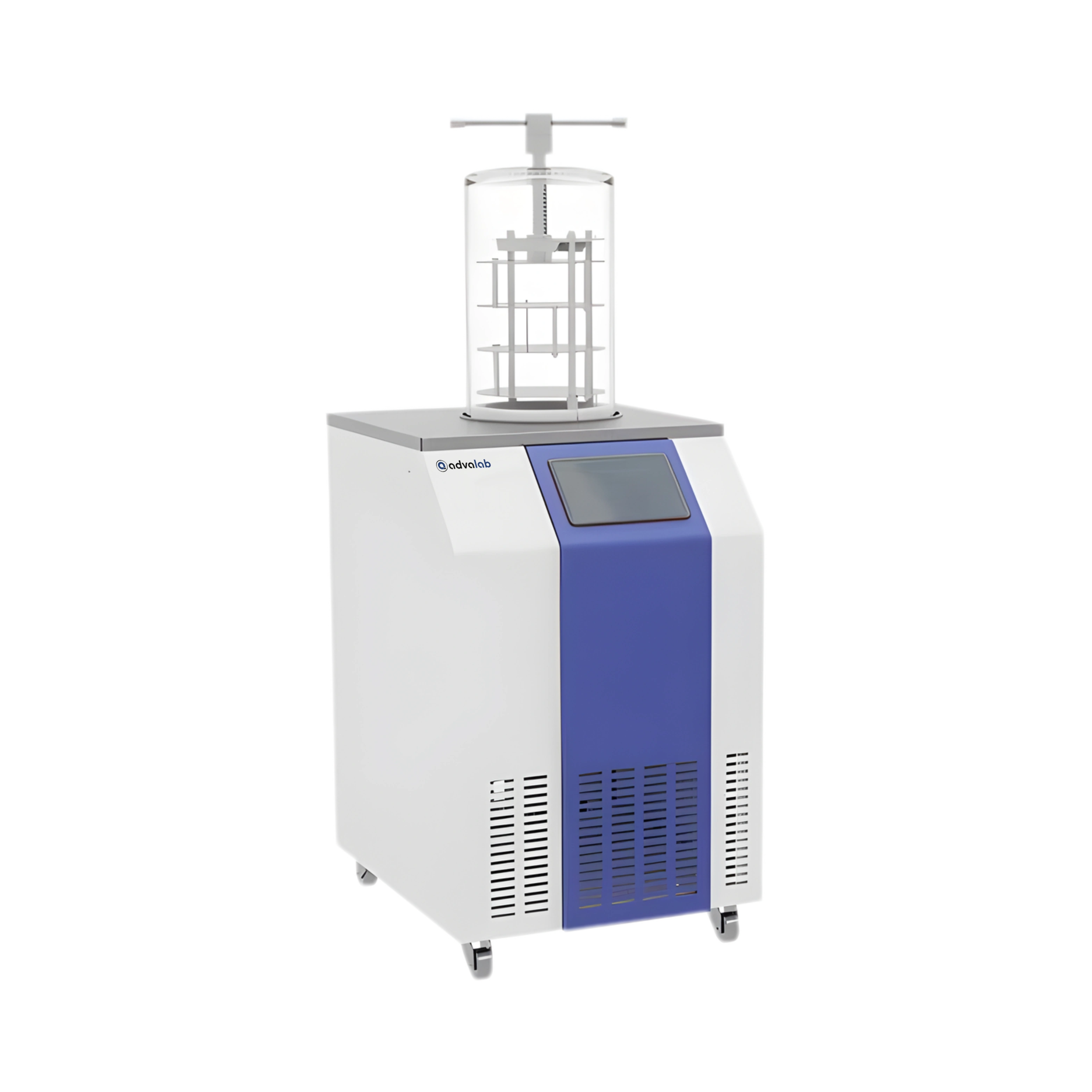
| Cold Trap Temperature: | -60℃ (below) |
| Freeze Drying Time: | 36 to 48 h |
| Cold Trap Volume: | 9.5 L |

| Cold Trap Temperature: | ≤ -60℃ |
| Freeze Drying Time: | 36 to 48 h |
| Cold Trap Volume: | 28 L |
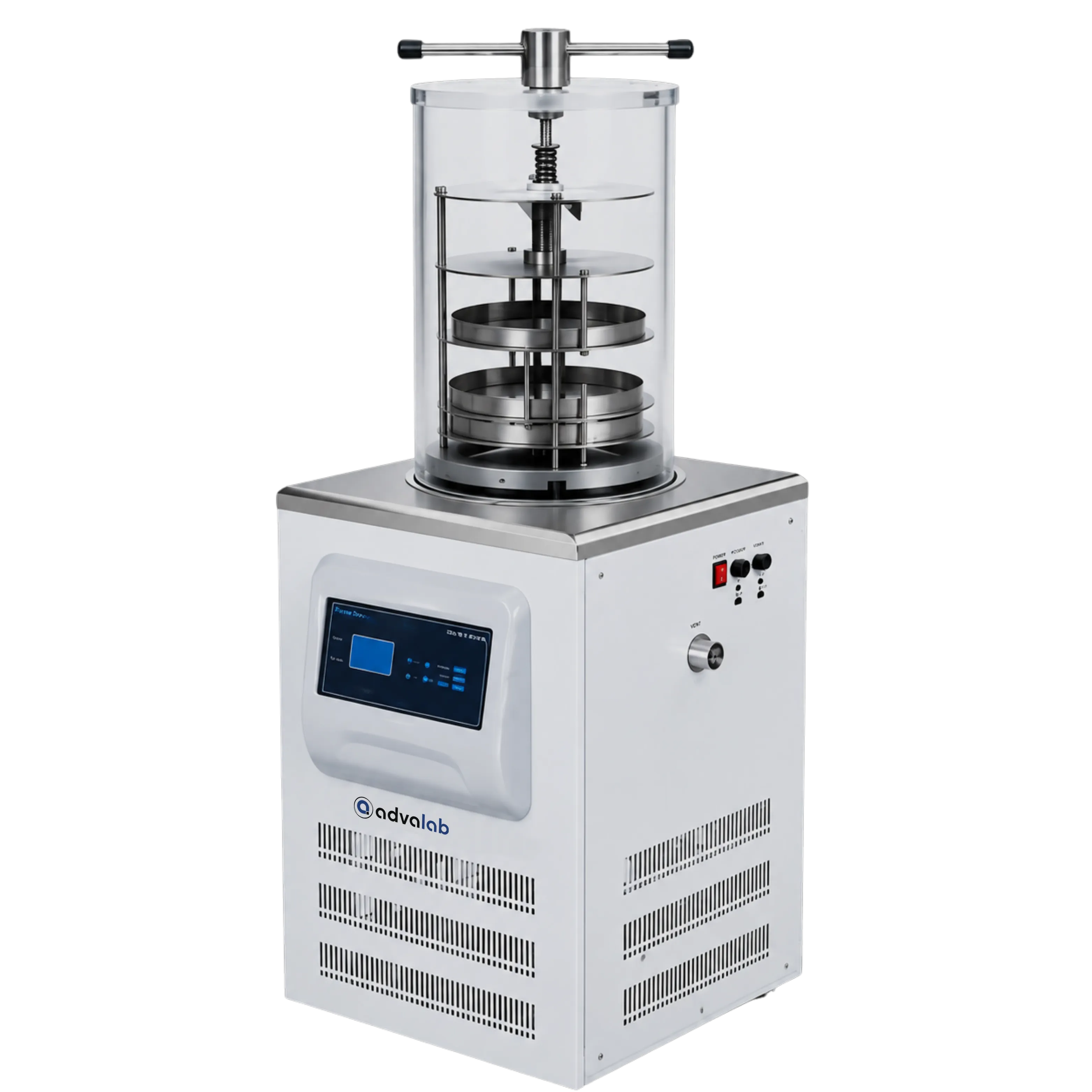
| Temperature Range: | ≤–80℃ |
| Vacuum Level: | < 10 Pa |
| Total Drying Area: | 0.07m² |
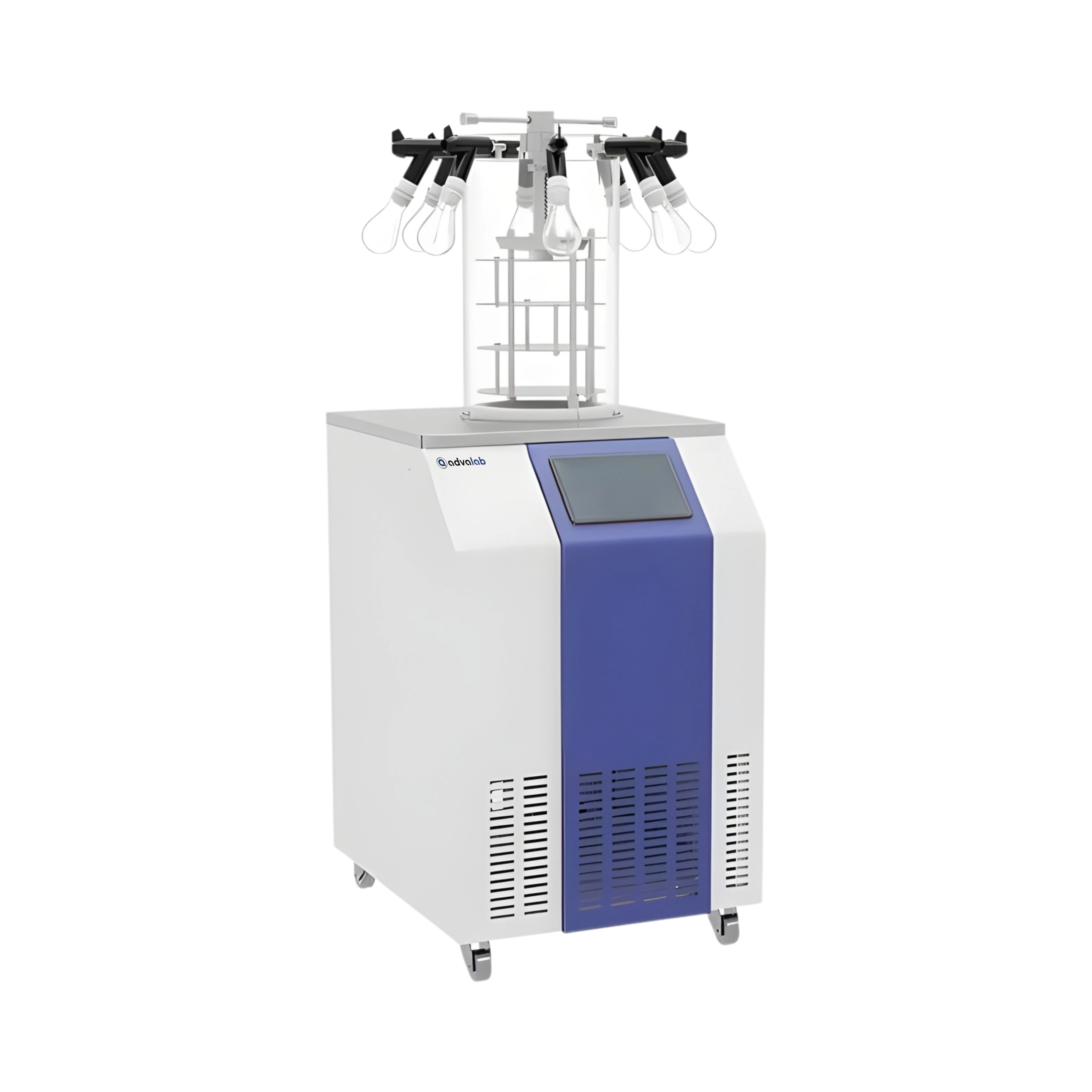
| Cold Trap Temperature: | ≤ -60℃ |
| Freeze Drying Time: | 36 to 48 h |
| Cold Trap Volume: | 28 L |
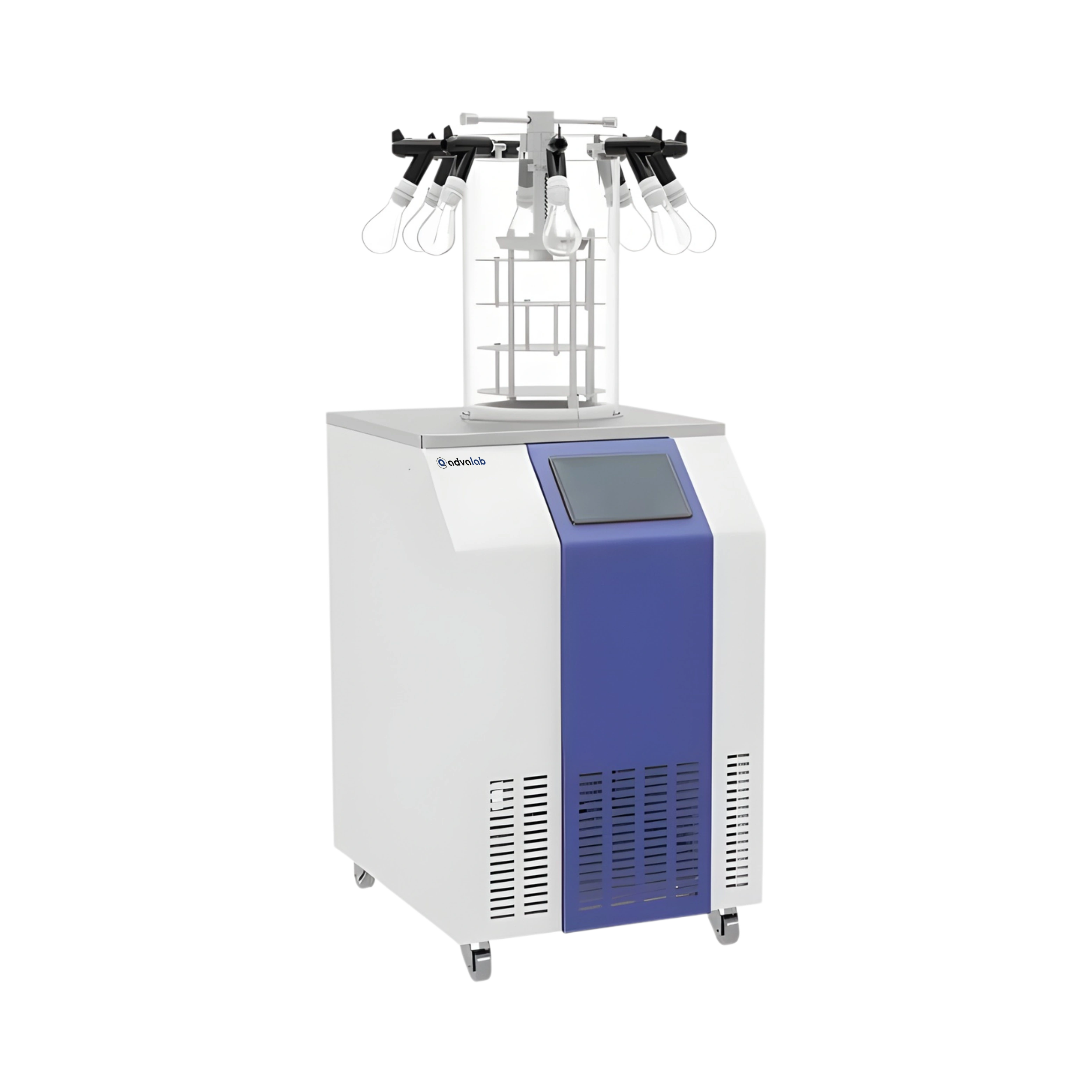
| Cold Trap Temperature: | -60℃ (below) |
| Freeze Drying Time: | 36 to 48 h |
| Cold Trap Volume: | 9.5 L |
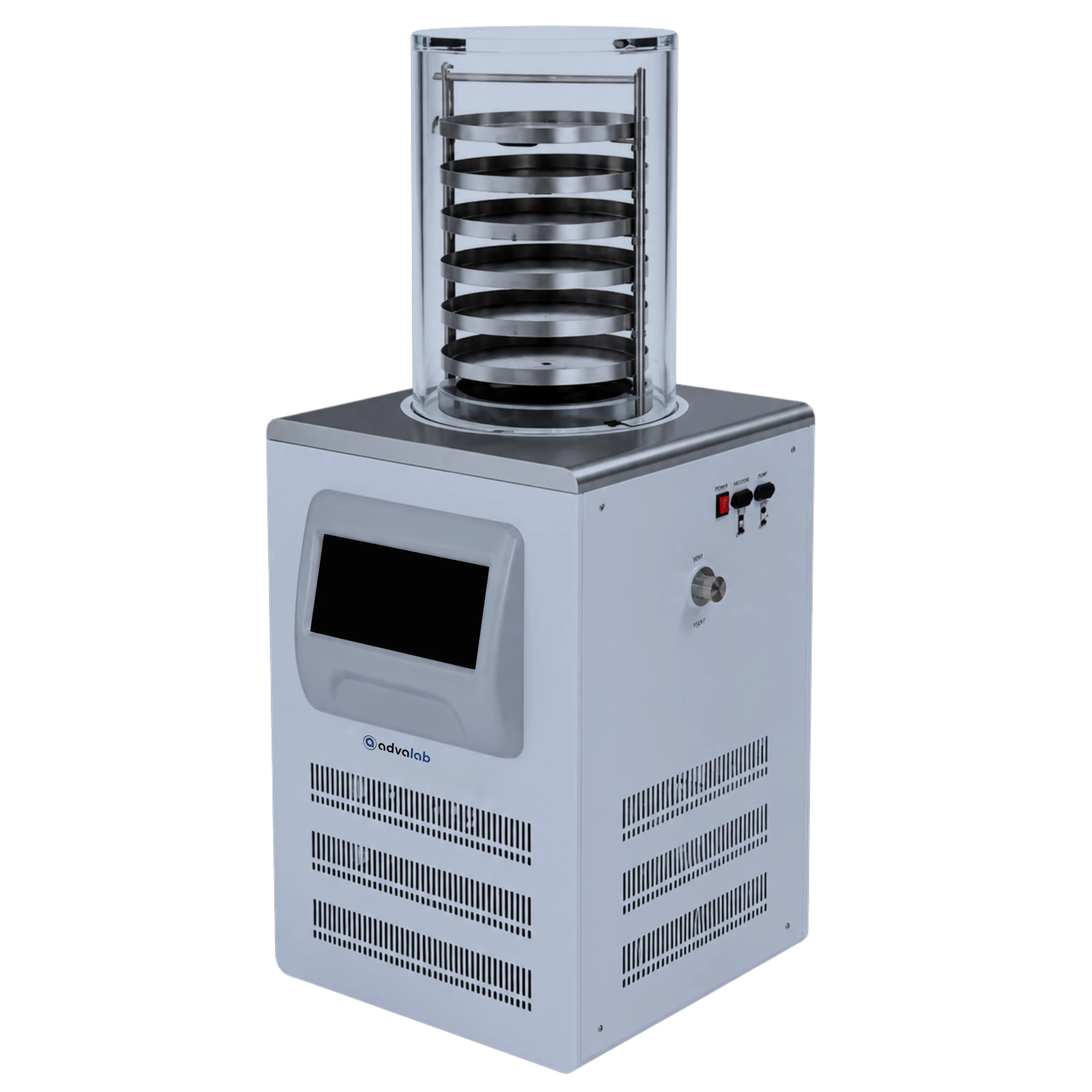
| Temperature Range: | ≤ -50℃ |
| Vacuum Level: | < 10 Pa |
| Freeze-Dry Area: | 0.18 m² |
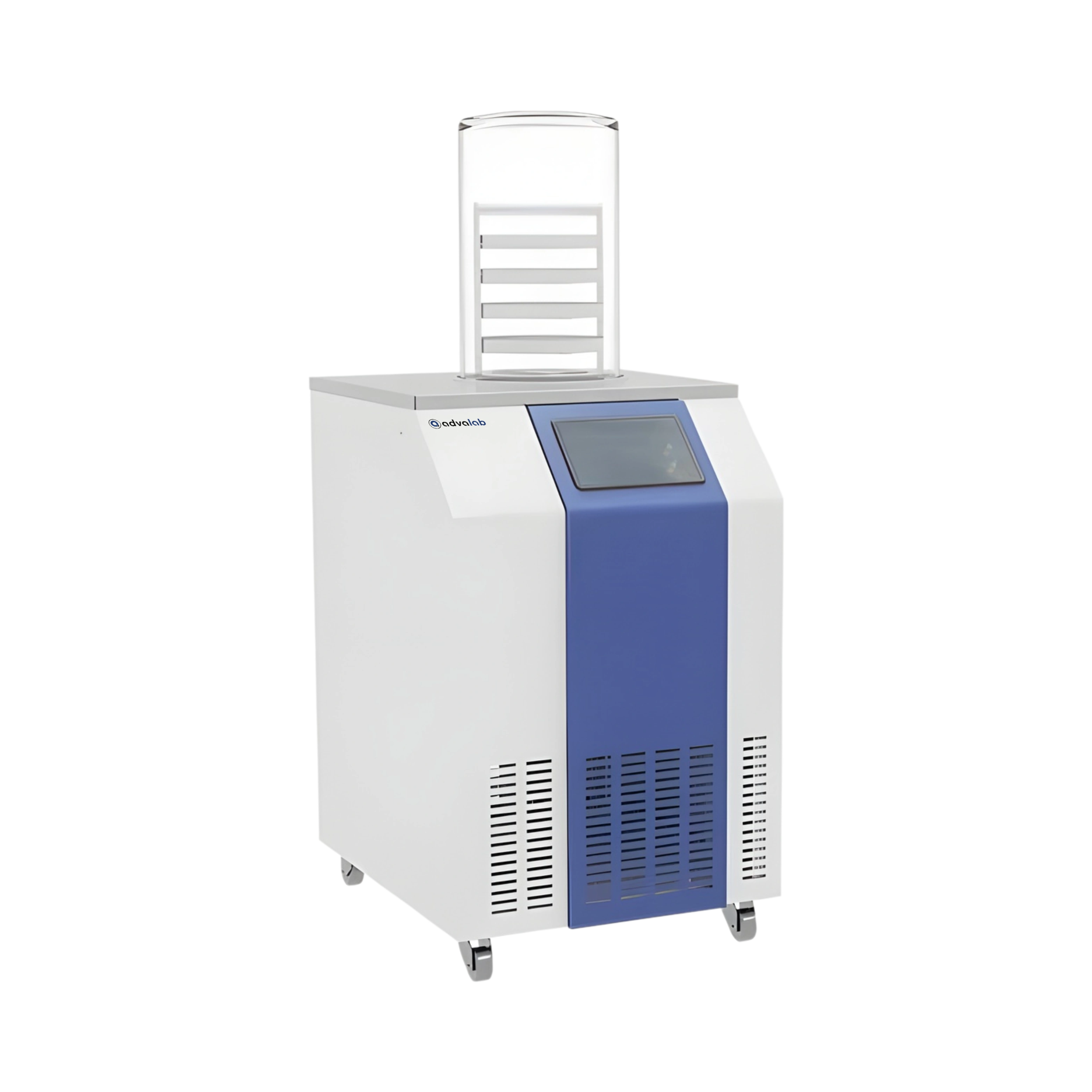
| Cold Trap Temperature: | ≤ -60℃ |
| Freeze Drying Time: | 36 to 48 h |
| Cold Trap Volume: | 28 L |
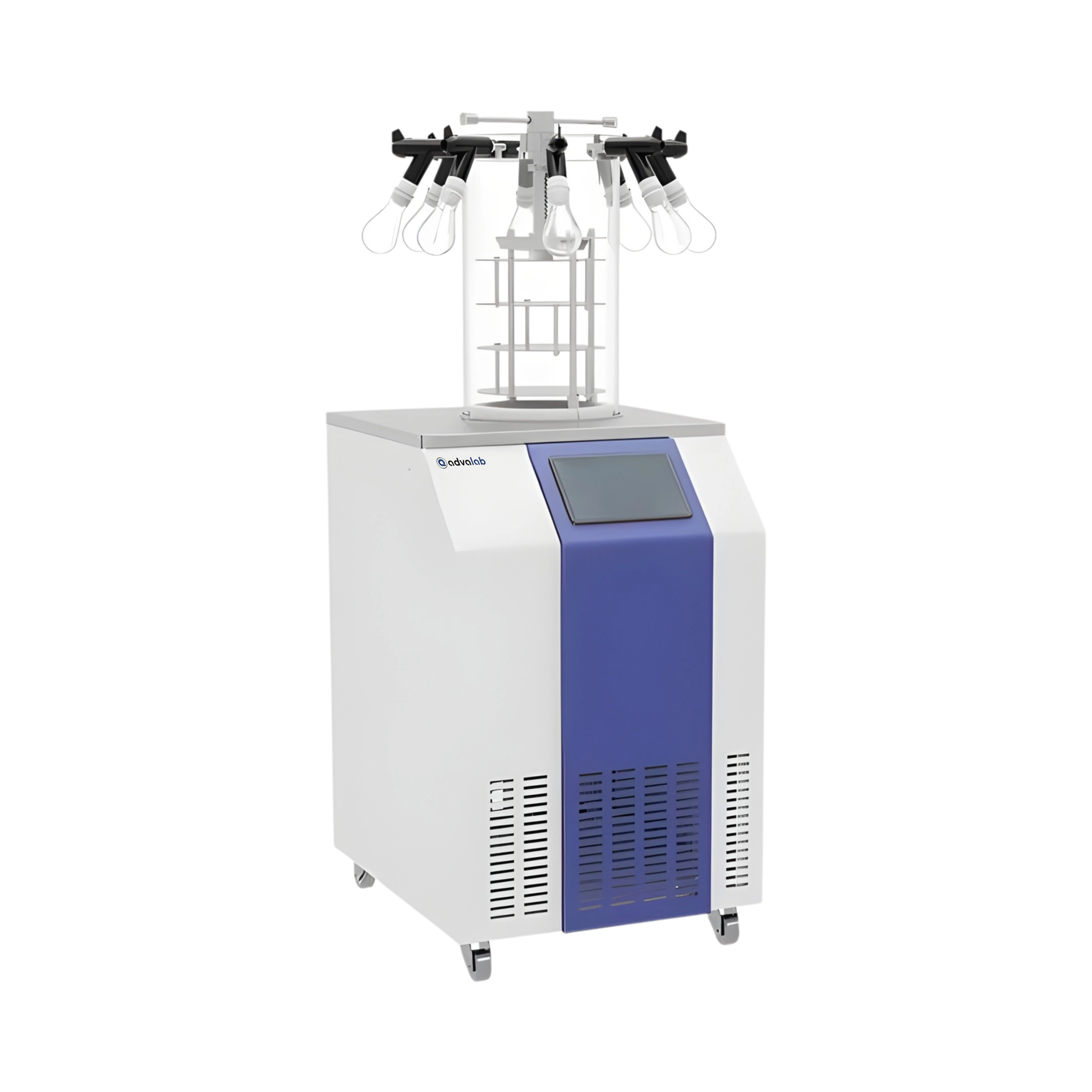
| Cold Trap Temperature: | ≤ -60℃ |
| Freeze Drying Time: | 36 to 48 h |
| Cold Trap Volume: | 9.5 L |
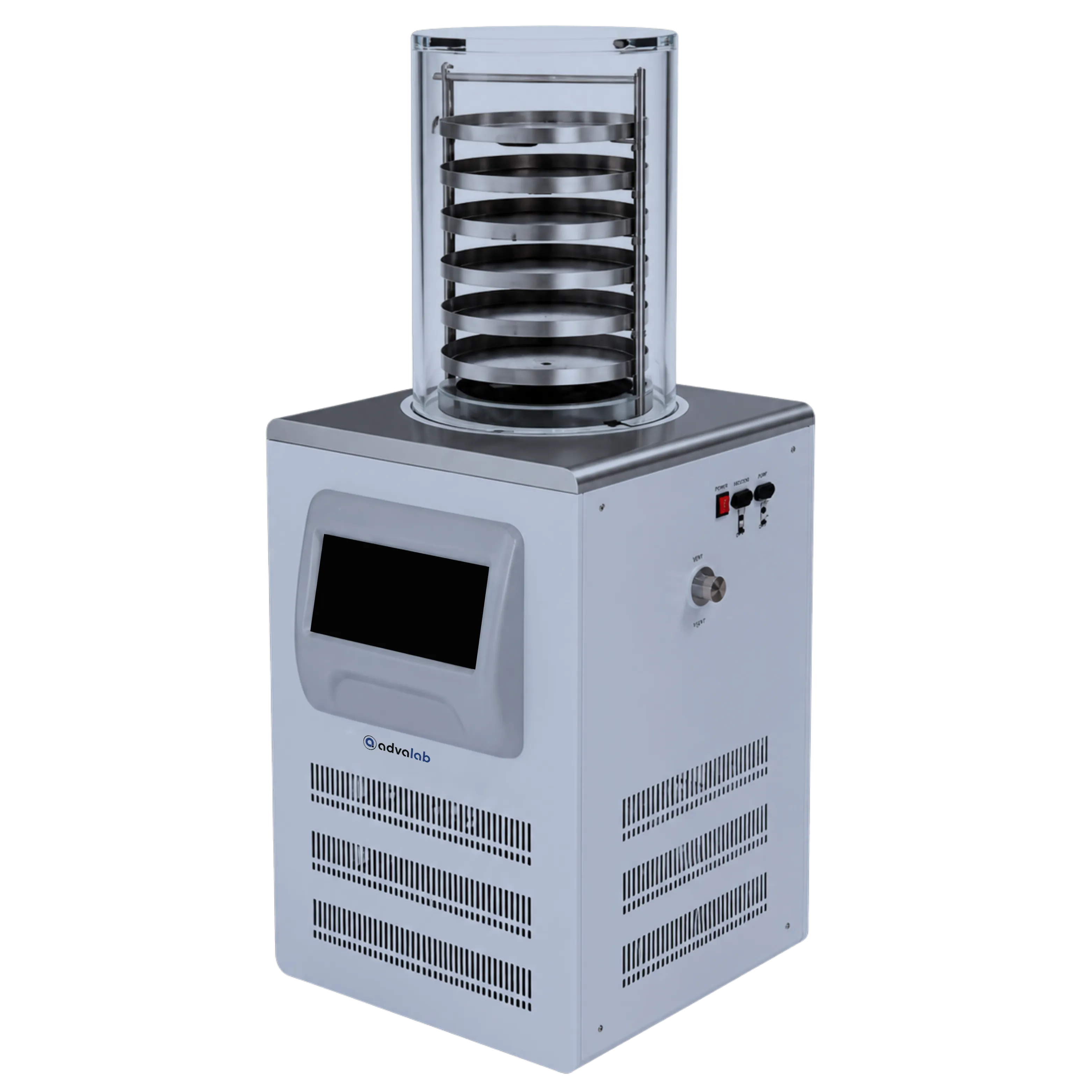
| Temperature Range: | ≤–80℃ |
| Vacuum Level: | < 10 Pa |
| Total Drying Area: | 0.12m² |
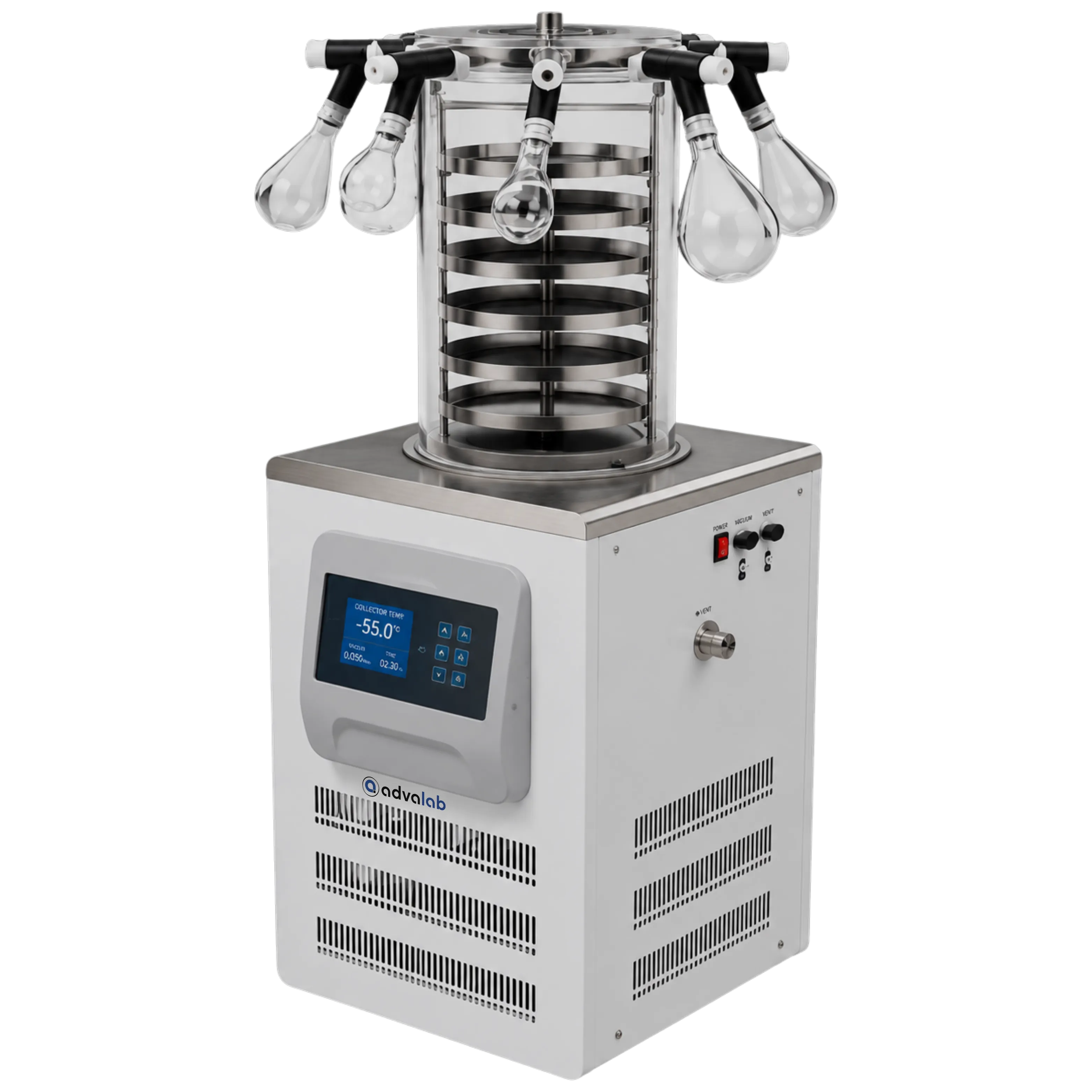
| Temperature Range: | ≤–80℃ |
| Vacuum Level: | < 10 Pa |
| Total Drying Area: | 0.12m² |

| Cold Trap Temperature: | ≤ -60℃ |
| Freeze Drying Time: | 36 to 48 h |
| Cold Trap Volume: | 28 L |
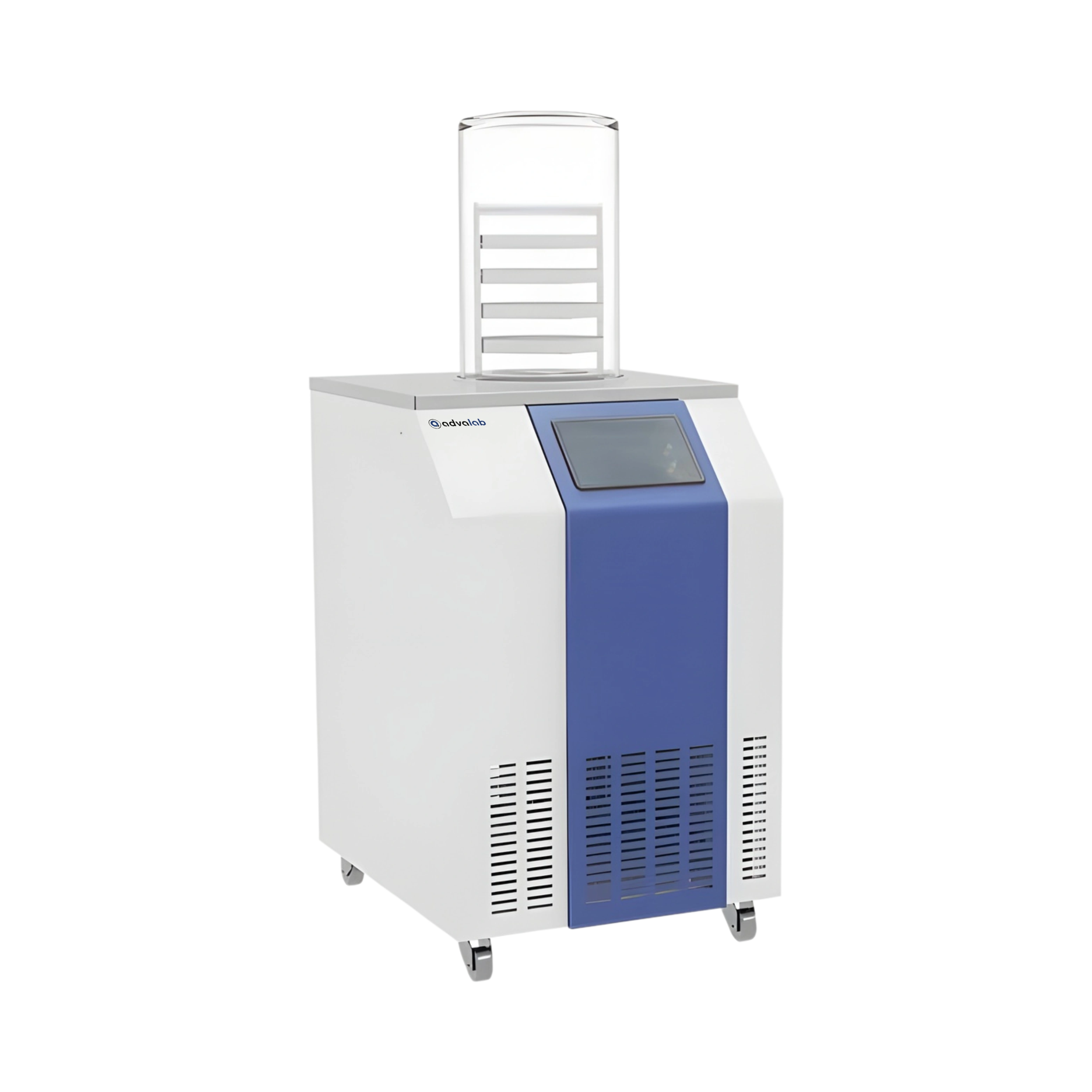
| Cold Trap Temperature: | ≤ -60℃ |
| Freeze Drying Time: | 36 to 48 h |
| Cold Trap Volume: | 9.5 L |
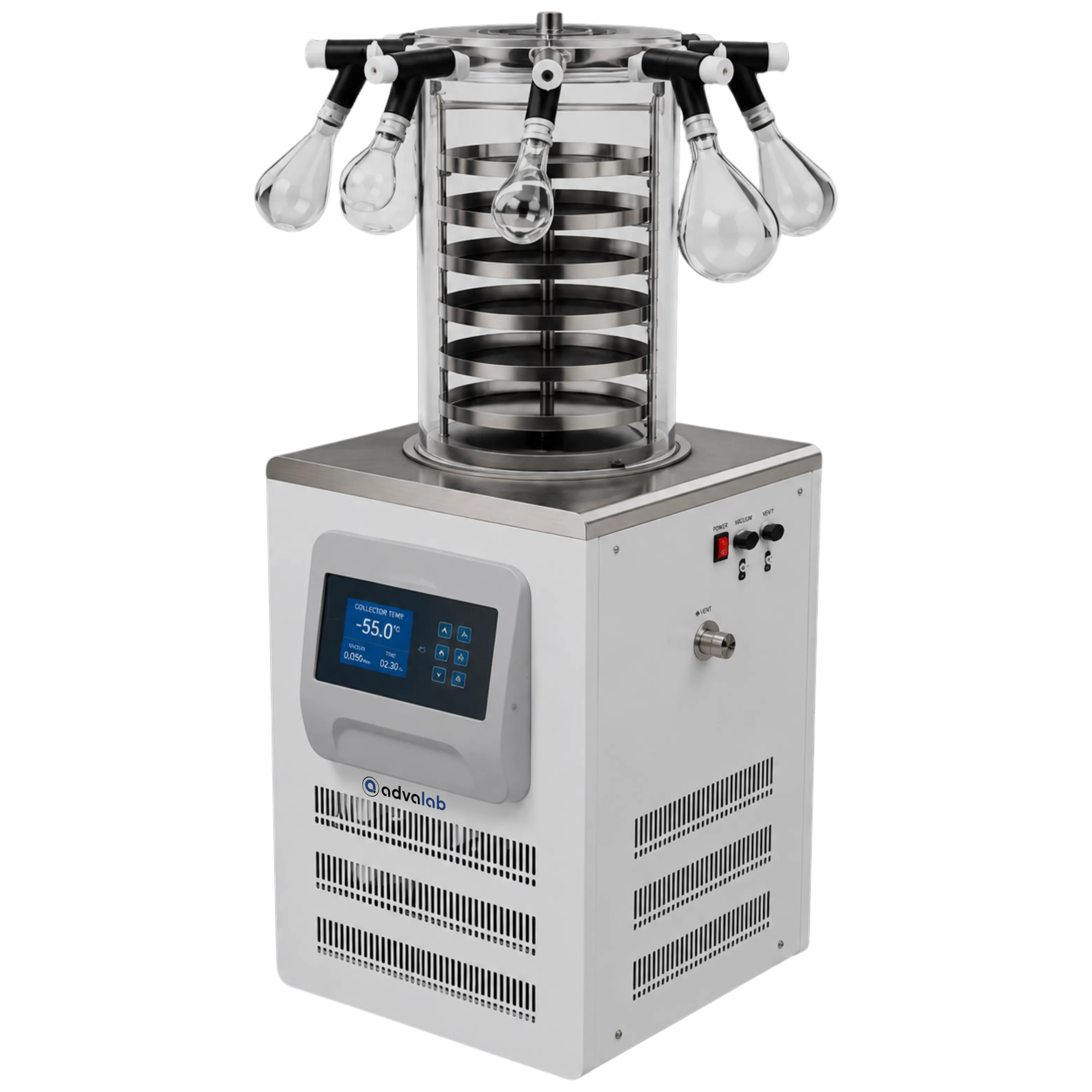
| Temperature Range: | ≤–80℃ |
| Vacuum Level: | < 10 Pa |
| Total Drying Area: | 0.07m² |