
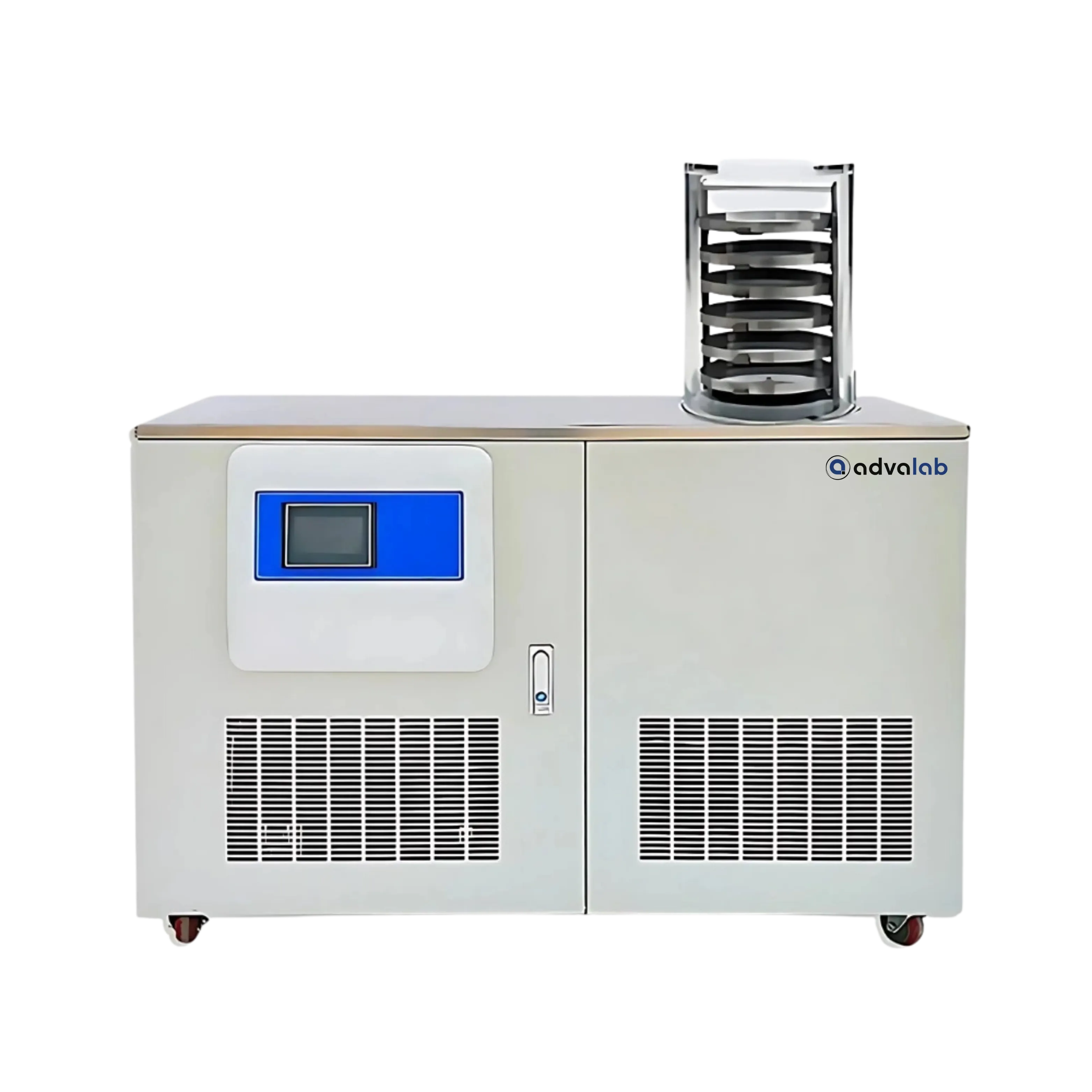
| Temperature Range | ≤–80℃ |
| Vacuum Level | < 10 Pa |
| Total Drying Area | 0.27m² |
| Water-Capture Capacity | 6kg / 24 h |
| Tray Spacing | 33mm |
| Tray Configuration | 6× Ø240 mm |
| Vial Capacity |
Ø16:1020 vials Ø22:528 vials |
| Power Consumption | 2200 W |
| Dimensions (W × D × H) | 1200× 550 × 870 mm + 70 mm |
| Net weight | 70 kg |
| Gross weight | 160 kg |
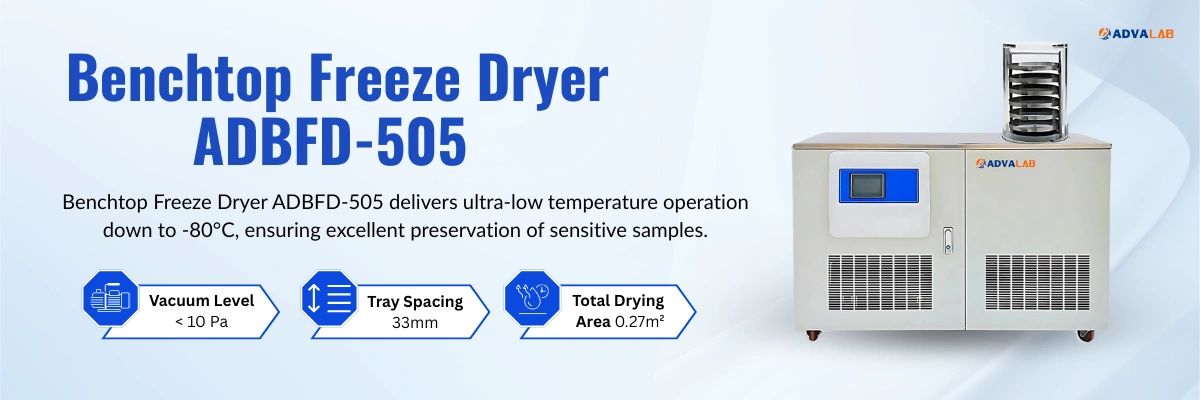
Our Benchtop Freeze Dryer ADBFD-505 can preserve sensitive materials without compromising their structure, it is ideal for sample drying, long-term storage, and formulation stability testing.
Oil free pump
1. How does the Benchtop Freeze Dryer protect sensitive samples during the drying process?
The Freeze Dryer uses a low-temperature sublimation process to preserve delicate samples. By avoiding high heat, it prevents the denaturation of sensitive biological materials such as proteins, enzymes, and vaccines. The precise control of temperature and vacuum helps maintain the structural and biochemical integrity of the samples, ensuring they remain intact throughout the drying process.
2. Can the Benchtop Freeze Dryer accommodate different sample types and sizes?
Yes, the Benchtop Freeze Dryer is versatile and can handle a wide range of sample types, including liquids, semi-solids, and solids. It is particularly well-suited for biological and pharmaceutical samples such as proteins, enzymes, bacteria, and vaccines, as well as food products that require careful preservation. The modular shelf system and customizable trays support different container types, ensuring flexibility for various sample sizes.
3. How does the Benchtop Freeze Dryer ensure precise temperature regulation during drying?
The Benchtop Freeze Dryer uses an advanced PID control system to regulate the temperature of the shelves and condenser accurately. Users can adjust the shelf temperature and vacuum levels to meet the specific needs of each sample, ensuring consistent temperature control throughout the freeze-drying process. This precision is crucial for preventing sample degradation and preserving their quality.
4. Is the Benchtop Freeze Dryer suitable for large-scale sample drying?
While the Benchtop Freeze Dryer is ideal for small-scale and moderate-volume applications, its flexible modular design allows for handling larger sample volumes compared to other benchtop systems. It supports various containers like vials and ampoules, and additional trays or shelves can be added for larger batches. However, for large industrial-scale applications, a larger Freeze Dryer may be more suitable. The system excels in research, development, and testing environments where precise control over sample batches is essential.
5. What ensures consistent drying results with the Benchtop Freeze Dryer?
The Benchtop Freeze Dryer achieves consistent drying by precisely controlling temperature, vacuum pressure, and drying time. Its advanced PID control system ensures that each material is processed under optimal conditions, while adjustable shelves and customizable settings allow for specific parameter adjustments. This control is critical in ensuring that samples maintain their integrity and quality across various batches, especially in sensitive research applications.
6. What is a Benchtop Freeze Dryer used for?
A Benchtop Freeze Dryer is primarily used to preserve and stabilize small sample volumes through the process of freeze-drying. This technique is particularly useful for sensitive materials like biological specimens, pharmaceuticals, food products, and chemicals, which require moisture removal. The process ensures that the samples retain their original properties, including structure, bioactivity, and nutritional content.
7. How much time is required for a full freeze-drying process using a Benchtop Freeze Dryer?
The freeze-drying process duration can vary depending on the type of material being dried, the sample size, and the settings used. Generally, the freeze-drying cycle for small samples in a Benchtop Freeze Dryer can take anywhere from 12 hours to 48 hours. For smaller volumes with low moisture content, the process may be completed more quickly. Conversely, samples with high moisture content require longer drying times.
8. Can I use a Benchtop Freeze Dryer for large volumes of samples?
While the Benchtop Freeze Dryer is designed for smaller sample volumes, you can process larger batches by conducting multiple runs. If large volumes are needed, you may want to explore industrial-scale freeze dryers, which can handle larger capacities at once. However, for most laboratory applications, the system offers ample capacity for medium-to-small sample sizes.

| Temperature Range | ≤-50℃ |
| Vacuum Level | <10 Pa |
| Freeze-Dry Area | 0.12 m² |
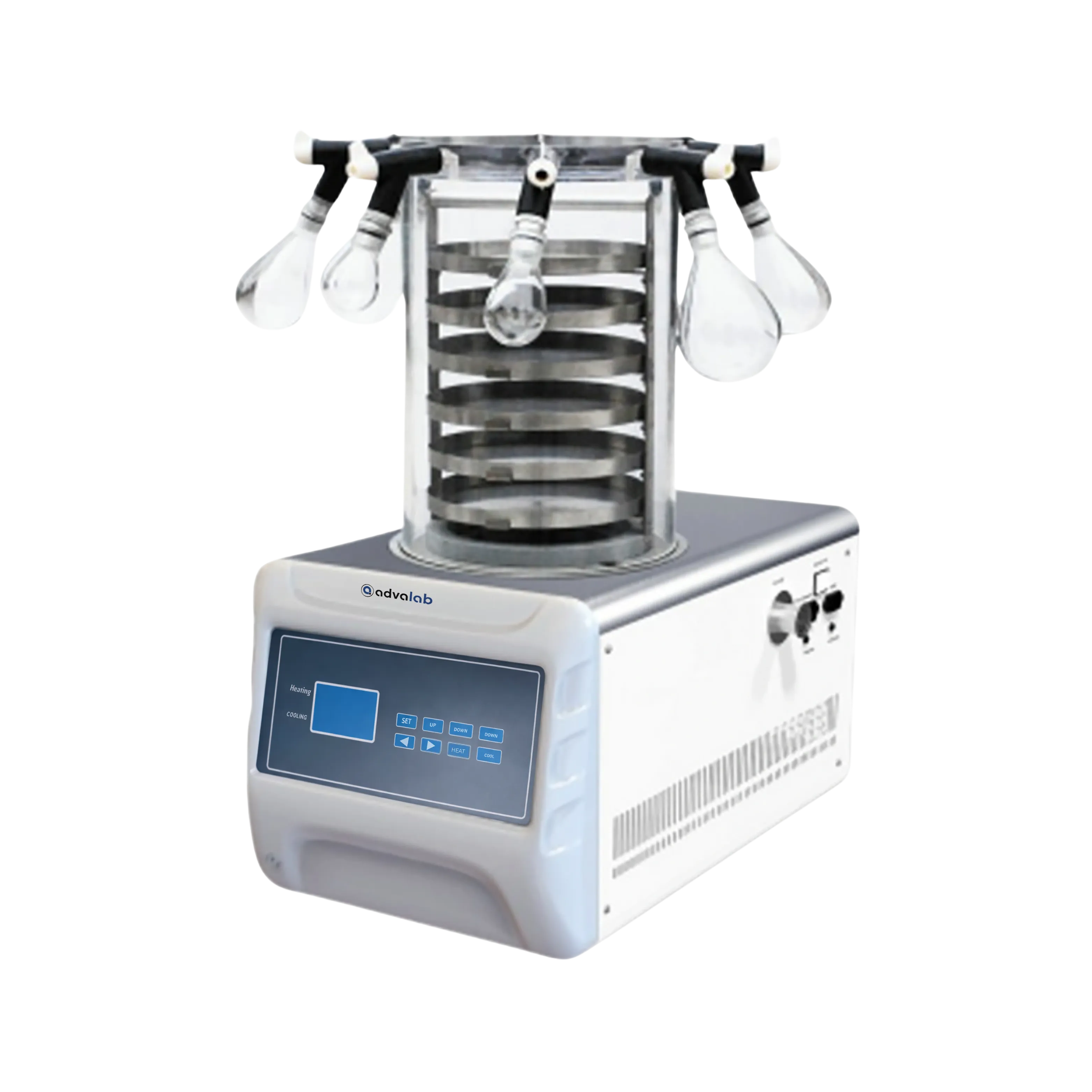
| Temperature Range | ≤-50℃ |
| Vacuum Level <10 Pa | <10 Pa |
| Freeze-Dry Area | 0.07 m² |
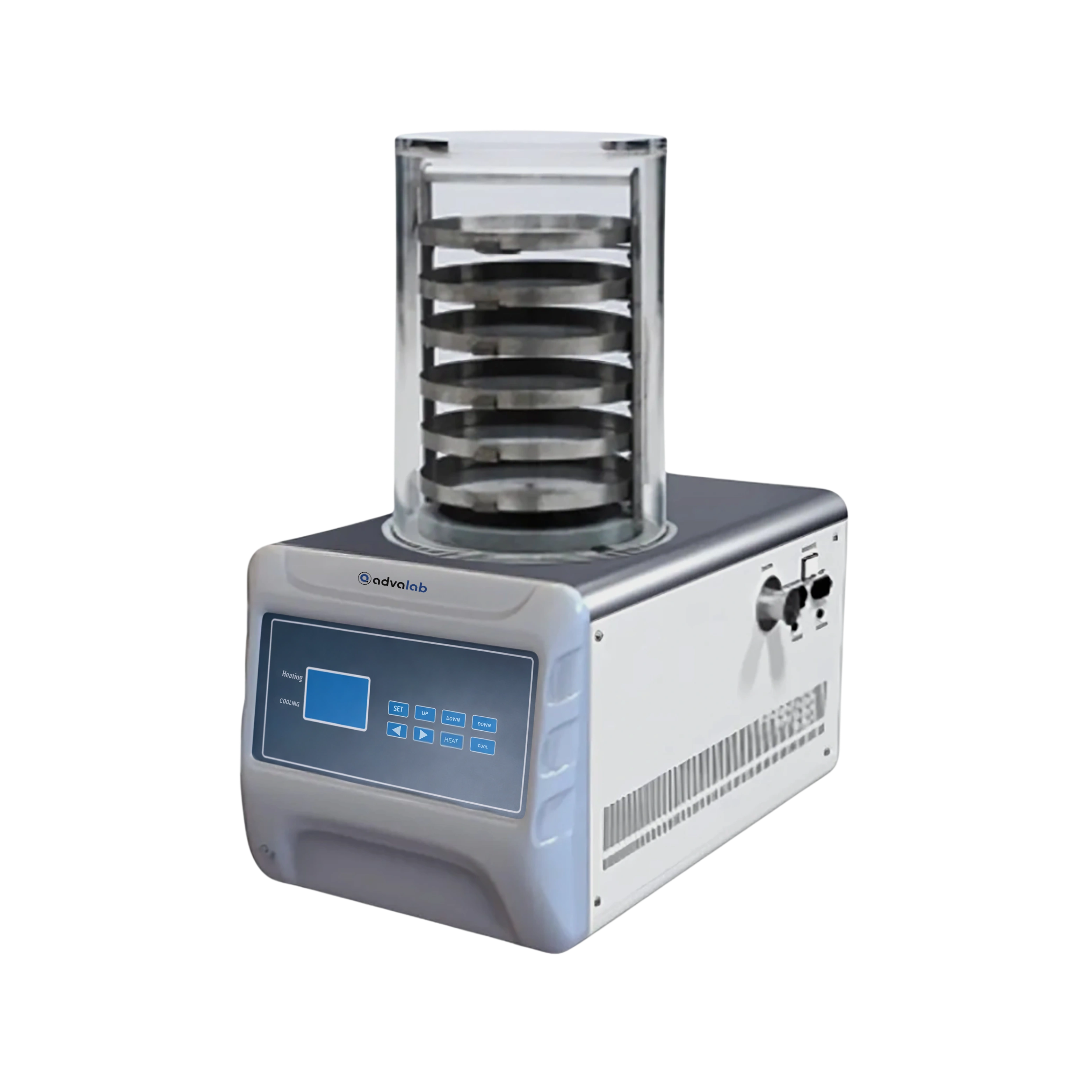
| Temperature Range | ≤-50℃ |
| Vacuum Level | <10 Pa |
| Freeze-Dry Area | 0.12 m² |
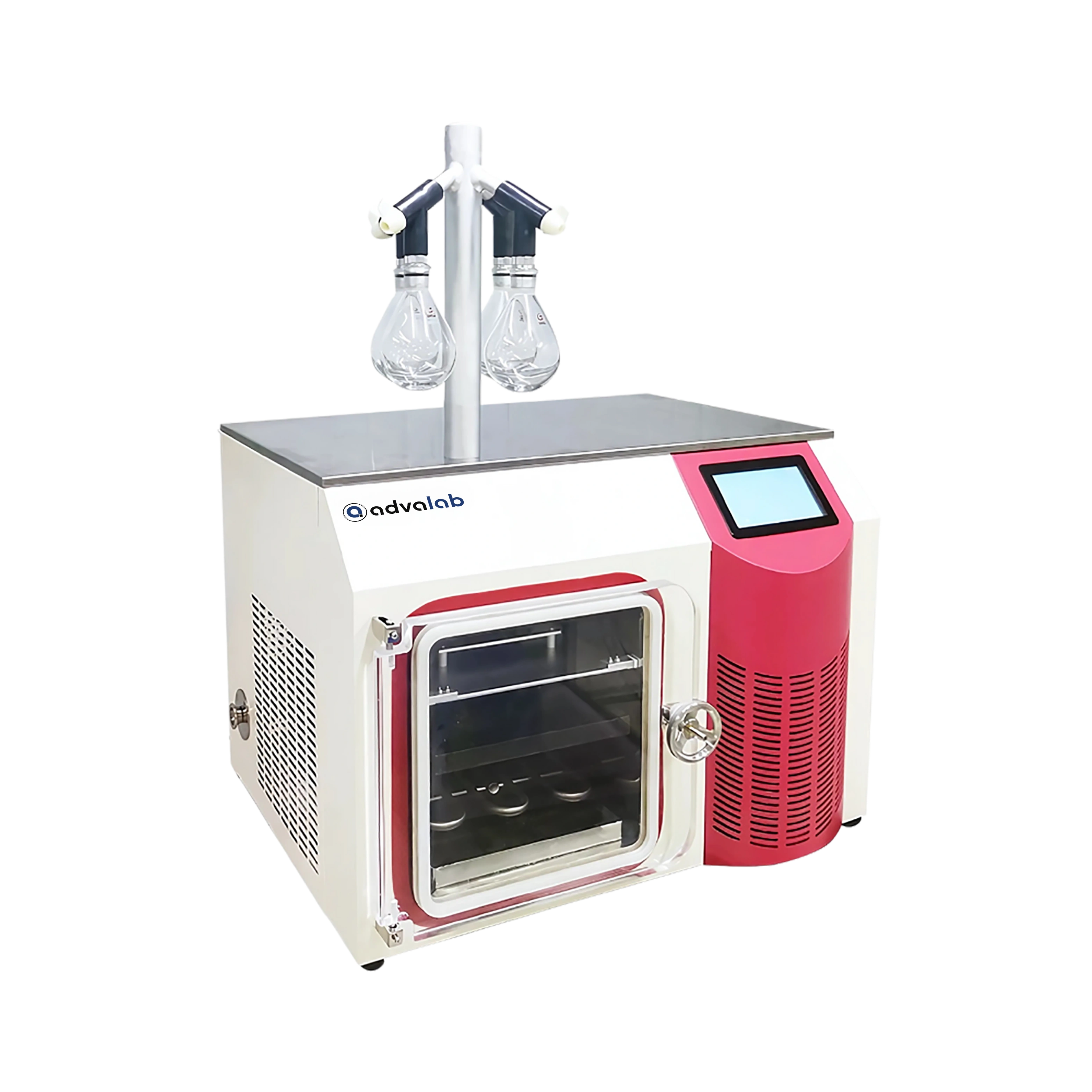
| Condenser Temperature | -88 °C |
| Shelf Temperature Range | -60 °C to +70 °C |
| Temperature Uniformity | ±1 °C |
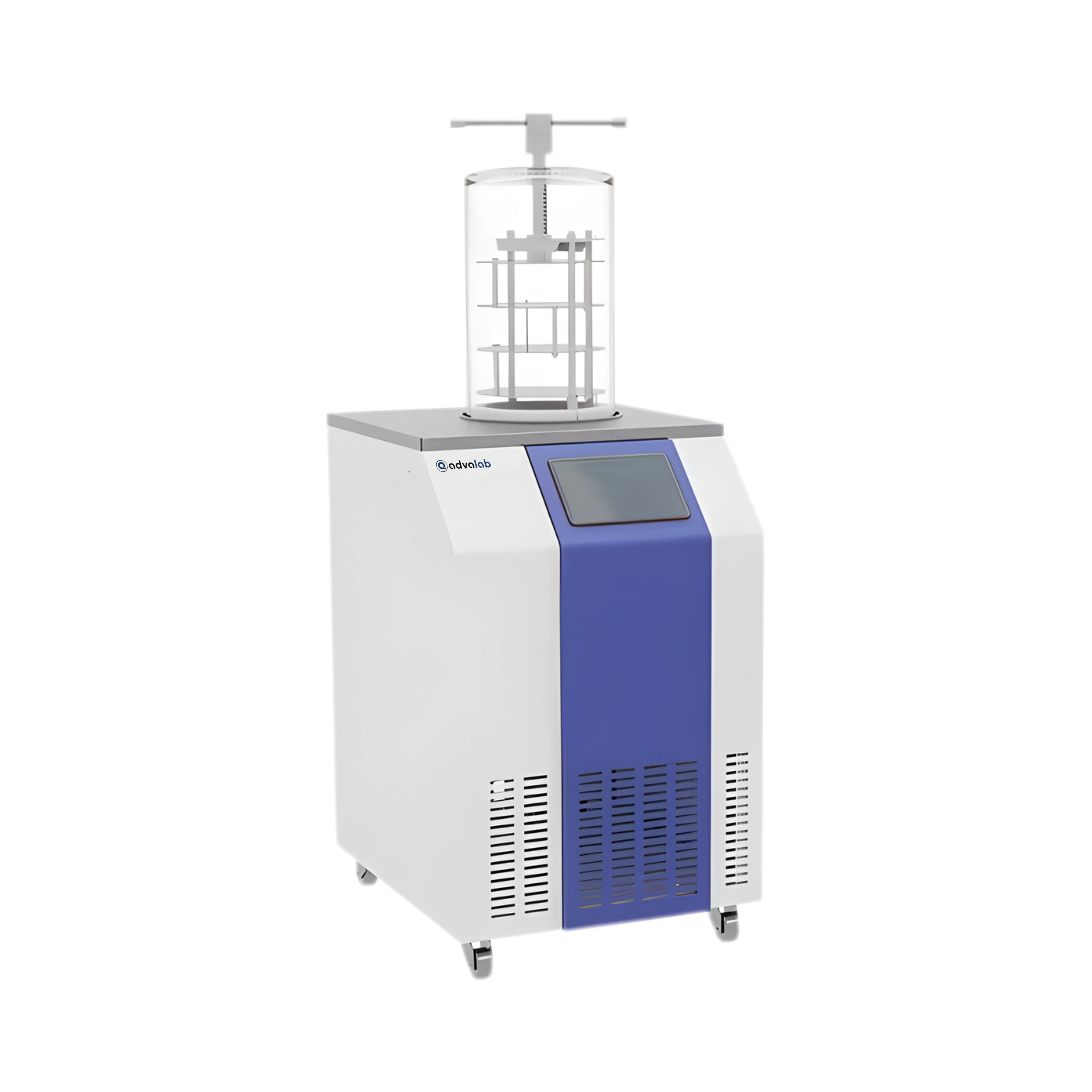
| Cold Trap Temperature: | ≤ -60℃ |
| Freeze Drying Time: | 36 to 48 h |
| Cold Trap Volume: | 28 L |
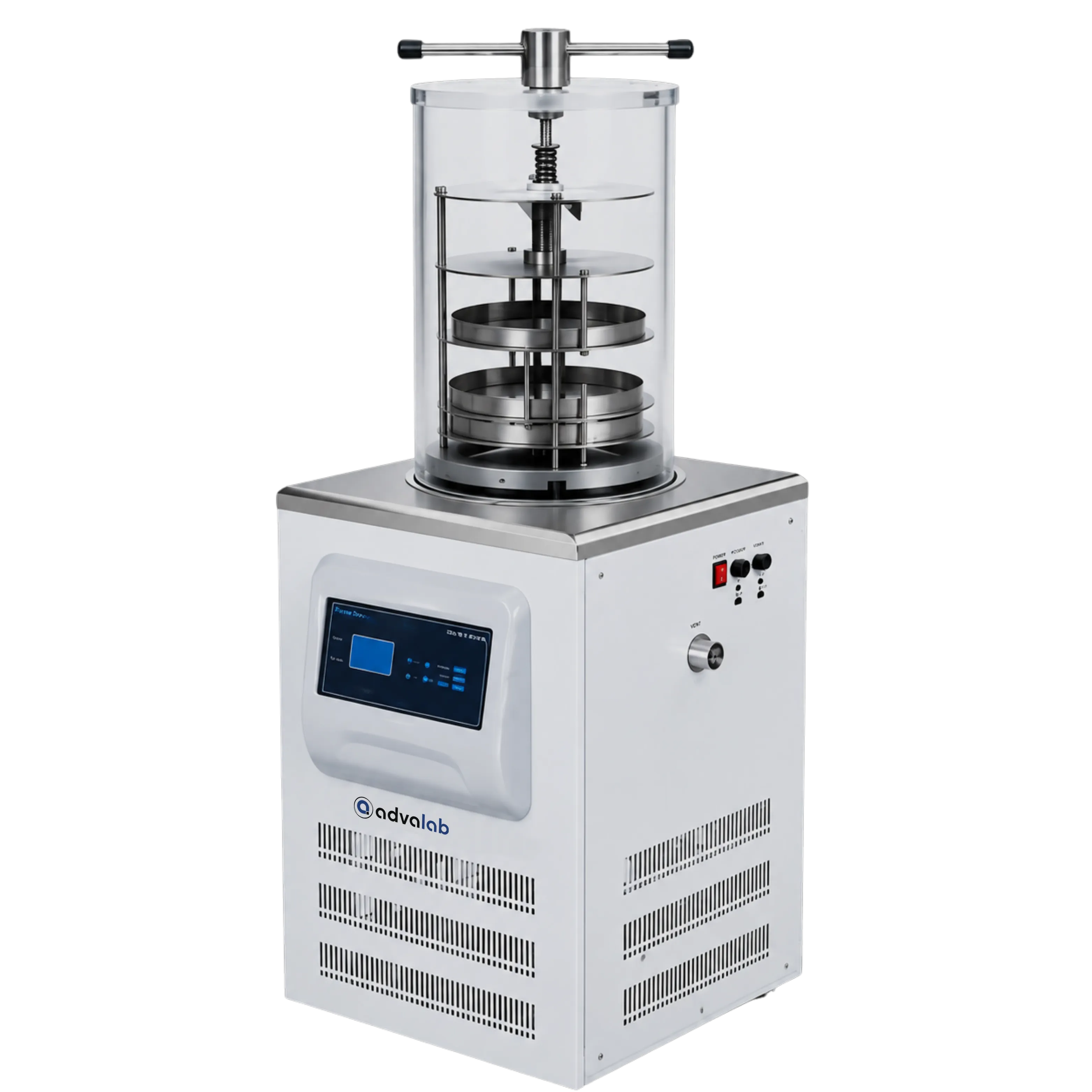
| Temperature Range: | ≤–80℃ |
| Vacuum Level: | < 10 Pa |
| Total Drying Area: | 0.07m² |
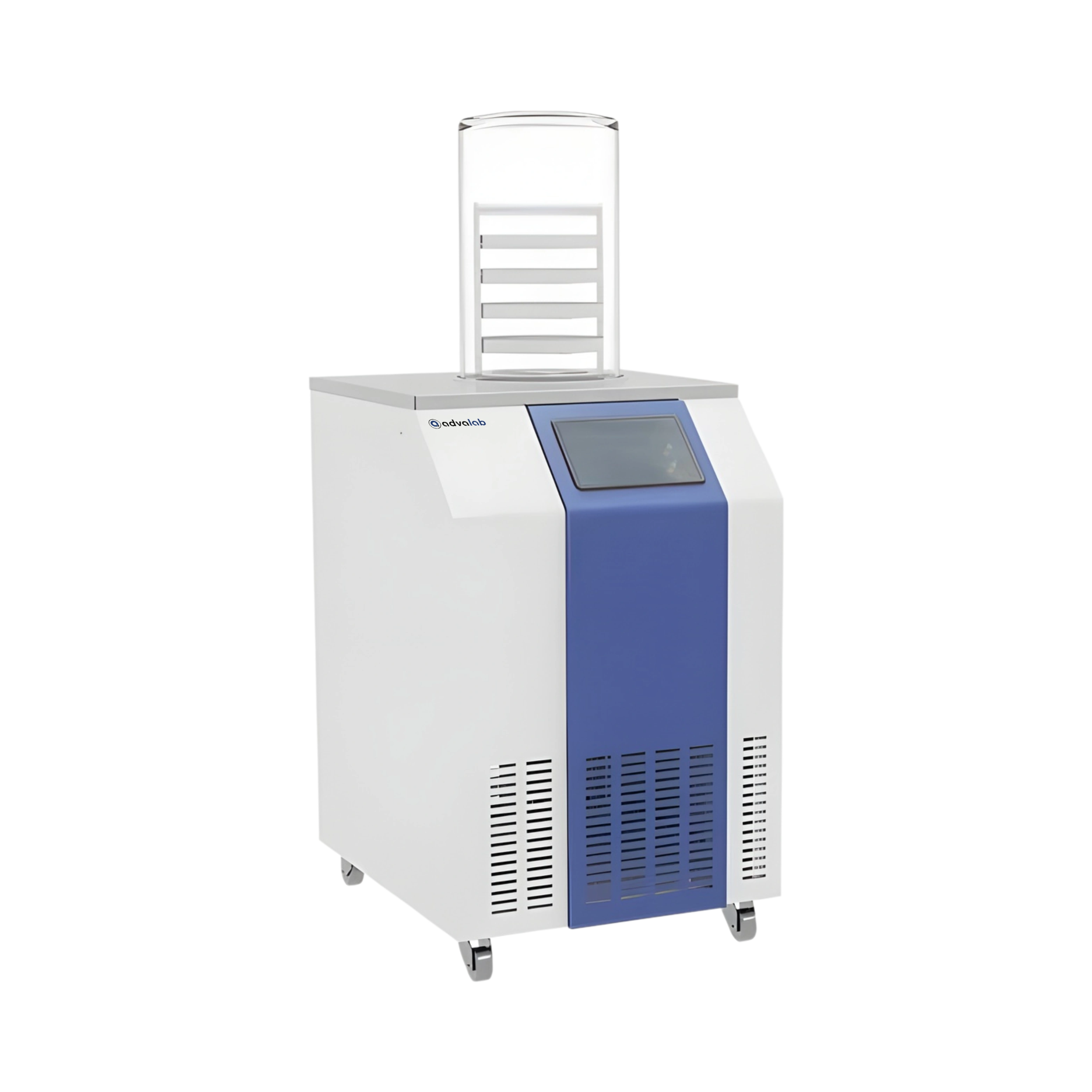
| Cold Trap Temperature: | ≤ -60℃ |
| Freeze Drying Time: | 36 to 48 h |
| Cold Trap Volume: | 9.5 L |

| Cold Trap Temperature: | ≤ -60℃ |
| Freeze Drying Time: | 36 to 48 h |
| Cold Trap Volume: | 28 L |
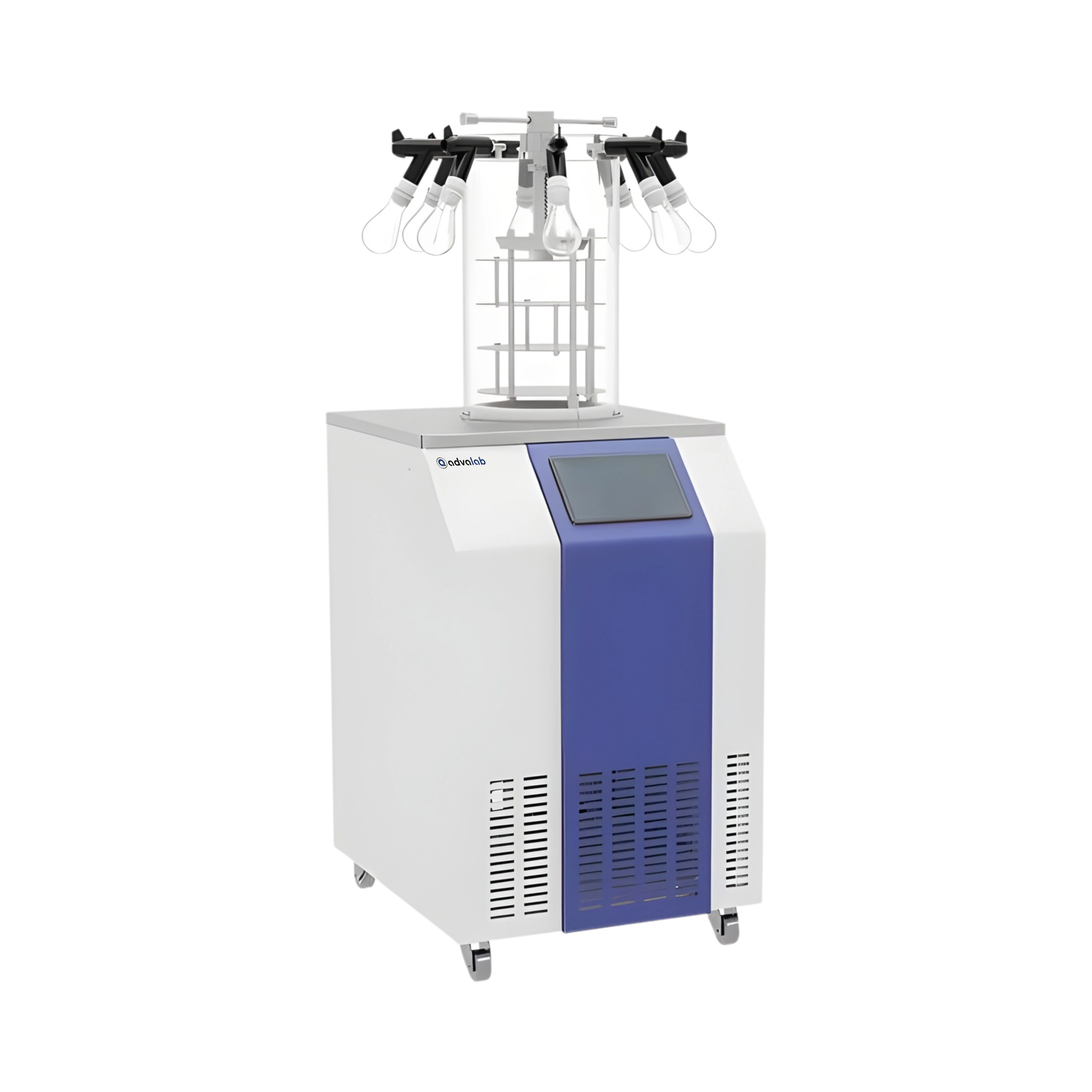
| Cold Trap Temperature: | ≤ -60℃ |
| Freeze Drying Time: | 36 to 48 h |
| Cold Trap Volume: | 28 L |
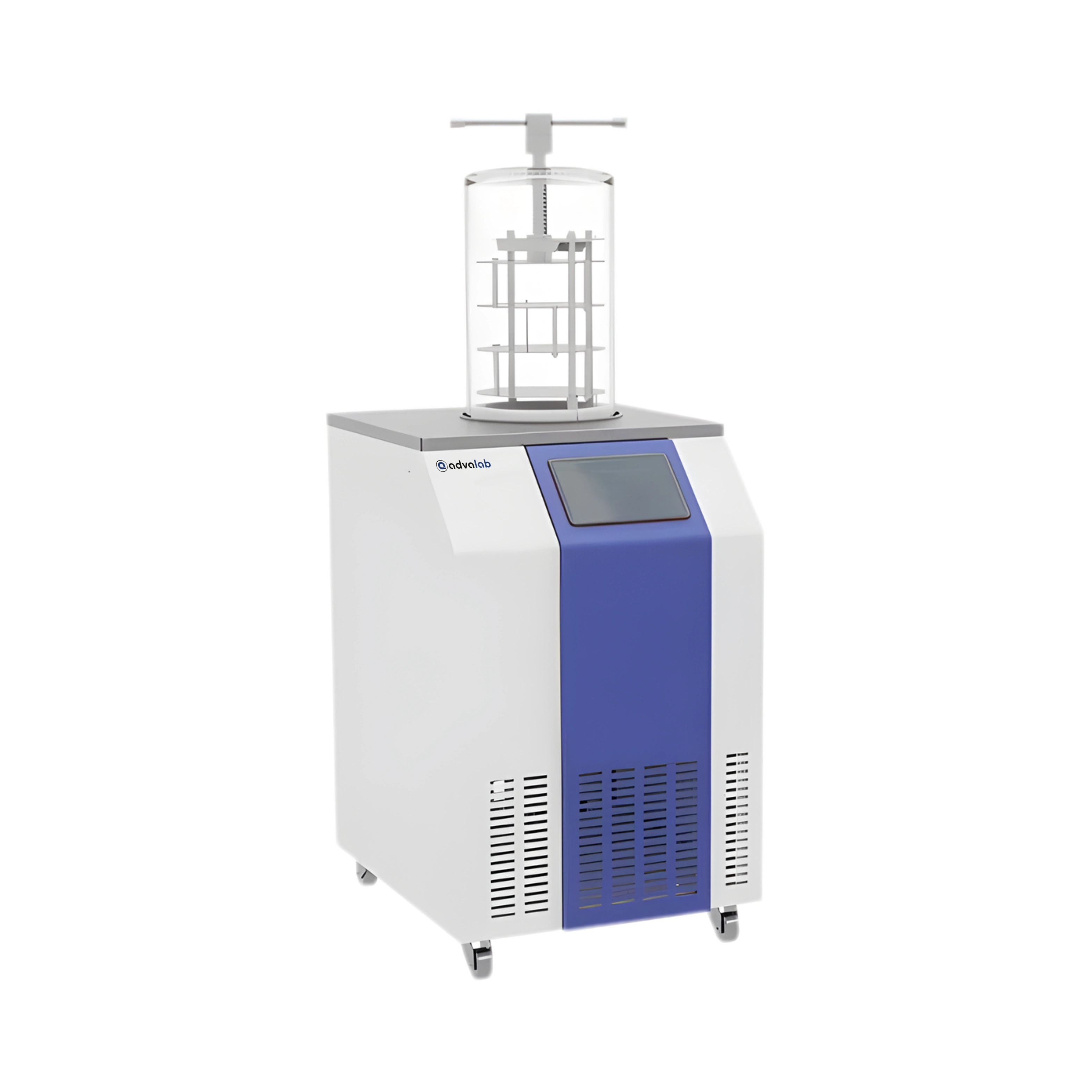
| Cold Trap Temperature: | ≤ -60℃ |
| Freeze Drying Time: | 36 to 48 h |
| Cold Trap Volume: | 9.5 L |
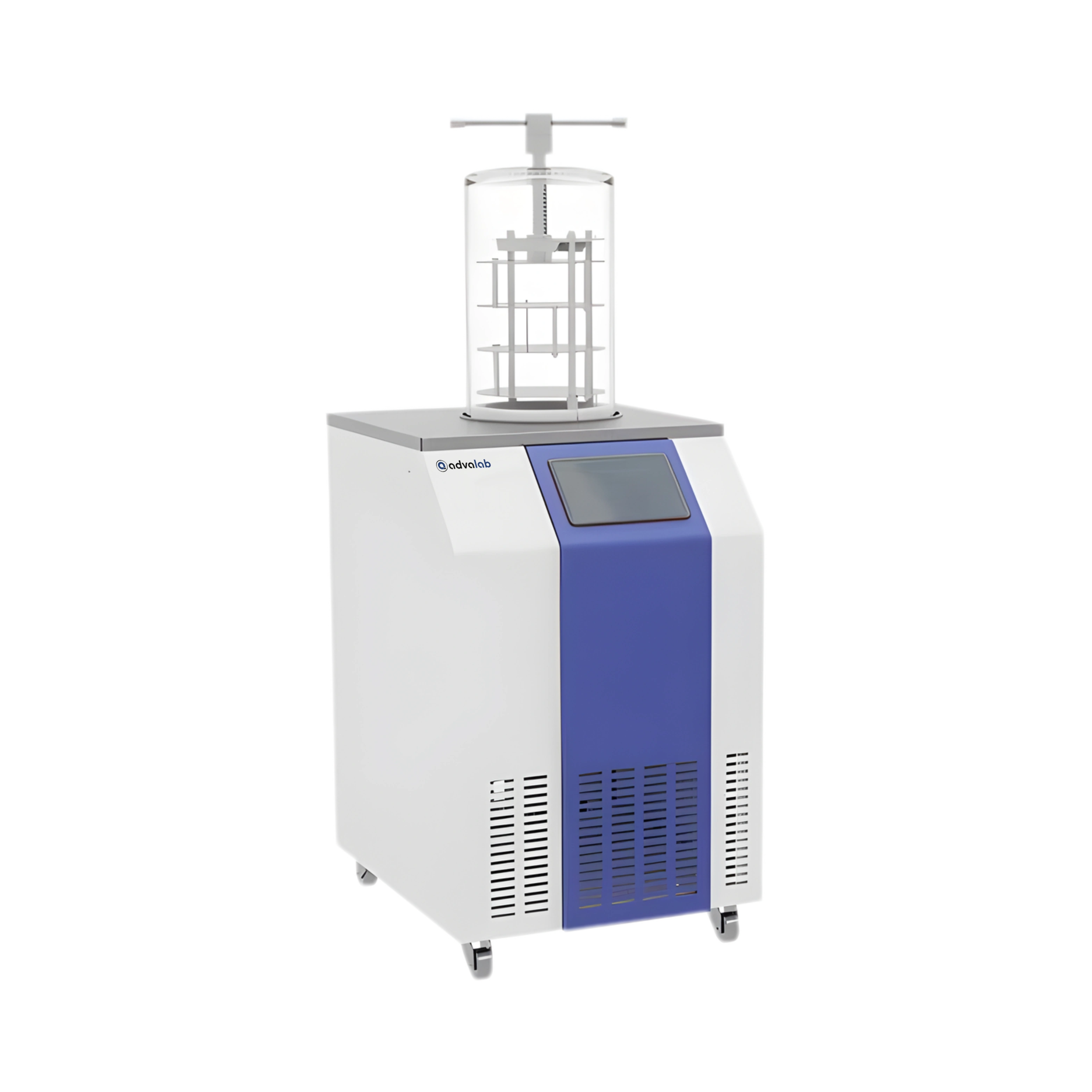
| Cold Trap Temperature: | -60℃ (below) |
| Freeze Drying Time: | 36 to 48 h |
| Cold Trap Volume: | 9.5 L |
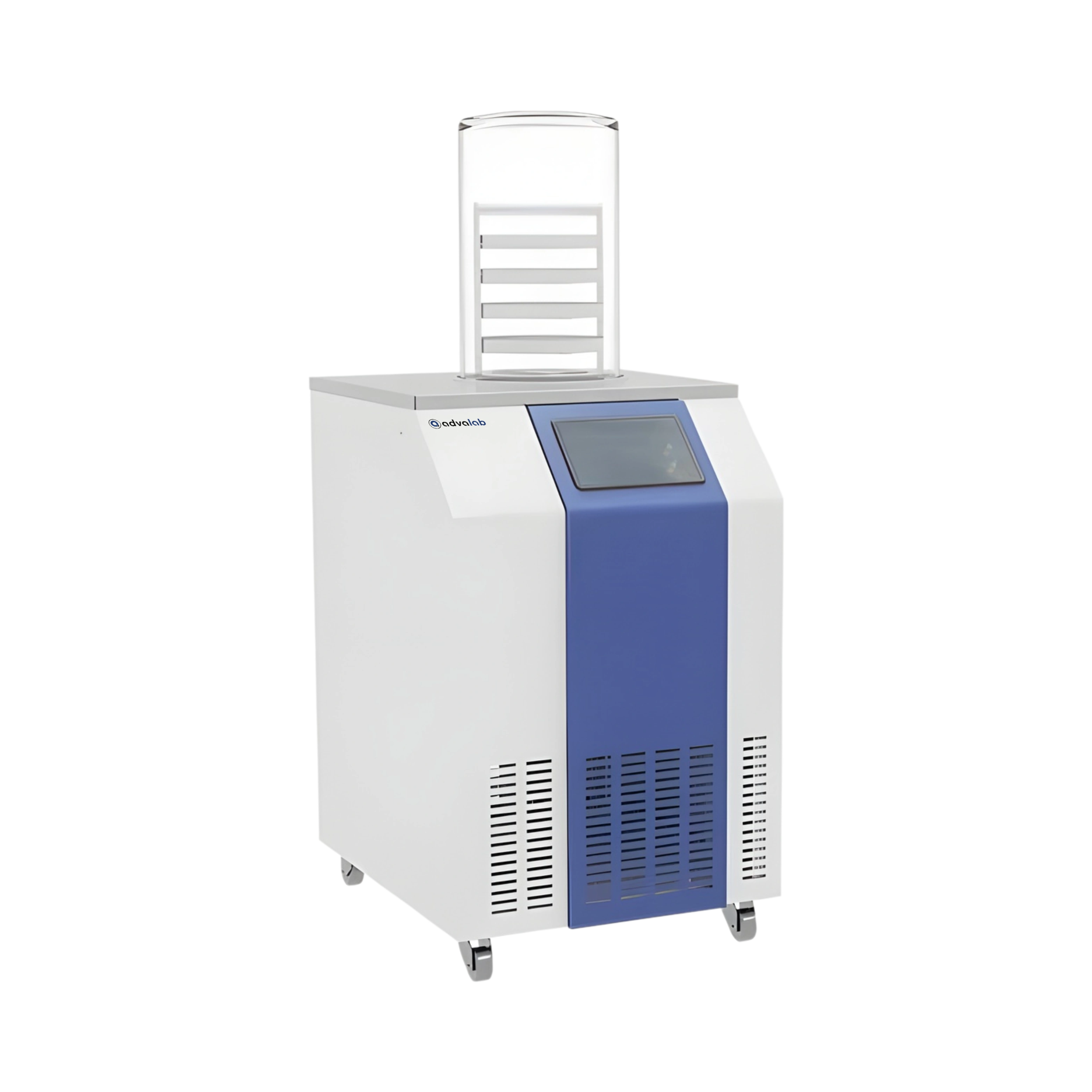
| Cold Trap Temperature: | ≤ -60℃ |
| Freeze Drying Time: | 36 to 48 h |
| Cold Trap Volume: | 28 L |
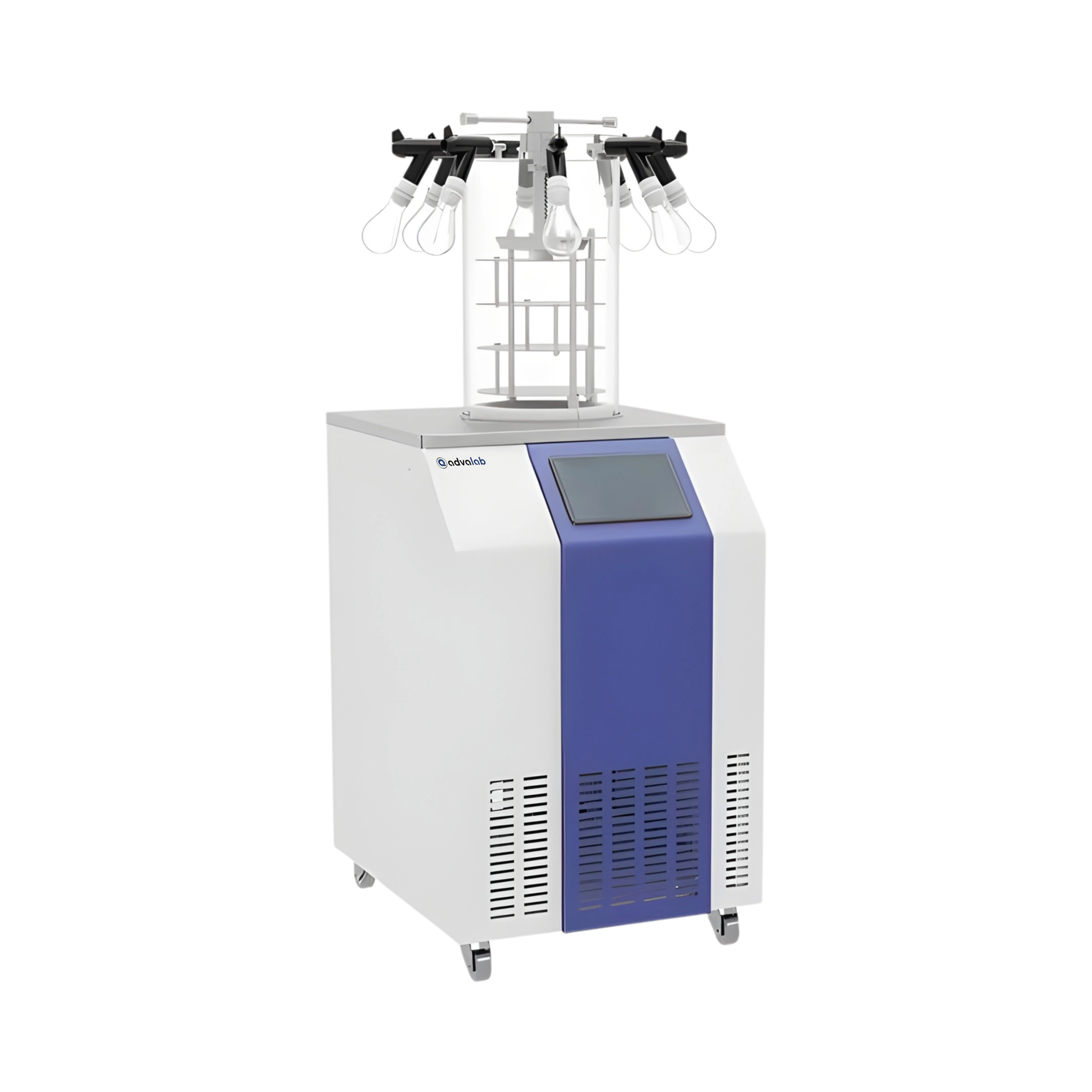
| Cold Trap Temperature: | ≤ -60℃ |
| Freeze Drying Time: | 36 to 48 h |
| Cold Trap Volume: | 9.5 L |

| Cold Trap Temperature: | ≤ -60℃ |
| Freeze Drying Time: | 36 to 48 h |
| Cold Trap Volume: | 9.5 L |
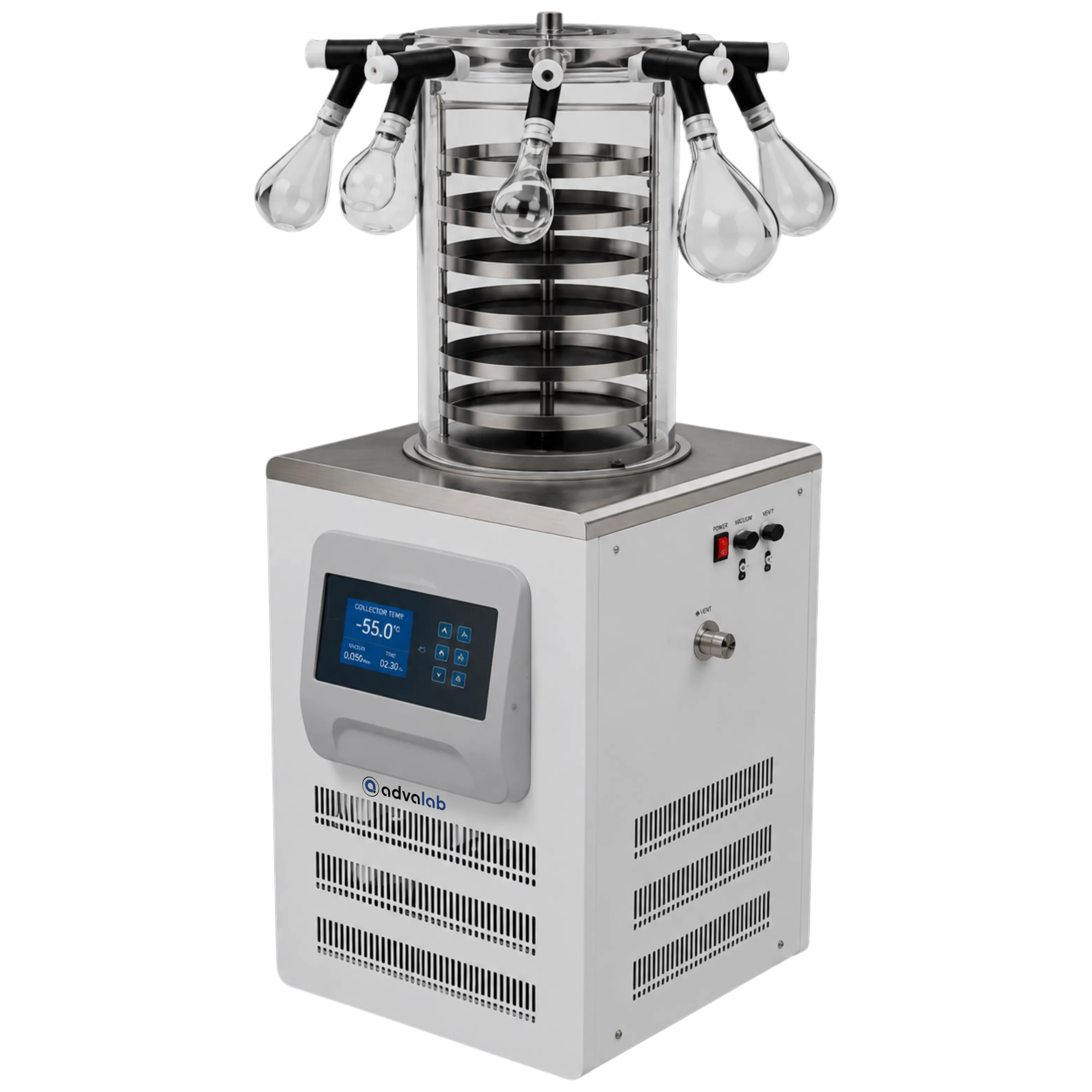
| Temperature Range: | ≤–80℃ |
| Vacuum Level: | < 10 Pa |
| Total Drying Area: | 0.07m² |
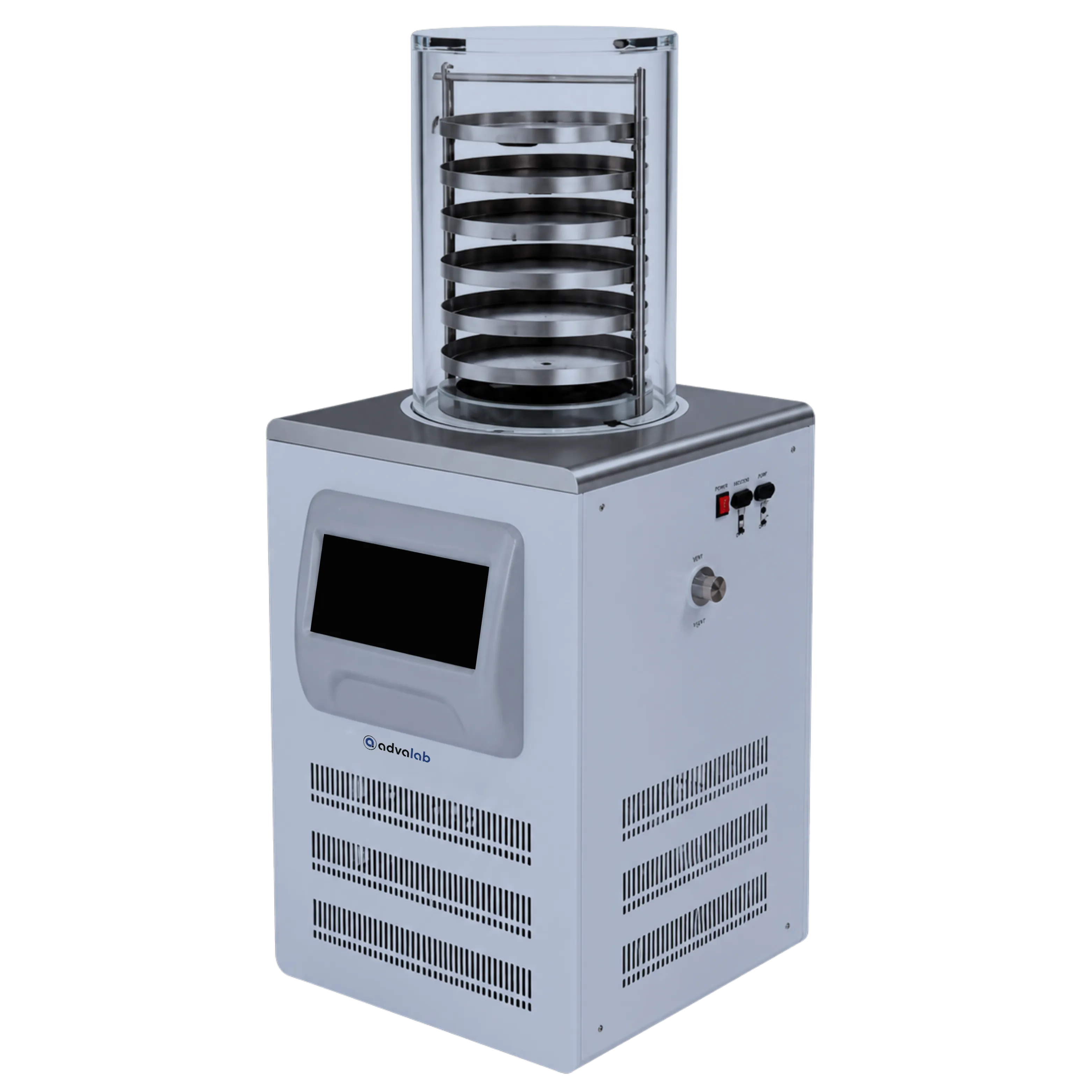
| Temperature Range: | ≤–80℃ |
| Vacuum Level: | < 10 Pa |
| Total Drying Area: | 0.12m² |

| Cold Trap Temperature: | ≤ -60℃ |
| Freeze Drying Time: | 36 to 48 h |
| Cold Trap Volume: | 28 L |
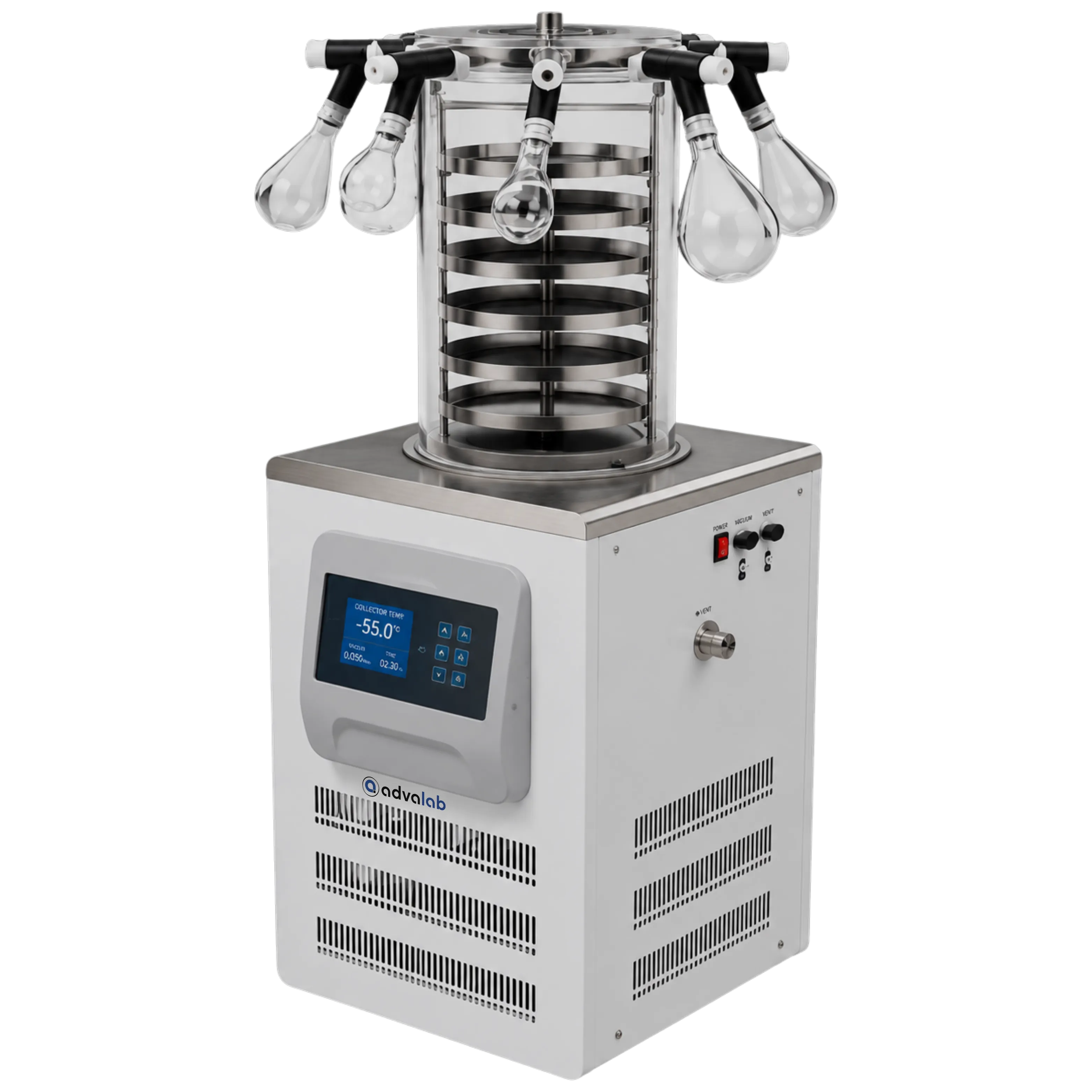
| Temperature Range: | ≤–80℃ |
| Vacuum Level: | < 10 Pa |
| Total Drying Area: | 0.12m² |
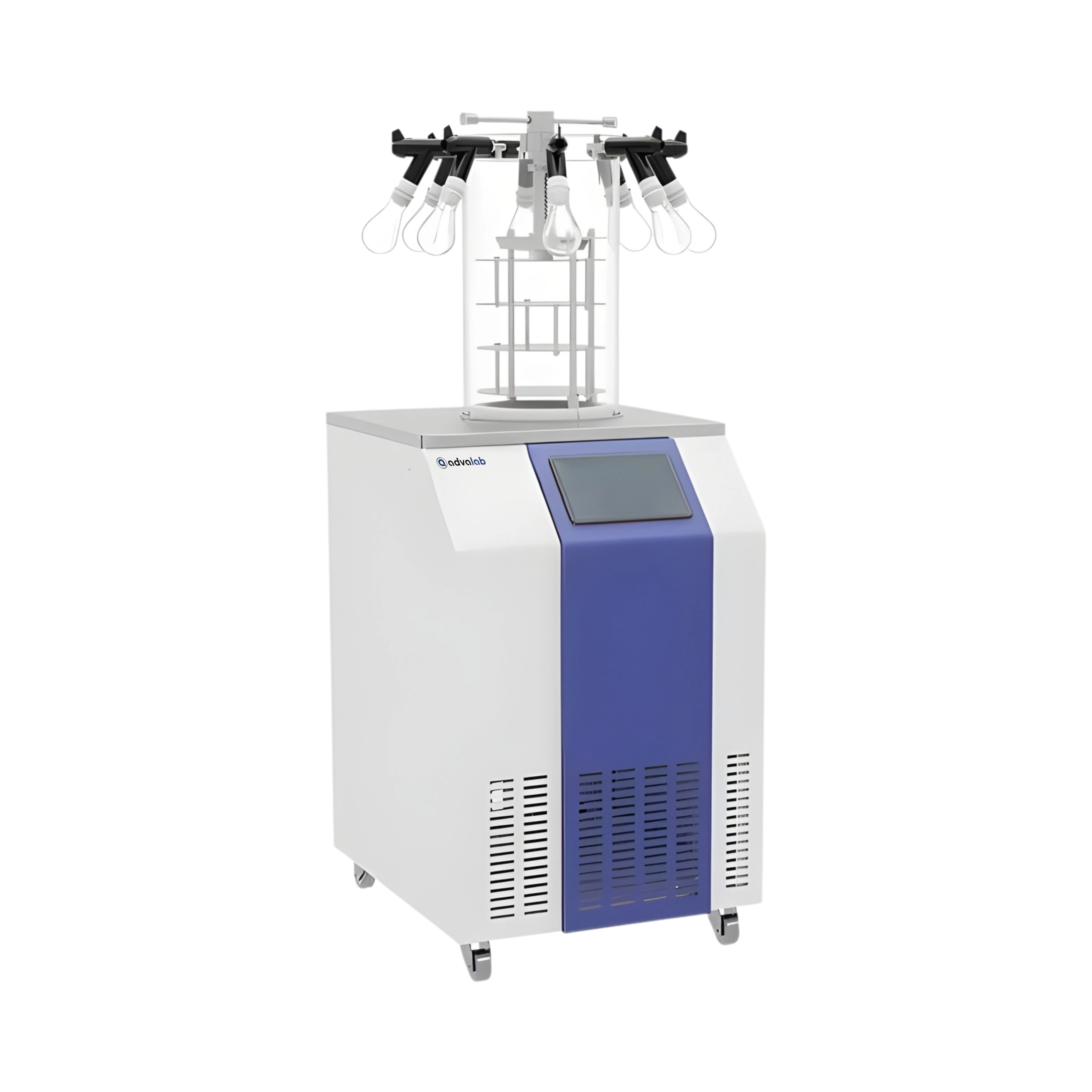
| Cold Trap Temperature: | ≤ -60℃ |
| Freeze Drying Time: | 36 to 48 h |
| Cold Trap Volume: | 28 L |
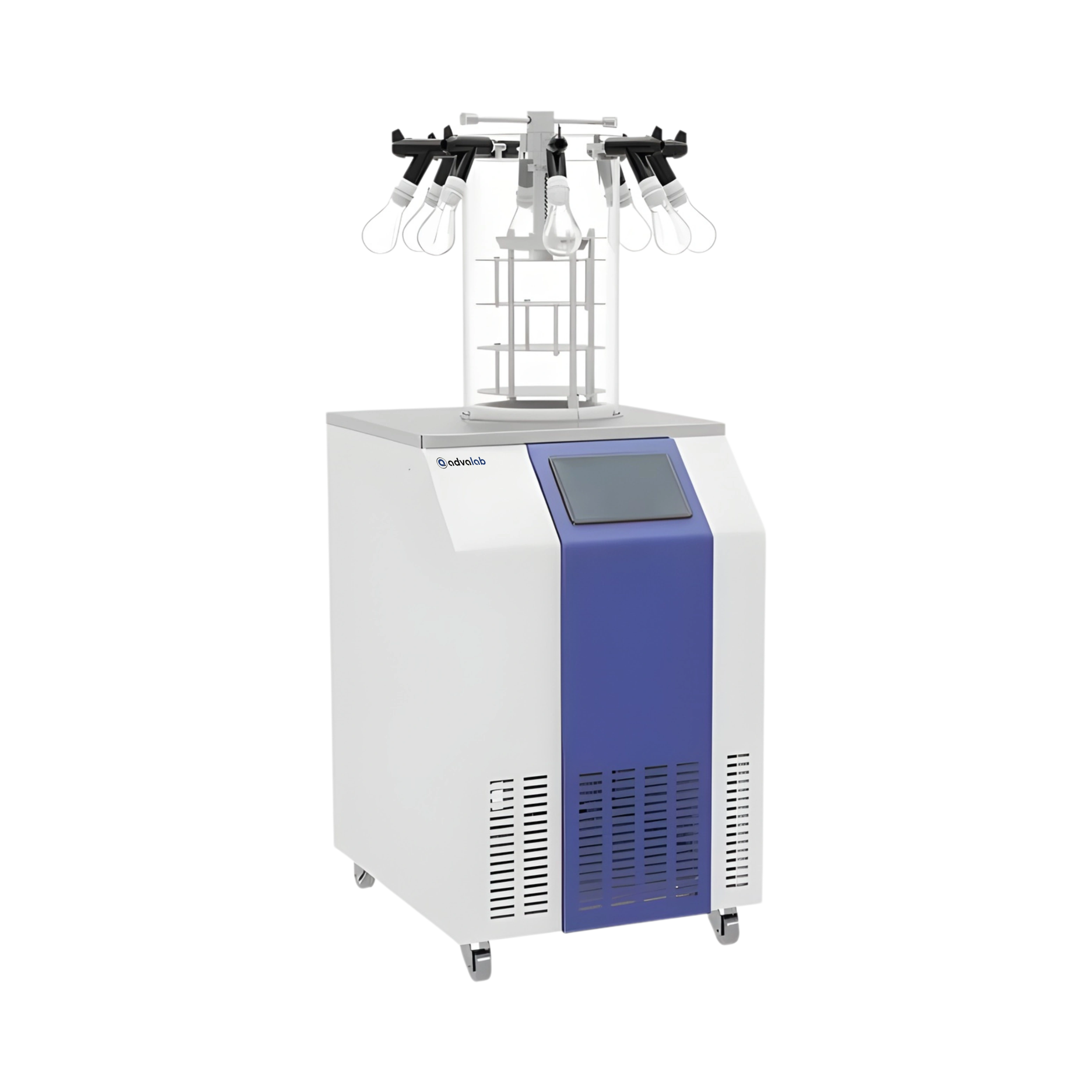
| Cold Trap Temperature: | ≤ -60℃ |
| Freeze Drying Time: | 36 to 48 h |
| Cold Trap Volume: | 28 L |

| Cold Trap Temperature: | -60℃ (below) |
| Freeze Drying Time: | 36 to 48 h |
| Cold Trap Volume: | 9.5 L |
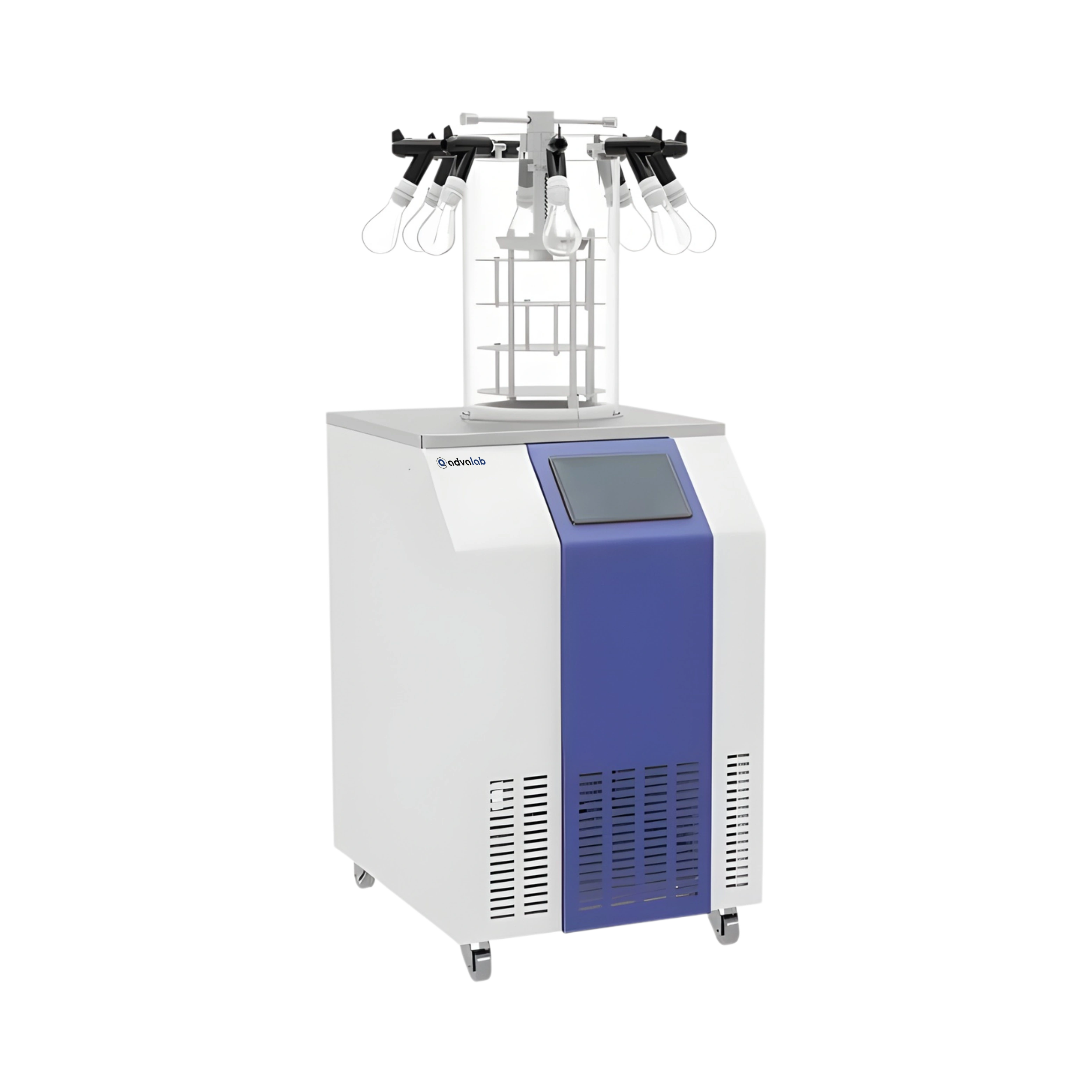
| Cold Trap Temperature: | -60℃ (below) |
| Freeze Drying Time: | 36 to 48 h |
| Cold Trap Volume: | 9.5 L |

| Cold Trap Temperature: | ≤ -60℃ |
| Freeze Drying Time: | 36 to 48 h |
| Cold Trap Volume: | 28 L |
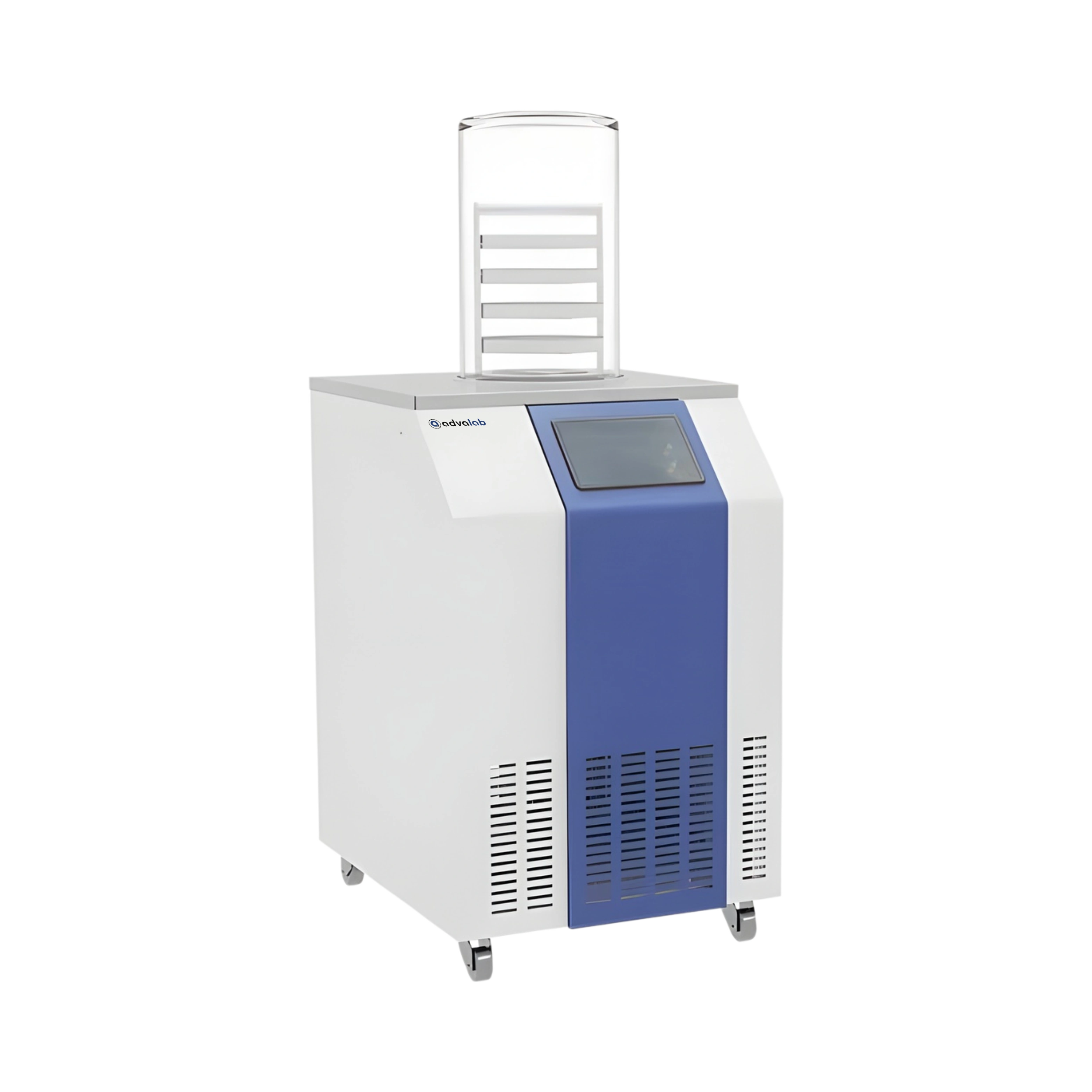
| Cold Trap Temperature: | -60℃ (below) |
| Freeze Drying Time: | 36 to 48 h |
| Cold Trap Volume: | 9.5 L |
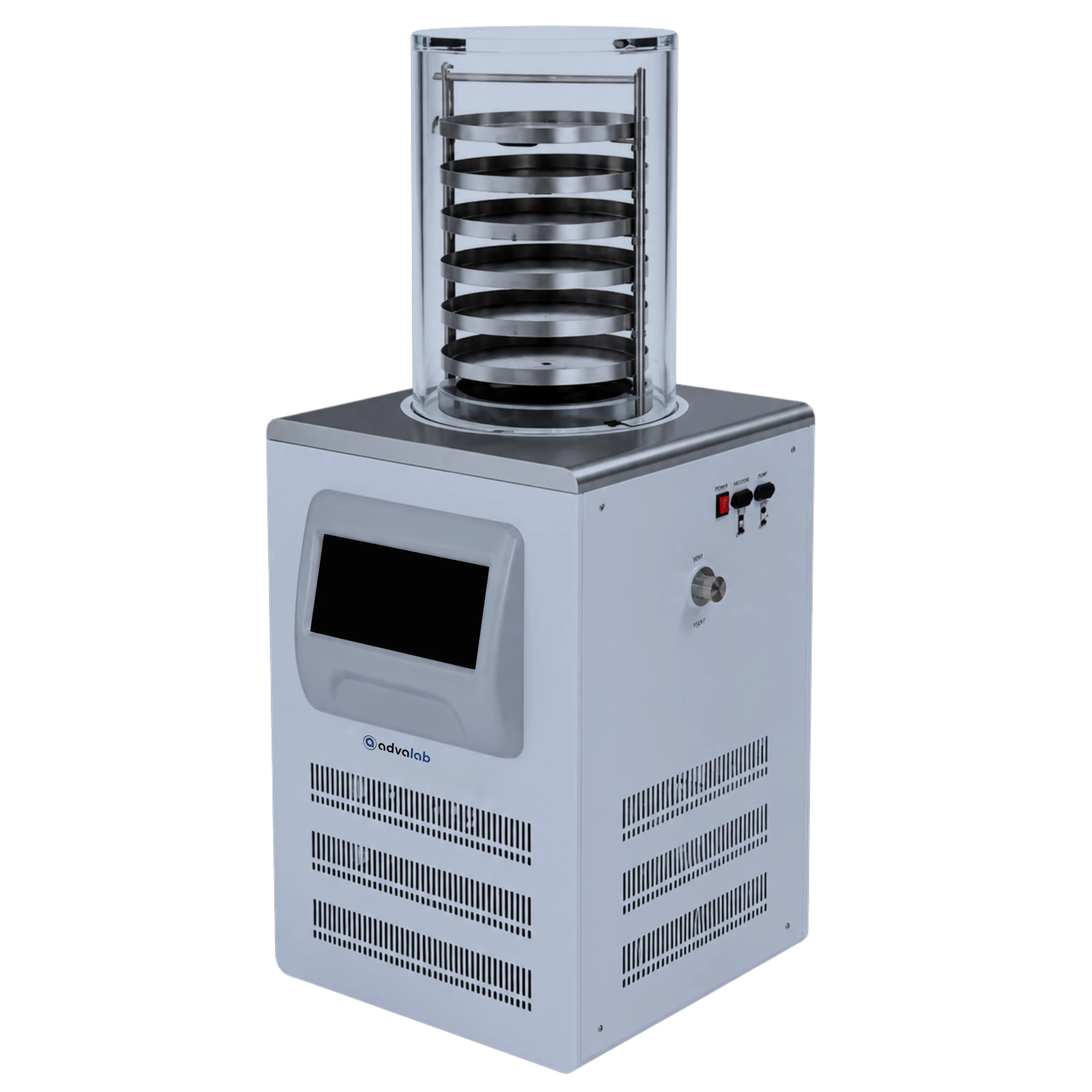
| Temperature Range: | ≤ -50℃ |
| Vacuum Level: | < 10 Pa |
| Freeze-Dry Area: | 0.18 m² |