

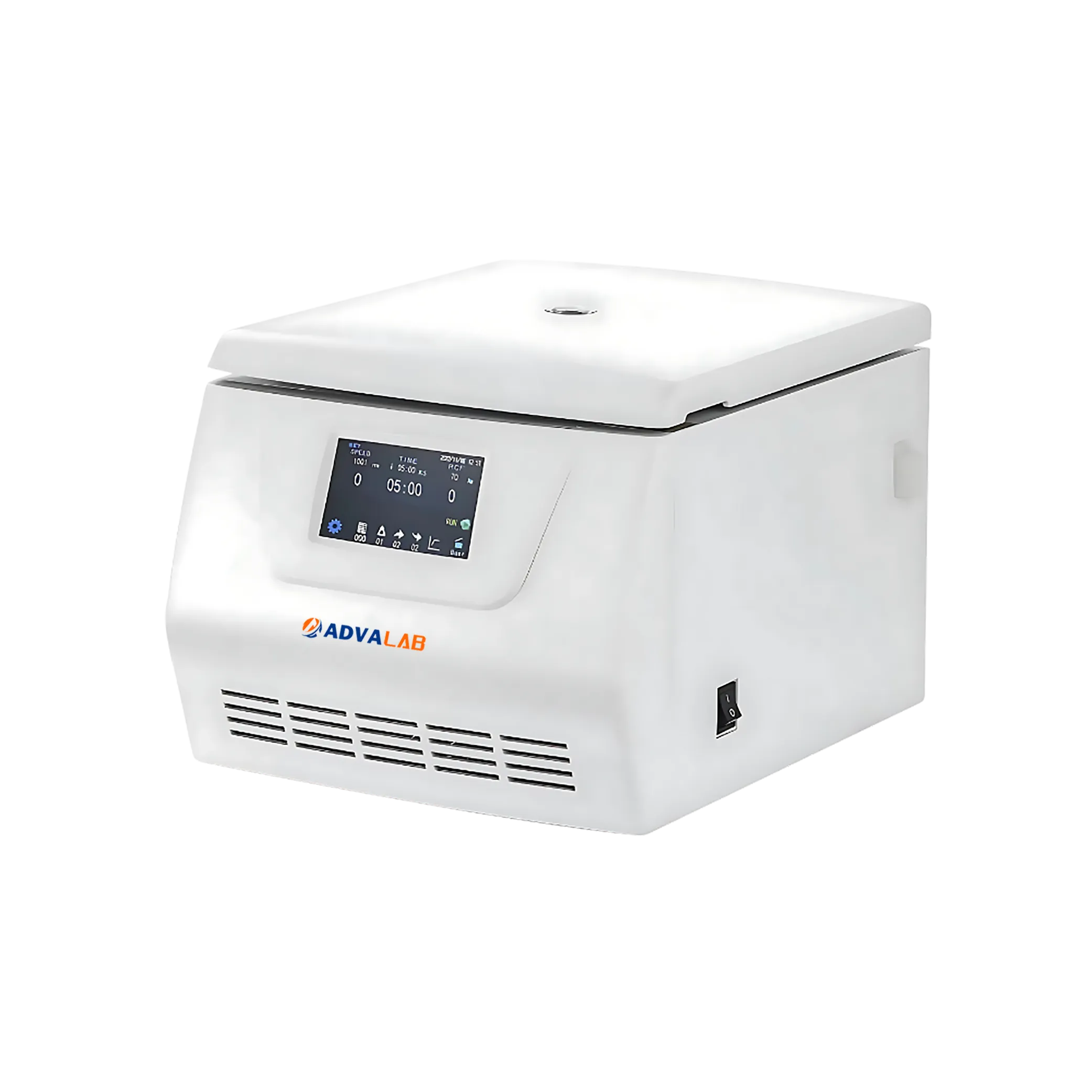
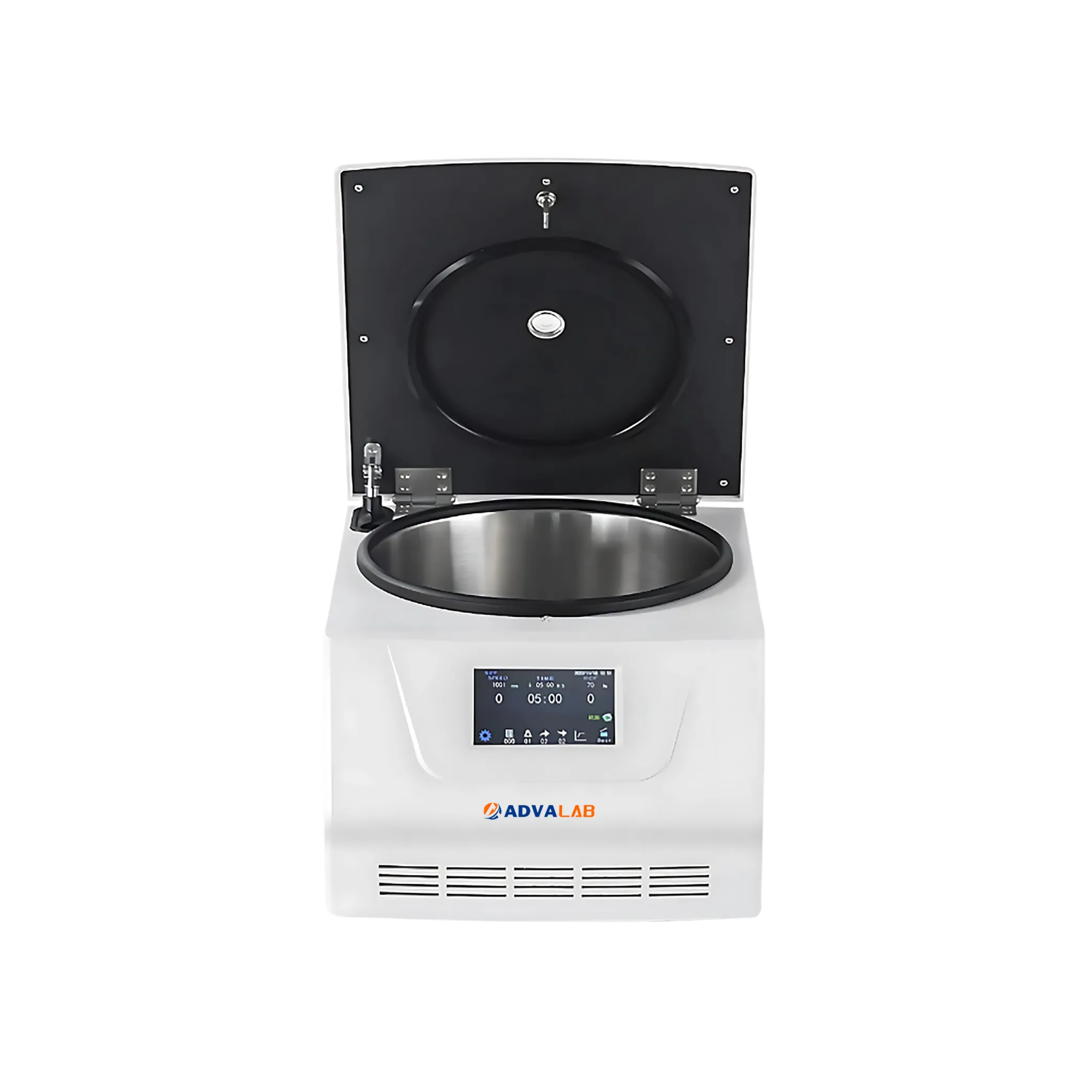
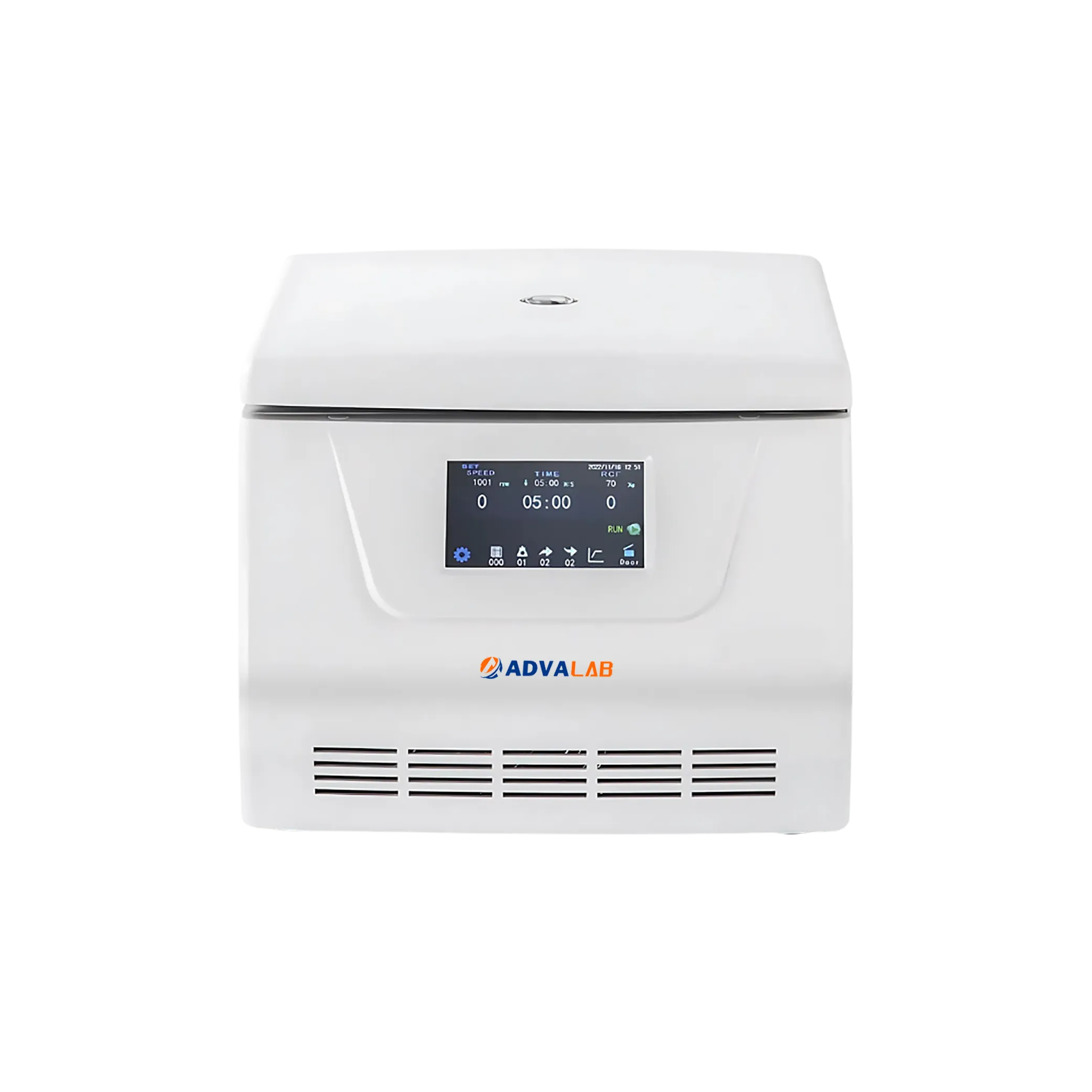
| Maximum Speed | 4200 rpm |
| Maximum RCF | 3285 × g |
| Maximum Capacity | 4 × 100 ml |
| Speed Accuracy | ±10 rpm |
| Time Setting | 1 s to 99 h 59 m 59 s |
| Acceleration/Deceleration Rate | 40 rates |
| Noise | ≤60 dB(A) |
| Power Consumption | 500 W |
| Dimension | 495 x 400 x 420 mm |
| Weight | 27 kg |
Our Low-Speed Centrifuge ADLSC-503 is used in pharmaceutical labs, food and beverage testing and academic research for tasks such as precipitate separation and quality control testing.
Rotor Capacity Maximum Speed Maximum RCF Tube Size Swing-out Rotor 01 4 x 50 ml 4200 rpm 3281 x g 30 x 116mm Swing-out Rotor 02 4 x 100 ml 4200 rpm 3281x g 38 x 114mm Swing-out Rotor 03 16 x 15 ml 4200 rpm 3259 x g 17 x 121mm Swing-out Rotor 04 8 x 50 ml 4200 rpm 3285 x g 30 x 116mm


1. Is the Low-Speed Centrifuge ADLSC-503 equipped with safety features?
Yes, the unit includes essential safety features like a lid lock mechanism and imbalance detection. The lid lock ensures that the centrifuge cannot be opened while running. Imbalance detection stops the operation automatically if uneven weight is detected. These features protect both the user and the equipment. Safety is prioritized during the entire operation process.
2. What are the key applications of the Low-Speed Centrifuge ADLSC-503?
This centrifuge is mainly used in clinical, research, and educational labs. It is ideal for routine sample separation such as plasma, serum, and cell suspensions. It also supports tasks in biotechnology and agriculture labs. Its low-speed operation is perfect for samples requiring gentle centrifugation. The unit is reliable for daily lab use.
3. How is the speed and time controlled in Low-Speed Centrifuge ADLSC-503?
The Low-Speed Centrifuge ADLSC-503 comes with a digital control panel for setting speed and time parameters. Users can adjust the speed in RPM and set the timer for precise operation. The display provides real-time monitoring during the run. This ensures reproducibility of results. It simplifies workflow and enhances user convenience.
4. What is the capacity of the Low-Speed Centrifuge ADLSC-503?
The Low-Speed Centrifuge ADLSC-503 typically supports up to 12 or 16 tubes, depending on the rotor type. It can accommodate both small and medium-sized sample volumes. This makes it suitable for batch processing in clinical and diagnostic labs. The capacity is ideal for routine sample separation tasks. Always confirm the exact tube capacity with the selected rotor.
5. Does the Low-Speed Centrifuge ADLSC-503 require regular maintenance?
Yes, like all laboratory equipment, periodic maintenance is recommended. Cleaning the rotor chamber and checking the balance regularly will ensure optimal performance. The unit is designed for durability and low maintenance. Always follow the manufacturer’s maintenance guidelines. Prompt servicing extends the life of the centrifuge.
6. Can the Low Speed Centrifuge ADSLC-503 be used in a mobile laboratory?
Yes, the Low Speed Centrifuge ADSLC-503 is compact and portable, making it suitable for mobile or field laboratories. The Low Speed Centrifuge ADSLC-503 offers stable performance even in mobile setups.
7. What is a Low Speed Centrifuge used for?
A Low Speed Centrifuge is primarily used for the separation of biological samples like blood, urine, or cells at lower speeds. Low Speed Centrifuge machines are ideal for routine separation tasks in clinical and research laboratories.
8. Can I use a Low Speed Centrifuge for blood sample separation?
Yes, a Low Speed Centrifuge is commonly used for separating blood components like plasma and serum. The gentle speed of a Low Speed Centrifuge ensures that blood cells are not damaged during the process.
9. What types of tubes are compatible with a Low Speed Centrifuge?
A Low Speed Centrifuge is compatible with various tube types such as conical, round-bottom, and standard test tubes. Always ensure that the tubes used in the Low Speed Centrifuge are balanced properly.
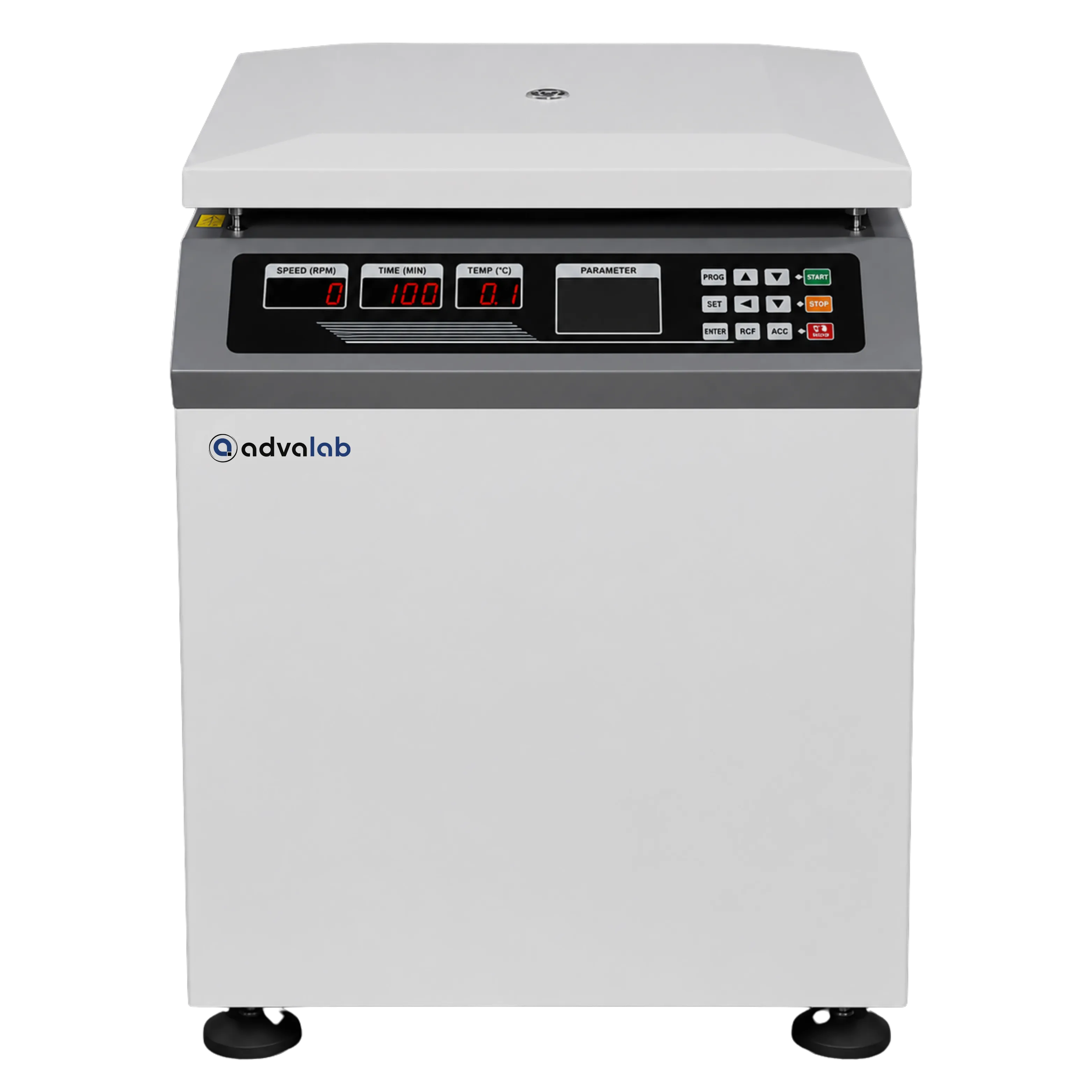
| Maximum Speed | 4000 rpm |
| Maximum RCF | 3580 x g |
| Maximum Capacity | 4x1000 ml |
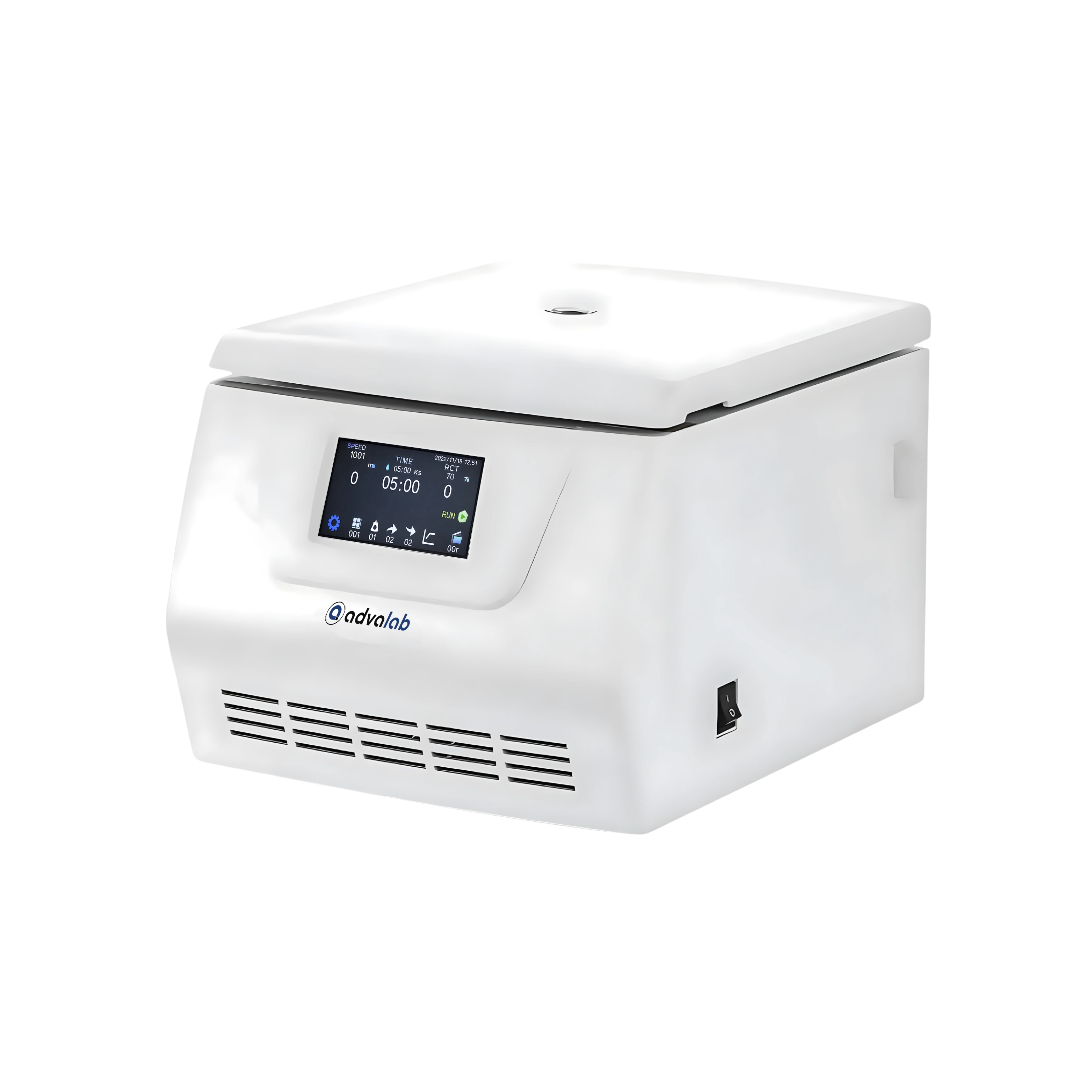
| Maximum Speed | 5000 rpm |
| Maximum RCF | 4650 × g |
| Maximum Capacity | 6 × 50 ml |
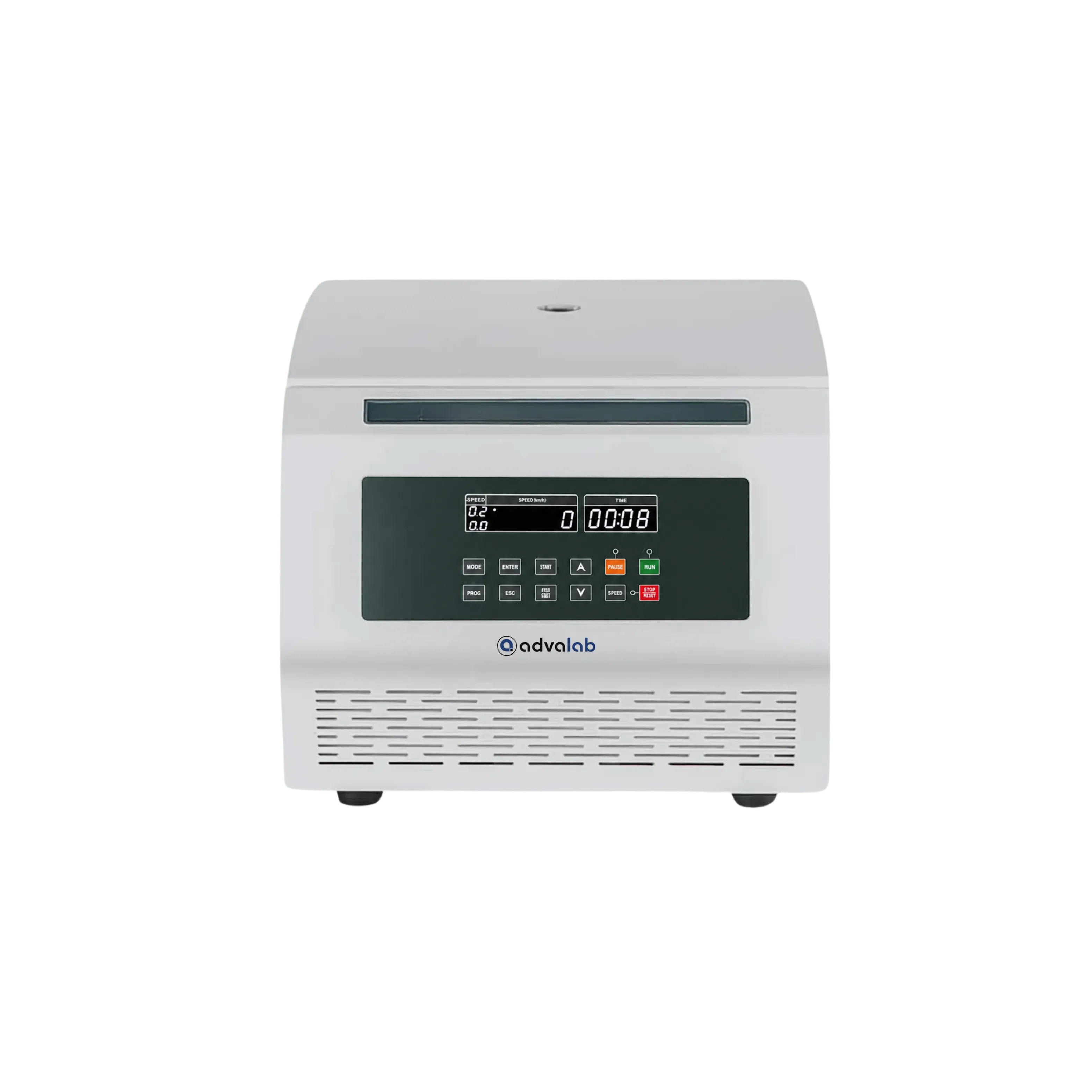
| Maximum Speed | 5000 rpm |
| Maximum RCF | 4650 × g |
| Maximum Capacity | 8 × 100 ml |
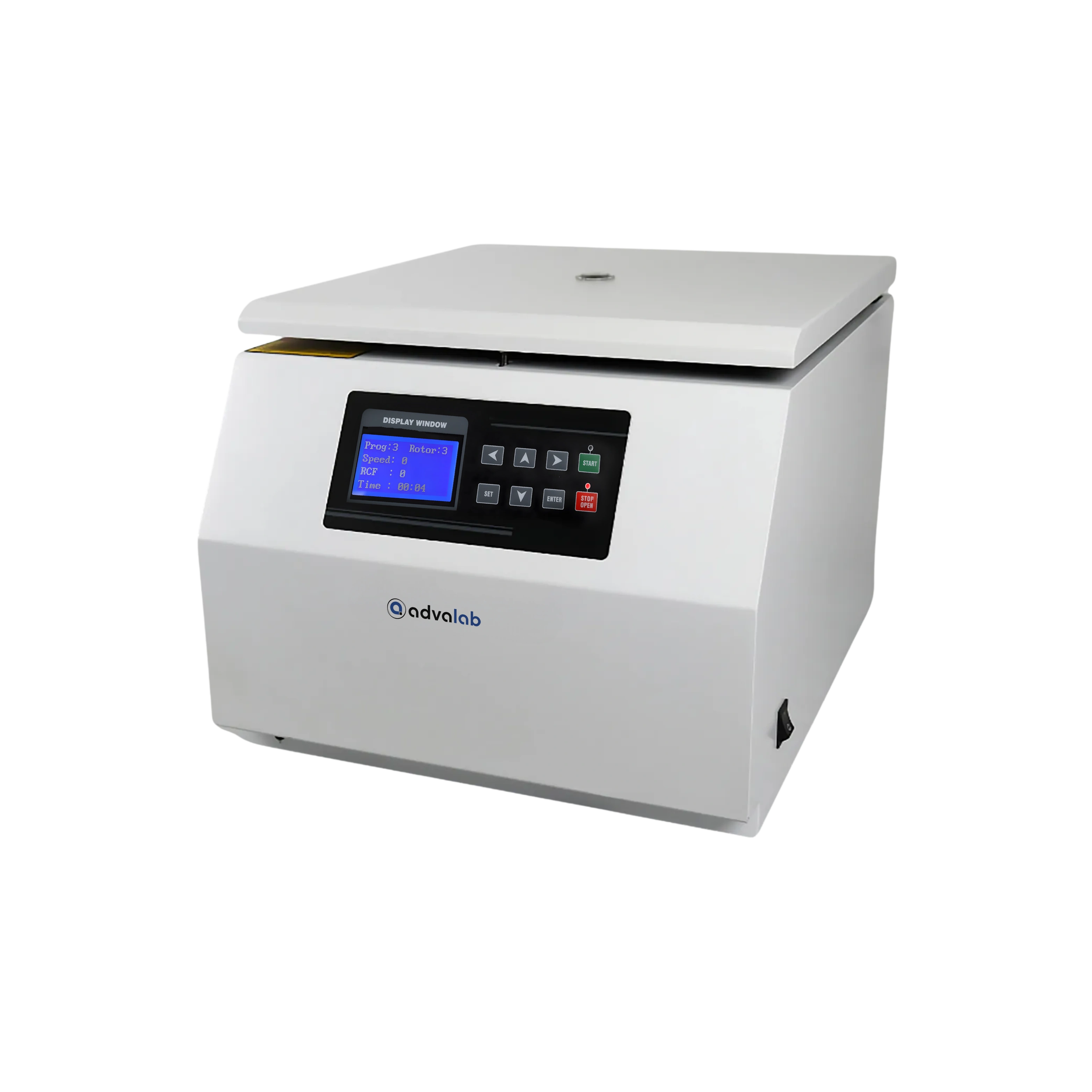
| Maximum Speed | 6000 rpm |
| Maximum RCF | 5200 × g |
| Maximum Capacity | 4 × 500 ml |
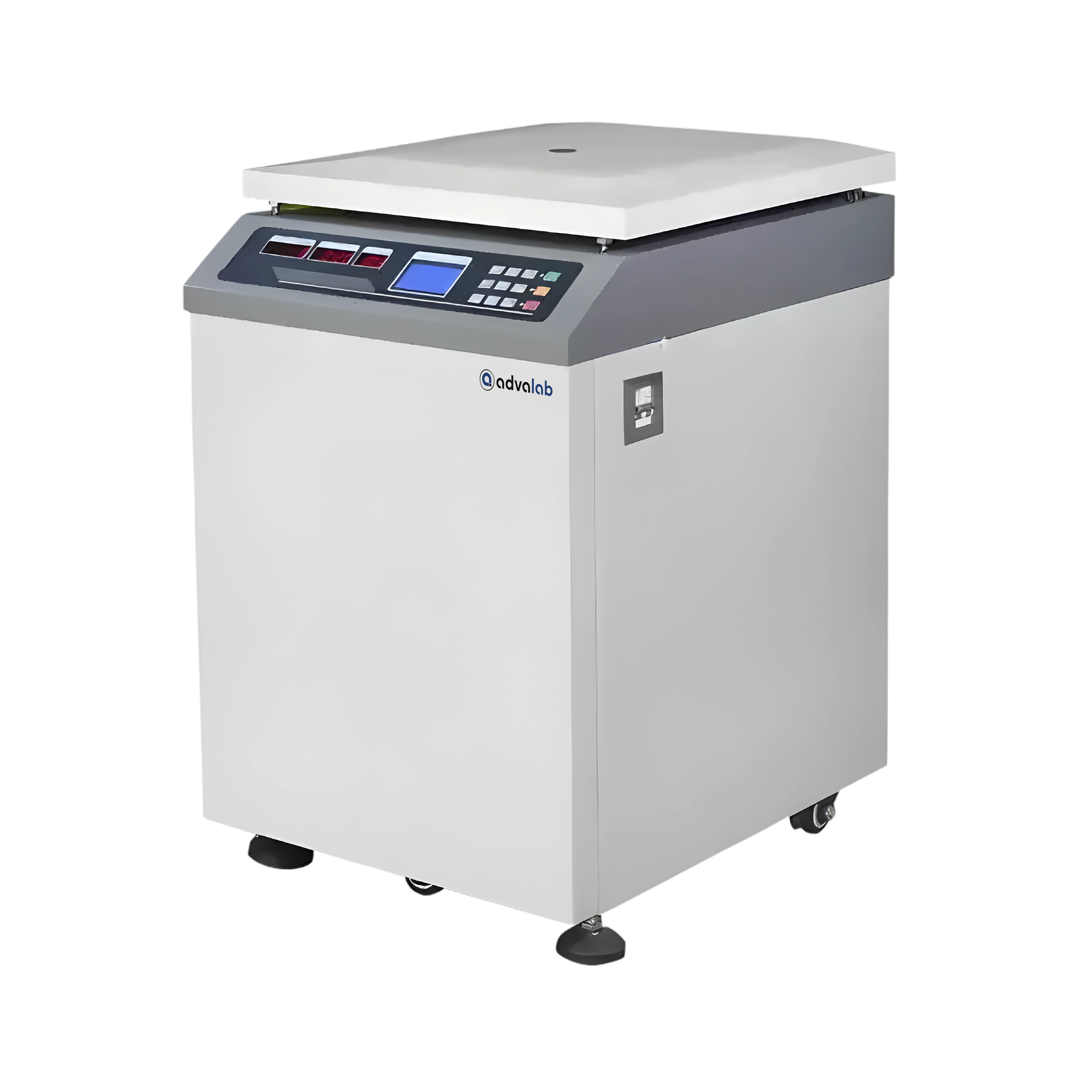
| Max Speed: | 21000 rpm |
| Max RCF: | 47400 x g |
| Max Capacity: | 6x500 ml |
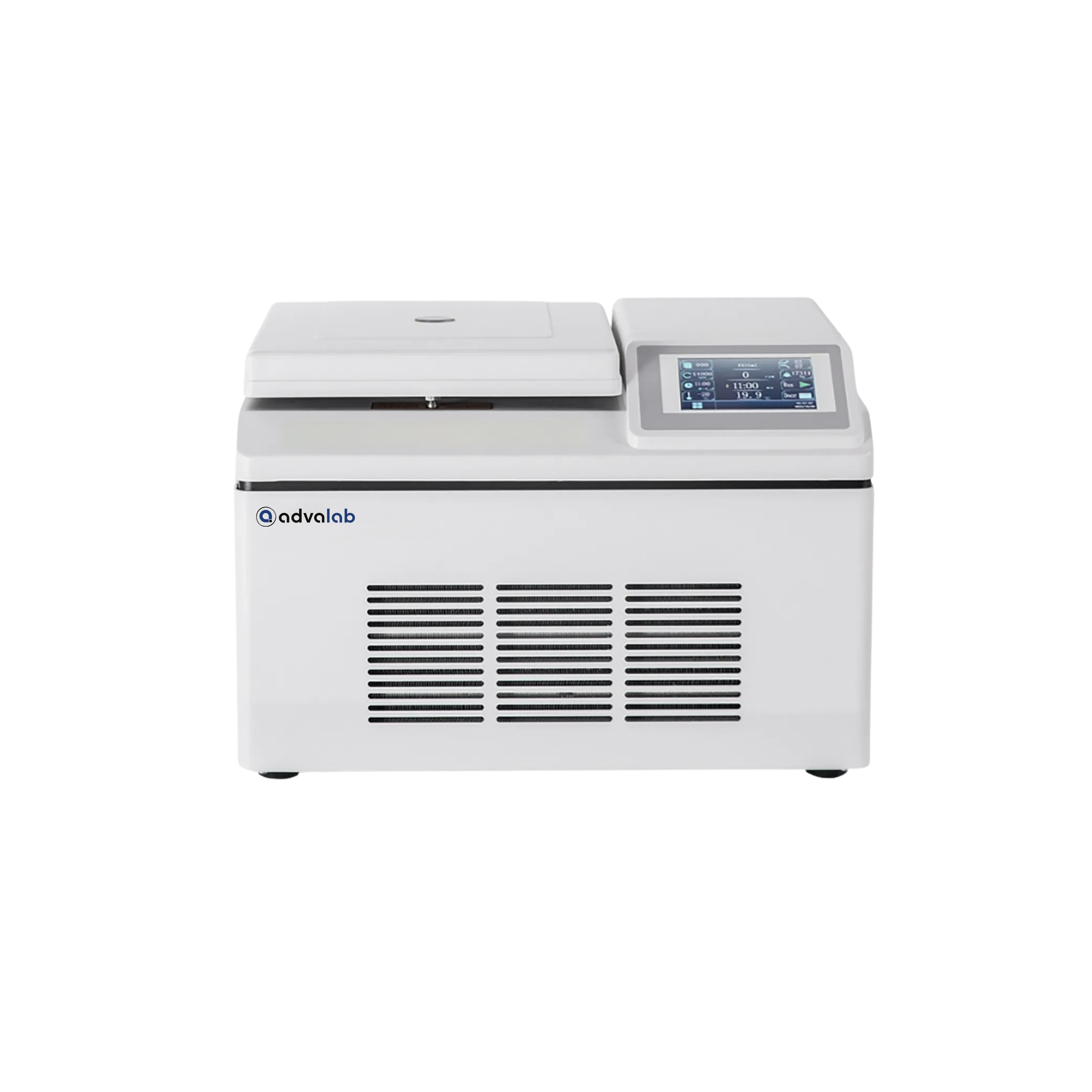
| Maximum Speed: | 22,000 RPM |
| Maximum RCF: | 33,873 × g |
| Maximum Capacity: | 6 × 100 mL |

| Maximum Speed: | 23,000 rpm |
| Maximum RCF: | 37,023 x g |
| Maximum Capacity: | 4 x 750 ml |
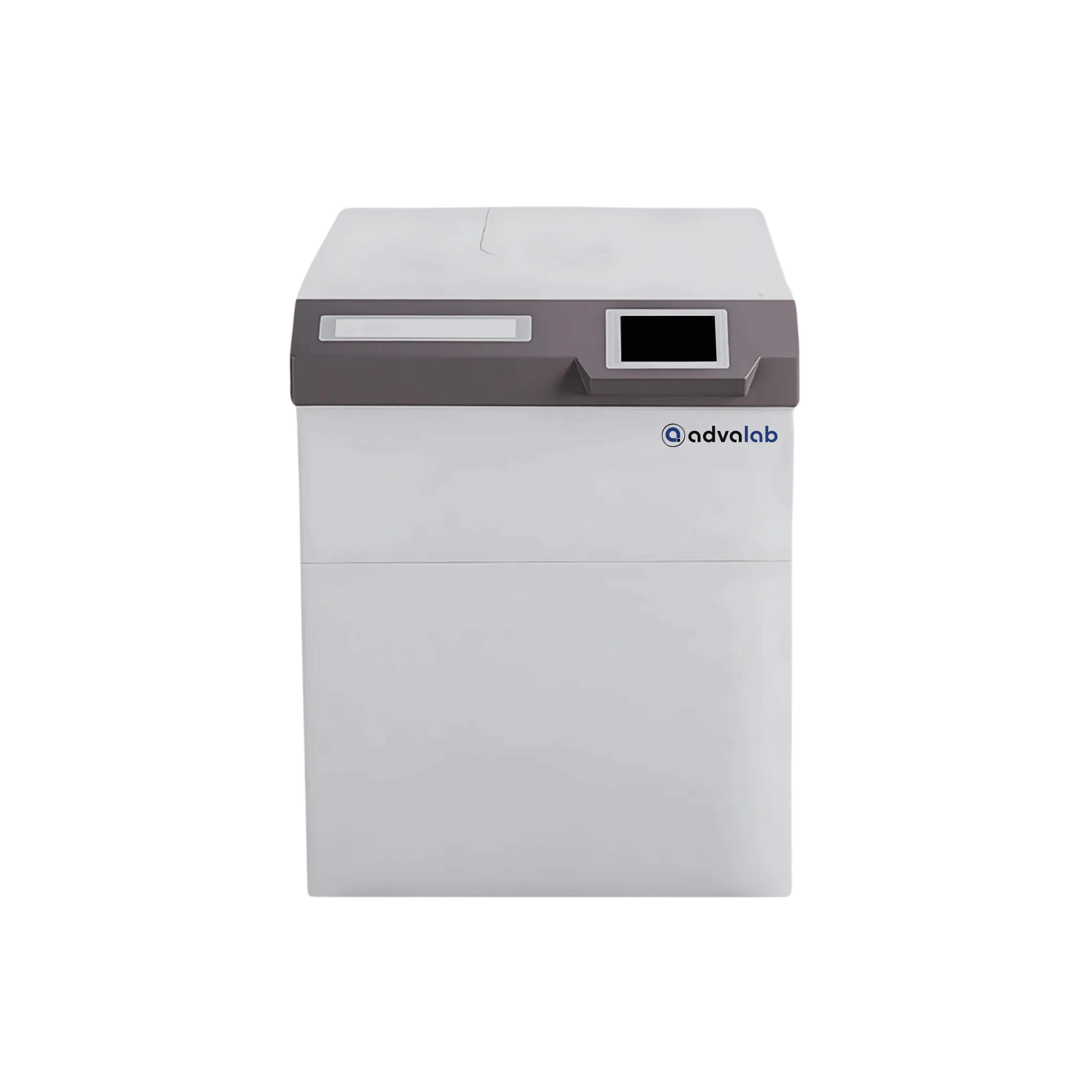
| Max Speed: | 18000 rpm |
| Max RCF: | 31405 x g |
| Max Capacity: | 4 x 250 ml |
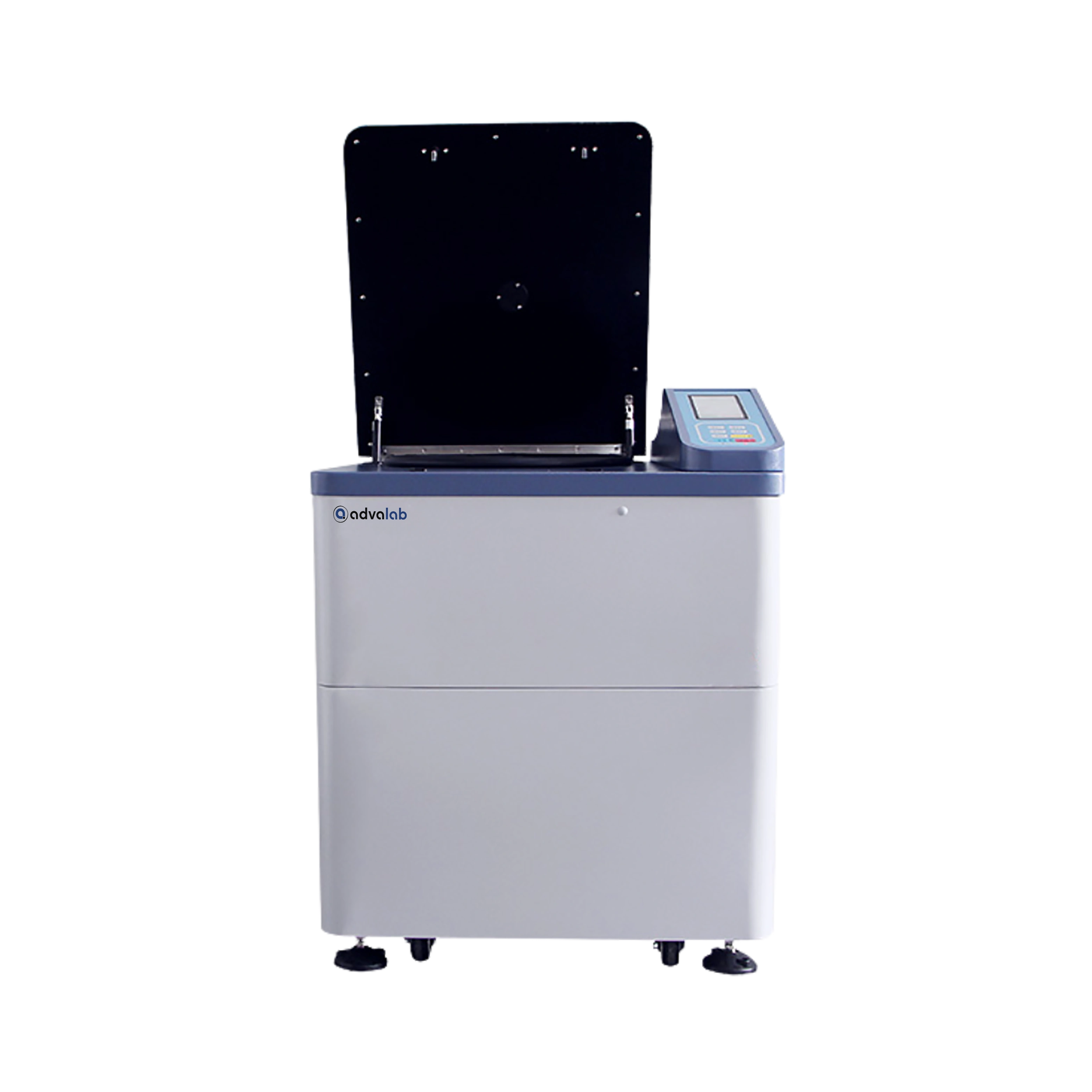
| Maximum Speed: | 30000 rpm |
| Maximum RCF: | 65000 × g |
| Maximum Capacity: | 4×1000ml |
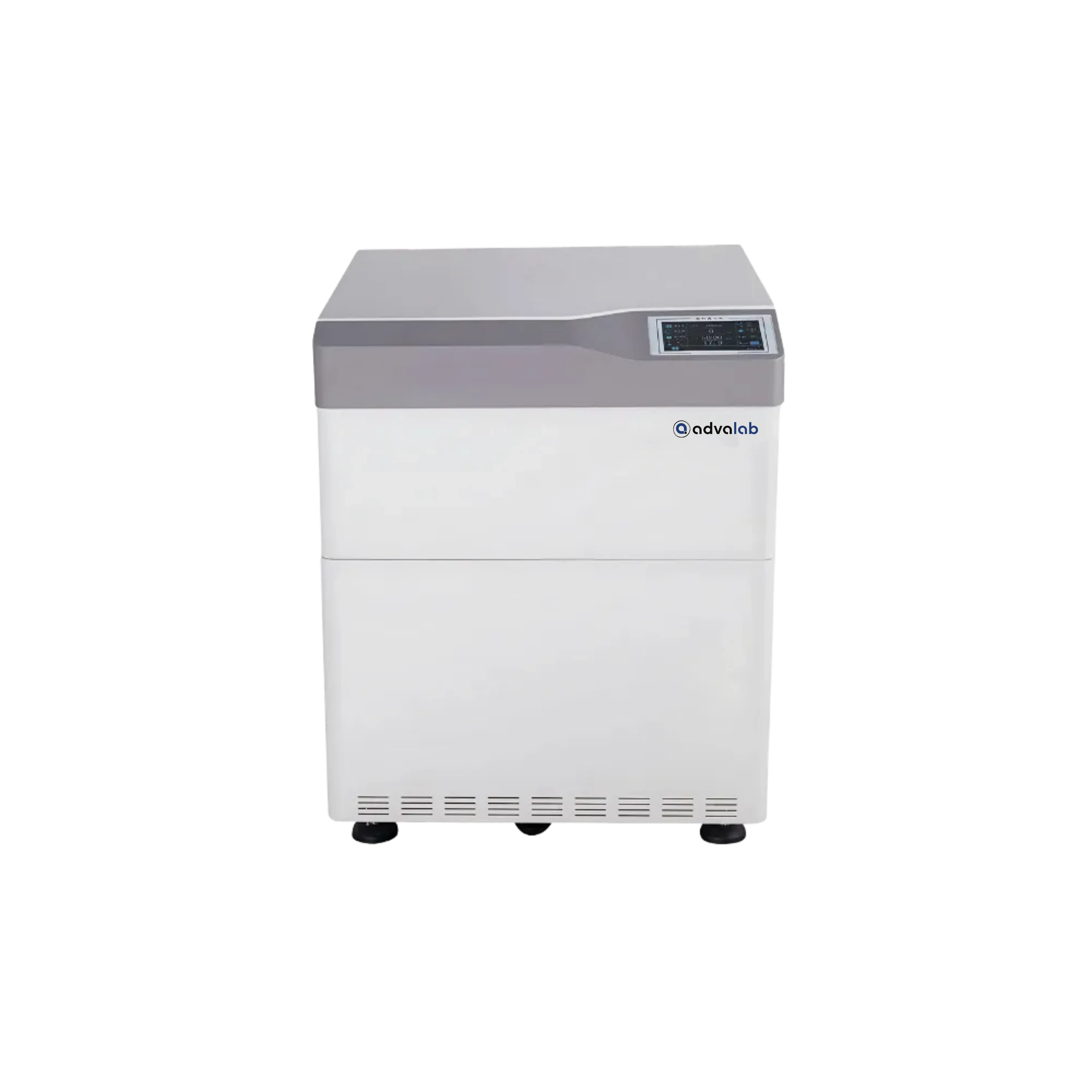
| Max Speed: | 10000 rpm |
| Max RCF: | 18590 x g |
| Max Capacity: | 6x1000 ml |
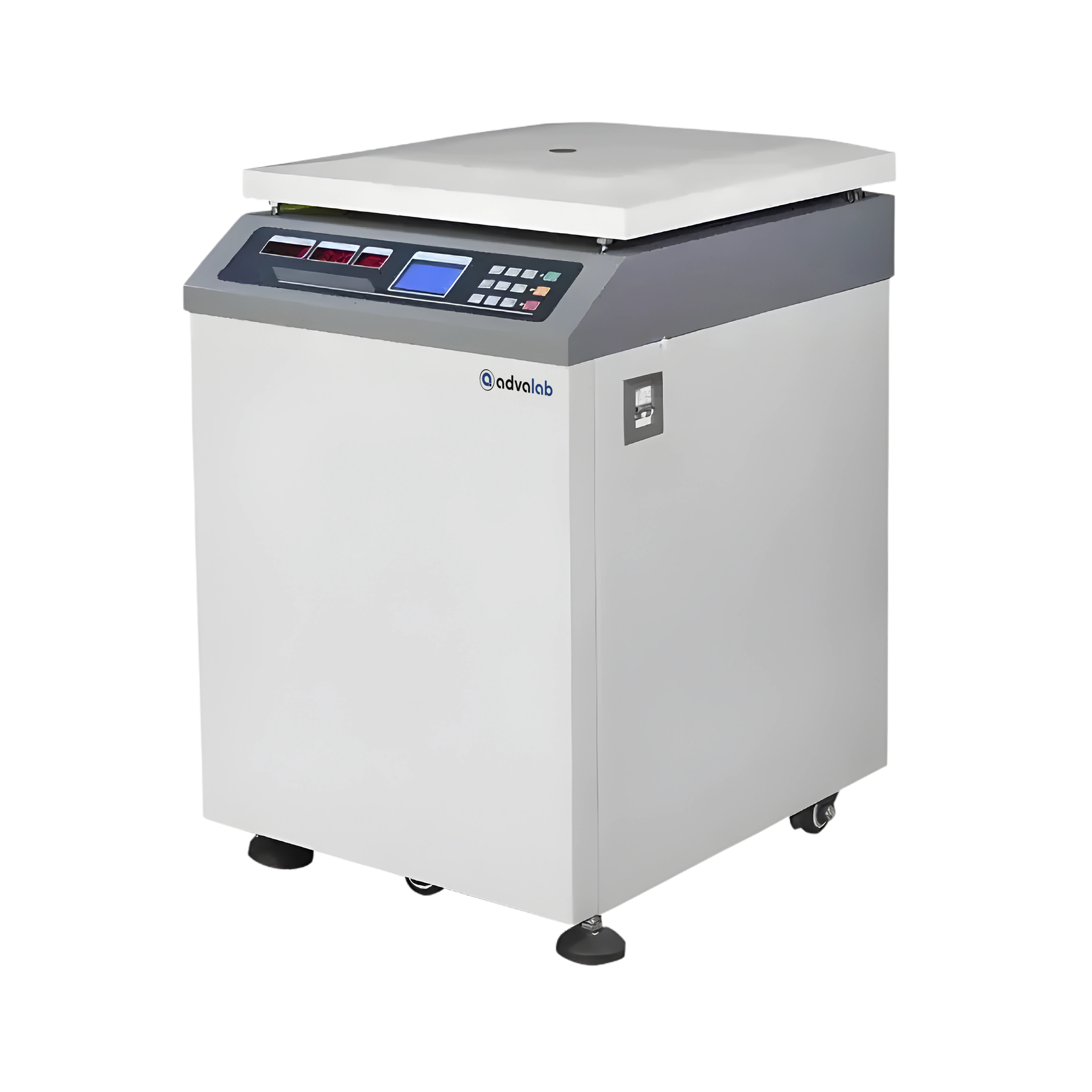
| Max Speed: | 22000 rpm |
| Max RCF: | 52050 x g |
| Max Capacity: | 6x500 ml |
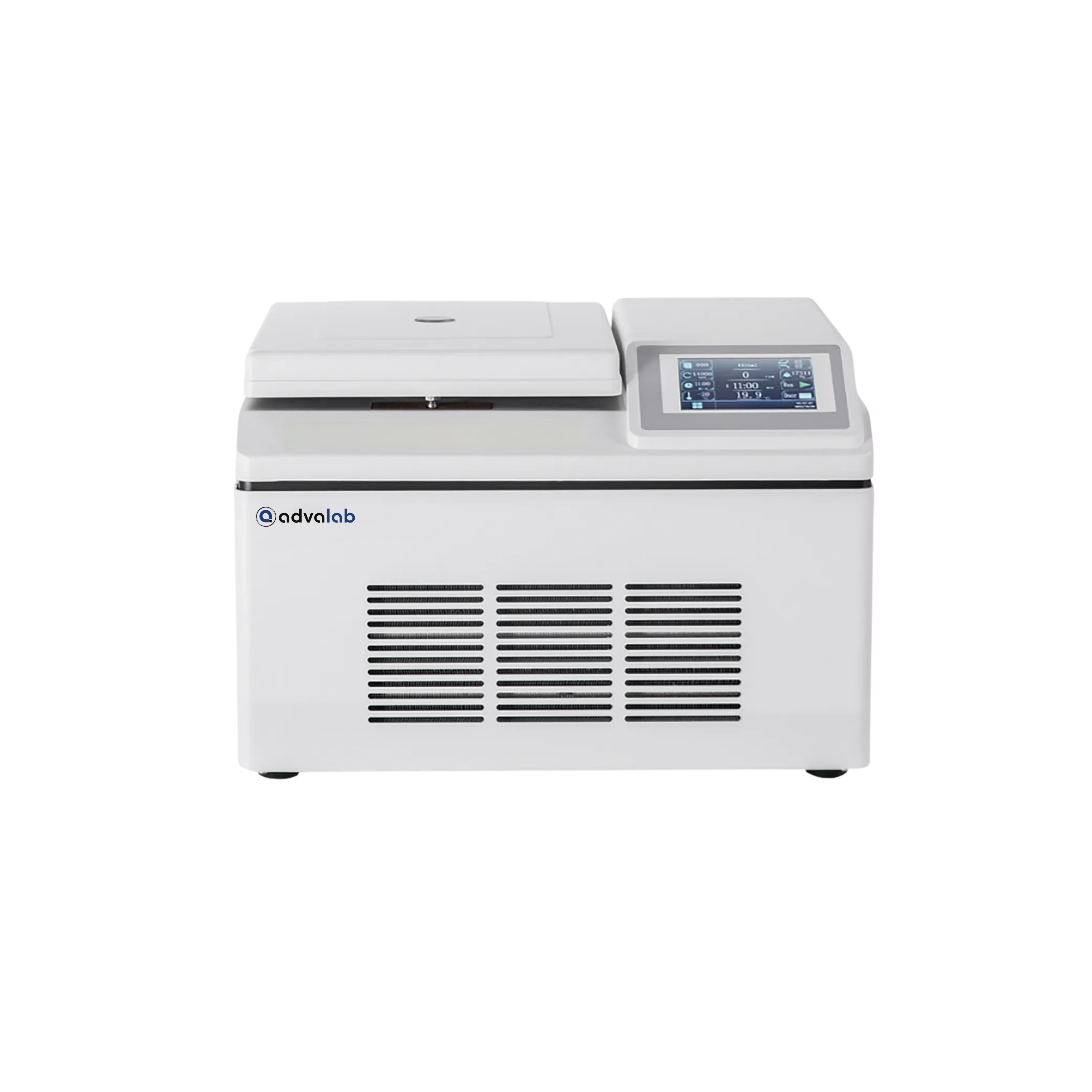
| Maximum Speed: | 16,500 rpm |
| Maximum RCF: | 24,814 × g |
| Maximum Capacity: | 6 × 100ml |

| Maximum Speed: | 16500 rpm |
| Maximum RCF: | 21630 x g |
| Maximum Capacity: | 12 x 10 mL |

| Maximum Speed: | 16500 rpm |
| Maximum RCF: | 24760 × g |
| Maximum Capacity: | 6 x 100 mL |
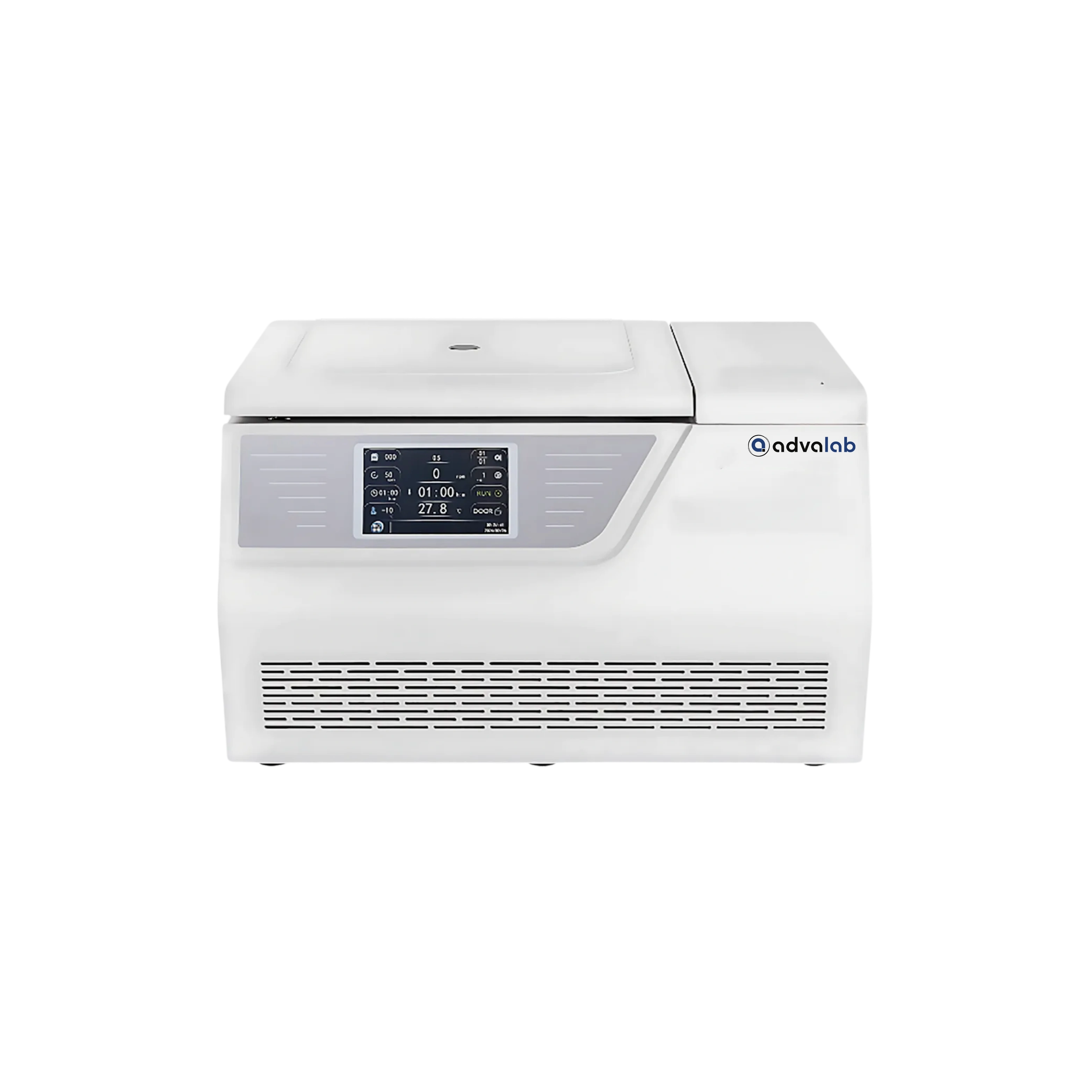
| Maximum Speed: | 18,500 rpm |
| Maximum RCF: | 30,025 x g |
| Maximum Capacity: | 4 x 250 ml |
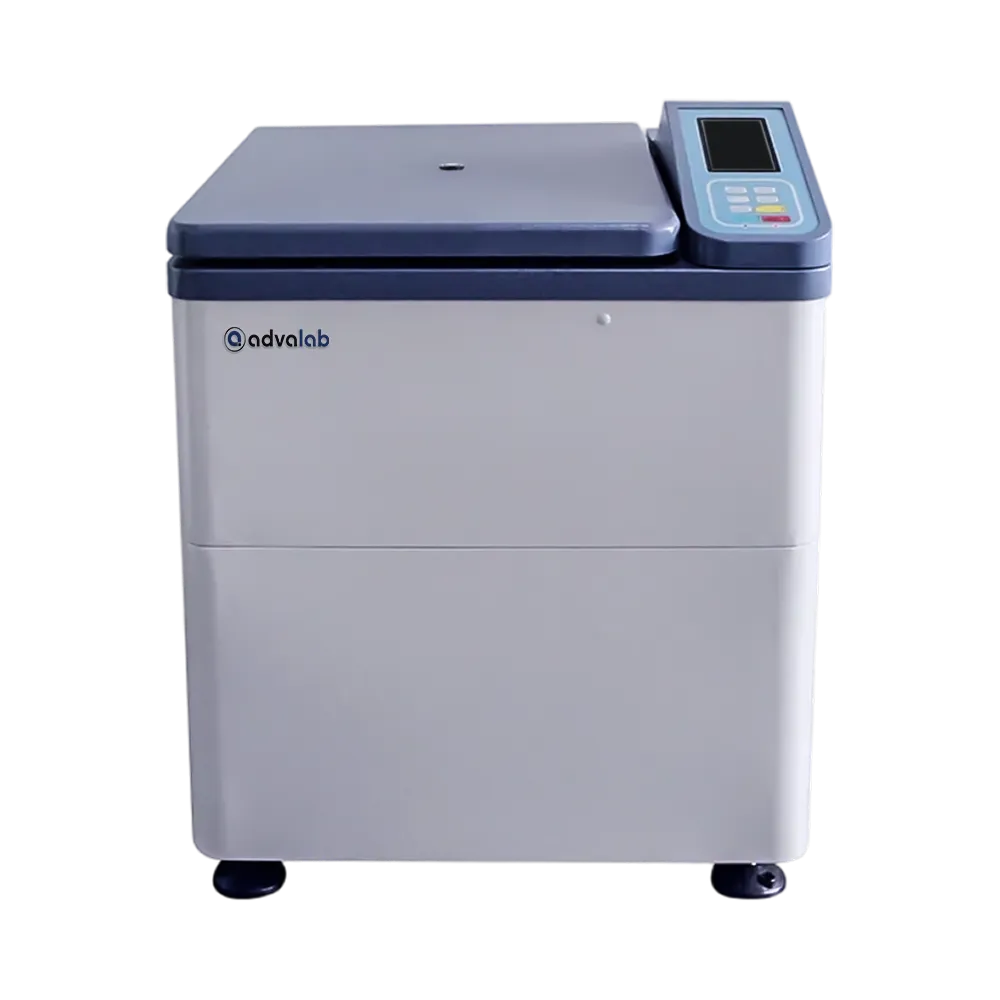
| Maximum Speed: | 21000 rpm |
| Maximum RCF: | 47580 × g |
| Maximum Capacity: | 4 × 750 ml |
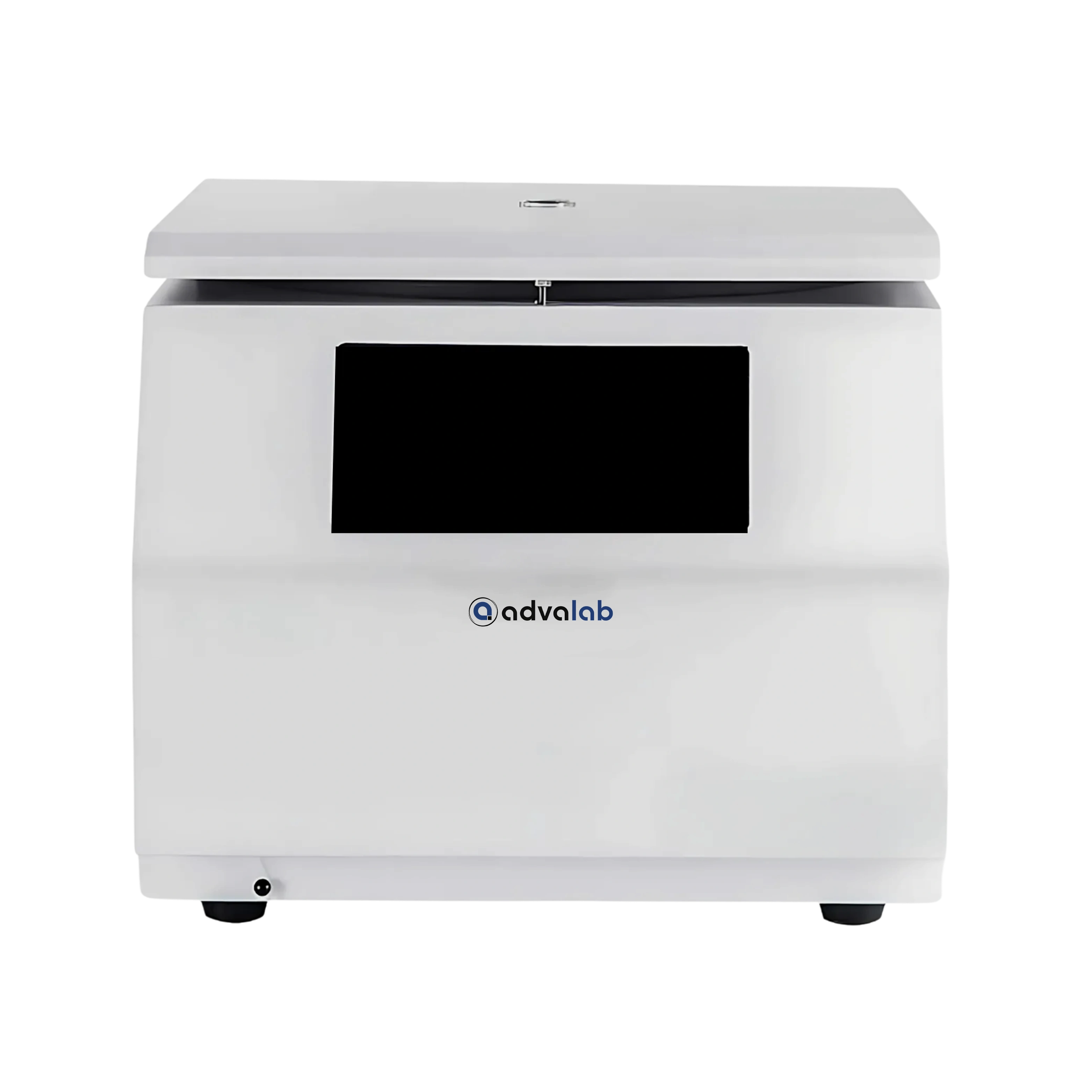
| Maximum Speed Range: | 14,000 rpm |
| Maximum RCF: | 18,800 × g |
| Maximum Capacity: | 12 × 5 ml |
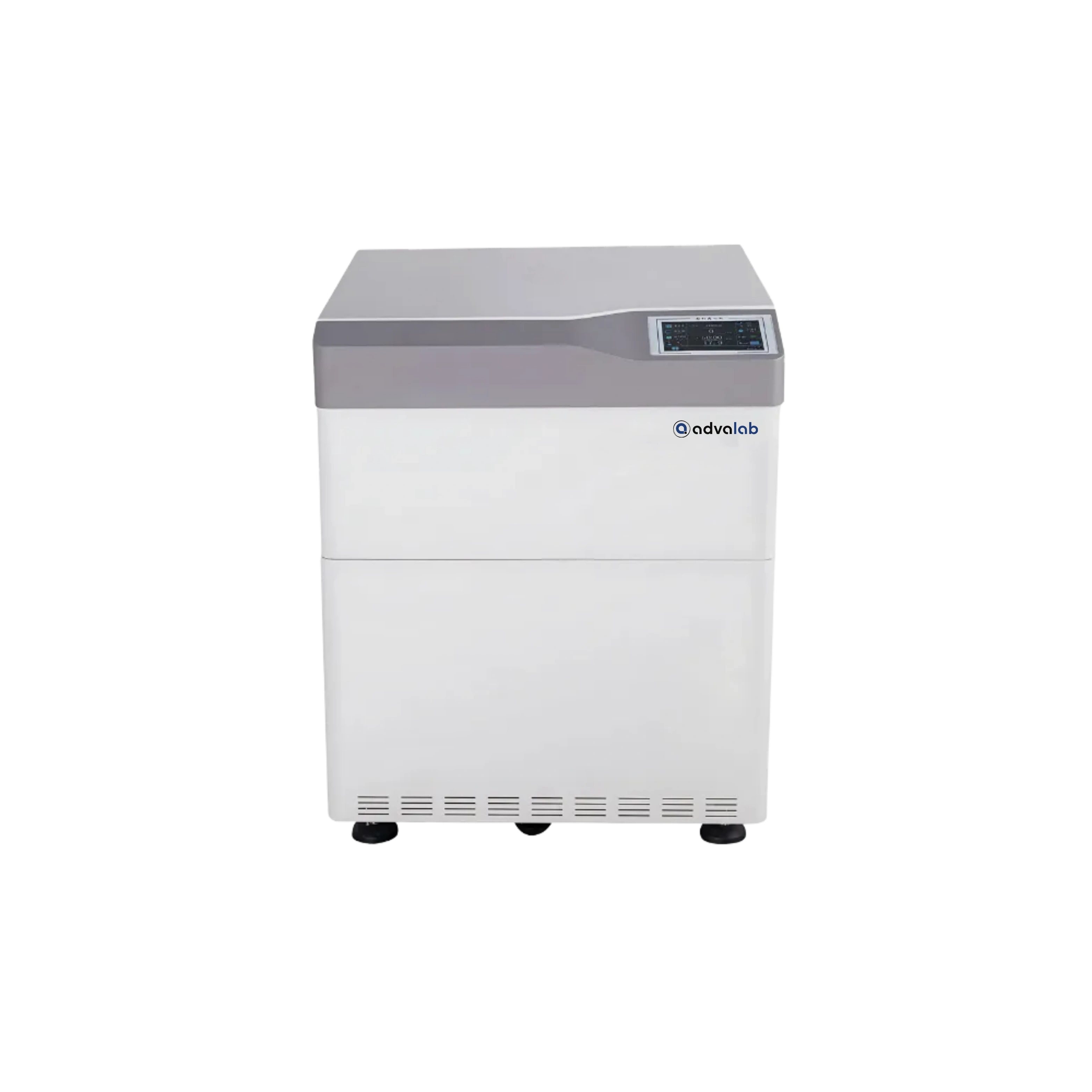
| Max Speed: | 22000 rpm |
| Max RCF: | 33873x g |
| Max Capacity: | 4x750ml |
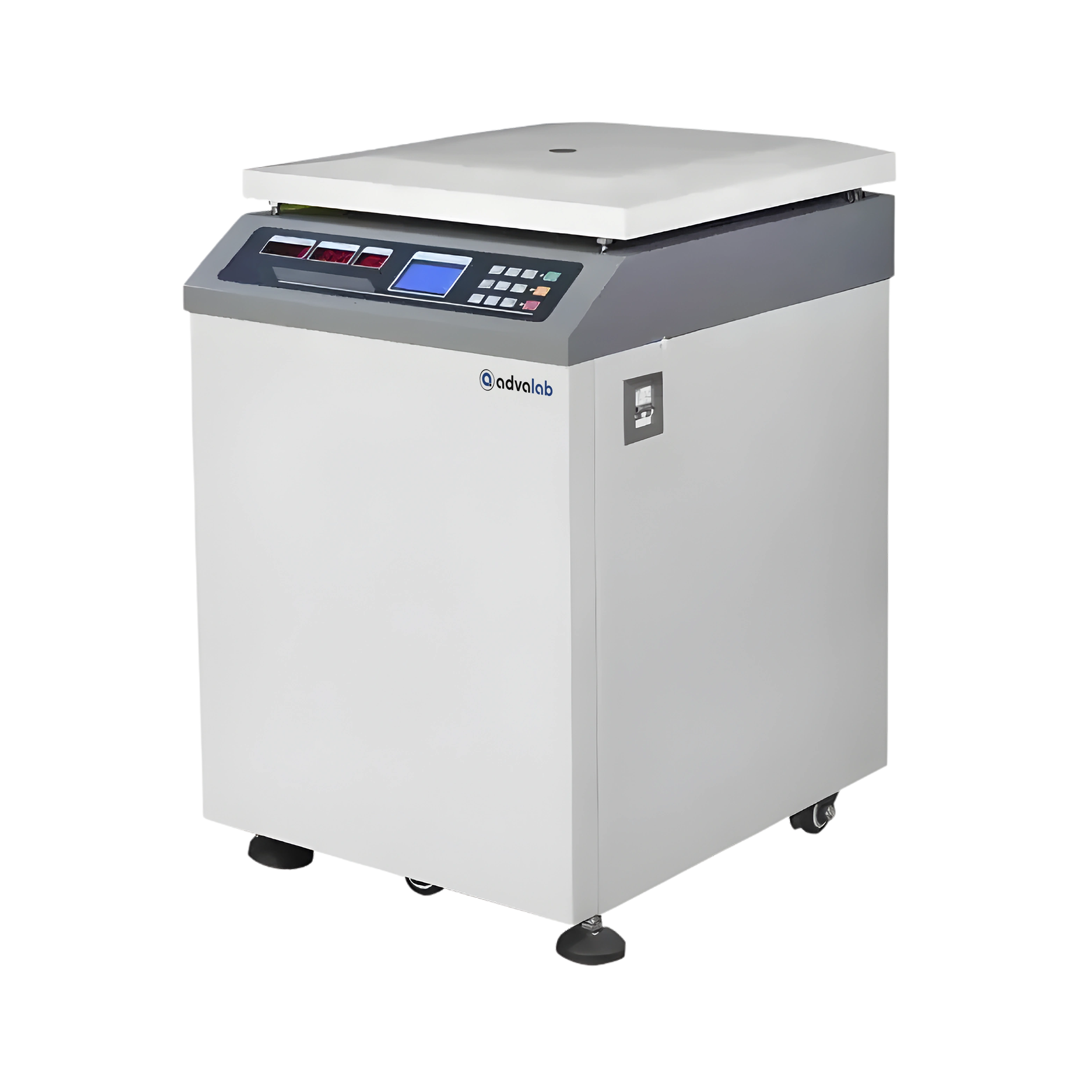
| Max Speed: | 16000 rpm |
| Max RCF: | 27520 x g |
| Max Capacity: | 6x500 ml |
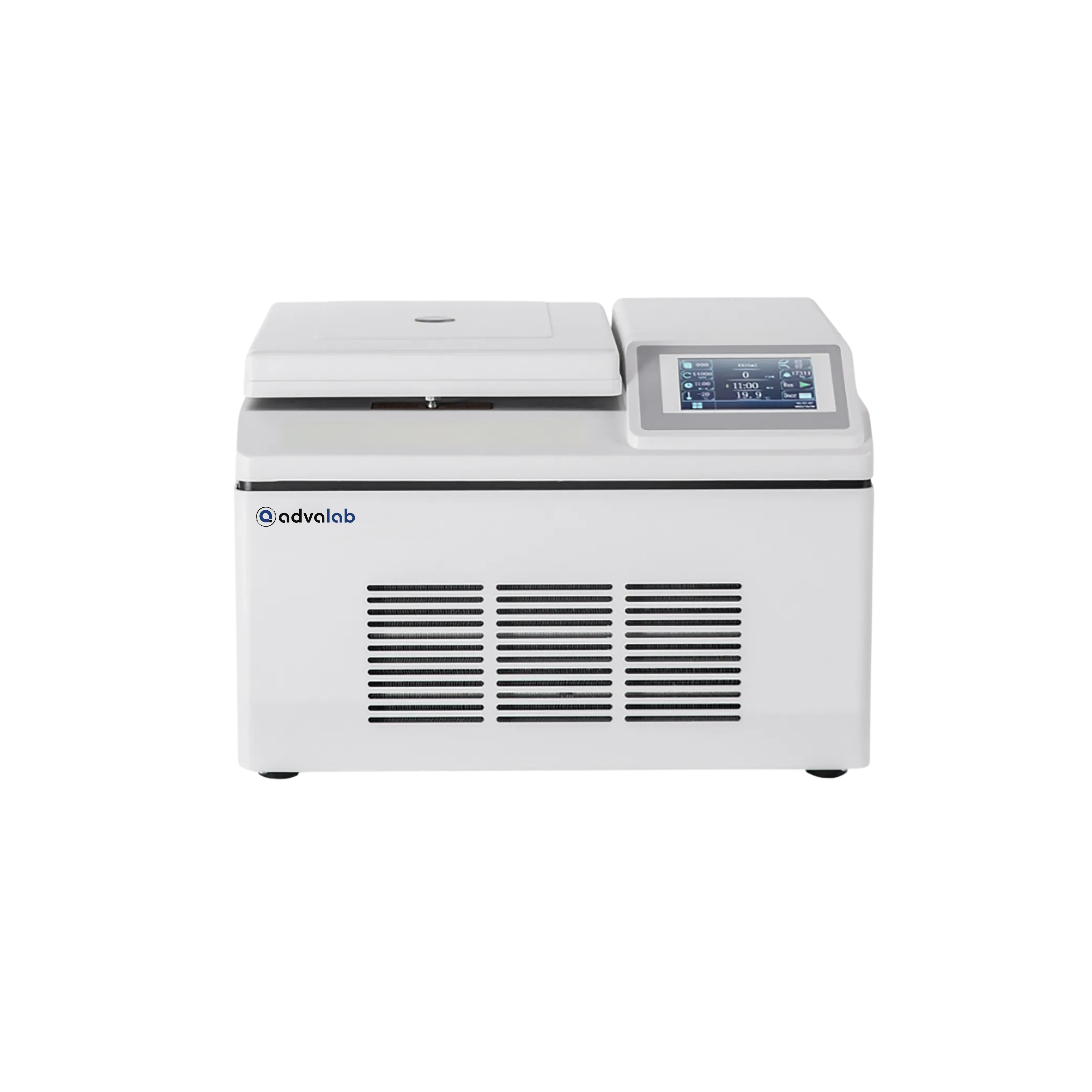
| Maximum Speed: | 18000 rpm |
| Maximum RCF: | 29684 × g |
| Maximum Capacity: | 6 × 100 ml |
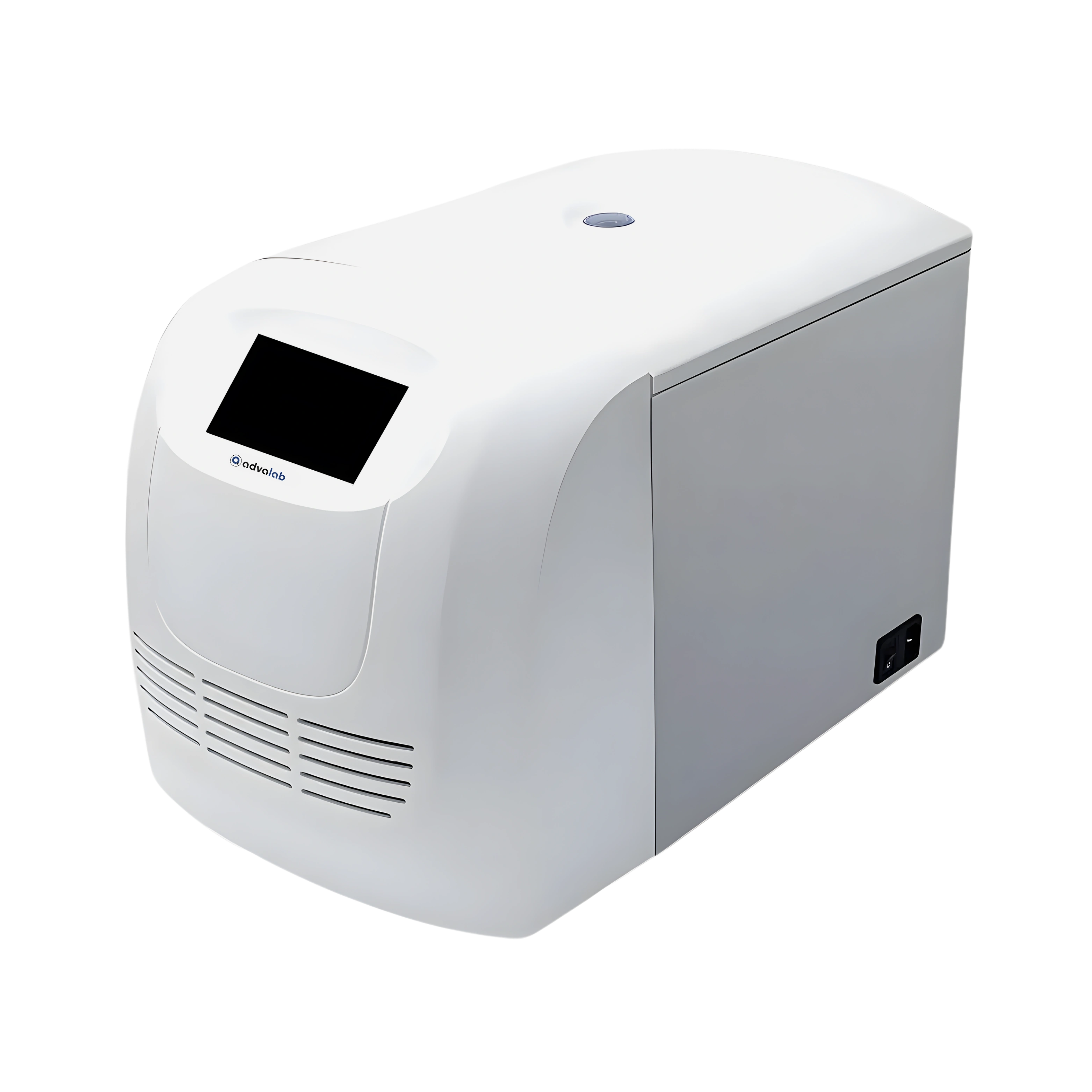
| Speed: | 500 to 15000 rpm, increasement 100 rpm |
| RCF: | 100 to 21400×g |
| Temperature Range: | -20℃ to +40℃, under room temperature 25℃ |

| Maximum Speed: | 20,000 RPM |
| Maximum RCF: | 31,405 × g |
| Maximum Capacity: | 6 × 100 ml |

| Maximum Speed: | 21,000 rpm |
| Maximum RCF: | 31,405 × g |
| Maximum Capacity: | 4 × 750 ml |
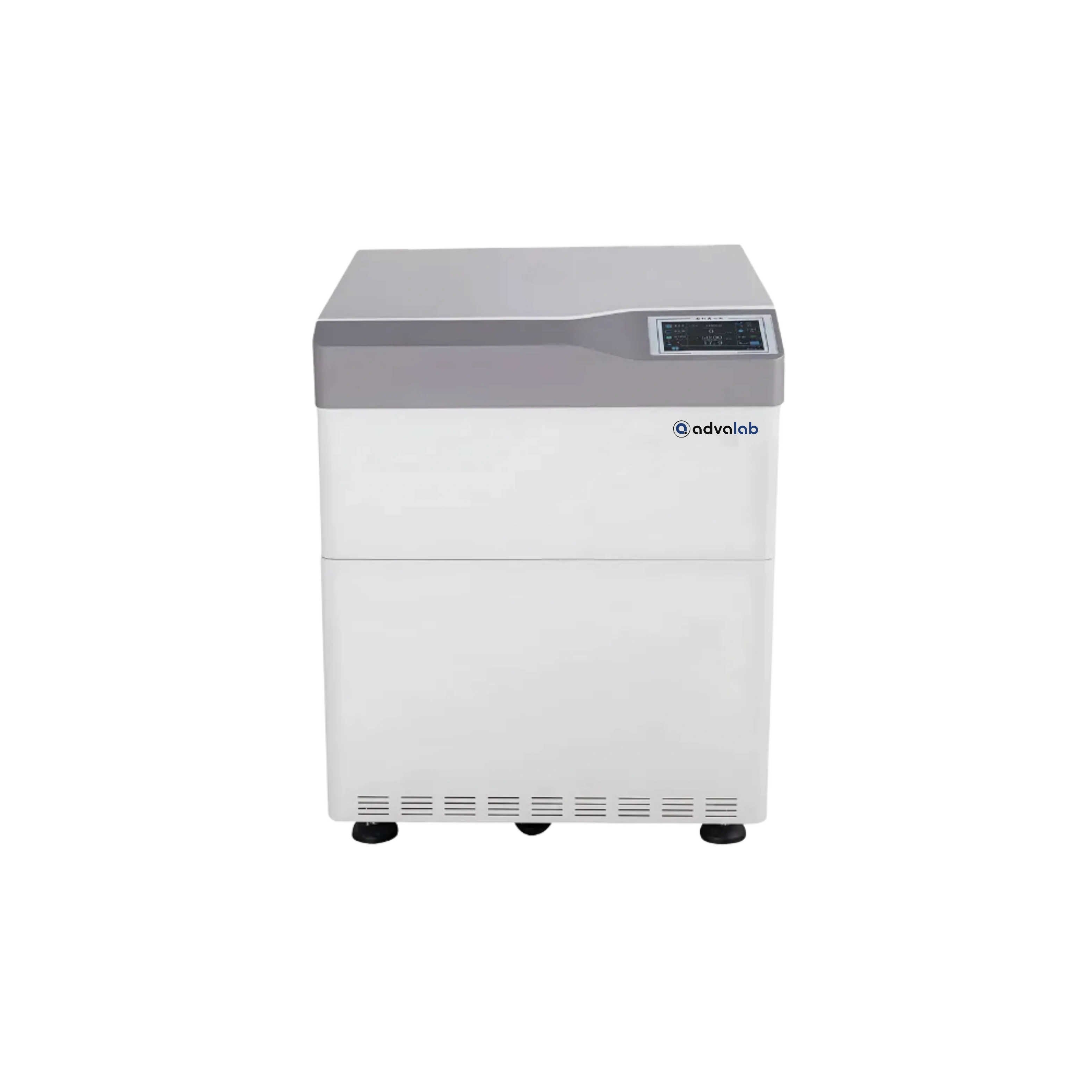
| Max Speed: | 25000 rpm |
| Max RCF: | 65000 x g |
| Max Capacity: | 4x1000 ml |
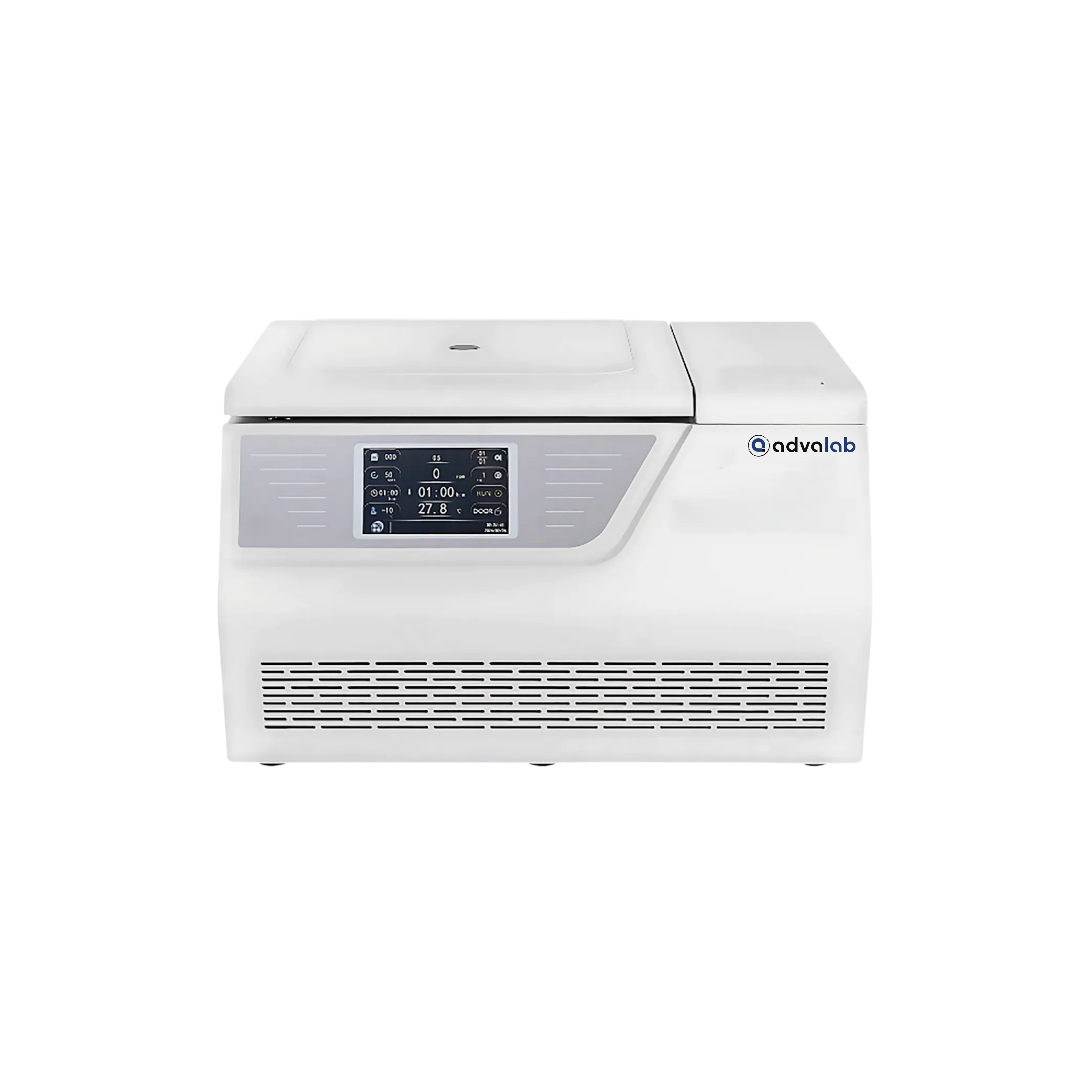
| Maximum Speed: | 19,000 rpm |
| Maximum RCF: | 30,367× g |
| Maximum Capacity: | 4 x 500 ml |

| Maximum Speed: | 15,000 rpm |
| Maximum RCF: | 21,630 × g |
| Maximum Capacity: | 12 × 5 ml |
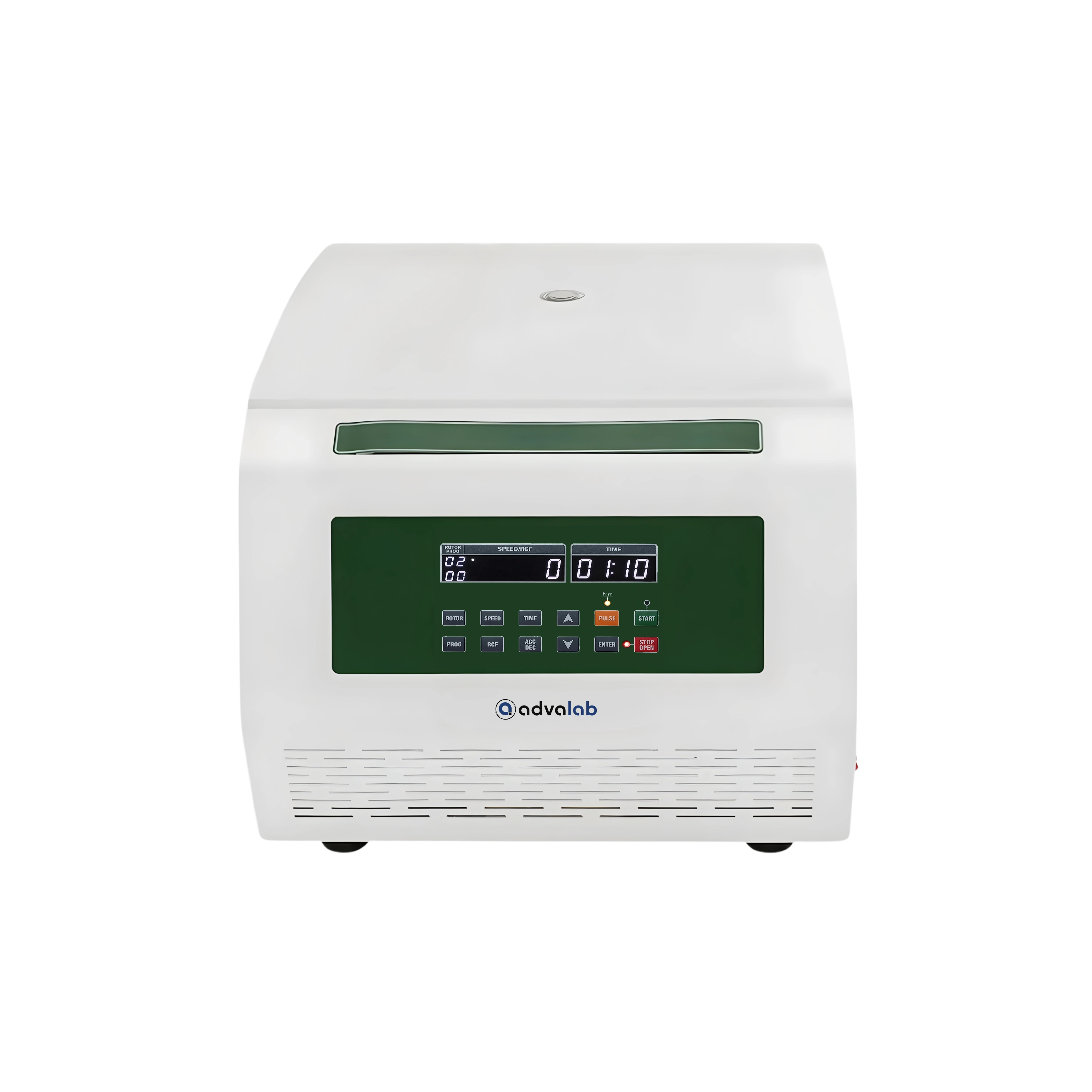
| Max Speed: | 4500 rpm |
| Max RCF: | 3380 x g |
| Max Capacity: | 6 x 50 ml syringe |
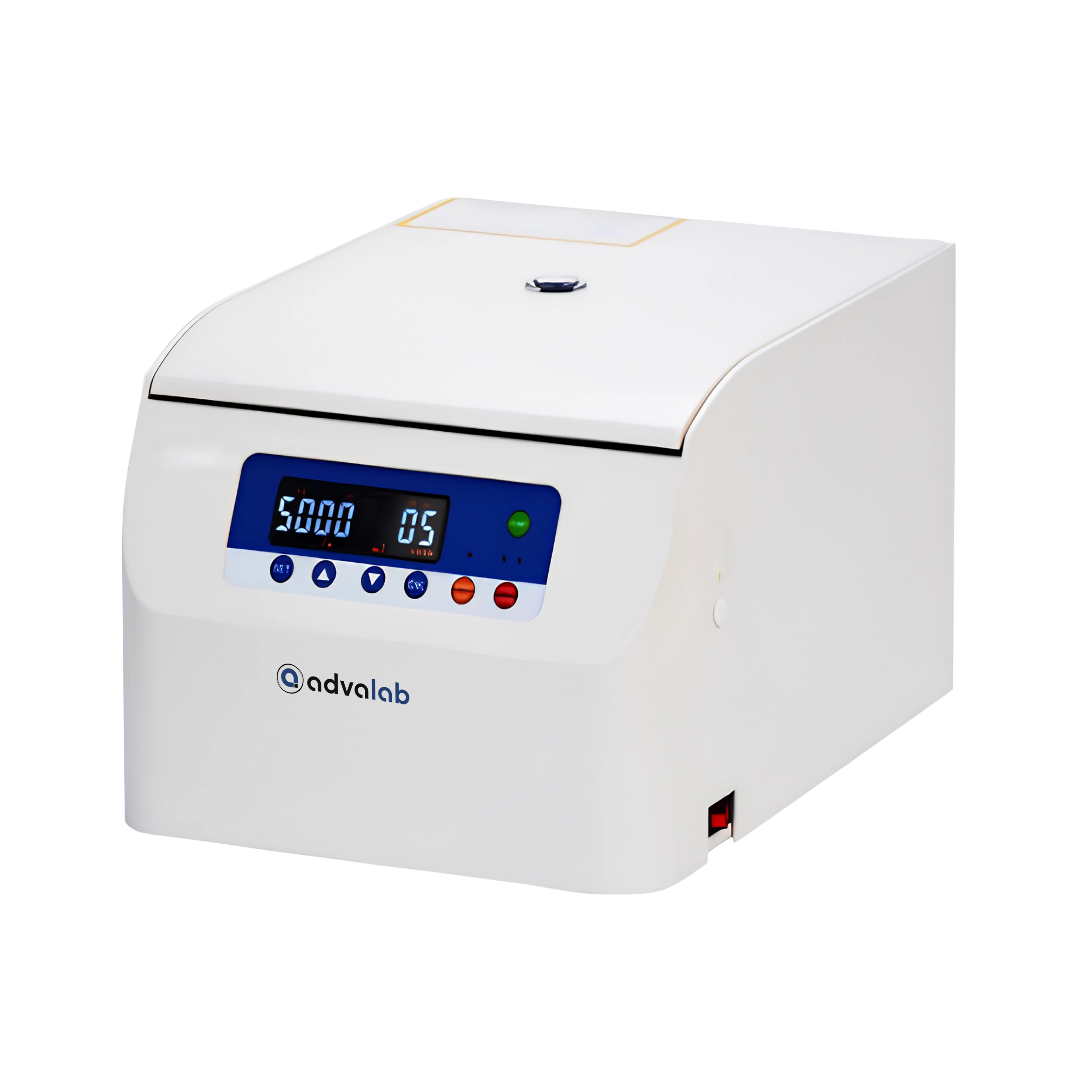
| Maximum Speed: | 4500 rpm (adjustable) |
| Maximum RCF: | 2000 × g (adjustable) |
| Maximum Capacity: | 12 × 2 mL tubes (12 mm × 75 mm) |

| Max Speed: | 4700 rpm |
| Max RCF: | 2000 xg |
| Max Capacity: | 12 x 7 ml (SERO rotor) |
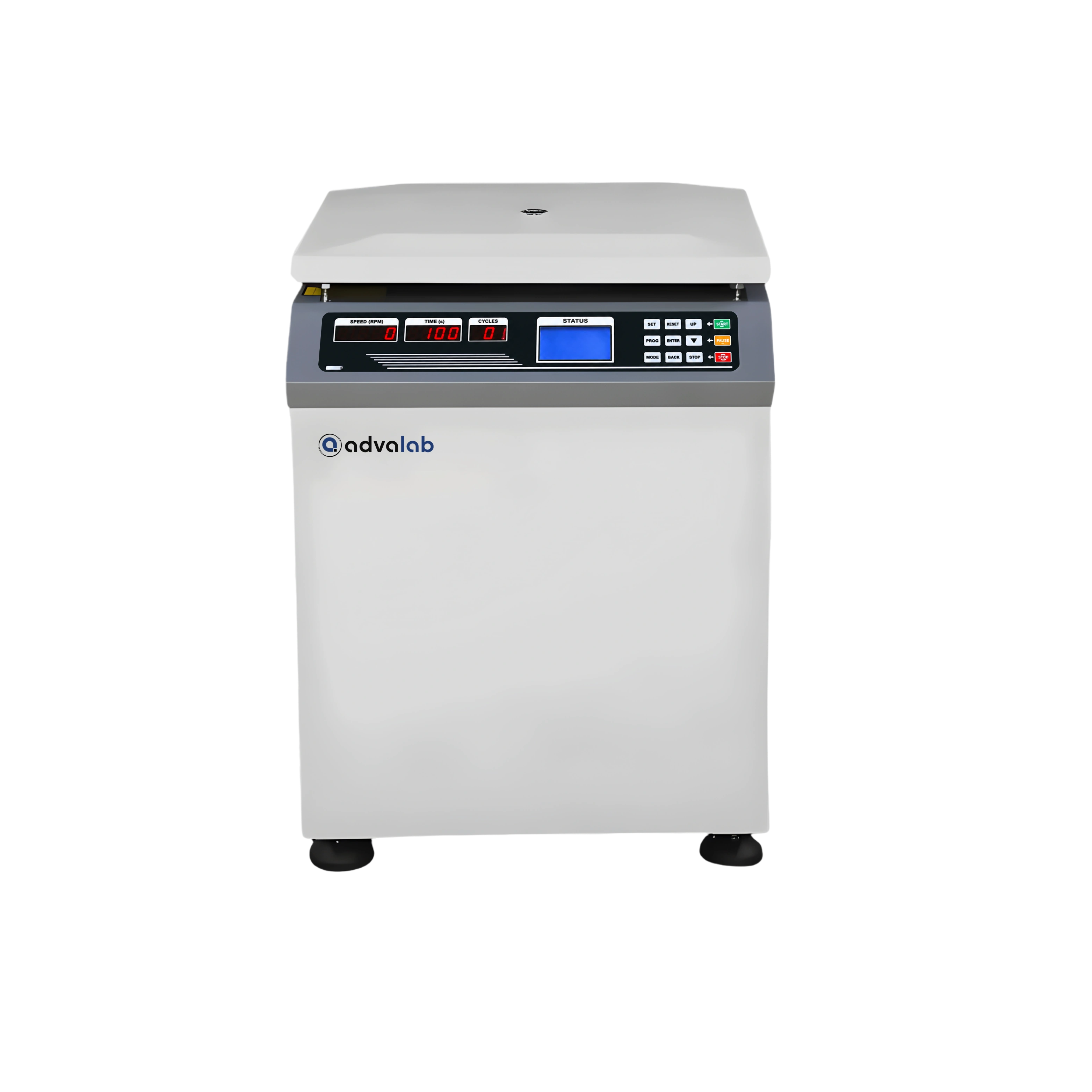
| Max Speed: | 4000 rpm |
| Max RCF: | 3400 xg |
| Max Capacity: | 4 x 200 ml |

| Maximum Speed: | 6000 rpm |
| Maximum RCF: | 5201× g |
| Maximum Capacity: | 4x750 ml |

| Maximum Speed: | 6000 rpm |
| Maximum RCF: | 5123× g |
| Maximum Capacity: | 4x250 ml |
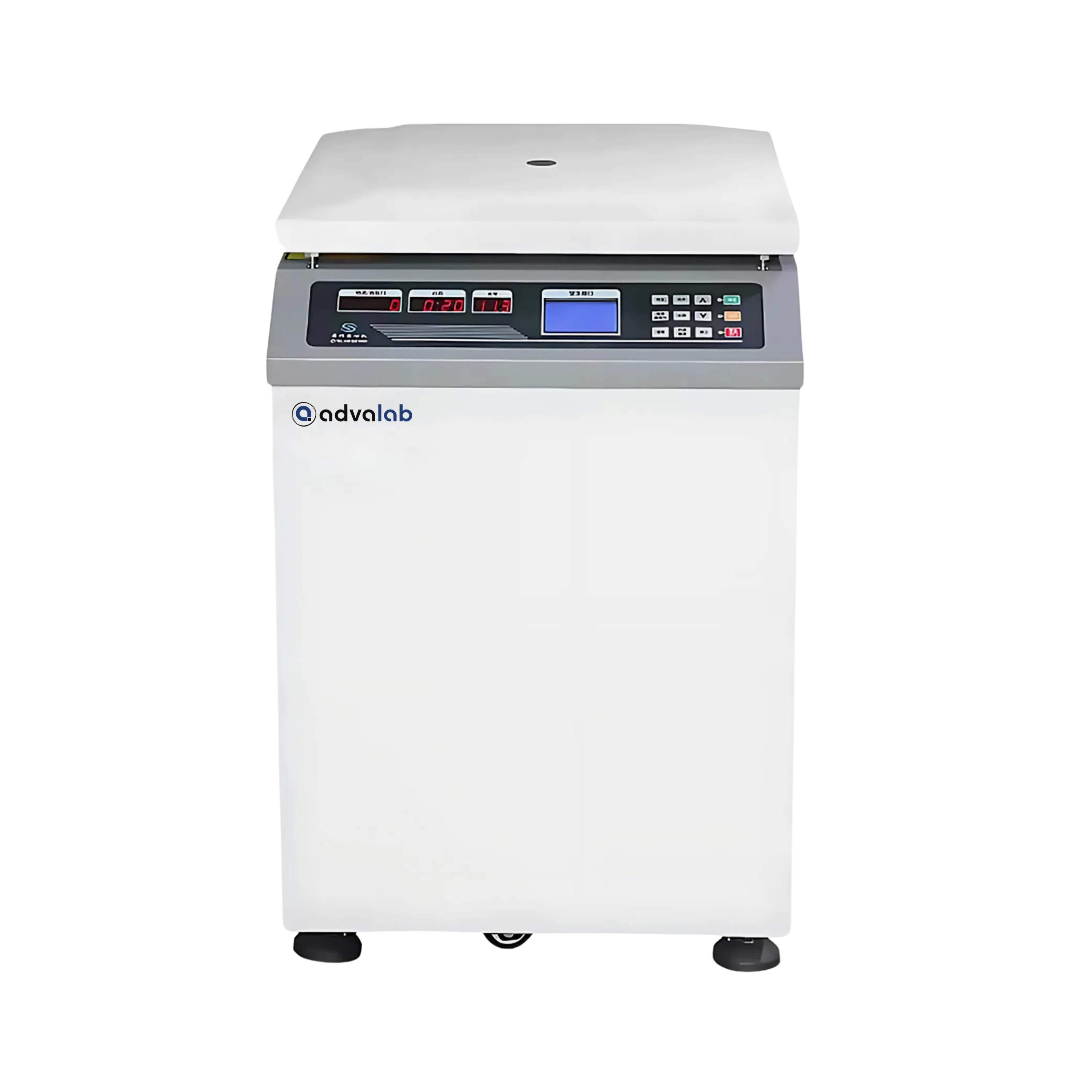
| Maximum Speed Range: | 6000 rpm |
| Maximum RCF: | 6880 × g |
| Maximum Capacity: | 6 × 1000 ml |
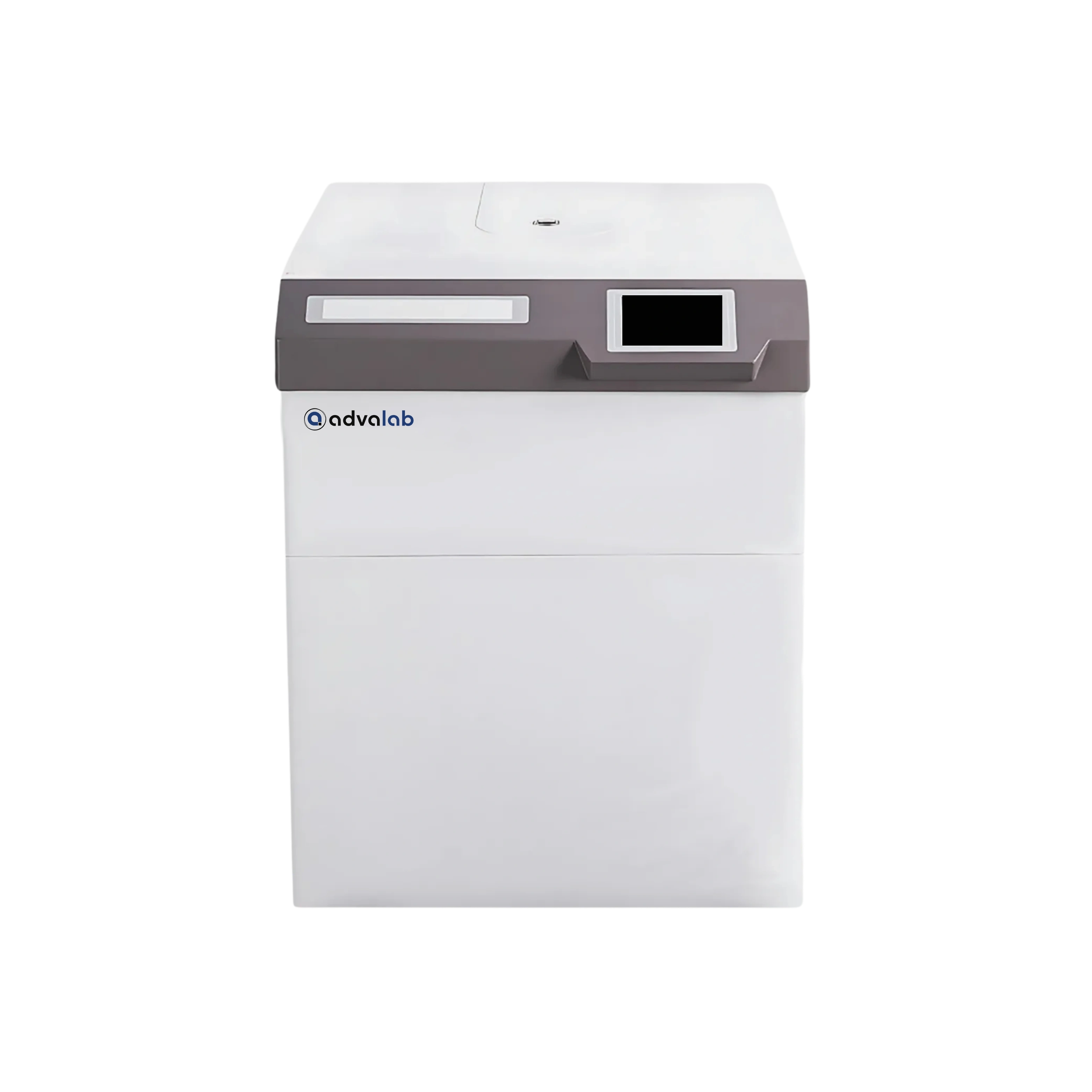
| Max Speed: | 5000 rpm |
| Max RCF: | 5200 × g |
| Max Capacity: | 4 × 800 ml |

| Maximum Speed: | 5000 rpm |
| Maximum RCF: | 5201× g |
| Maximum Capacity: | 4x750 ml |
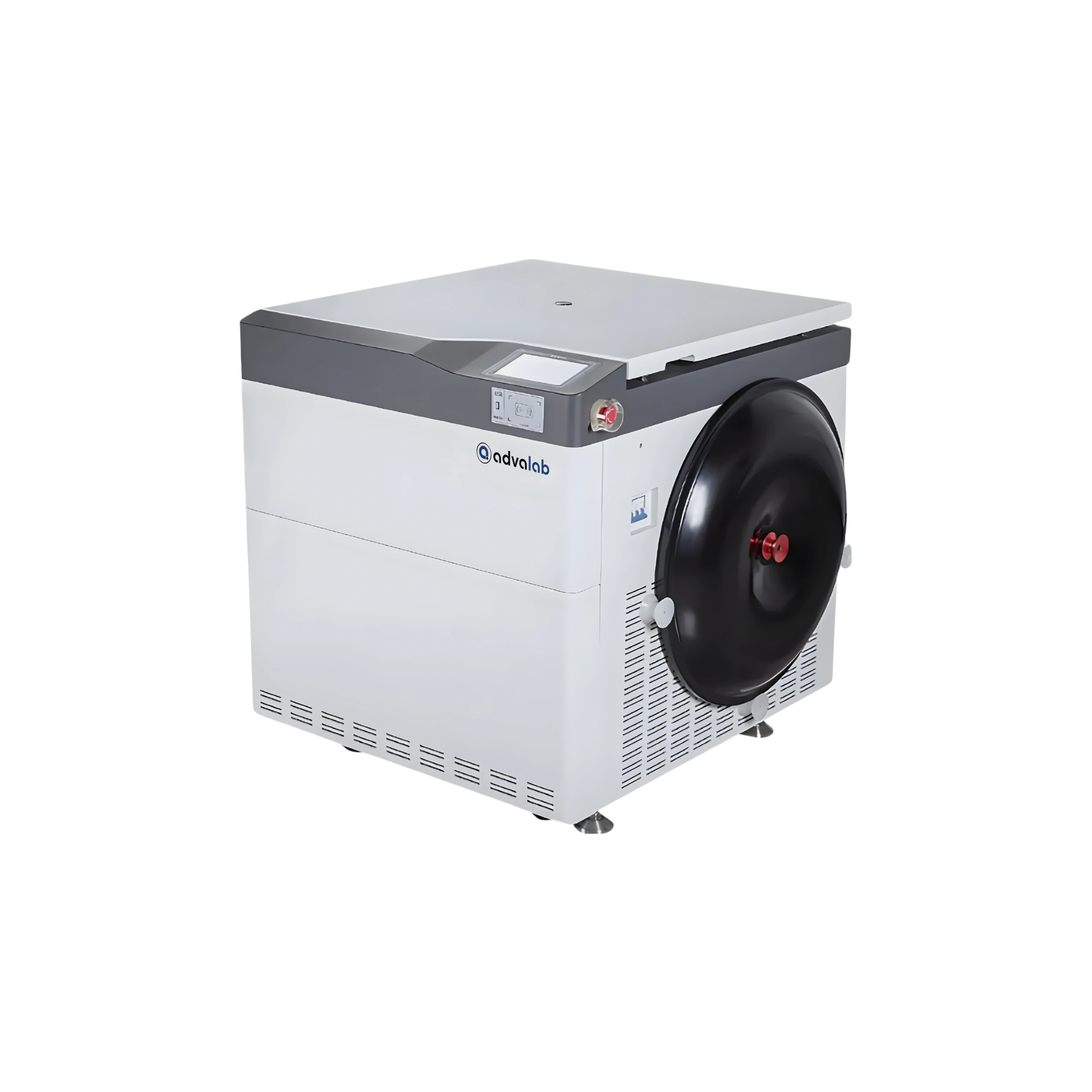
| Max Speed: | 8000 rpm |
| Max RCF: | 14500 × g |
| Max Capacity: | 6x2400 ml / 12 blood bags / 384 blood tubes |
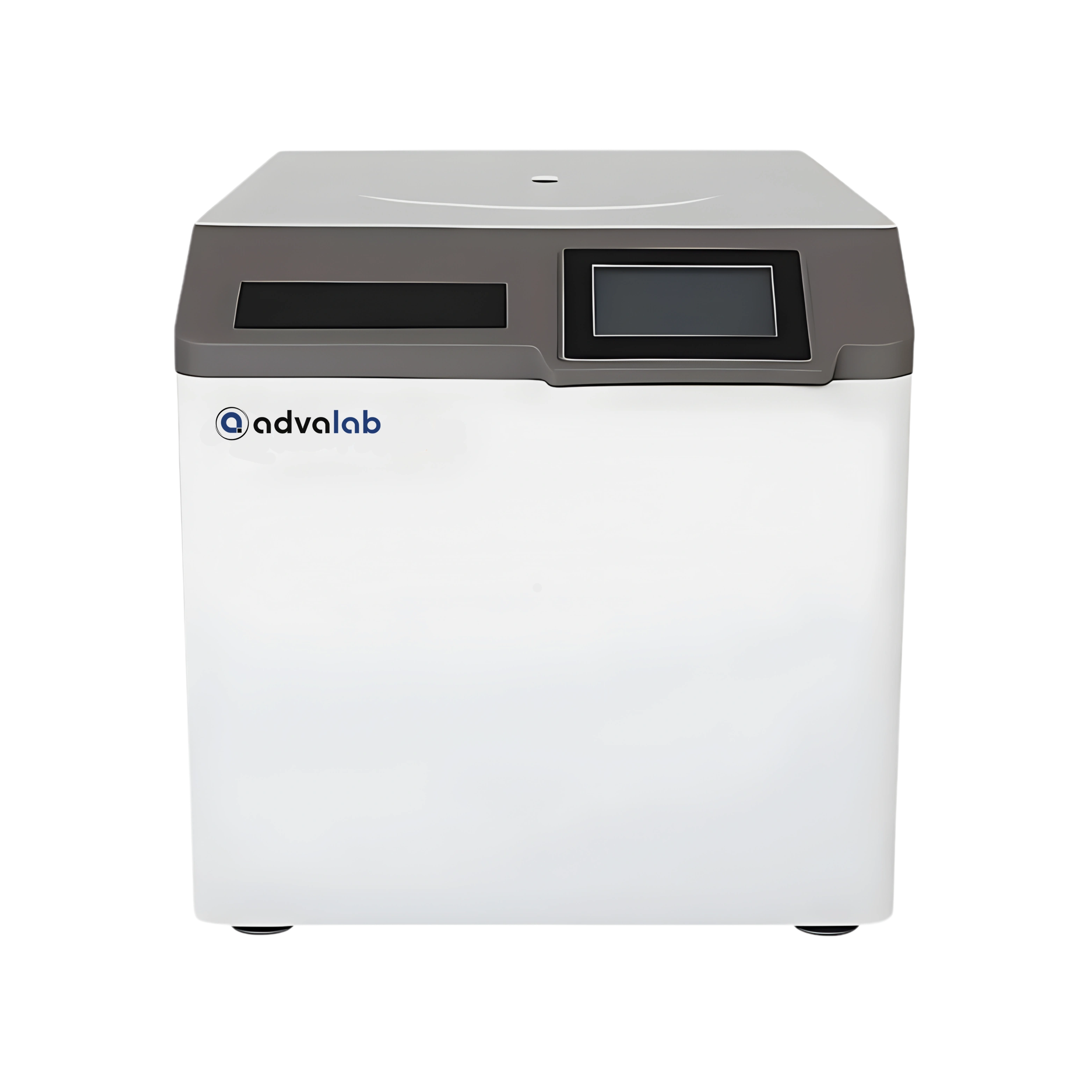
| Max Capacity: | 4 tubes, each 1000 ml |
| Max Speed: | 6000 rpm |
| Max RCF: | 6693×g |
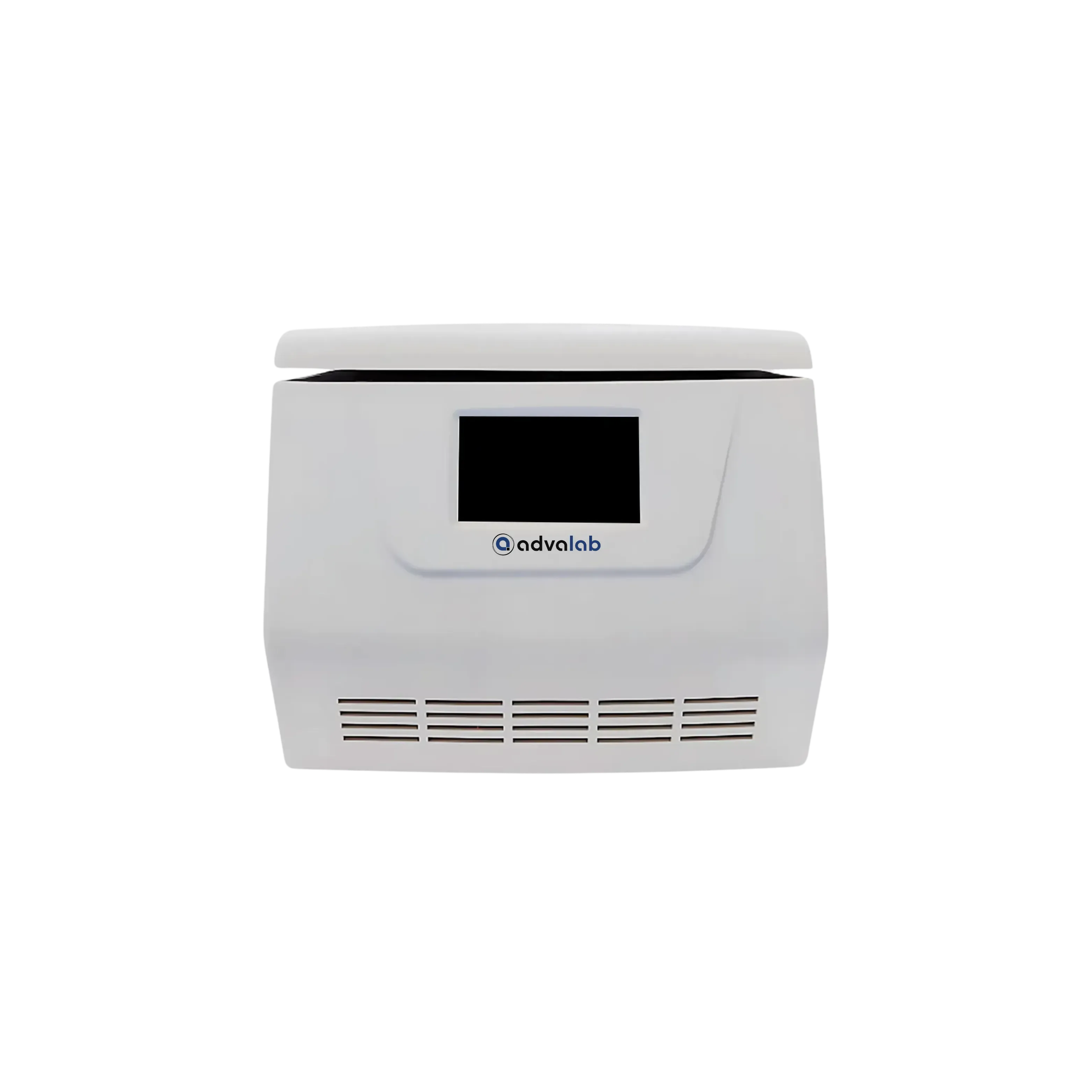
| Maximum Speed: | 18000 rpm |
| Maximum RCF: | 24814 × g |
| Maximum Capacity: | 6x100 ml |
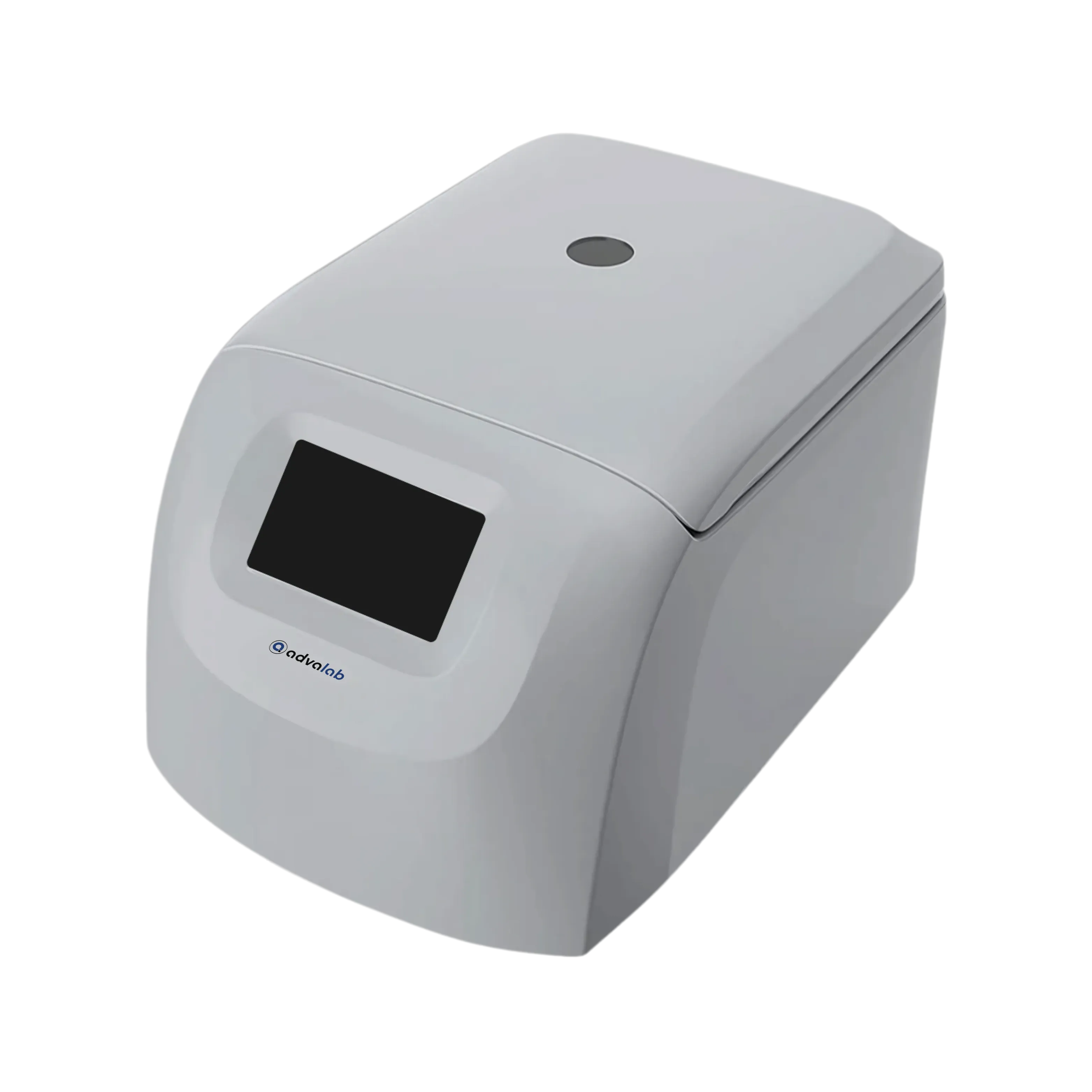
| Speed: | 500 to 15000 rpm, increasement 100 rpm |
| Maximum Sample Density: | 1.2g/ml |
| Acceleration/Deceleration : | Ⅰ (≤ 20) <br/> Ⅱ (≤ 40s) <br/> Ⅲ (≤ 60s) |
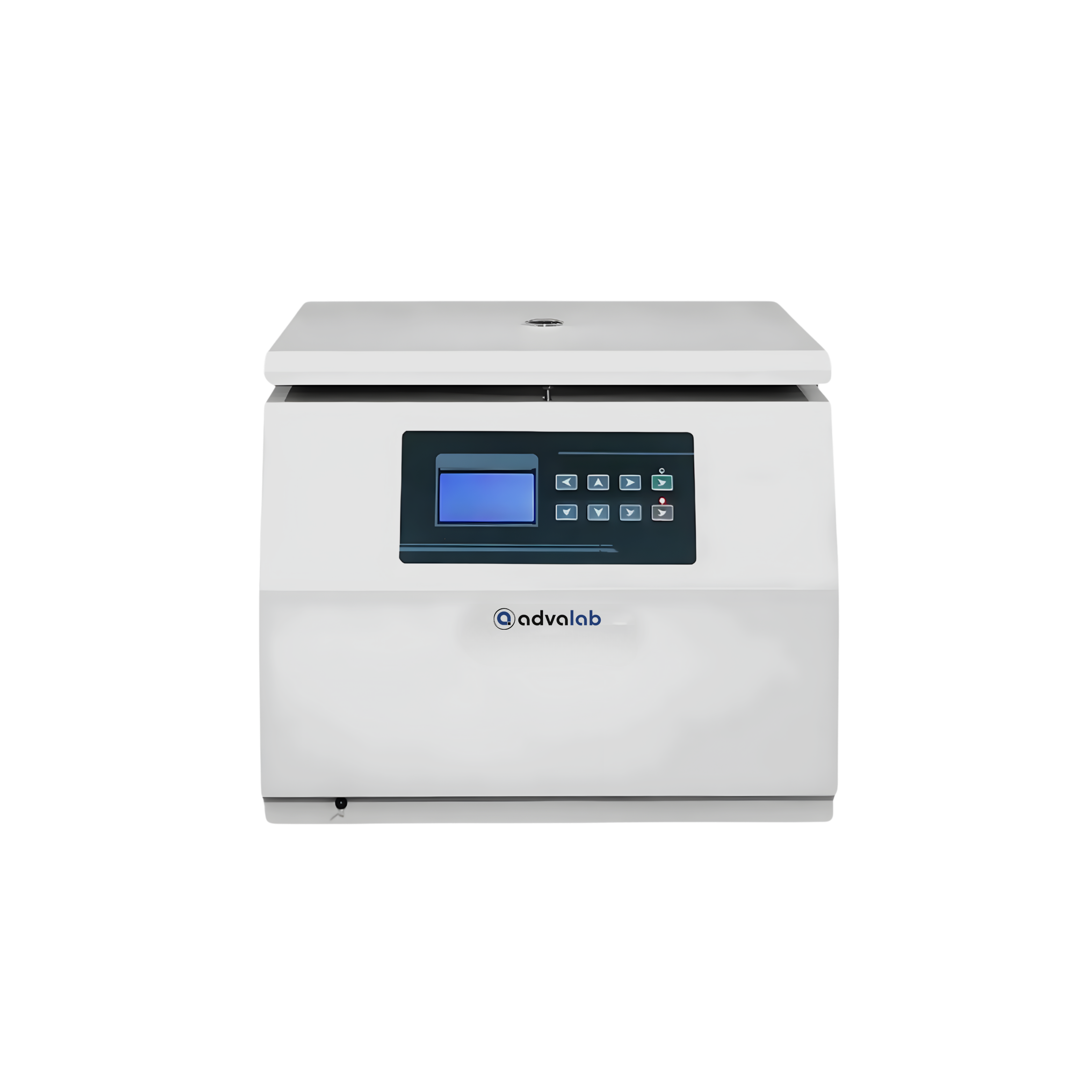
| Maximum Speed: | 18500 rpm |
| Maximum RCF: | 24760 × g |
| Maximum Capacity: | 4x500 ml |
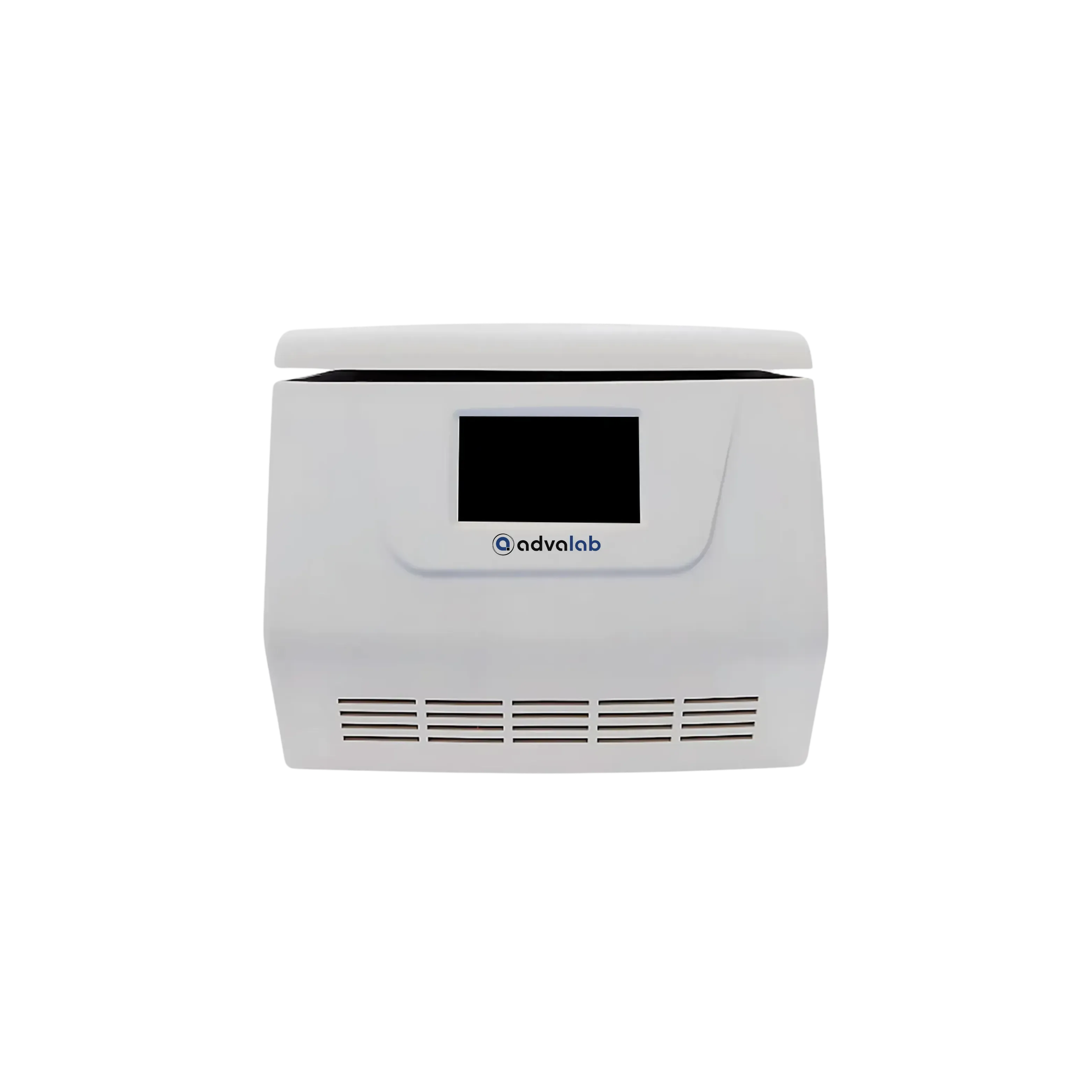
| Maximum Speed: | 20000 rpm |
| Maximum RCF: | 27994 × g |
| Maximum Capacity: | 6x100 ml |
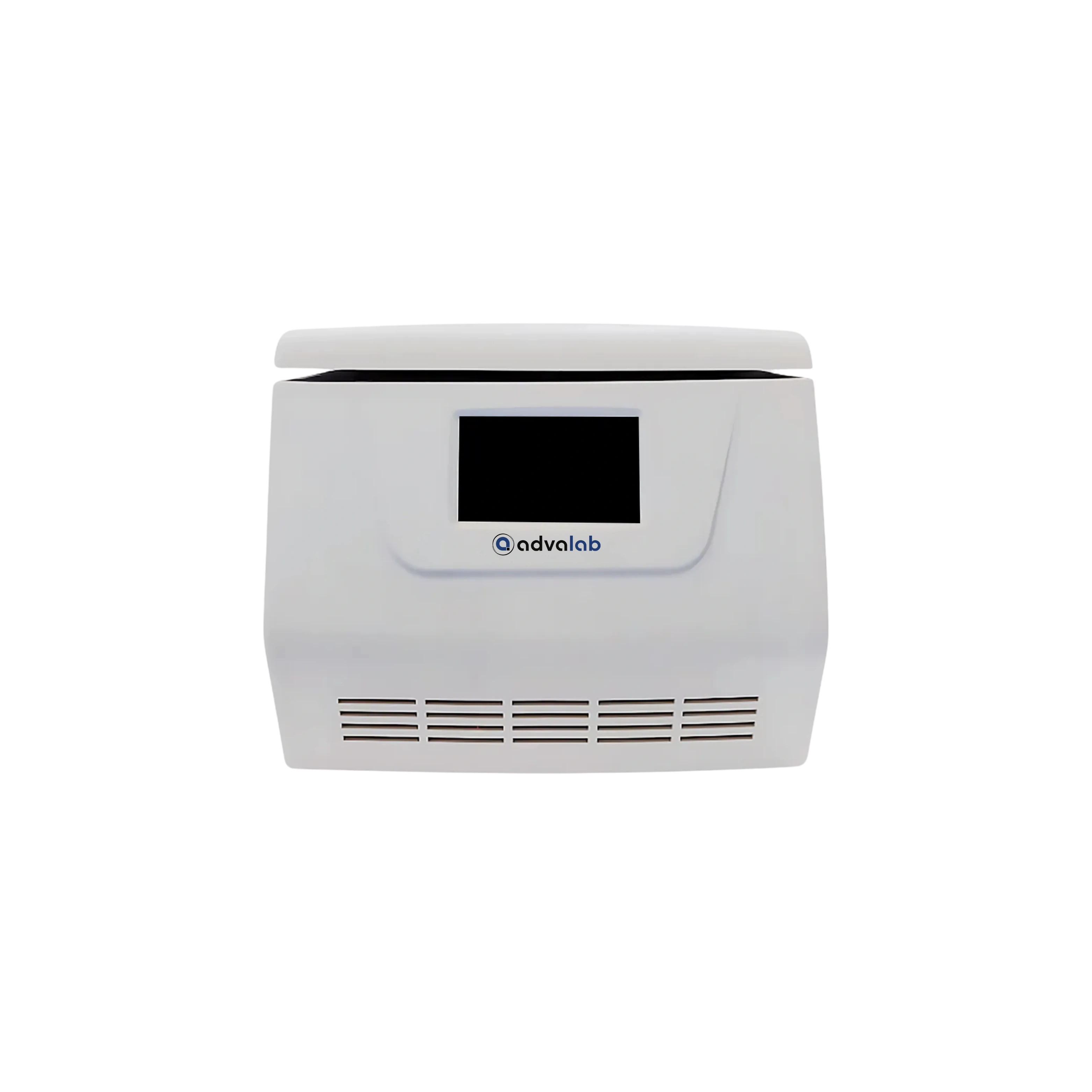
| Maximum Speed: | 16,500 rpm |
| Maximum RCF: | 24,814 × g |
| Maximum Capacity: | 6 × 100 ml |
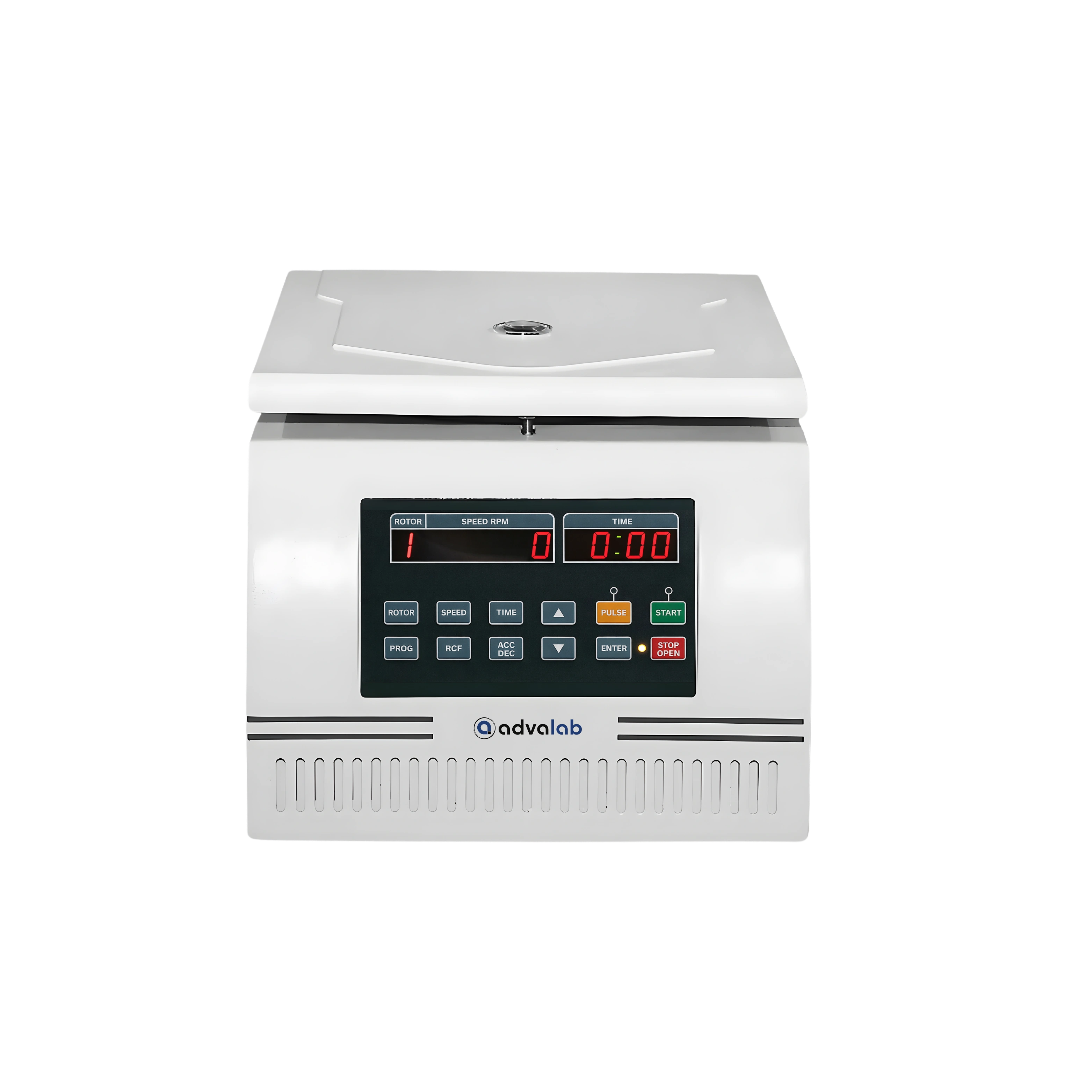
| Maximum Speed: | 15000 rpm |
| Maximum RCF: | 21630 × g |
| Maximum Capacity: | 12x5 ml |
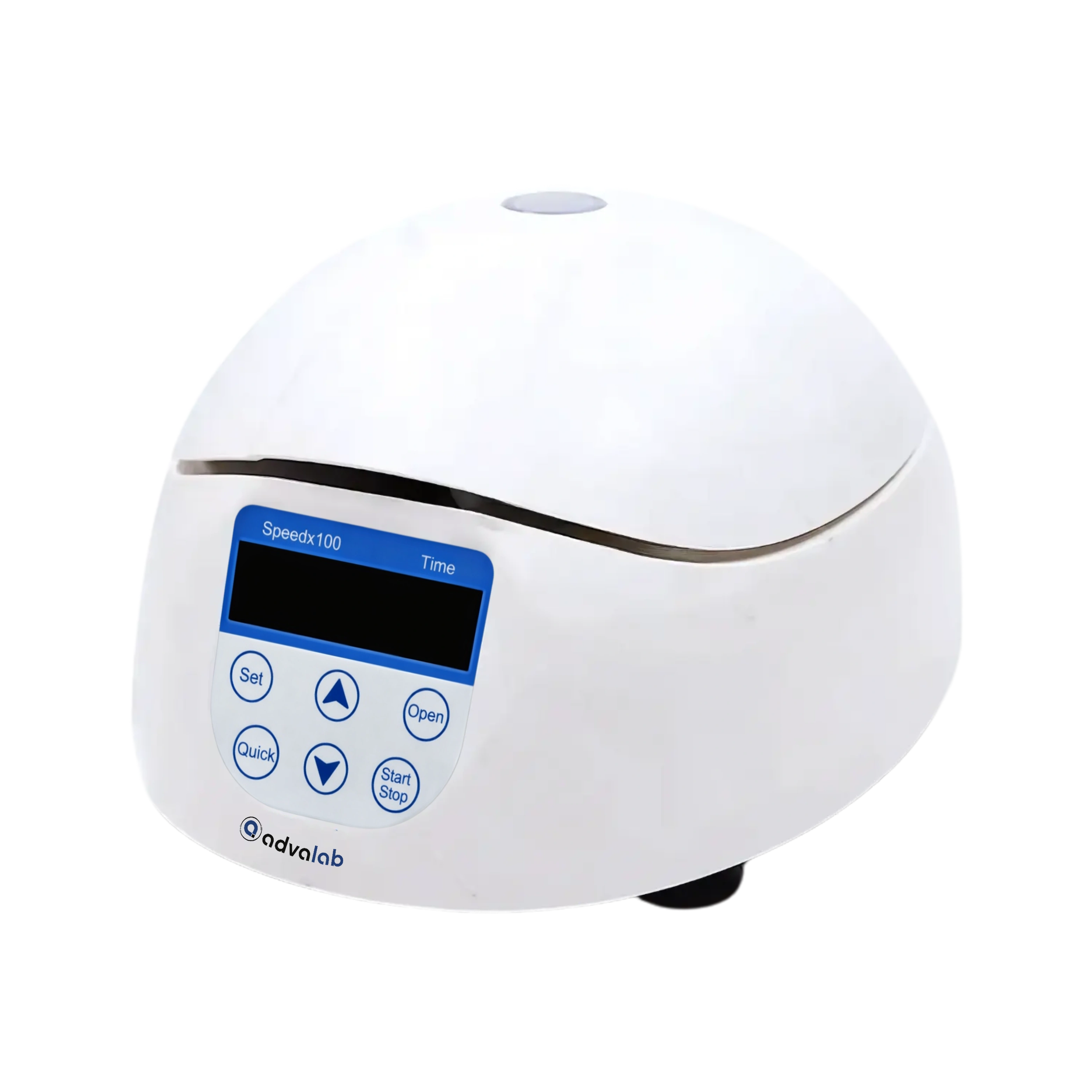
| Speed: | 500 to 15000 rpm, 100 rpm increments |
| RCF: | 100 to 15000×g, 100×g increments |
| Maximum Rotor Radius: | 60 mm |
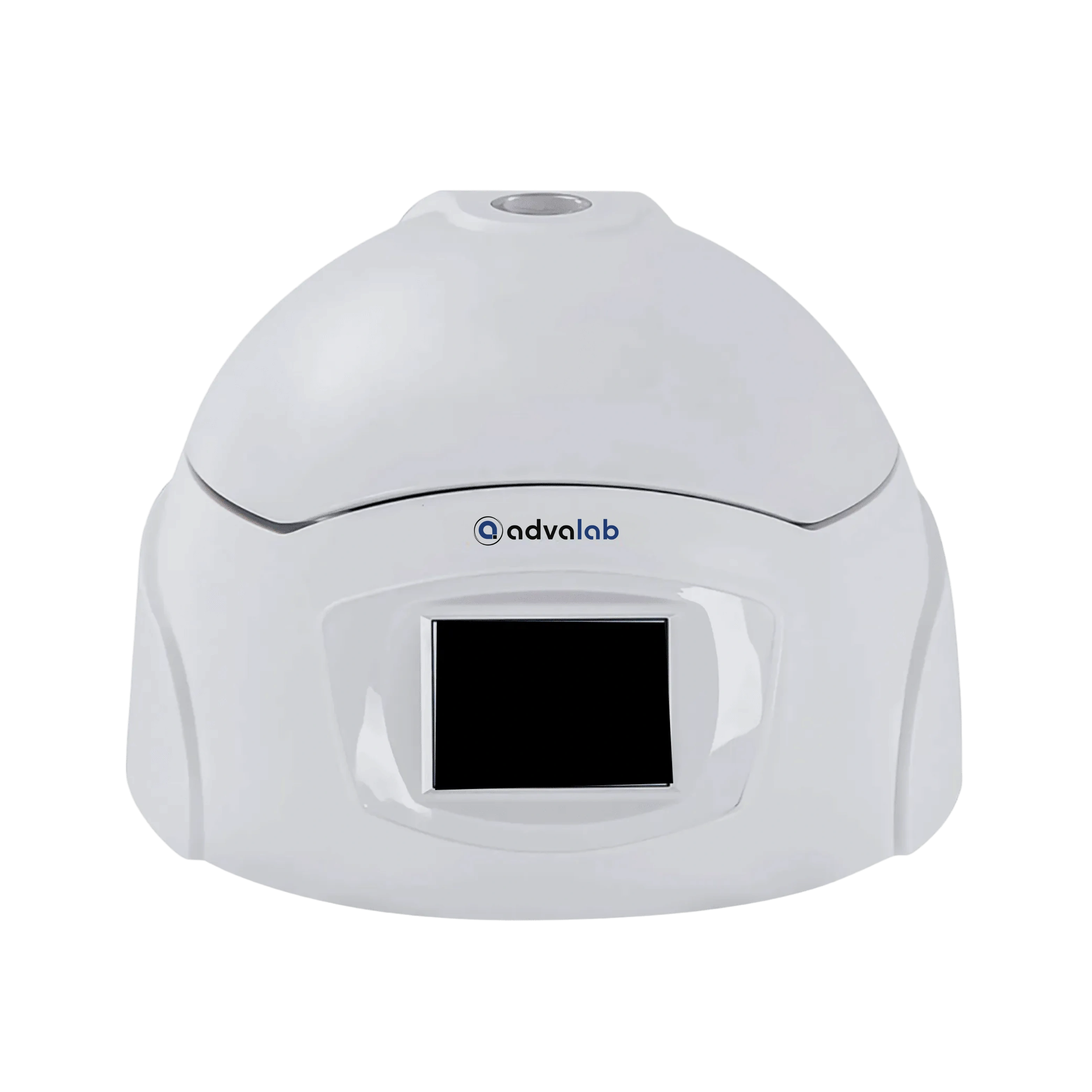
| Maximum Speed: | 15000 rpm |
| Maximum RCF: | 15093× g |
| Maximum Capacity: | 8x5 ml |
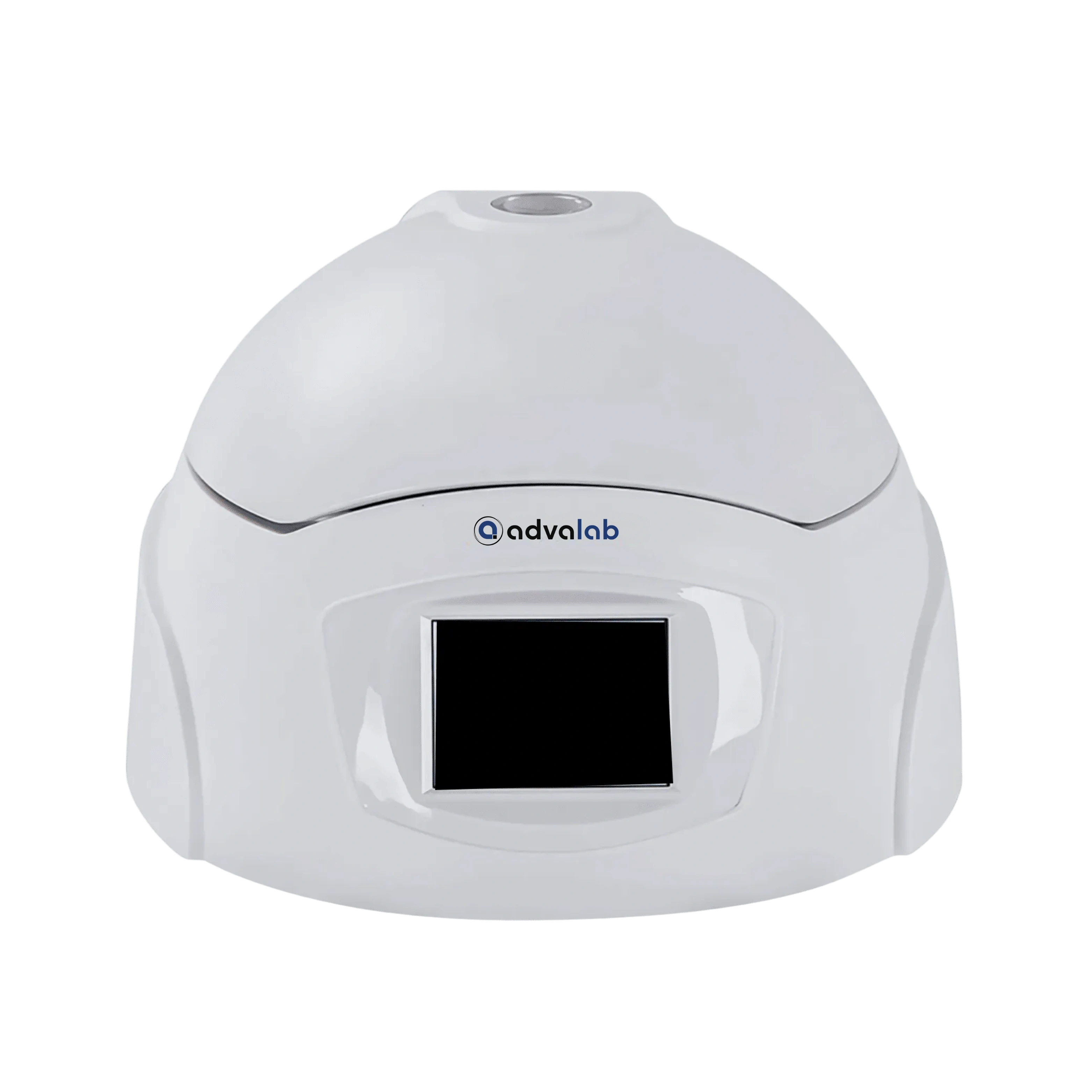
| Maximum Speed: | 16500 rpm |
| Maximum RCF: | 18262× g |
| Maximum Capacity: | 8x5 ml |
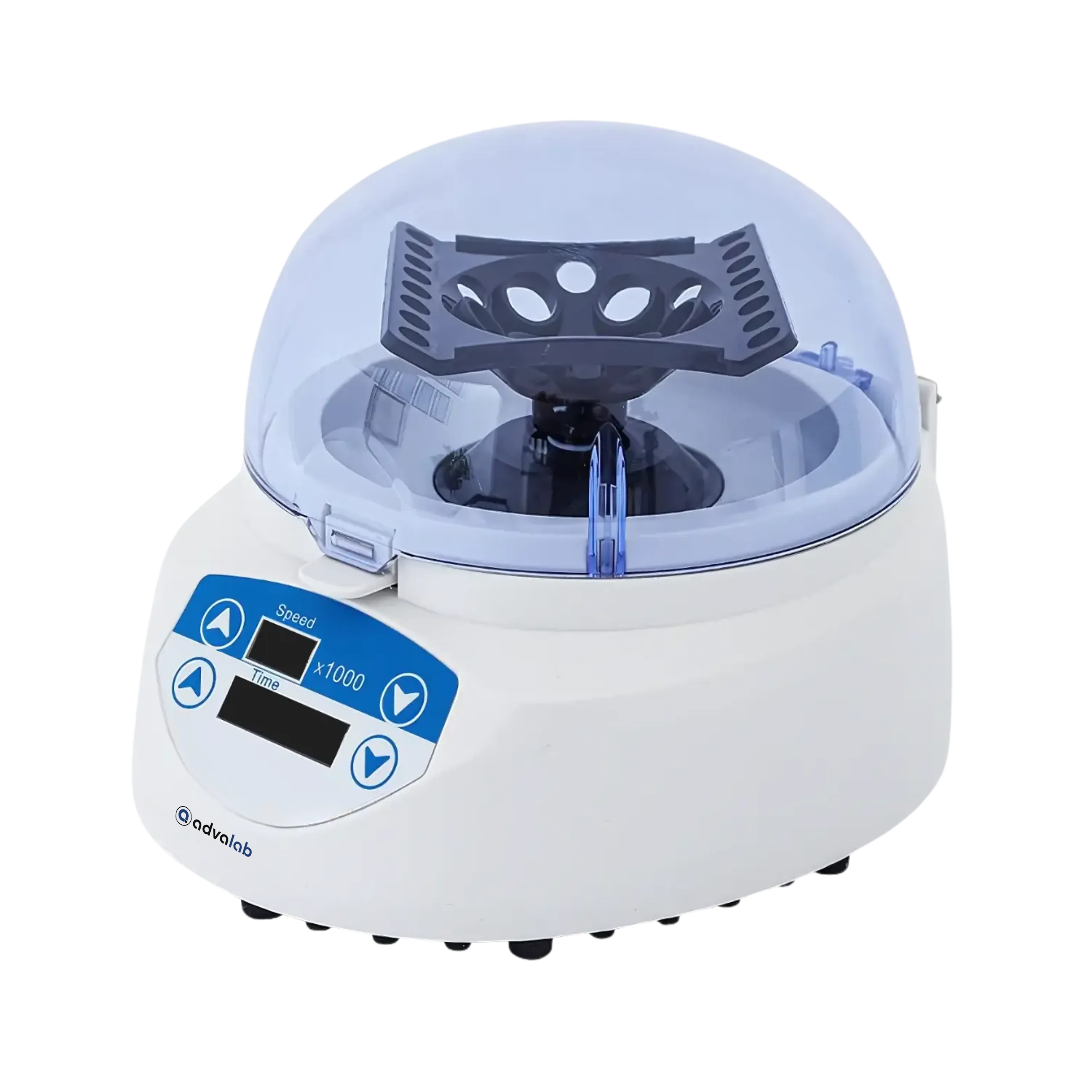
| Speed Range: | 4000 rpm, 6000 rpm and 7000 rpm, adjustable |
| Maximum RCF: | 960×g, 4000 rpm <br/> 2200×g, 6000 rpm <br/> 2900×g, 7000 rpm |
| Capacity: | 6×1.5 ml/2.0 ml, 6×0.5 ml, 16×0.2 ml centrifuge tube <br/> 2×8×0.2 ml PCR tube strips |
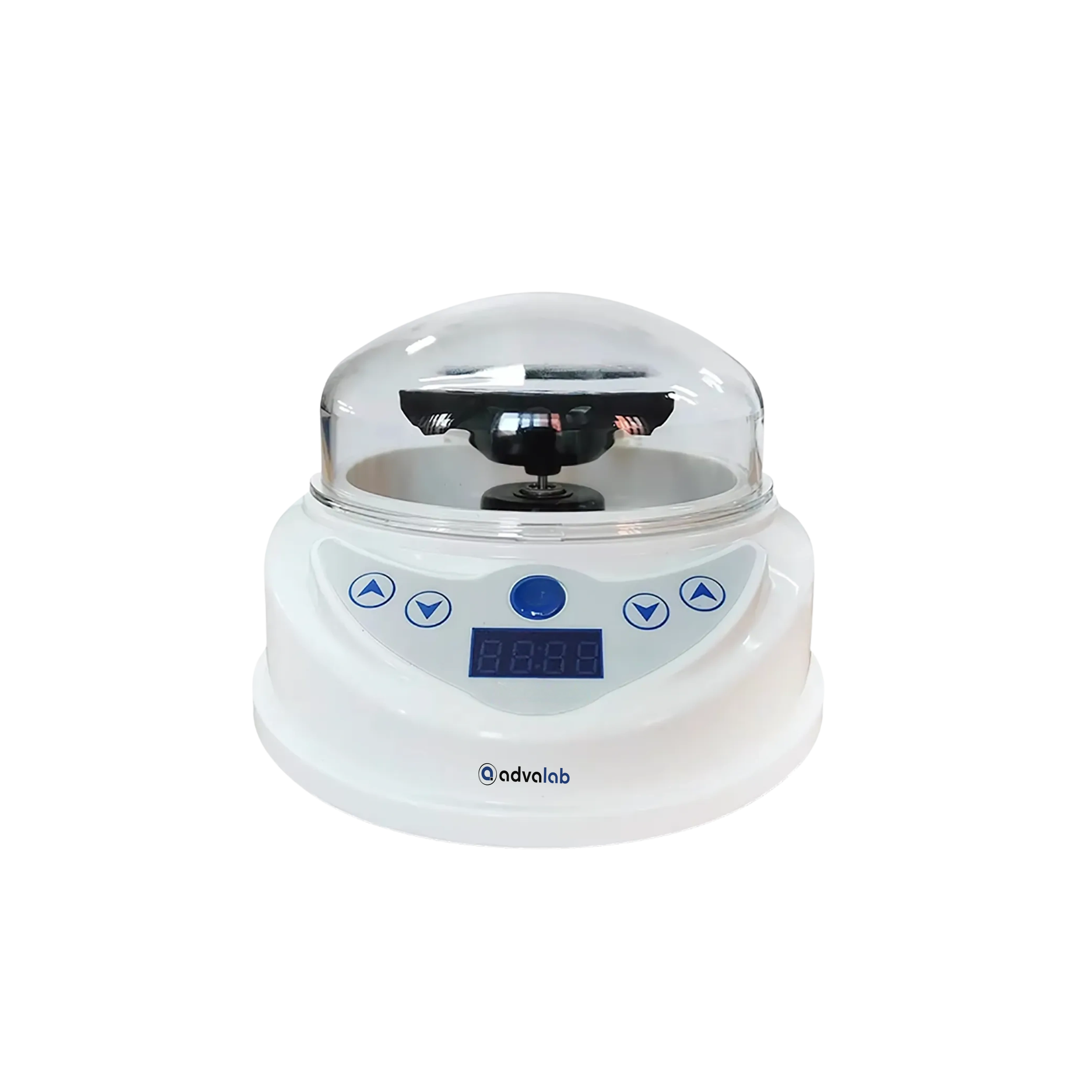
| Maximum Speed: | 10000rpm |
| Maximum RCF: | 6100xg |
| Capacity: | Three in one rotor:8x1.5/2ml+6x0.5ml+2x8x0.2ml |
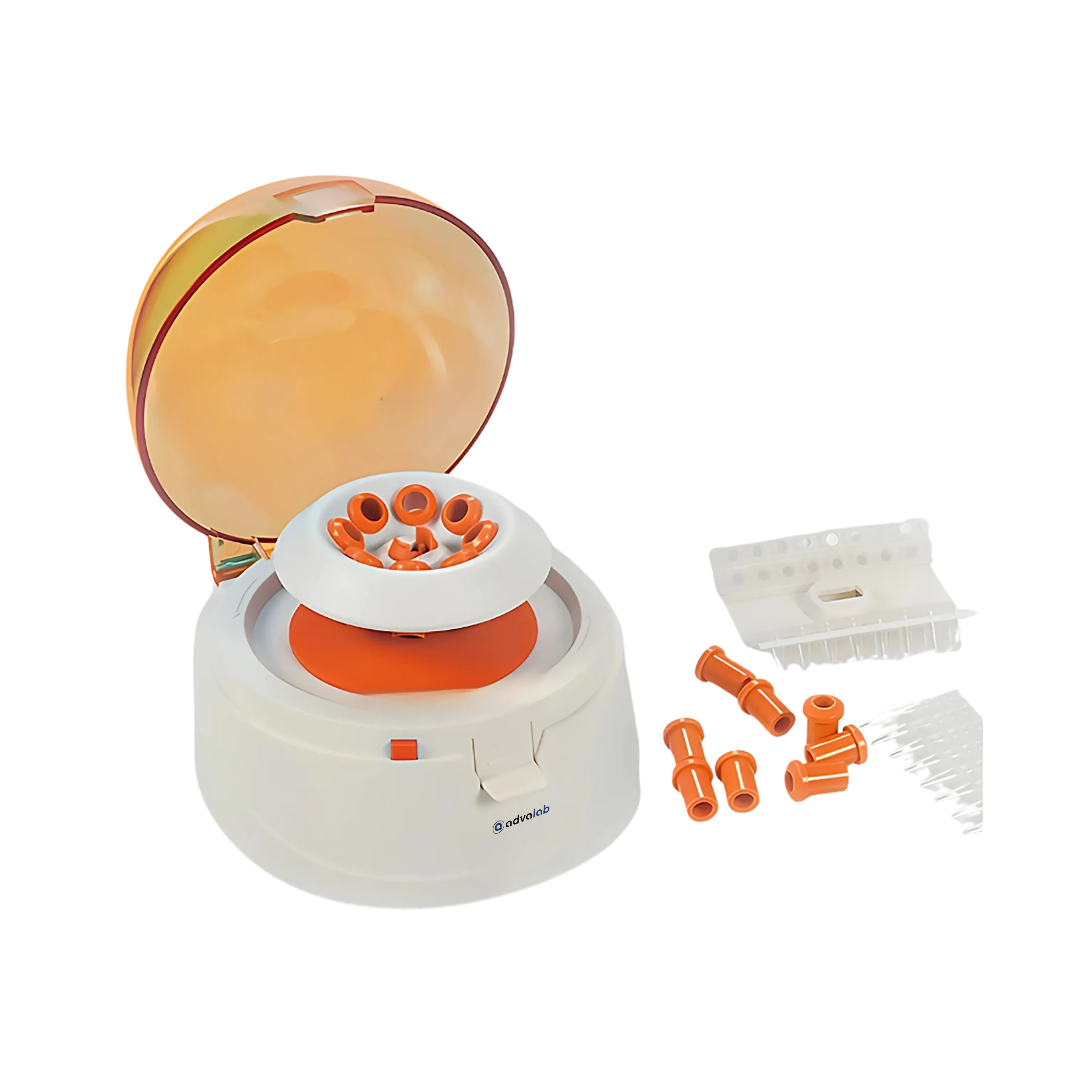
| Maximum Speed: | 6000 rpm ±5% |
| Rotation Direction : | Anticlockwise (fixed direction) |
| Acceleration Time : | ≤ 2 seconds |
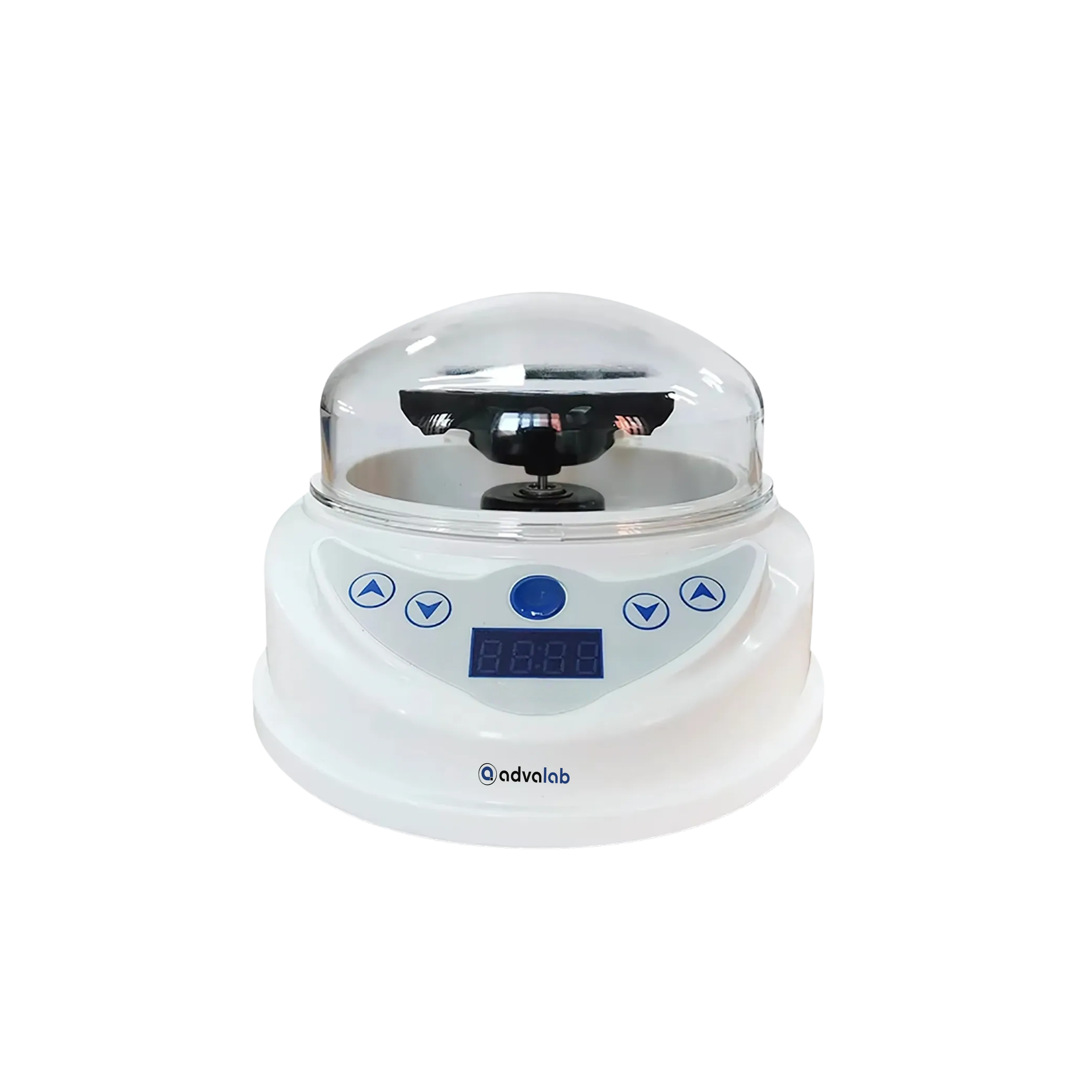
| Maximum Speed: | 7500rpm |
| Maximum RCF: | 3450xg |
| Capacity: | Three in one rotor:8x1.5/2ml+6x0.5ml+2x8x0.2ml, Rotor for 6 PCR strips |
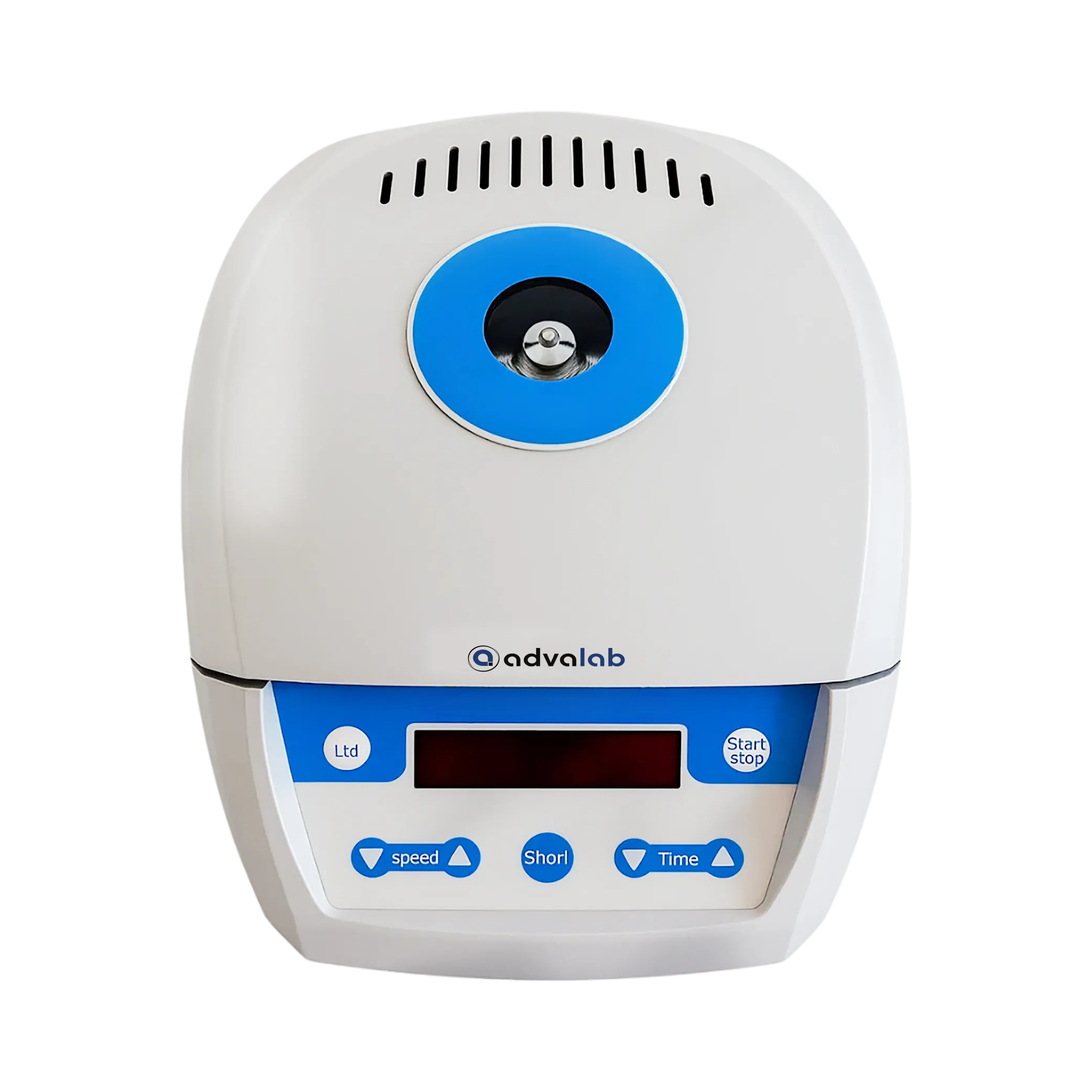
| Speed Range: | 500 to 15000 rpm |
| RCF Range: | 16 to 15080 g |
| Capacity: | 12 x 1.5 / 2.0ml centrifuge tubes |
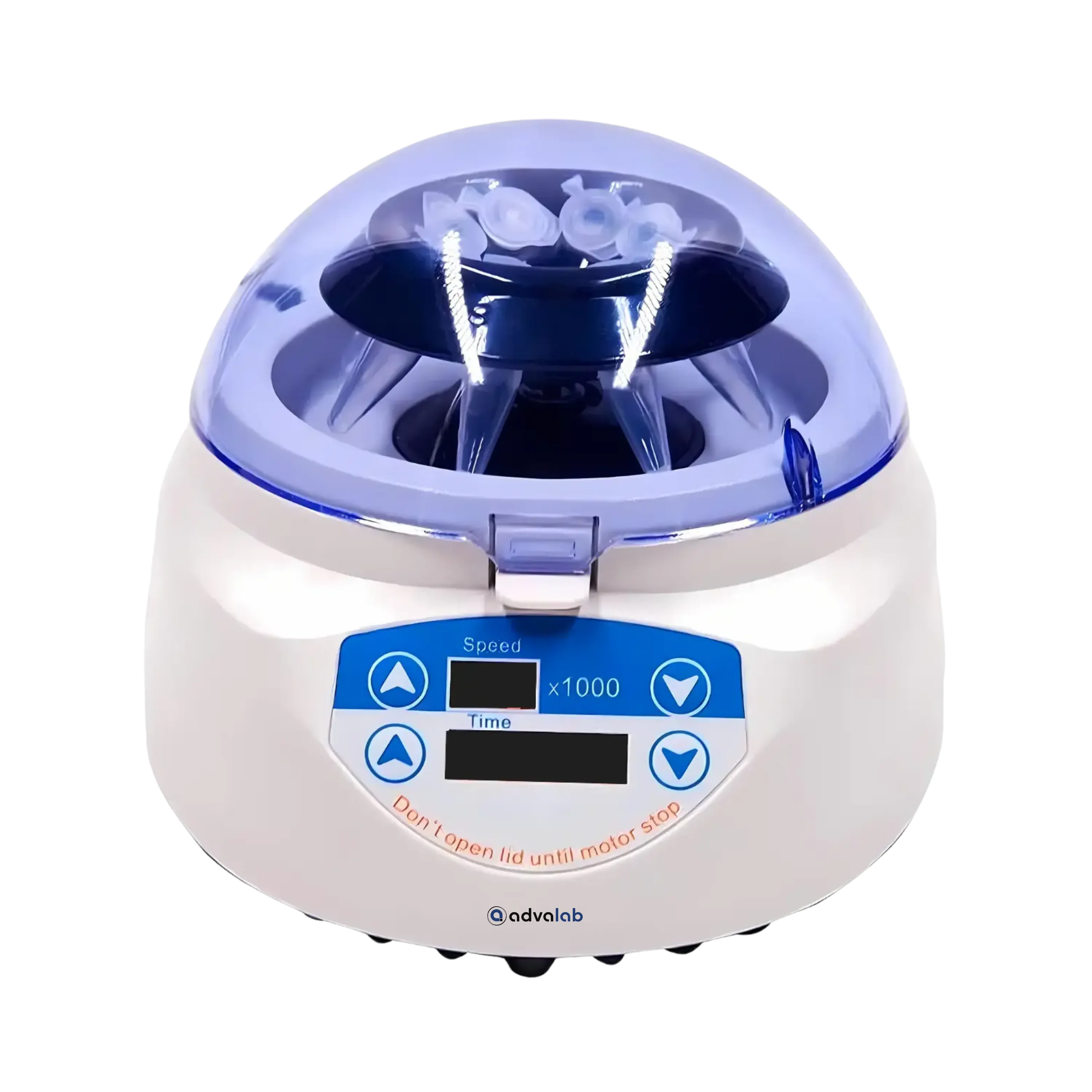
| Speed Range: | 3000 to 10000 rpm |
| Maximum RCF: | 500 to 5400×g |
| Capacity: | 8×2.0ml/1.5ml/0.5ml centrifuge tube <br/> 4×8×0.2ml PCR tube strips |
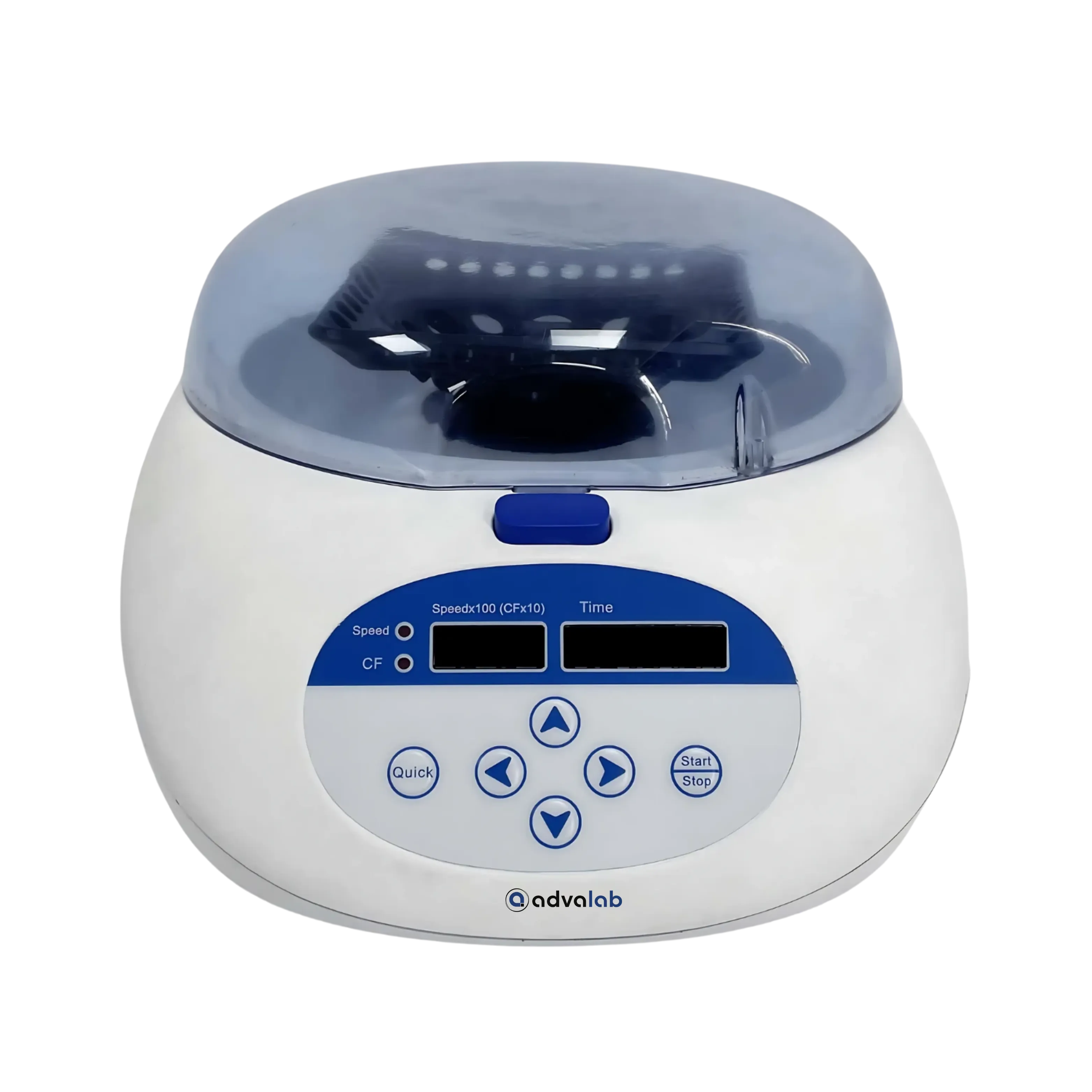
| Speed Range: | 500 to 12,000 rpm, 500 rpm increments |
| Maximum RCF: | 9,650 × g |
| Capacity: | 32 × 0.2 ml centrifugal tubes <br/> 12 × 0.5/1.5/2.0 ml centrifugal tubes <br/> 4 × 8 × 0.2 ml PCR strips |
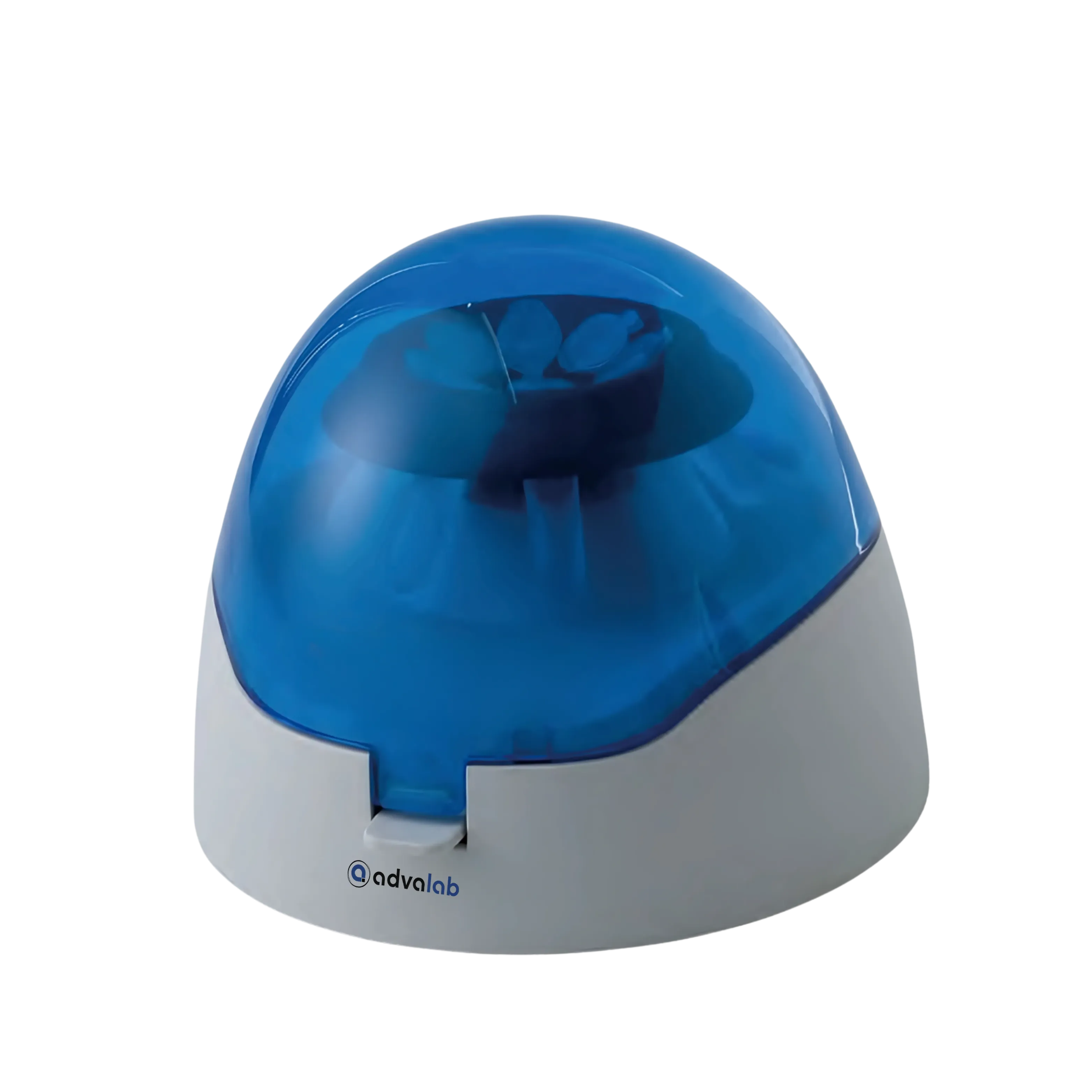
| Maximum Speed: | 6000 rpm |
| Maximum RCF: | 2000 g |
| Capacity (Standard): | 8 × 1.5 / 2.0 / 0.5 / 0.2 ml |
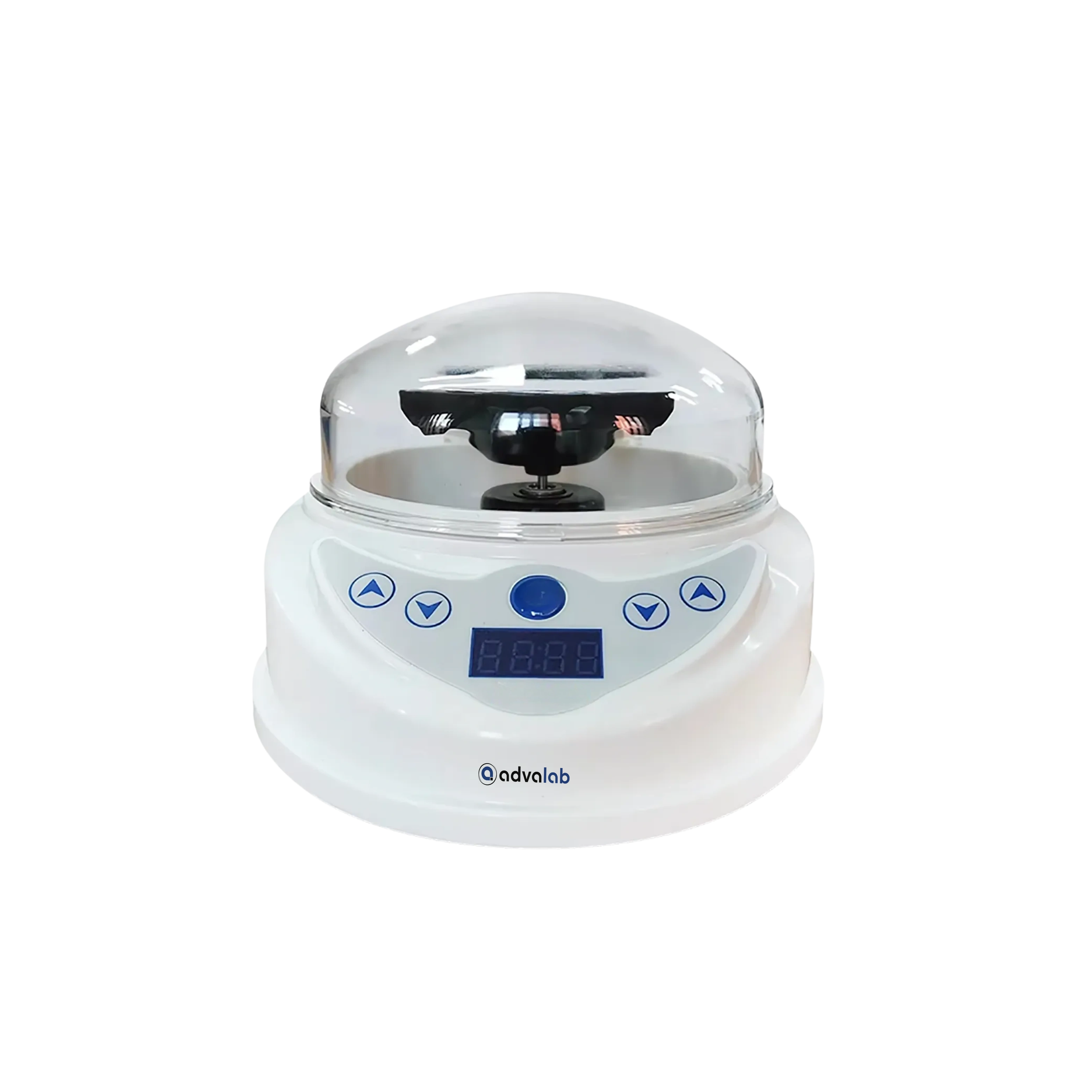
| Maximum Speed: | 6000rpm |
| Maximum RCF: | 2200xg |
| Capacity: | Three in one rotor:8x1.5/2ml+6x0.5ml+2x8x0.2ml, Rotor for 6 PCR strips |
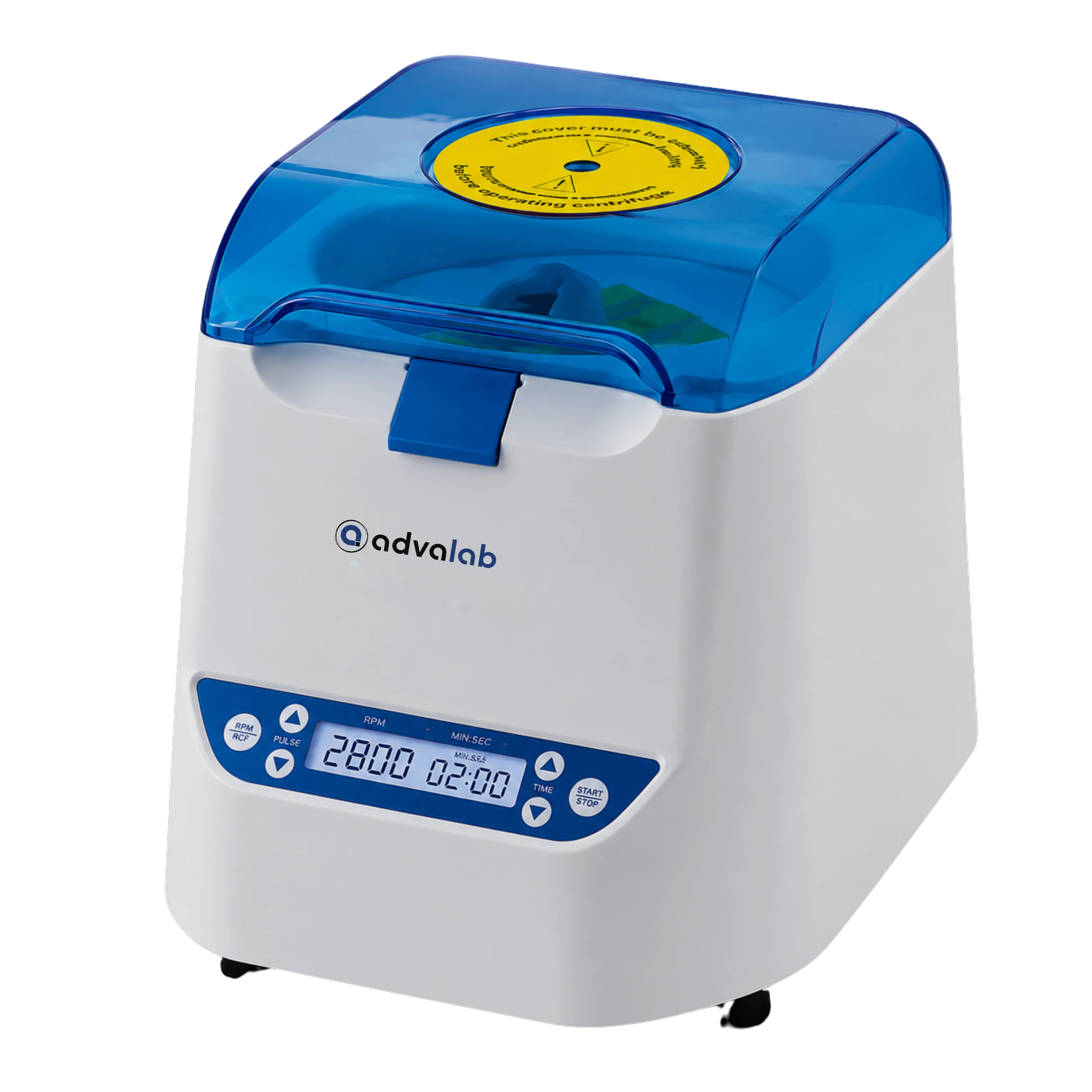
| Rotating Speed: | 2200 to 2800 rpm |
| Maximum RCF: | 550 g |
| Capacity: | 2 PCR plates |
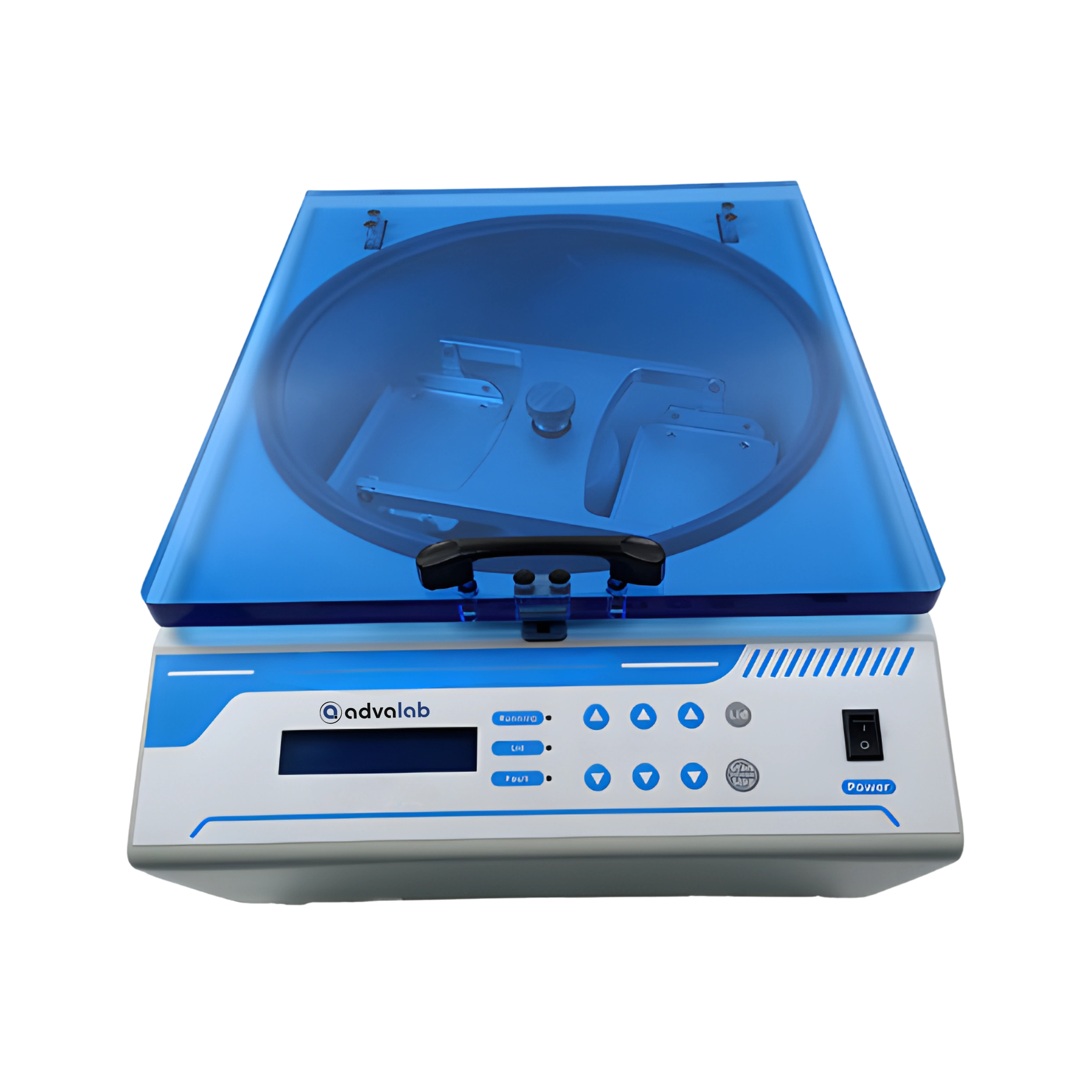
| Rotating Speed: | 500 to 2500 rpm |
| RCF Range: | 32 to 797g |
| Capacity: | 2 pcs Microplates or Deep-well plates |
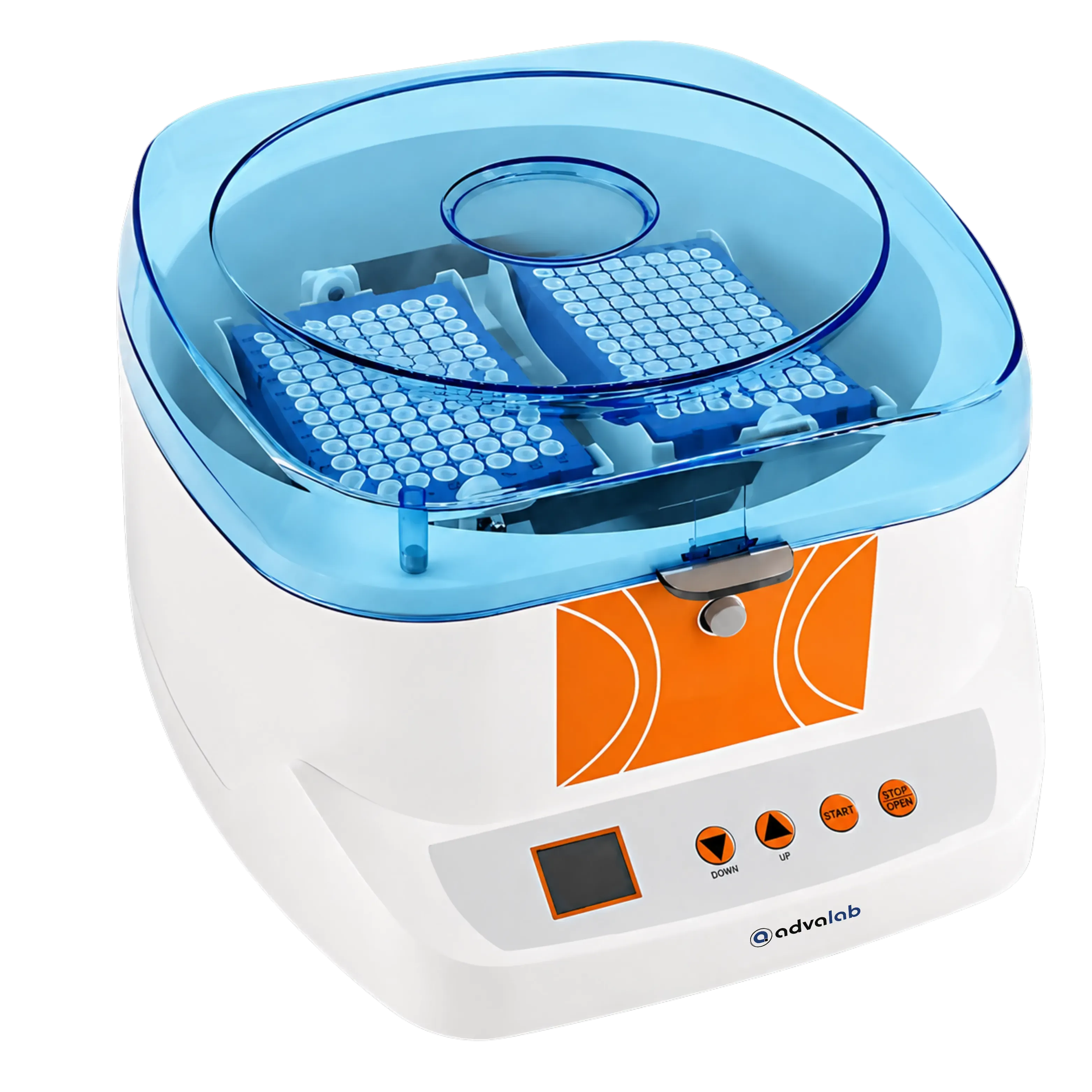
| Maximum Speed: | 2500 rpm ±5% |
| Rotation Direction : | Anticlockwise (fixed direction) |
| Acceleration Time : | 15 seconds |
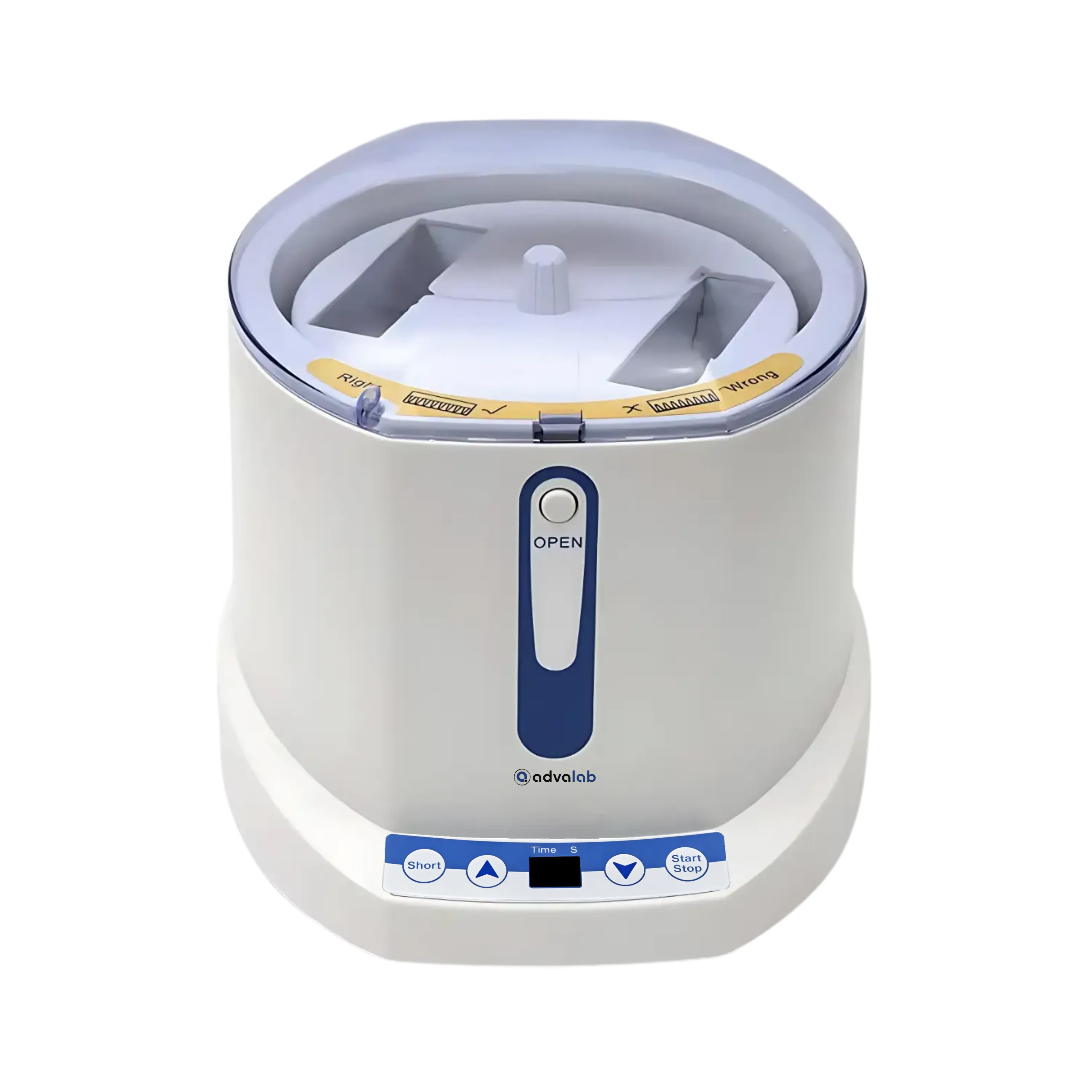
| Maximum Speed: | 2800 rpm |
| Maximum RCF: | 600×g |
| Maximum Rotor Radius: | 63 mm |
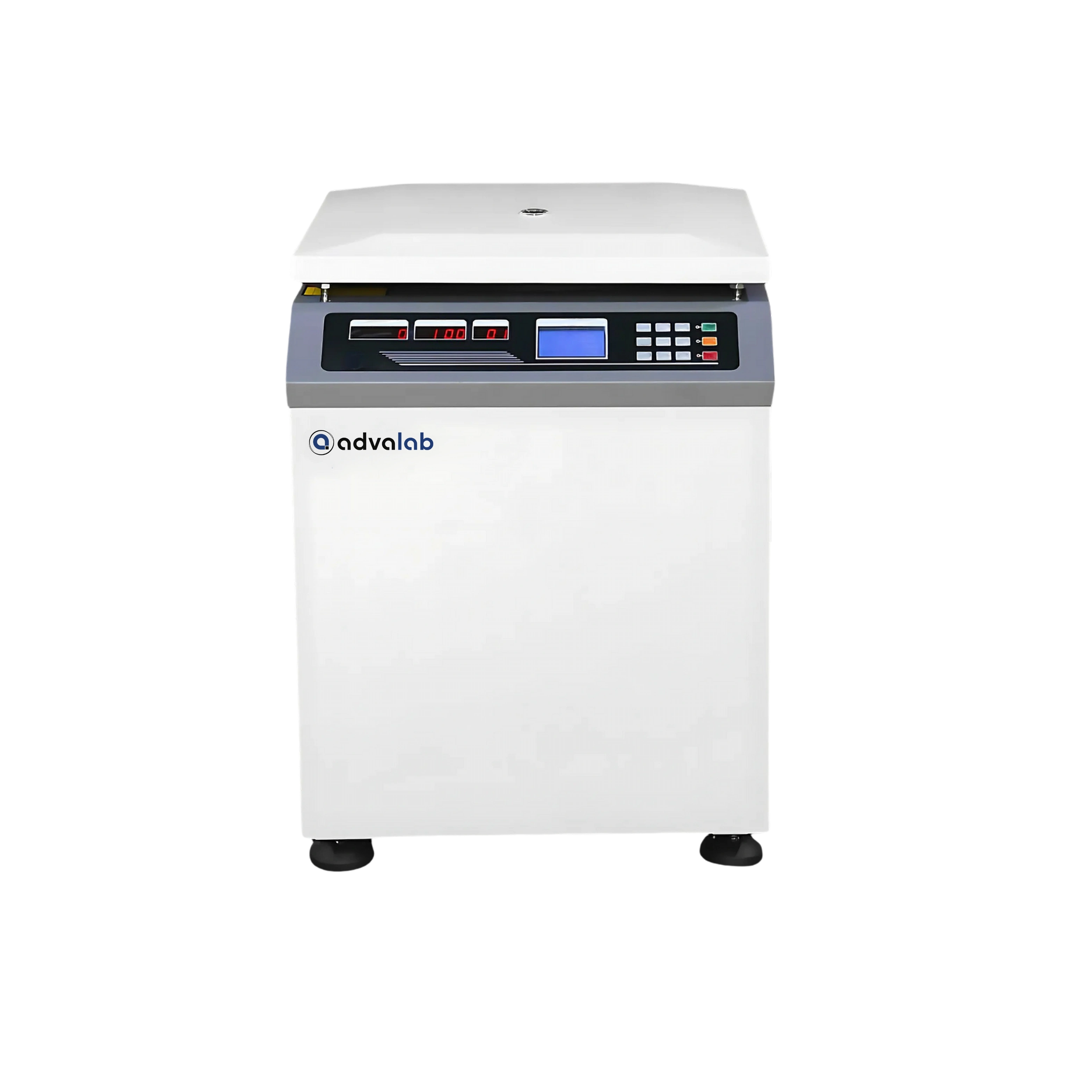
| Maximum Speed: | 3300 rpm |
| Maximum RCF: | 1920 x g |
| Maximum Capacity: | 8 x 30 ml |
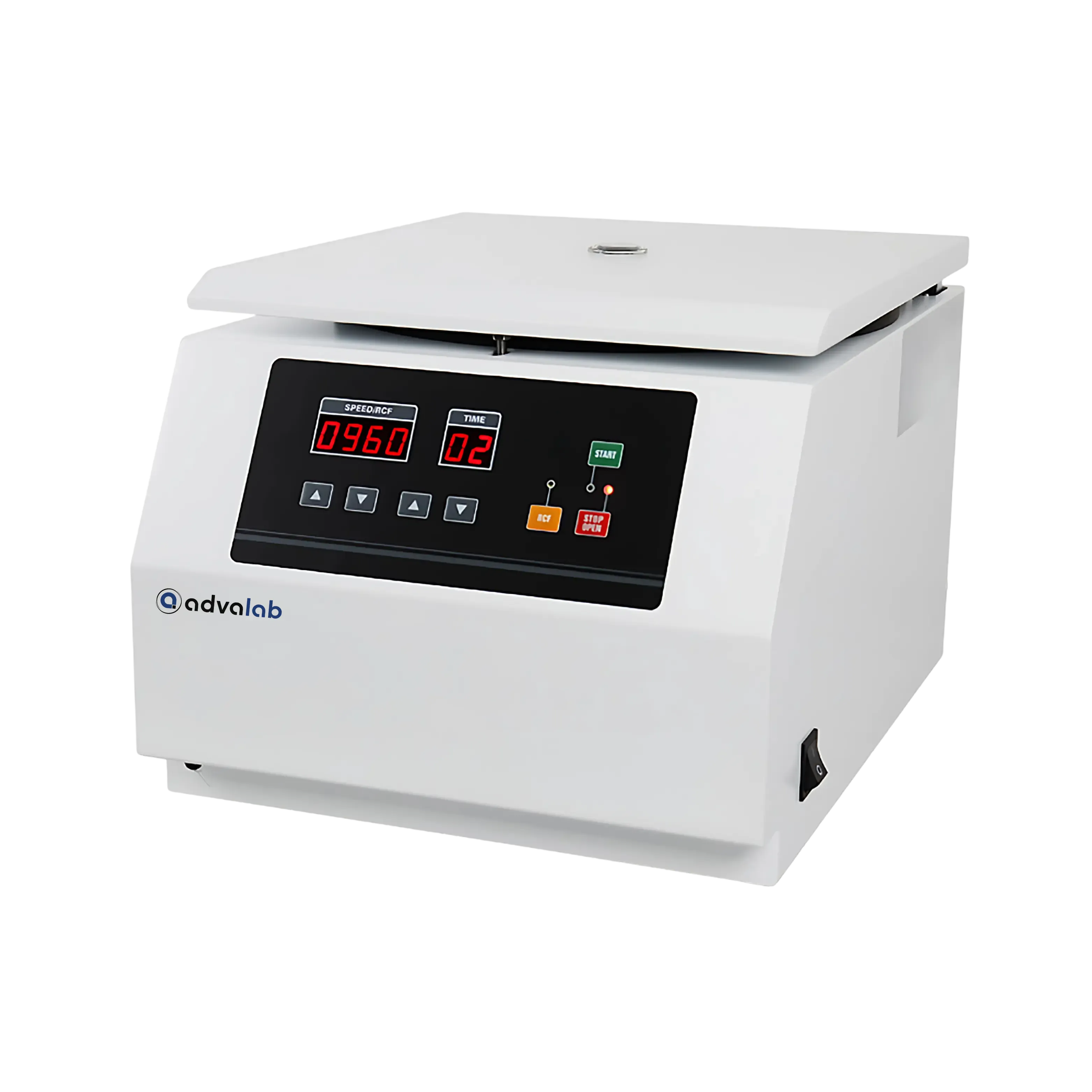
| Maximum Speed: | 3840 rpm |
| Maximum RCF: | 1790 xg |
| Maximum Capacity: | 12 Gel card |
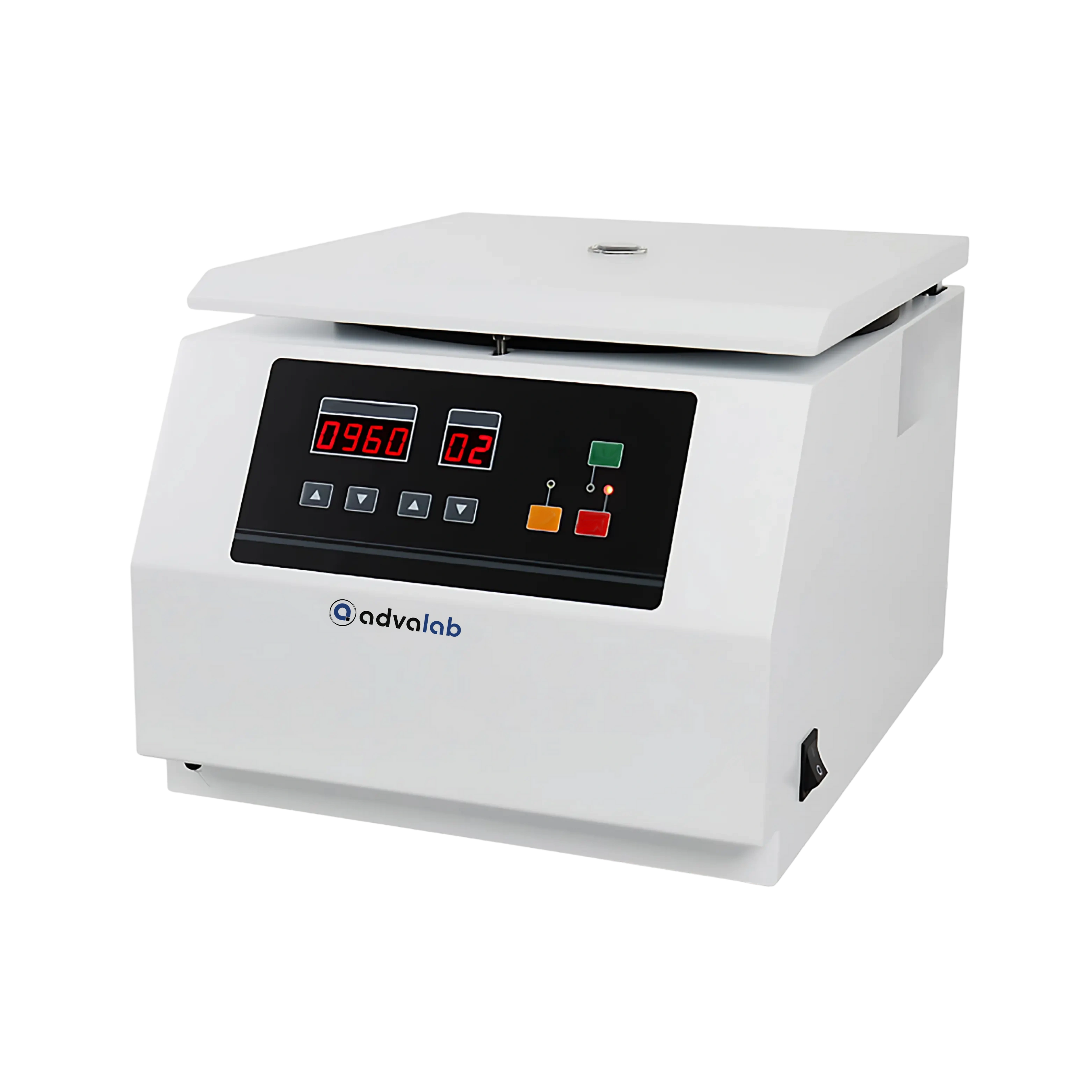
| Maximum Speed: | 3840 rpm |
| Maximum RCF : | 1790 ×g |
| Capacity : | 24 gel card |
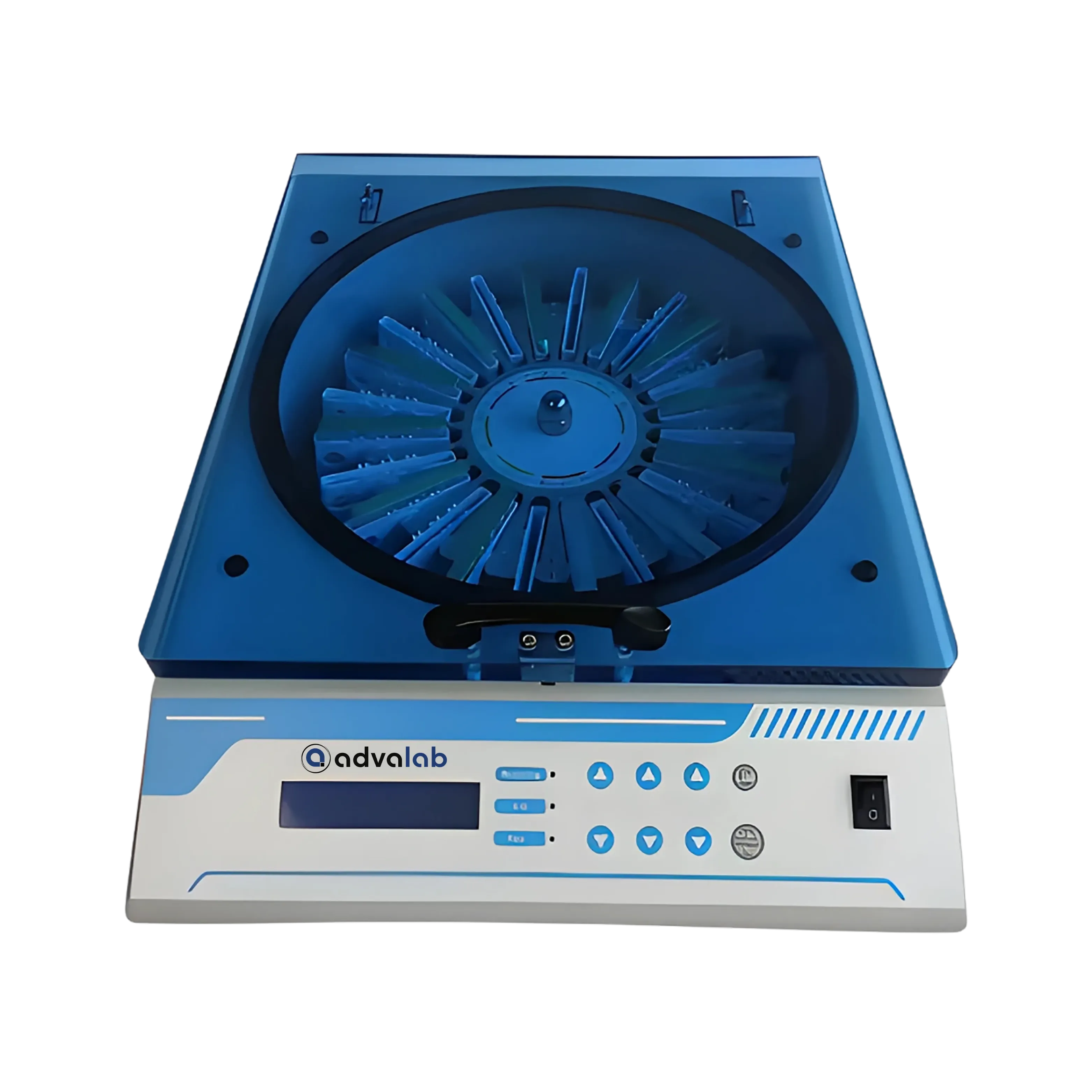
| Capacity: | 24 Gel Cards (6 column / 8 column) |
| Speed Range: | 500 to 2200 rpm |
| Timing Range: | 1 min to 30 min |
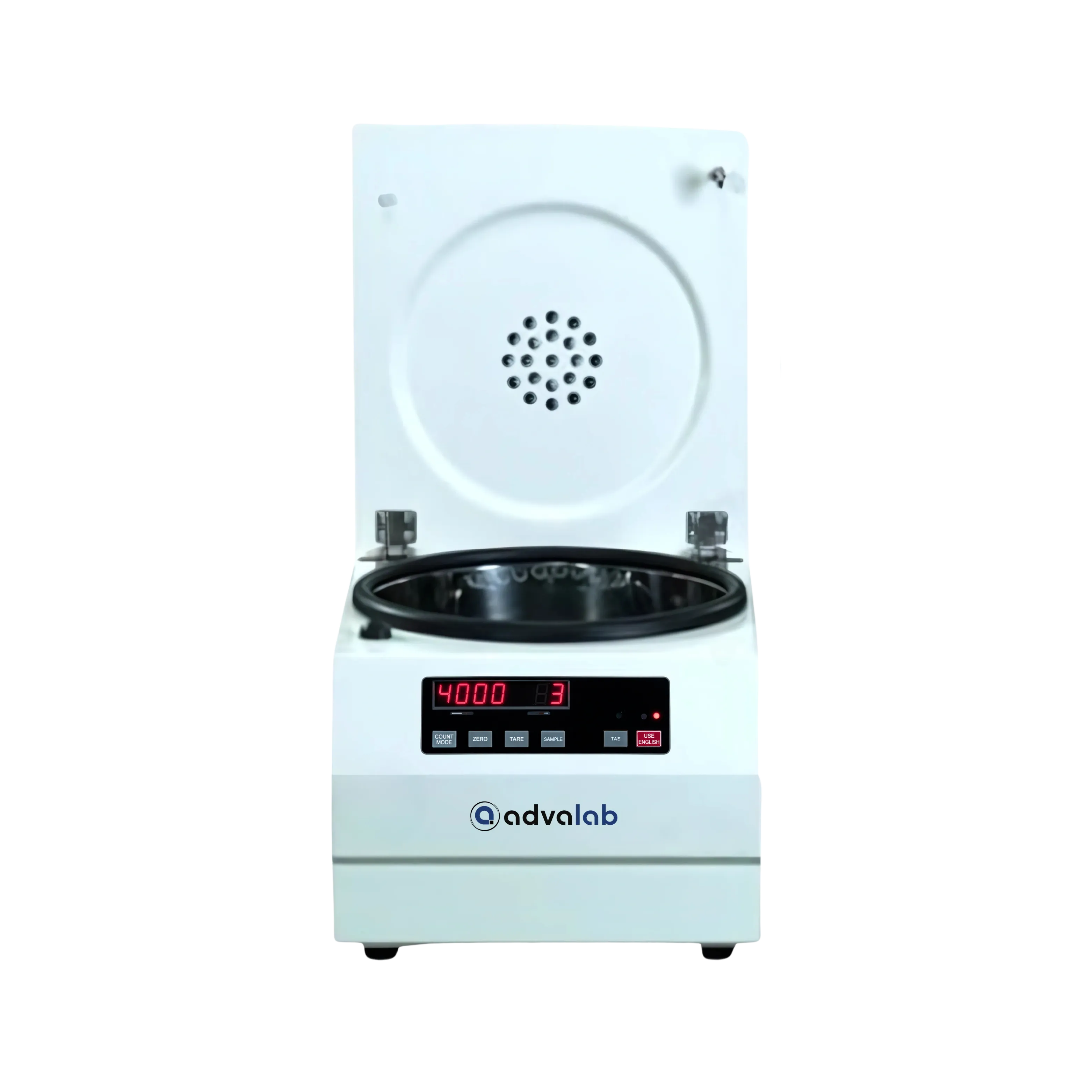
| Maximum Speed: | 3000 rpm |
| Maximum RCF : | 890 × g |
| Maximum Capacity : | 12 cards |
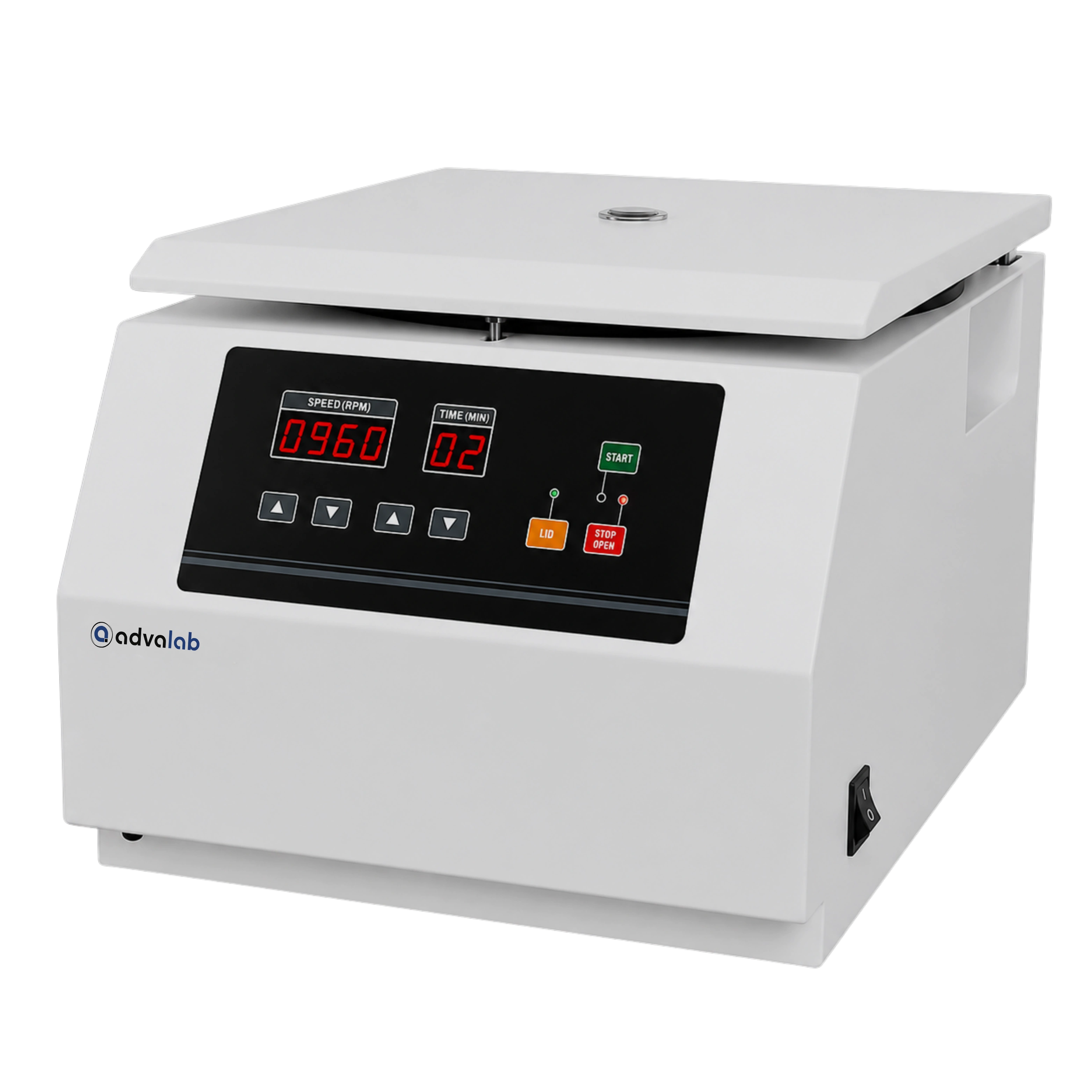
| Maximum Speed: | 4000 rpm |
| Maximum RCF: | 2170 xg |
| Maximum Capacity: | 10 pcs slide glass |

| Max Speed: | 3500 rpm |
| Max RCF: | 1640 xg |
| Max Capacity: | 12x10 ml |
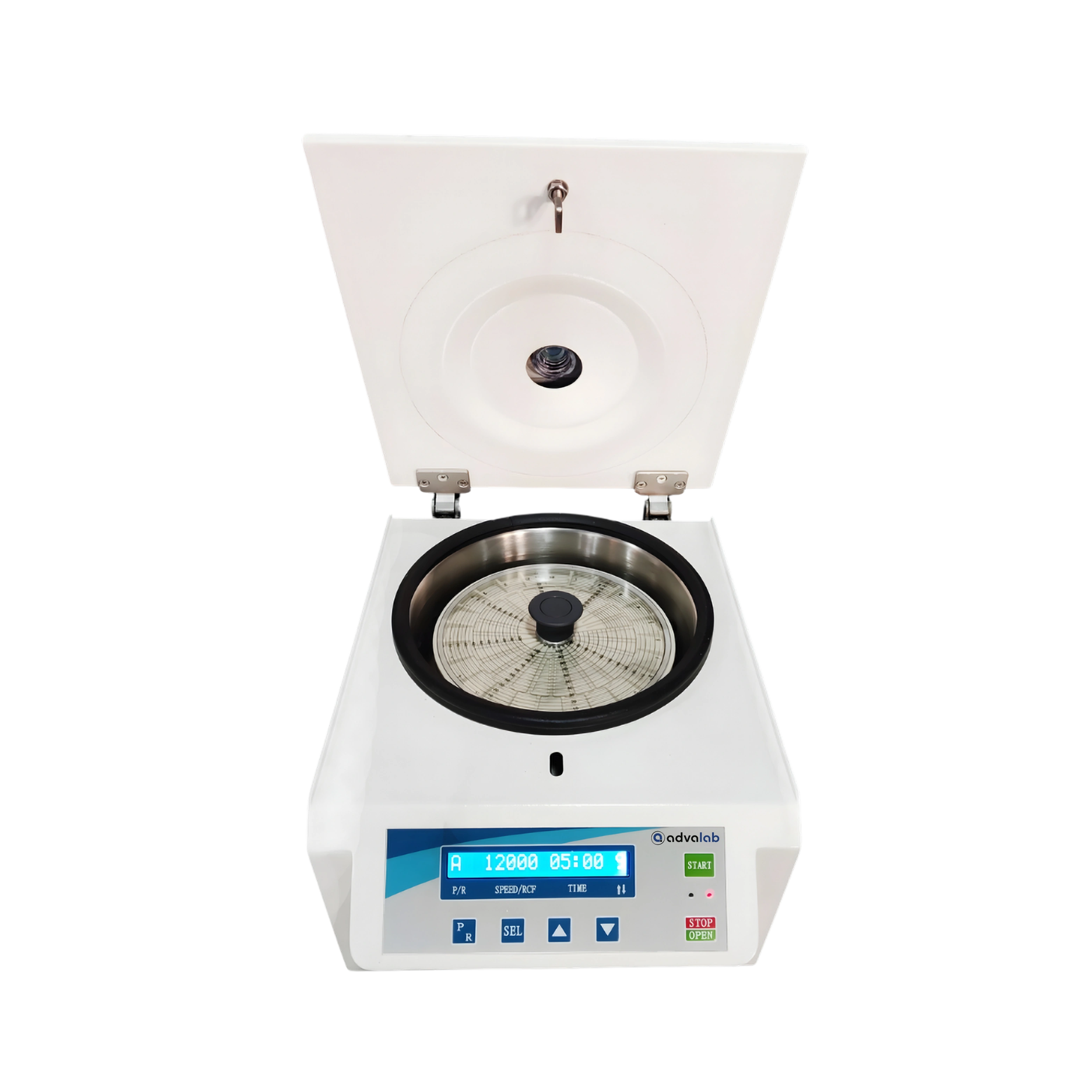
| Max Speed: | 12000 rpm |
| Max RCF: | 15800 xg |
| Capacity: | 24pcs capillary tube |