
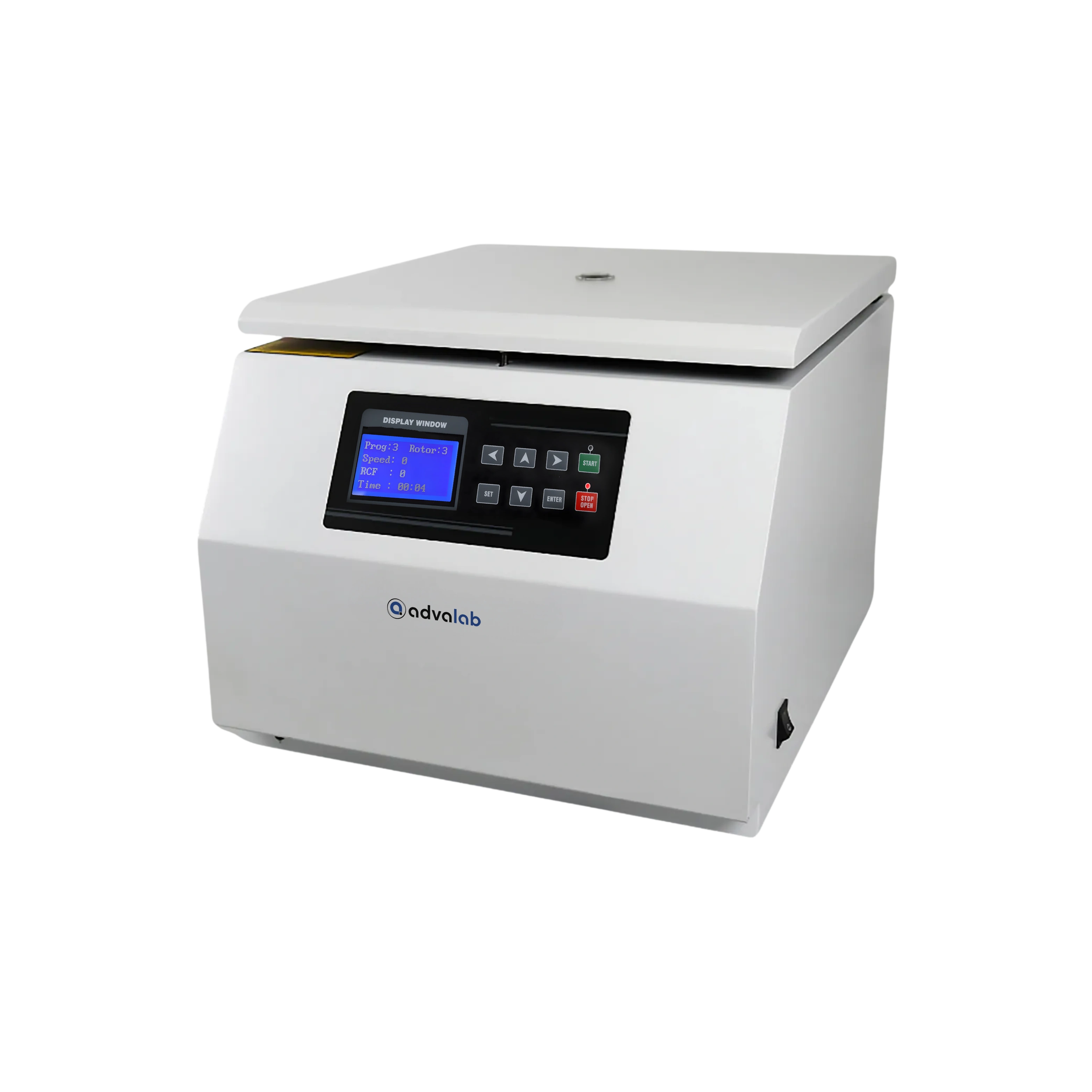
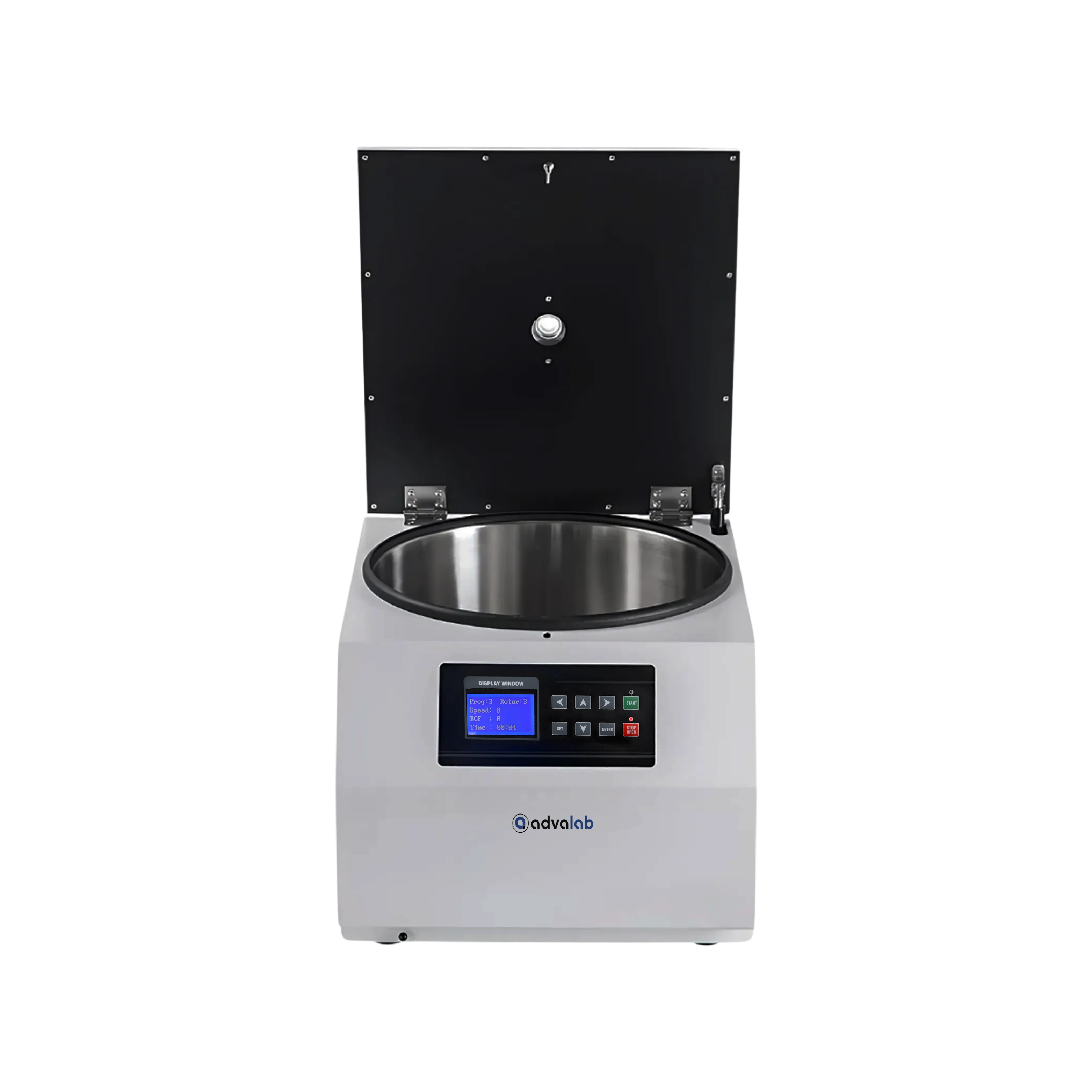
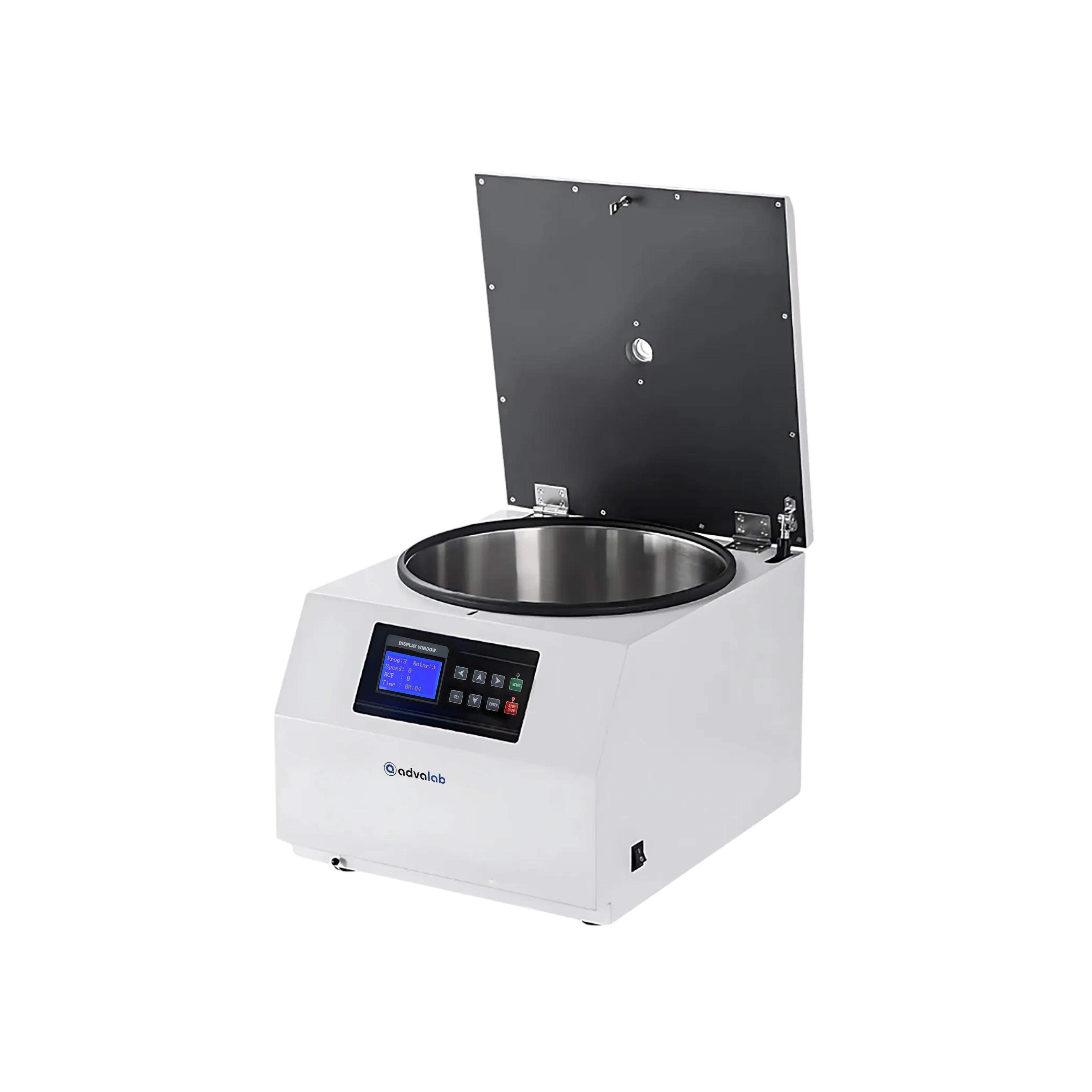
| Maximum Speed | 6000 rpm |
| Maximum RCF | 5200 × g |
| Maximum Capacity | 4 × 500 ml |
| Speed Accuracy | ±10 rpm |
| Time Setting | 1 m to 9999m 59 s |
| Noise | ≤60 dB(A) |
| Power Consumption | 600 W |
| Dimensions(L×B×H) | 550 x 450 x 390 mm |
| Weight | 50 kg |
Our Low-Speed Centrifuge ADLSC-505 is used in genomic research for isolating proteins, in vaccine development for purifying viral particles and in environmental science for separating particulates.
Rotor | Capacity | Maximum Speed | Maximum RCF | Tube Size |
Swing out rotor 01 | 4×100ml | 5000rpm | 4650×g | Φ38×114mm |
Swing out rotor 02 | 4×50ml | 5000rpm | 4650×g | Φ30×116mm |
Swing out rotor 03 | 32×15ml | 4000rpm | 2980×g | Φ17×121mm |
Swing out rotor 04 | 8×50ml | 4000rpm | 2980×g | Φ30×116mm |
Swing out rotor 05 | 8×100ml | 4000rpm | 2980×g | Φ38×114mm |
Swing out rotor 06 | 48×2 to 7ml blood tube | 4000rpm | 2980×g | Φ13×75 to 100mm |
Swing out rotor 07 | 64×2 to 7ml blood tube | 4000rpm | 2980×g | Φ13×75 to 100mm |
Swing out rotor 08 | 4×250ml | 5000rpm | 5200×g | Φ63×111mm |
Swing out rotor 09 | 4×500ml | 4000rpm | 3400×g | Φ80×137mm |
Swing out rotor 10 | 20×50ml | 4000rpm | 3400×g | Φ29.5×116mm |
Swing out rotor 11 | 40×15ml | 4000rpm | 3400×g | Φ17×121mm |
Swing out rotor 12 | 80×10ml blood tube | 4000rpm | 3400×g | Φ15×100mm |
Swing out rotor 13 | 112×2 to 7ml blood tube | 4000rpm | 3400×g | Φ13×75 to 100mm |
Swing out rotor 14 | 100×1.5ml | 4000rpm | 3400×g | Φ11×42mm |
Swing out rotor 15 | 148×5ml RIA tube | 4000rpm | 3400×g | Φ13×75 to 100mm |
Swing out rotor 16 | 96×2 to 7ml blood tube | 4000rpm | 3400×g | Φ13×75 to 100mm |
Swing out rotor 17 | 4×250ml conical bottom | 4000rpm | 3400×g | Φ60×164mm |
Microplate rotor 01 | 2×3×96 well plate | 4000rpm | 1970×g | - |
Microplate rotor 02 | 4×2×96 well plate | 4000rpm | 3400×g | - |
Fixed angle rotor 01 | 12×15ml | 6000rpm | 5120×g | Φ17×121mm |
Fixed angle rotor 02 | 6×50ml | 6000rpm | 5120×g | Φ29×116mm |
Adapter | Capacity | Max Speed | Max RCF | Tube size |
Adapter 01 | 16×50ml | 4000rpm | 3400×g | Φ29×116mm |
Adapter 02 | 36×15ml | 4000rpm | 3400×g | Φ17×121mm |
Adapter 03 | 76×2 to 7ml blood tube | 4000rpm | 3400×g | Φ13×75 to 100mm |
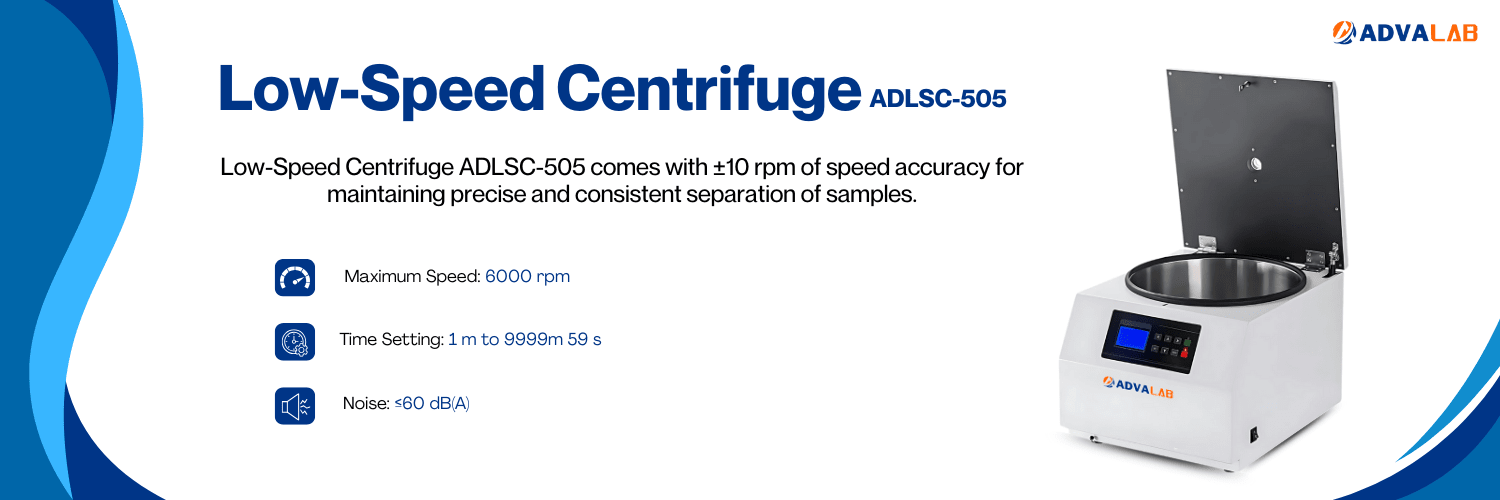
1. What types of tubes and rotors are compatible with the Low-Speed Centrifuge ADLSC-505?
The centrifuge supports multiple rotor types compatible with common tube sizes used in low-speed applications. It can accommodate both conical and round-bottom tubes depending on the rotor configuration. Adaptors may be used to fit different volumes such as 5 mL, 10 mL, or 15 mL tubes. The flexibility in rotor options allows labs to perform various protocols using one unit. Always refer to the user manual for exact rotor and tube compatibility specifications.
2. How easy is it to operate and maintain the Low-Speed Centrifuge ADLSC-505?
The Low-Speed Centrifuge ADLSC-505 is designed for ease of use with an intuitive digital display and touchpad controls. Users can quickly set and adjust speed and time parameters as needed. The rotor and bucket components are easy to load, unload, and clean, making routine maintenance hassle-free. It operates with minimal noise and vibration, adding to user comfort. Clear instructions and safety indicators also enhance operational efficiency.
3. In which fields can the Low-Speed Centrifuge ADLSC-505 be used?
This centrifuge is widely applicable across clinical, research, educational, and industrial laboratories. It is especially useful in clinical diagnostics for separating blood components and bodily fluids. In educational institutions, it helps students perform basic separation techniques in biology or chemistry labs. It also finds use in food and environmental testing where sample clarification is required. Its adaptability makes it a staple in any low-speed centrifugation task.
4. What safety features does the Low-Speed Centrifuge ADLSC-505 offer?
The Low-Speed Centrifuge ADLSC-505 prioritizes operator safety through multiple inbuilt safety systems. It features a lid-locking mechanism that prevents the lid from opening while the rotor is in motion. The unit also has imbalance detection to automatically stop the centrifuge in case of load irregularities. An auto-stop function activates in the event of system malfunctions to avoid accidents. These features ensure secure and reliable operation in laboratory environments.
5. What are the key features of the Low-Speed Centrifuge ADLSC-505?
The Low-Speed Centrifuge ADLSC-505 is designed with user-friendly digital controls for easy operation and precise speed/time settings. It supports a range of rotors to accommodate various tube sizes, making it versatile for multiple applications. This model operates at low speeds suitable for tasks like blood sample separation and sedimentation. It incorporates essential safety mechanisms such as lid lock, imbalance detection, and automatic shut-off during malfunctions. Its compact design makes it ideal for use in laboratories with limited bench space.
6. What is the maximum speed of the Low Speed Centrifuge ADSLC-505?
The Low Speed Centrifuge ADSLC-505 typically reaches speeds up to 5,000 RPM. This allows the Low Speed Centrifuge ADSLC-505 to perform efficient sample separation without damaging delicate materials.
7. Does the Low Speed Centrifuge ADSLC-505 come with a digital control panel?
Yes, the Low Speed Centrifuge ADSLC-505 is equipped with a user-friendly digital display for controlling speed and time. This makes the Low Speed Centrifuge ADSLC-505 easy to operate and program.
8. Can I use the Low Speed Centrifuge ADSLC-505 for PRP extraction?
Yes, the Low Speed Centrifuge ADSLC-505 is suitable for PRP (Platelet-Rich Plasma) preparation due to its precise low-speed control. The Low Speed Centrifuge ADSLC-505 ensures clean separation of plasma layers.
9. What is a Low Speed Centrifuge used for?
A Low Speed Centrifuge is primarily used for the separation of biological samples like blood, urine, or cells at lower speeds. Low Speed Centrifuge machines are ideal for routine separation tasks in clinical and research laboratories.
10. Can I use a Low Speed Centrifuge for blood sample separation?
Yes, a Low Speed Centrifuge is commonly used for separating blood components like plasma and serum. The gentle speed of a Low Speed Centrifuge ensures that blood cells are not damaged during the process.
11. What types of tubes are compatible with a Low Speed Centrifuge?
A Low Speed Centrifuge is compatible with various tube types such as conical, round-bottom, and standard test tubes. Always ensure that the tubes used in the Low Speed Centrifuge are balanced properly.
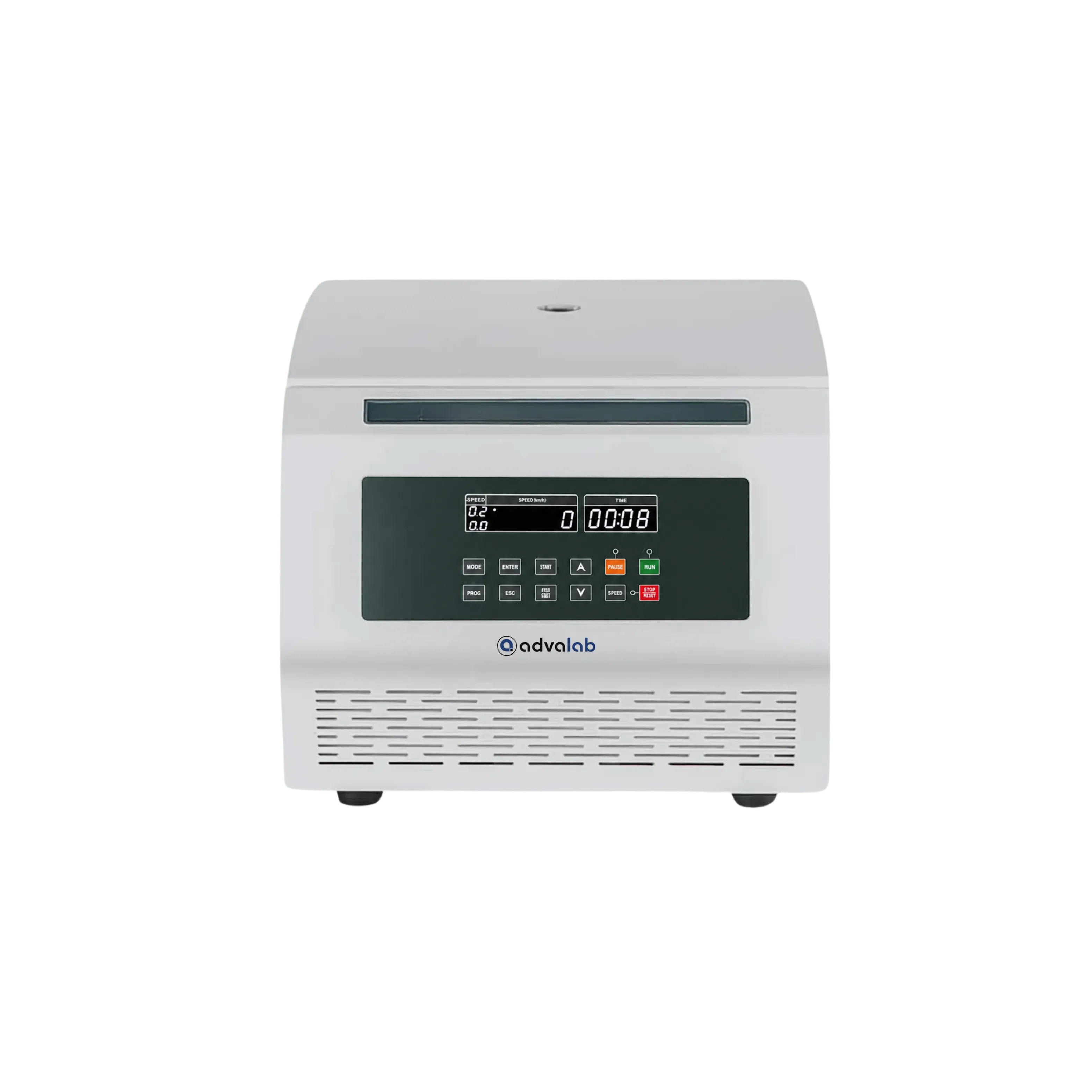
| Maximum Speed | 5000 rpm |
| Maximum RCF | 4650 × g |
| Maximum Capacity | 8 × 100 ml |
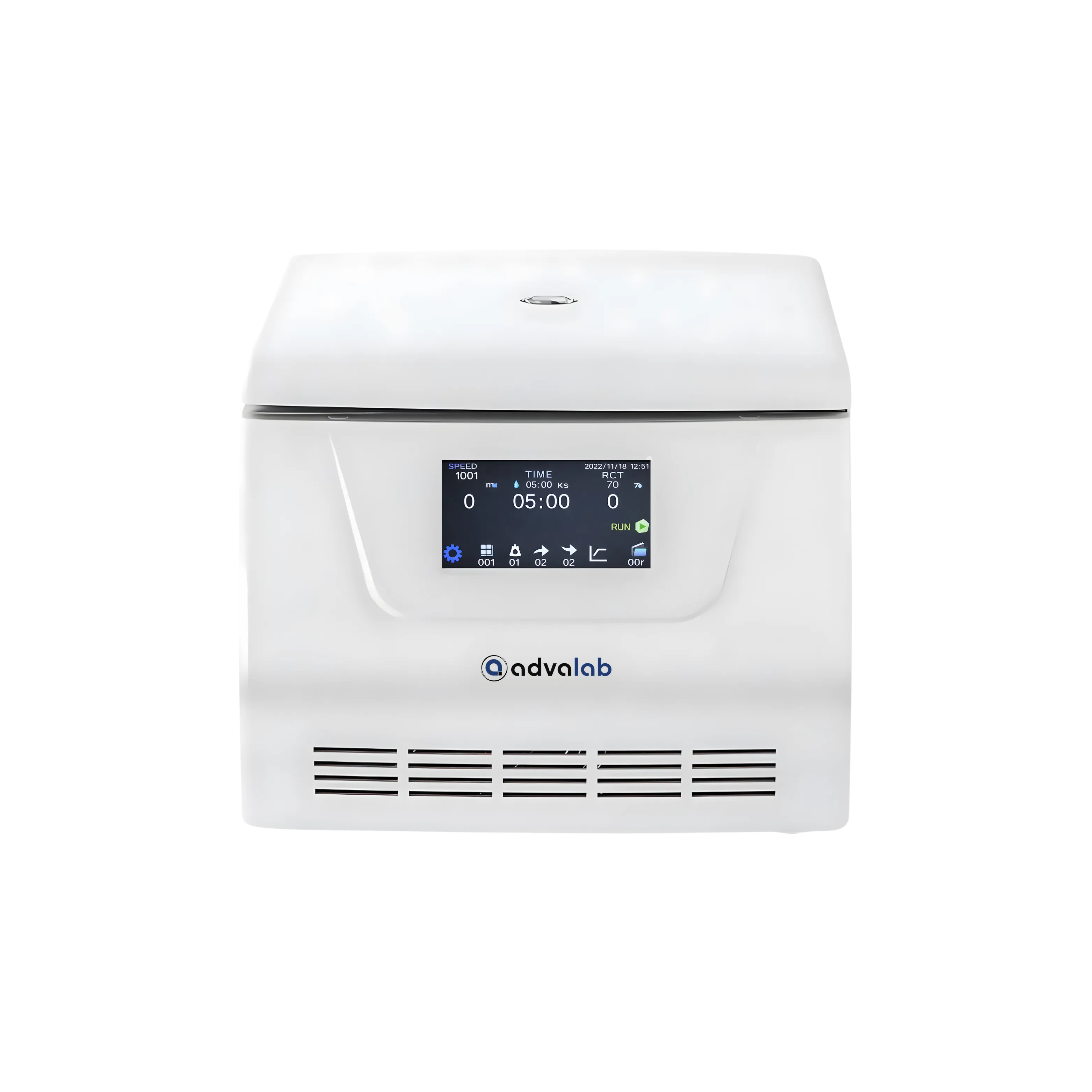
| Maximum Speed | 6000 rpm |
| Maximum RCF | 5123 × g |
| Maximum Capacity | 6 × 50 ml |
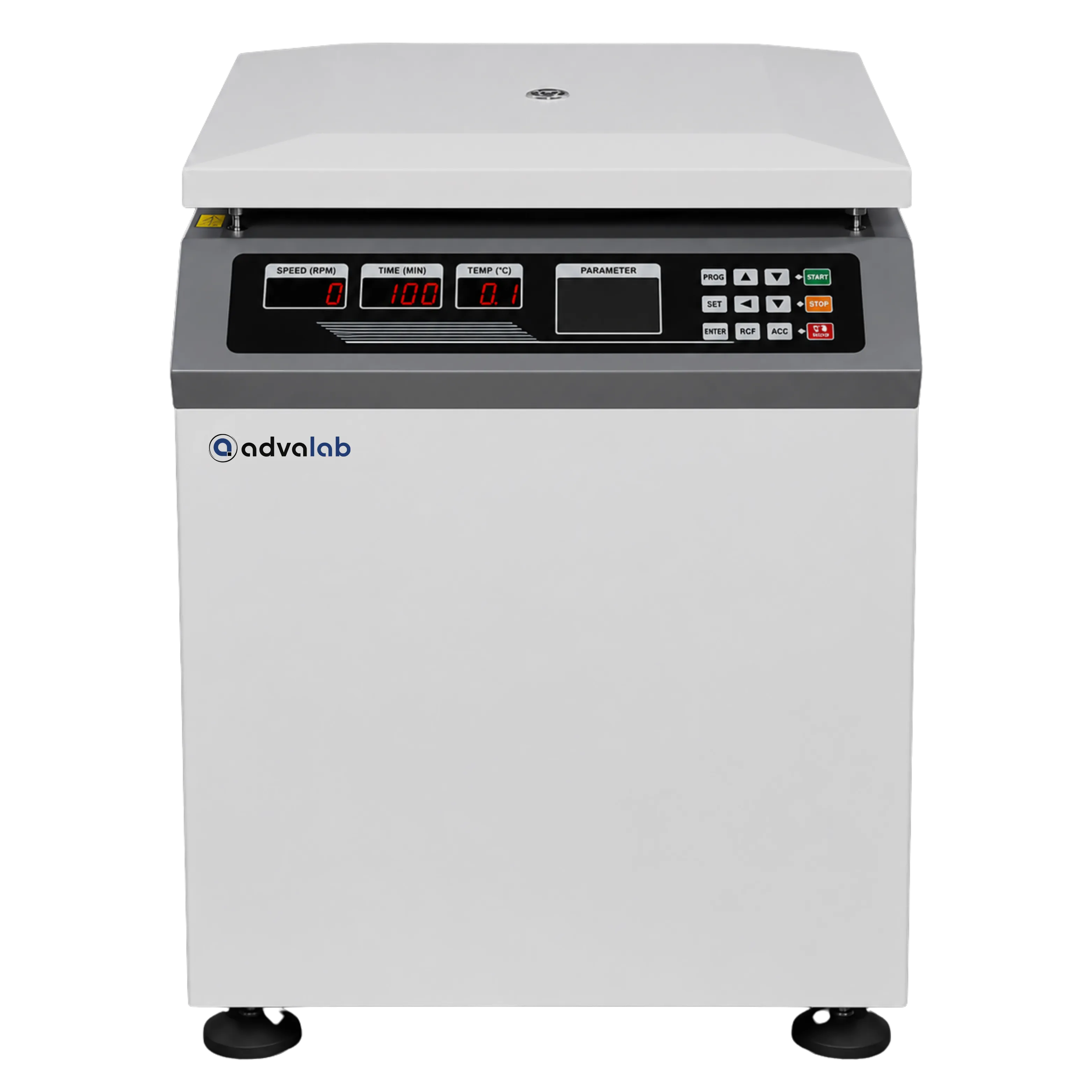
| Maximum Speed | 4000 rpm |
| Maximum RCF | 3580 x g |
| Maximum Capacity | 4x1000 ml |

| Max Speed | 4200 rpm |
| Max RCF | 2680 × g |
| Max Capacity | 4x50ml;12x15ml tube/ blood tube/PRP tube |
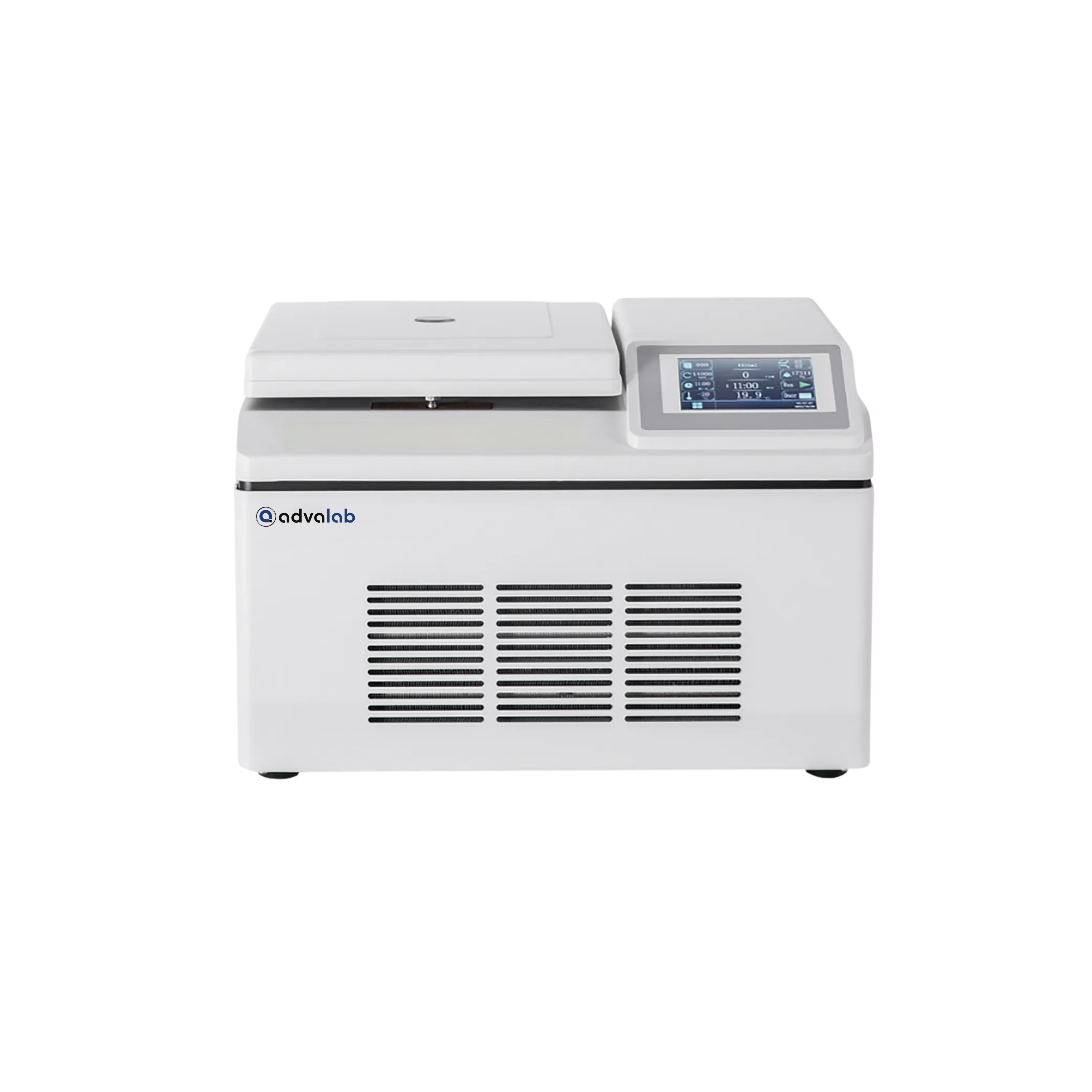
| Maximum Speed: | 16,500 rpm |
| Maximum RCF: | 24,814 × g |
| Maximum Capacity: | 6 × 100ml |
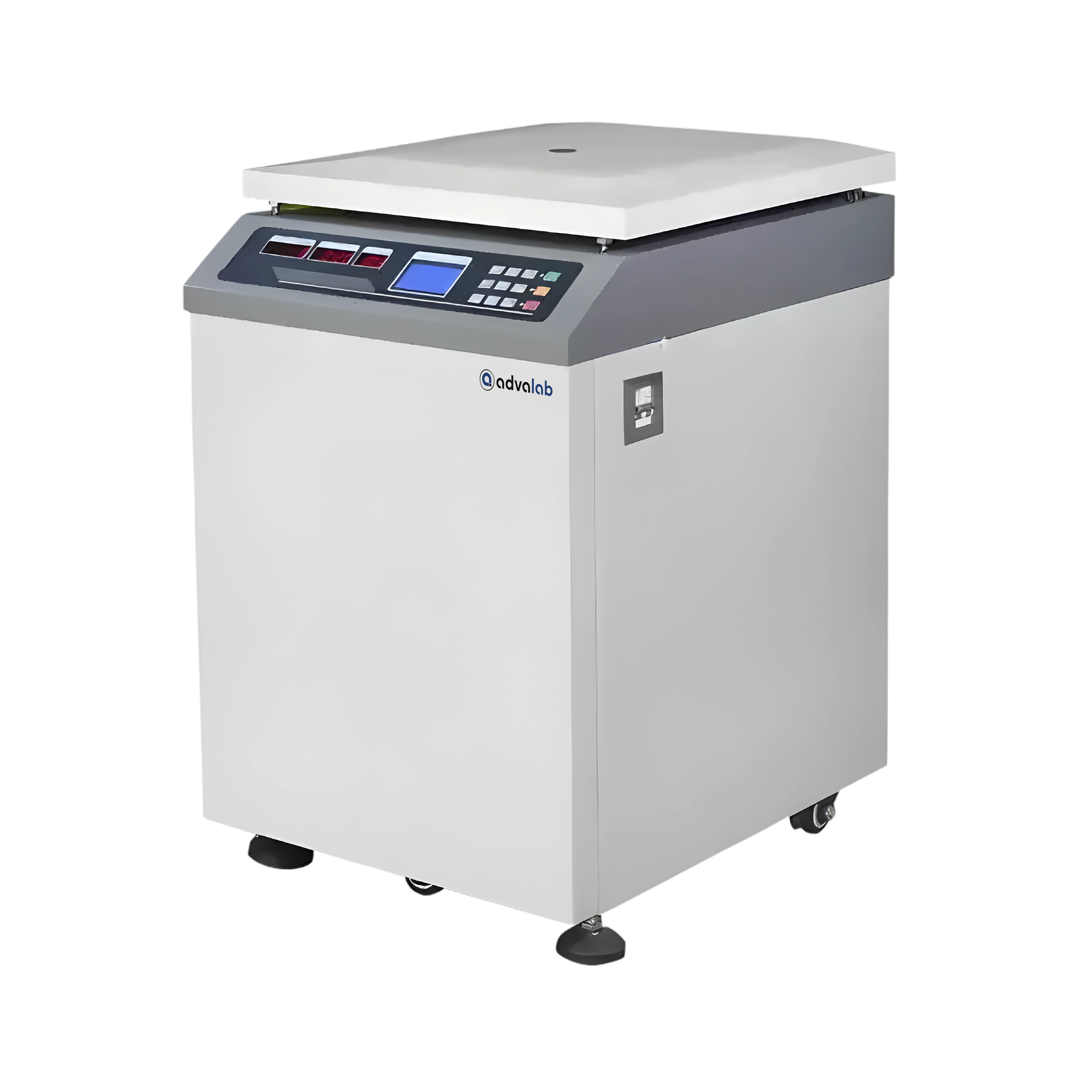
| Max Speed: | 21000 rpm |
| Max RCF: | 47400 x g |
| Max Capacity: | 6x500 ml |
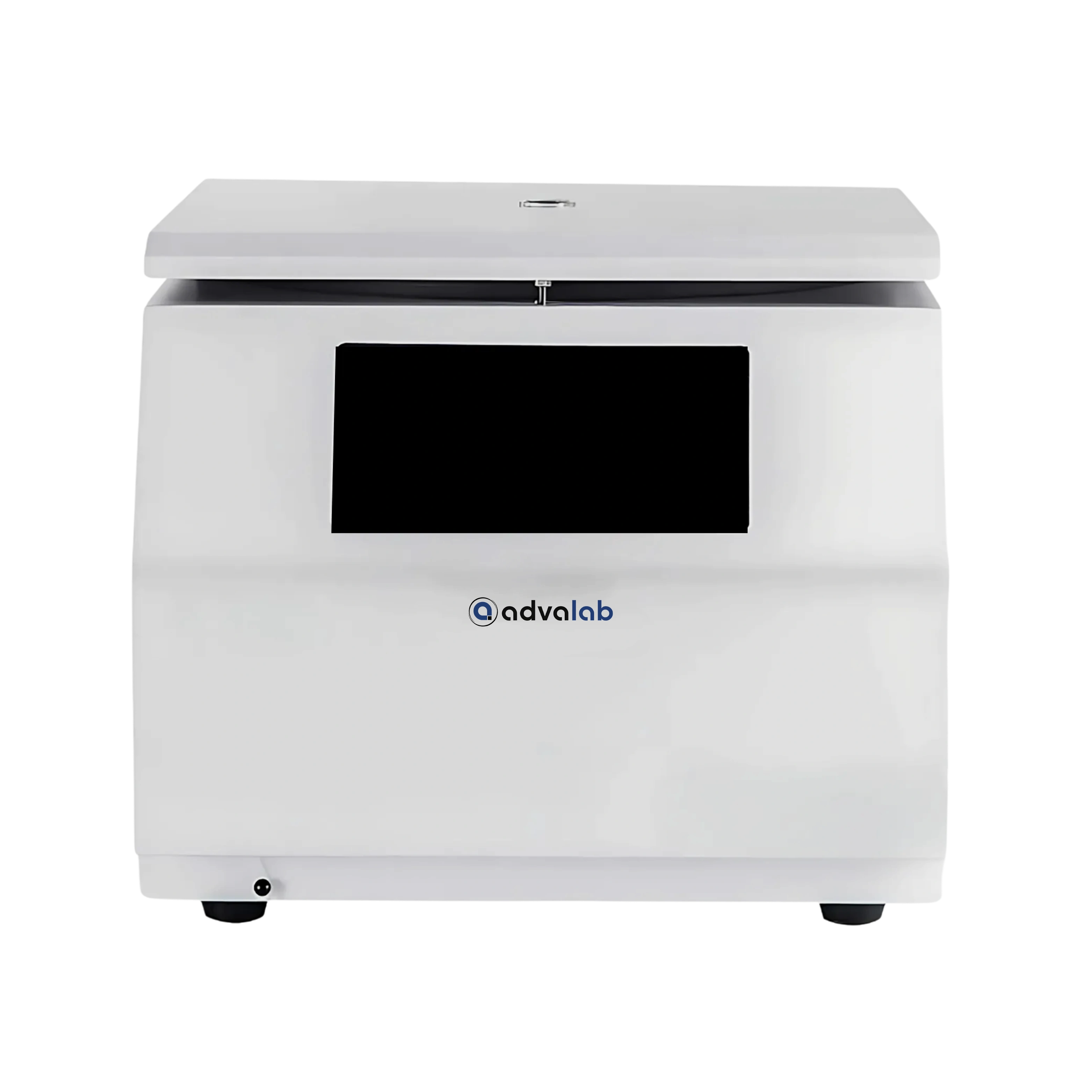
| Maximum Speed Range: | 14,000 rpm |
| Maximum RCF: | 18,800 × g |
| Maximum Capacity: | 12 × 5 ml |

| Maximum Speed: | 16500 rpm |
| Maximum RCF: | 21630 x g |
| Maximum Capacity: | 12 x 10 mL |
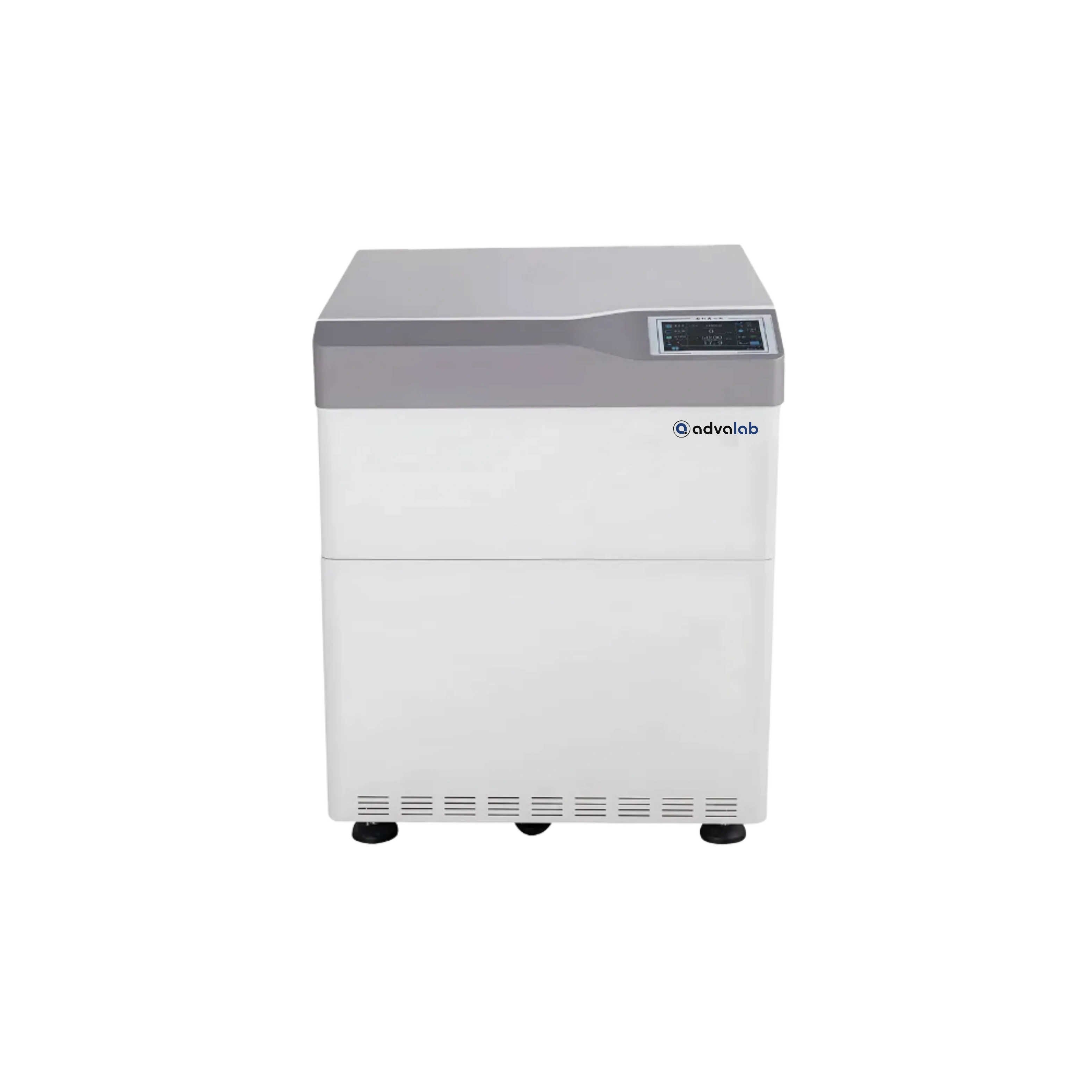
| Max Speed: | 25000 rpm |
| Max RCF: | 65000 x g |
| Max Capacity: | 4x1000 ml |
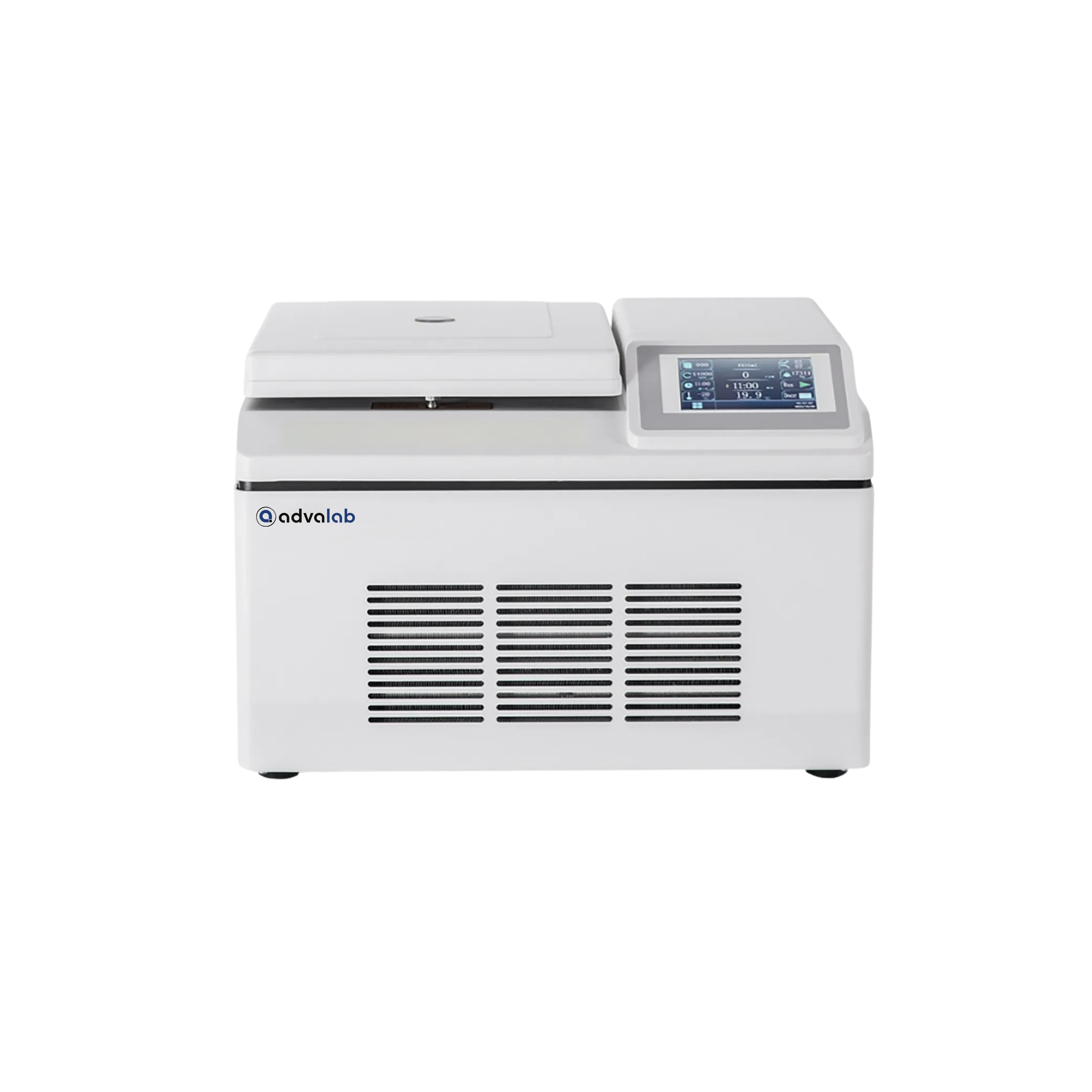
| Maximum Speed: | 22,000 RPM |
| Maximum RCF: | 33,873 × g |
| Maximum Capacity: | 6 × 100 mL |
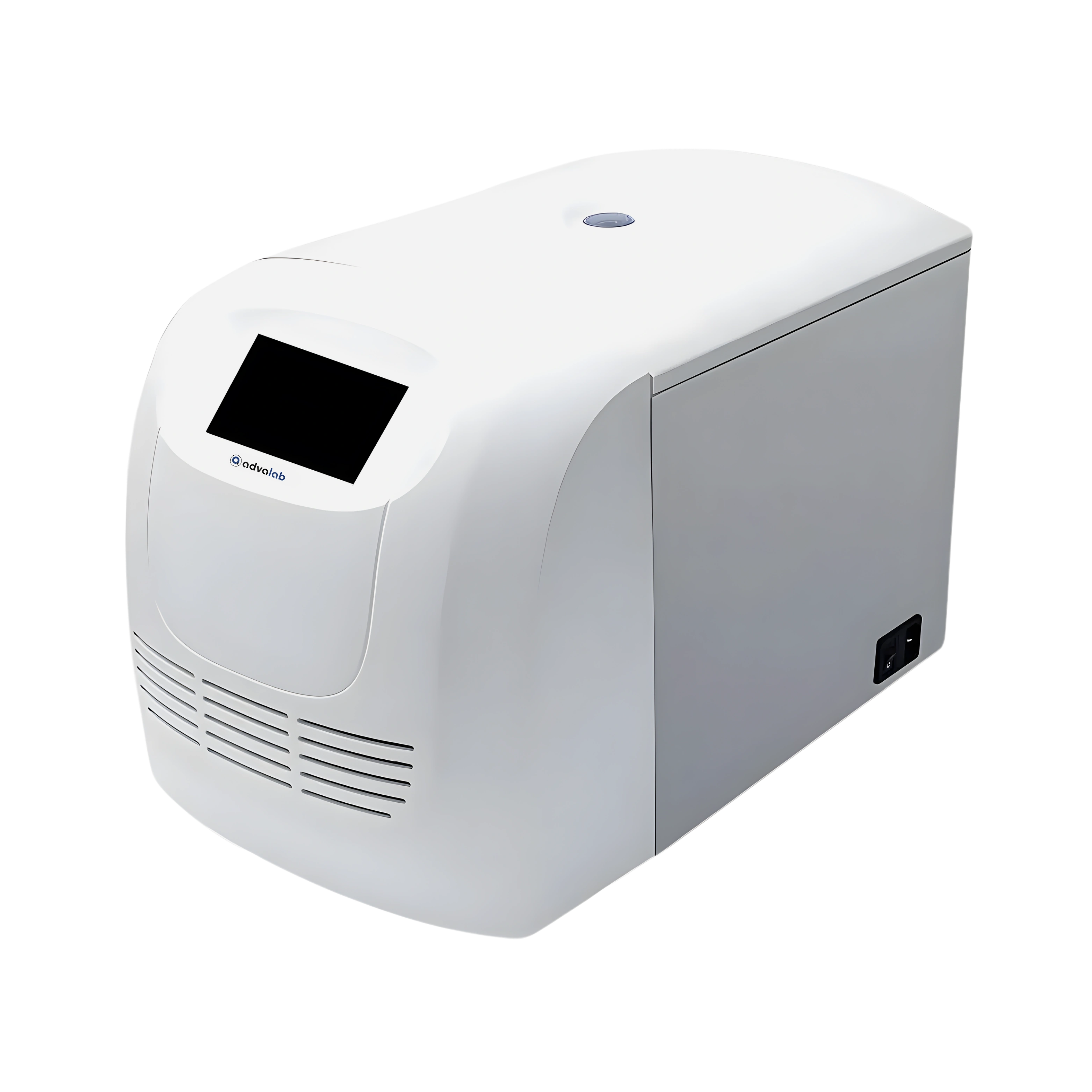
| Speed: | 500 to 15000 rpm, increasement 100 rpm |
| RCF: | 100 to 21400×g |
| Temperature Range: | -20℃ to +40℃, under room temperature 25℃ |

| Maximum Speed: | 23,000 rpm |
| Maximum RCF: | 37,023 x g |
| Maximum Capacity: | 4 x 750 ml |

| Maximum Speed: | 16500 rpm |
| Maximum RCF: | 24760 × g |
| Maximum Capacity: | 6 x 100 mL |

| Maximum Speed: | 20,000 RPM |
| Maximum RCF: | 31,405 × g |
| Maximum Capacity: | 6 × 100 ml |
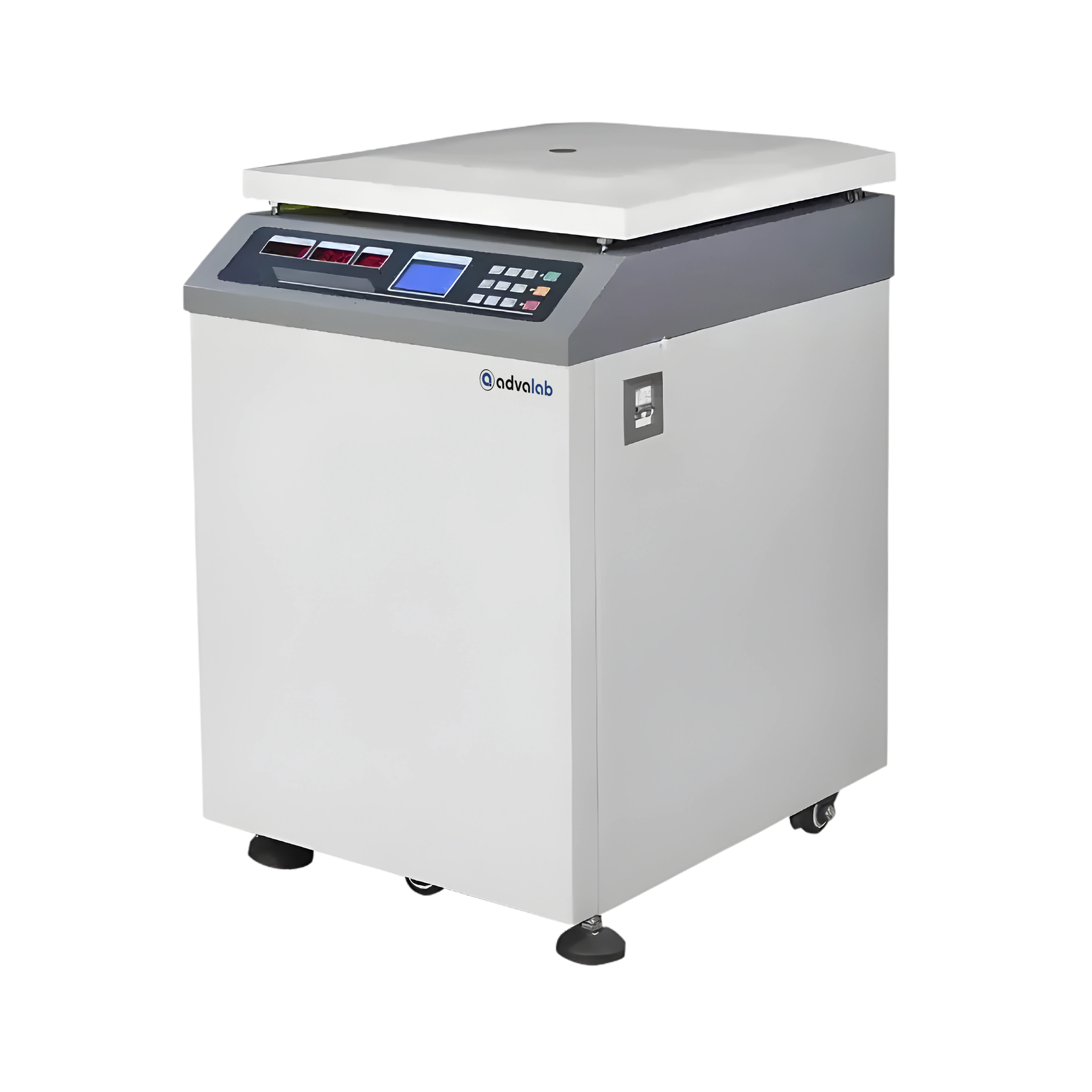
| Max Speed: | 22000 rpm |
| Max RCF: | 52050 x g |
| Max Capacity: | 6x500 ml |
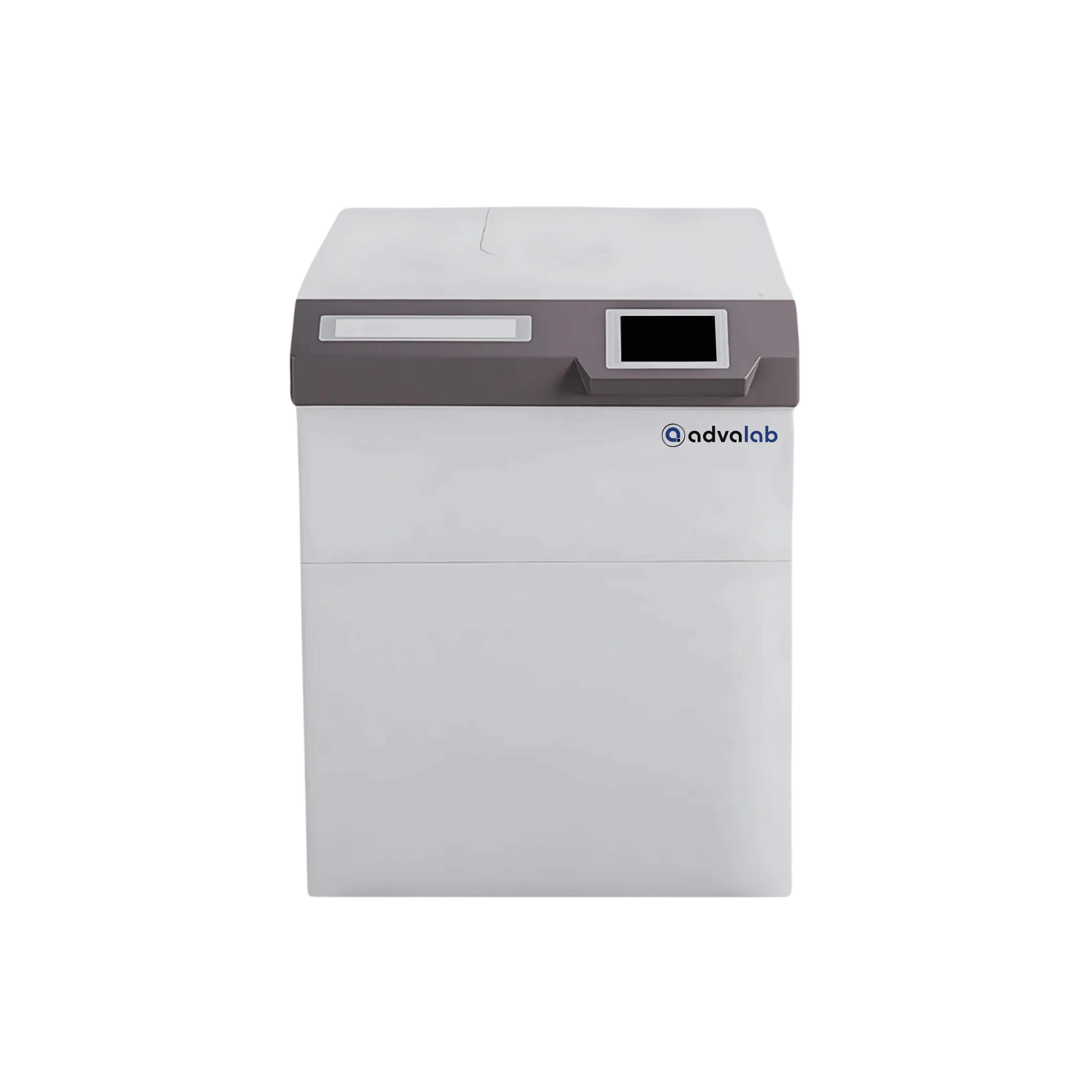
| Max Speed: | 18000 rpm |
| Max RCF: | 31405 x g |
| Max Capacity: | 4 x 250 ml |
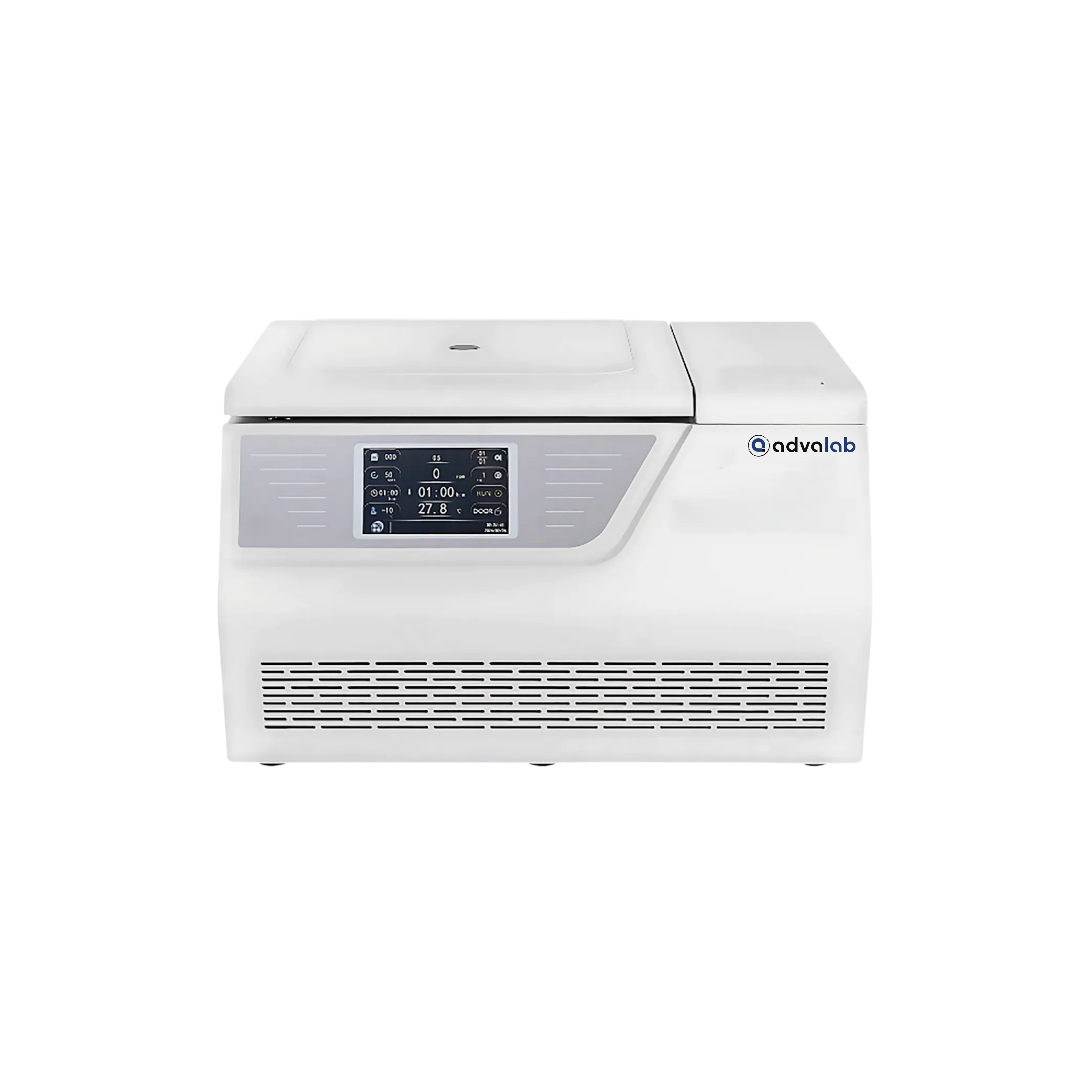
| Maximum Speed: | 19,000 rpm |
| Maximum RCF: | 30,367× g |
| Maximum Capacity: | 4 x 500 ml |
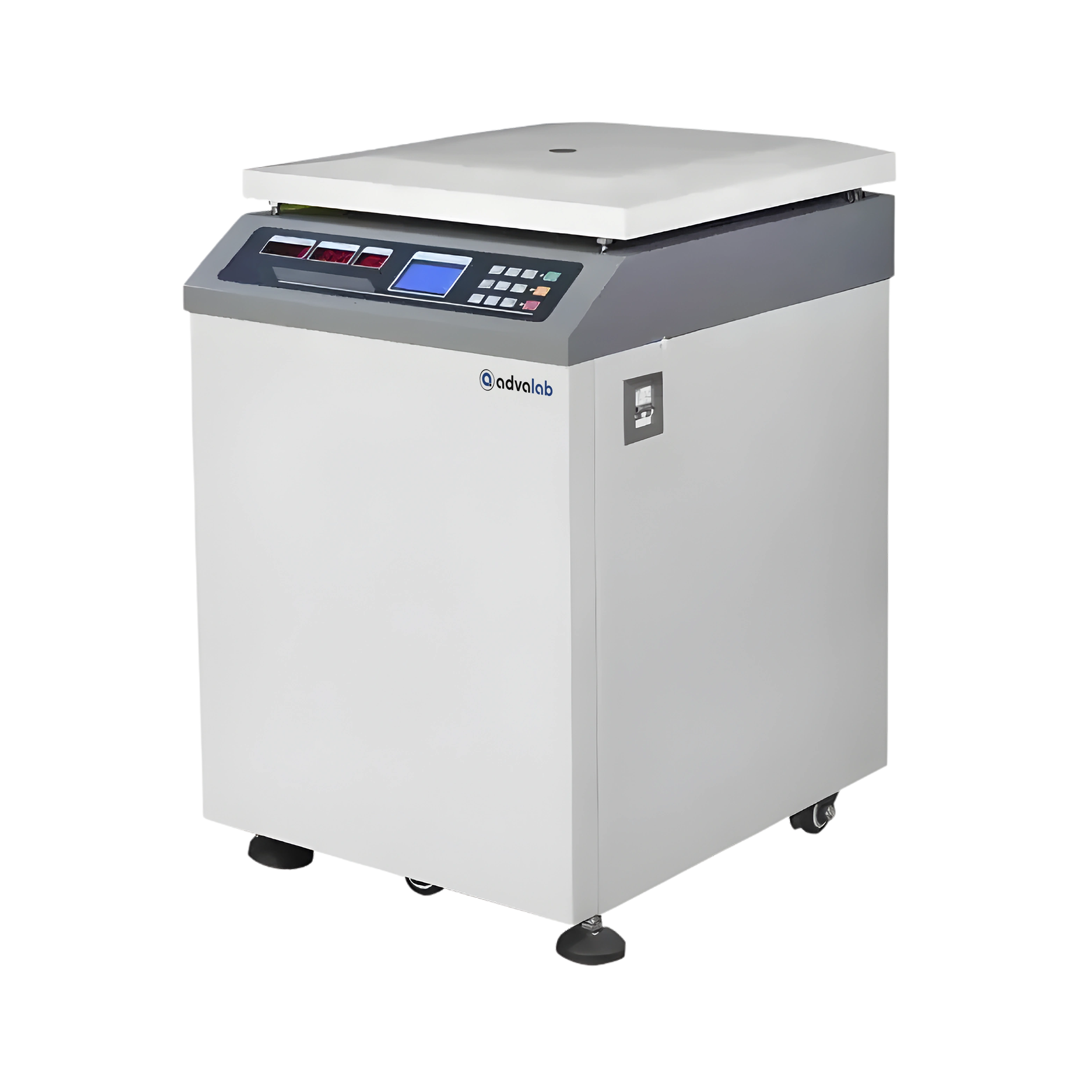
| Max Speed: | 16000 rpm |
| Max RCF: | 27520 x g |
| Max Capacity: | 6x500 ml |

| Maximum Speed: | 21,000 rpm |
| Maximum RCF: | 31,405 × g |
| Maximum Capacity: | 4 × 750 ml |
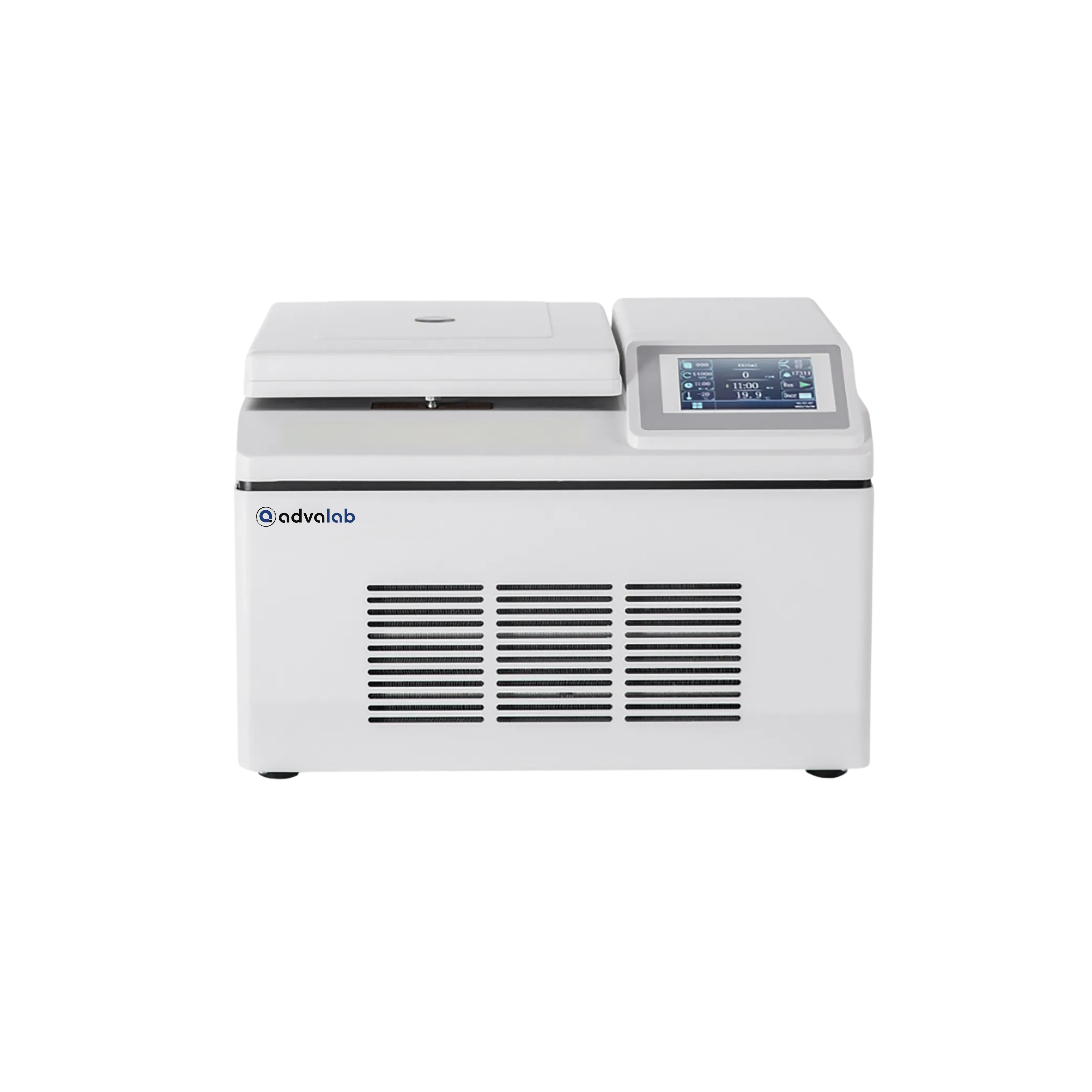
| Maximum Speed: | 18000 rpm |
| Maximum RCF: | 29684 × g |
| Maximum Capacity: | 6 × 100 ml |
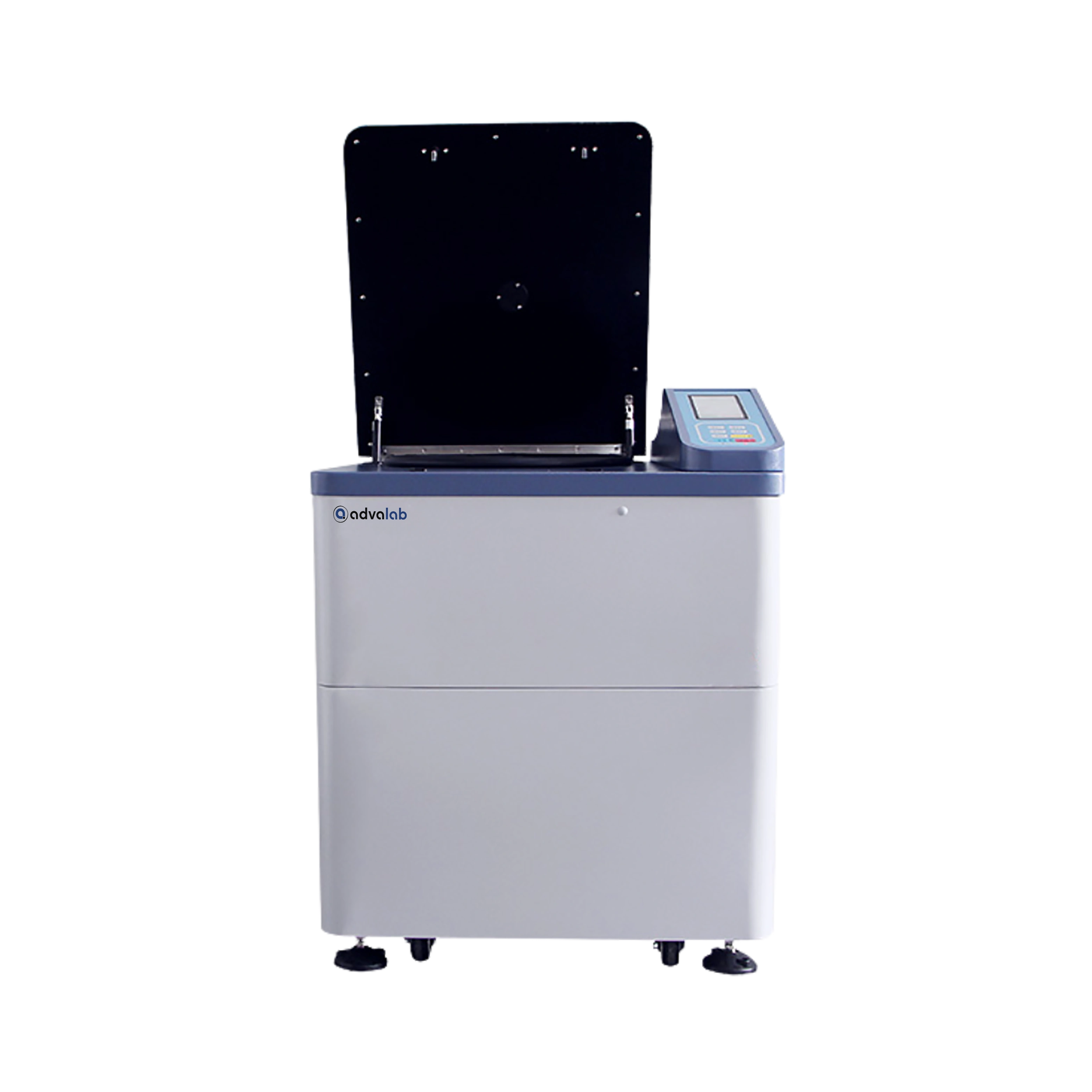
| Maximum Speed: | 30000 rpm |
| Maximum RCF: | 65000 × g |
| Maximum Capacity: | 4×1000ml |
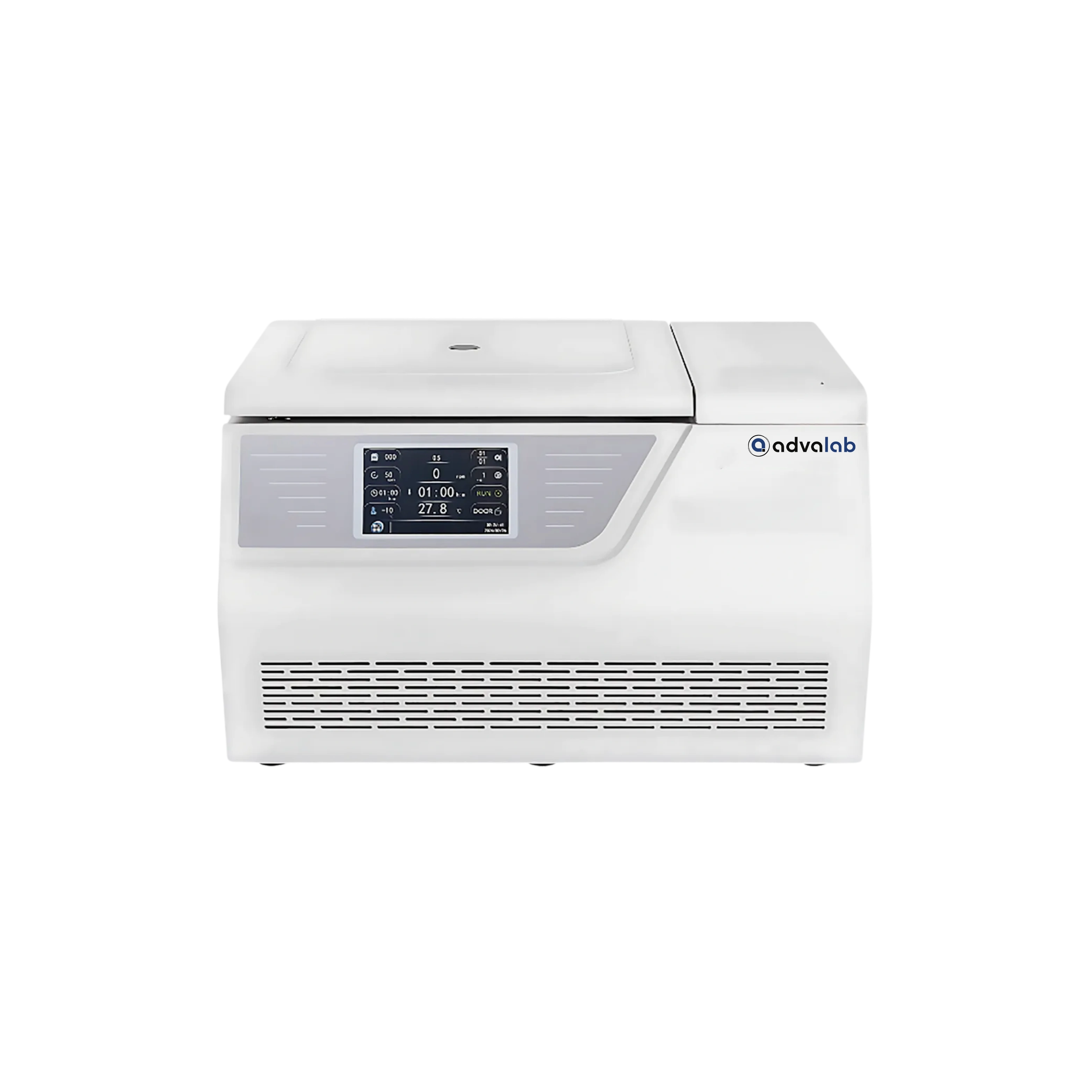
| Maximum Speed: | 18,500 rpm |
| Maximum RCF: | 30,025 x g |
| Maximum Capacity: | 4 x 250 ml |
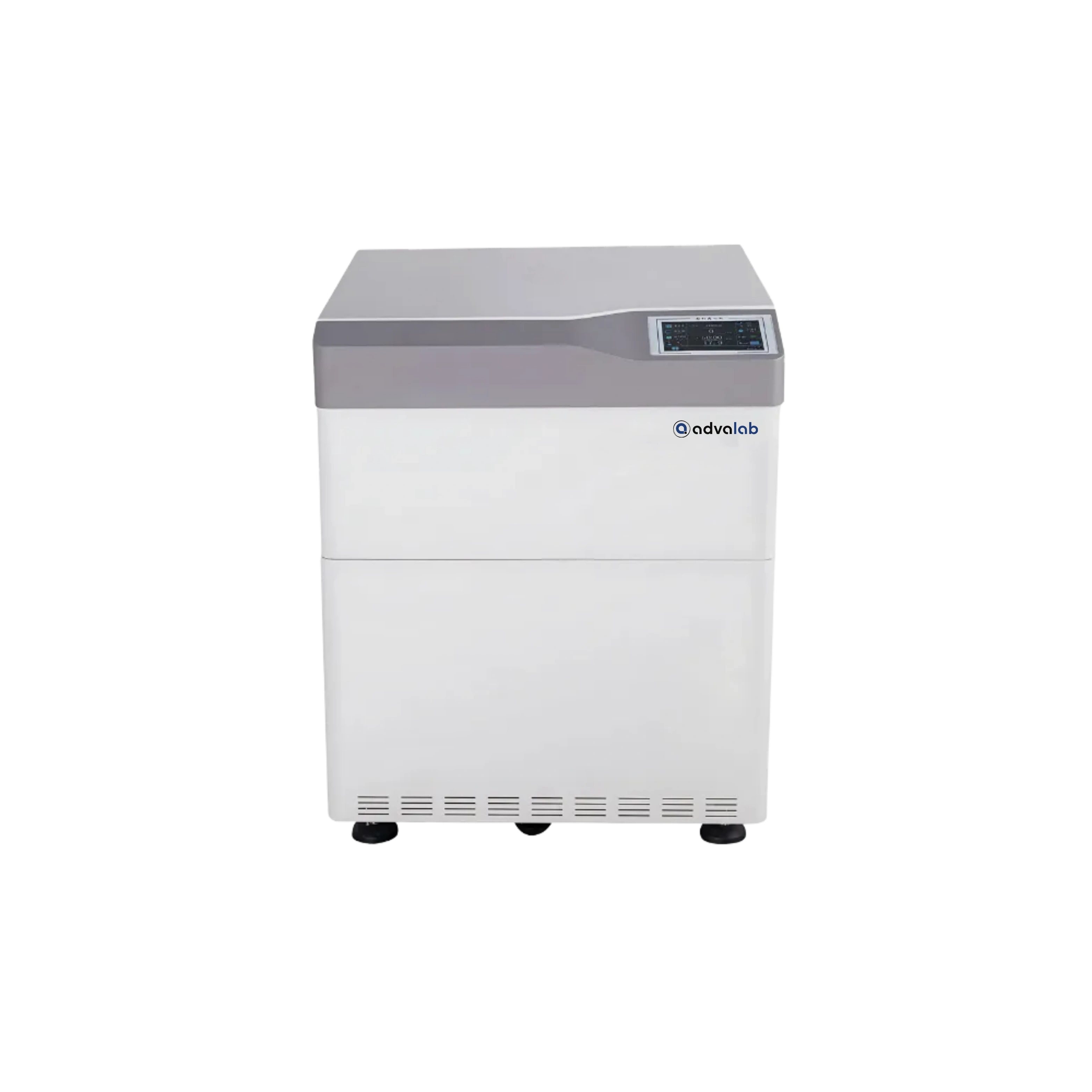
| Max Speed: | 22000 rpm |
| Max RCF: | 33873x g |
| Max Capacity: | 4x750ml |

| Maximum Speed: | 15,000 rpm |
| Maximum RCF: | 21,630 × g |
| Maximum Capacity: | 12 × 5 ml |
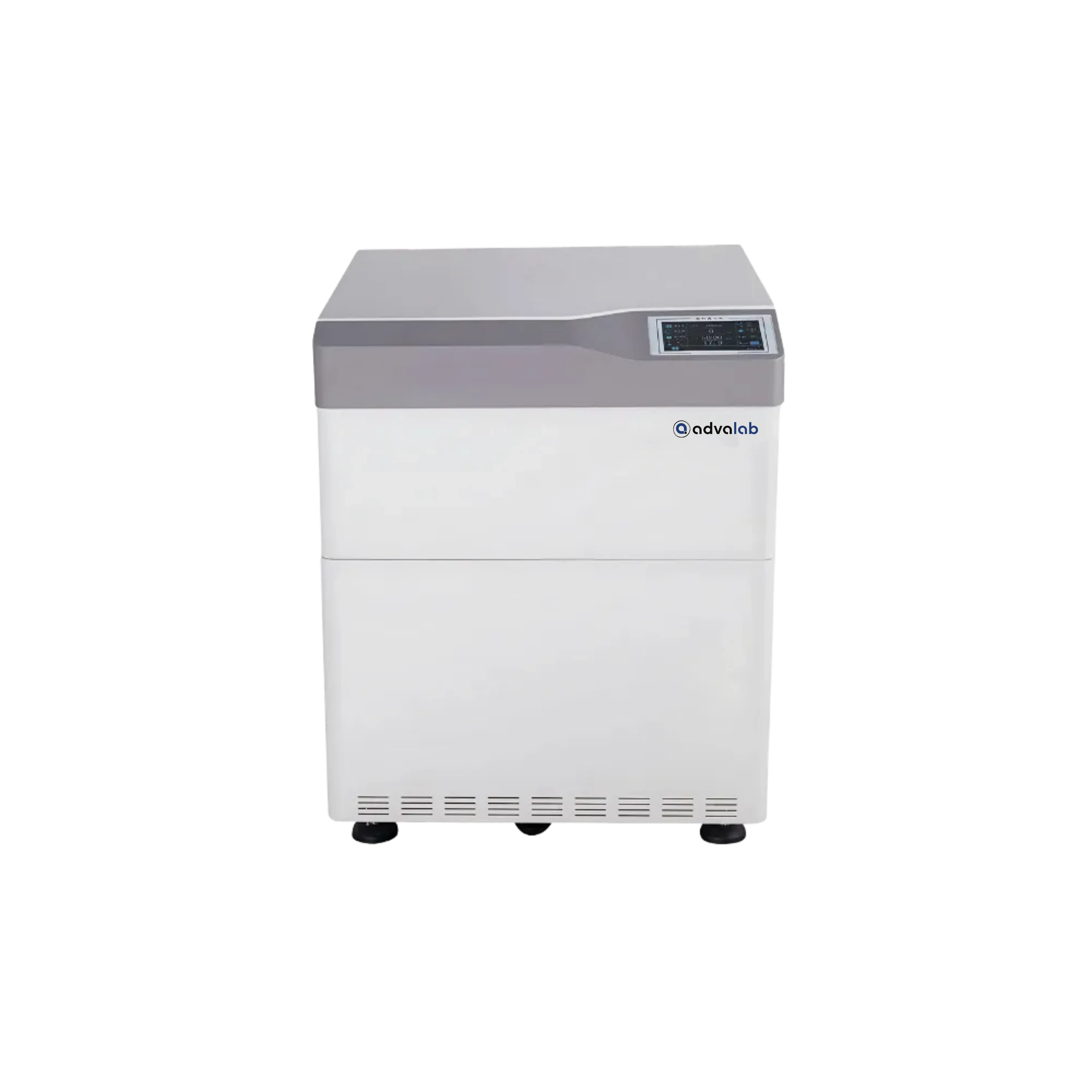
| Max Speed: | 10000 rpm |
| Max RCF: | 18590 x g |
| Max Capacity: | 6x1000 ml |
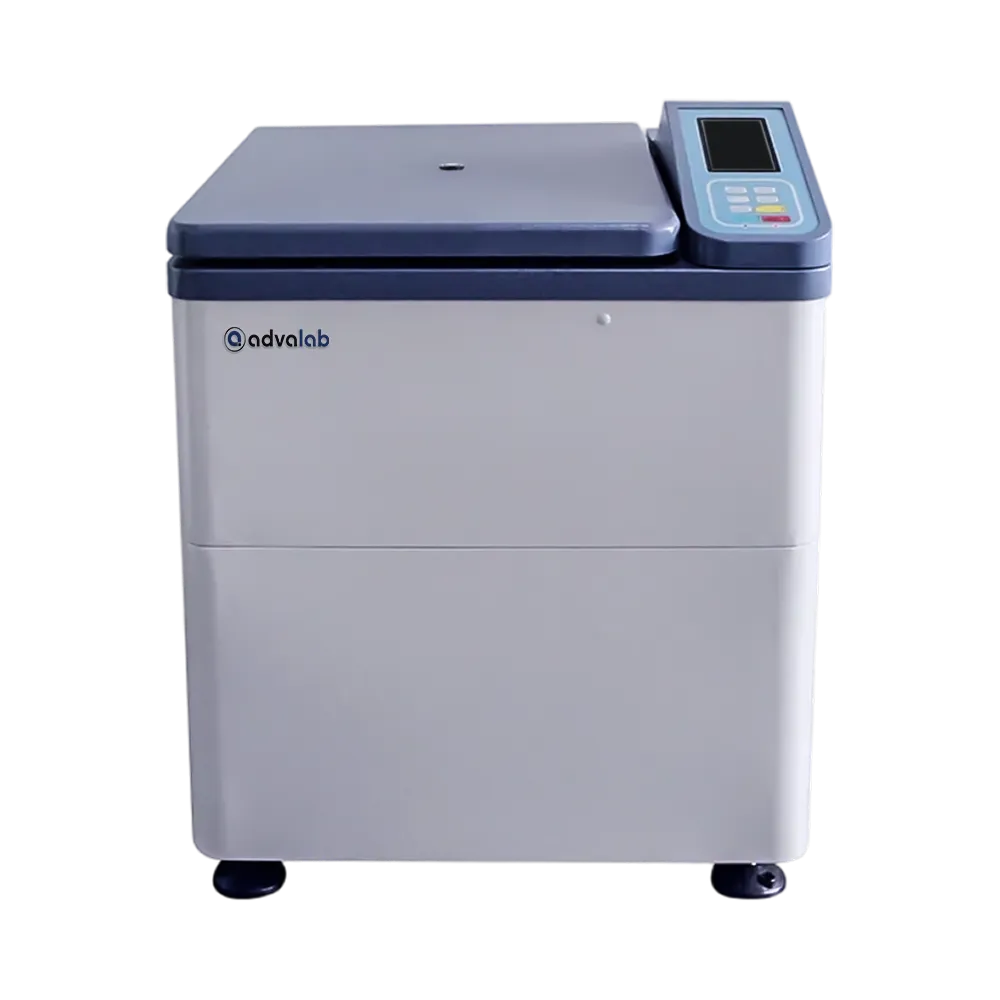
| Maximum Speed: | 21000 rpm |
| Maximum RCF: | 47580 × g |
| Maximum Capacity: | 4 × 750 ml |
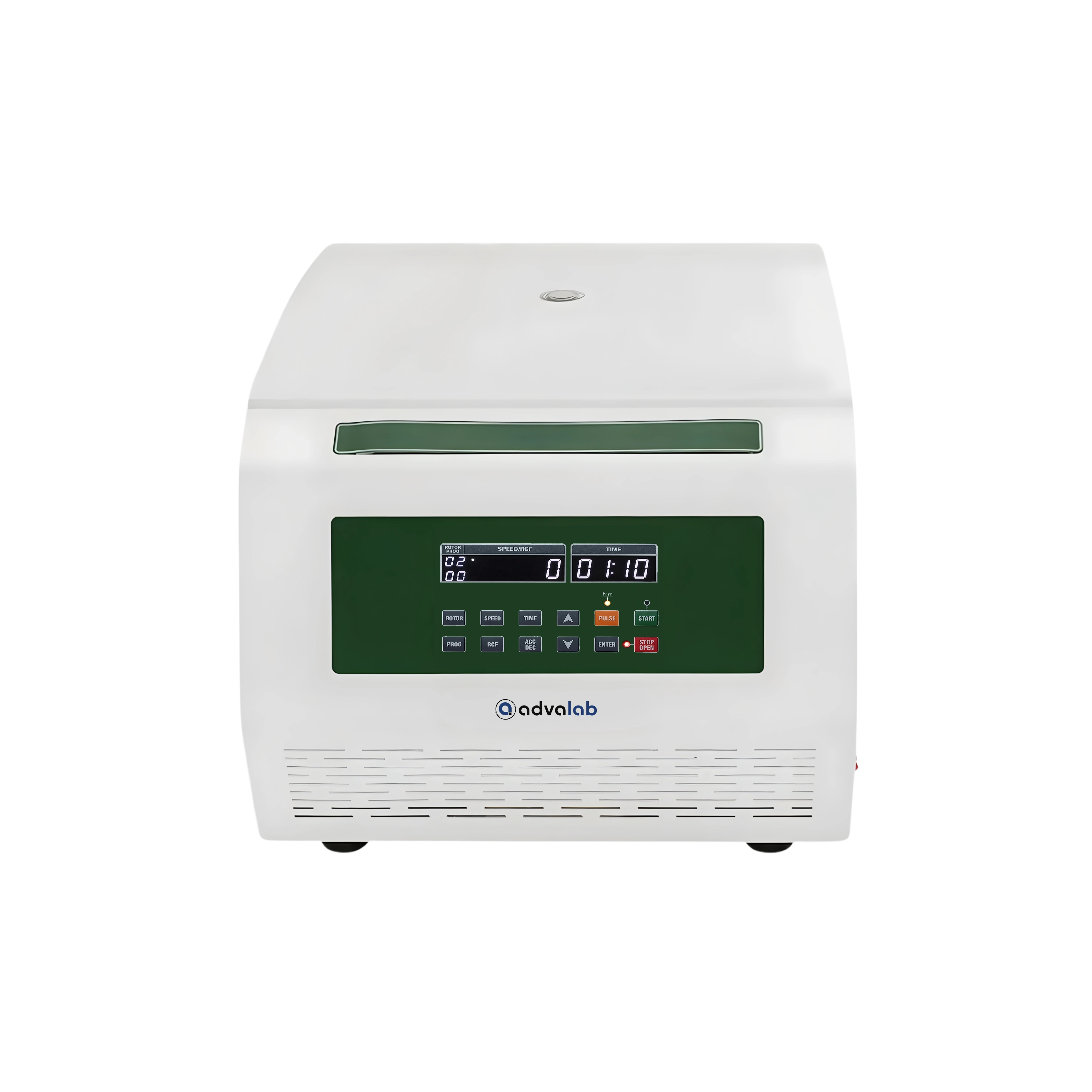
| Max Speed: | 4500 rpm |
| Max RCF: | 3380 x g |
| Max Capacity: | 6 x 50 ml syringe |

| Max Speed: | 4700 rpm |
| Max RCF: | 2000 xg |
| Max Capacity: | 12 x 7 ml (SERO rotor) |
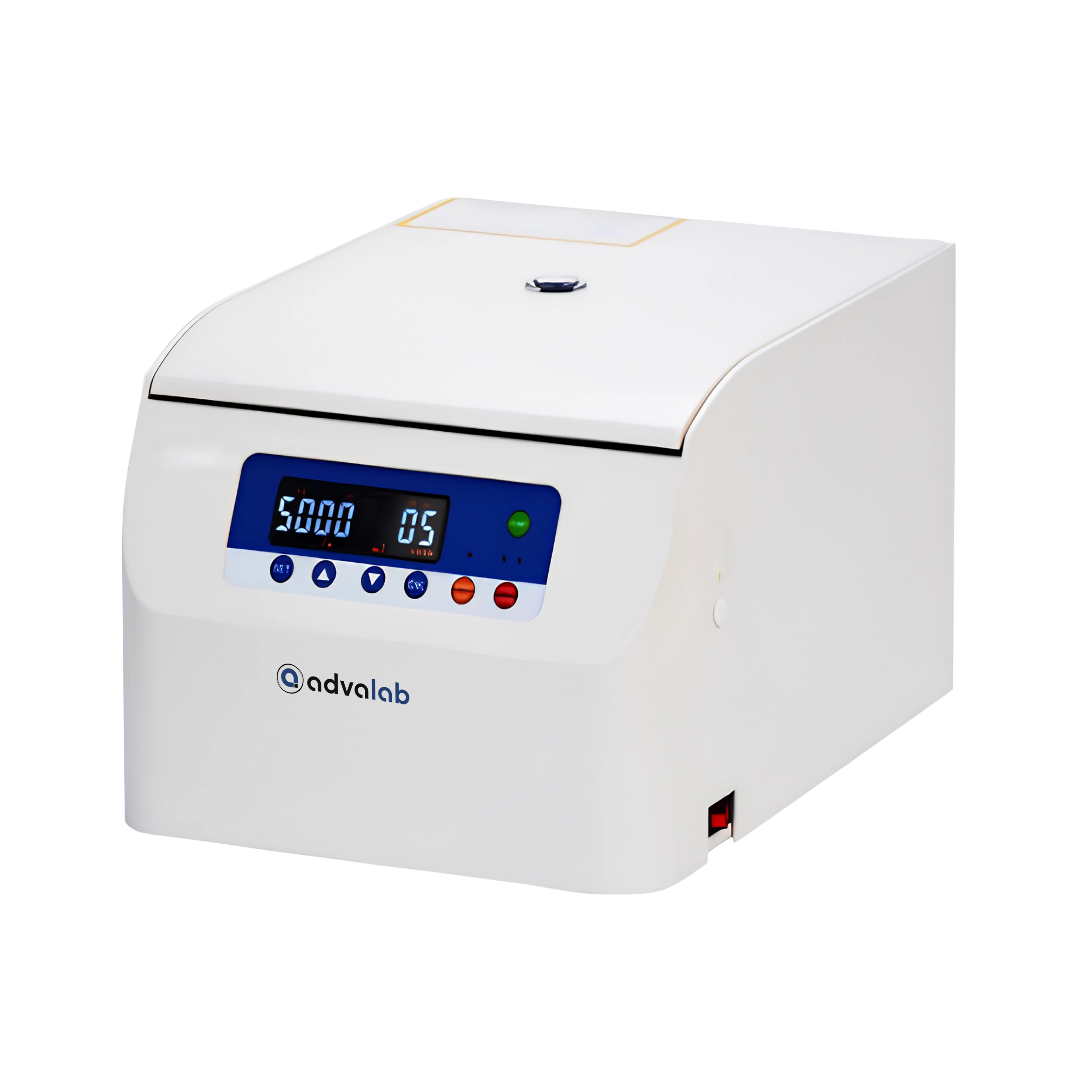
| Maximum Speed: | 4500 rpm (adjustable) |
| Maximum RCF: | 2000 × g (adjustable) |
| Maximum Capacity: | 12 × 2 mL tubes (12 mm × 75 mm) |
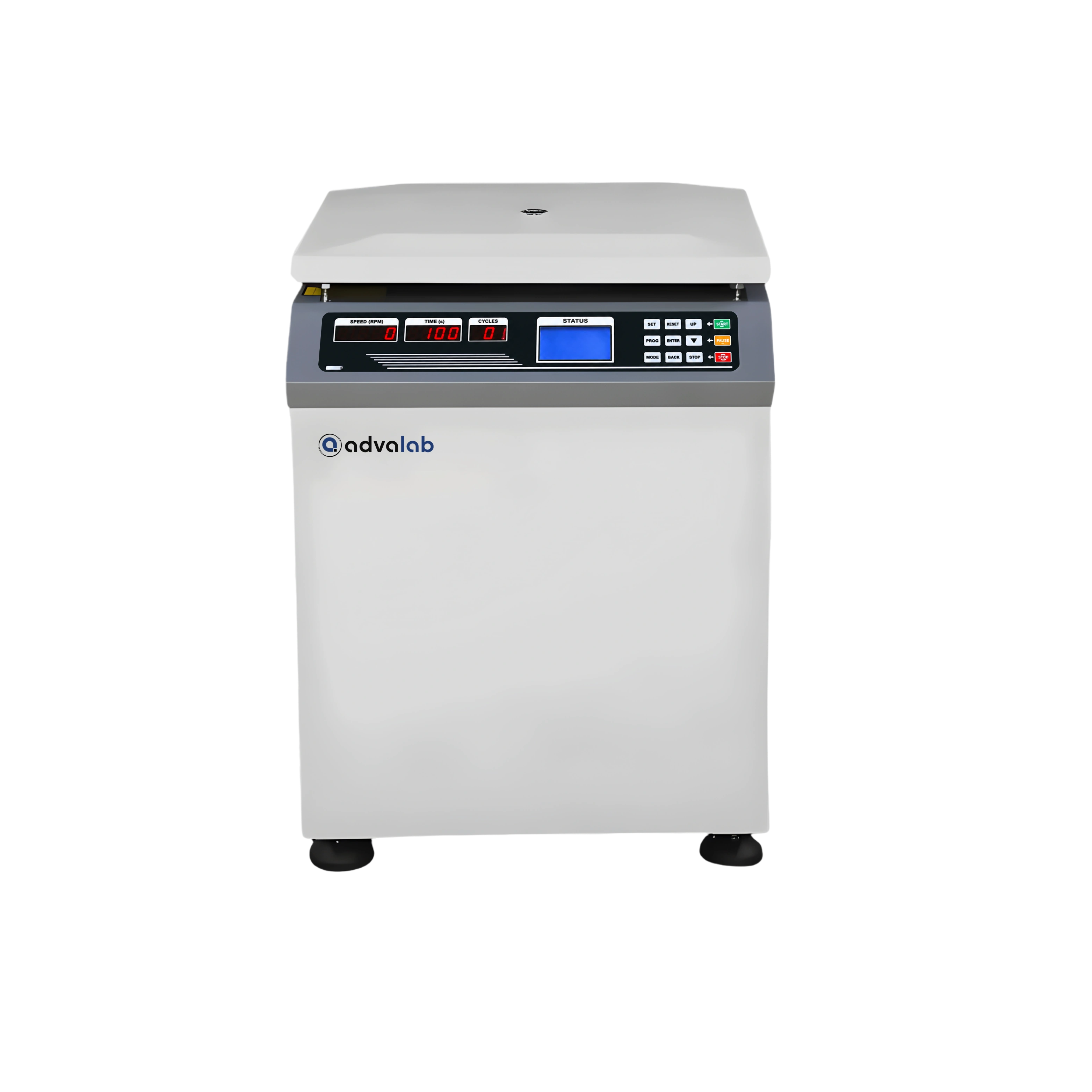
| Max Speed: | 4000 rpm |
| Max RCF: | 3400 xg |
| Max Capacity: | 4 x 200 ml |

| Maximum Speed: | 5000 rpm |
| Maximum RCF: | 5201× g |
| Maximum Capacity: | 4x750 ml |
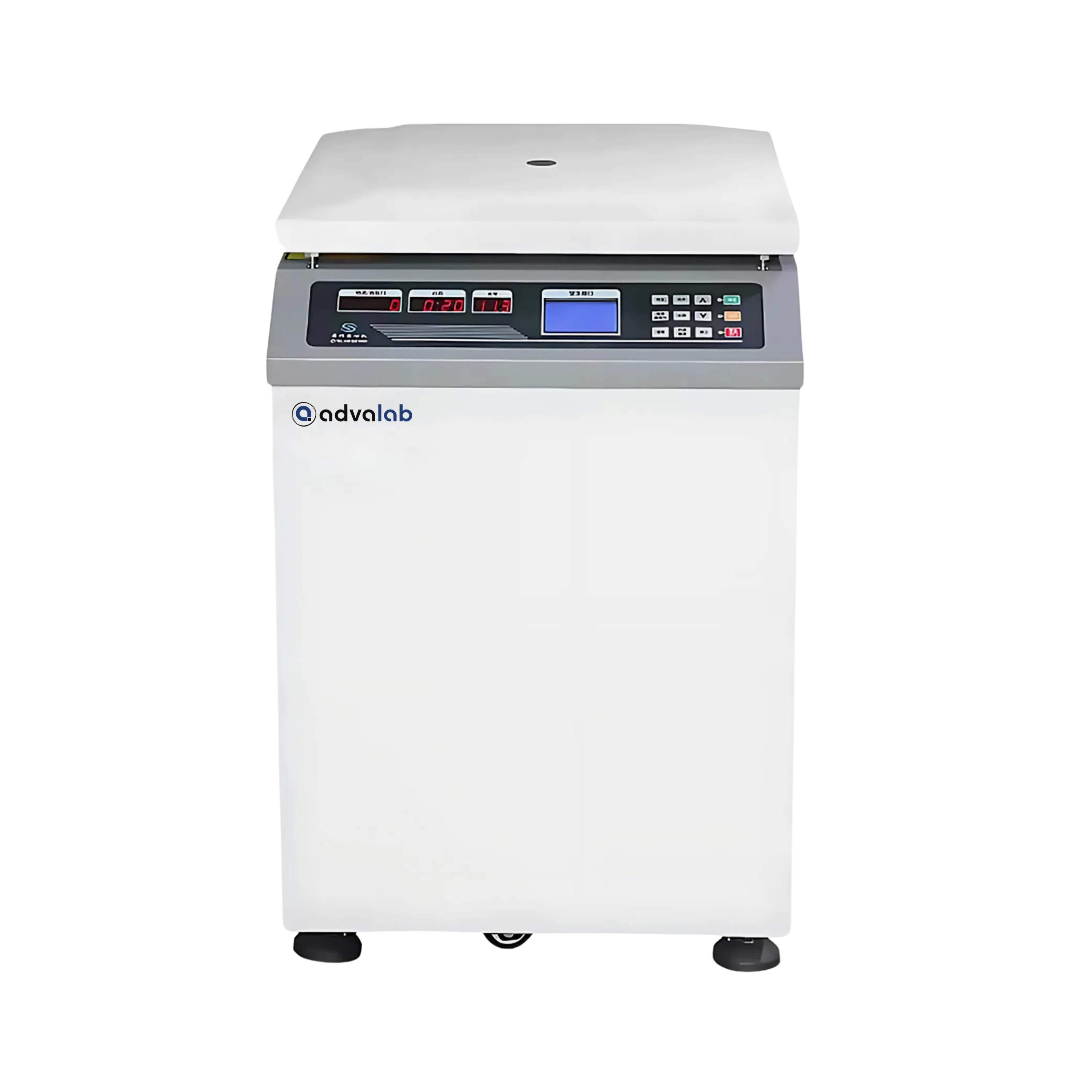
| Maximum Speed Range: | 6000 rpm |
| Maximum RCF: | 6880 × g |
| Maximum Capacity: | 6 × 1000 ml |

| Maximum Speed: | 6000 rpm |
| Maximum RCF: | 5201× g |
| Maximum Capacity: | 4x750 ml |
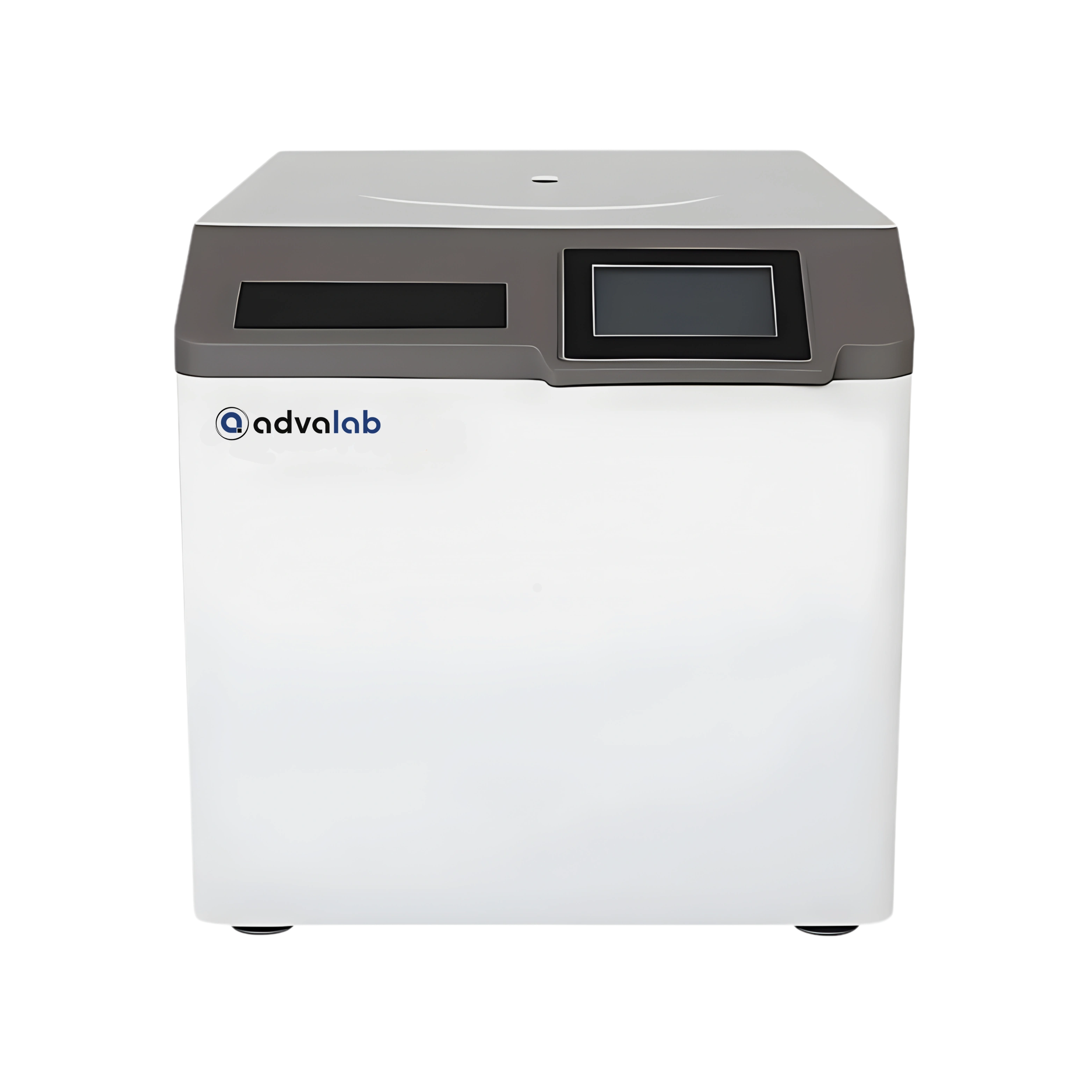
| Max Capacity: | 4 tubes, each 1000 ml |
| Max Speed: | 6000 rpm |
| Max RCF: | 6693×g |
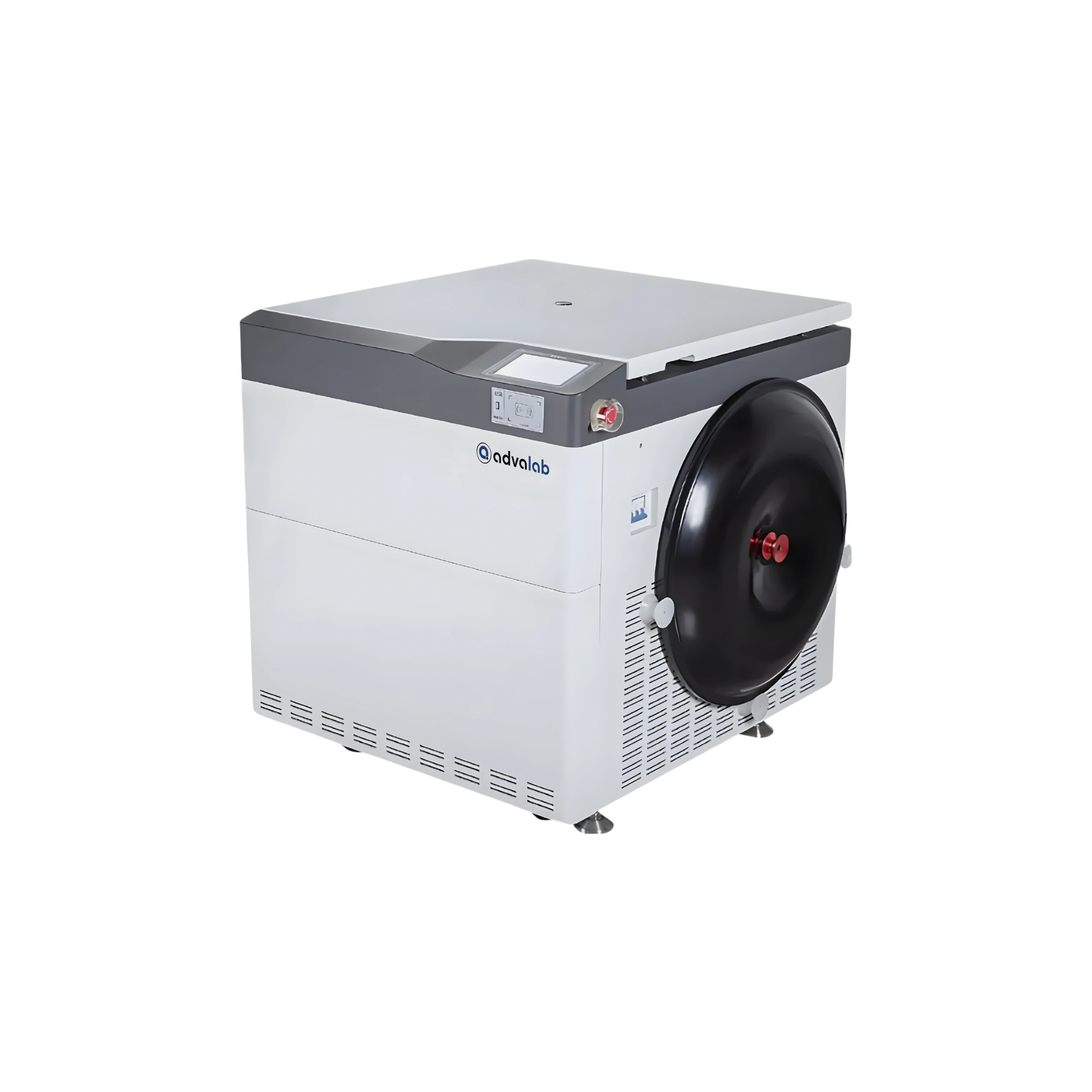
| Max Speed: | 8000 rpm |
| Max RCF: | 14500 × g |
| Max Capacity: | 6x2400 ml / 12 blood bags / 384 blood tubes |
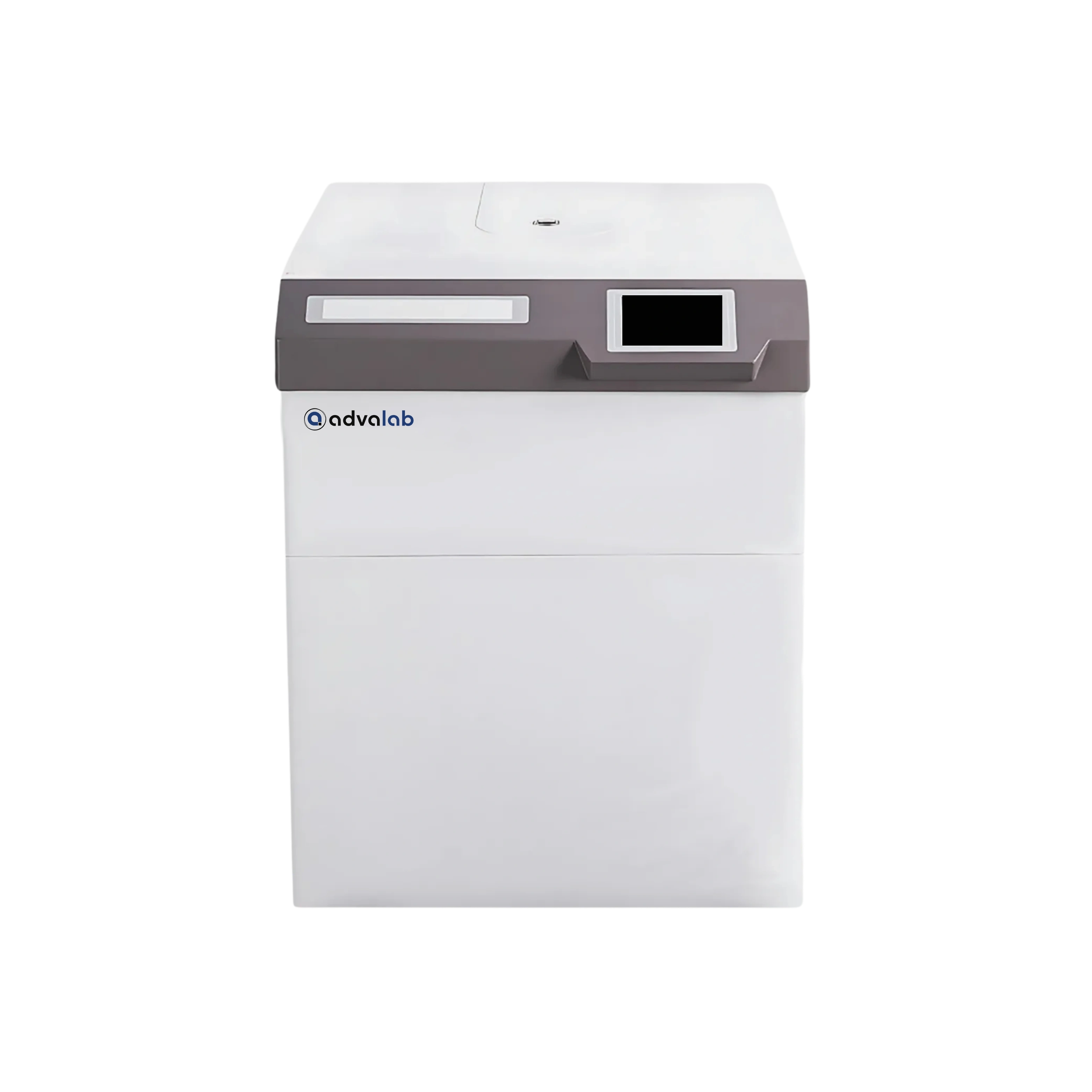
| Max Speed: | 5000 rpm |
| Max RCF: | 5200 × g |
| Max Capacity: | 4 × 800 ml |

| Maximum Speed: | 6000 rpm |
| Maximum RCF: | 5123× g |
| Maximum Capacity: | 4x250 ml |
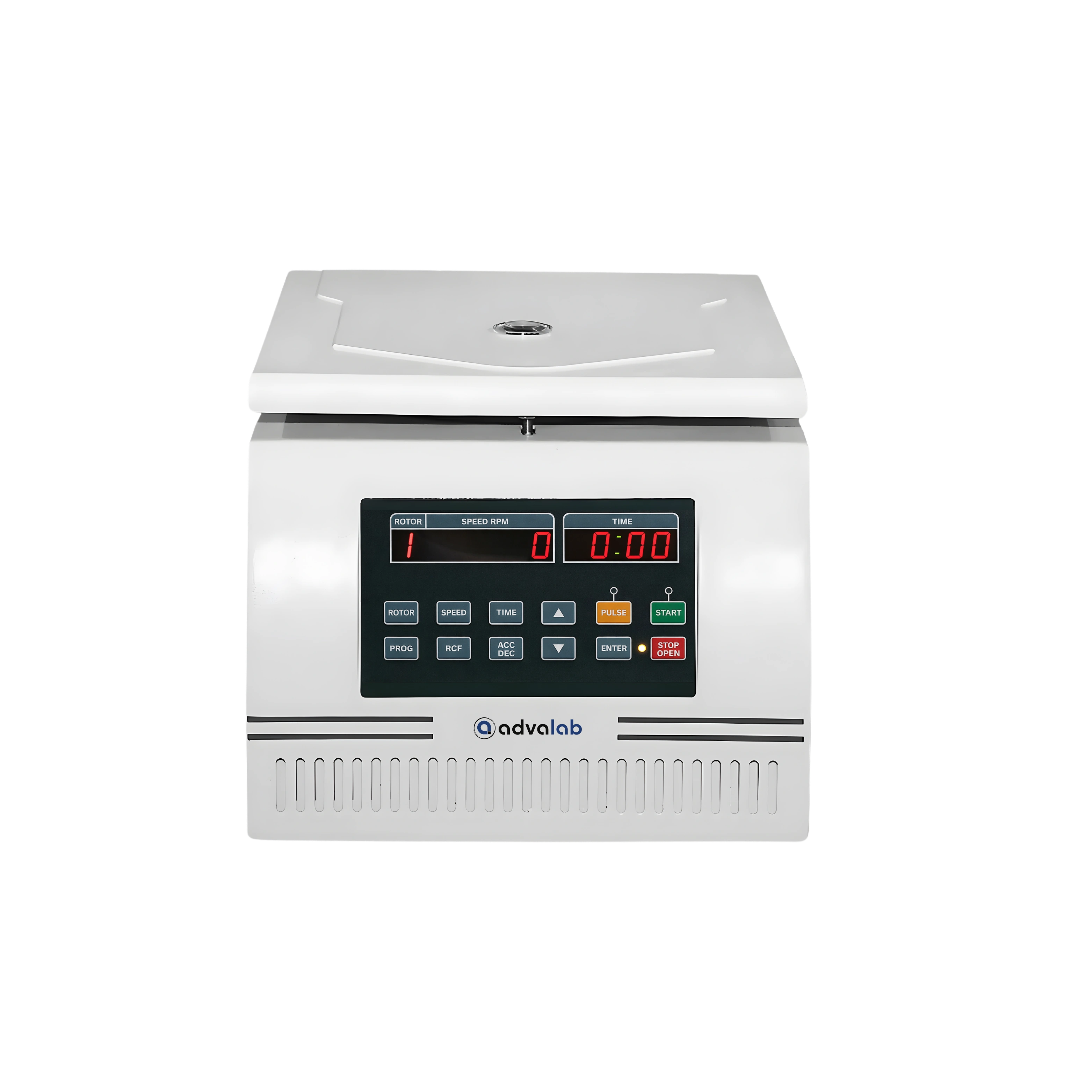
| Maximum Speed: | 15000 rpm |
| Maximum RCF: | 21630 × g |
| Maximum Capacity: | 12x5 ml |
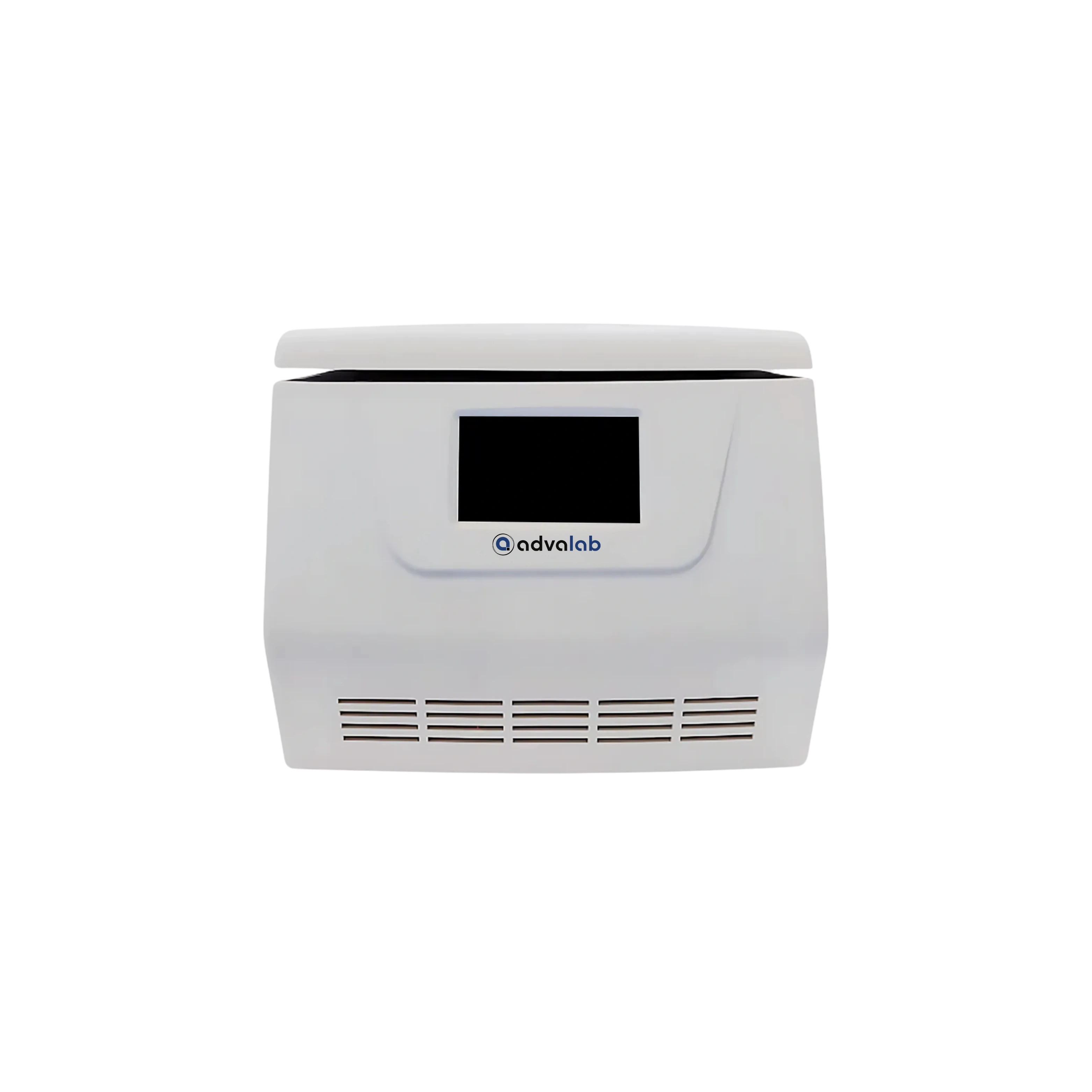
| Maximum Speed: | 16,500 rpm |
| Maximum RCF: | 24,814 × g |
| Maximum Capacity: | 6 × 100 ml |
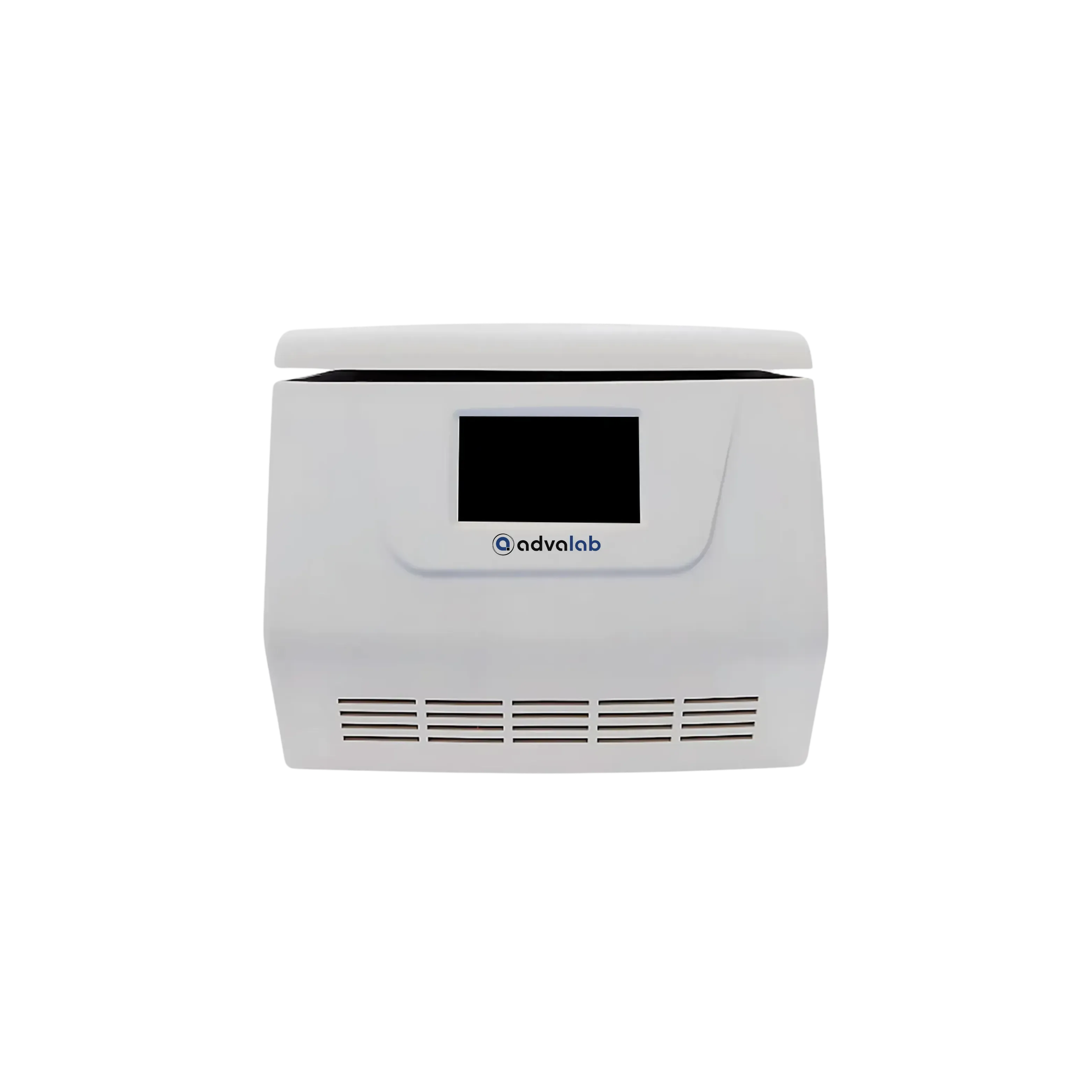
| Maximum Speed: | 20000 rpm |
| Maximum RCF: | 27994 × g |
| Maximum Capacity: | 6x100 ml |
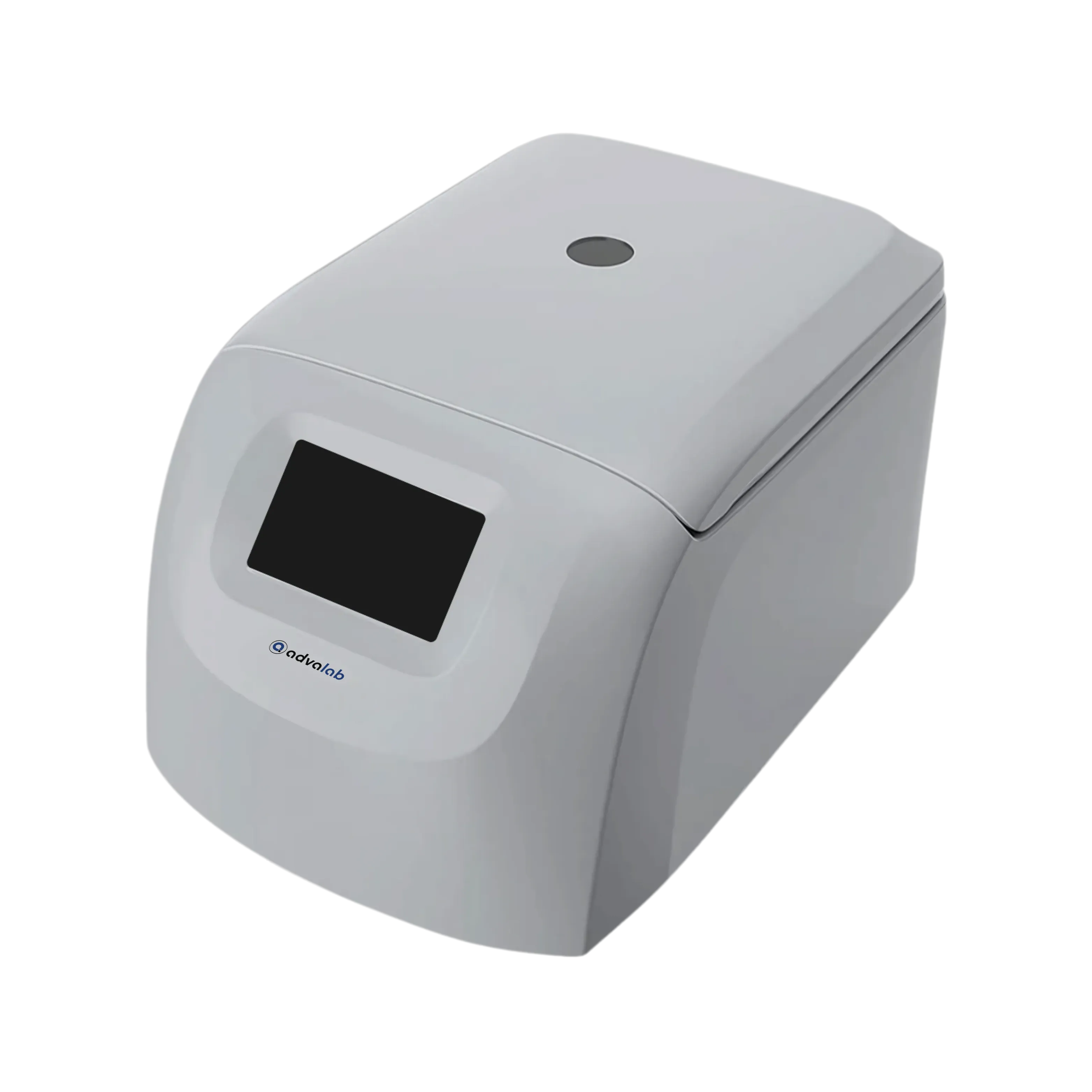
| Speed: | 500 to 15000 rpm, increasement 100 rpm |
| Maximum Sample Density: | 1.2g/ml |
| Acceleration/Deceleration : | Ⅰ (≤ 20) <br/> Ⅱ (≤ 40s) <br/> Ⅲ (≤ 60s) |
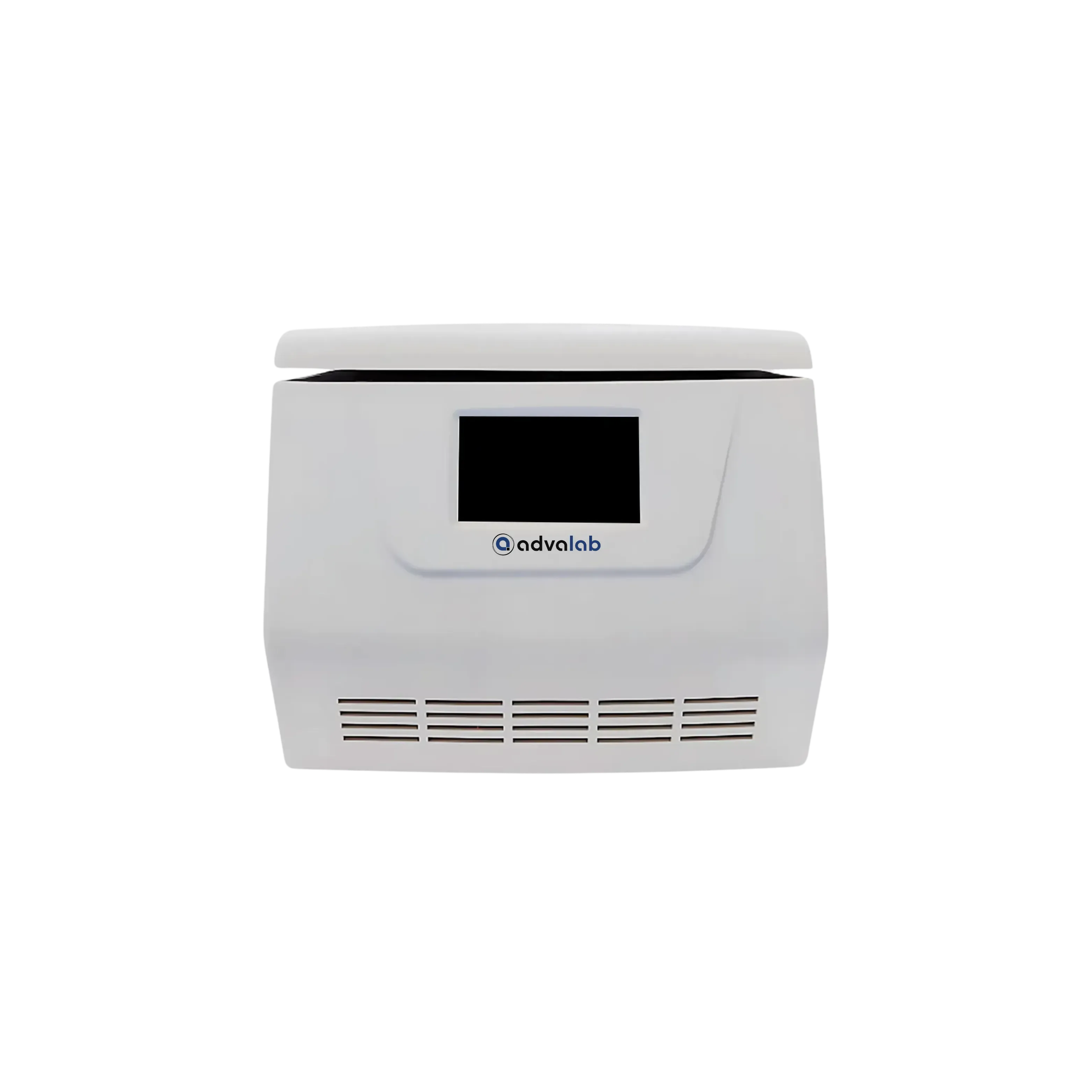
| Maximum Speed: | 18000 rpm |
| Maximum RCF: | 24814 × g |
| Maximum Capacity: | 6x100 ml |
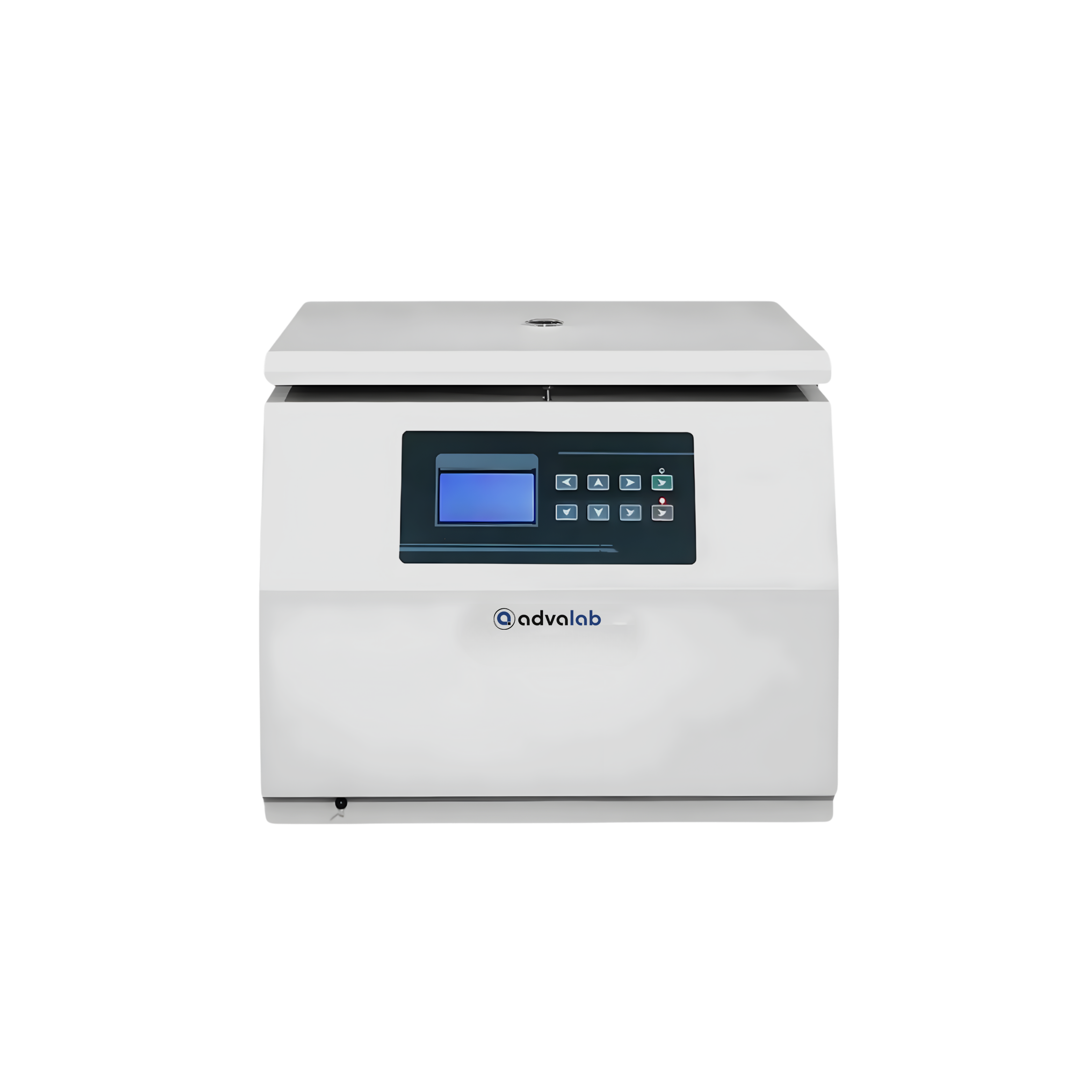
| Maximum Speed: | 18500 rpm |
| Maximum RCF: | 24760 × g |
| Maximum Capacity: | 4x500 ml |
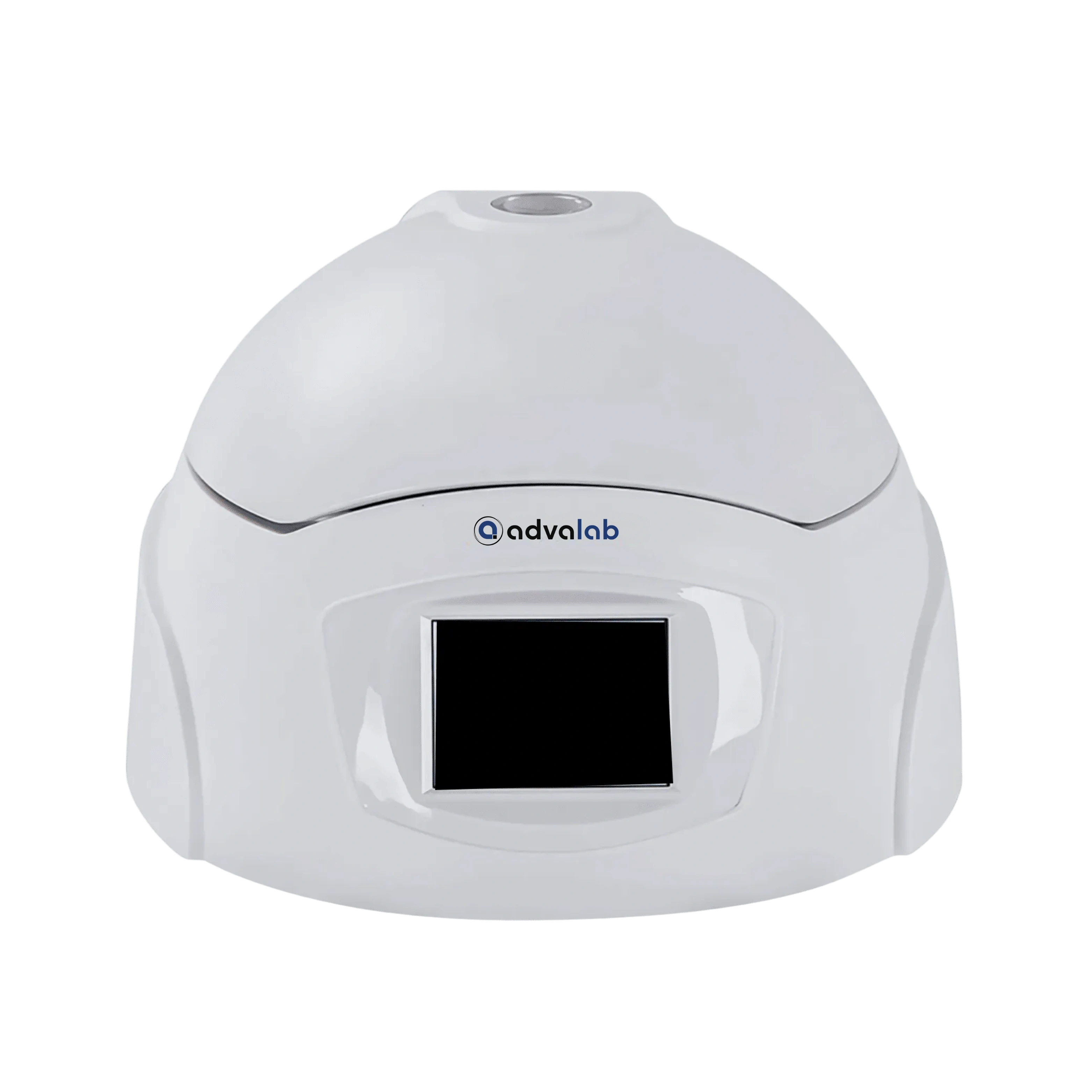
| Maximum Speed: | 16500 rpm |
| Maximum RCF: | 18262× g |
| Maximum Capacity: | 8x5 ml |
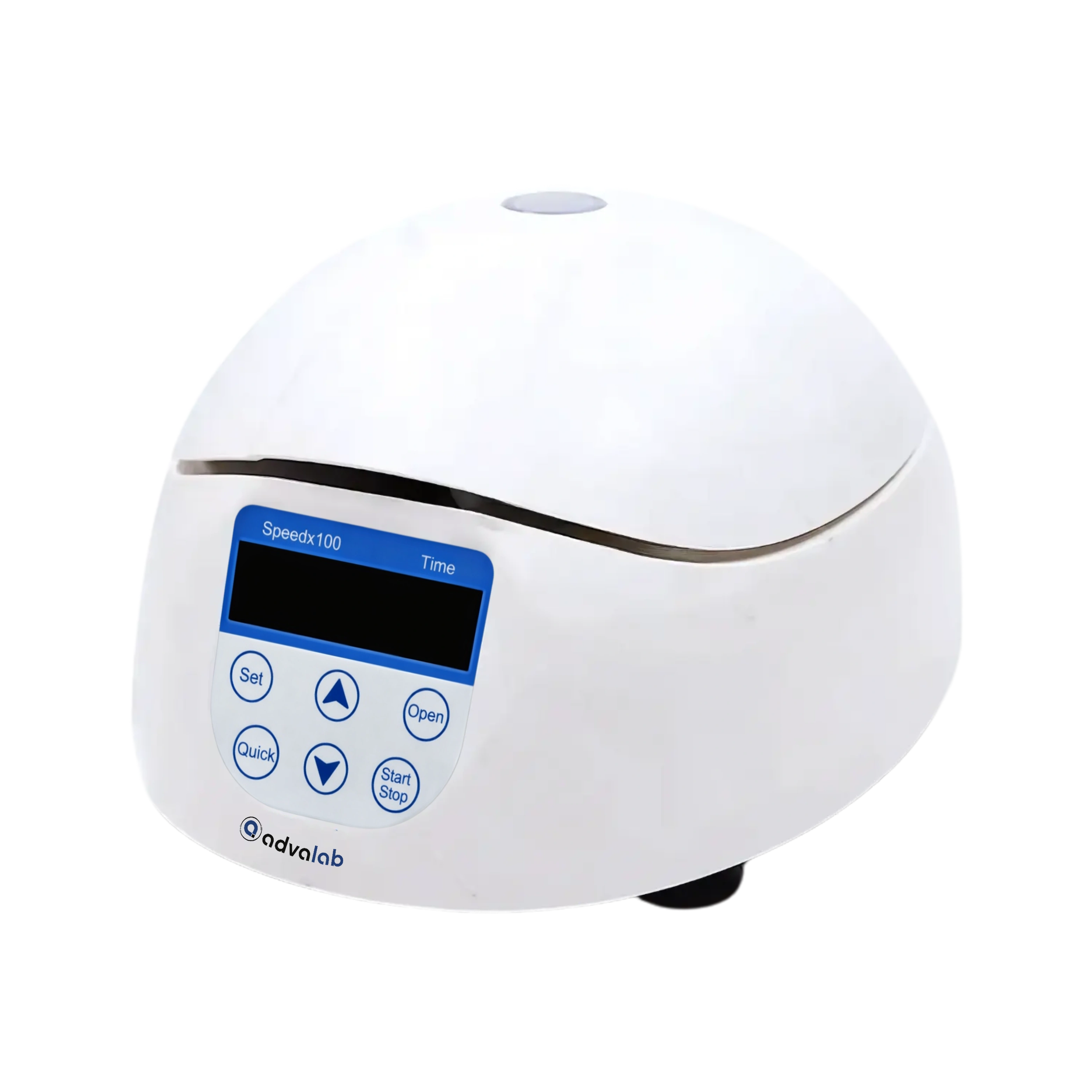
| Speed: | 500 to 15000 rpm, 100 rpm increments |
| RCF: | 100 to 15000×g, 100×g increments |
| Maximum Rotor Radius: | 60 mm |
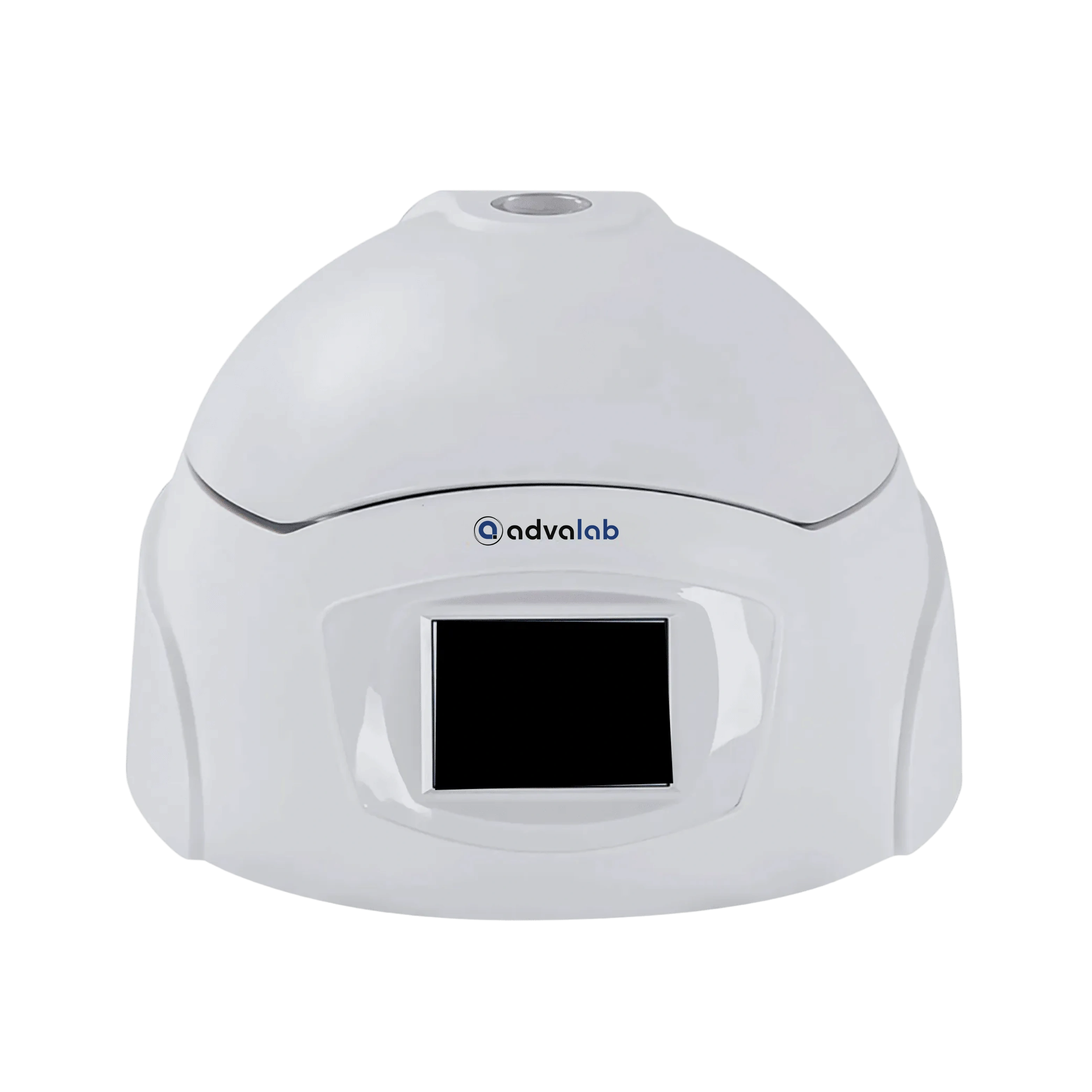
| Maximum Speed: | 15000 rpm |
| Maximum RCF: | 15093× g |
| Maximum Capacity: | 8x5 ml |
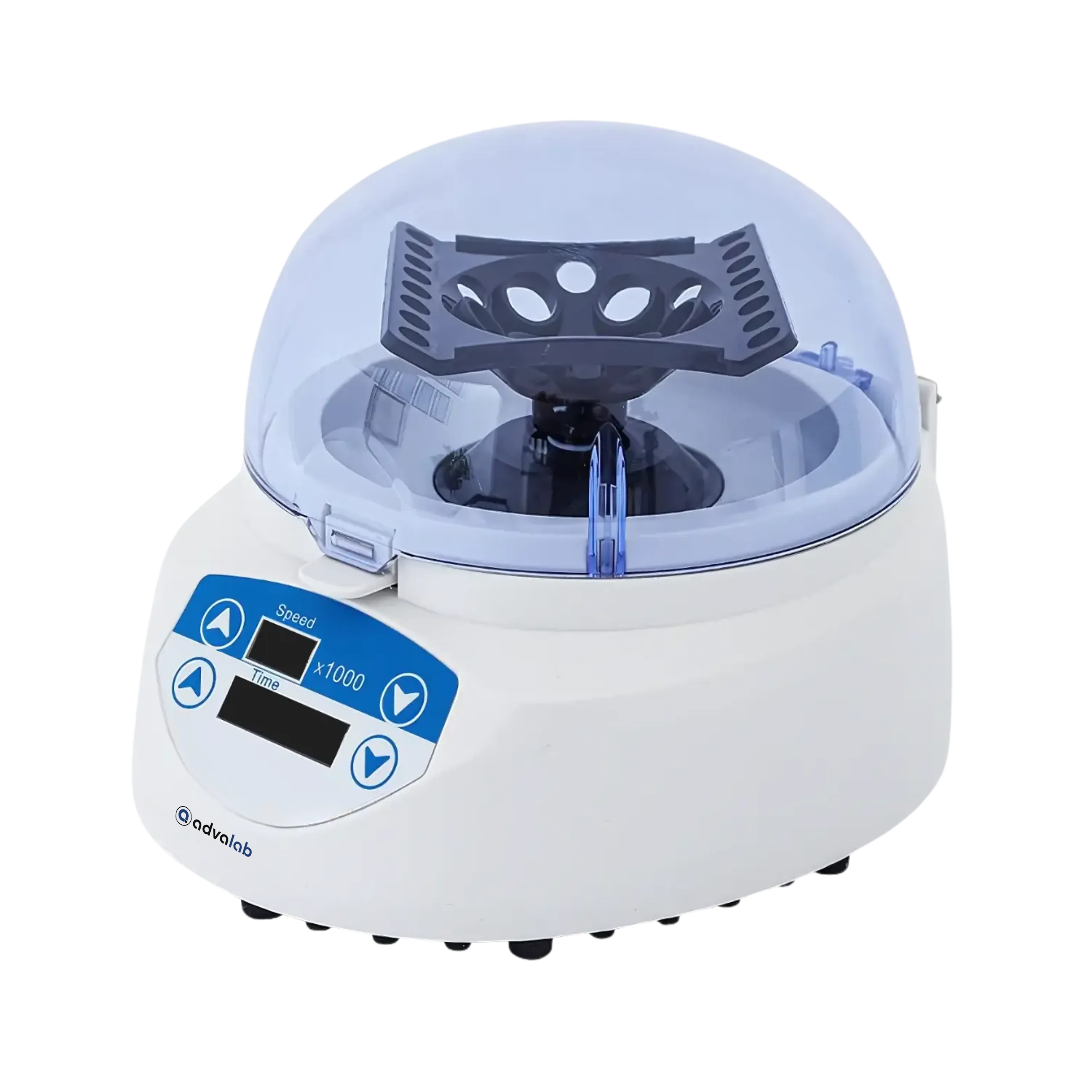
| Speed Range: | 4000 rpm, 6000 rpm and 7000 rpm, adjustable |
| Maximum RCF: | 960×g, 4000 rpm <br/> 2200×g, 6000 rpm <br/> 2900×g, 7000 rpm |
| Capacity: | 6×1.5 ml/2.0 ml, 6×0.5 ml, 16×0.2 ml centrifuge tube <br/> 2×8×0.2 ml PCR tube strips |
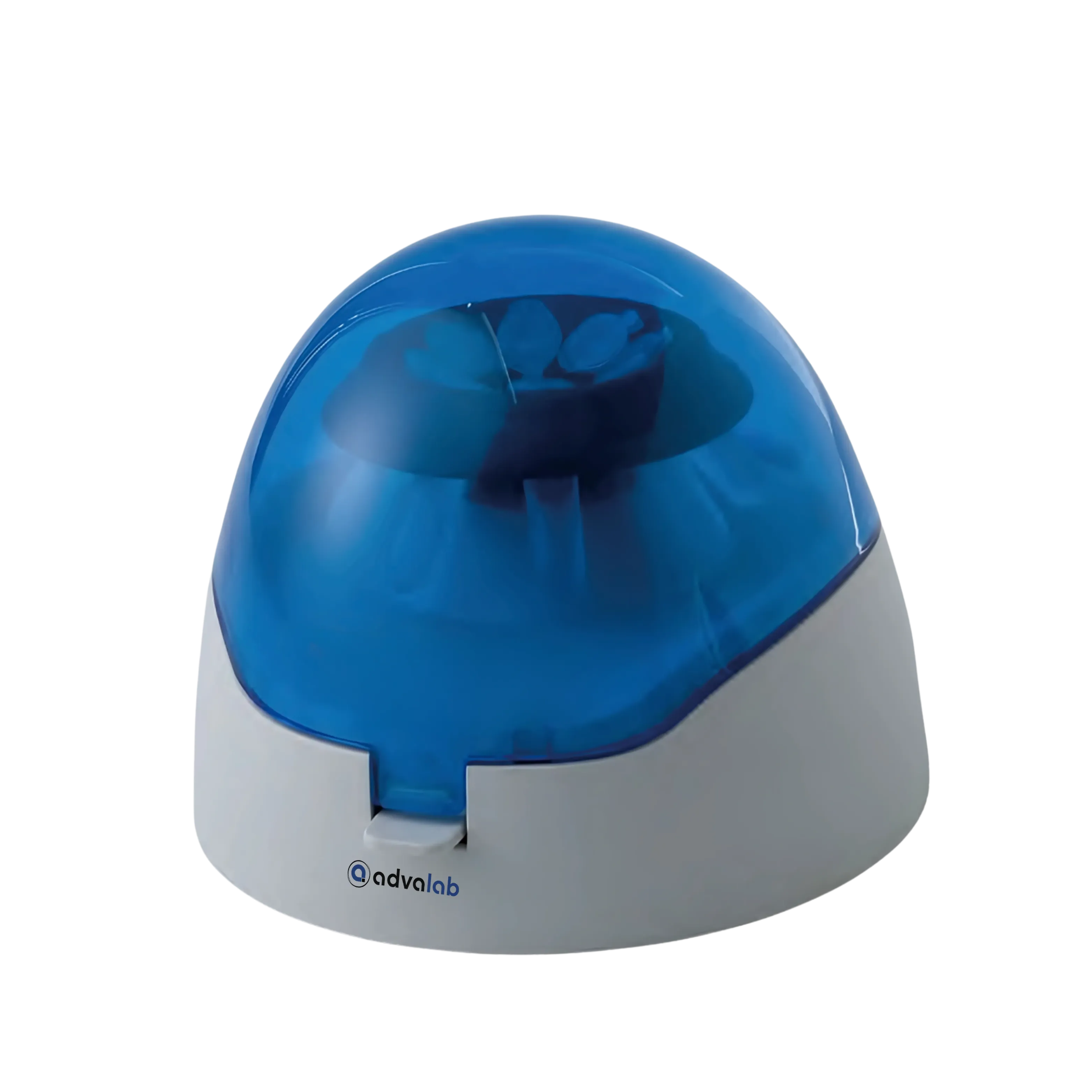
| Maximum Speed: | 6000 rpm |
| Maximum RCF: | 2000 g |
| Capacity (Standard): | 8 × 1.5 / 2.0 / 0.5 / 0.2 ml |
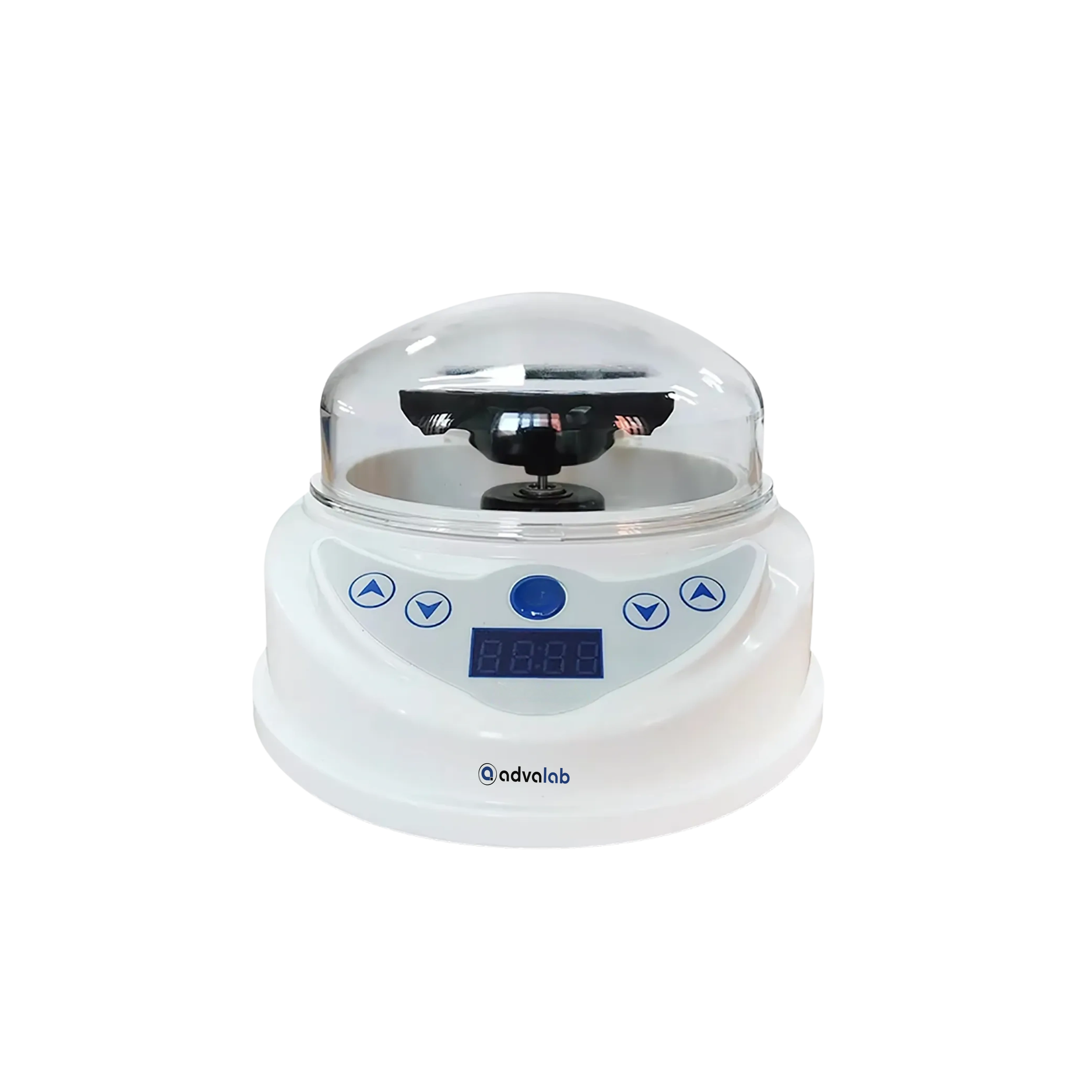
| Maximum Speed: | 10000rpm |
| Maximum RCF: | 6100xg |
| Capacity: | Three in one rotor:8x1.5/2ml+6x0.5ml+2x8x0.2ml |
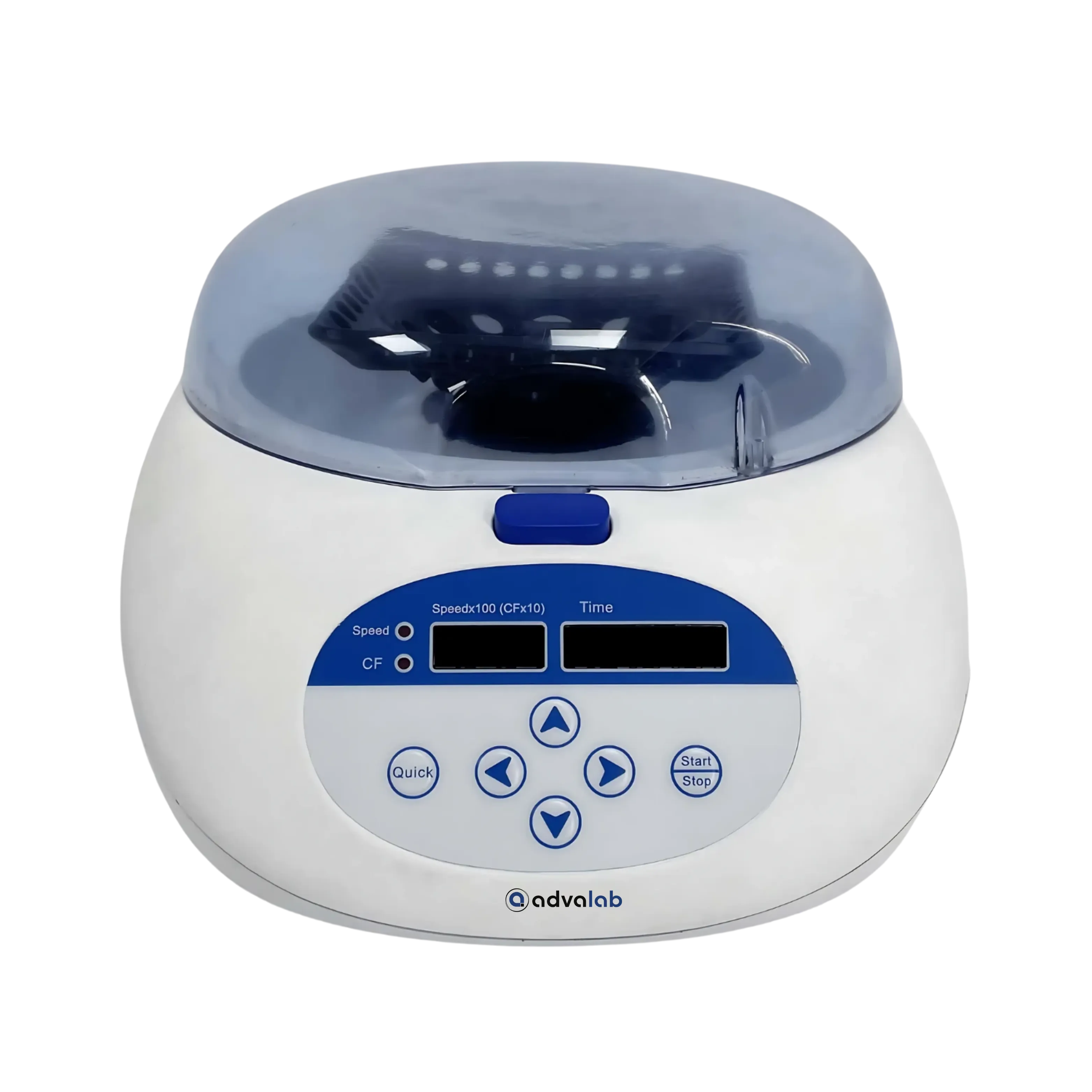
| Speed Range: | 500 to 12,000 rpm, 500 rpm increments |
| Maximum RCF: | 9,650 × g |
| Capacity: | 32 × 0.2 ml centrifugal tubes <br/> 12 × 0.5/1.5/2.0 ml centrifugal tubes <br/> 4 × 8 × 0.2 ml PCR strips |
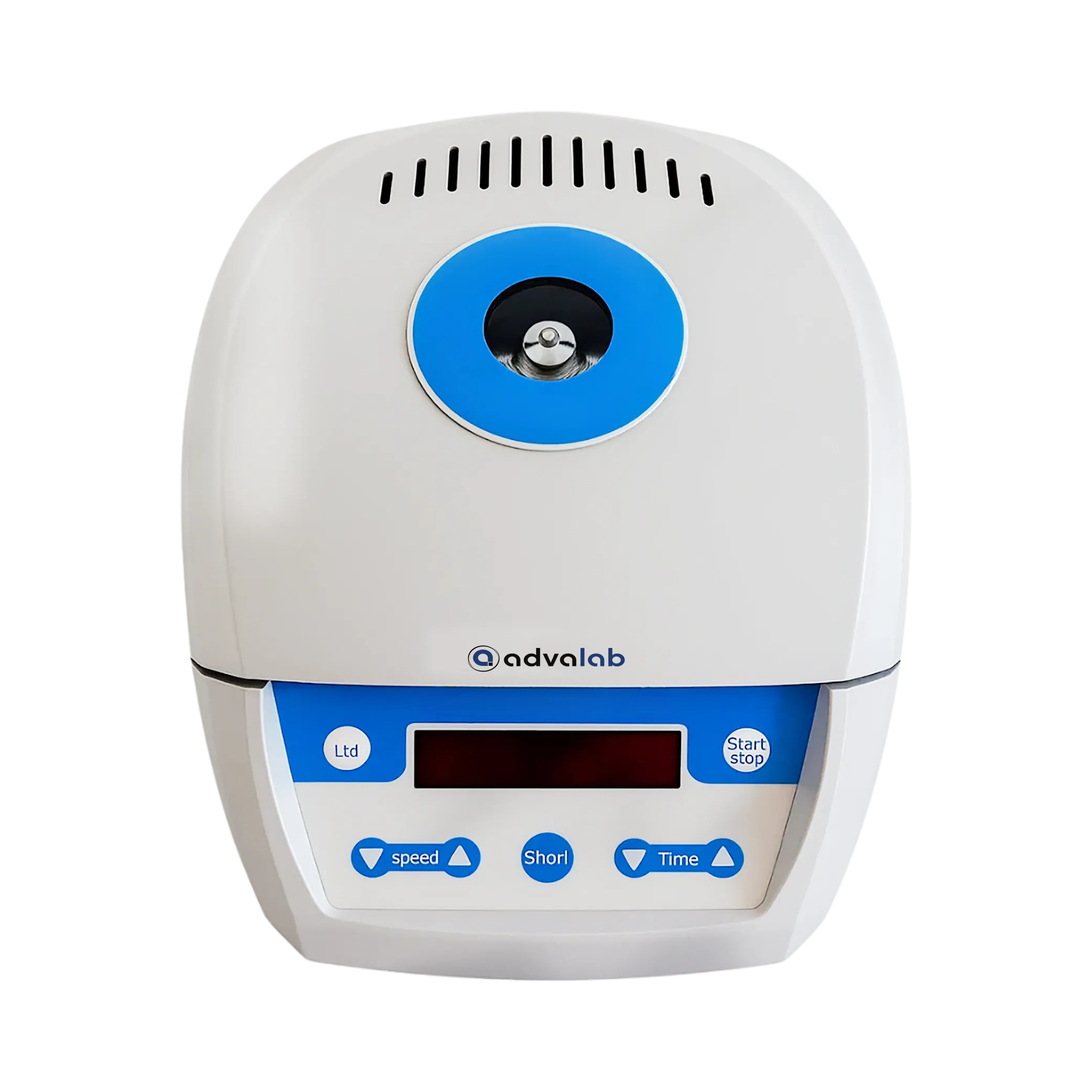
| Speed Range: | 500 to 15000 rpm |
| RCF Range: | 16 to 15080 g |
| Capacity: | 12 x 1.5 / 2.0ml centrifuge tubes |
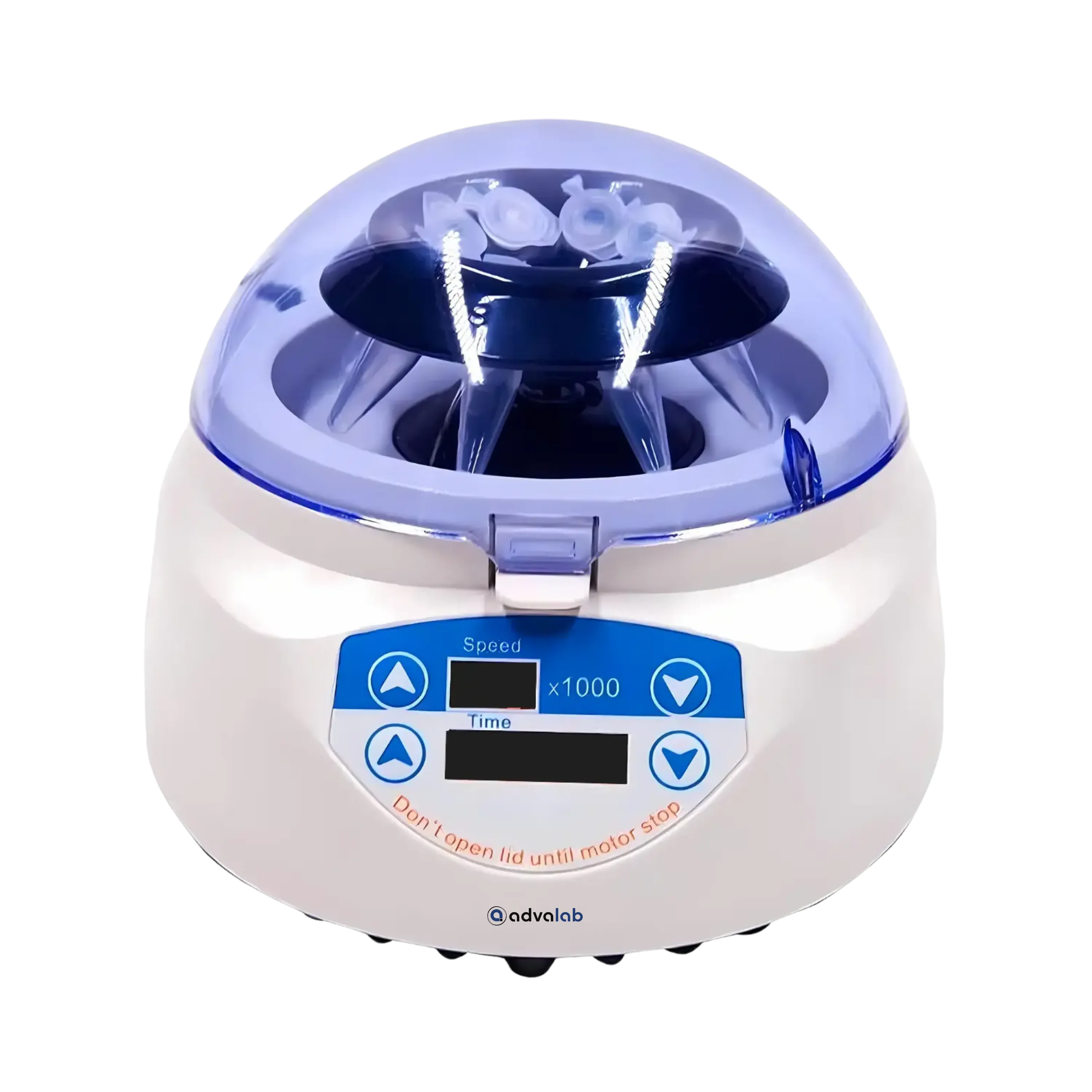
| Speed Range: | 3000 to 10000 rpm |
| Maximum RCF: | 500 to 5400×g |
| Capacity: | 8×2.0ml/1.5ml/0.5ml centrifuge tube <br/> 4×8×0.2ml PCR tube strips |
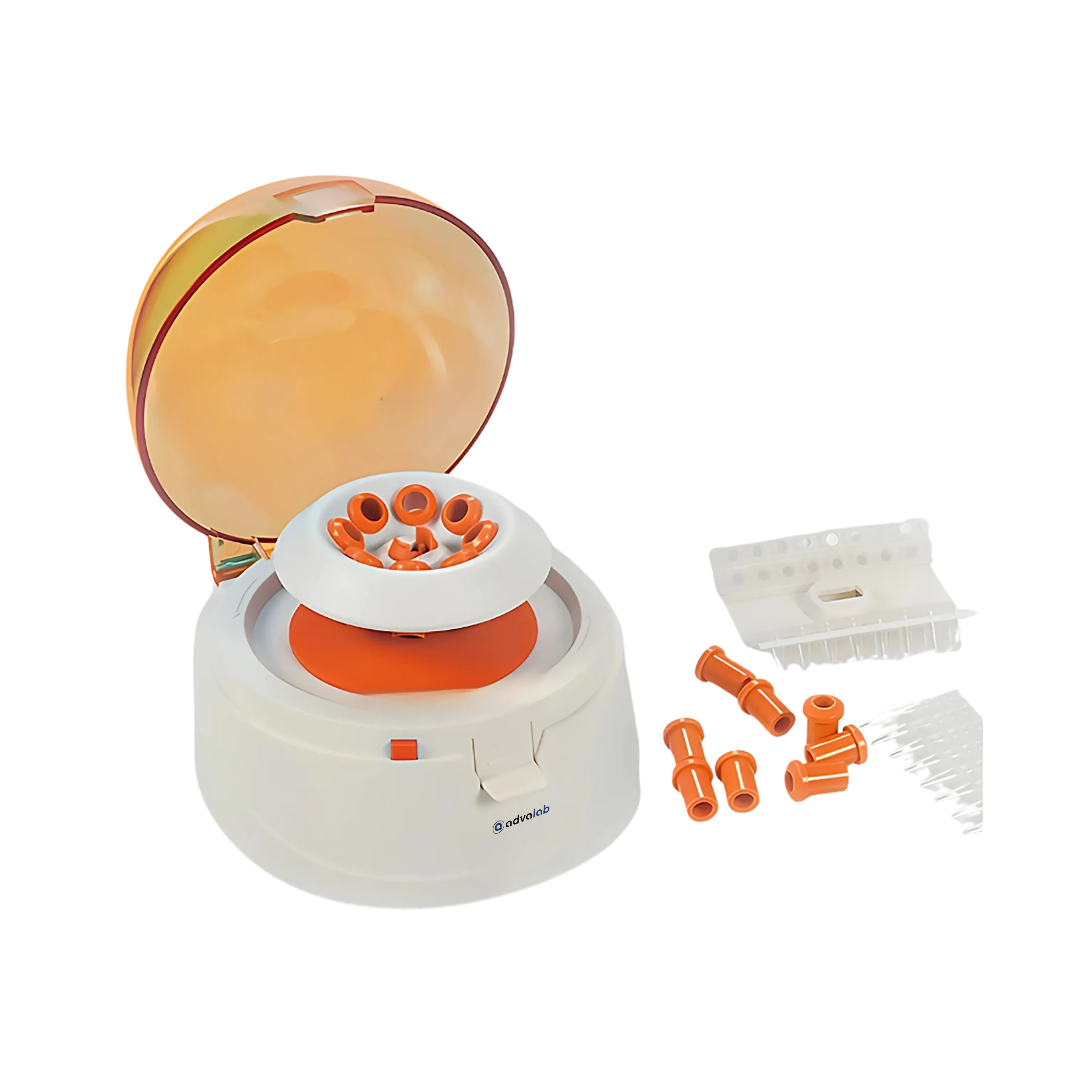
| Maximum Speed: | 6000 rpm ±5% |
| Rotation Direction : | Anticlockwise (fixed direction) |
| Acceleration Time : | ≤ 2 seconds |
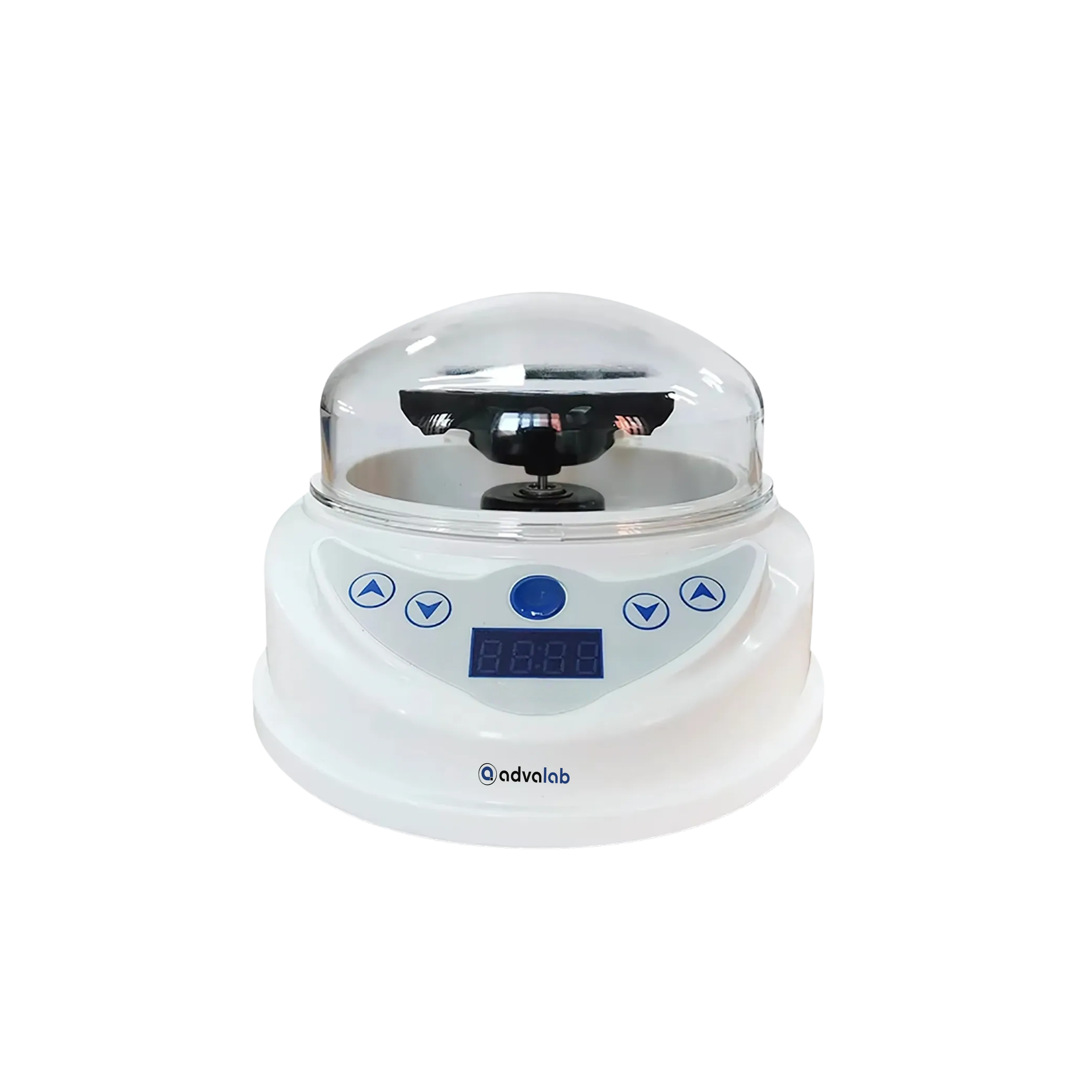
| Maximum Speed: | 7500rpm |
| Maximum RCF: | 3450xg |
| Capacity: | Three in one rotor:8x1.5/2ml+6x0.5ml+2x8x0.2ml, Rotor for 6 PCR strips |
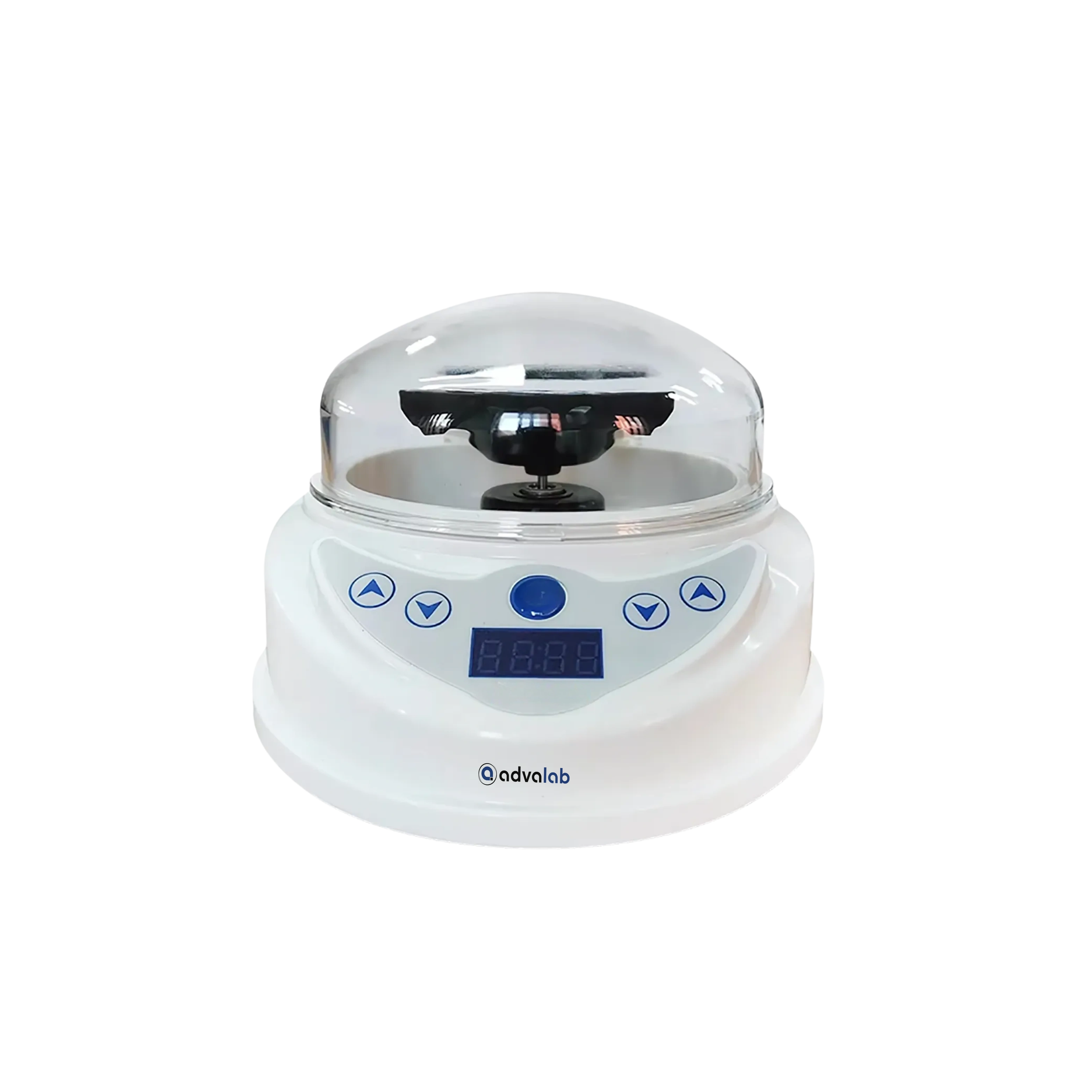
| Maximum Speed: | 6000rpm |
| Maximum RCF: | 2200xg |
| Capacity: | Three in one rotor:8x1.5/2ml+6x0.5ml+2x8x0.2ml, Rotor for 6 PCR strips |
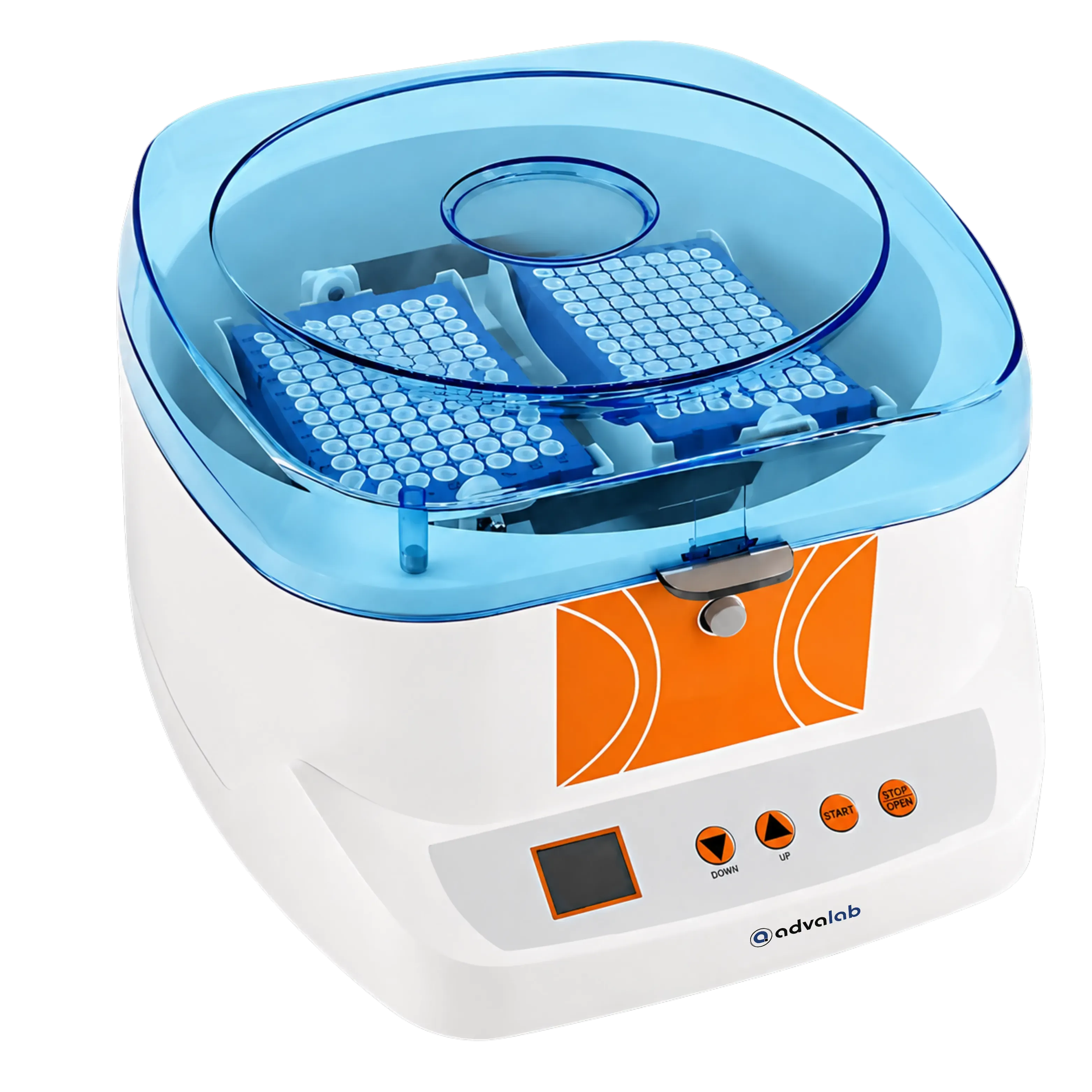
| Maximum Speed: | 2500 rpm ±5% |
| Rotation Direction : | Anticlockwise (fixed direction) |
| Acceleration Time : | 15 seconds |
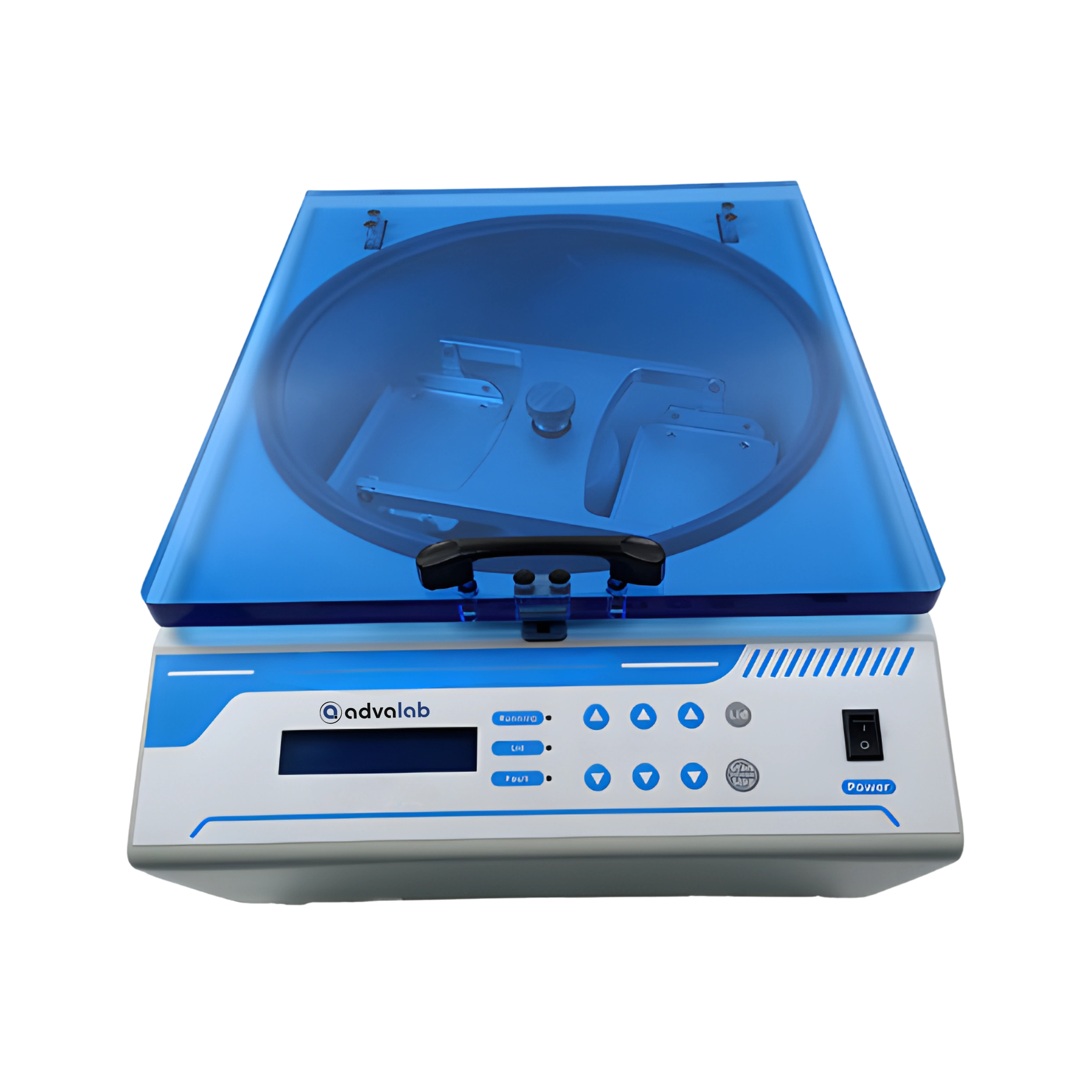
| Rotating Speed: | 500 to 2500 rpm |
| RCF Range: | 32 to 797g |
| Capacity: | 2 pcs Microplates or Deep-well plates |
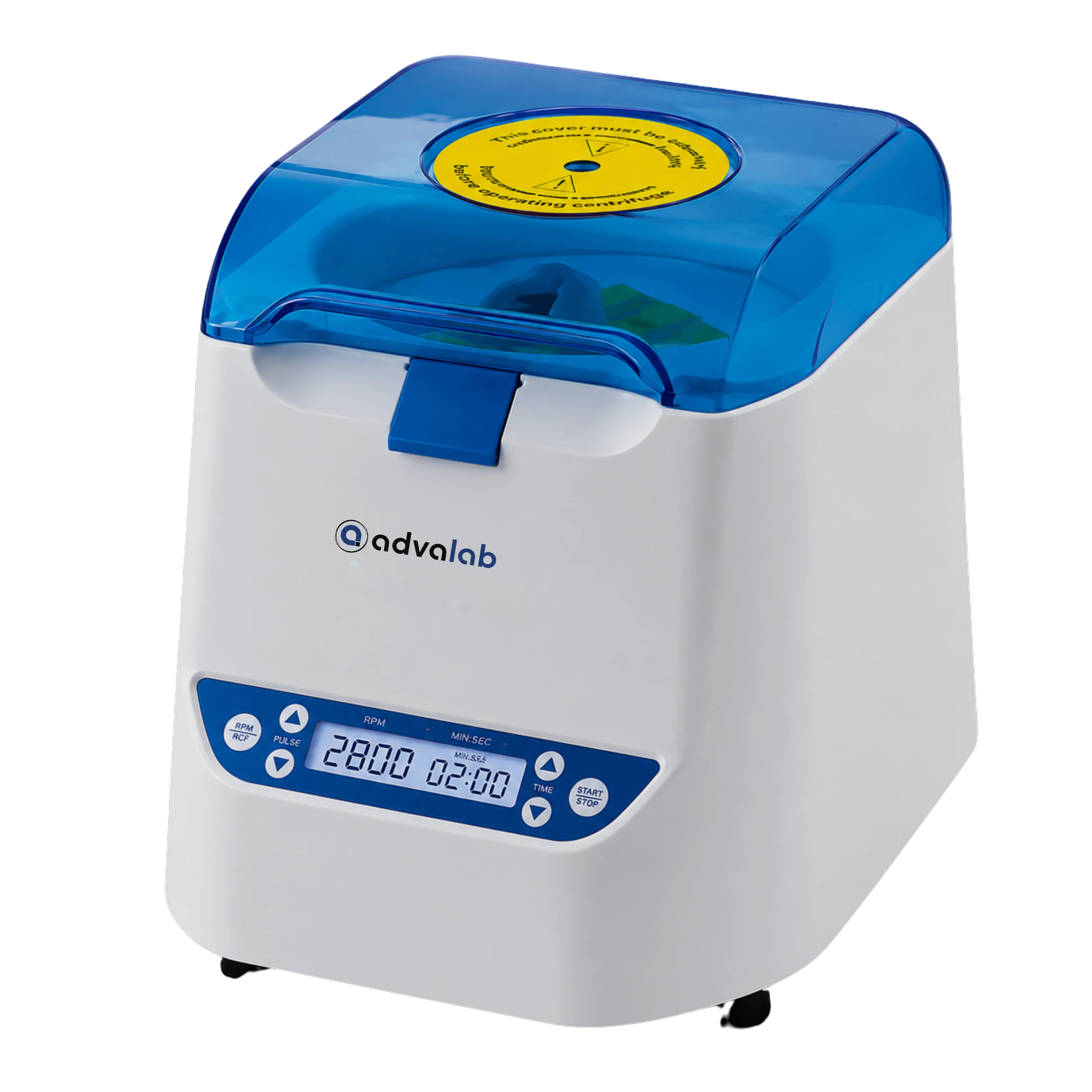
| Rotating Speed: | 2200 to 2800 rpm |
| Maximum RCF: | 550 g |
| Capacity: | 2 PCR plates |
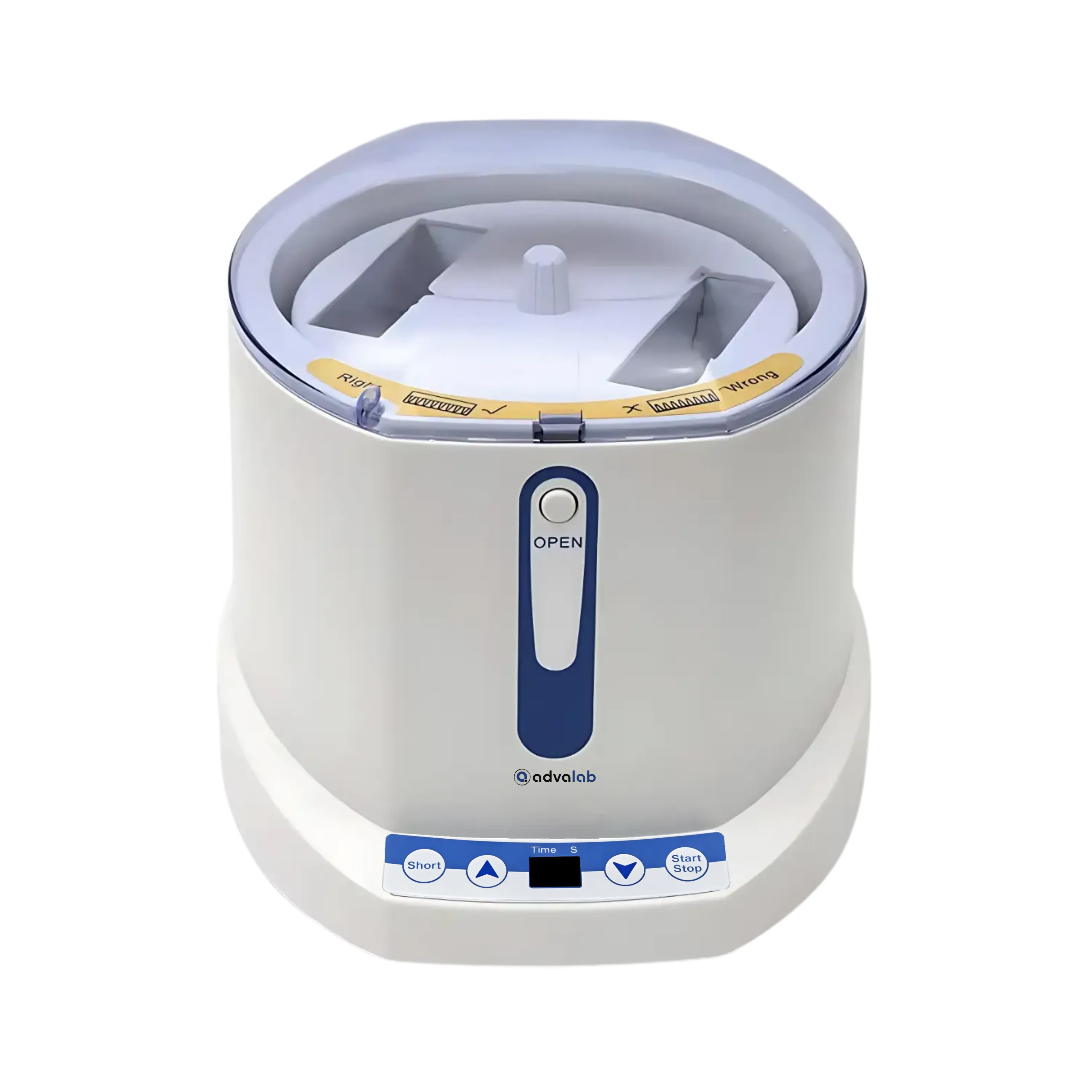
| Maximum Speed: | 2800 rpm |
| Maximum RCF: | 600×g |
| Maximum Rotor Radius: | 63 mm |
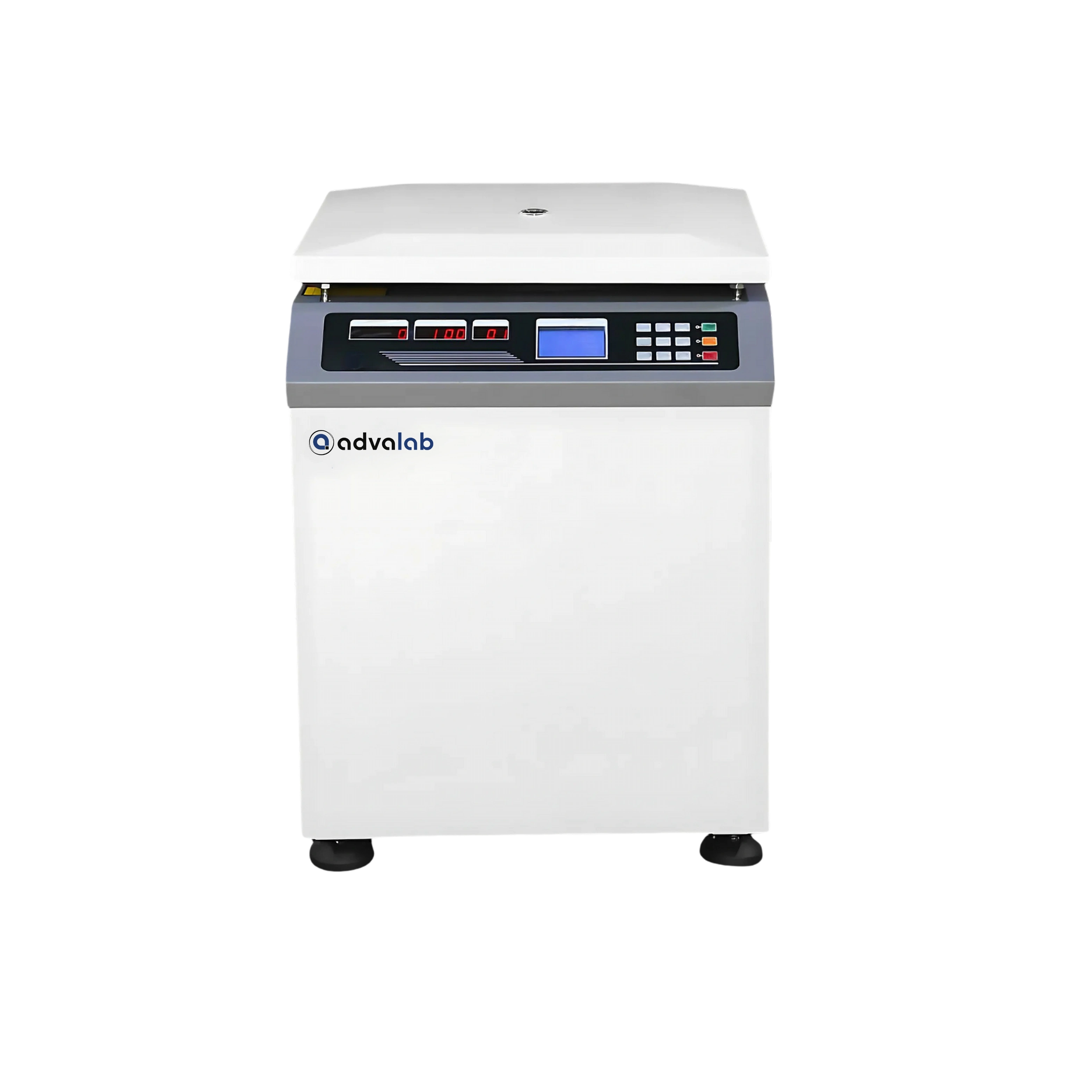
| Maximum Speed: | 3300 rpm |
| Maximum RCF: | 1920 x g |
| Maximum Capacity: | 8 x 30 ml |
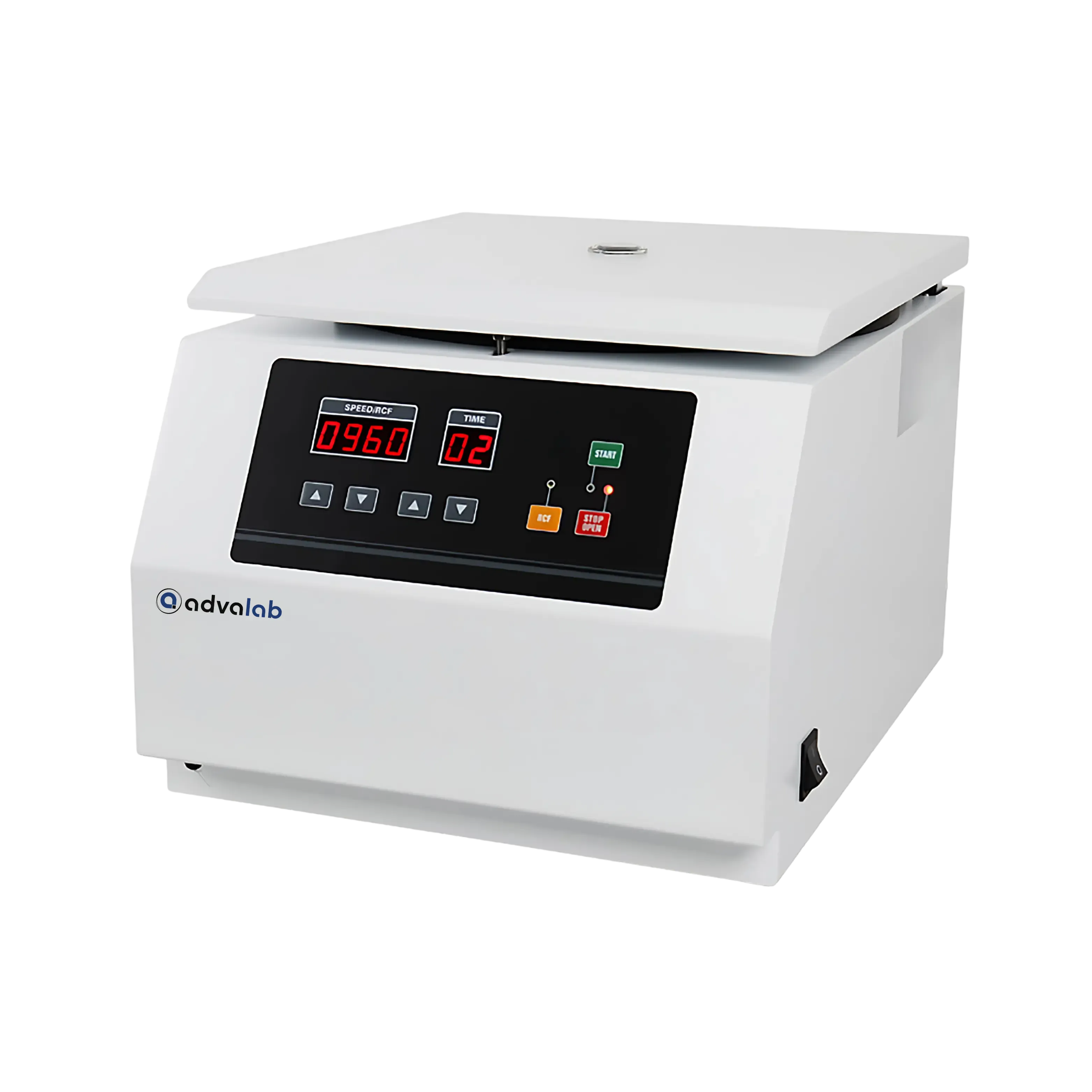
| Maximum Speed: | 3840 rpm |
| Maximum RCF: | 1790 xg |
| Maximum Capacity: | 12 Gel card |
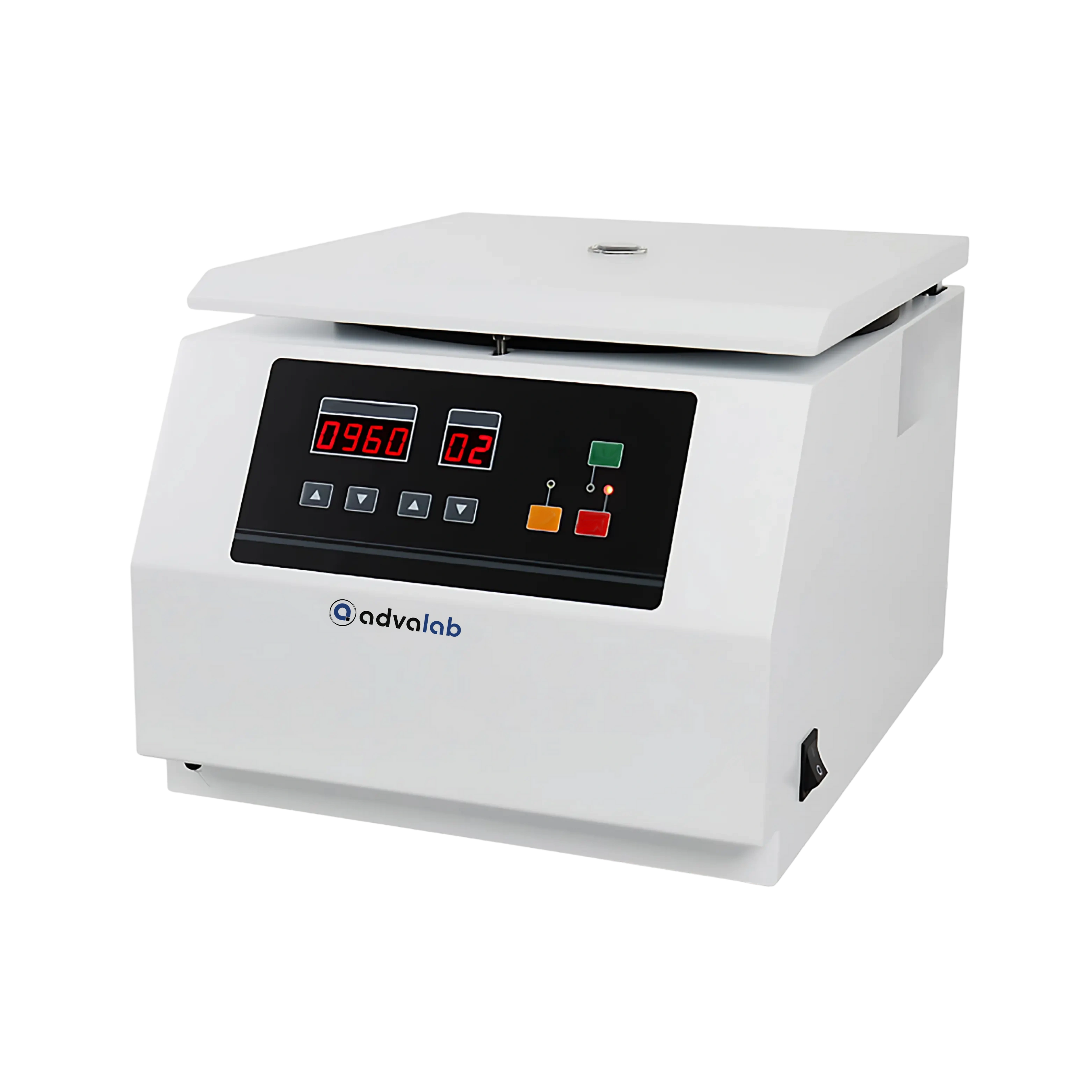
| Maximum Speed: | 3840 rpm |
| Maximum RCF : | 1790 ×g |
| Capacity : | 24 gel card |
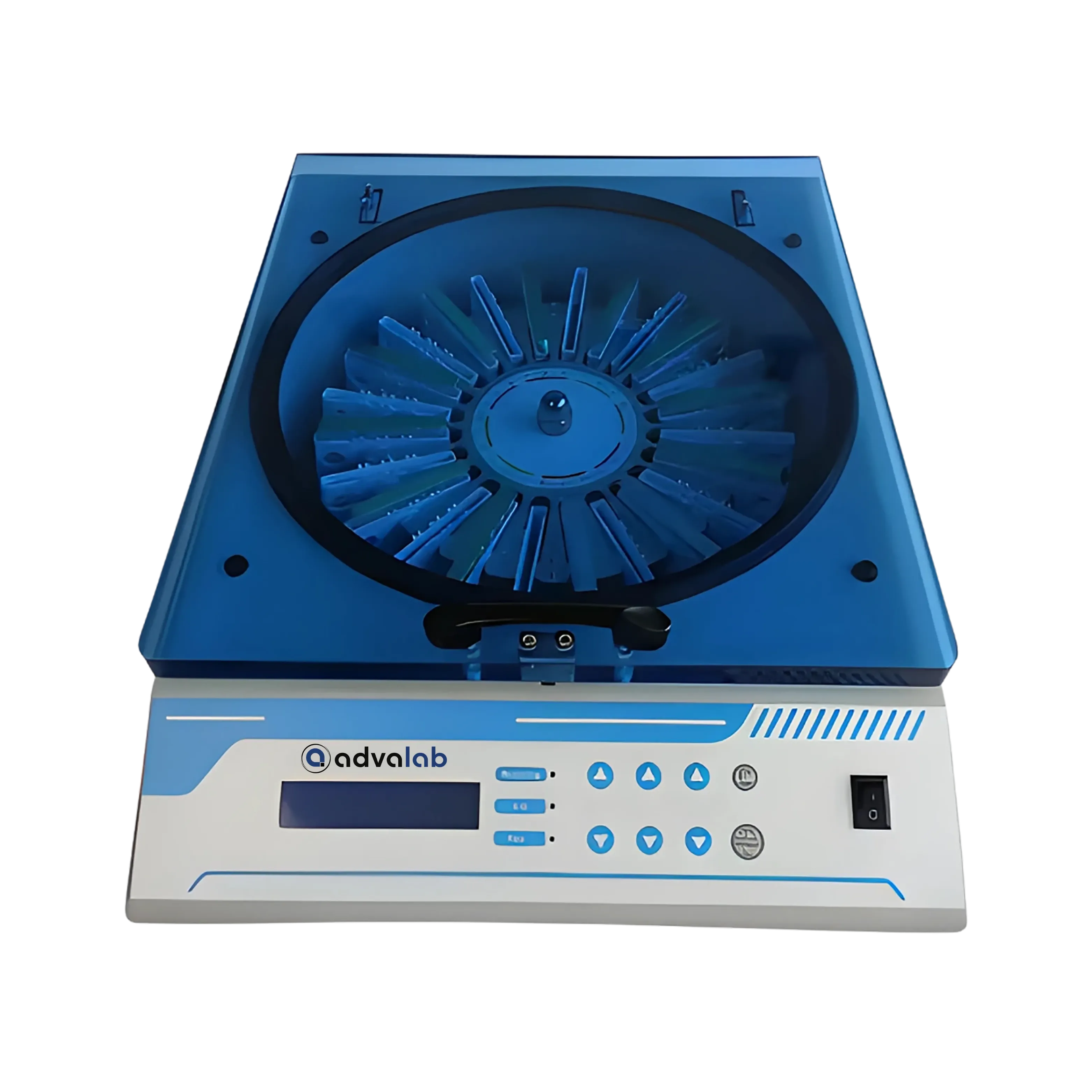
| Capacity: | 24 Gel Cards (6 column / 8 column) |
| Speed Range: | 500 to 2200 rpm |
| Timing Range: | 1 min to 30 min |
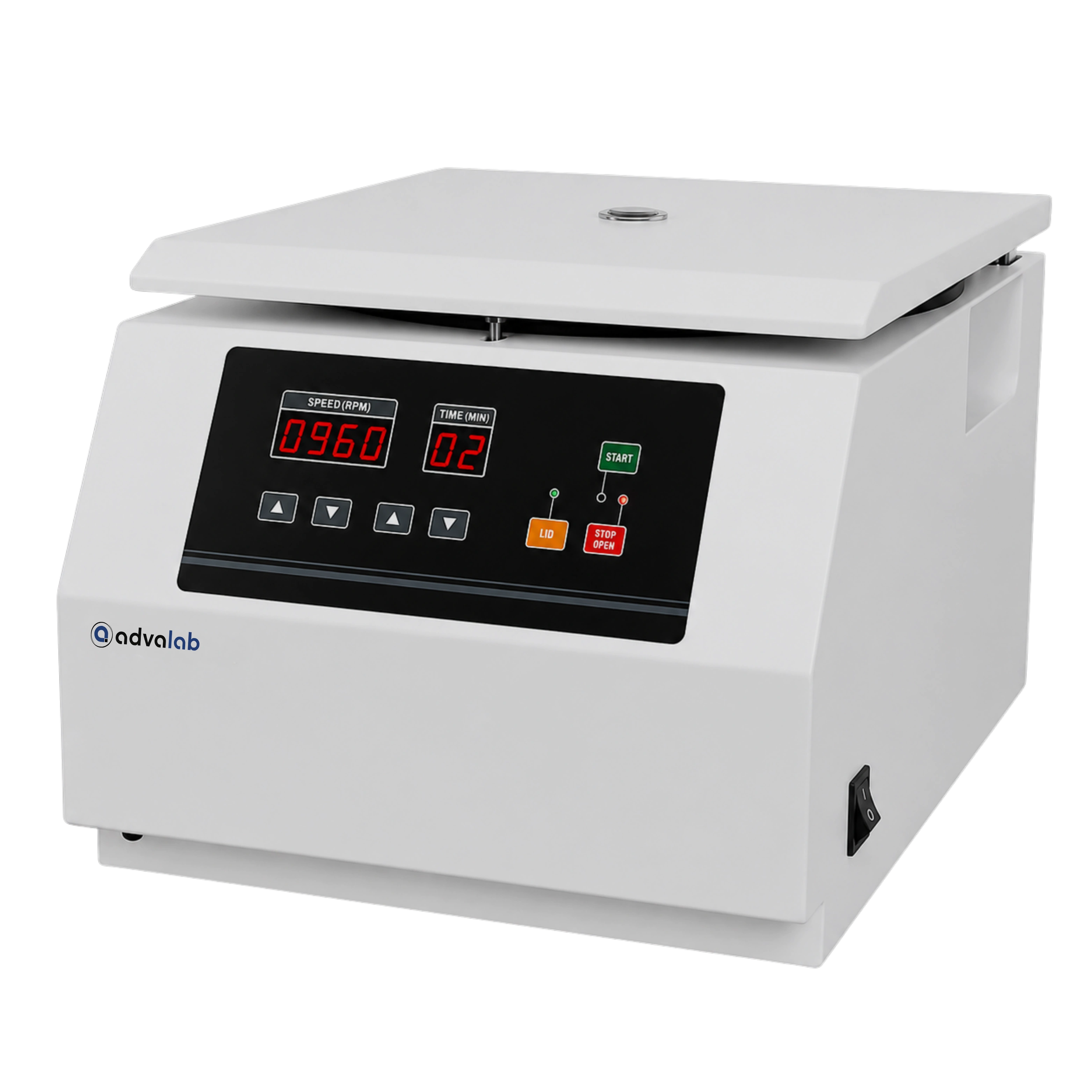
| Maximum Speed: | 4000 rpm |
| Maximum RCF: | 2170 xg |
| Maximum Capacity: | 10 pcs slide glass |
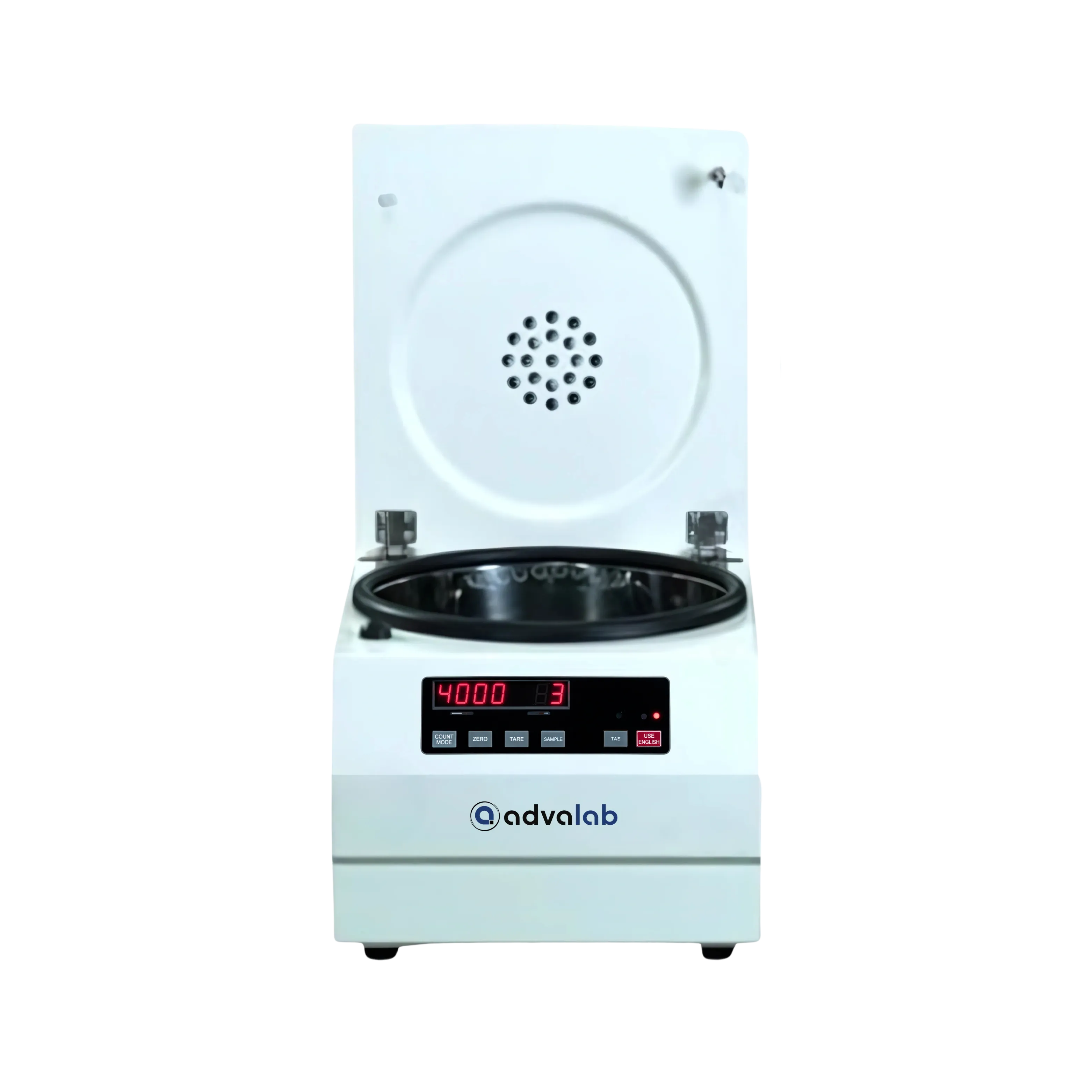
| Maximum Speed: | 3000 rpm |
| Maximum RCF : | 890 × g |
| Maximum Capacity : | 12 cards |

| Max Speed: | 3500 rpm |
| Max RCF: | 1640 xg |
| Max Capacity: | 12x10 ml |
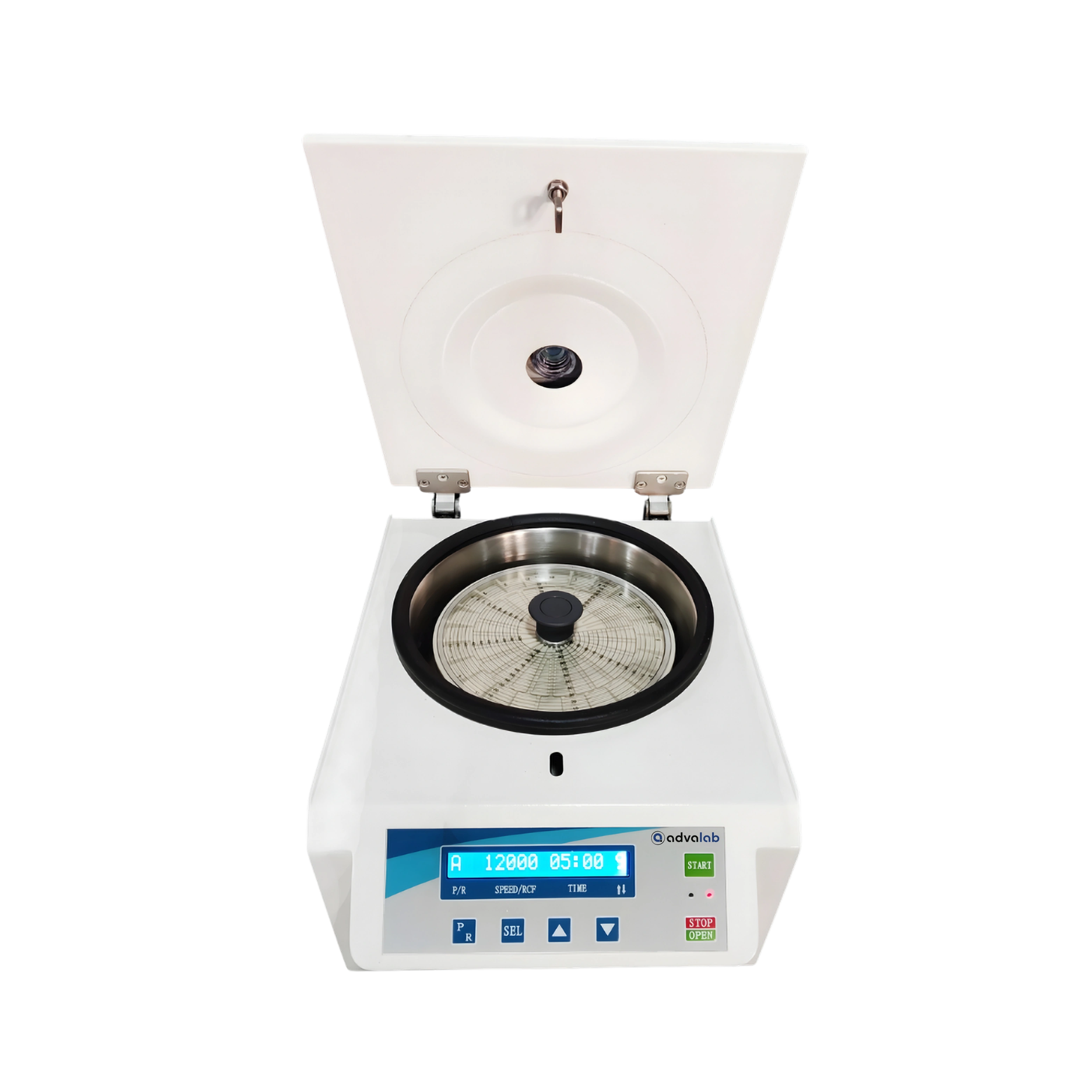
| Max Speed: | 12000 rpm |
| Max RCF: | 15800 xg |
| Capacity: | 24pcs capillary tube |